📖 About this Collection
August 1945: The Month the World Finally Breathed
The Historical Context
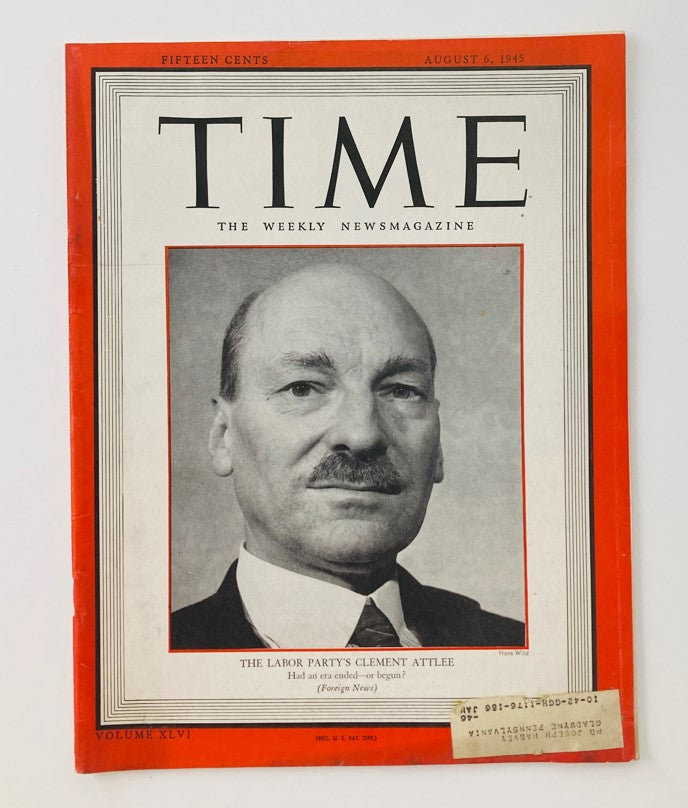
The air in August 1945 crackled with something unprecedented — the simultaneous terror and relief of a world war reaching its shattering conclusion. On August 6, the B-29 Enola Gay released a single bomb over Hiroshima, and the world changed irrevocably. Three days later, Nagasaki fell under a second atomic shadow. Japan announced its willingness to surrender on August 10, and on August 14 — V-J Day — the Empire of Japan surrendered unconditionally to the Allies, ending the deadliest conflict in human history. The Potsdam Conference between Stalin, Truman, and Churchill (soon replaced by Attlee) had already concluded on August 2, carving the post-war world into the shape we would live with for decades. For someone born in August 1945, this was not merely a month — it was the hinge of history.
The Culture of a World Reborn
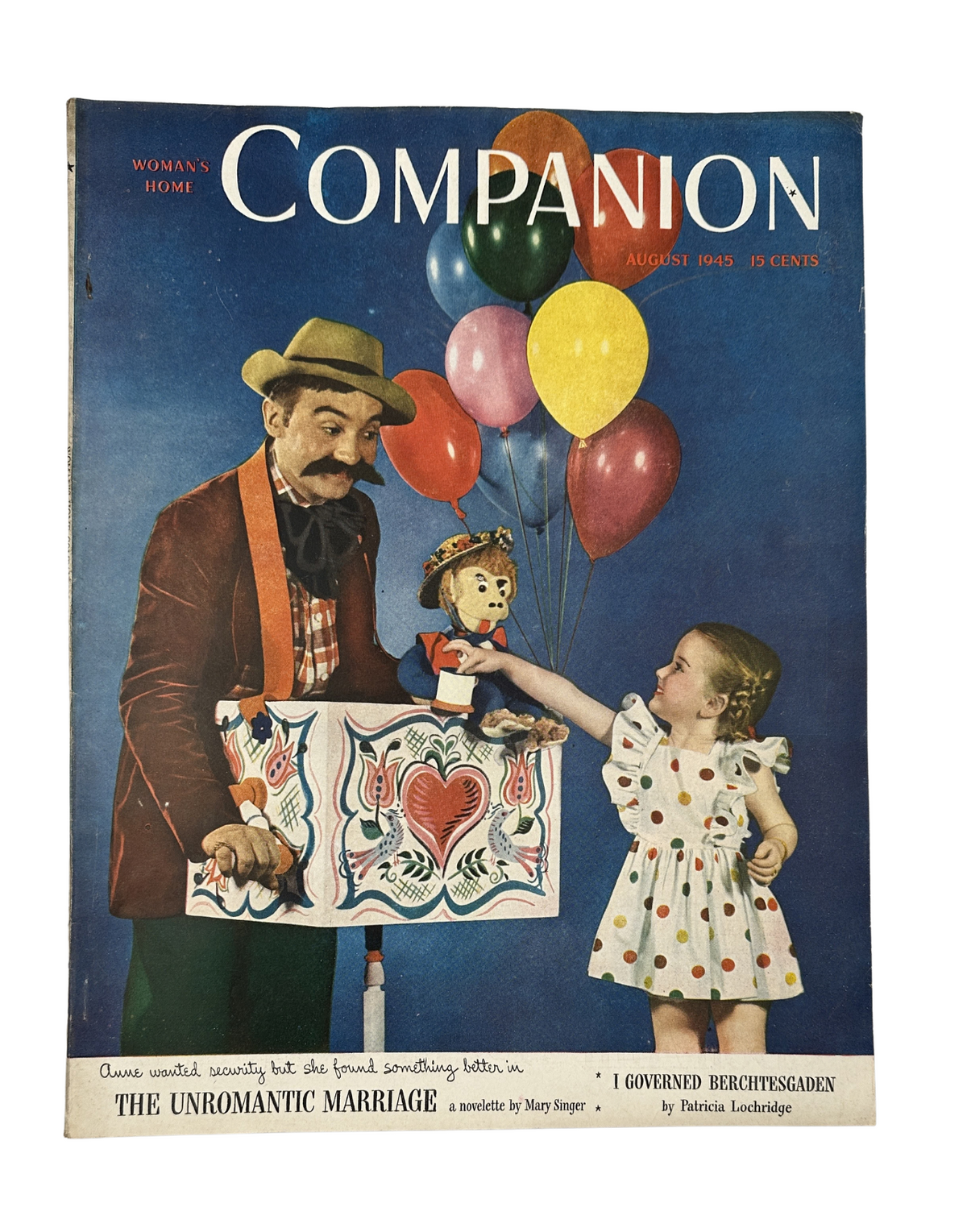
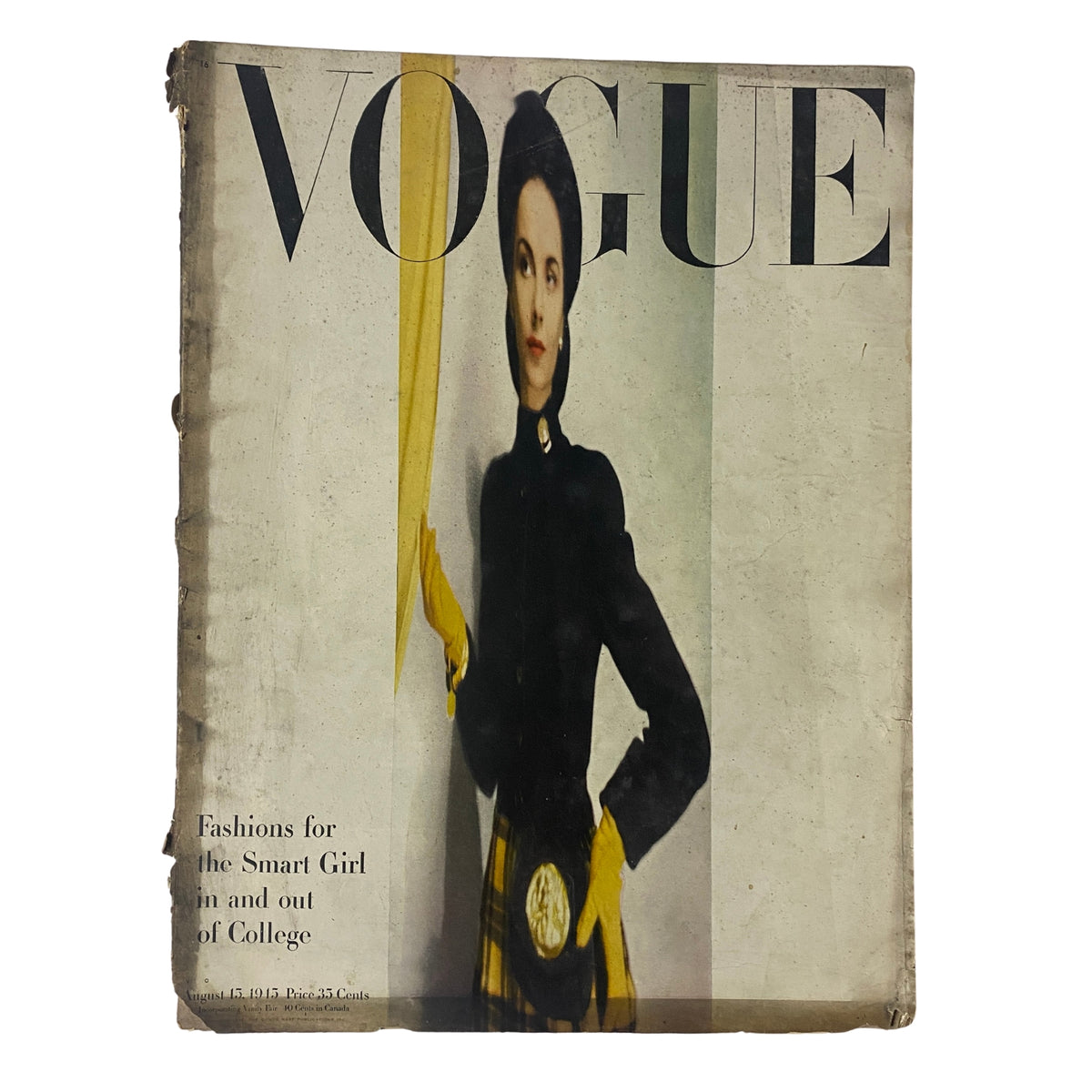
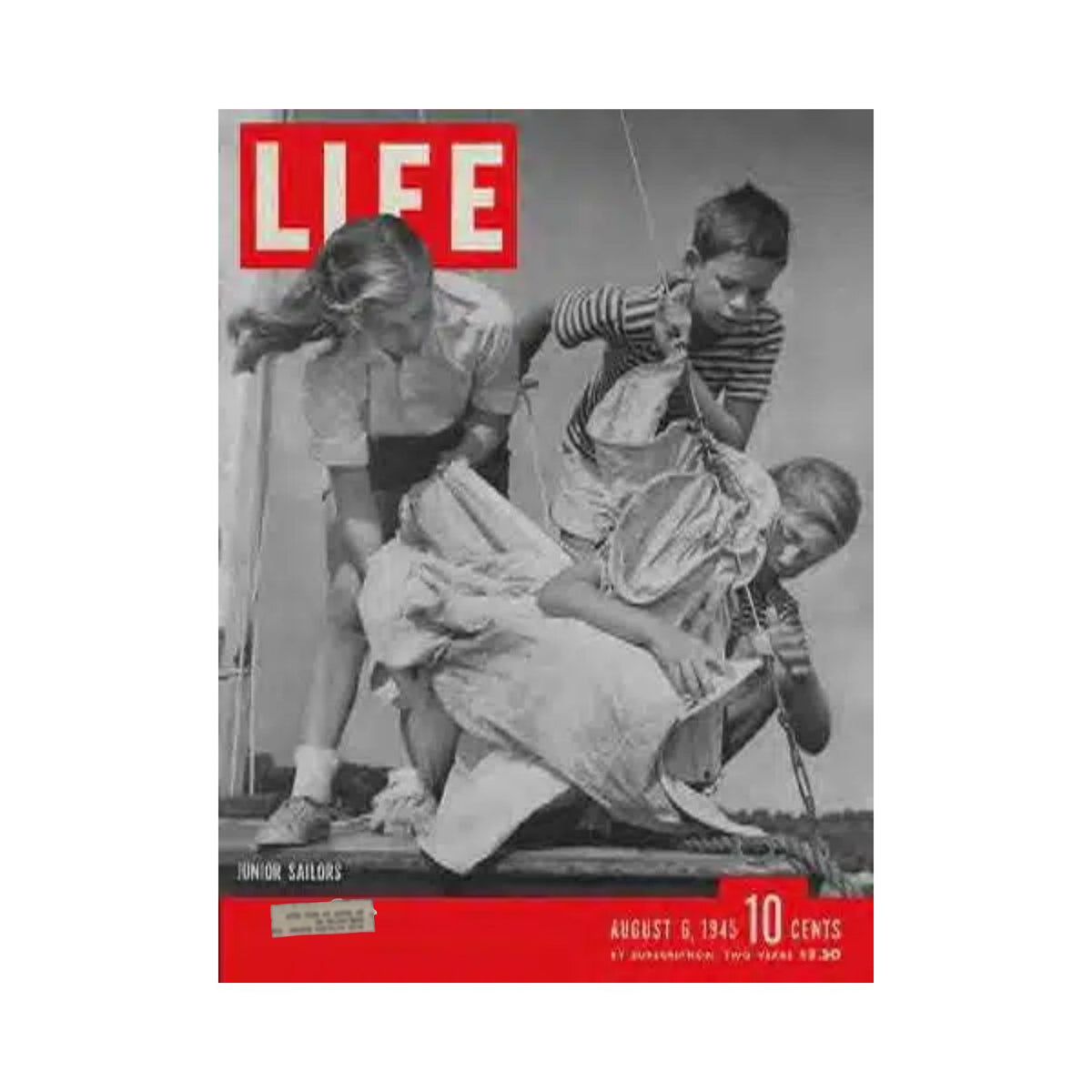
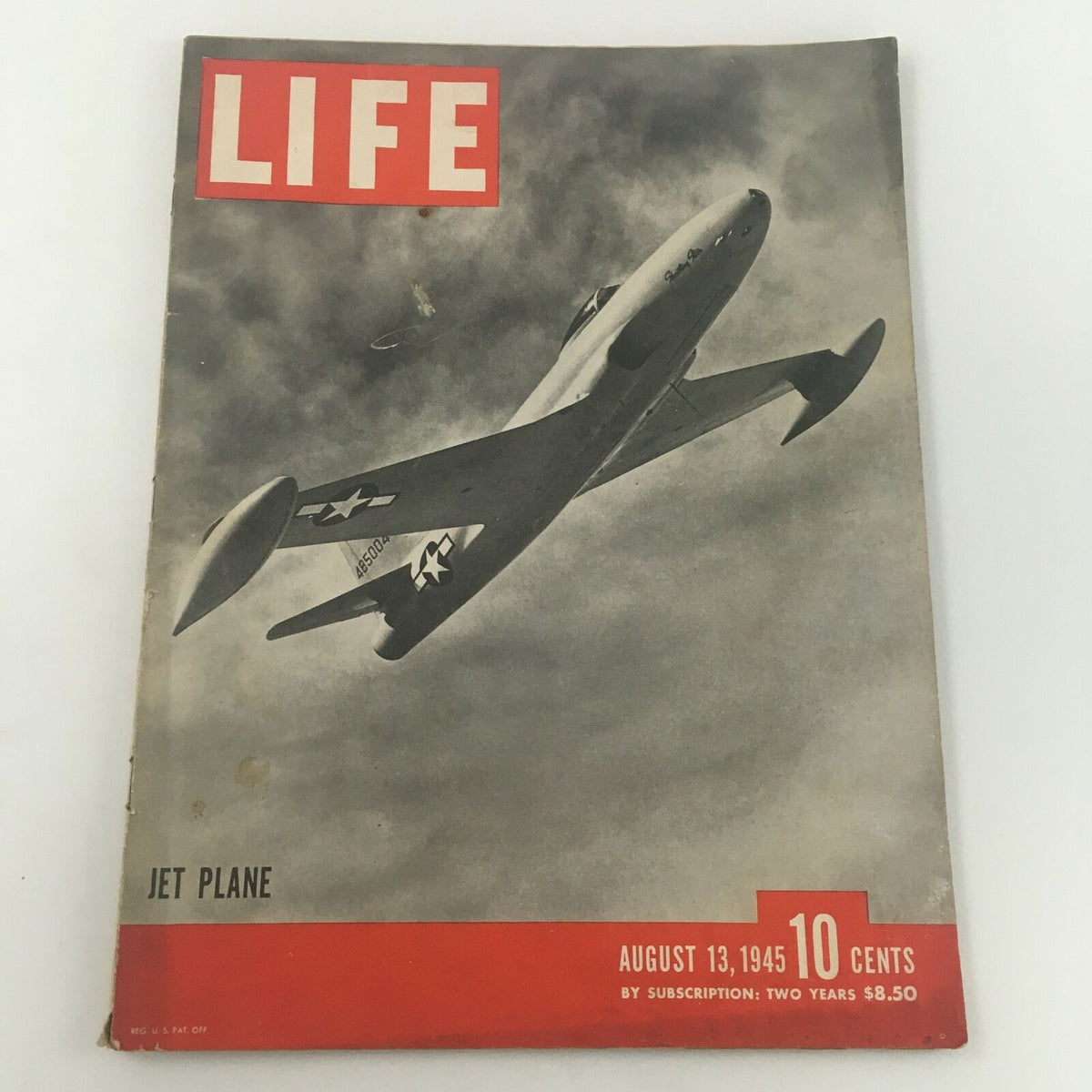
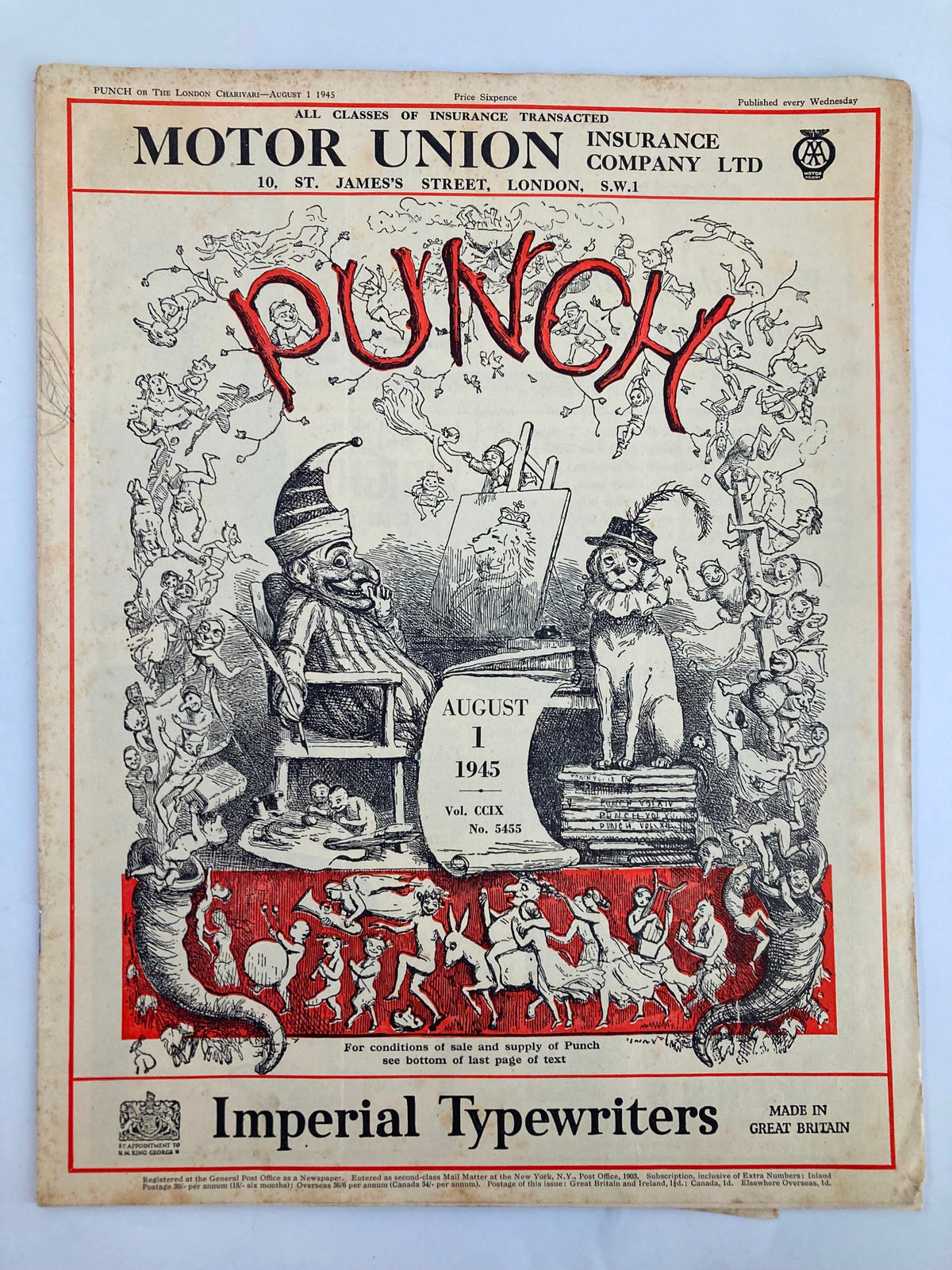
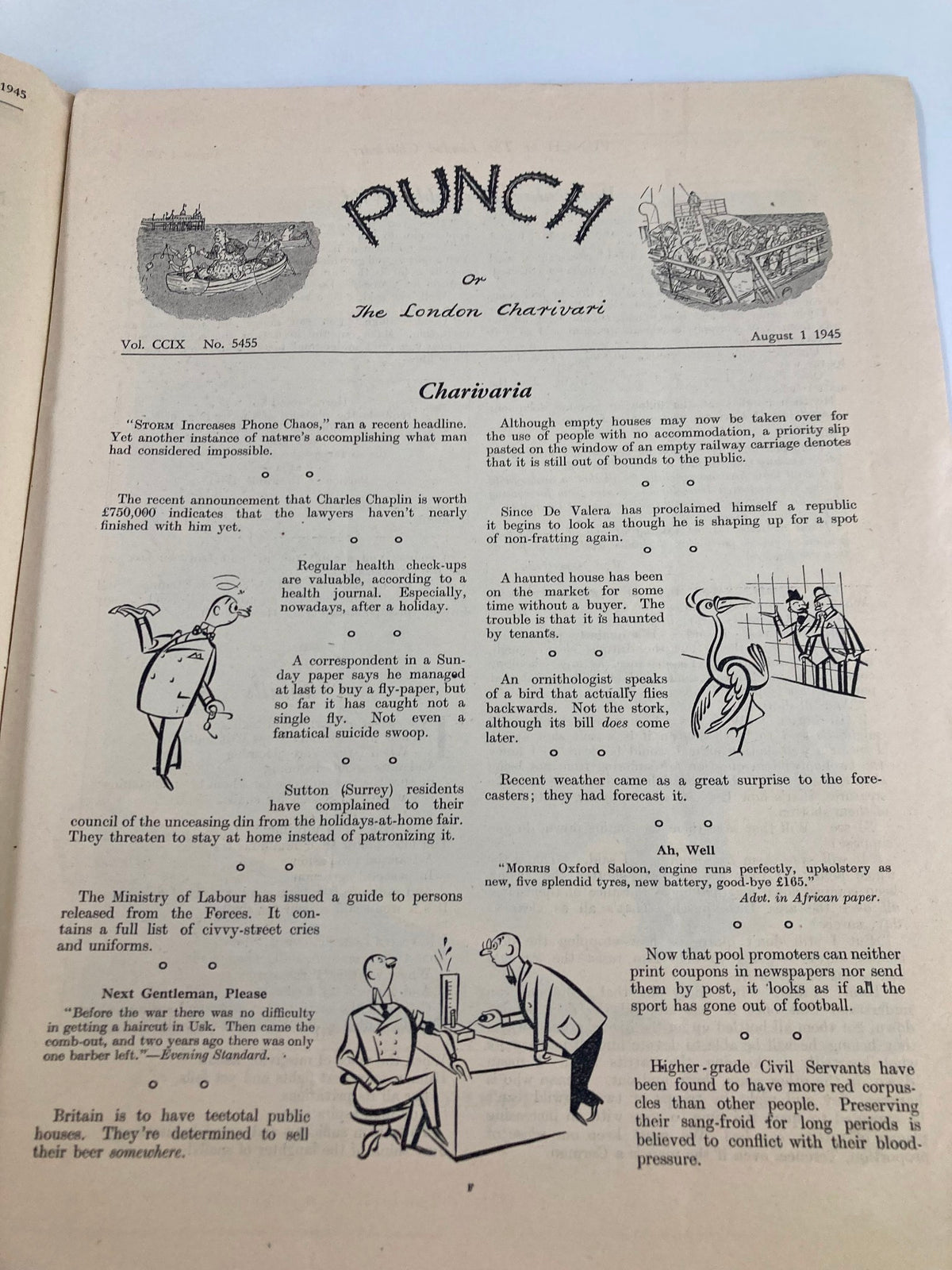
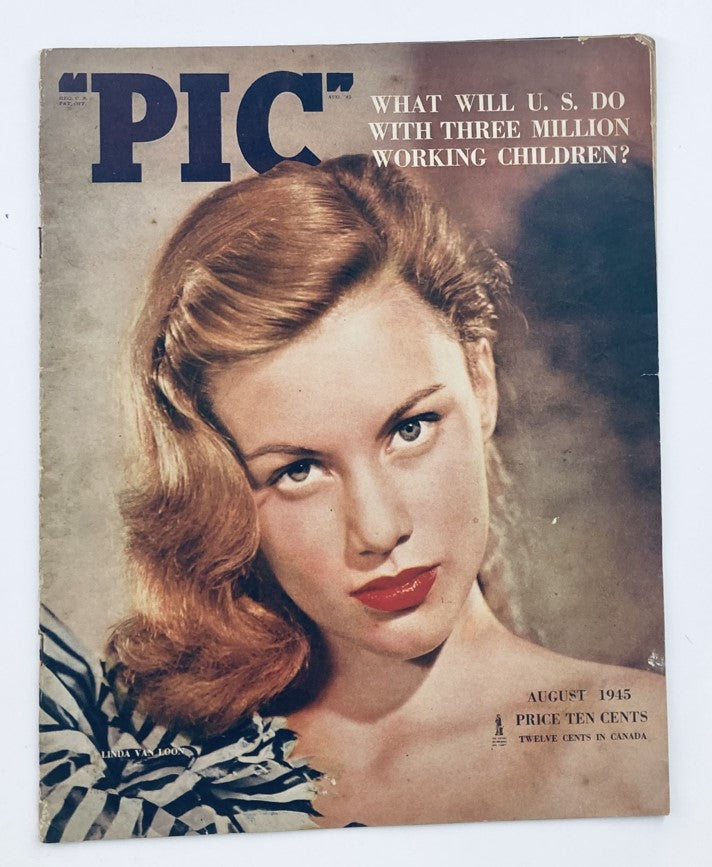
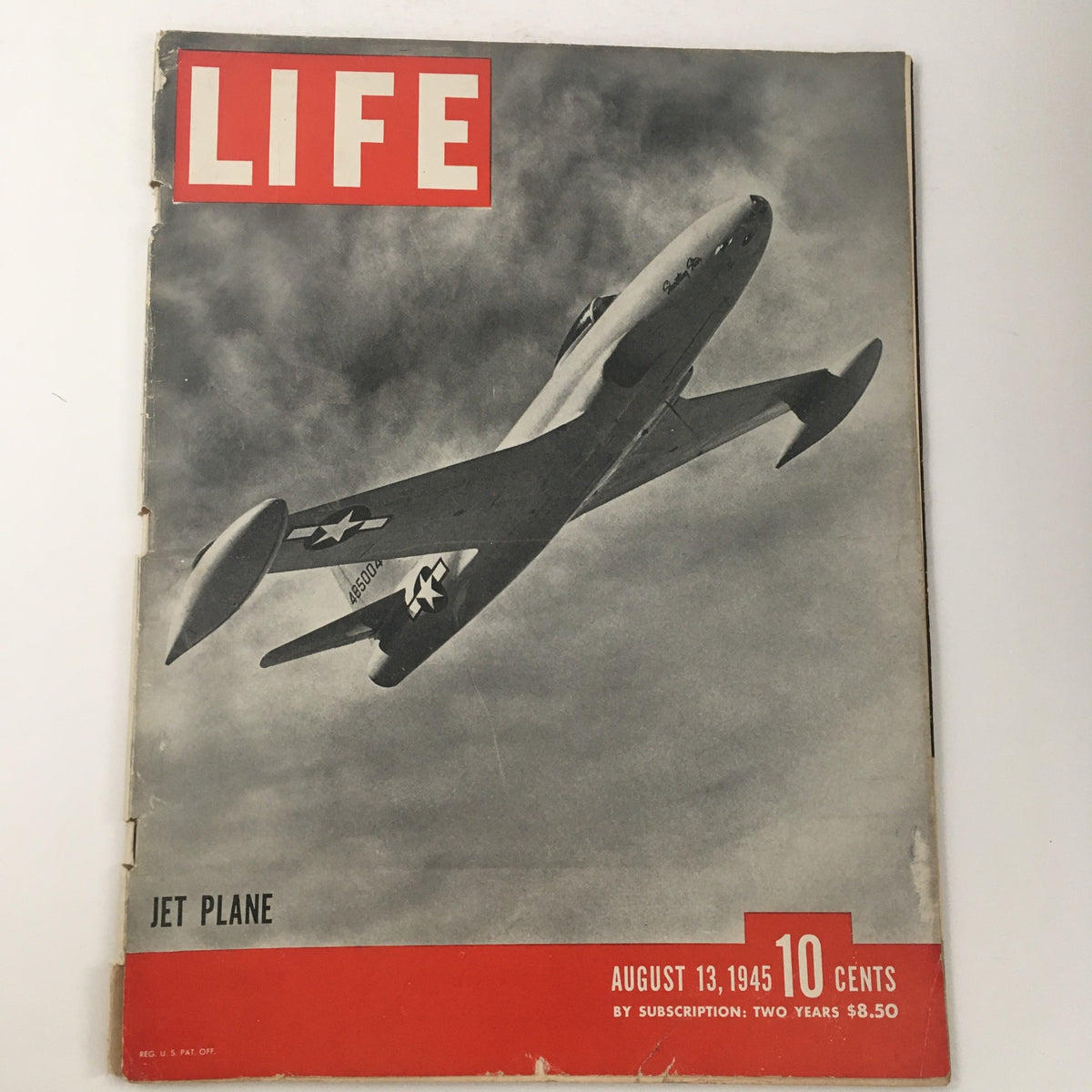
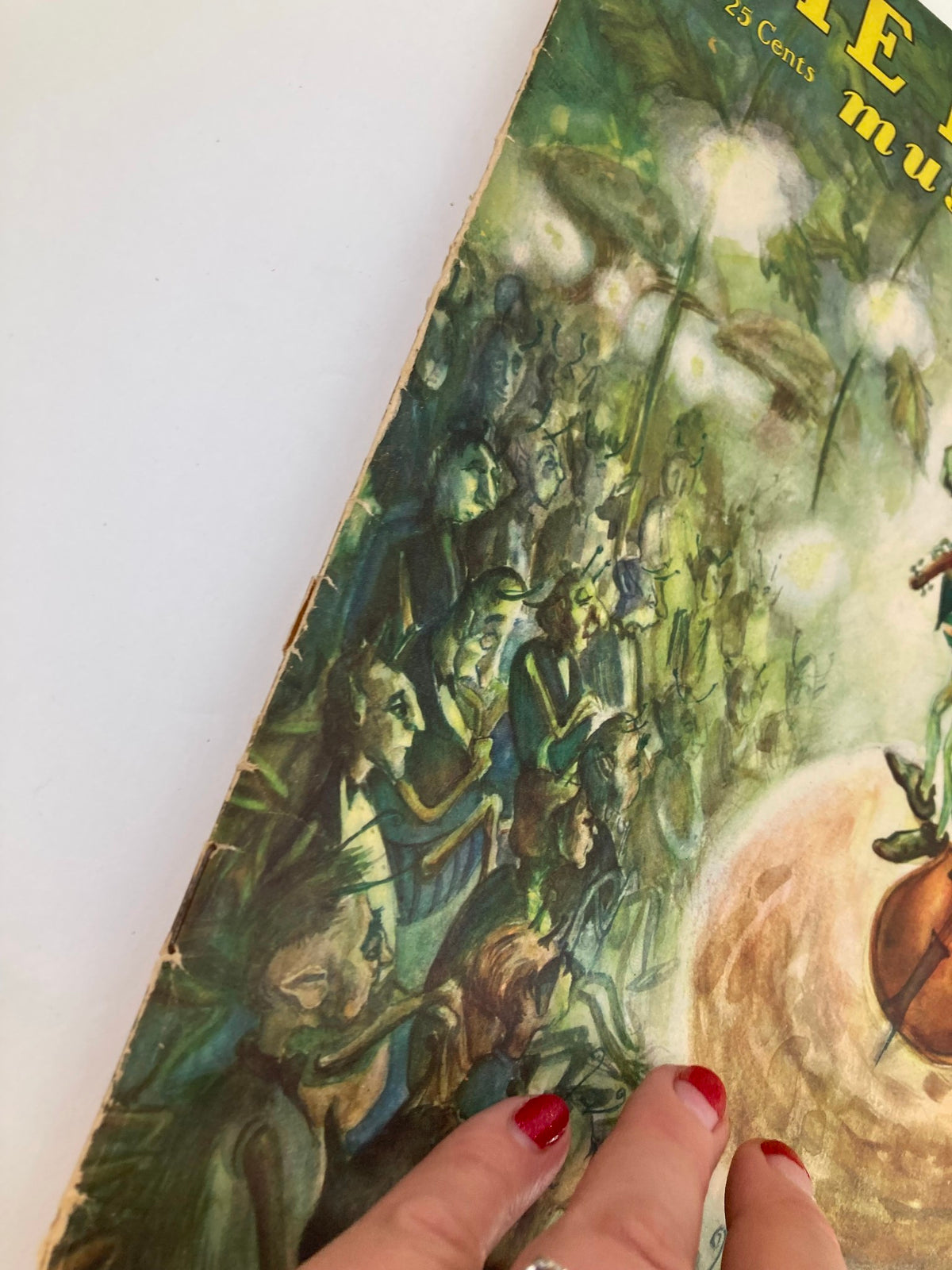
Even as mushroom clouds rose over Japan, ordinary life reasserted itself with remarkable tenacity. At the Polo Grounds, New York Giants outfielder Mel Ott became only the third man in baseball history — joining Babe Ruth and Jimmie Foxx — to hit 500 home runs. Golfer Byron Nelson was in the midst of one of sport's most astonishing streaks, winning his record 11th consecutive PGA title at the Canadian Open. In London, Noël Coward's musical revue Sigh No More opened at the Piccadilly Theatre to warm reception. US wartime rationing of gasoline and fuel oil ended on August 15 — a quiet domestic milestone that told Americans, in practical terms, that the war was truly over. Original magazines from August 1945 capture this extraordinary double consciousness: headlines screaming surrender, while advertisements cautiously announced the return of peacetime plenty. Life, Time, and Newsweek devoted cover after cover to V-J Day celebrations, while rare magazines like the Saturday Evening Post documented the soldiers already dreaming of home.
Curator's Checklist: What to Look For
- Atomic Bomb Coverage: News magazines including Life, Time, and Newsweek featuring dramatic photographs of the Hiroshima and Nagasaki mushroom clouds, often illustrated with maps of Japan and official military statements — among the most historically significant pages in vintage magazines of this era.
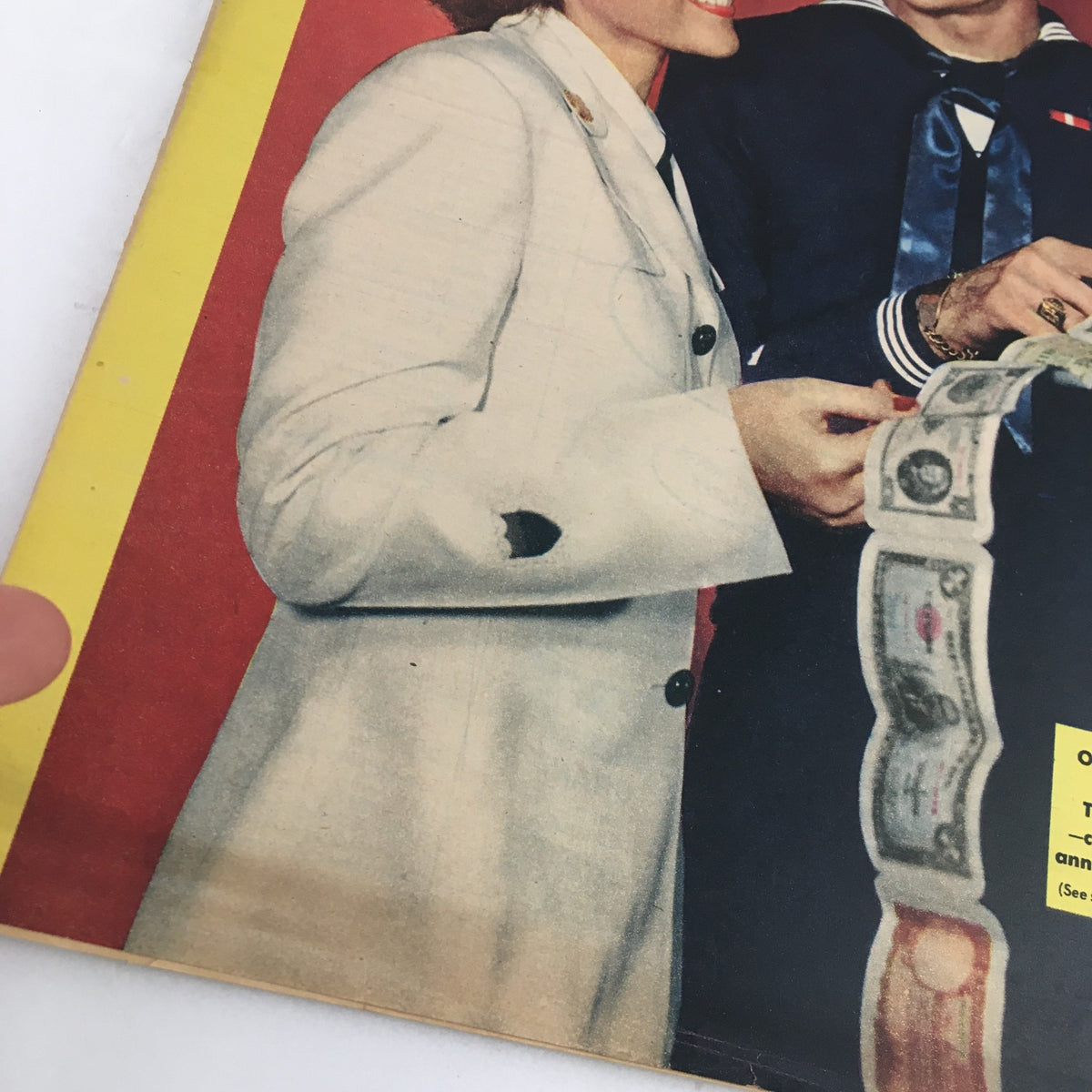
- V-J Day Celebrations: Authentic photojournalism in Life and Look showcasing the eruption of joy across American cities on August 14–15, including the famous scenes of crowds flooding Times Square, capturing a collective exhale that no staged photograph could replicate.
- The Potsdam Conference: Political weeklies and news magazines chronicling Stalin, Truman, and Churchill gathered at Cecilienhof Palace, featuring diplomatic portraits and analysis of how the post-war world would be divided — essential reading for anyone interested in Cold War origins.
- Mel Ott's 500th Home Run: Sports coverage in Life and early Sports Illustrated-era publications showcasing this milestone alongside genuine vintage advertisements for baseball equipment, tobacco, and consumer goods that define the era's advertising aesthetic.
- Post-War Optimism in Advertising: Throughout authentic August 1945 magazines, watch for the shift in advertising tone — wartime austerity giving way to promises of automobiles, appliances, and prosperity, a time capsule of America's economic confidence at the dawn of the post-war boom.
The Perfect Gift
For someone born in August 1945, an original magazine from this world-altering month isn't just a piece of paper — it's their precise moment in history, preserved in genuine wartime newsprint, authentic period advertising, and the unfiltered headlines of a civilization catching its breath.