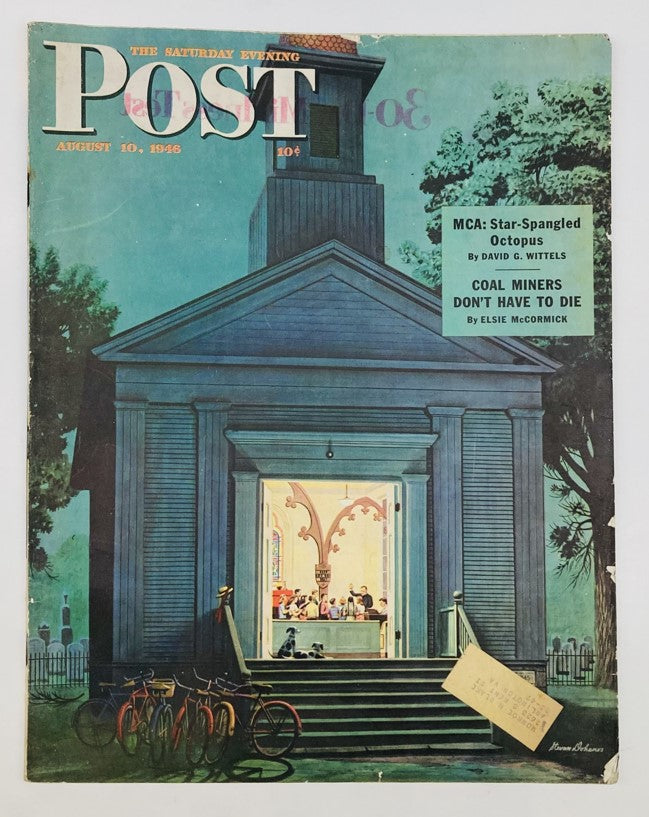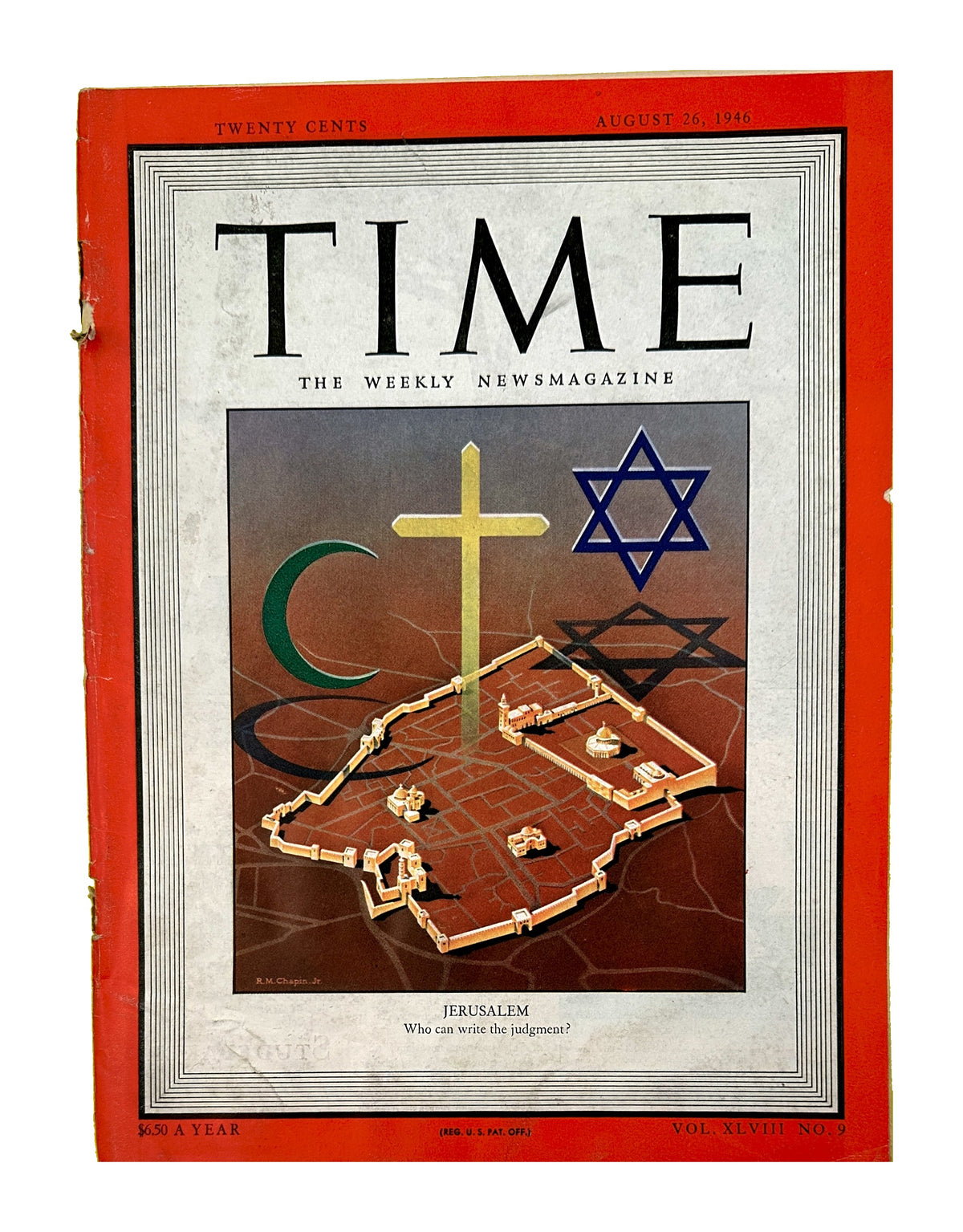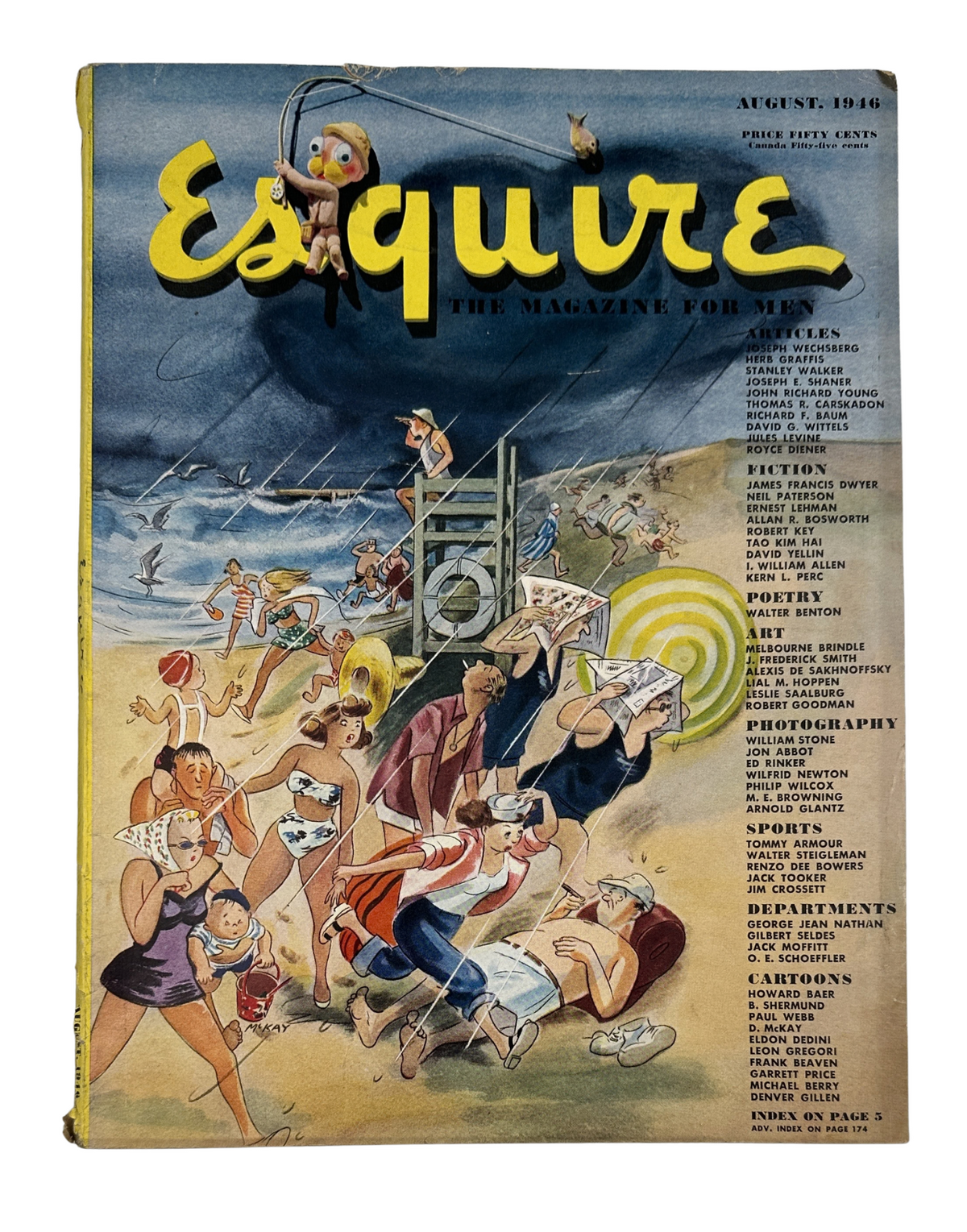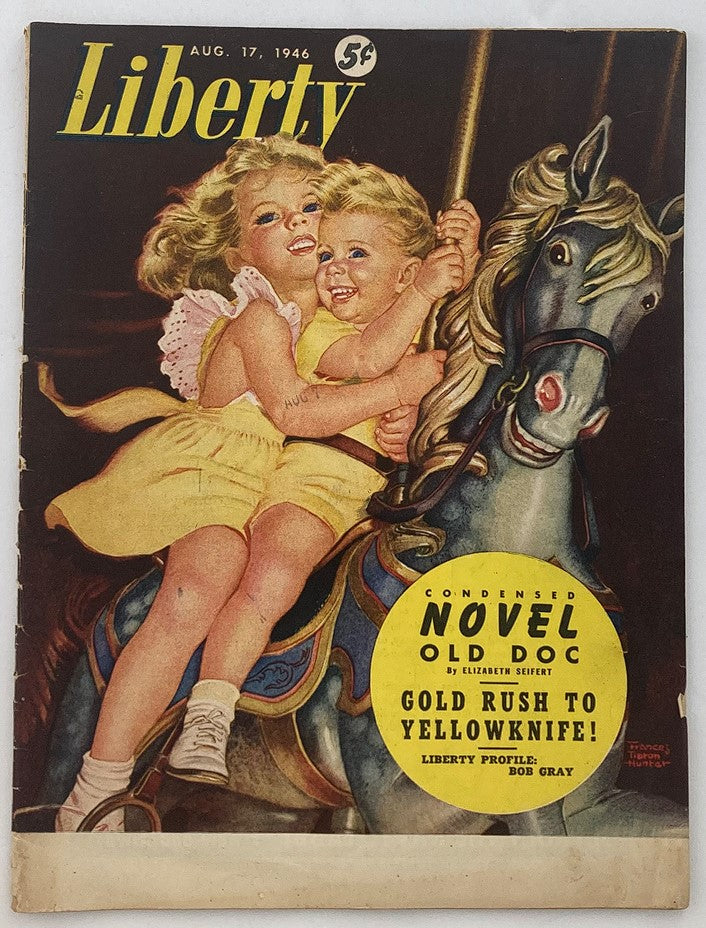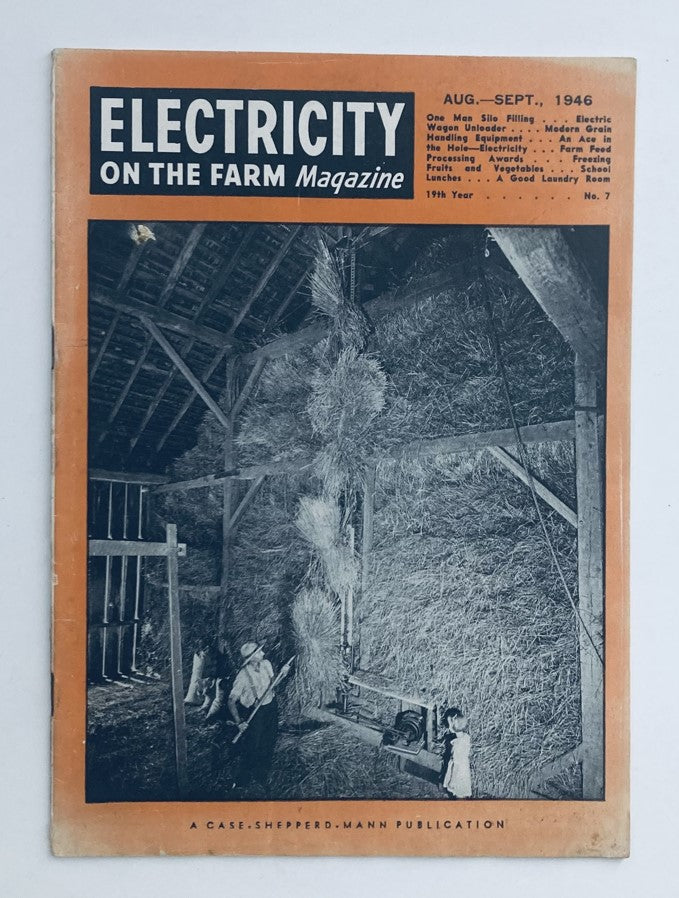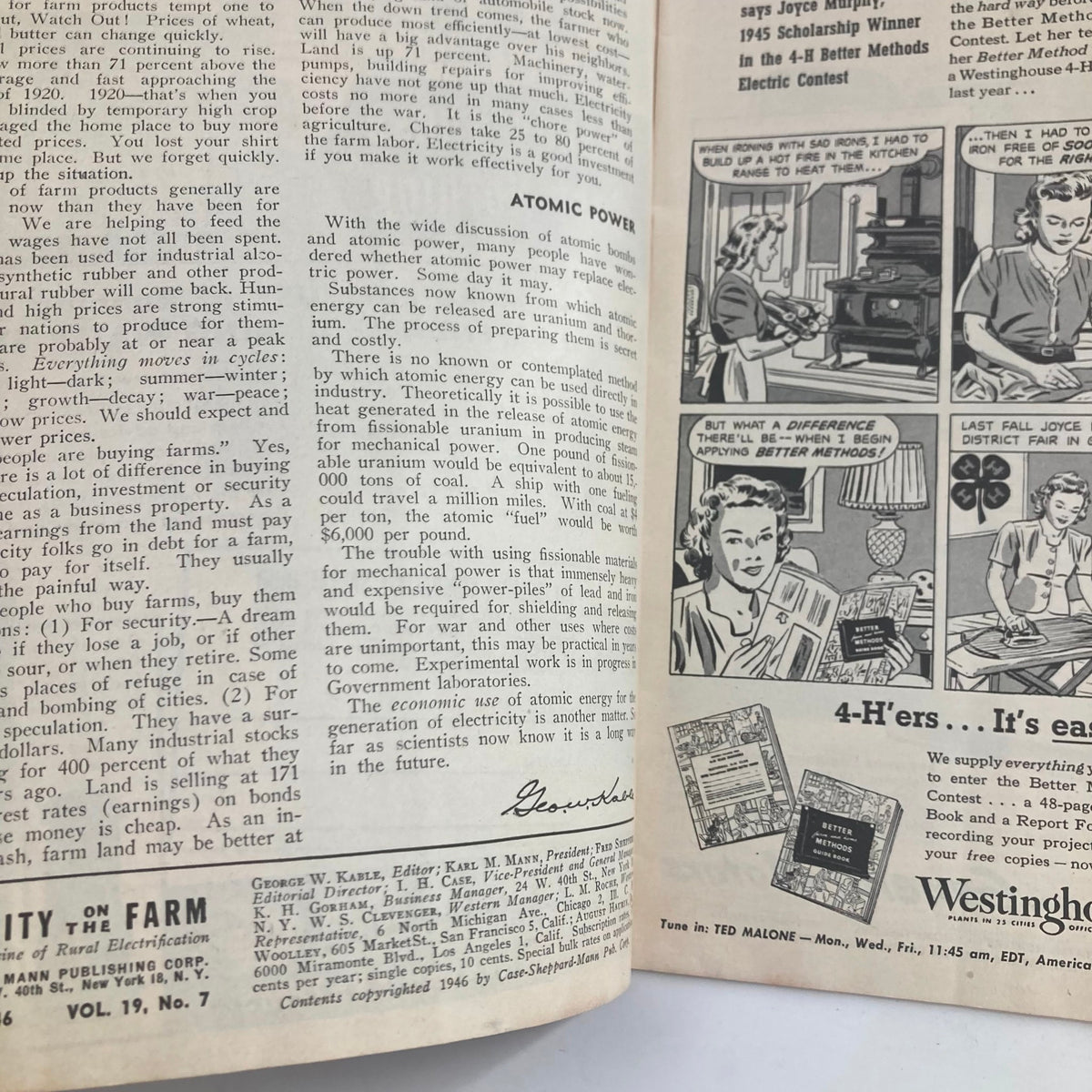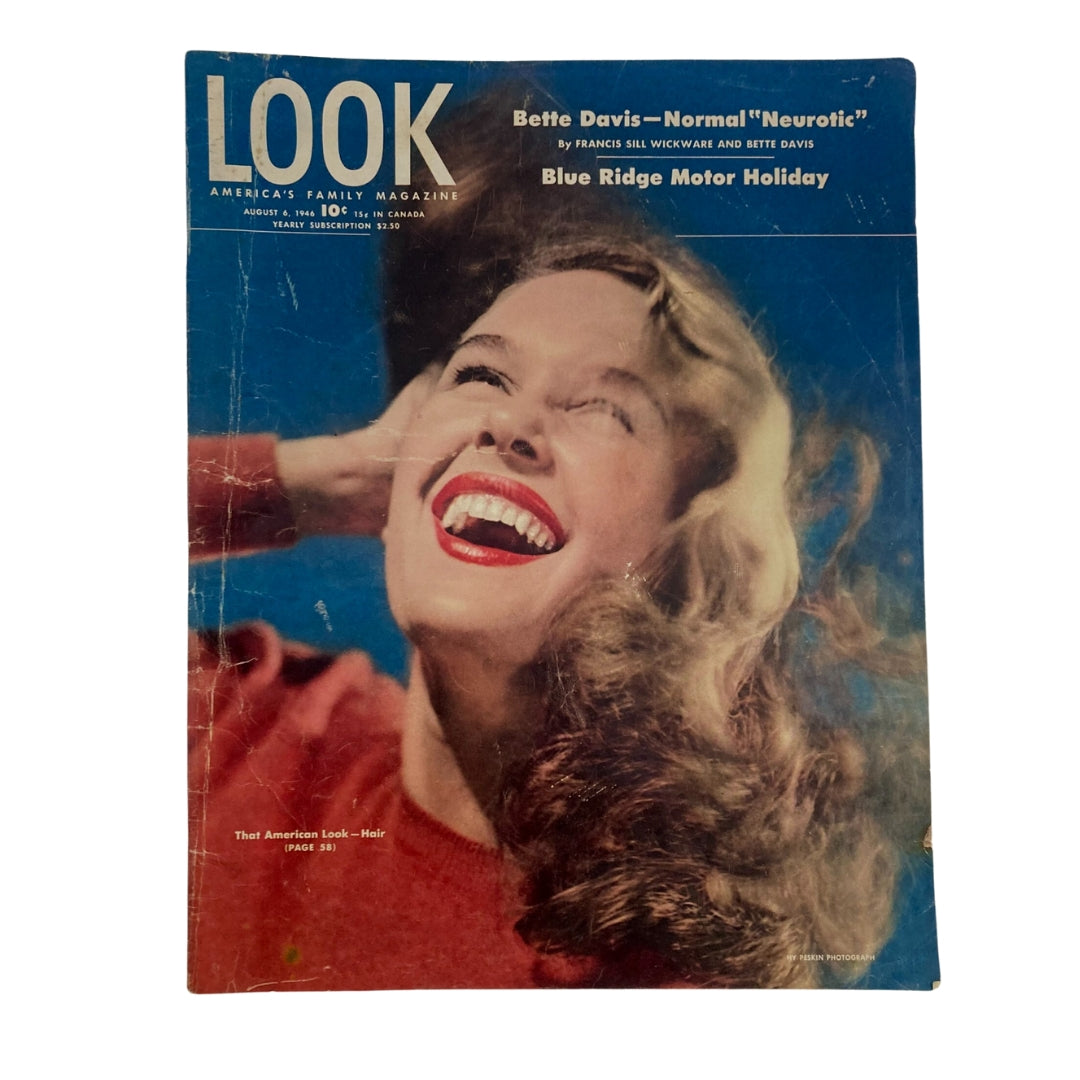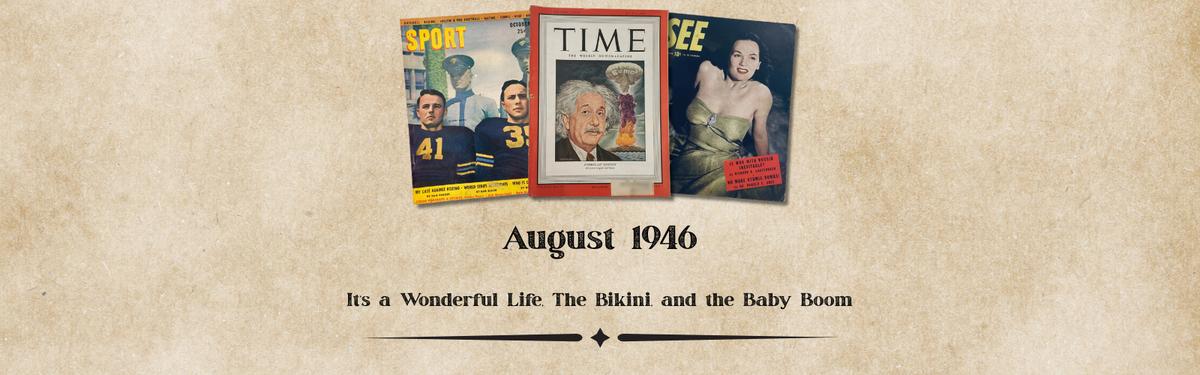
📖 About this Collection
August 1946: The Summer of Consequence
The Historical Context
The air in August 1946 crackled with a particular kind of tension — not the white-hot urgency of wartime, but something slower and more momentous. On August 1st, President Harry Truman signed the Atomic Energy Commission into existence, placing the terrifying power unlocked at Hiroshima under civilian oversight for the first time. The world exhaled, then held its breath. Across the globe, the fault lines of the postwar order were already fracturing: in Calcutta, Direct Action Day on August 16th ignited catastrophic riots between Hindus and Muslims over the question of a separate Pakistani state, leaving more than 4,000 dead and a hundred thousand homeless — a harbinger of the Partition violence still to come. Britain struggled to contain the tide of Jewish refugees bound for Palestine, diverting ships to Cyprus, while the United States formally submitted to the jurisdiction of the International Court of Justice. This was the world your loved one was born into — one exhausted by war, yet utterly unresolved about what peace would mean.
From the Newsstands to the Silver Screen
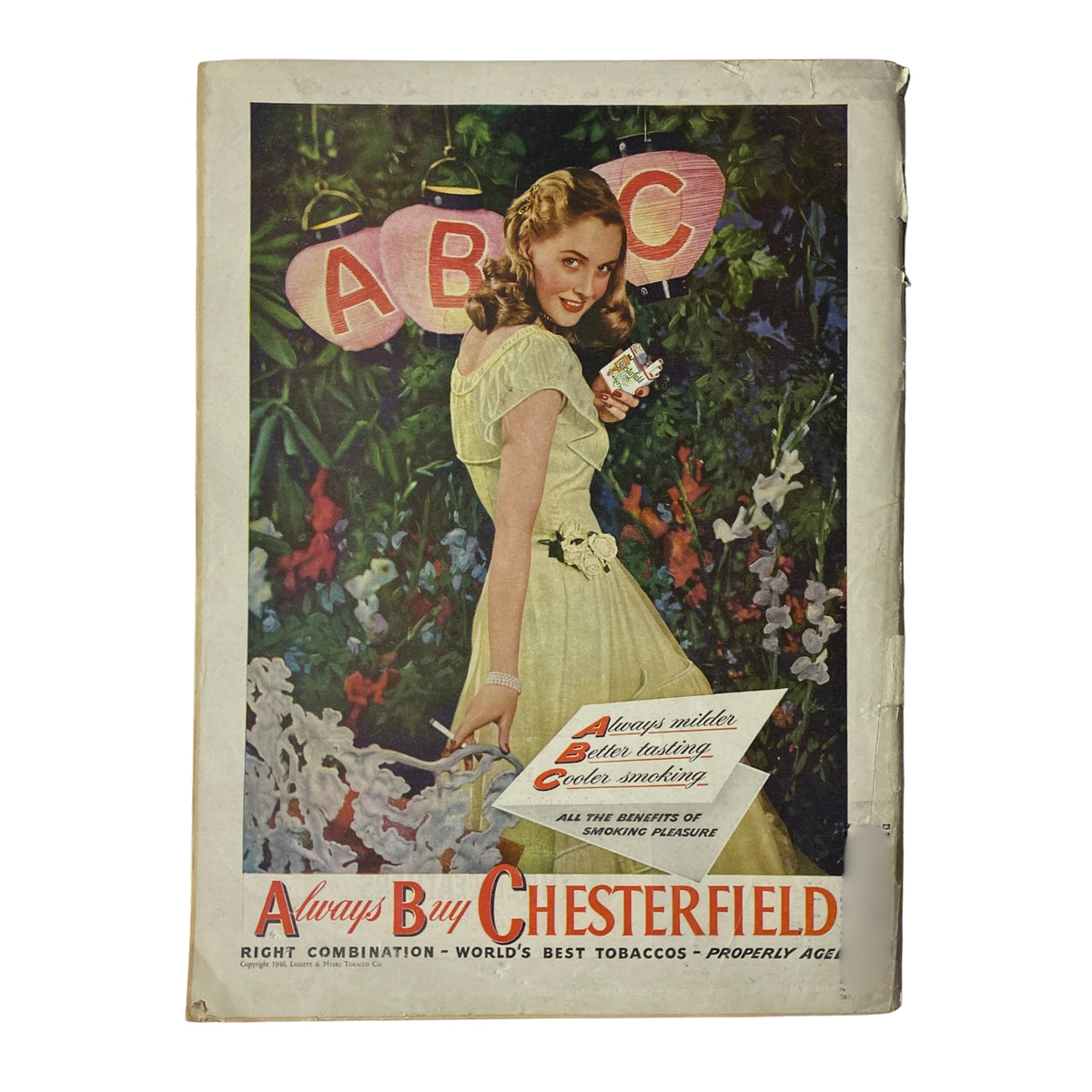
If the front pages were grave, the cultural mood of August 1946 was vivid and hungry for escape. The Big Sleep — Howard Hawks's labyrinthine noir with Humphrey Bogart and Lauren Bacall — premiered to a nation that couldn't get enough of shadows and cigarette smoke. Days later, The Killers, adapted from a Hemingway story and starring a magnetic young Burt Lancaster alongside Ava Gardner, made clear that film noir had become the defining cinematic language of the postwar psyche. On bookshelves, a slim British fable by George Orwell — Animal Farm — appeared on August 17th, though few yet grasped how thoroughly it would reshape political thought for decades. Meanwhile, DuMont Television Network launched on August 15th, quietly planting the seed of the medium that would transform American life. Original magazines from August 1946 capture all of it: the brooding film advertisements, the first television industry coverage in Variety, and the sports pages celebrating Ben Hogan's commanding PGA Championship victory in Portland. These are rare magazines from a pivot point, the fulcrum between one era and the next.
The Curator's Checklist: What to Look For
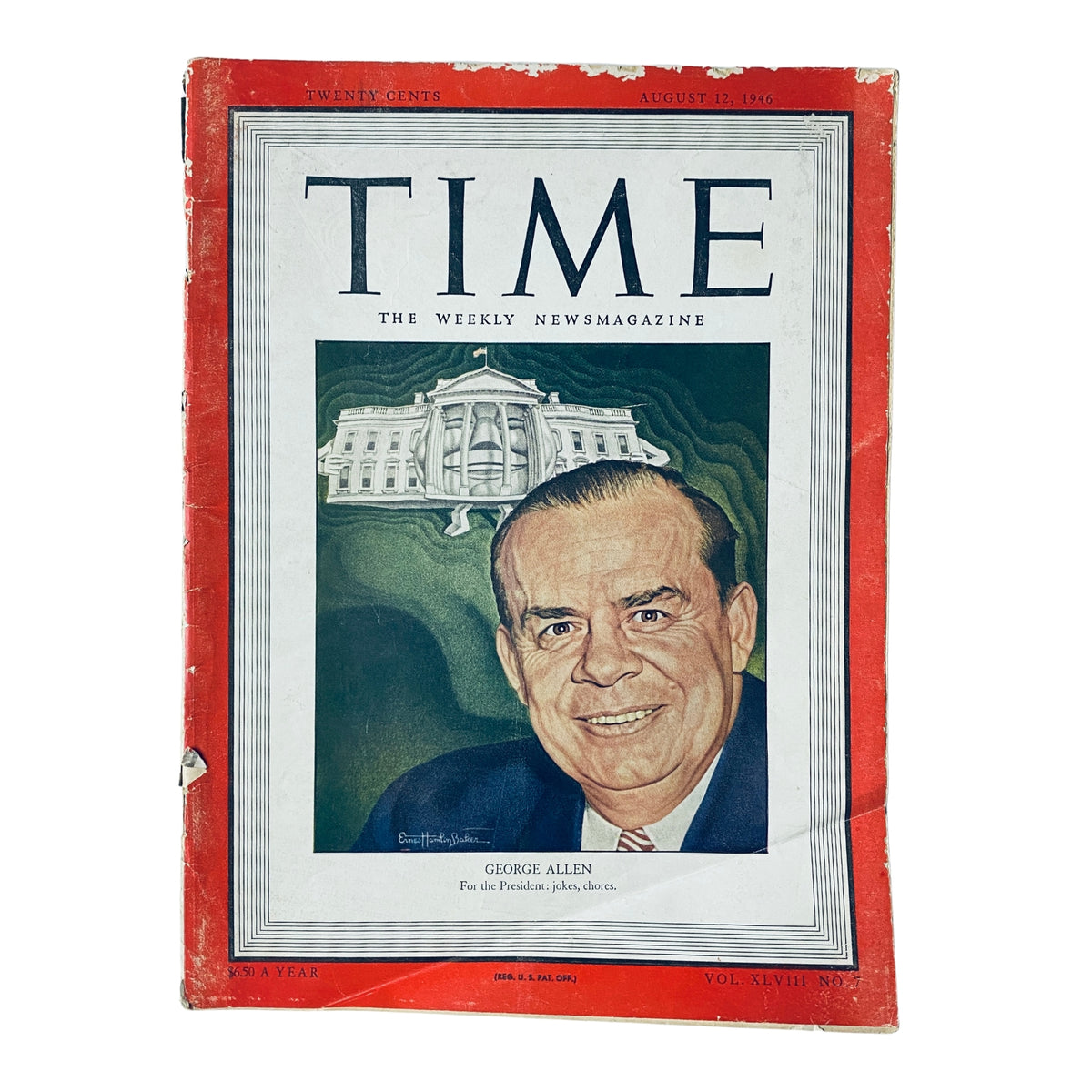
- The Atomic Energy Commission: Time, Life, and Newsweek covers and features examining Truman's landmark August 1st signing, illustrated with photographs of the president and editorial cartoons grappling with civilian versus military control of nuclear power.
- Direct Action Day & Partition Tensions: Issues of Life and Look from late August featuring photojournalism from Calcutta's devastating riots, offering buyers an authentic, unfiltered record of the subcontinent's agony — history that vintage magazines preserved with an immediacy no retrospective can replicate.
- Bogart, Bacall & the Noir Premieres: Entertainment pages and advertisements in Variety, Esquire, and general-interest magazines showcasing full-page promotions for The Big Sleep and The Killers, featuring moody studio photography of Bogart, Bacall, Lancaster, and Gardner at the height of their early fame.
- Ben Hogan's First Major: Sports Illustrated didn't yet exist, but Life and the Saturday Evening Post sports sections chronicled Hogan's decisive 6&4 PGA Championship win — the first of nine majors — capturing a legend's beginning in original newsprint and photography.
- Animal Farm & the Literary Moment: Book review sections and cultural columns in The New Yorker, the Saturday Evening Post, and literary supplements noting Orwell's British debut, alongside the era's fashion advertising and consumer culture visible throughout every genuine issue.
The Perfect August 1946 Birthday Gift
For someone born in August 1946, an original magazine from this consequential month isn't just a piece of paper — it's an authenticated time capsule of the exact world they entered, preserved in genuine headlines, period advertising, and the crackling photojournalism of the most pivotal postwar summer.