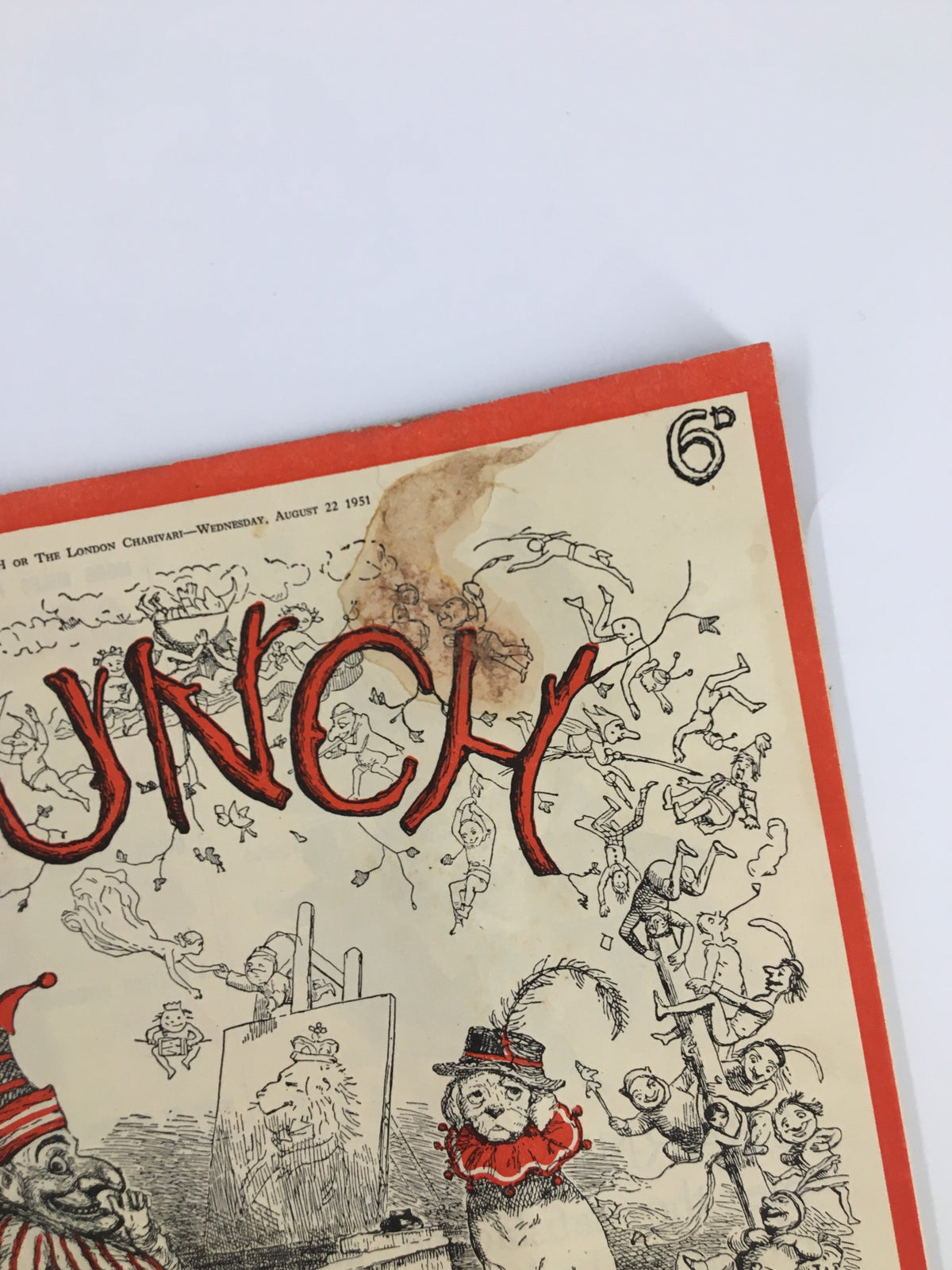
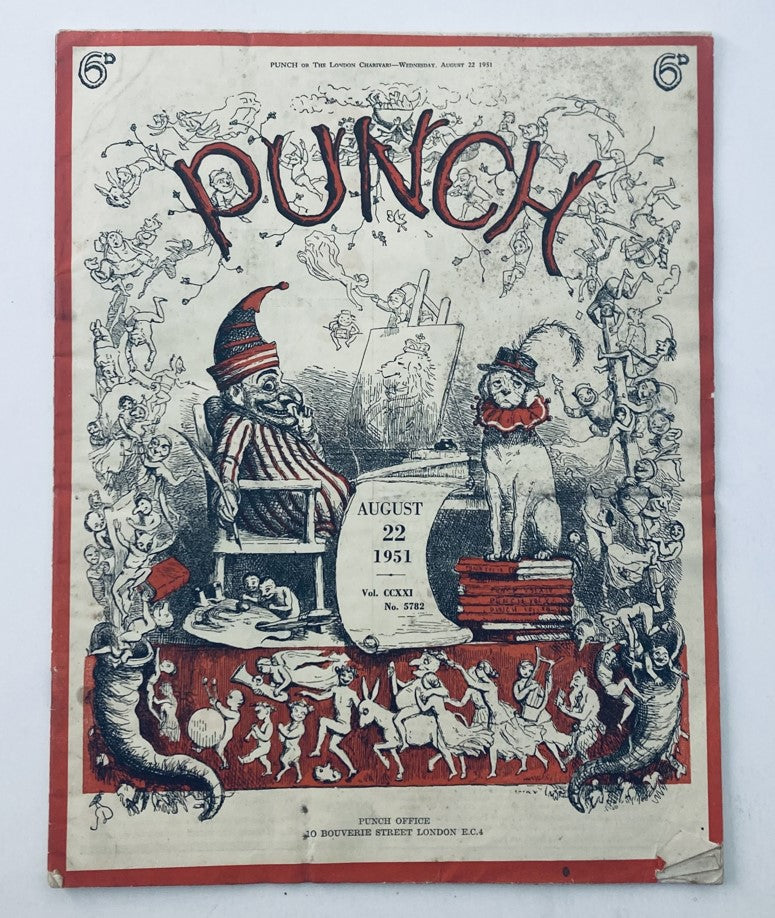
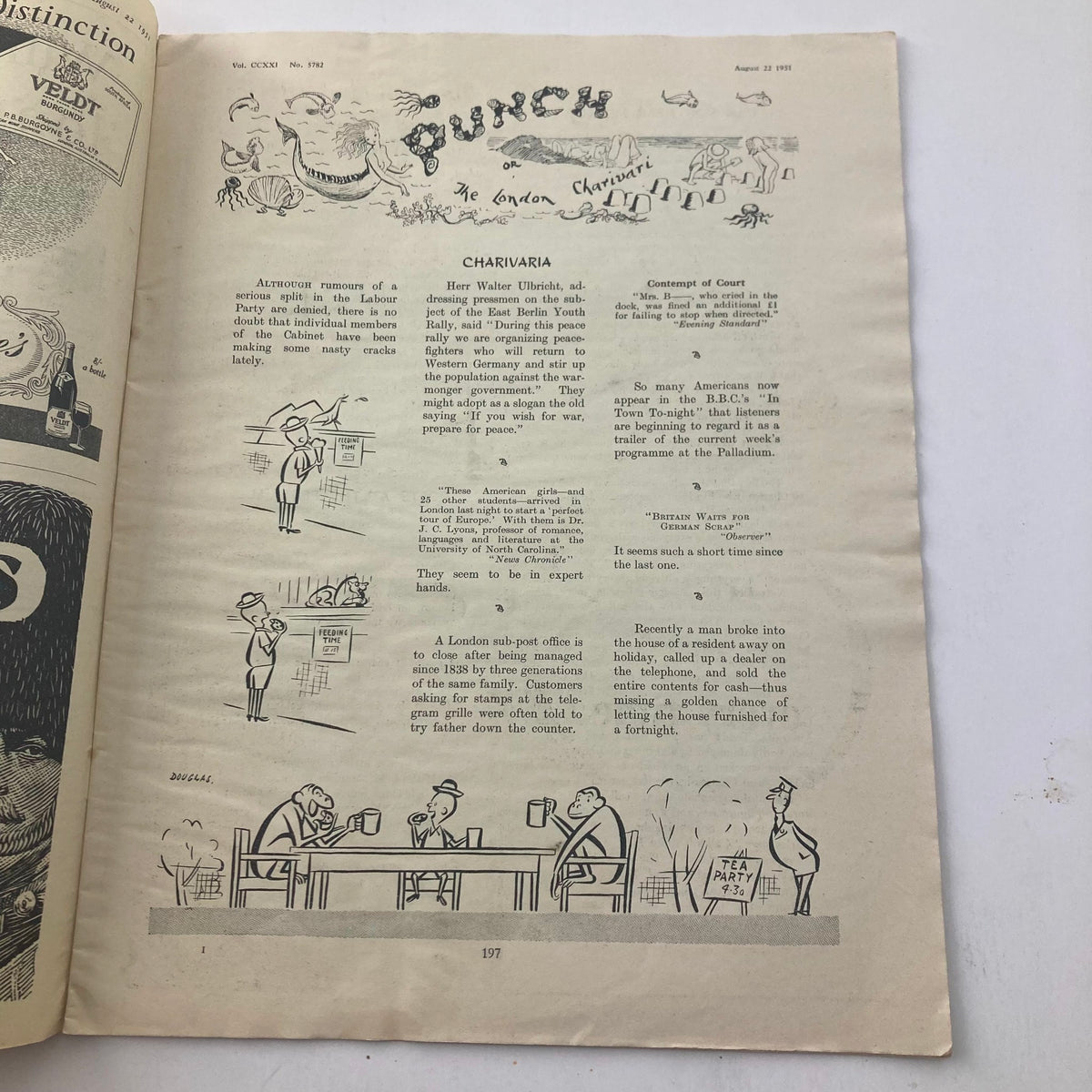
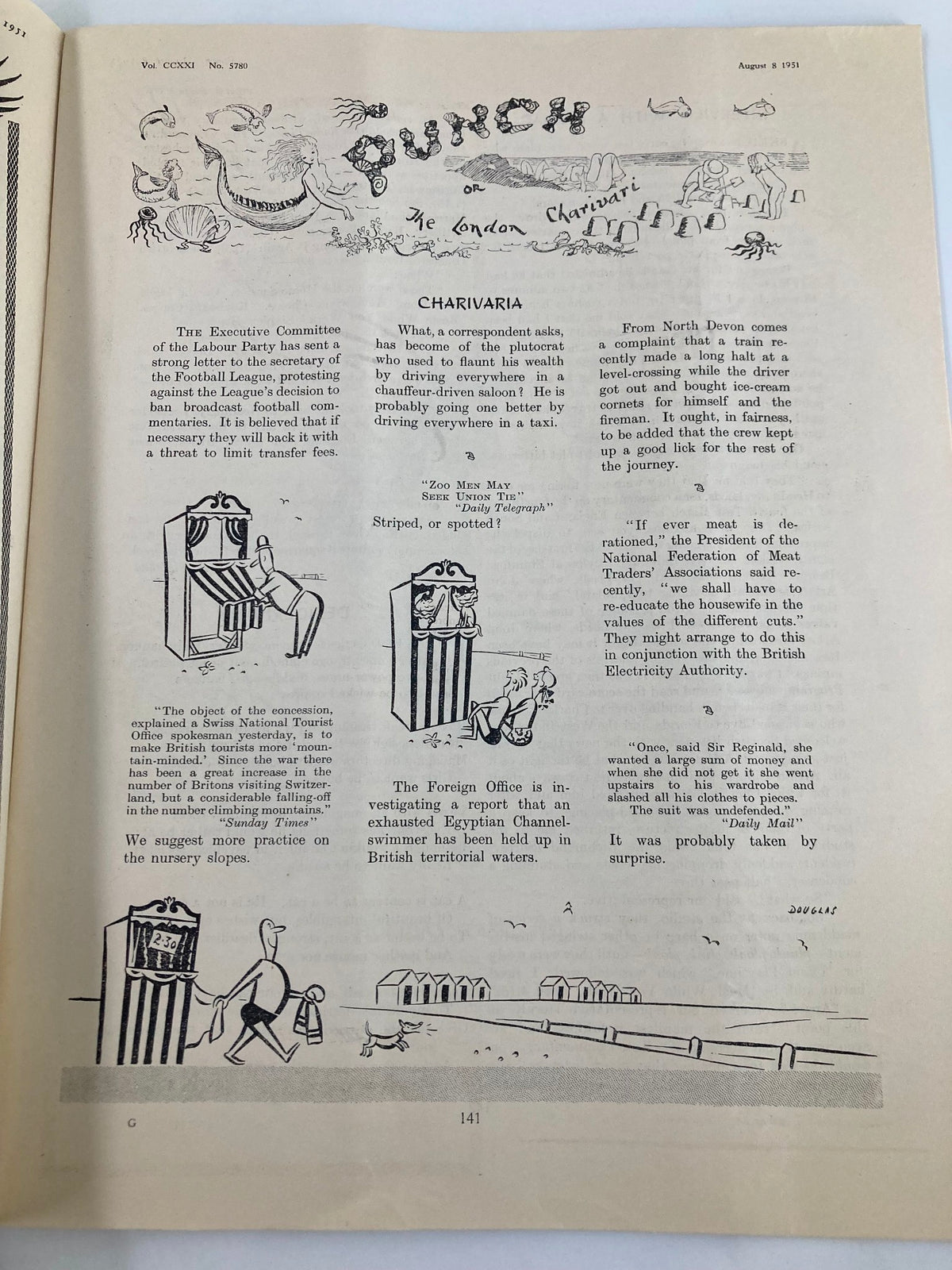
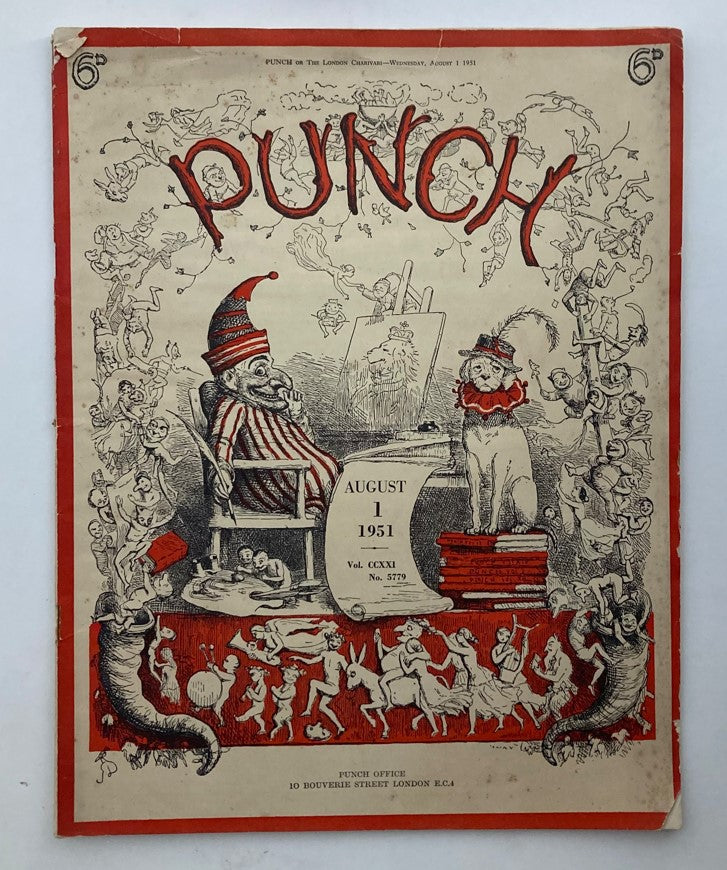
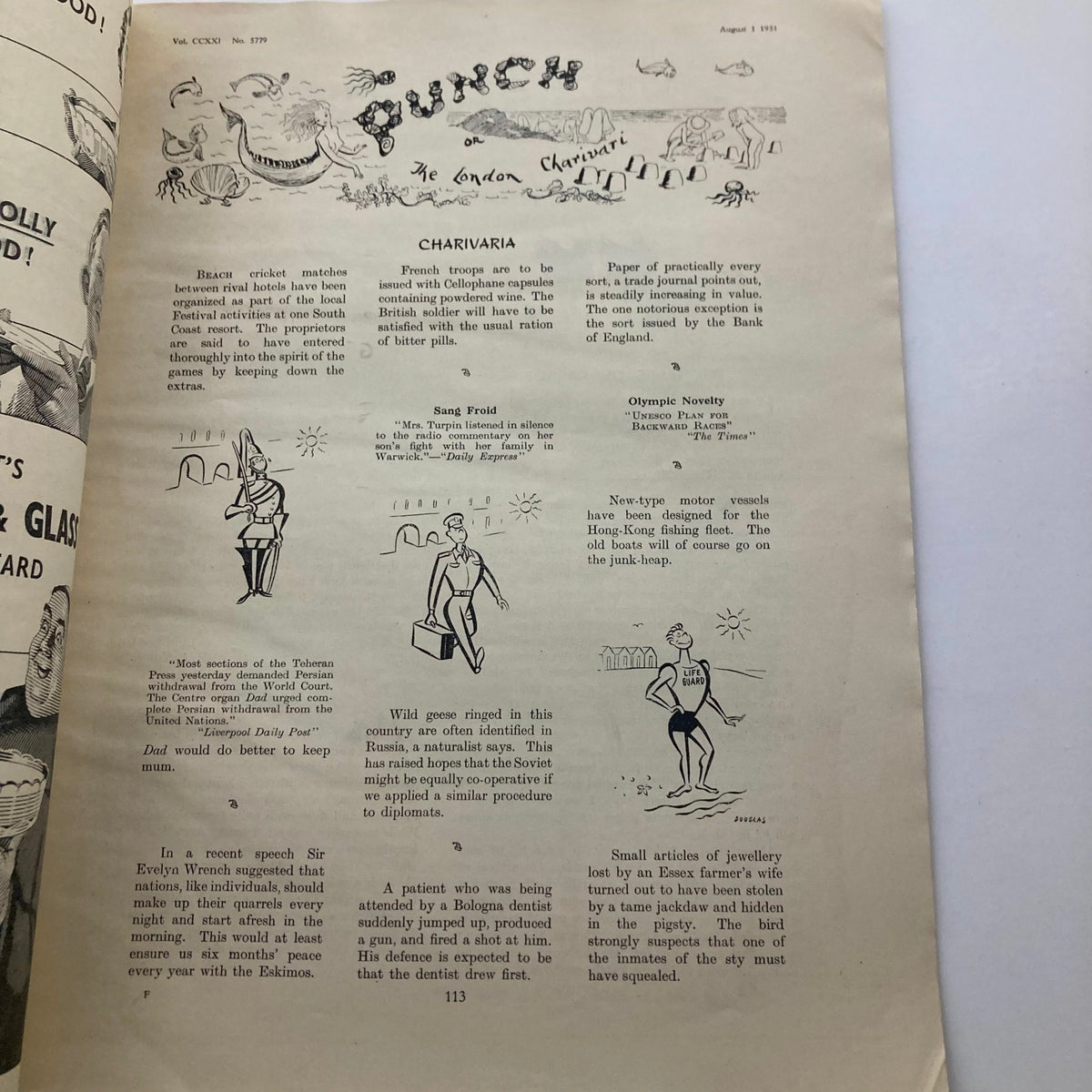
📖 About this Collection
August 1951: When Hollywood Met History
The Historical Context
August 1951 shimmered with cinematic brilliance and geopolitical realignment. Hollywood delivered two films that would define an era: "A Place in the Sun" premiered in Los Angeles on August 14th, starring Montgomery Clift, Elizabeth Taylor, and Shelley Winters in George Stevens' adaptation of Theodore Dreiser's "An American Tragedy," while "An American in Paris" dazzled London audiences on August 26th with Gene Kelly's athletic grace and George Gershwin's timeless score—both destined for multiple Academy Awards. In the Middle East, David Ben-Gurion's Mapai Party won Israel's parliamentary election on August 1st, solidifying the young nation's democratic foundations three years after independence. Tragedy struck Manchuria when typhoon floods killed 4,800 people on August 6th, while baseball provided comic relief when Bill Veeck sent Eddie Gaedel, a 3-foot-7-inch little person, to pinch-hit for the St. Louis Browns on August 19th—walking on four pitches in the sport's most audacious publicity stunt. This was the world your loved one entered in August 1951—a month when artistry and absurdity competed for headlines.
Pop Culture & Everyday Life
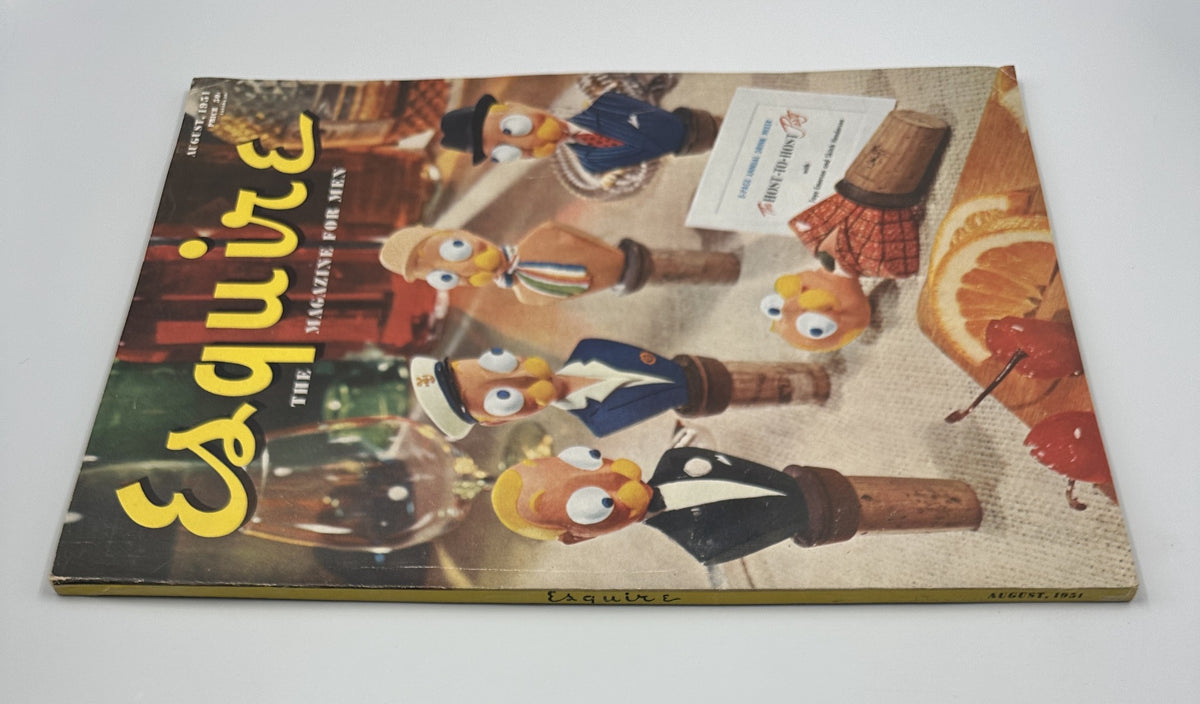
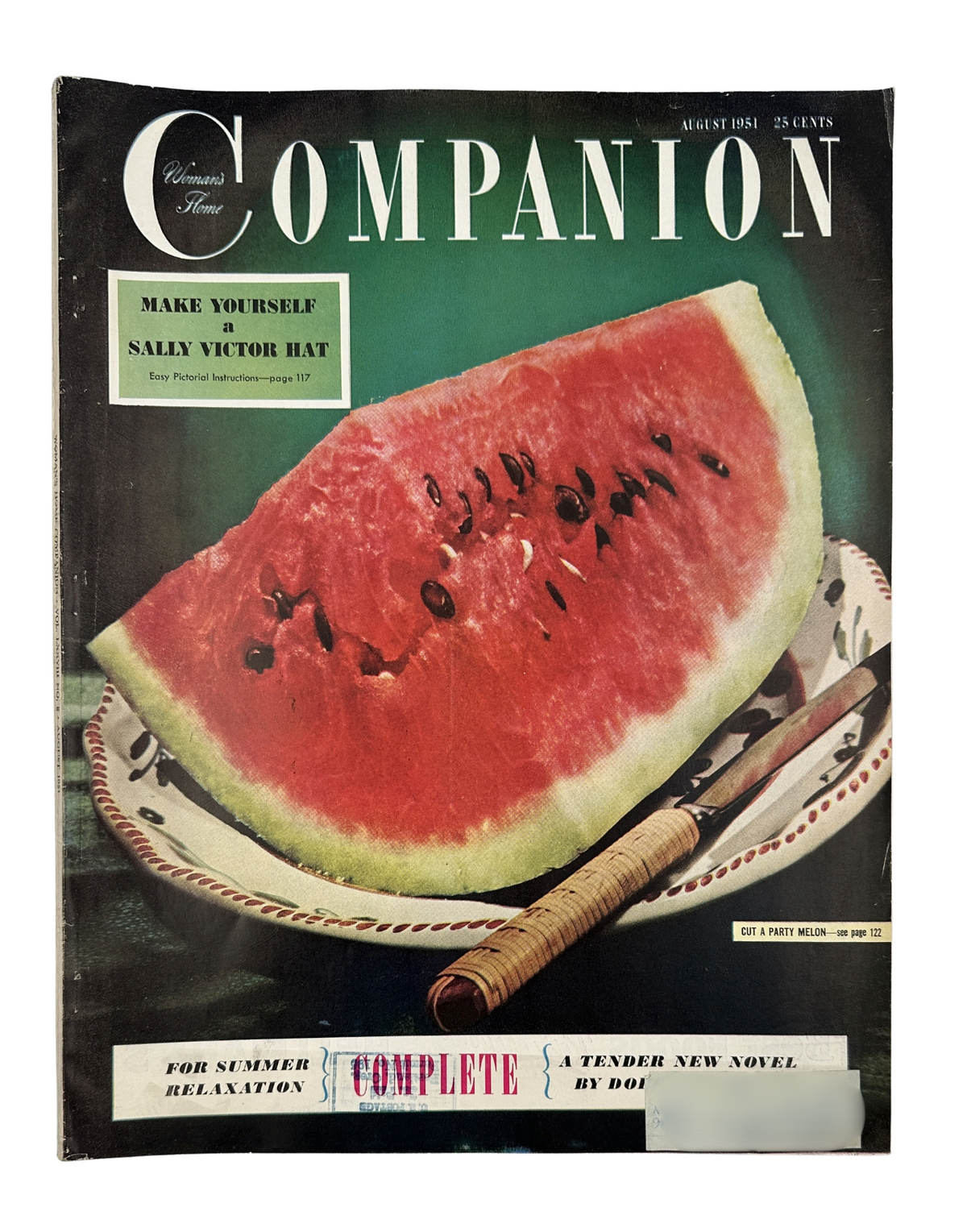
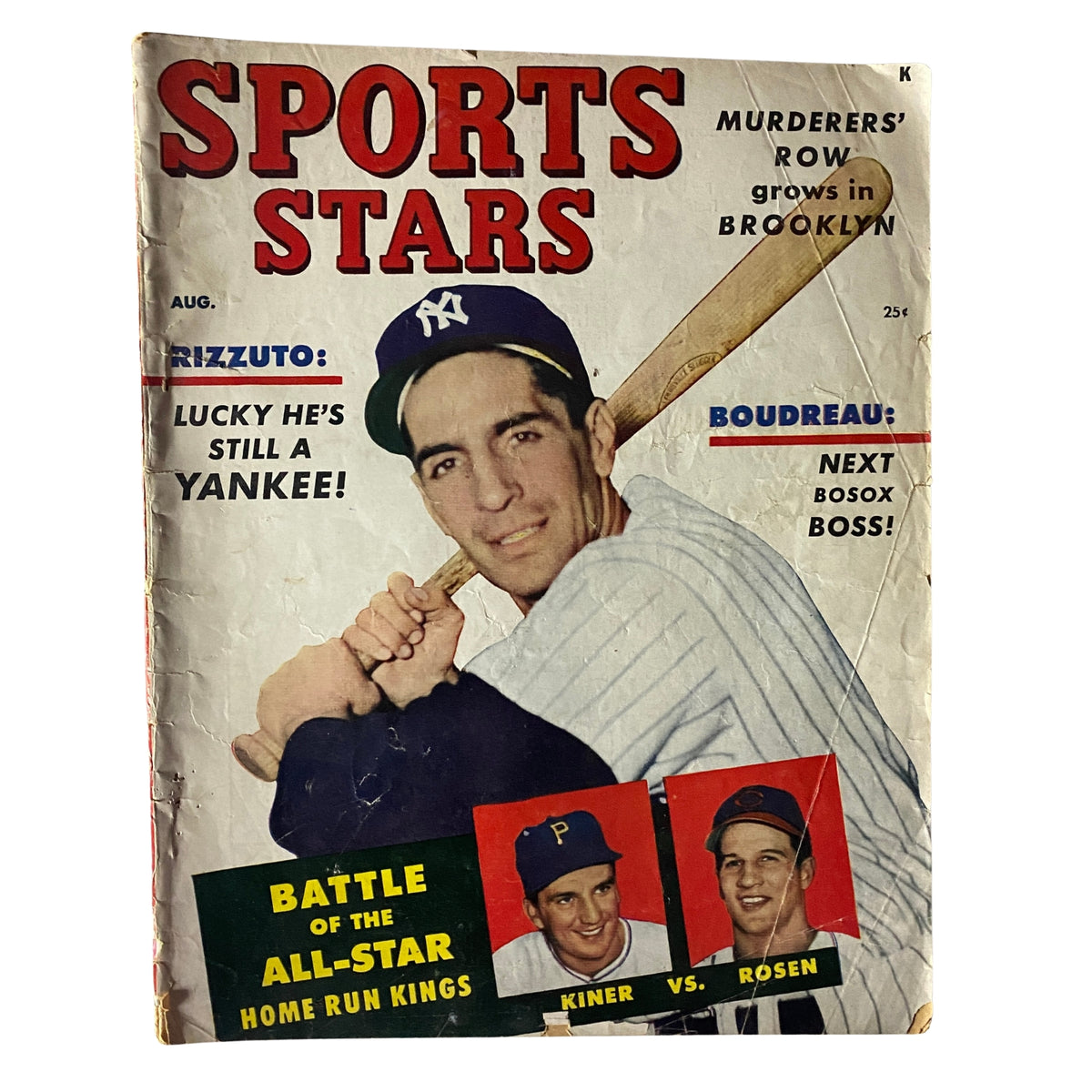
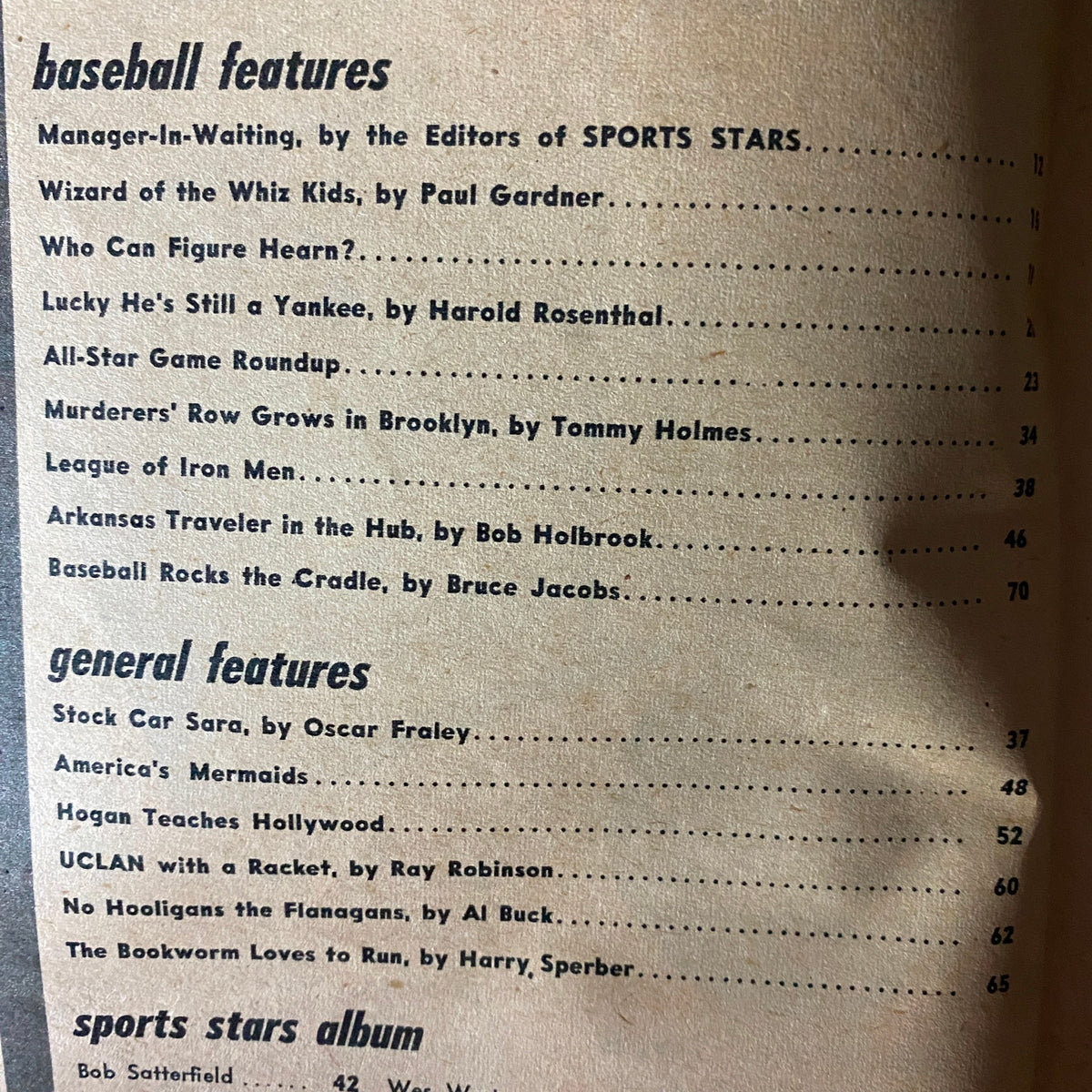
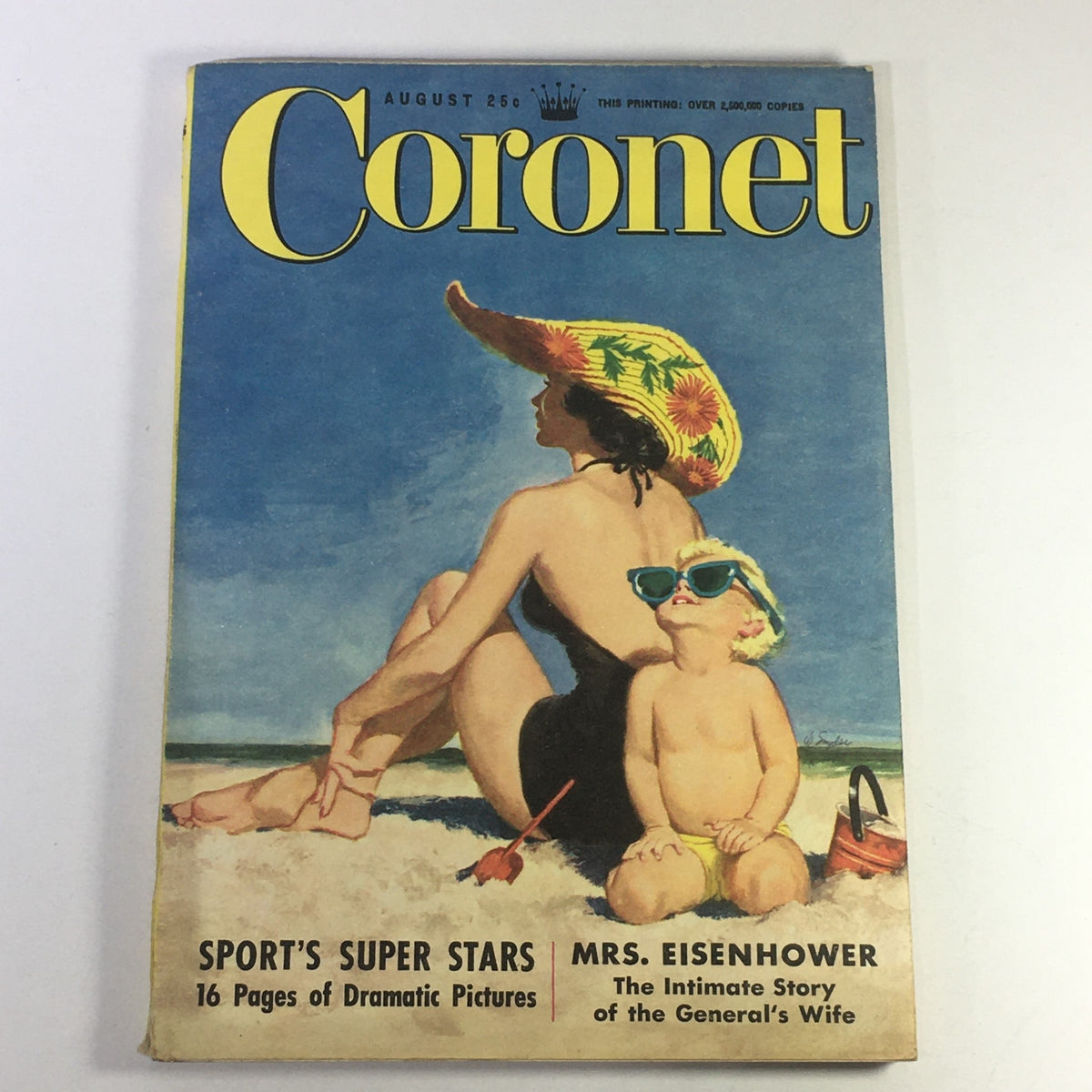
American entertainment reached new creative heights throughout August 1951. Those twin Hollywood masterpieces dominated theater marquees, with Elizabeth Taylor's luminous beauty in "A Place in the Sun" and Gene Kelly's seventeen-minute ballet sequence in "An American in Paris" captivating audiences nationwide. Television made history on August 11th when WCBS broadcast the first televised baseball game in color—the Boston Braves defeating the Brooklyn Dodgers 8-1—though few Americans owned color sets to witness it. Baseball's drama intensified as the New York Giants trailed Brooklyn by 13½ games on August 11th before mounting their legendary pennant comeback. The Harlem Globetrotters performed before 75,052 spectators at Berlin's Olympic Stadium on August 22nd, showcasing American sports diplomacy at its finest. At the Venice Film Festival, Akira Kurosawa's "Rashomon" won the Golden Lion on August 20th, introducing Western audiences to Japanese cinema's psychological depth. Original magazines from August 1951 preserved these moments in lavish film advertisements, sports photography, and entertainment features that captured Hollywood's golden age alongside baseball's quirky innovations.
What You'll Discover in August 1951 Magazines
-
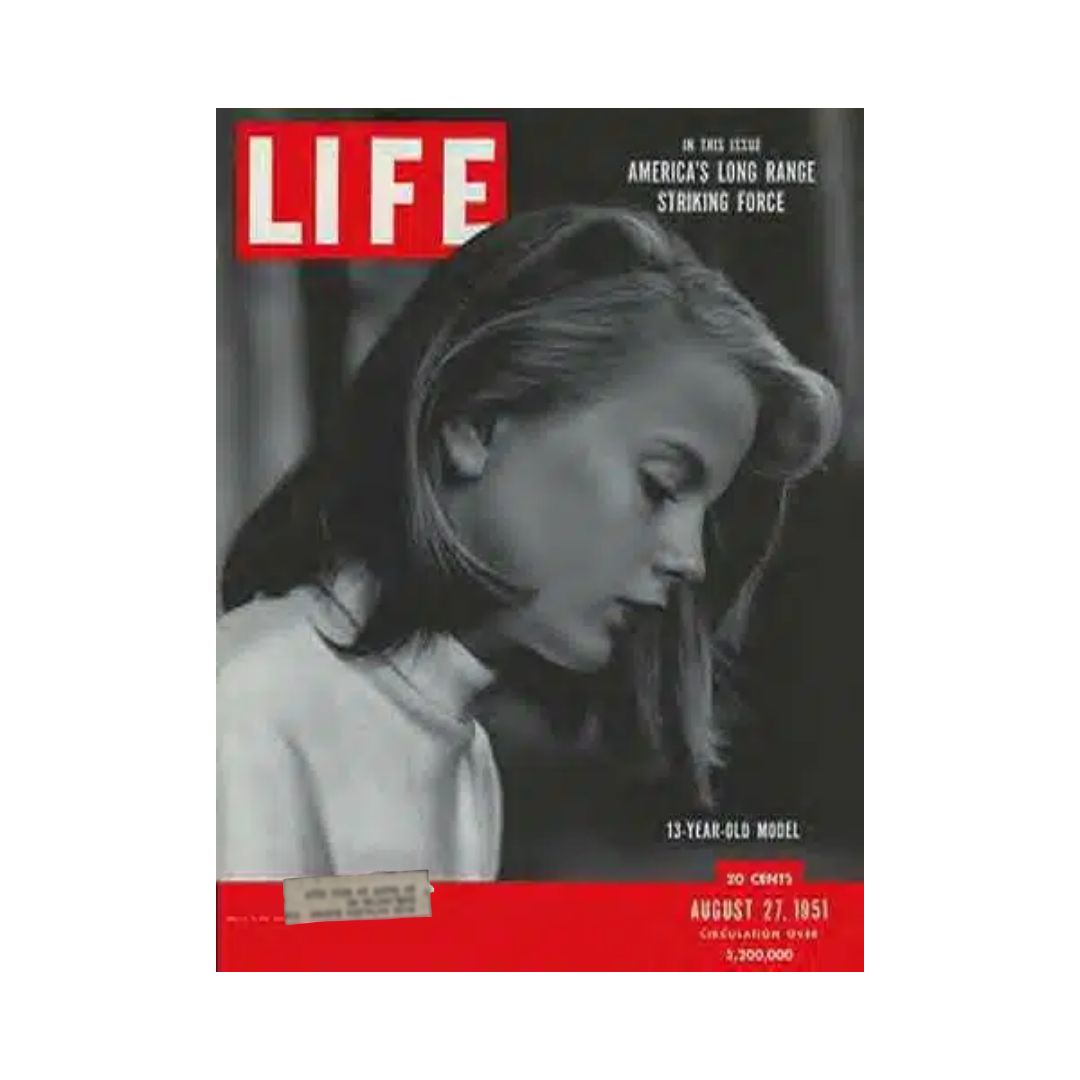
Hollywood's Double Feature: Vintage magazines like Life, Look, and Variety showcasing spectacular photo spreads from both "A Place in the Sun" and "An American in Paris," featuring behind-the-scenes coverage, glamorous studio portraits of Elizabeth Taylor and Gene Kelly, and reviews that recognized these films as instant classics destined for Oscar glory.
-
Eddie Gaedel's Historic At-Bat: Sports periodicals documenting Bill Veeck's August 19th promotional stunt, rare magazines featuring photography of the little person in Browns uniform number 1/8, alongside editorial commentary about baseball's colorful showmanship that perfectly captured Veeck's maverick approach to the national pastime.
-
Color Television's Baseball Debut: Technology and news magazines chronicling the August 11th WCBS broadcast milestone, often illustrated with technical diagrams explaining the color transmission process and advertisements from RCA promoting sets that most families couldn't yet afford but desperately wanted for their living rooms.
-
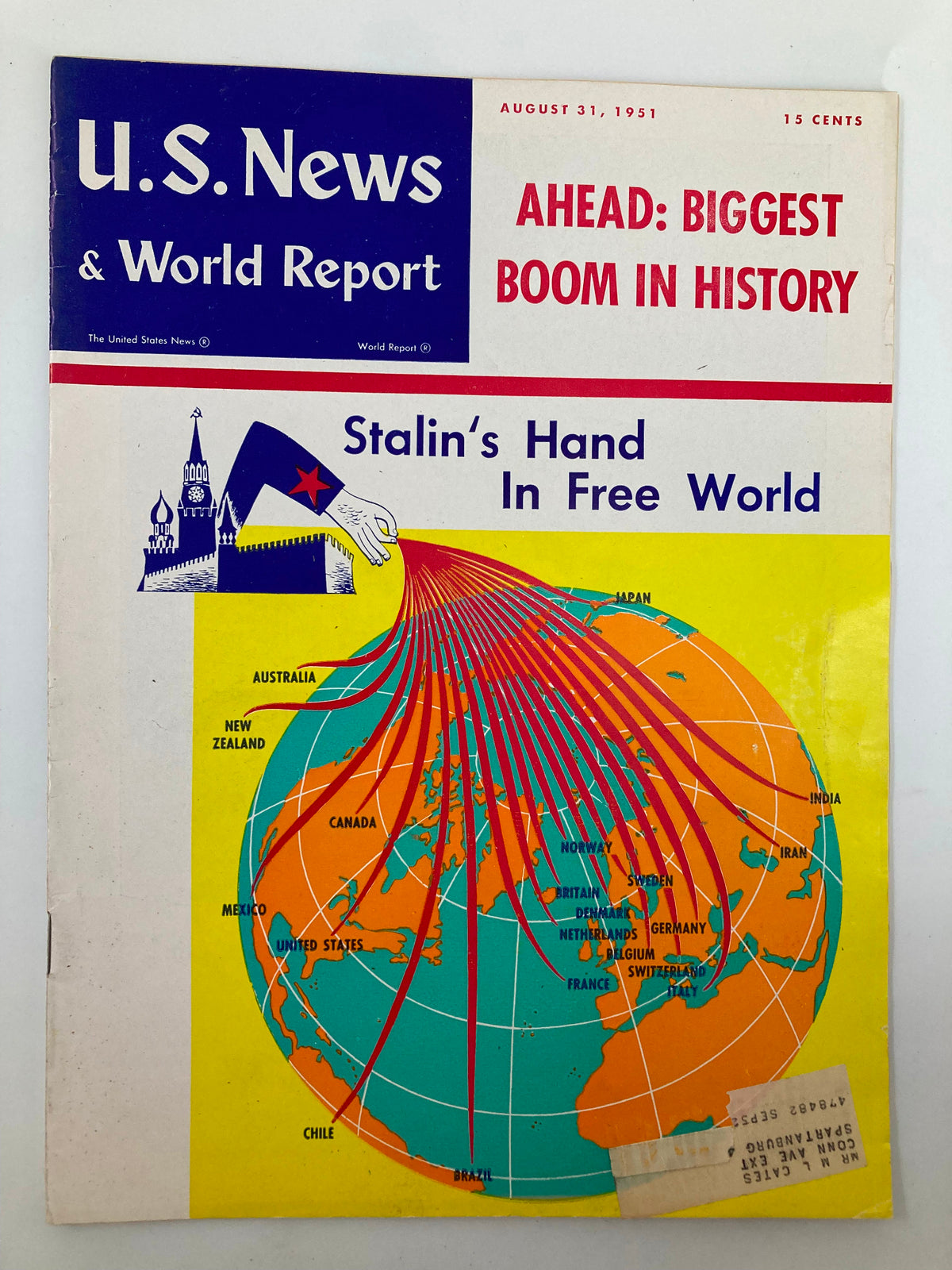
Ben-Gurion's Electoral Victory: International news coverage in Time and Newsweek of Israel's August 1st parliamentary elections, featuring political analysis and photography documenting the young democracy's third year, often accompanied by maps showing the Middle East's rapidly shifting alliances during the early Cold War period.
-
Kurosawa's Rashomon Triumph: Film journals and culture magazines covering the August 20th Venice Film Festival, showcasing early Western reviews of Akira Kurosawa's revolutionary narrative technique, complete with stills from the film that introduced American cinephiles to Japanese cinema's artistic sophistication and psychological complexity.
The Perfect Gift
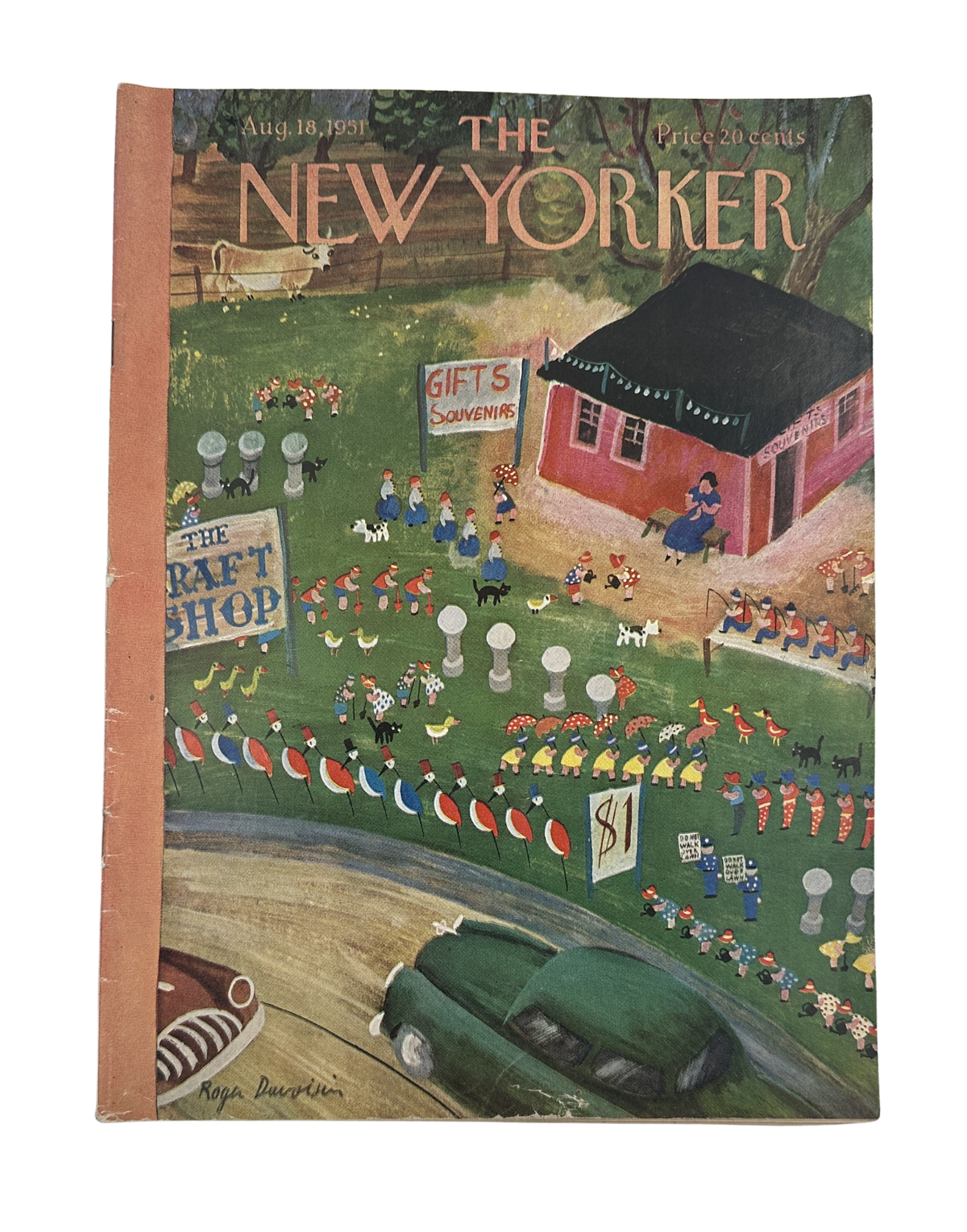
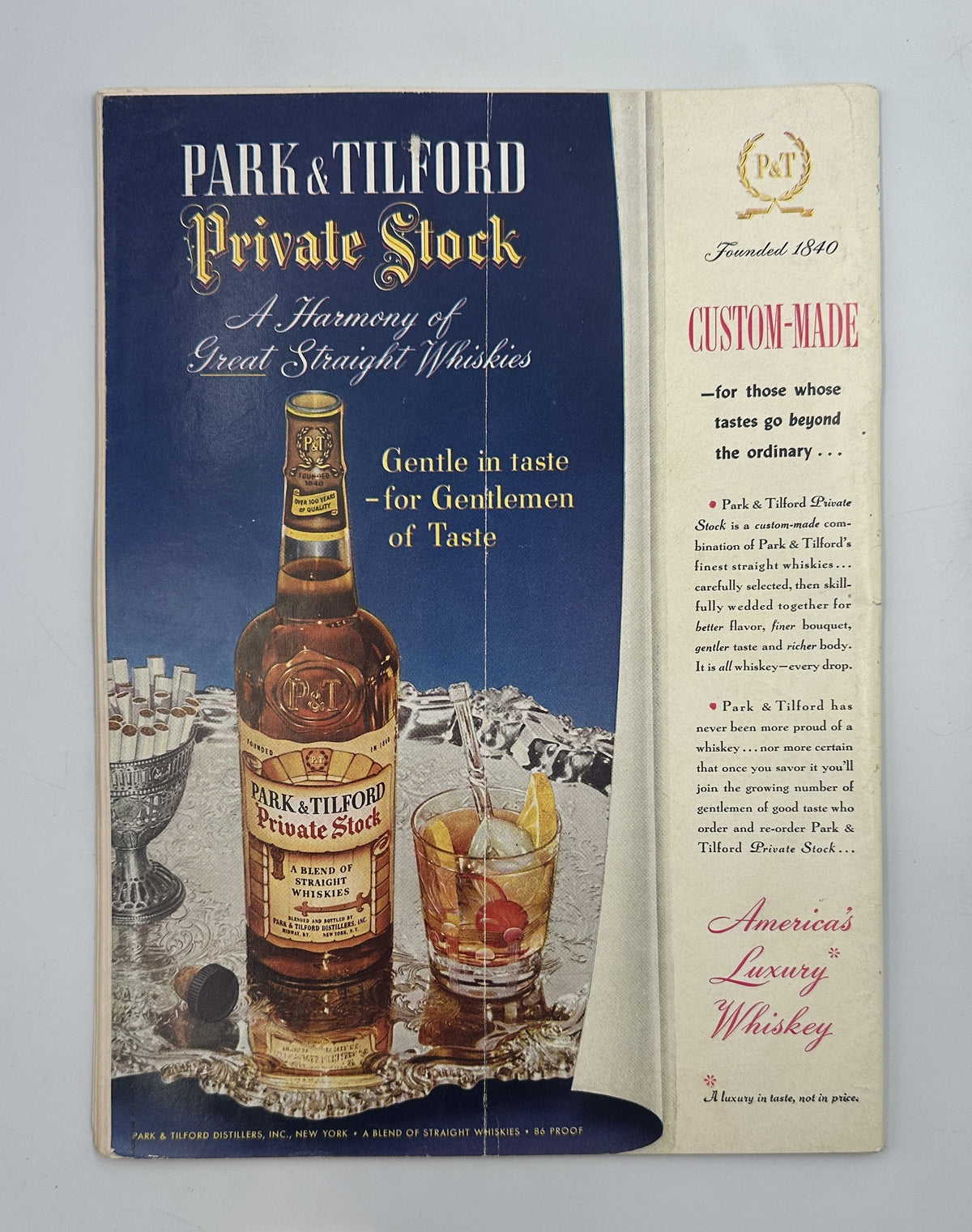
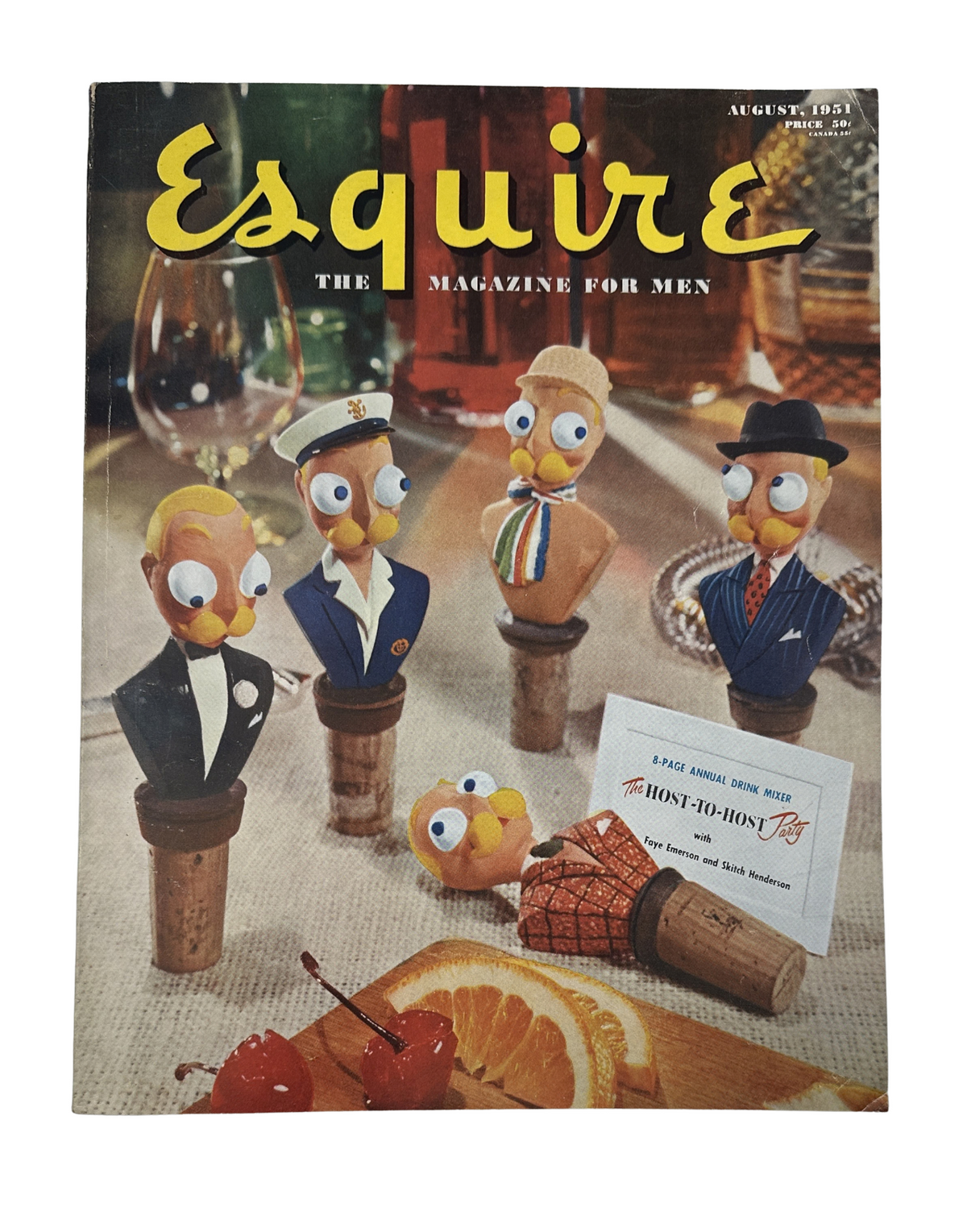
For someone born in August 1951, an original magazine from this culturally rich month isn't just a birthday gift—it's a genuine time capsule capturing the exact moment when Hollywood achieved artistic perfection and baseball embraced delightful absurdity, preserved in authentic photographs and advertisements.