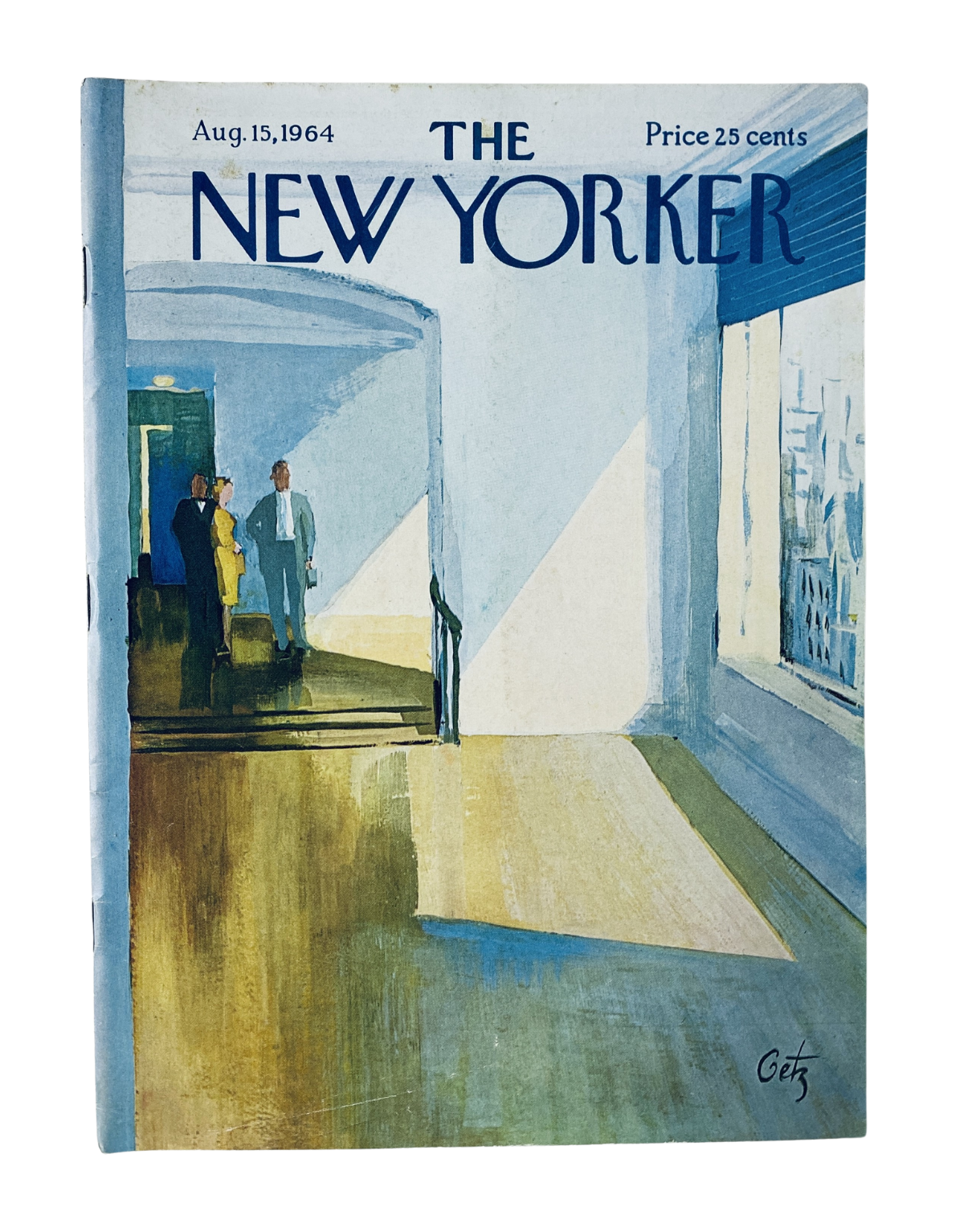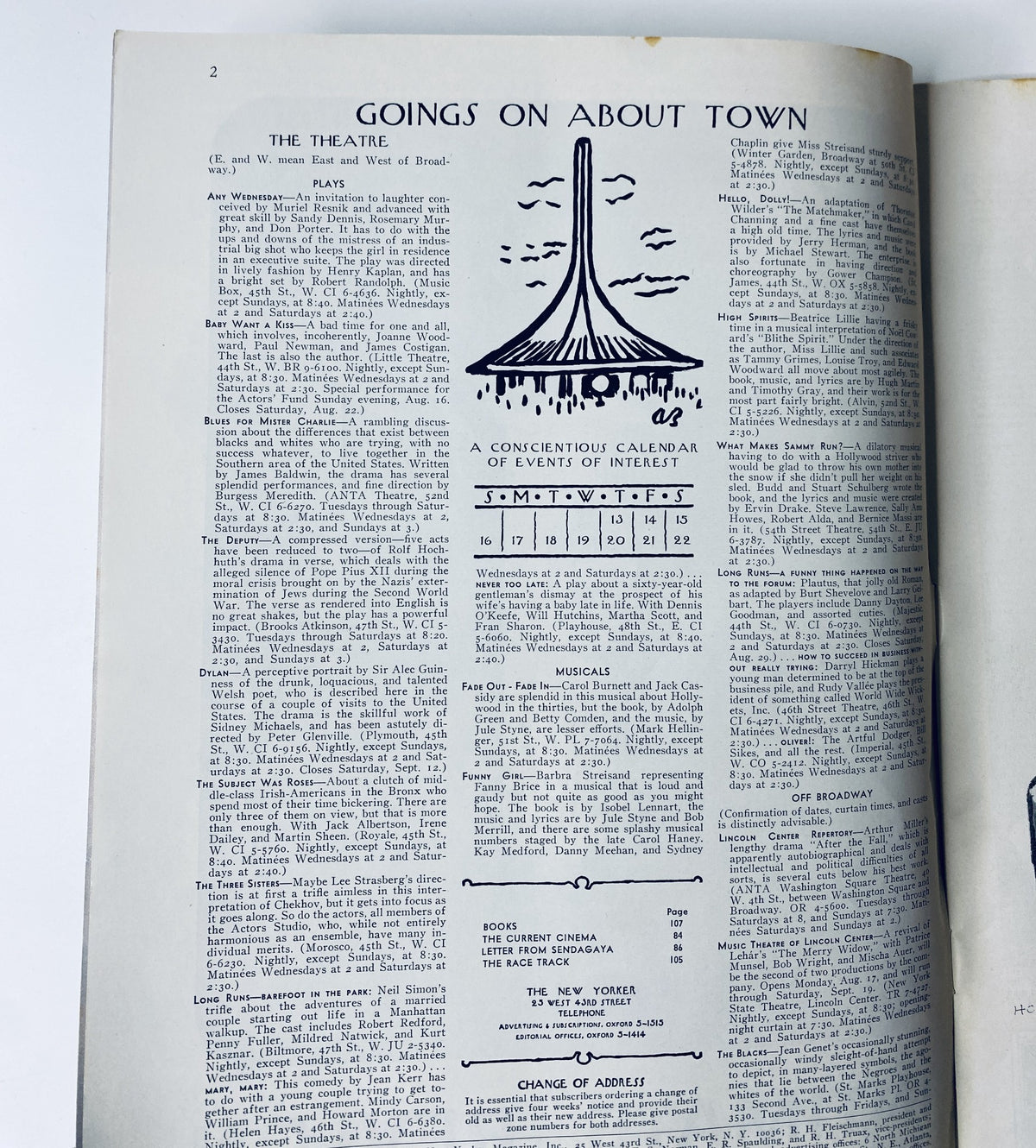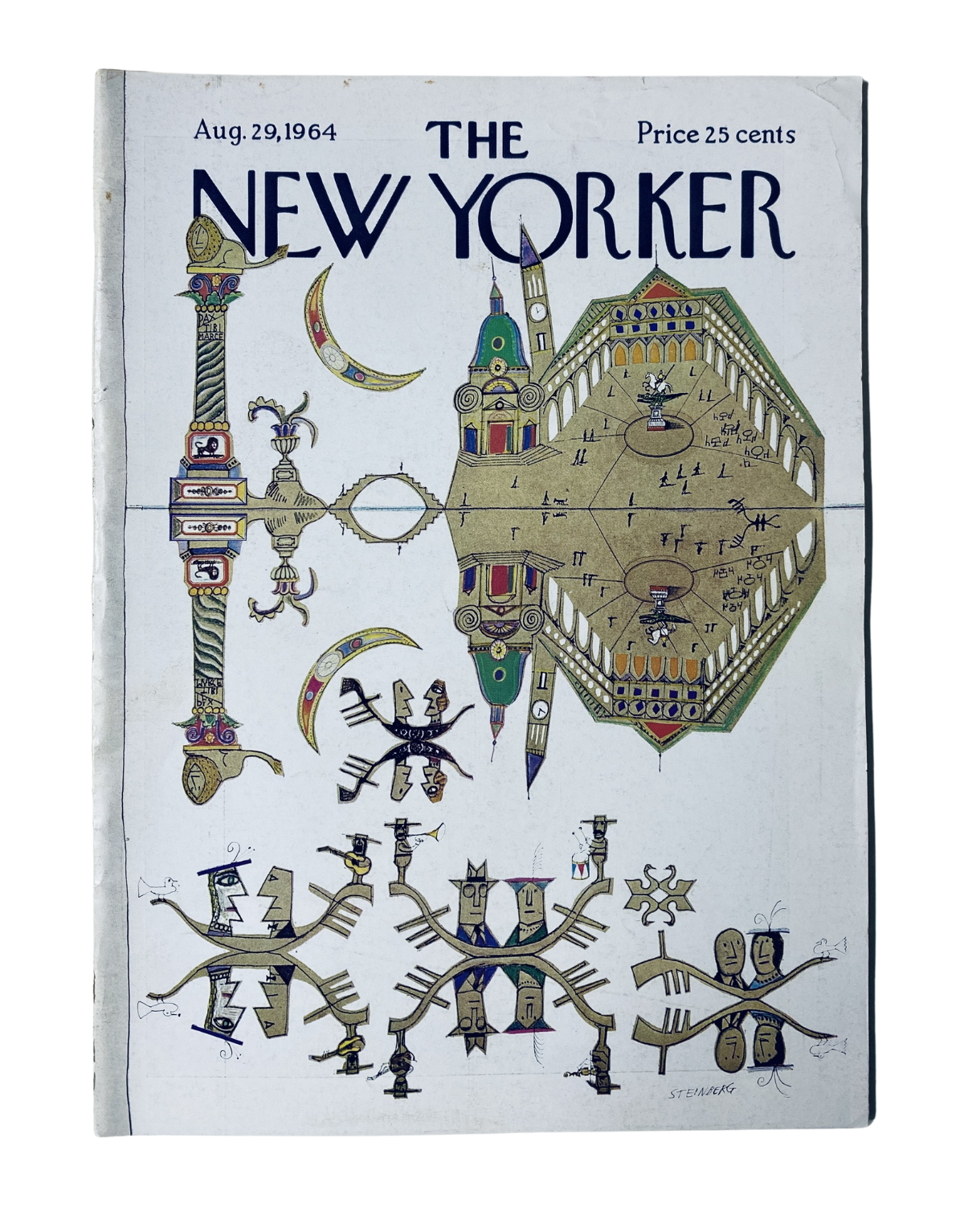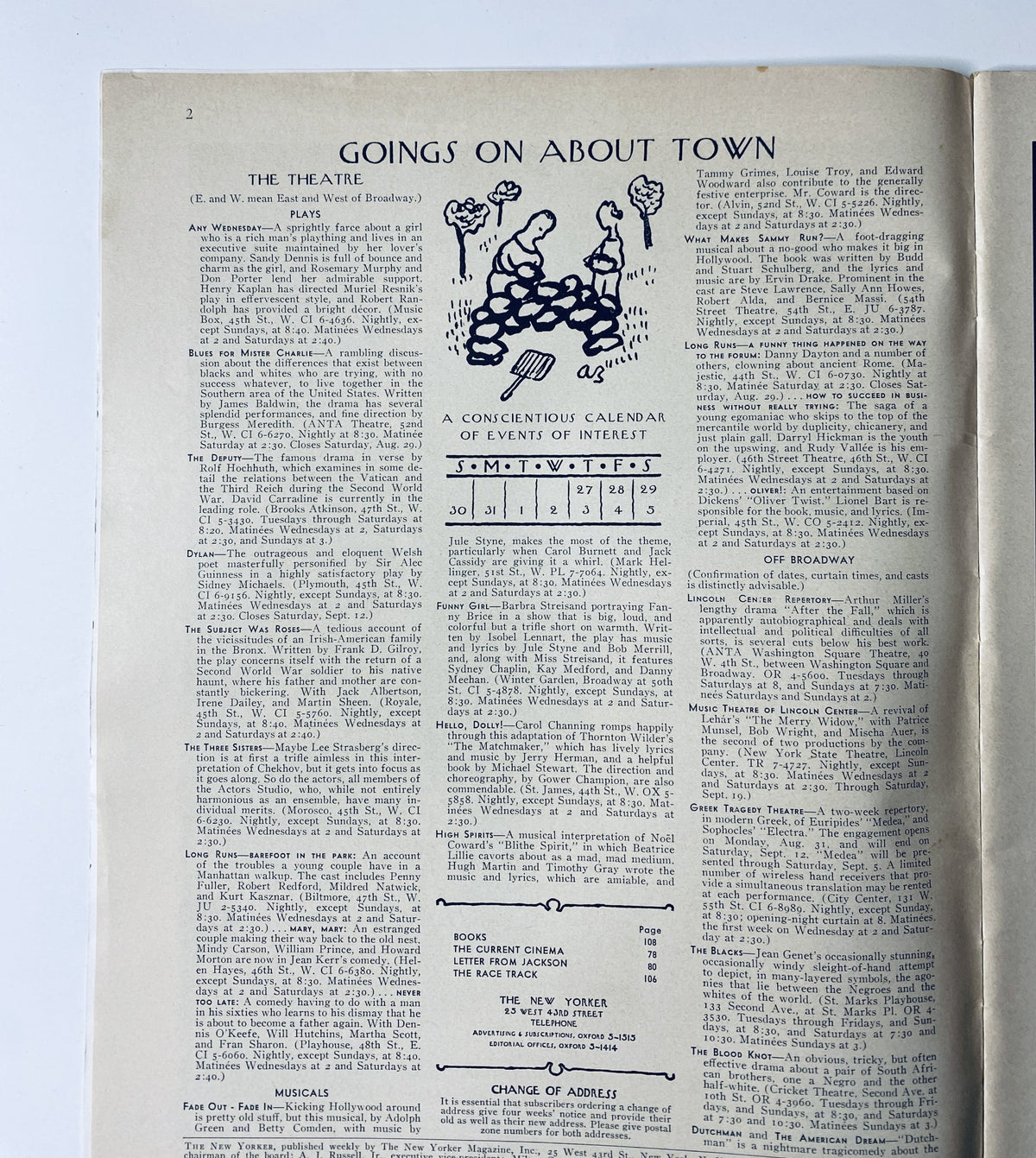
📖 About this Collection
August 1964: The Month America Crossed the Rubicon
The Historical Context
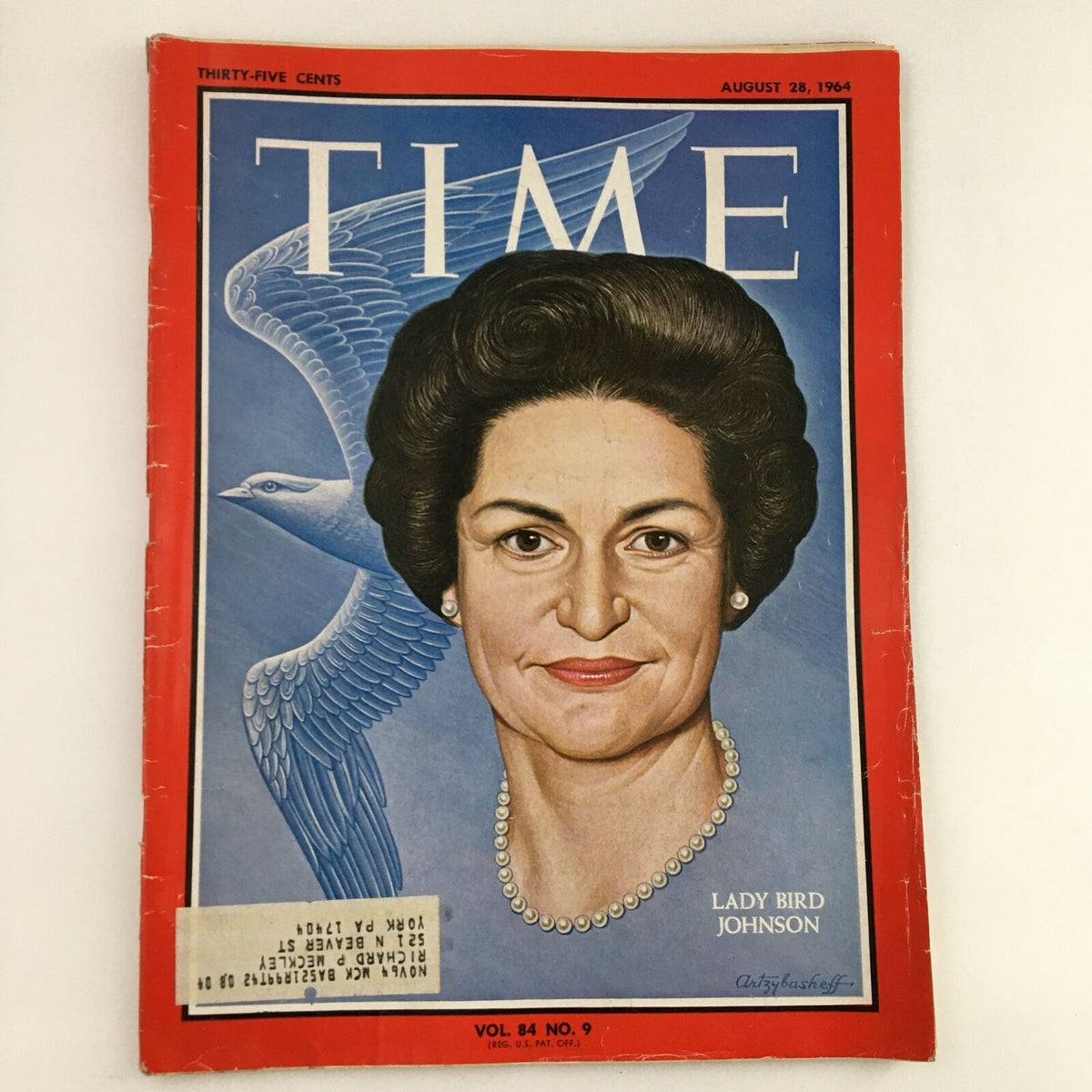
The summer of 1964 crackled with an intensity that would reshape the nation's trajectory for decades. On August 2nd and 4th, the Gulf of Tonkin Incident unfolded in murky Southeast Asian waters—North Vietnamese patrol boats allegedly engaging USS Maddox in attacks that would prove partially real, partially imagined. Within days, Congress passed the Gulf of Tonkin Resolution on August 7th, handing President Lyndon Johnson sweeping authority to combat "communist aggression" and opening the floodgates to America's deepest involvement in Vietnam. Meanwhile, the discovery of civil rights workers Michael Schwerner, Andrew Goodman, and James Chaney's bodies in a Mississippi earthen dam on August 4th laid bare the deadly cost of the Freedom Summer. As race riots erupted in Jersey City, Paterson, Elizabeth, Philadelphia, and Dixmoor, Illinois, civil rights activist Fannie Lou Hamer delivered her searing "Is This America?" speech at the Democratic National Convention on August 22nd, forcing the nation to confront its conscience. This was the world your loved one entered—a pivotal month when America's Cold War commitments and civil rights reckoning collided.
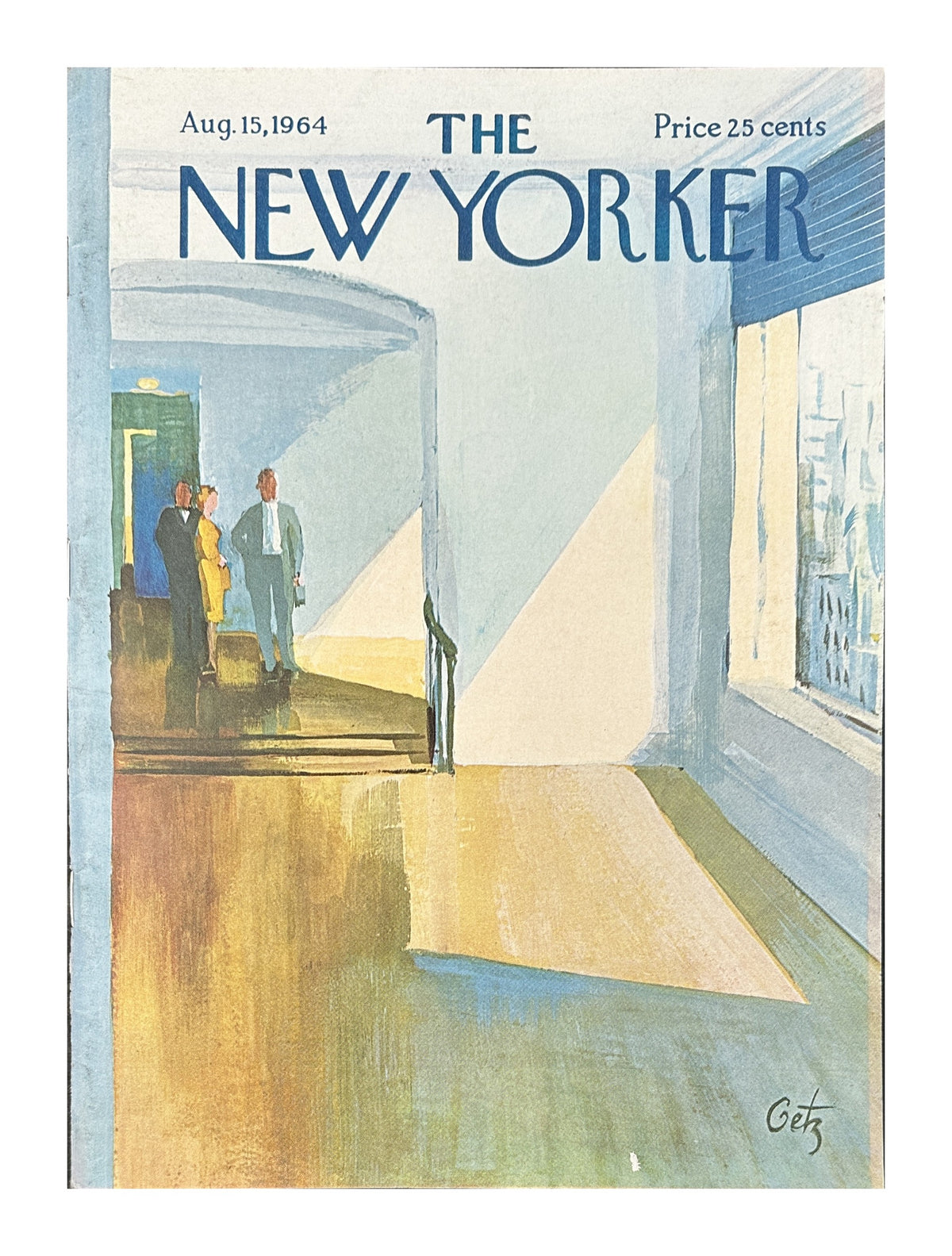
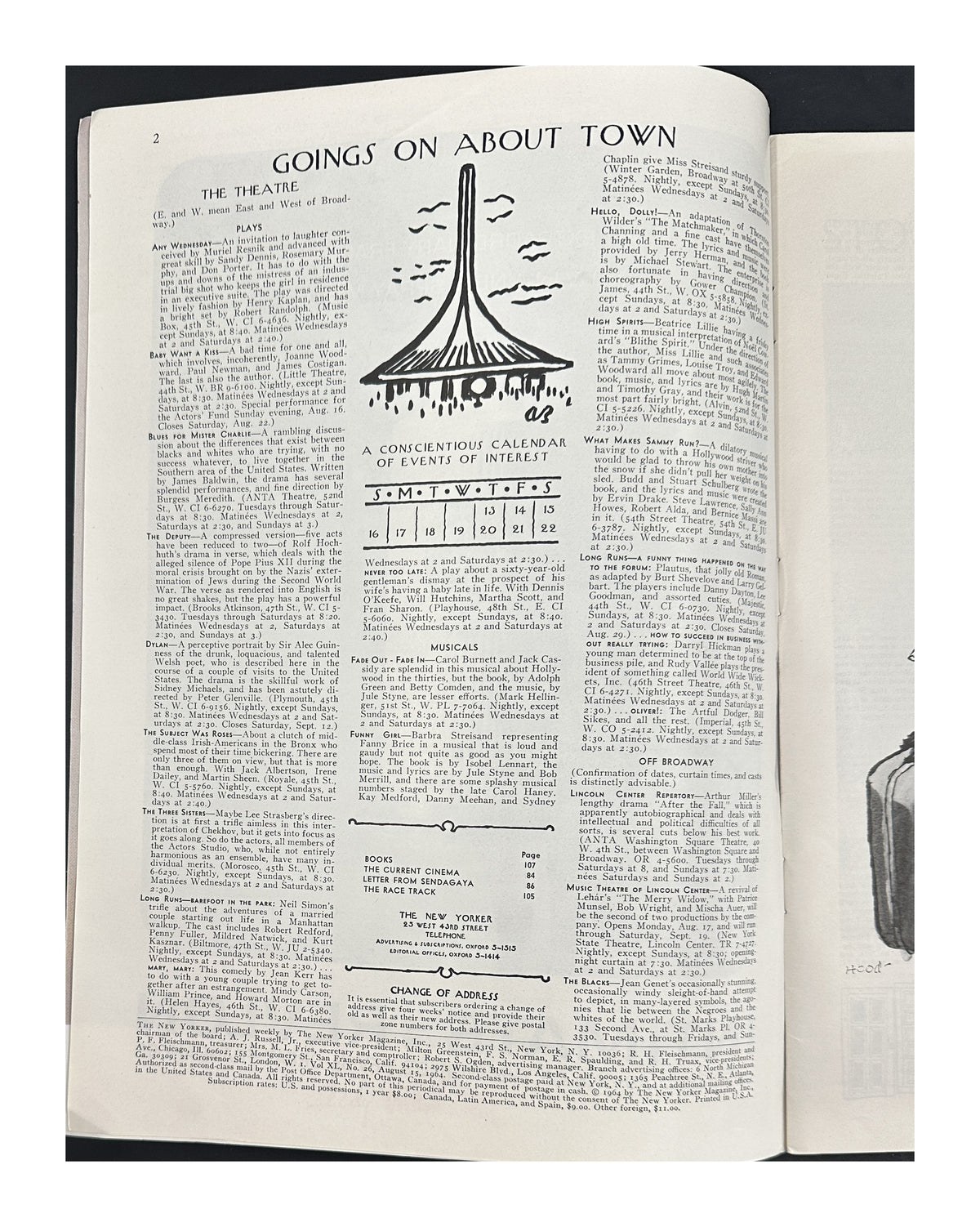
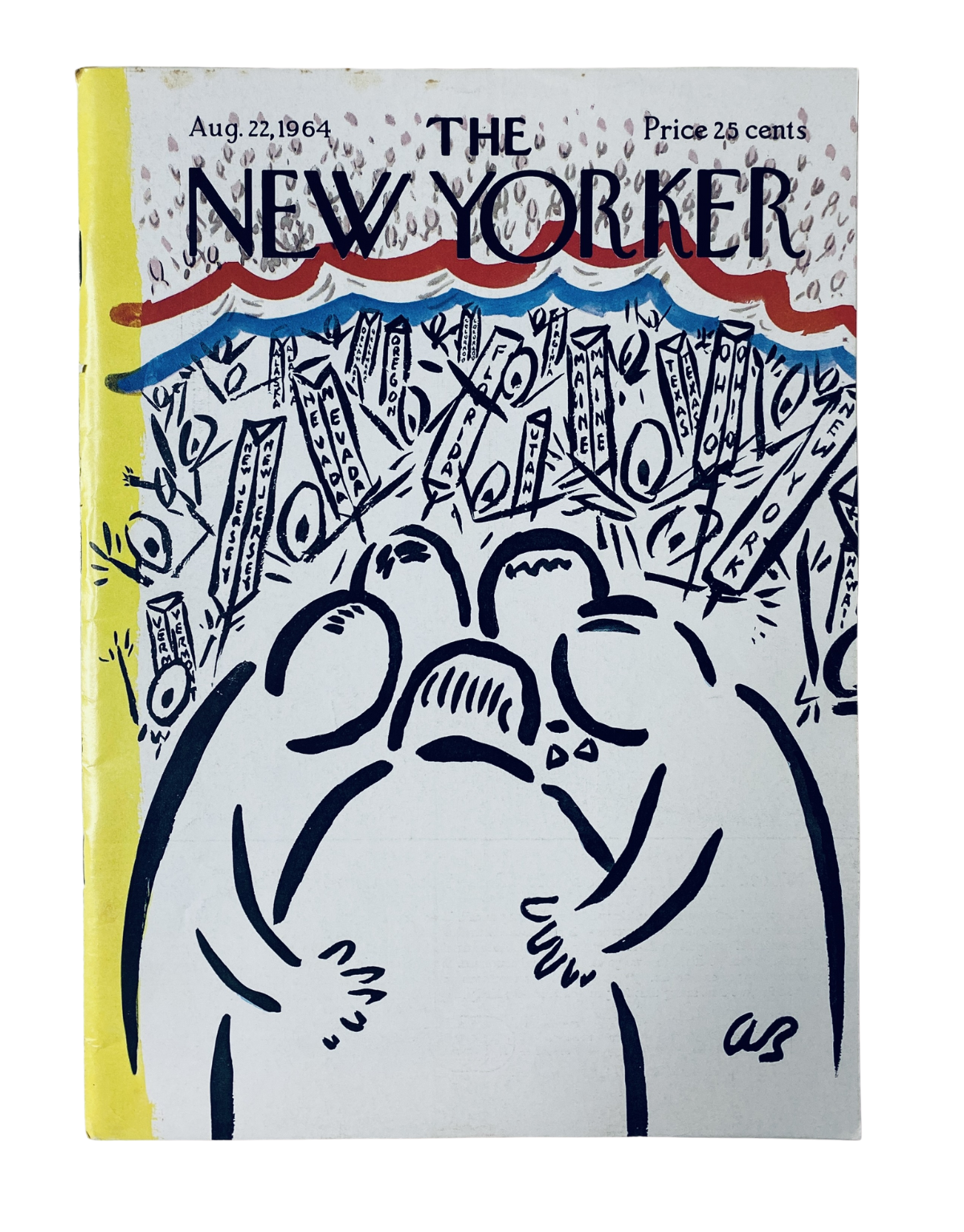
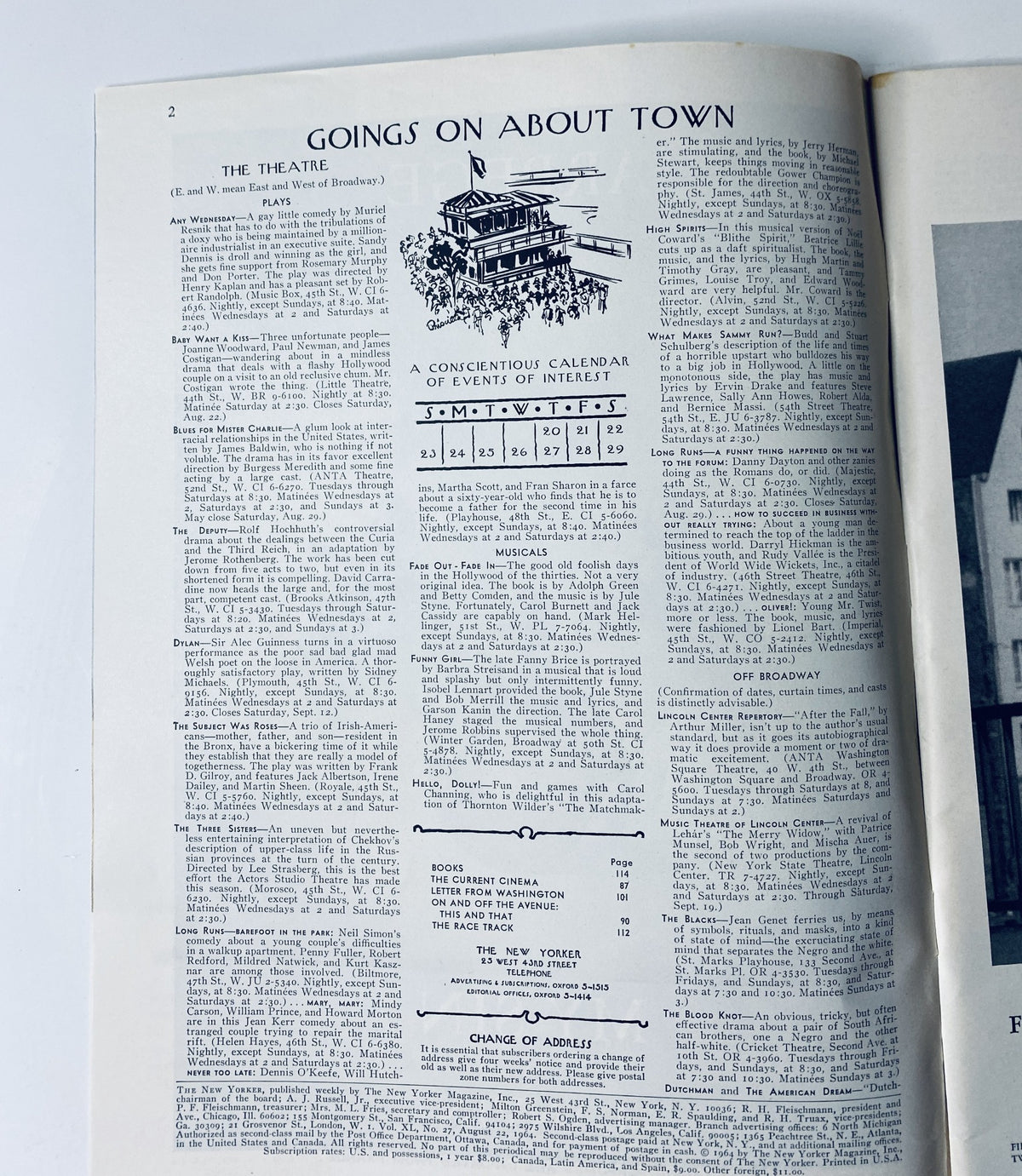
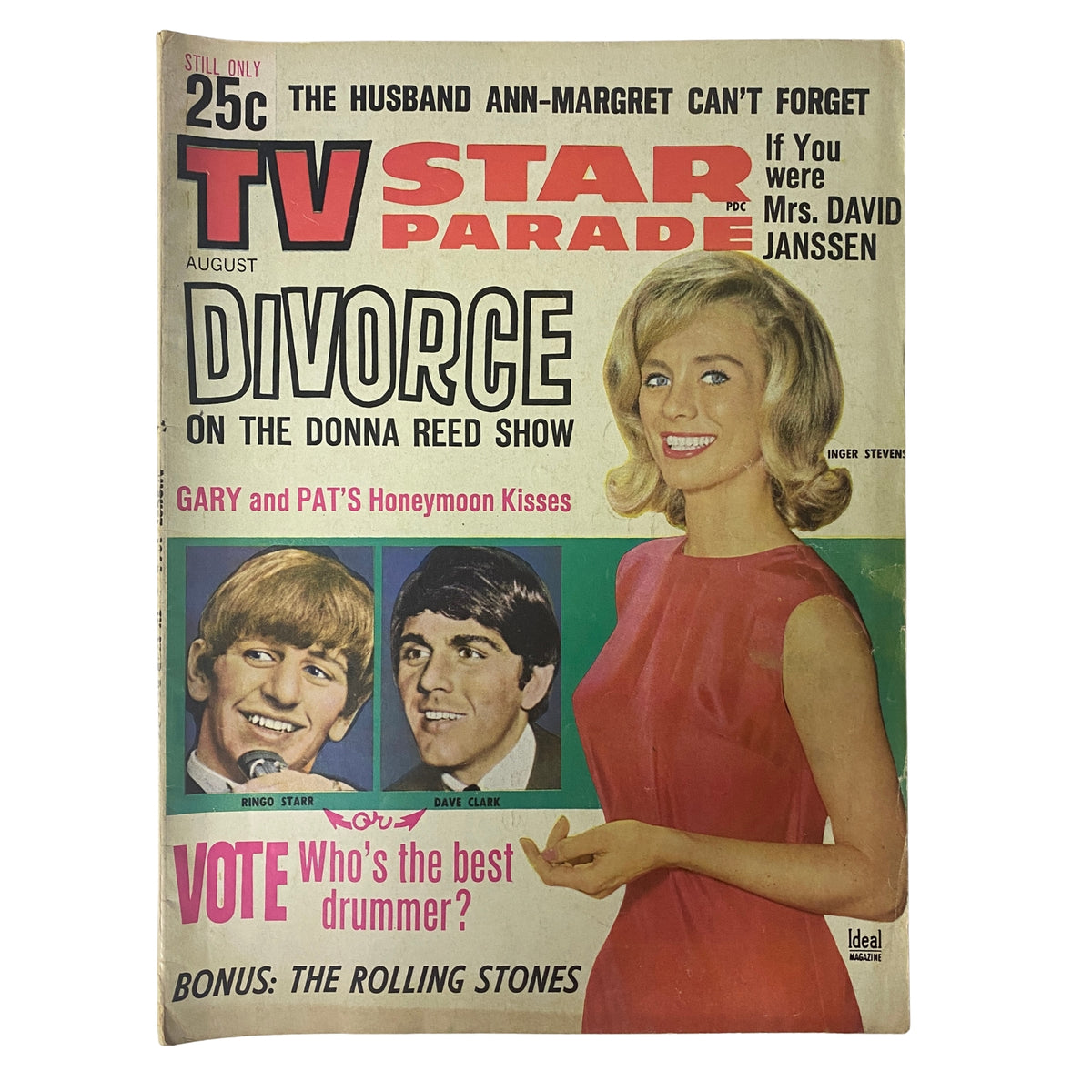
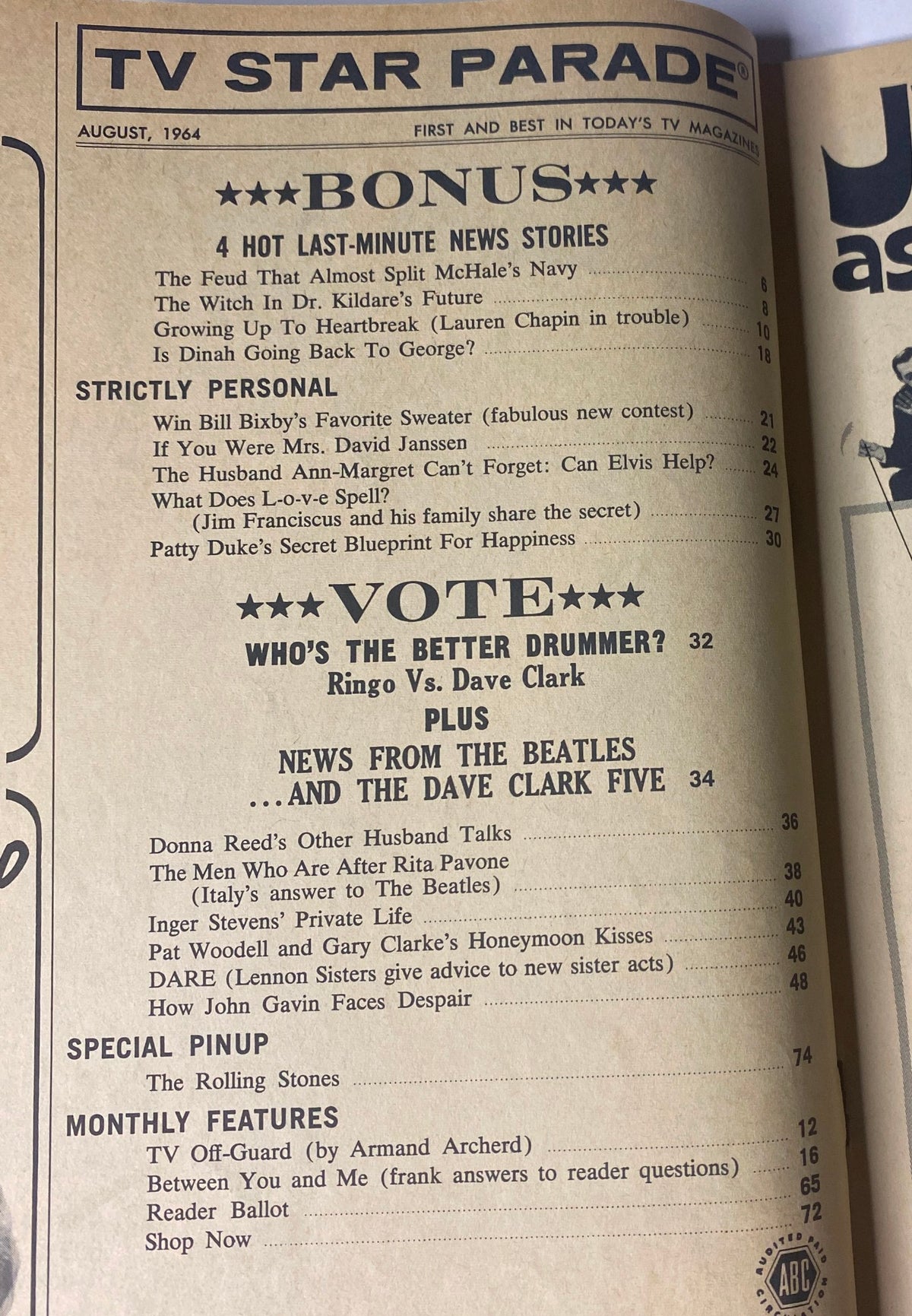
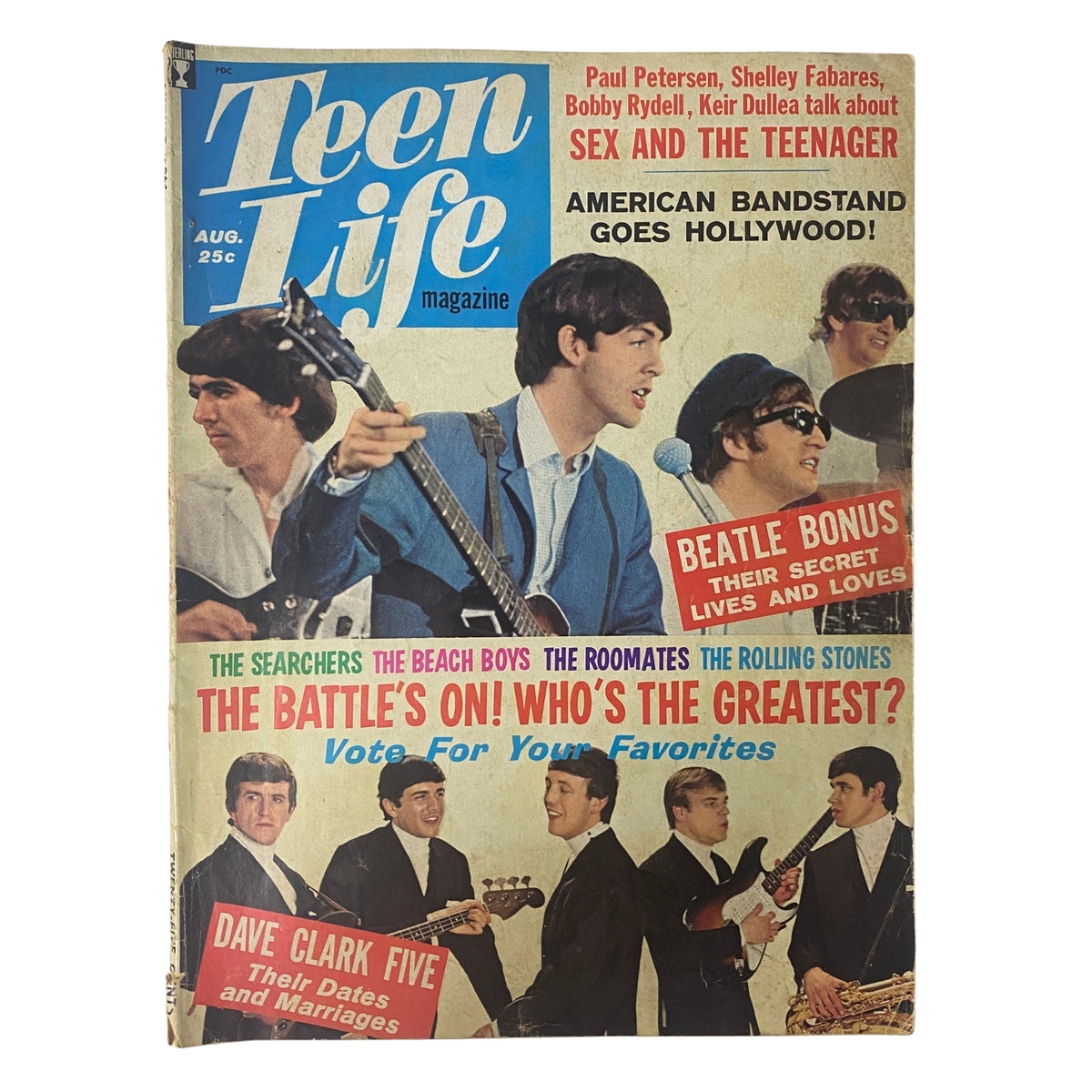
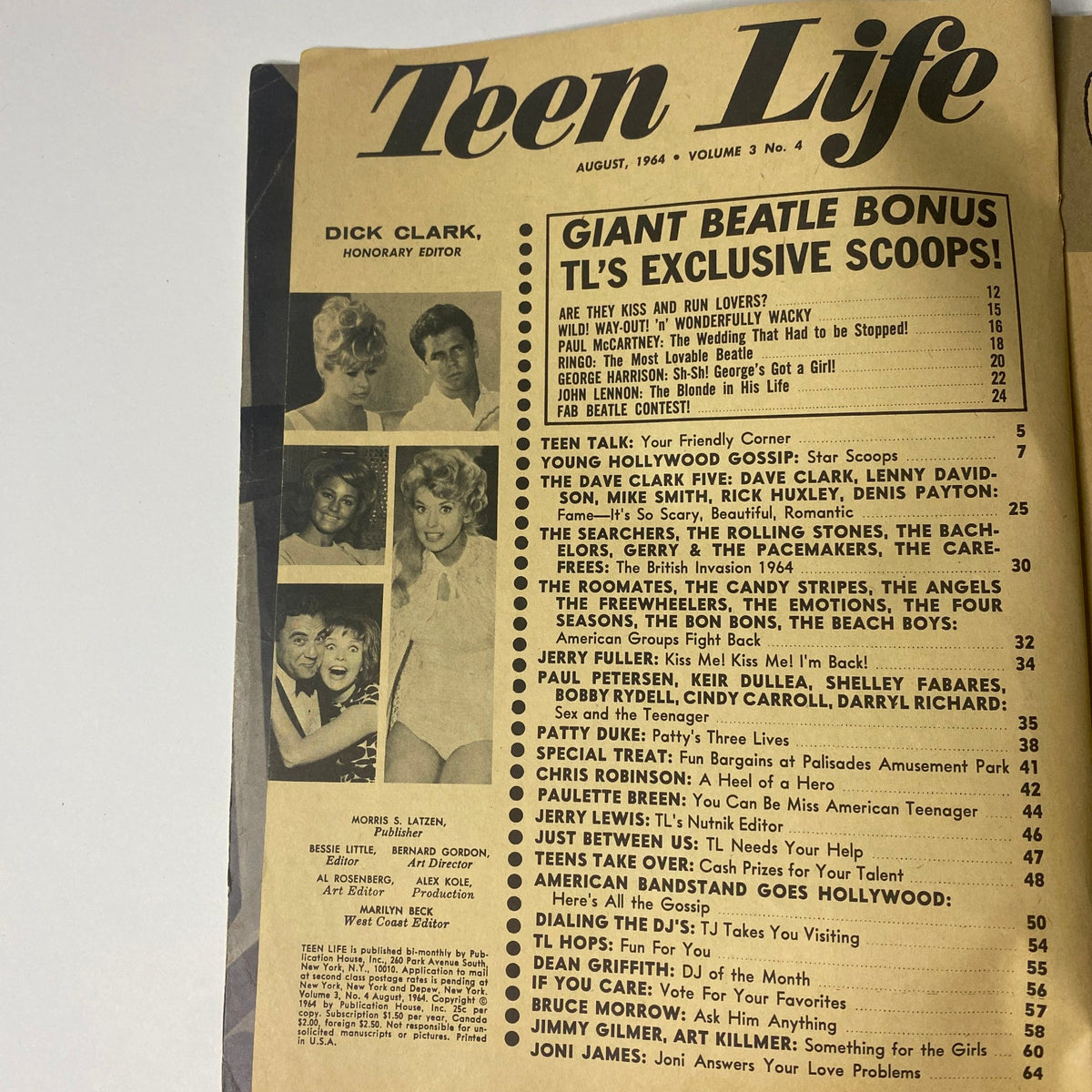
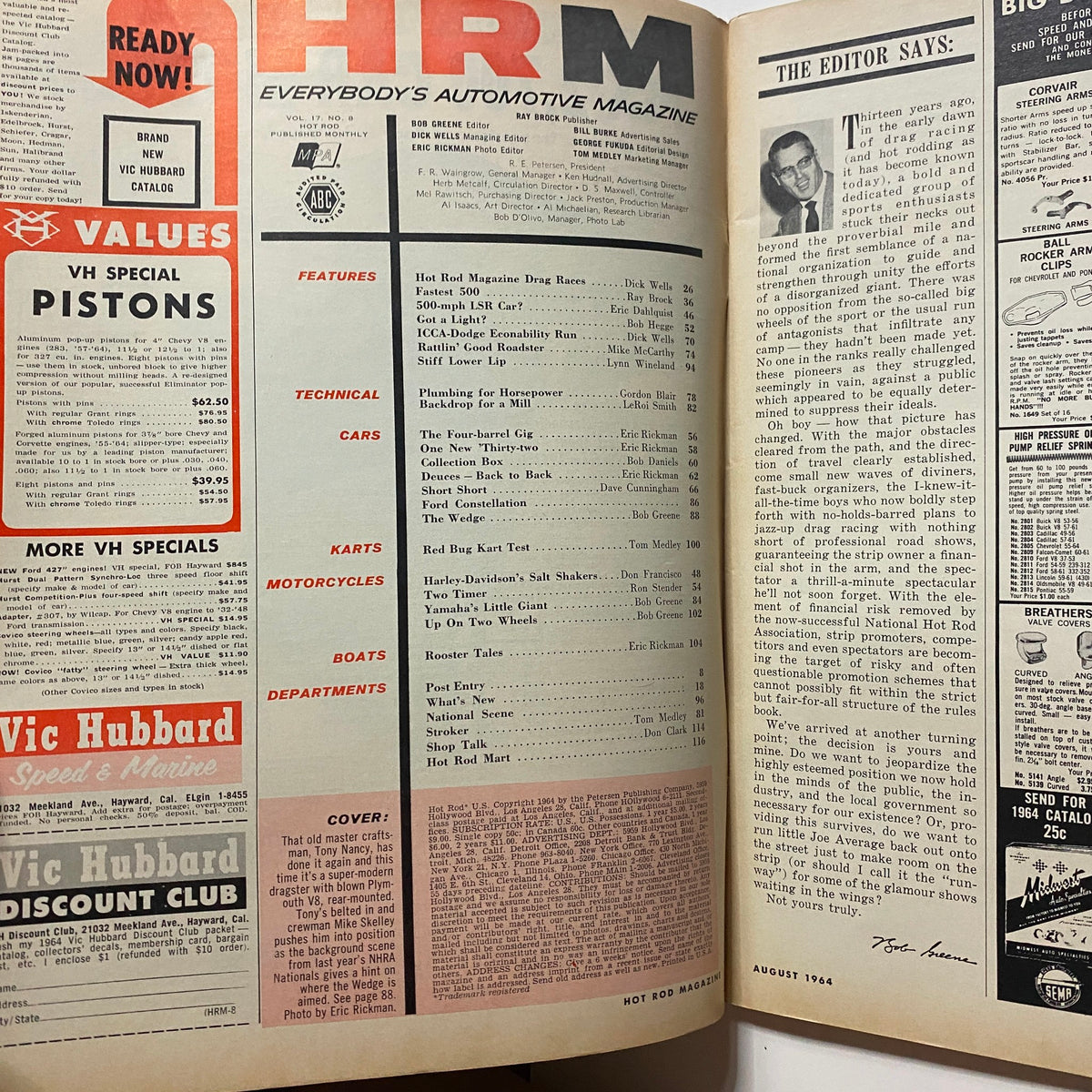
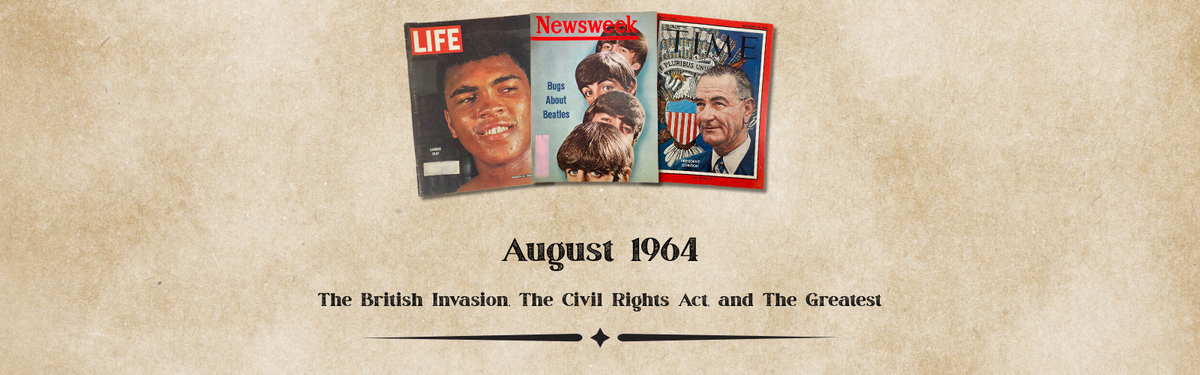
Yet amid the turmoil, American culture pulsed with irrepressible energy. Walt Disney's "Mary Poppins" premiered at Grauman's Chinese Theatre on August 27th, offering Julie Andrews and Dick Van Dyke's magical escapism that would capture five Academy Awards. The Beatles dominated the soundscape—their single "A Hard Day's Night" hit #1 on August 1st, while their debut film premiered in New York on August 11th, and they arrived in San Francisco on August 18th for their first cross-country tour. The Supremes' "Where Did Our Love Go" reached the charts' summit on August 22nd, heralding Motown's golden age. Sports fans witnessed Mickey Mantle switch-hitting his record 10th home run and Ralph Boston shattering the long jump world record at 27' 3½". Original magazines from August 1964 captured this duality in stunning detail—Life and Look chronicling Vietnam's escalation alongside Beatles mania, Vogue showcasing mod fashion trends, and Ebony documenting the civil rights movement's most consequential summer.
What to Look for in Vintage Magazines from August 1964
-
Gulf of Tonkin Coverage: News magazines like Time, Life, and Newsweek featuring urgent reportage on the naval incidents and Congressional debates, often illustrated with maps of Southeast Asia, destroyer photographs, and Johnson administration strategy sessions that marked America's point of no return in Vietnam.
-
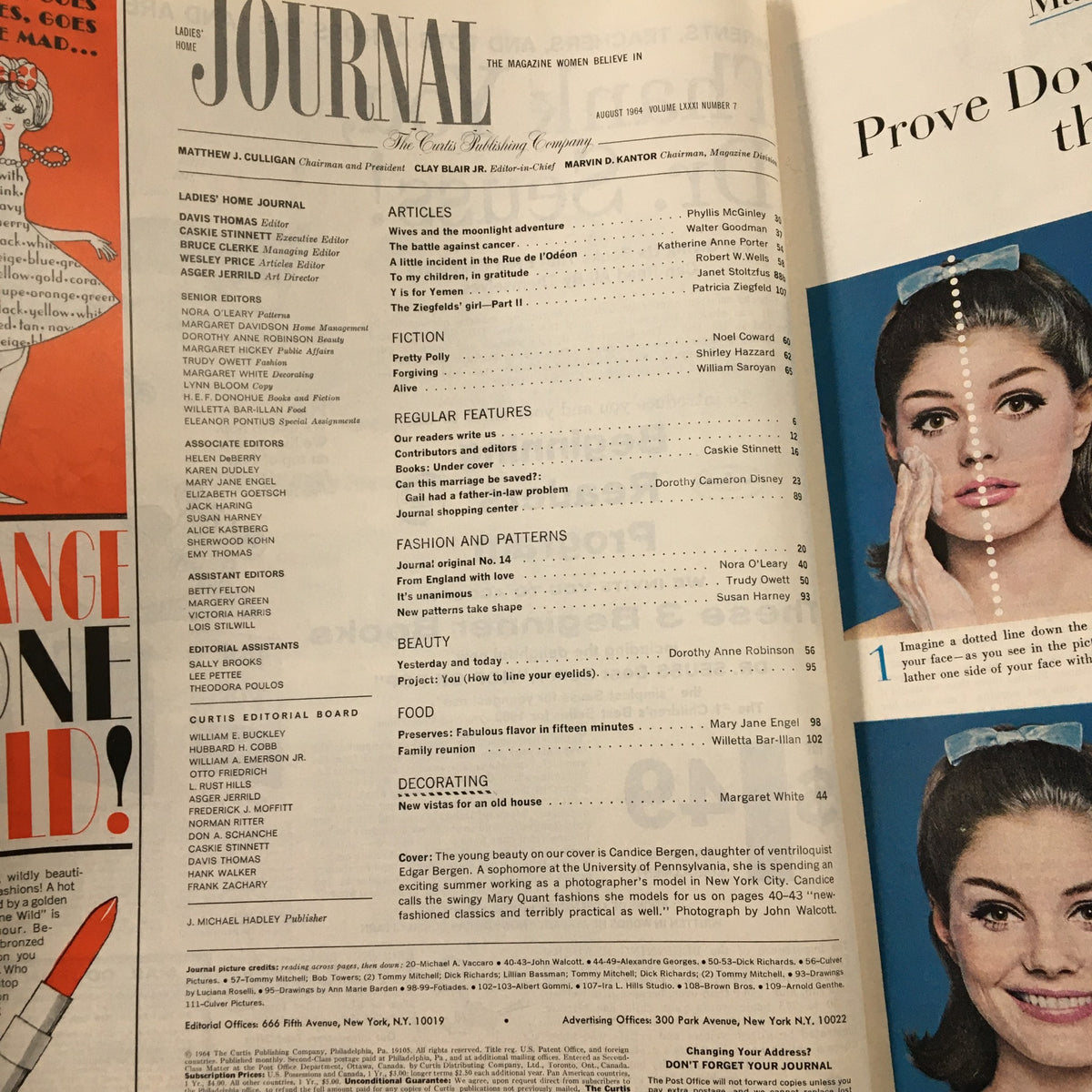
Civil Rights Summer Documentation: Look for powerful photo essays in Life and Ebony chronicling Freedom Summer's tragic climax, Fannie Lou Hamer's convention testimony, and the Philadelphia race riots, showcasing the raw documentary photography that brought the movement's brutality into American living rooms.
-
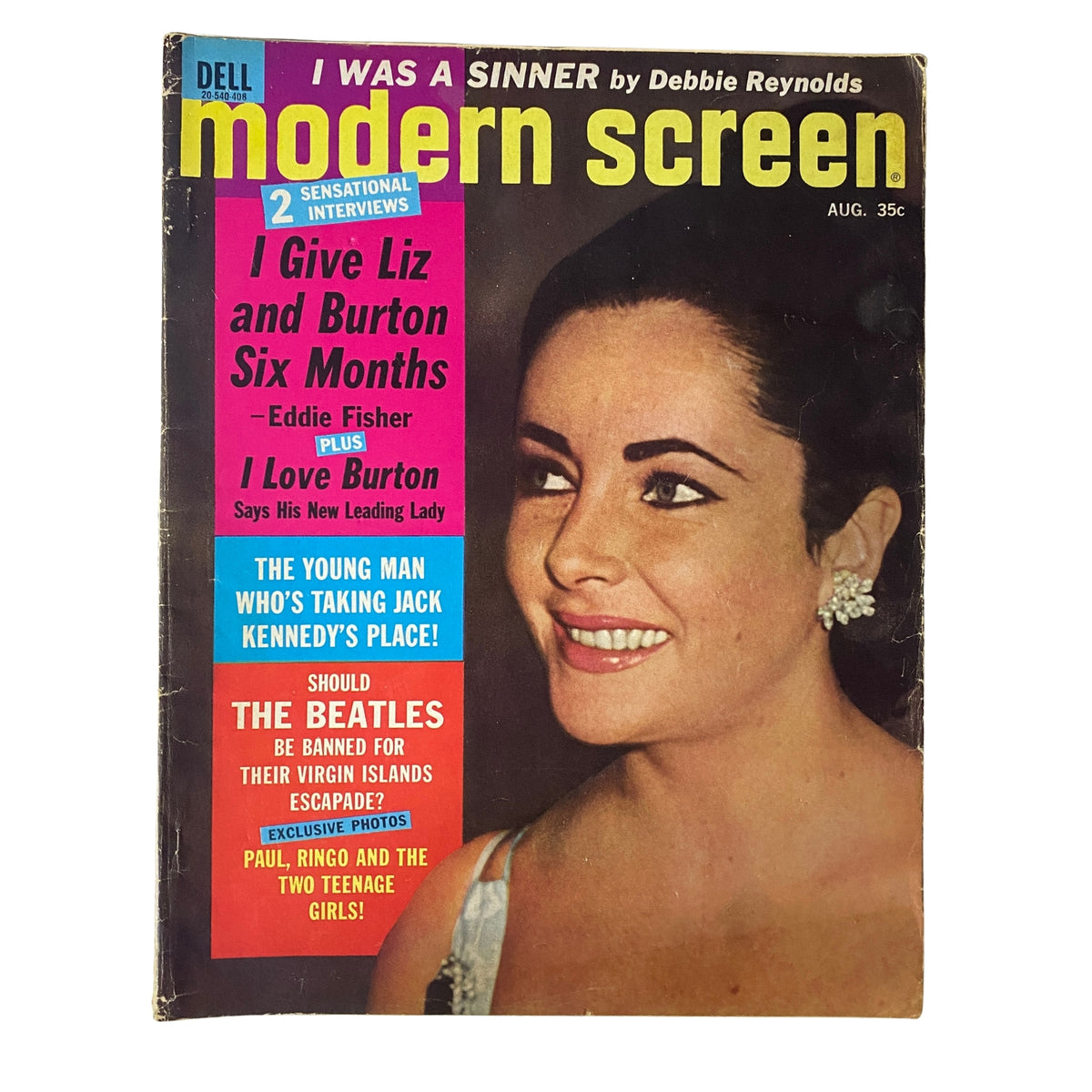
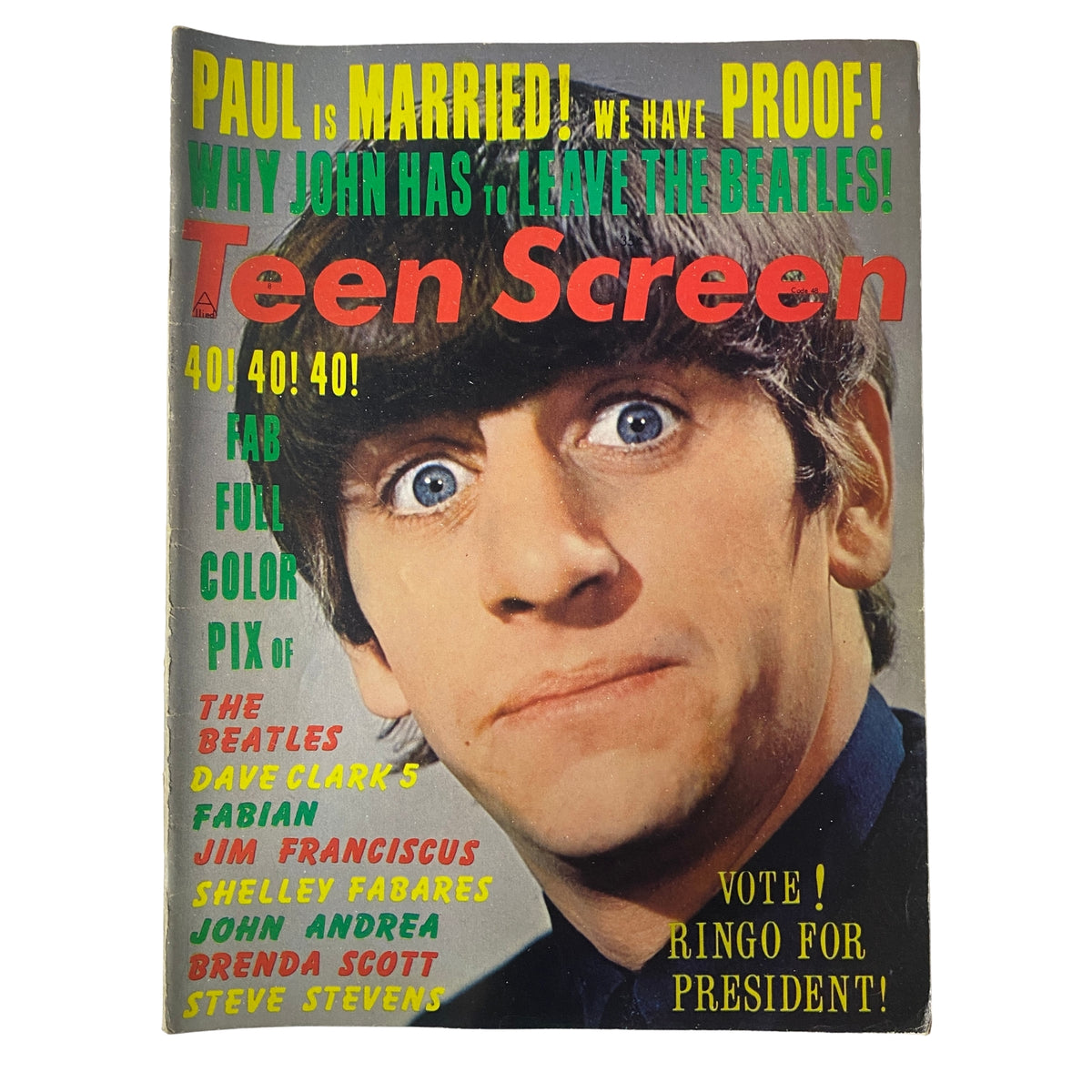
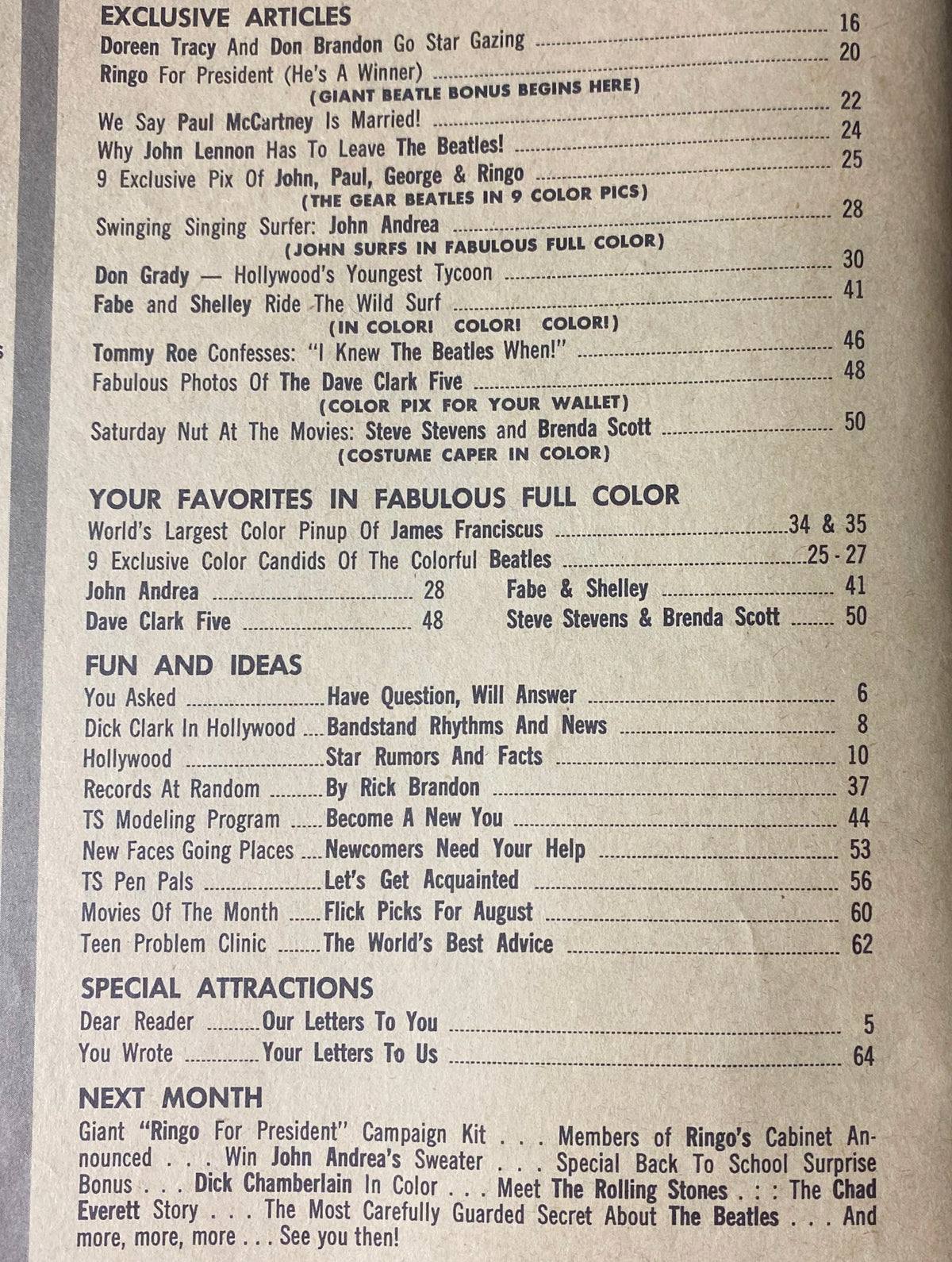
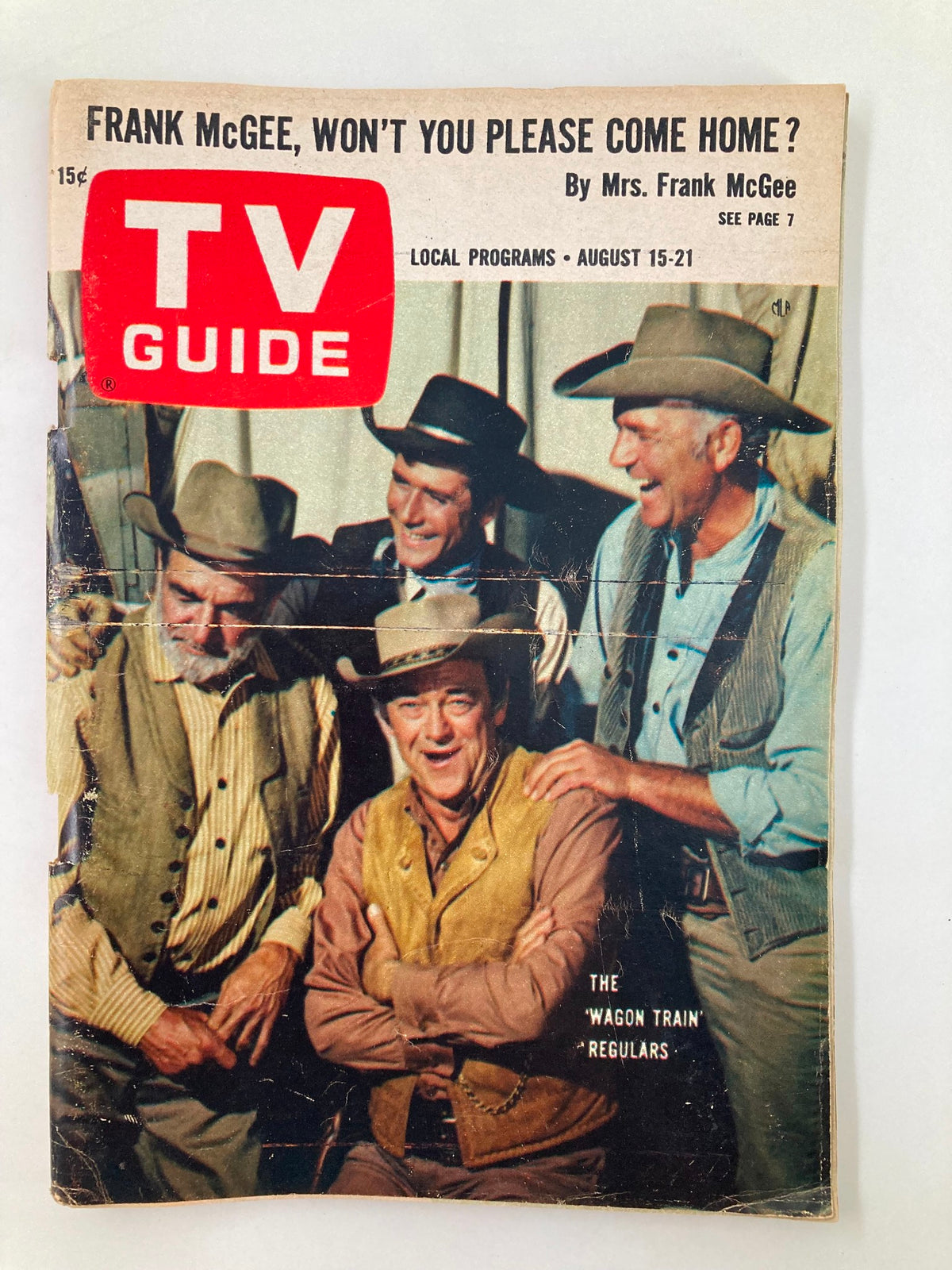
Beatles Invasion Continues: Entertainment magazines and TV Guide capturing the Fab Four's cross-country tour, "A Hard Day's Night" film premiere coverage, and the cultural phenomenon that dominated newsstands with candid photographs, concert schedules, and teenage fan hysteria.
-
"Mary Poppins" Premiere Coverage: Hollywood trade publications like Variety and general-interest magazines featuring the Disney musical's splashy debut, behind-the-scenes production details, Julie Andrews' breakthrough performance, and the elaborate promotional campaigns that made it 1964's cinematic event.
-
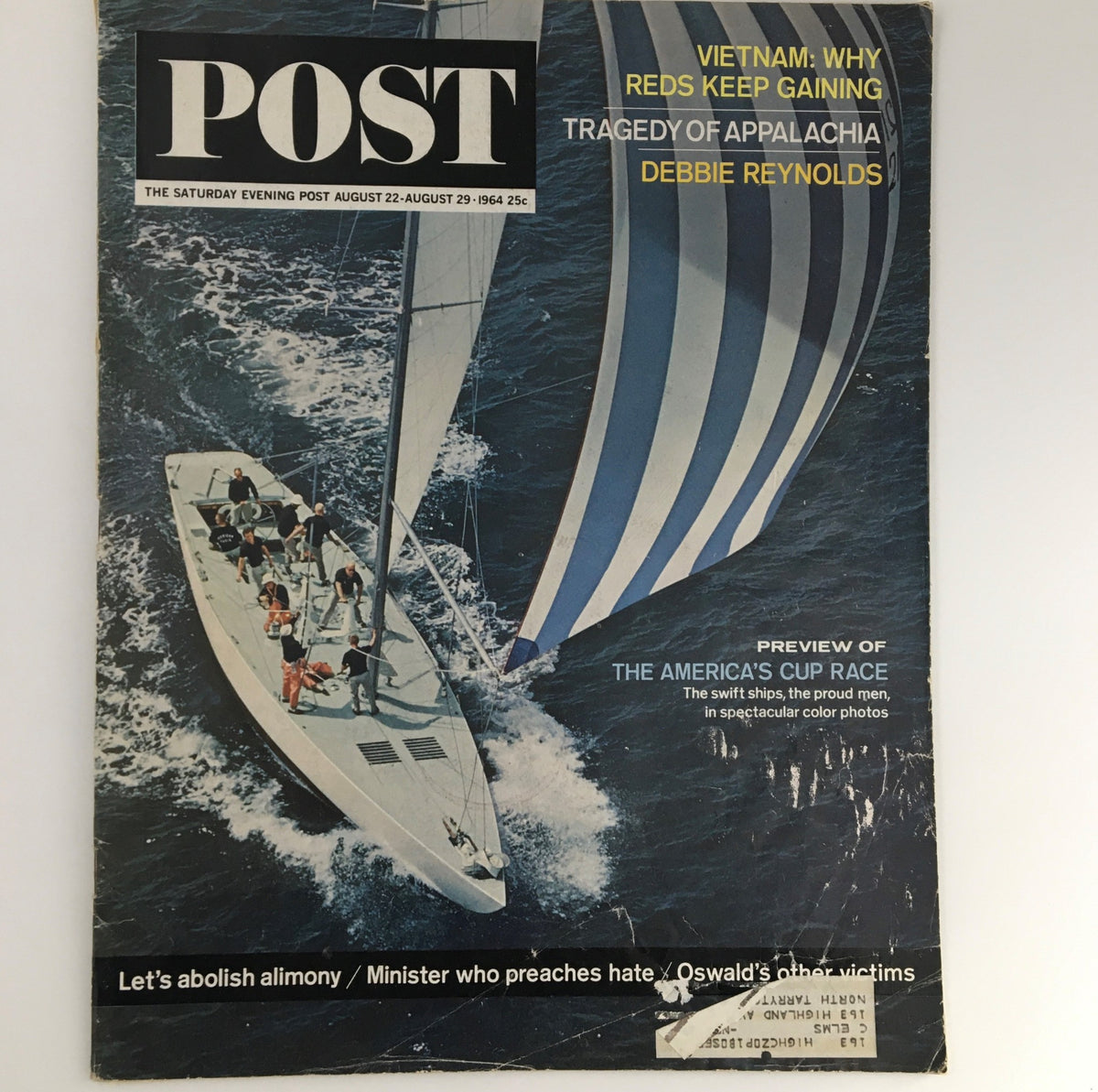
Sports Glory and Records: Sports Illustrated and newspaper supplements chronicling Mickey Mantle's historic home runs, Ralph Boston's world record leap, and the Philadelphia Phillies' late-season surge, complete with action photography and statistical analyses that captured rare magazines' authentic sports journalism.
The Perfect Gift
For someone born in August 1964, an original magazine from this transformative month isn't just a souvenir—it's an authenticated time capsule preserving the precise moment when America committed to war, confronted its racial injustice, and still found joy in Beatles melodies and Disney magic, all captured in genuine advertisements, headlines, and photography.