📖 About this Collection
August 1965: The Summer of Change and Consequence
The Historical Context
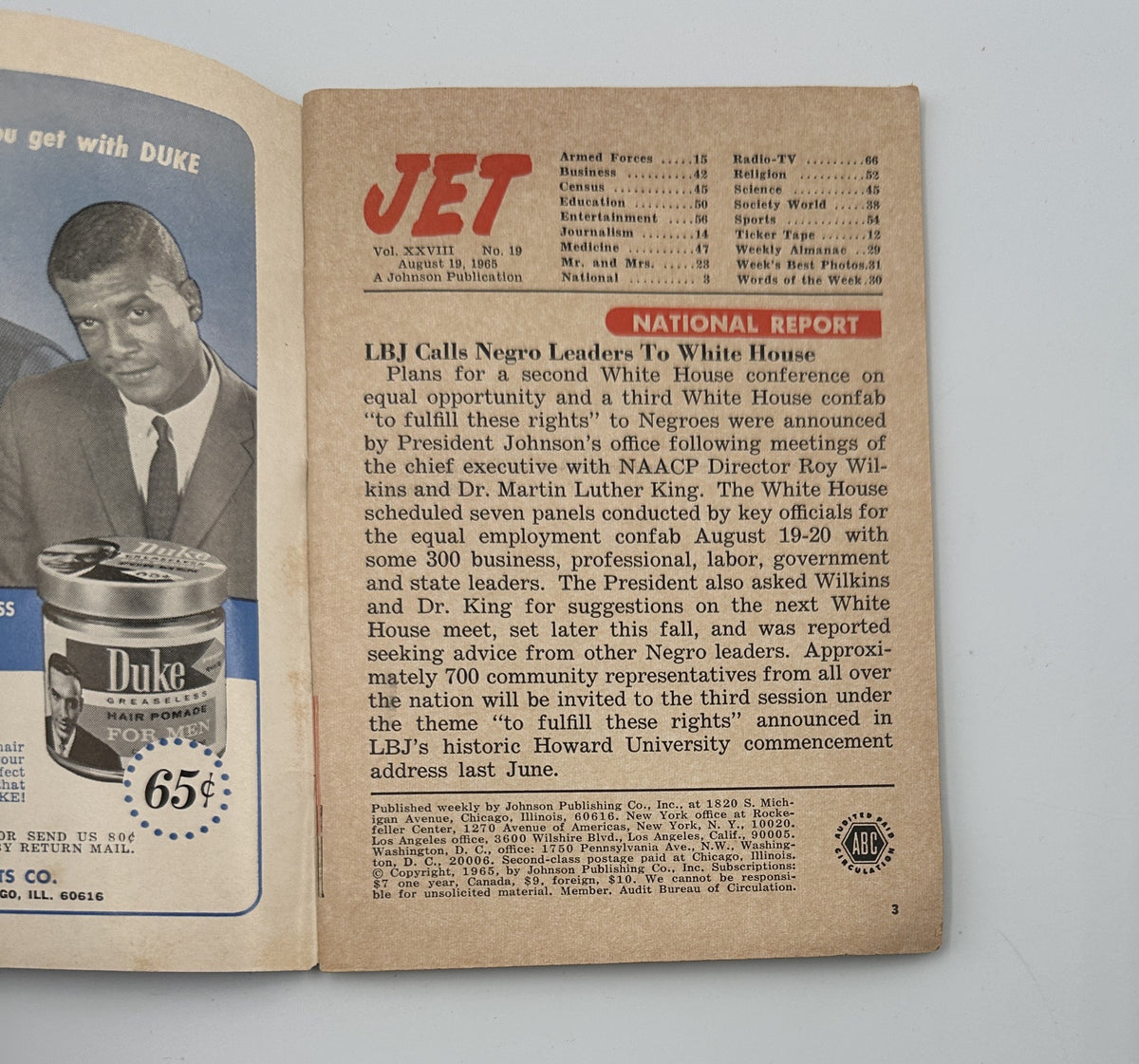
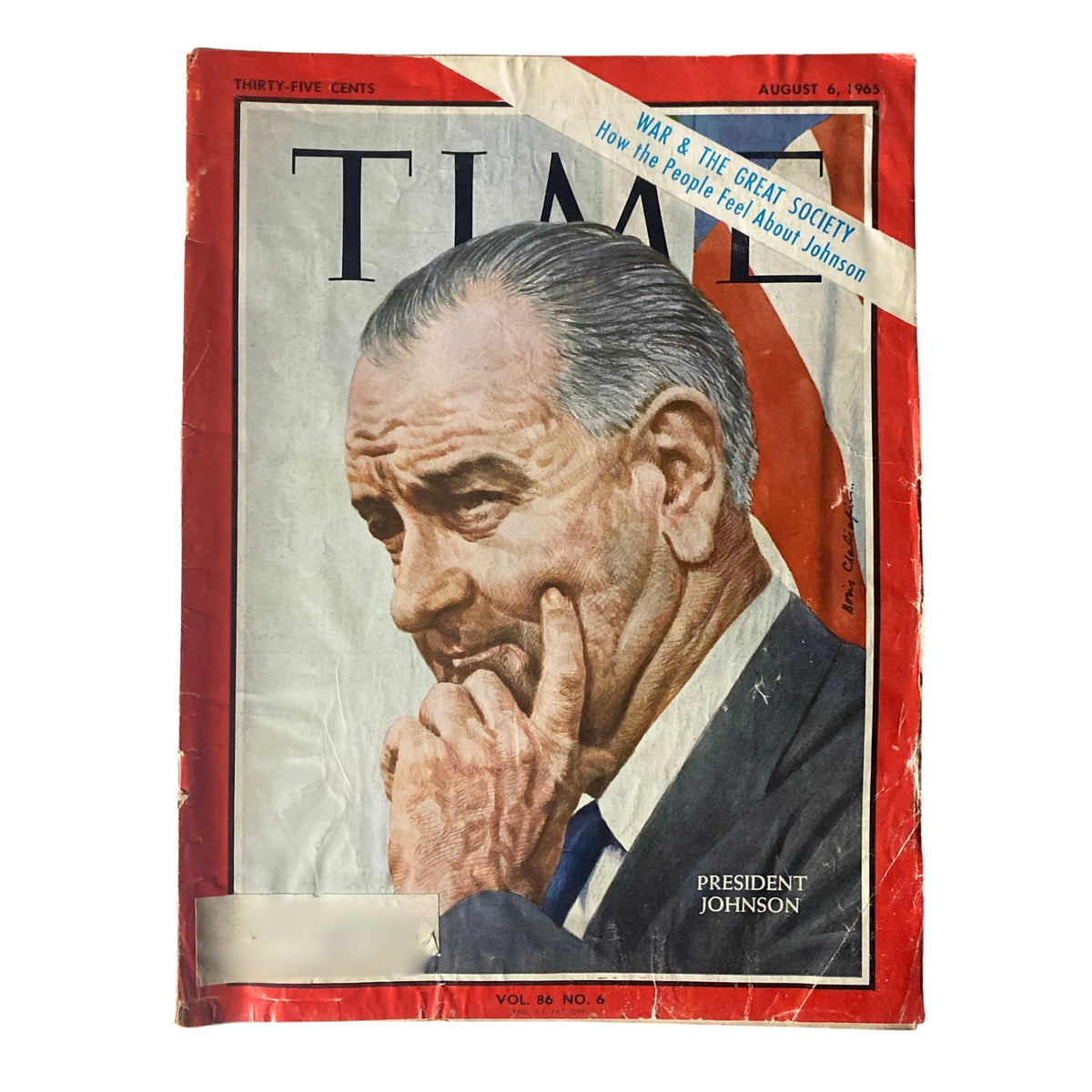
The world crackled with tension in August 1965, a month when seismic shifts in civil rights, international borders, and popular culture converged with unprecedented force. President Lyndon B. Johnson signed the Voting Rights Act on August 6th, a legislative landmark that would dismantle discriminatory barriers and reshape American democracy—yet within days, the Watts riots erupted in Los Angeles, exposing the deep fractures that legislation alone could not heal. Across the Pacific, Singapore dramatically severed ties with Malaysia on August 9th, creating a newly independent nation that would transform the geopolitical landscape of Southeast Asia. Meanwhile, the Beatles continued their unprecedented cultural dominance, playing to 55,000 screaming fans at Shea Stadium and releasing the "Help!" soundtrack that would define the summer's sound. This was the world your loved one entered—a moment balanced between historic progress and simmering unrest, when the old order faced challenges it could no longer ignore.
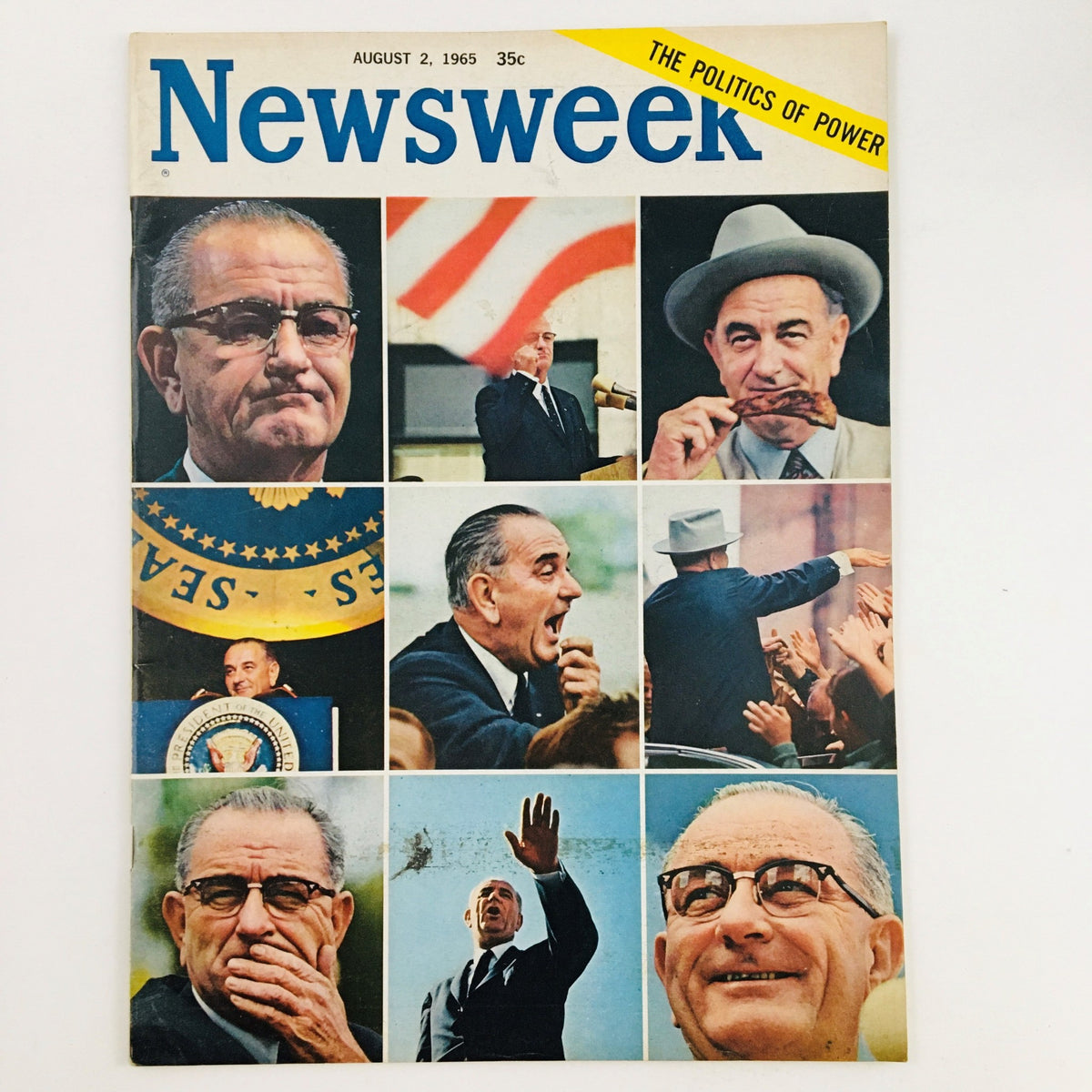
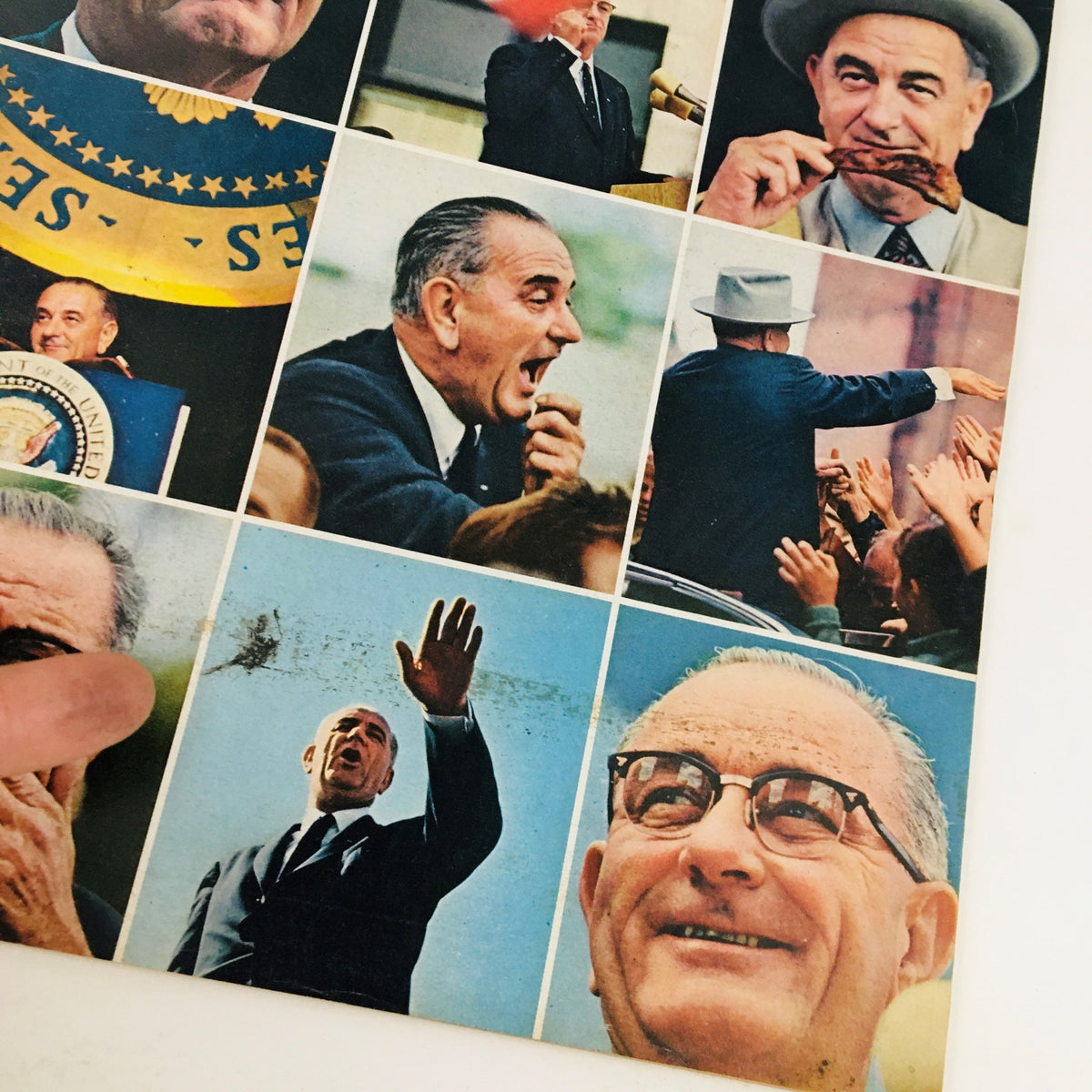
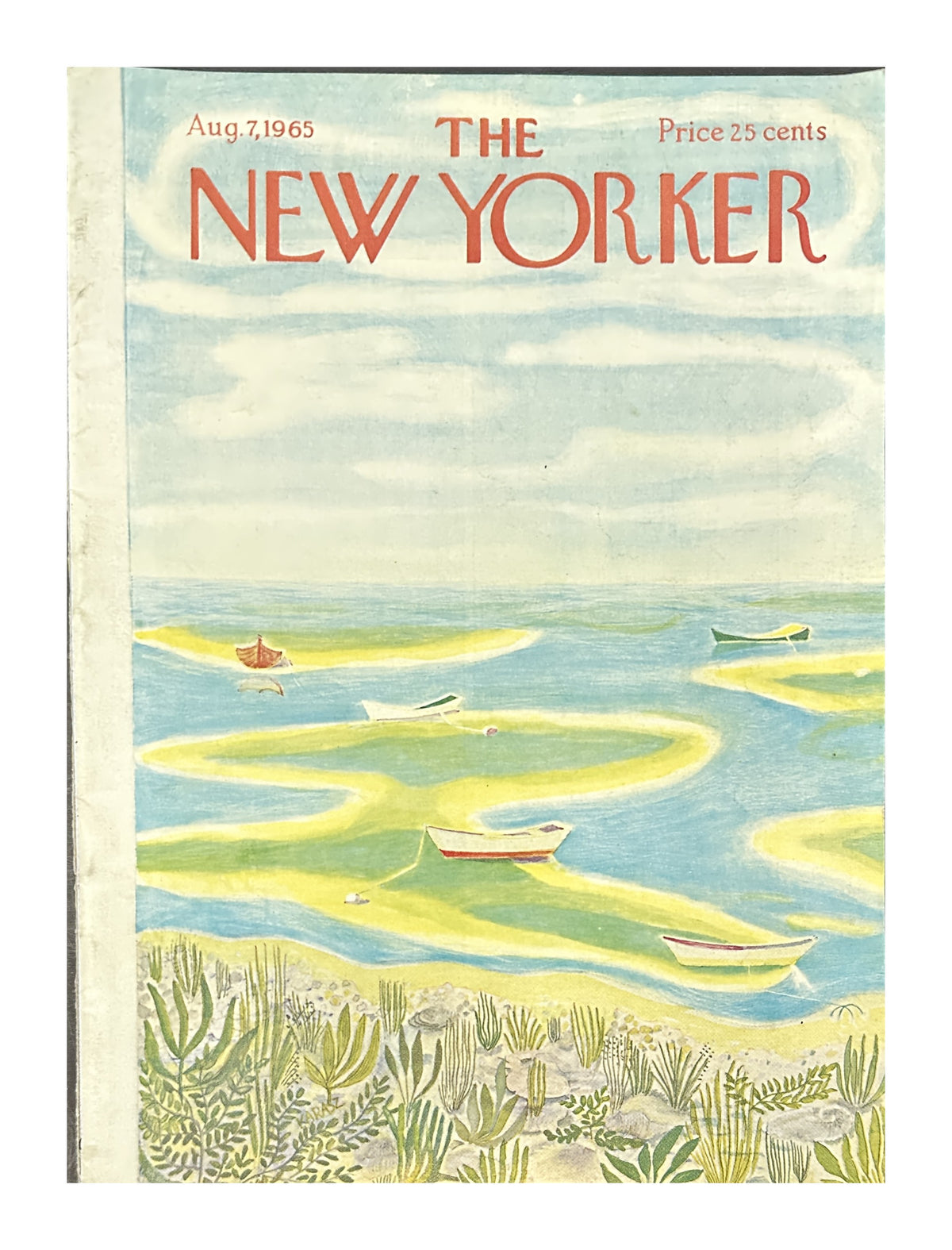
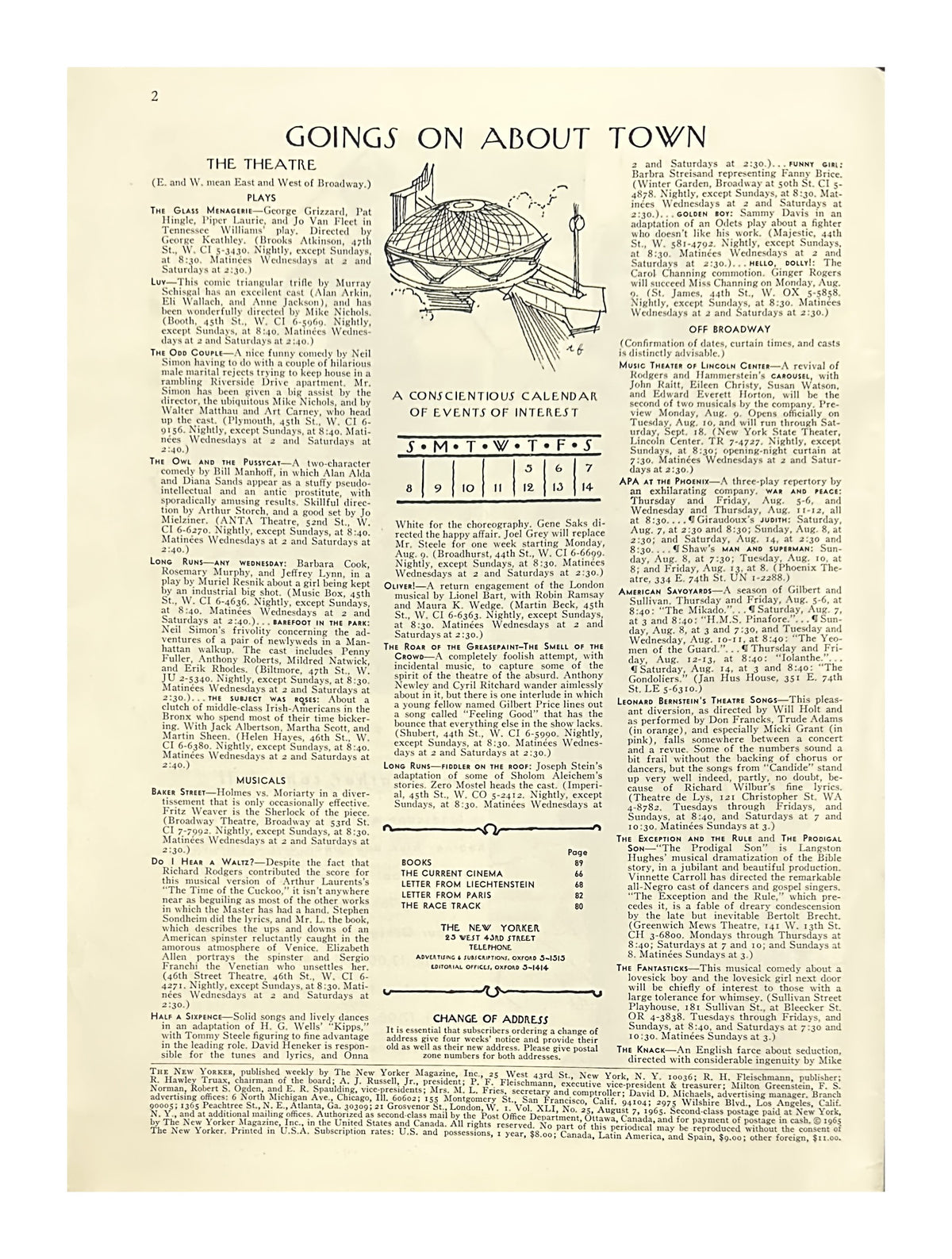
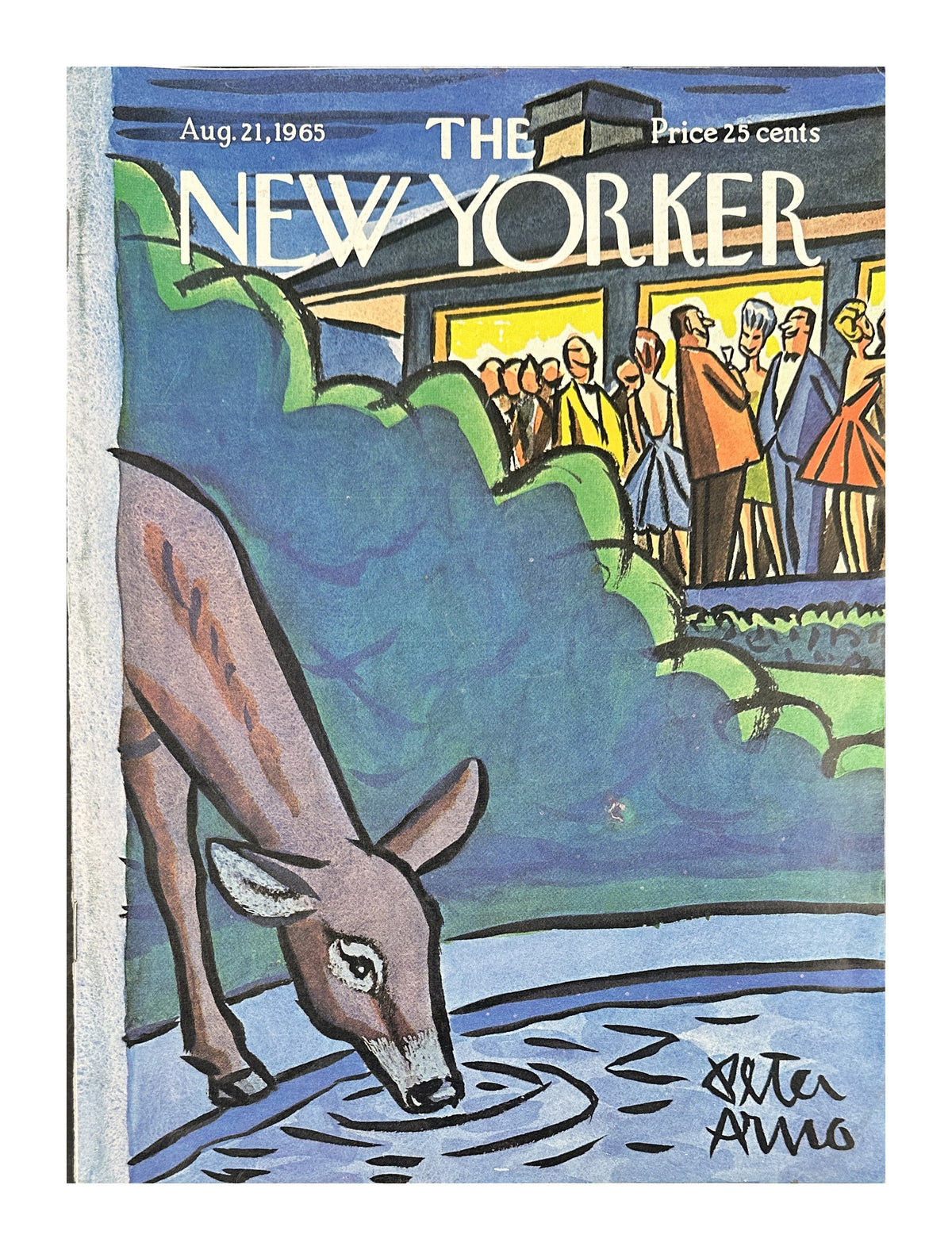
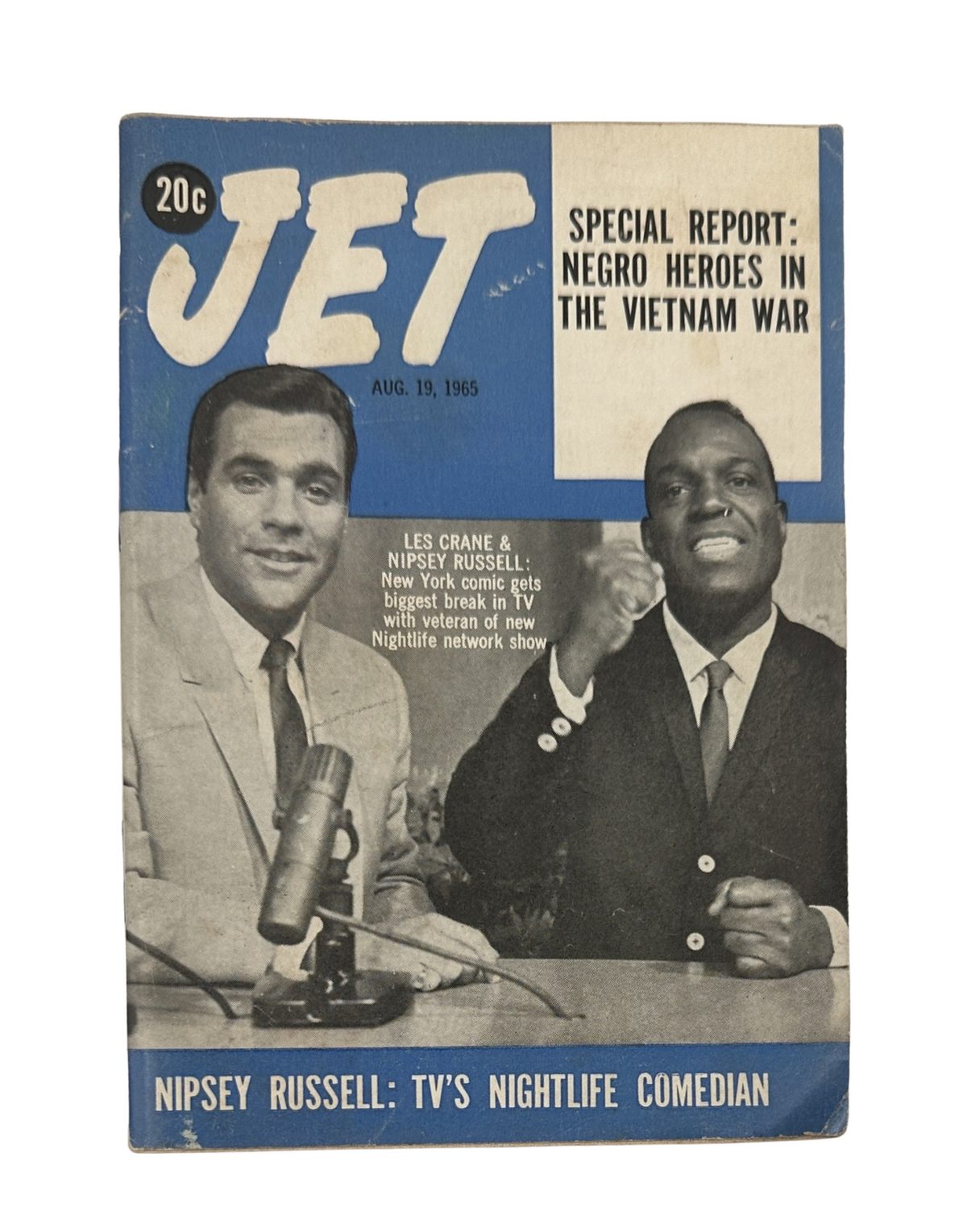
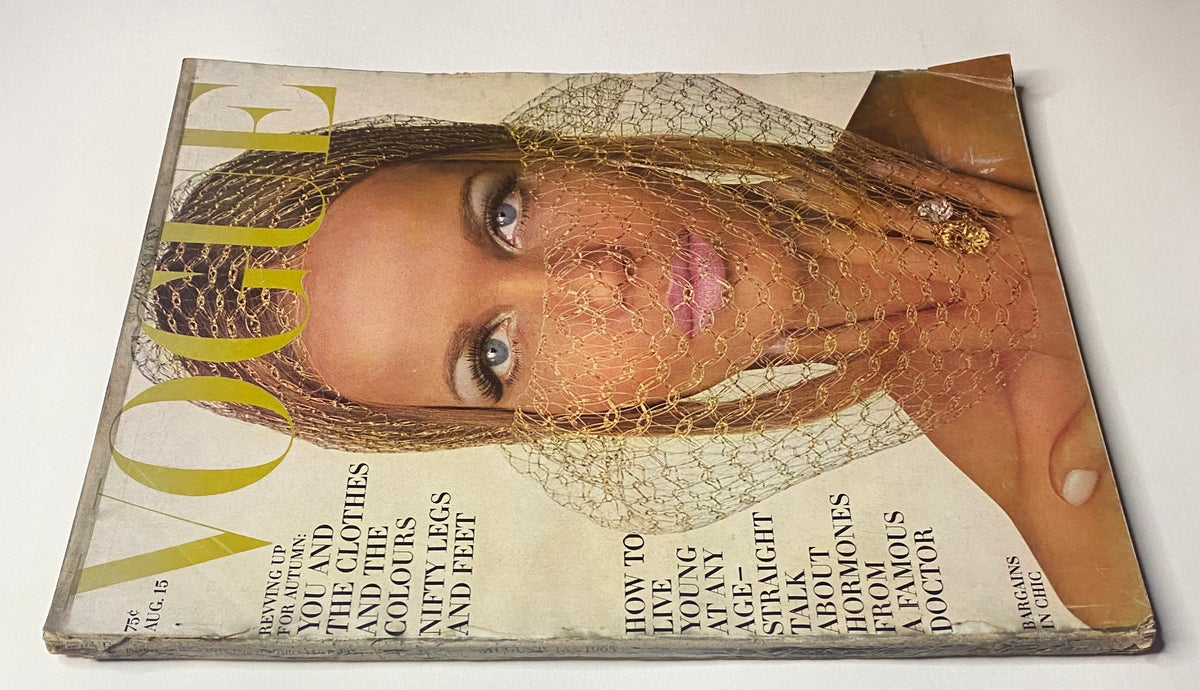
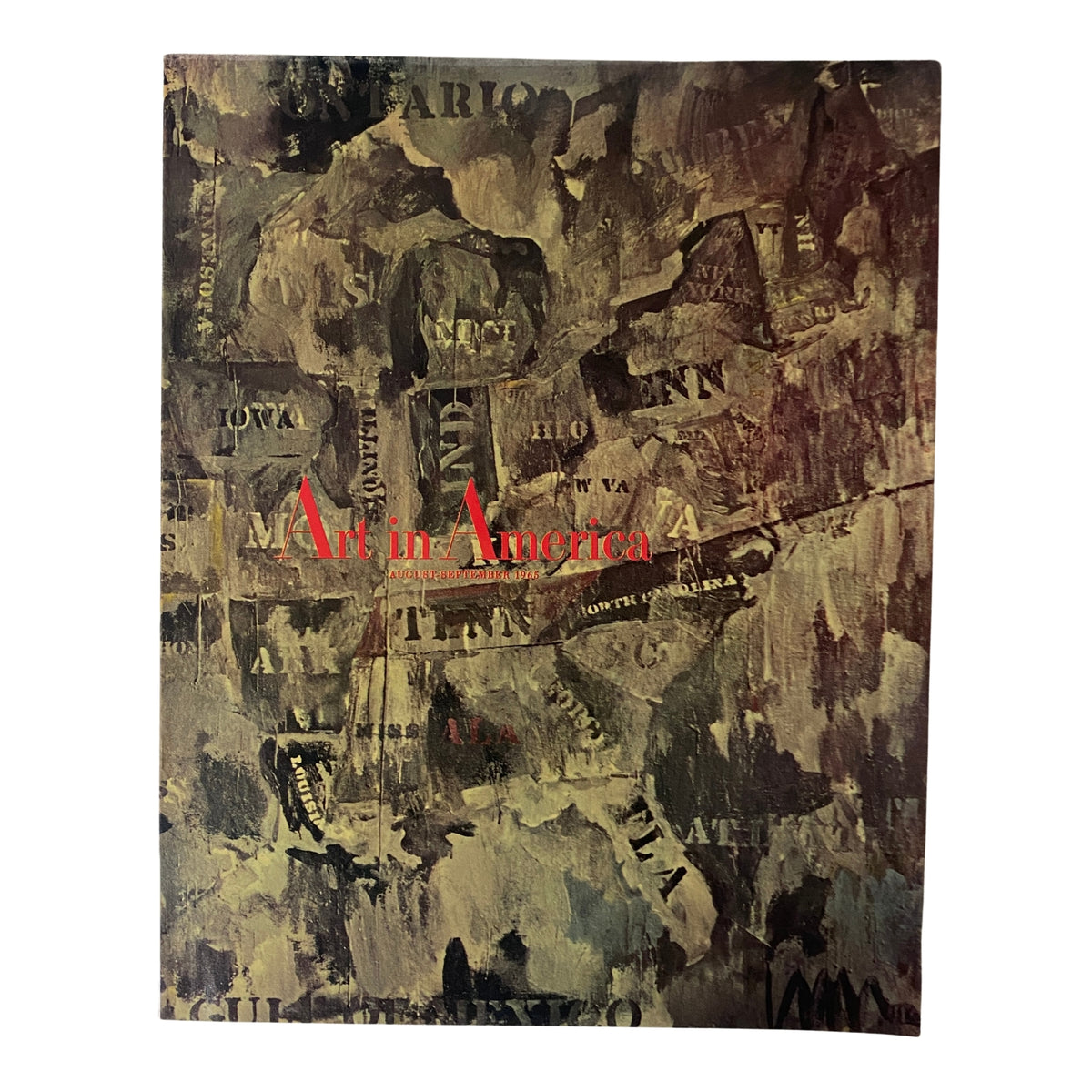
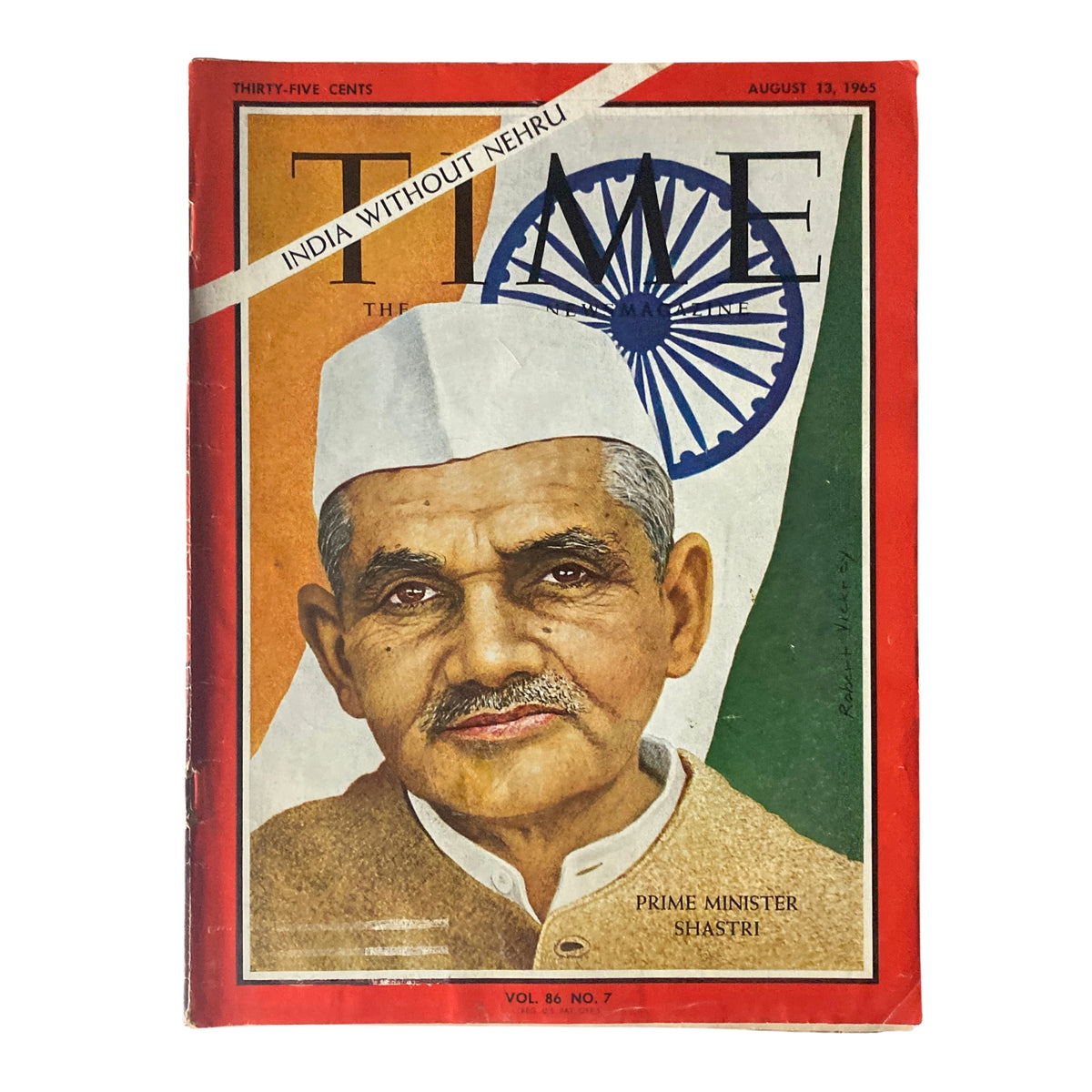
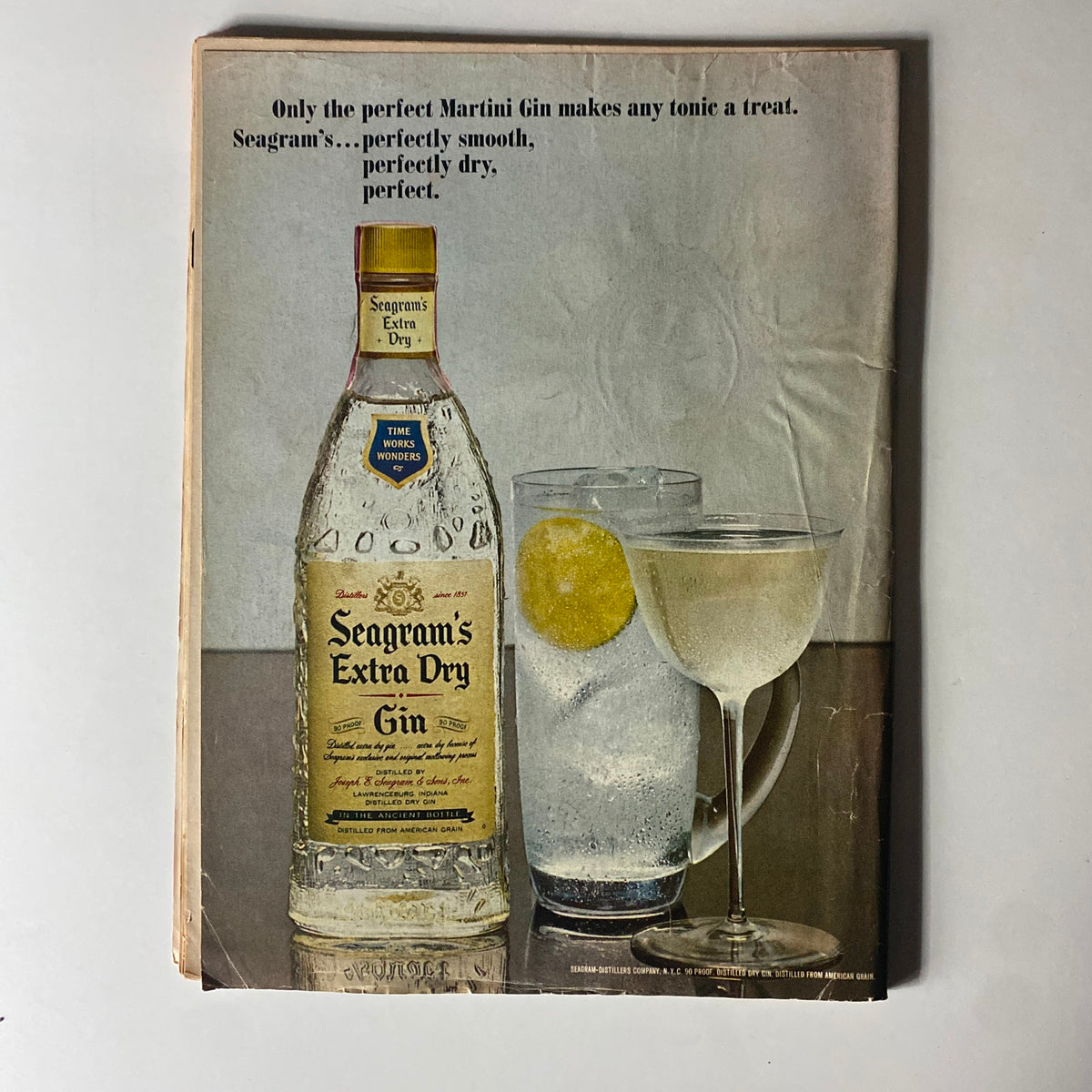
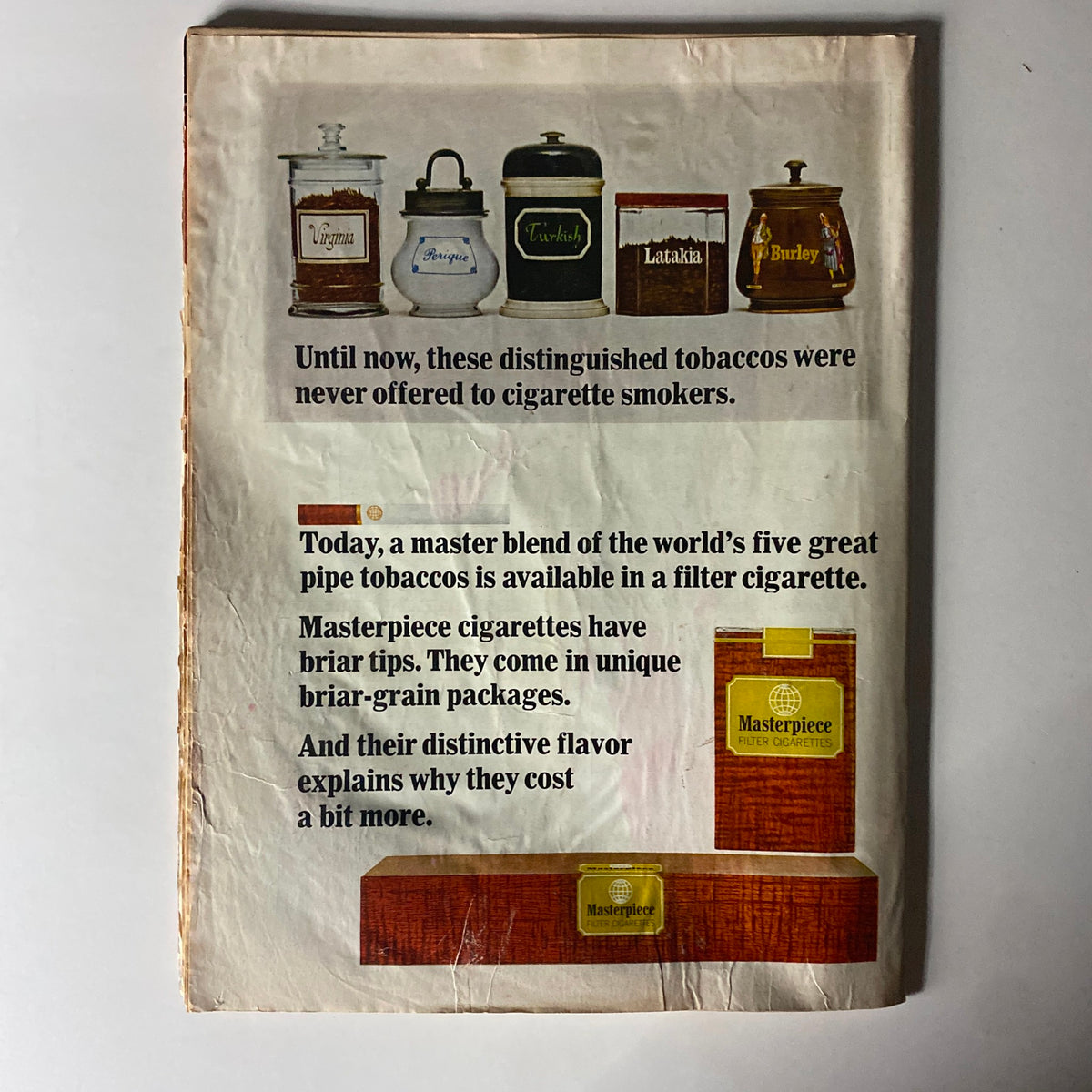
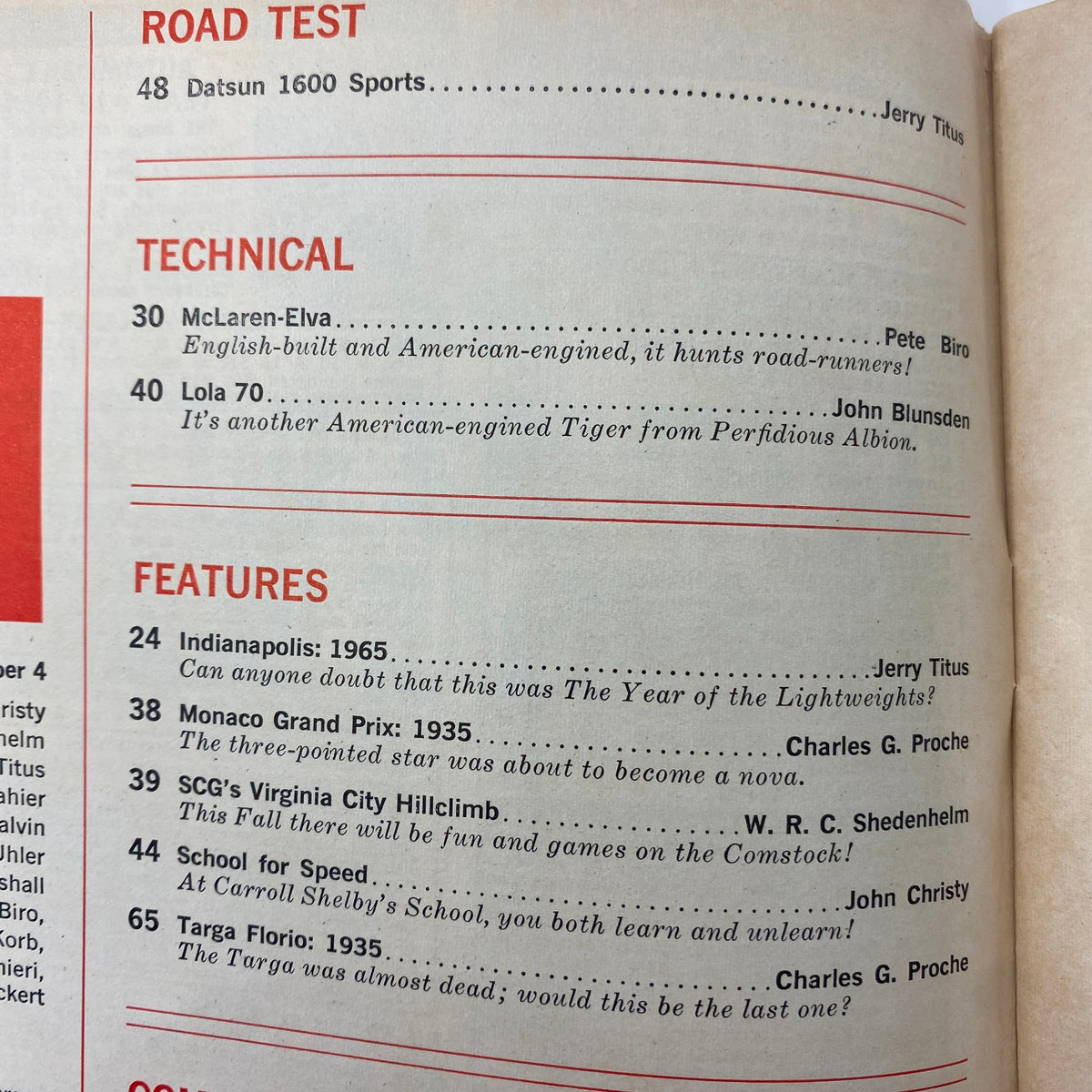
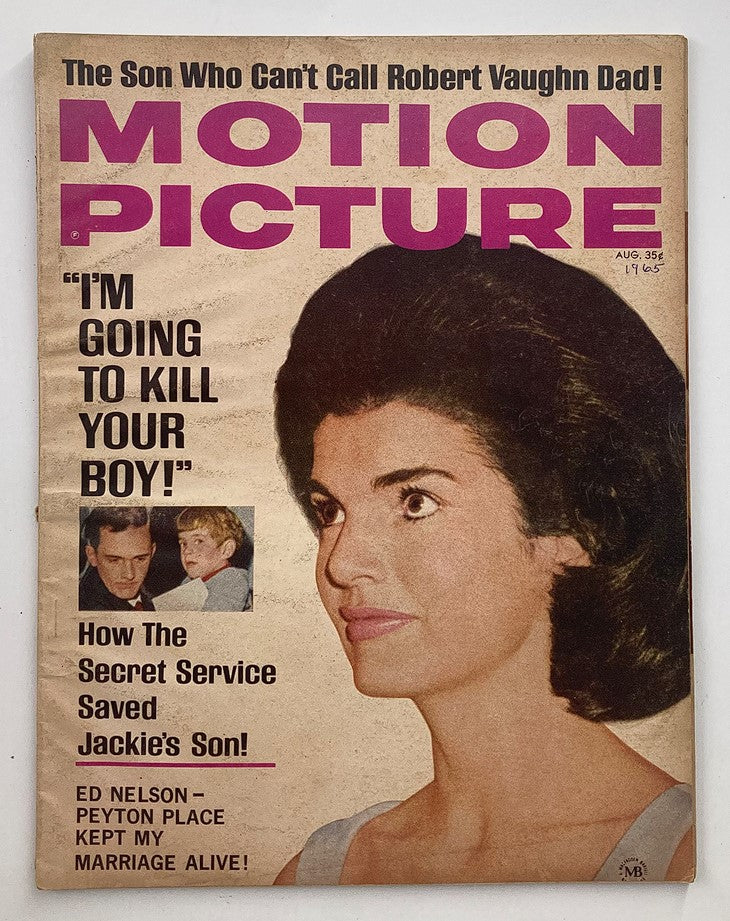
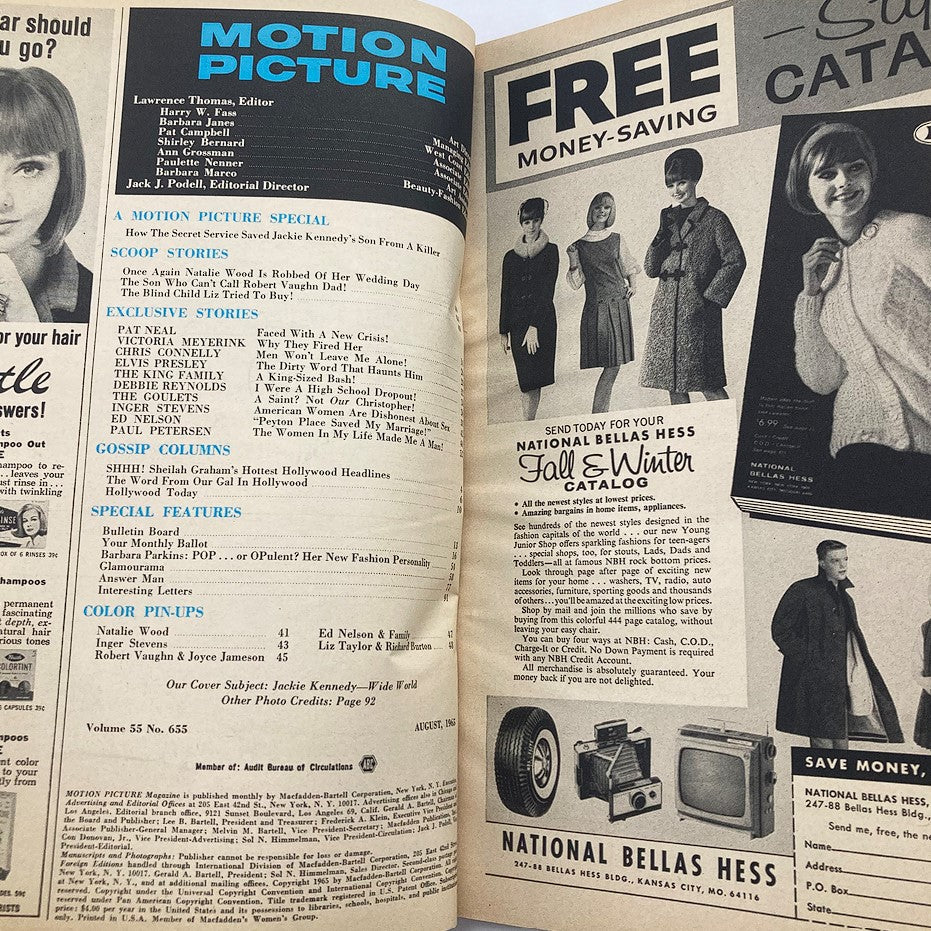
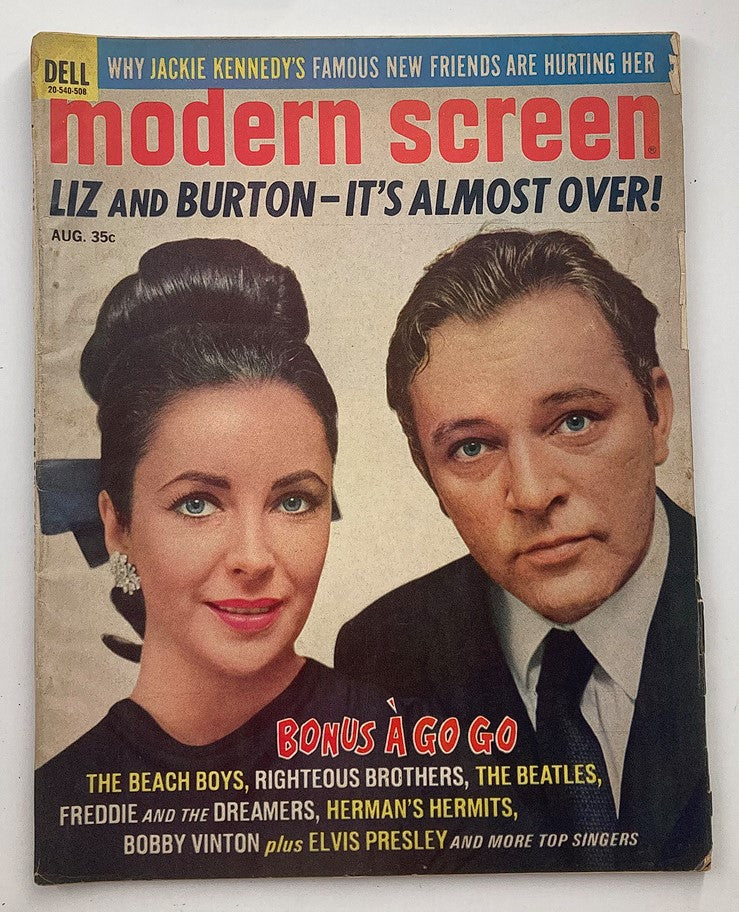
Original magazines from August 1965 captured a pop culture moment of extraordinary vitality and transition. Movie theaters welcomed "Help!" on August 11th, the Beatles' musical comedy that brought their irreverent charm to American screens, while the Fab Four themselves taped an Ed Sullivan Show appearance that would draw millions of viewers. Sonny & Cher's "I Got You Babe" hit #1 on August 14th, their harmonic blend dominating AM radio throughout the sweltering month. The Rolling Stones released "(I Can't Get No) Satisfaction" in the UK on August 20th—though already a US chart-topper, its British release marked the band's complete transatlantic conquest. Sports fans witnessed history as Jim Clark clinched his second F1 World Championship at the Nürburgring, while baseball saw drama both on and off the field: Juan Marichal's bat-swinging attack on Dodgers catcher John Roseboro sparked a 14-minute brawl that scandalized the sport. Even Bob Dylan courted controversy, getting booed at Forest Hills Stadium for his electric guitar performance on August 28th. Time, Life, and Newsweek devoted spreads to these cultural flashpoints, their photography and advertisements preserving the raw energy of a summer that refused to stand still.
What to Look For: Curator's Checklist
-
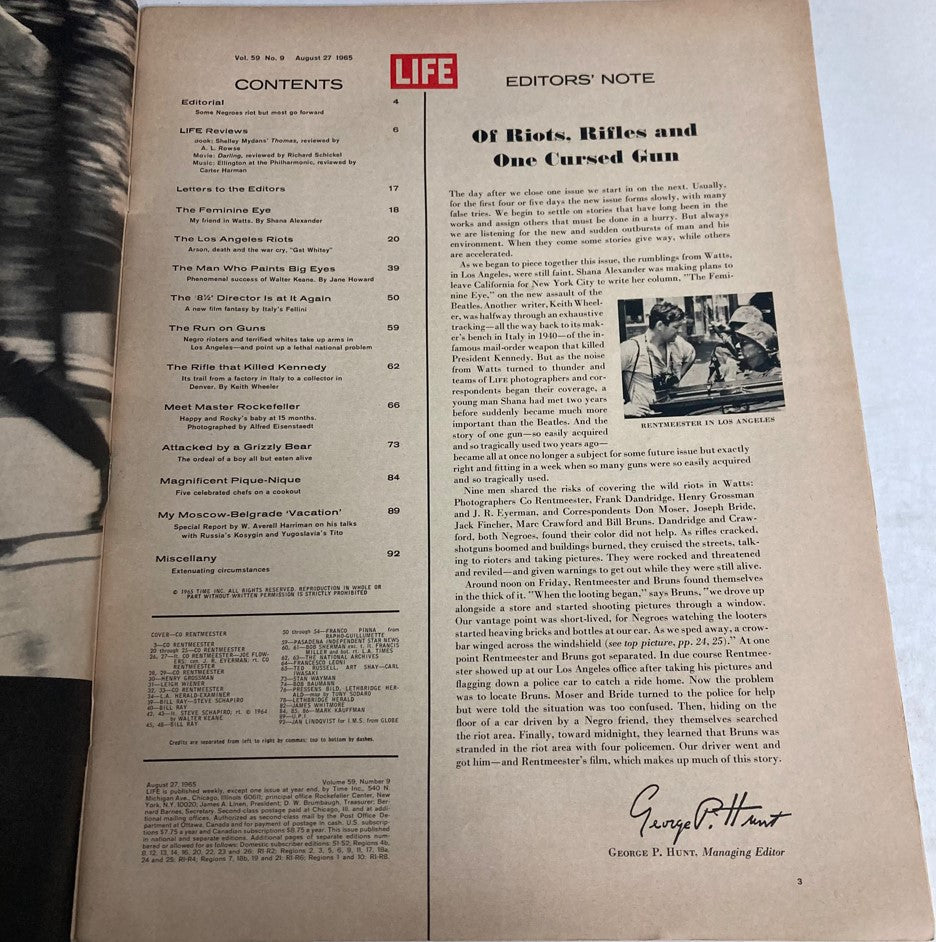
Voting Rights & Watts Uprising: News magazines like Time and Newsweek featuring powerful photo essays documenting both Johnson's signing ceremony and the devastating six-day Los Angeles riots—the stark juxtaposition capturing America's civil rights paradox in vivid black-and-white photography spread across consecutive issues.
-
Singapore's Independence: Life and Look chronicling Lee Kuan Yew's historic separation agreement with compelling front-page coverage and illustrated maps showing the newly sovereign city-state, often accompanied by analysis of Cold War implications for Southeast Asia's political future.
-
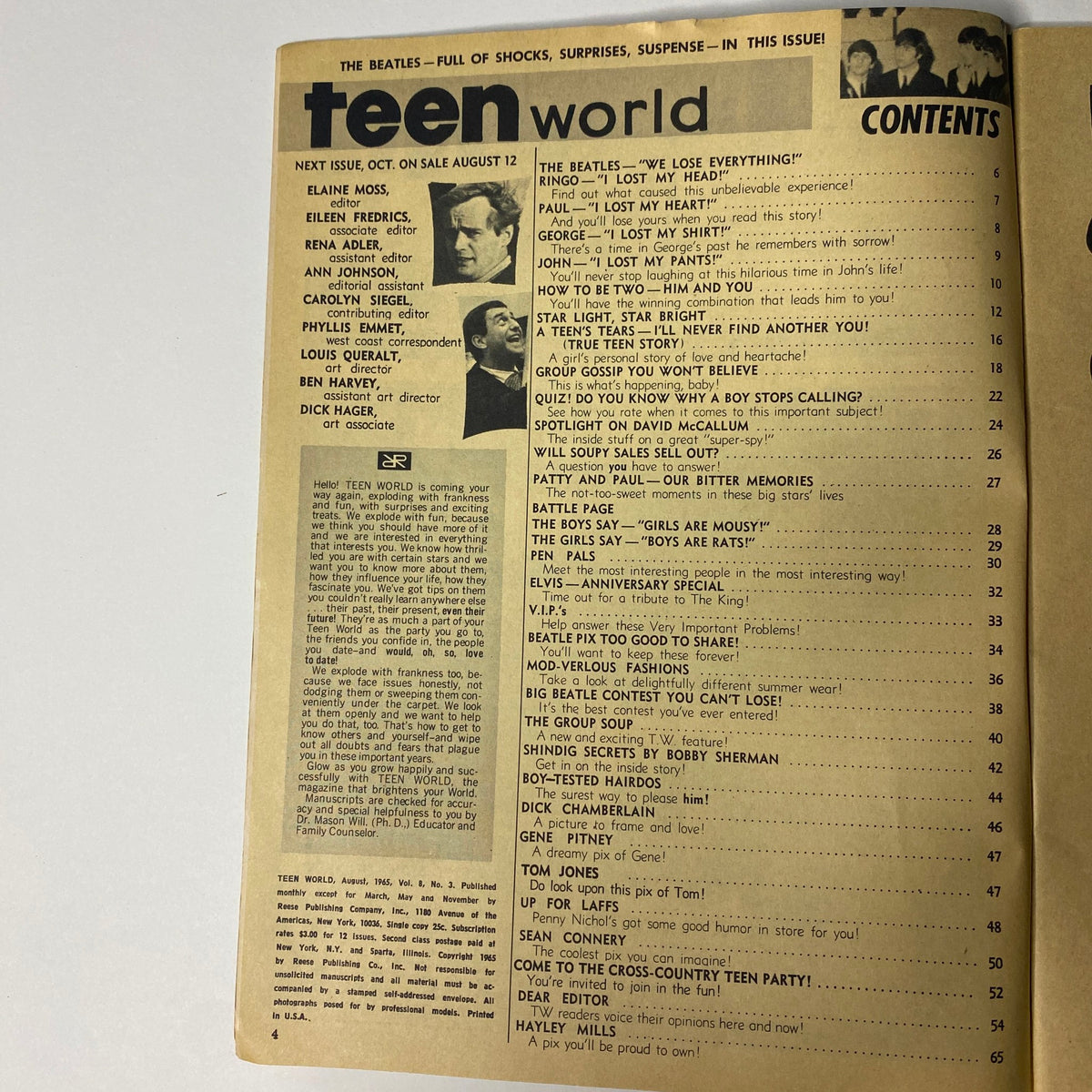
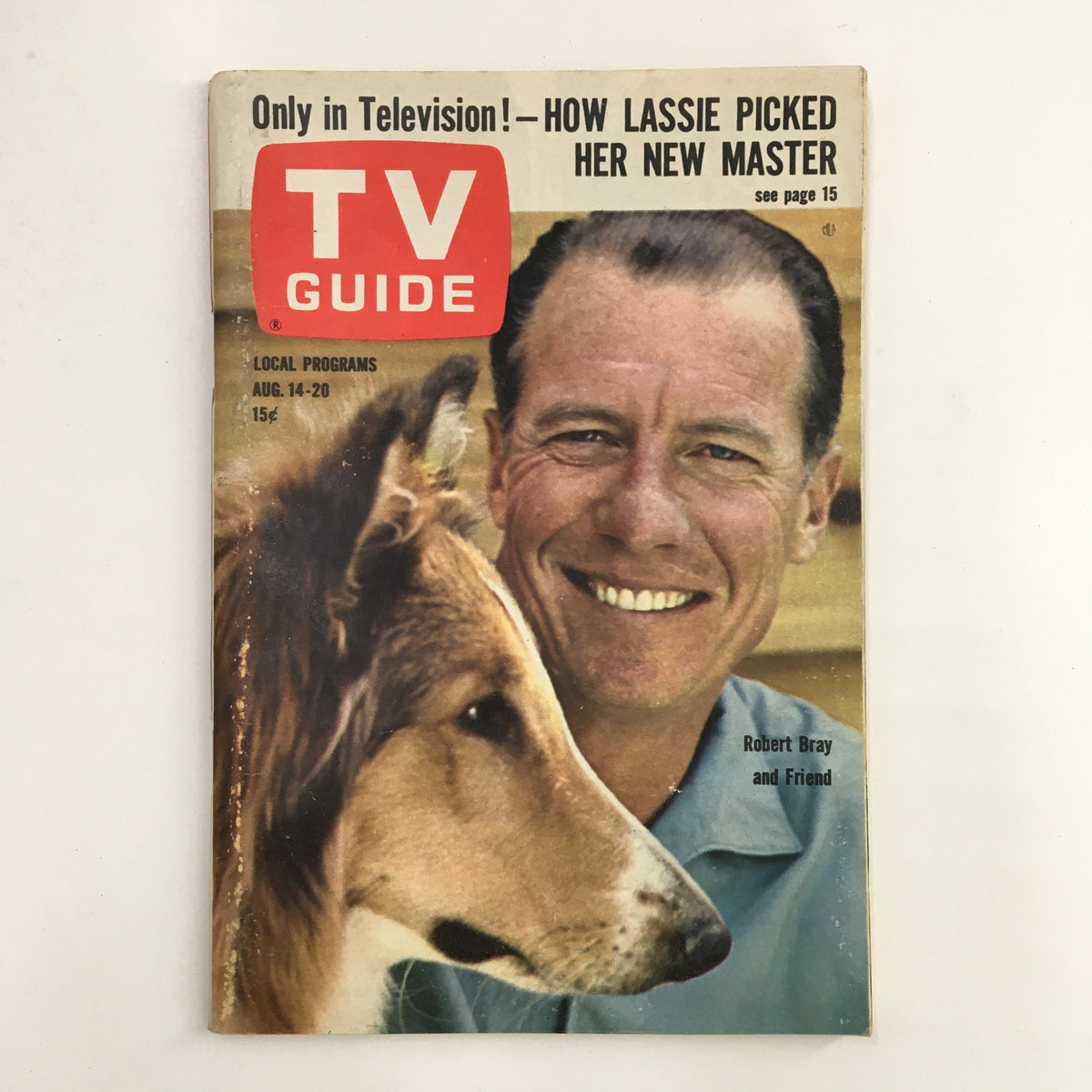
Beatles Cultural Supremacy: Entertainment magazines and vintage TV Guide issues showcasing the Shea Stadium concert, "Help!" film advertisements, and Ed Sullivan Show listings, featuring the mop-topped quartet in promotional photography that defined mid-1960s youth culture and dominated newsstands nationwide.
-
Space Race Milestone: Popular Science and rare magazines documenting Gemini V's record-breaking eight-day orbital mission with Gordon Cooper and Pete Conrad, illustrated with NASA photography and technical diagrams that captivated a nation obsessed with conquering the cosmos.
-
Musical Revolution: Variety and mainstream publications chronicling the British Invasion's continued dominance—from Sonny & Cher's chart success to Dylan's controversial electric performances—preserved in authentic advertisements for 45 RPM records, concert promotions, and band photography that captured 1965's seismic shift in popular music.
The Perfect Gift
For someone born in August 1965, an original magazine from this consequential month isn't just a nostalgic keepsake—it's an authenticated time capsule from the summer when civil rights legislation met urban unrest, nations redrew their borders, and popular culture exploded in a thousand directions, preserved in genuine headlines, advertisements, and photography that no reproduction can replicate.