📖 About this Collection
Axl Rose: The Voice That Cracked the World Open
The Legend & The Legacy
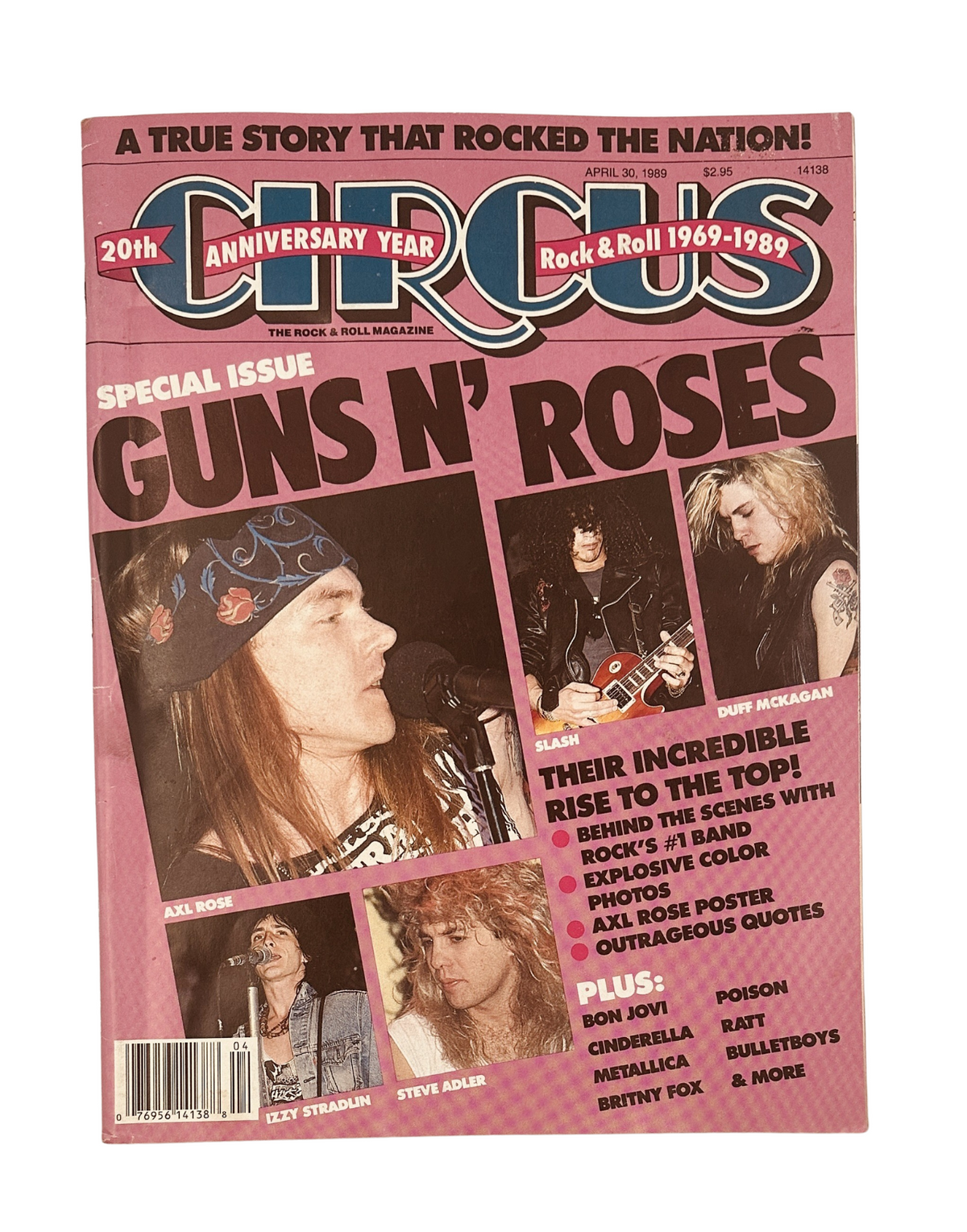
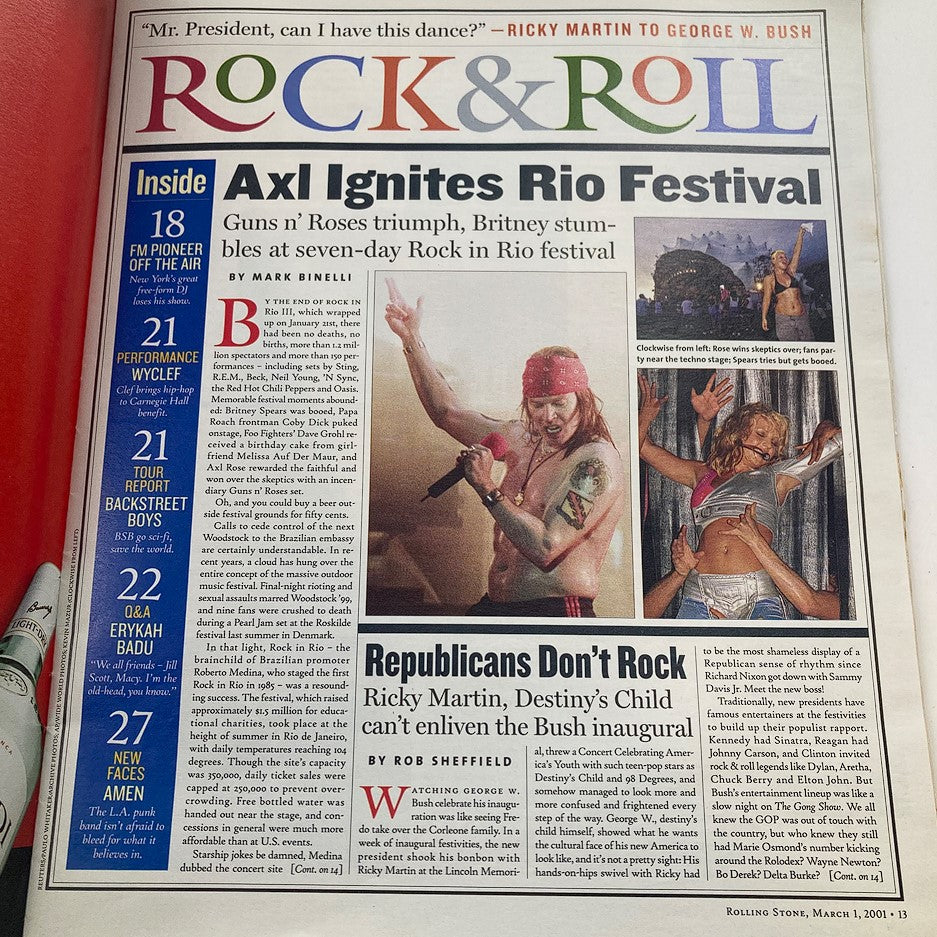
In an era before algorithmic playlists and streaming confessionals, the story of Axl Rose arrived in the world the only way mass culture knew how — ink on paper, delivered to newsstands from Sunset Strip to suburban England. As the volcanic frontman of Guns N' Roses, he didn't merely enter the public consciousness; he detonated it. From the moment Appetite for Destruction struck in 1987, the rock press scrambled to capture a figure who seemed to embody every contradiction the decade could produce: beautiful and menacing, poetic and savage, impossibly magnetic and deliberately unknowable. Through the late 1980s and into the early 1990s, fans experienced his chaos in real time — not through a tweet or a clip, but through the considered prose of a journalist who had sat across from him in a hotel room and survived to file copy. The rise of Use Your Illusion I & II, the legendary stadium tours, the infamous concert riots, the public feuds and the obsessive perfectionism that would consume an entire decade of recording — all of it unfolded across magazine pages, making physical print media the primary archive of one of rock's most turbulent and thrilling narratives.
Inside the Archive
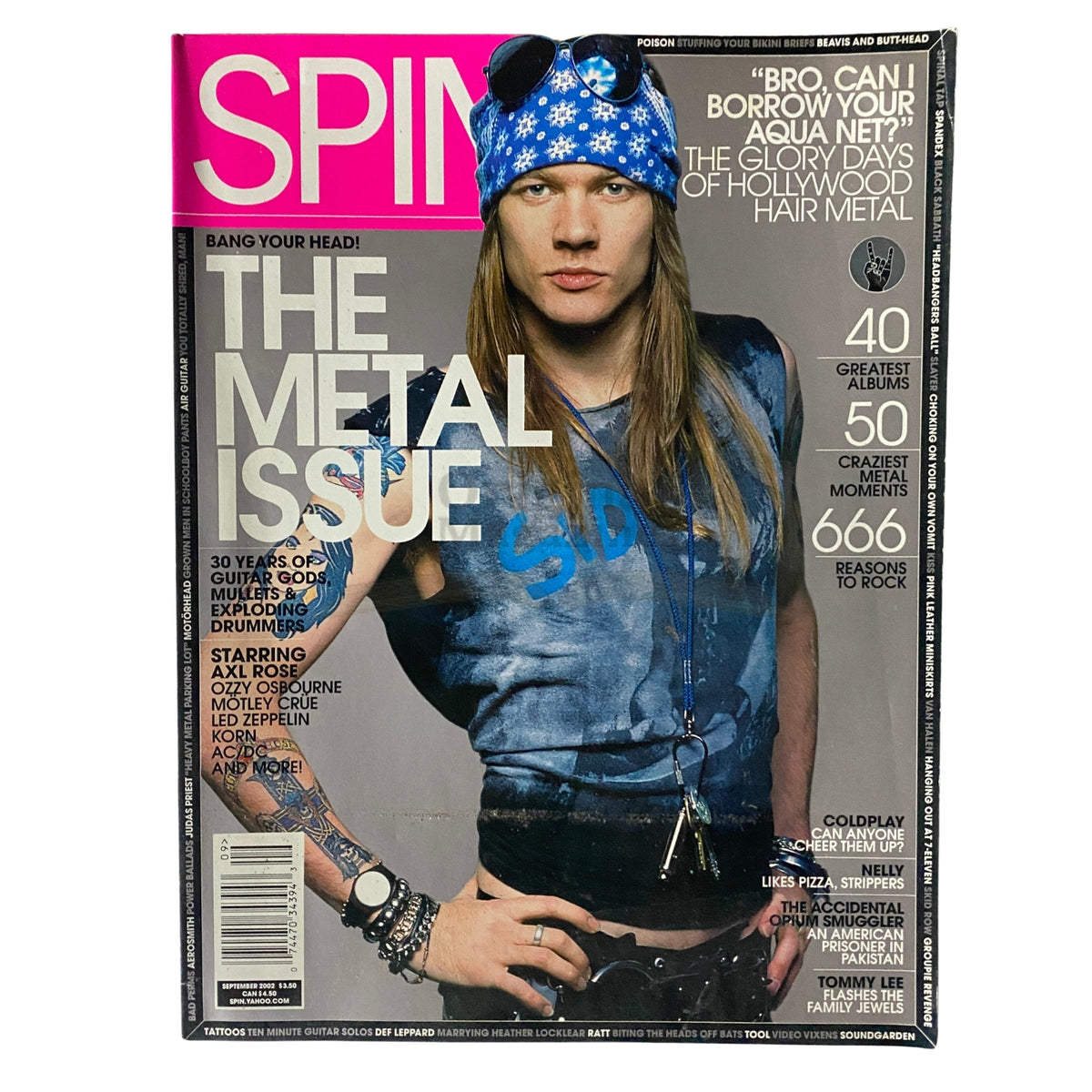
The rock and music press approached him with the reverence reserved for figures they suspected history would not soon forget. Rolling Stone was perhaps his most prominent chronicler, granting him and his bandmates multiple cover treatments across their peak years, with photography that toggled between candid road-shot intimacy and dramatic studio portraiture that emphasized the theatrical menace he projected so effortlessly. Kerrang! in the UK treated Guns N' Roses as virtual royalty of the hard rock canon, delivering breathless, insider-toned coverage that captured the band's ascent through British eyes, often running exclusive interview content unavailable in American outlets. Meanwhile, the broader-circulation People and Entertainment Weekly brought his persona to readers far beyond the headbanger demographic, framing him as a genuine celebrity phenomenon — covering the controversies, the relationships, and the spectacle of a man who had become bigger than the music itself. The photography across all these publications is era-defining: backstage excess rendered in grain and saturated color, live-performance shots with the raw immediacy that only film photography could deliver, and the occasional quieter portrait that hinted at the private complexity beneath the bandana and the rage.
Curator's Checklist: Highlights Often Include
- Debut-era features (1987–1988) chronicling the explosive arrival of Appetite for Destruction and early profiles capturing the band's raw, street-level origin story before the world fully understood what it was witnessing
- "Most Dangerous Band in the World" coverage (1988–1991) from major music weeklies documenting the controversies — from lyrical uproar to concert cancellations — that defined his public image at its most combustible
- Use Your Illusion tour documentation (1991–1993) including stadium concert coverage, backstage photography portfolios, and long-form interviews from the most ambitious rock tour of its generation
- International editions and foreign-language publications from France, Germany, Japan, and Brazil, where Guns N' Roses commanded enormous cultural presence and received distinct editorial treatment unavailable in domestic archives
- Crossover mainstream press coverage from the mid-1990s onward tracking the band's dissolution, lineup changes, and the mythology building around the long-rumored Chinese Democracy sessions
The Collector's Value
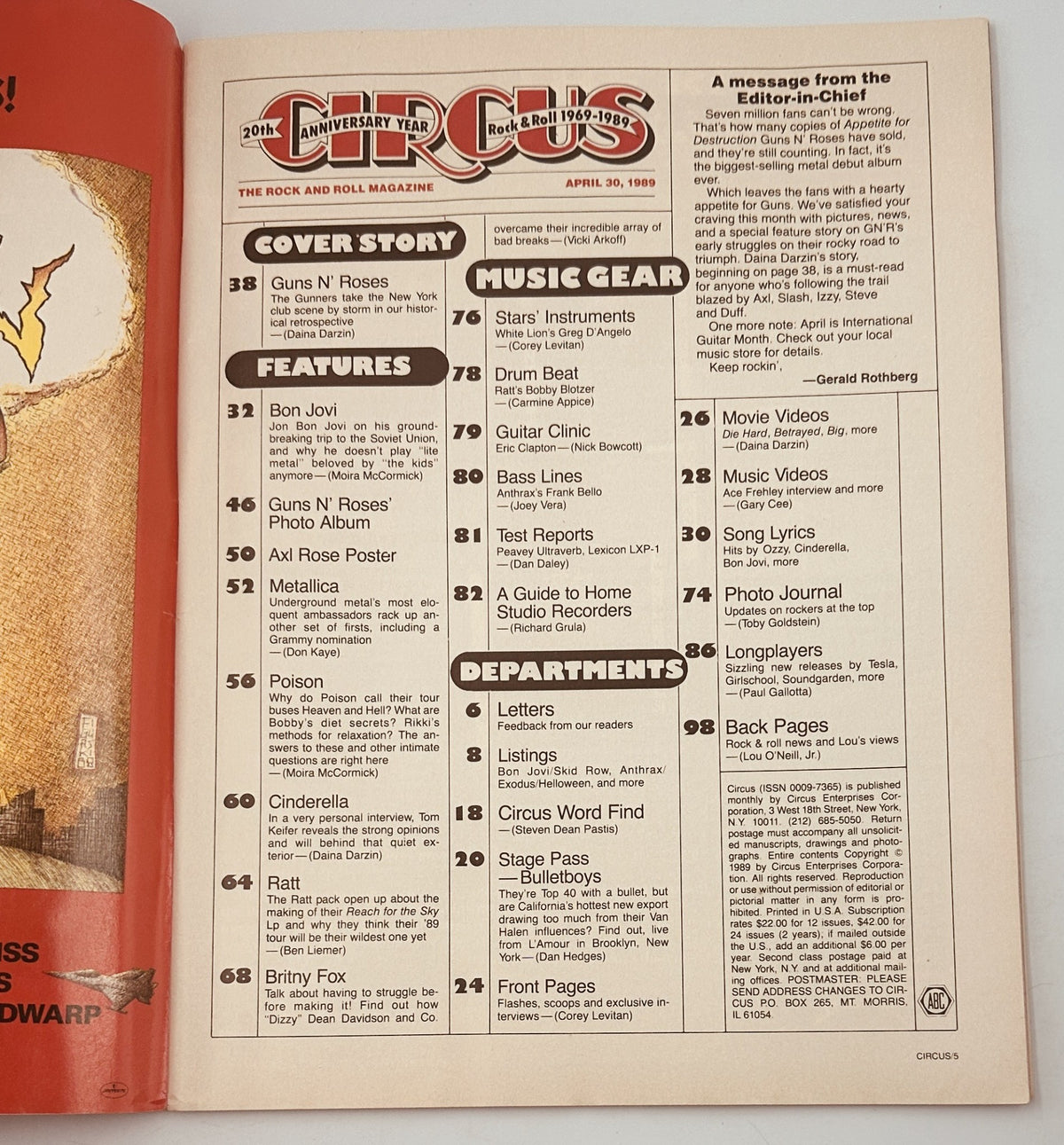
To hold one of these original issues is to hold a piece of the moment itself — not a digital reproduction, not a scan, but the actual artifact that a teenager tore open at a record shop in 1991 and read breathlessly on a bus home. The paper stock carries its own testimony: the slight yellowing at the margins, the particular weight of a coated glossy page, the faint petroleum scent of decades-old ink that no screen can replicate. The surrounding advertisements are their own time capsule — cigarette brands, hair metal album releases, guitar equipment hawked by artists who would be forgotten within five years — providing an irreplaceable cultural context that digital archives strip away entirely. These are primary source documents, and their value compounds with every passing year as the physical print era recedes further into history. For collectors of classic rock memorabilia, 1980s and 1990s pop culture ephemera, or serious music journalism archives, these publications offer an unmediated, tactile connection to one of the most electrifying careers in the history of recorded music. Browse the current available inventory below and claim your piece of the era before it moves on.