📖 About this Collection
Ayatollah Khomeini: The Revolution in Print
The Legend & The Legacy
Few figures of the twentieth century detonated onto the world stage with the seismic force of Ruhollah Khomeini. When the Islamic Revolution swept Iran in 1979, overthrowing the Pahlavi dynasty and holding the Western world in collective astonishment, the global press scrambled to make sense of a moment that redrew the map of geopolitics, religion, and modernity itself. For readers in Paris, New York, London, and Tehran, the morning magazine rack and the weekly newsstand became their only window into a transformation unfolding in real time — no scroll, no livestream, no algorithm to curate the chaos. The white-bearded cleric in black robes, returning from exile aboard an Air France jet to the roar of millions, was a figure that print media had never quite encountered before: a revolutionary mystic who spoke the language of martyrdom and mobilized an entire civilization through cassette tapes and sermon transcripts. To hold a magazine from that era is to hold the world's first bewildered, breathless draft of history.
Inside the Archive
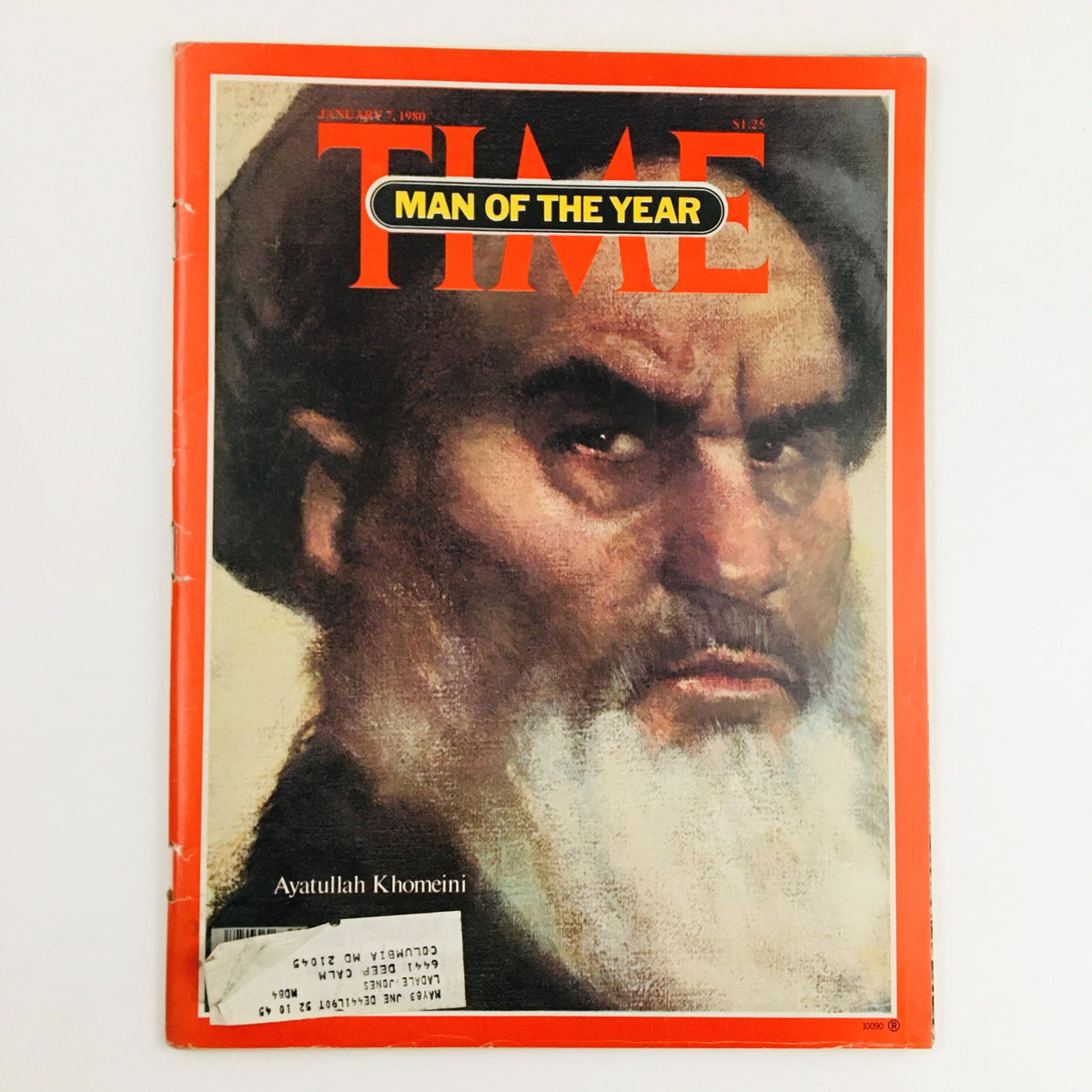
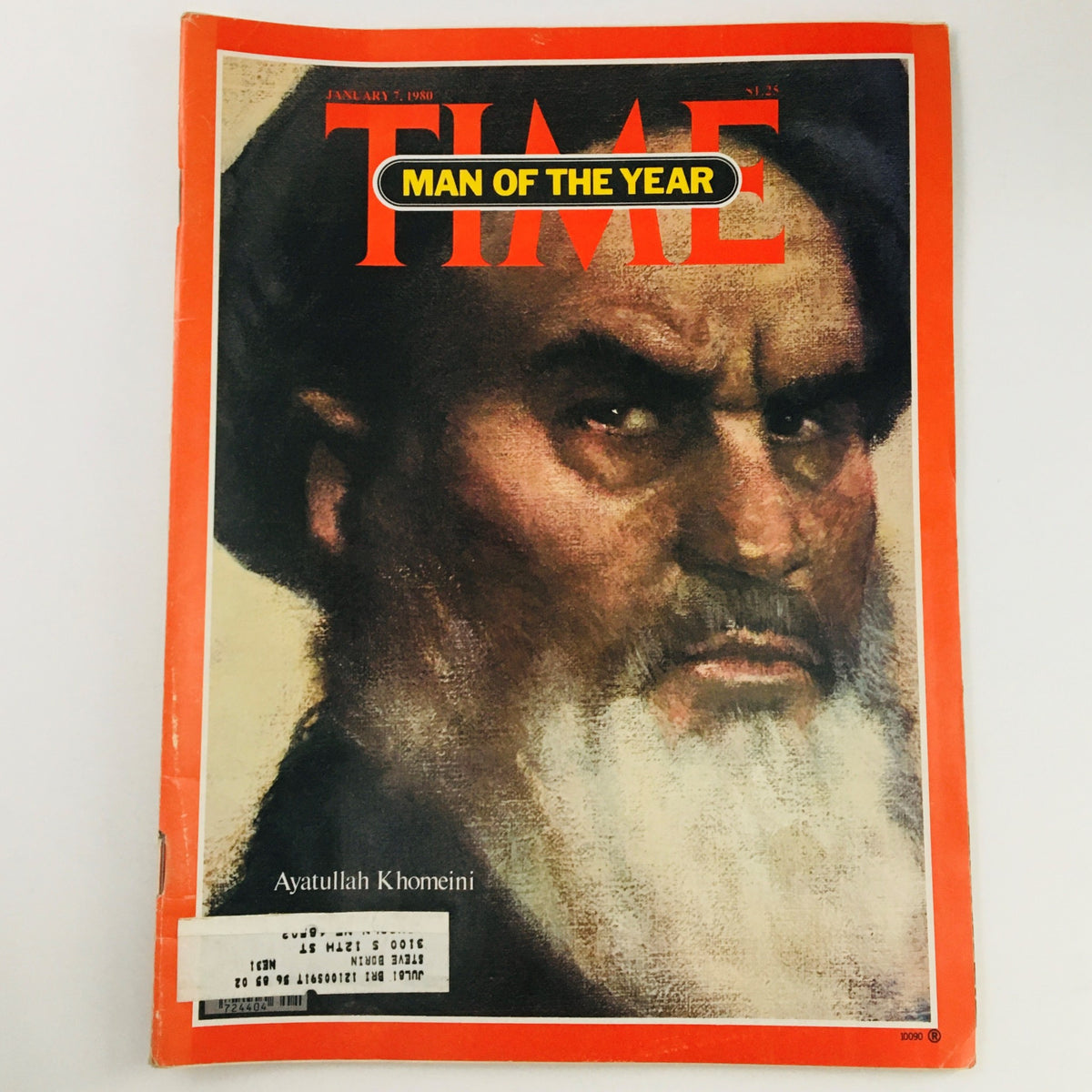
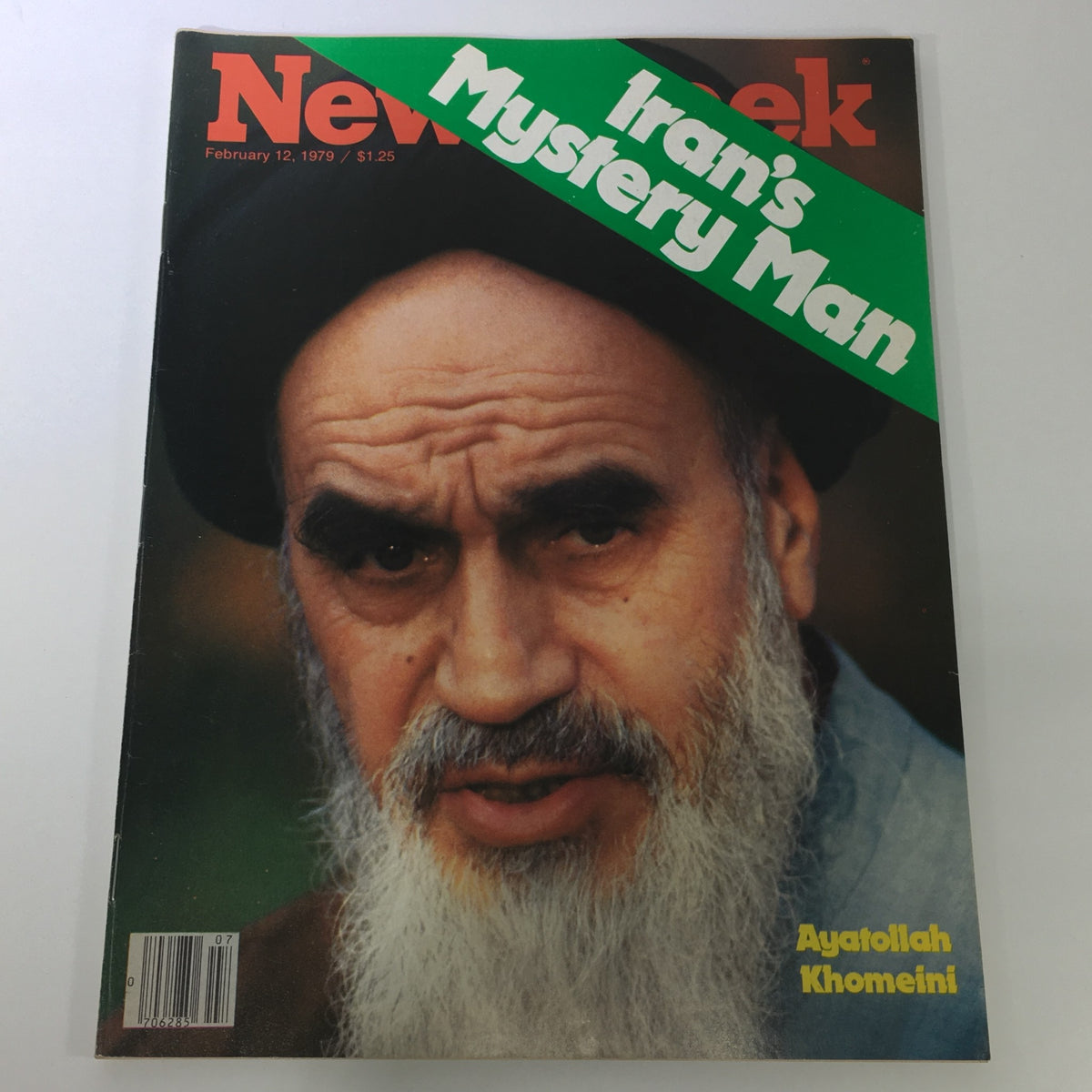
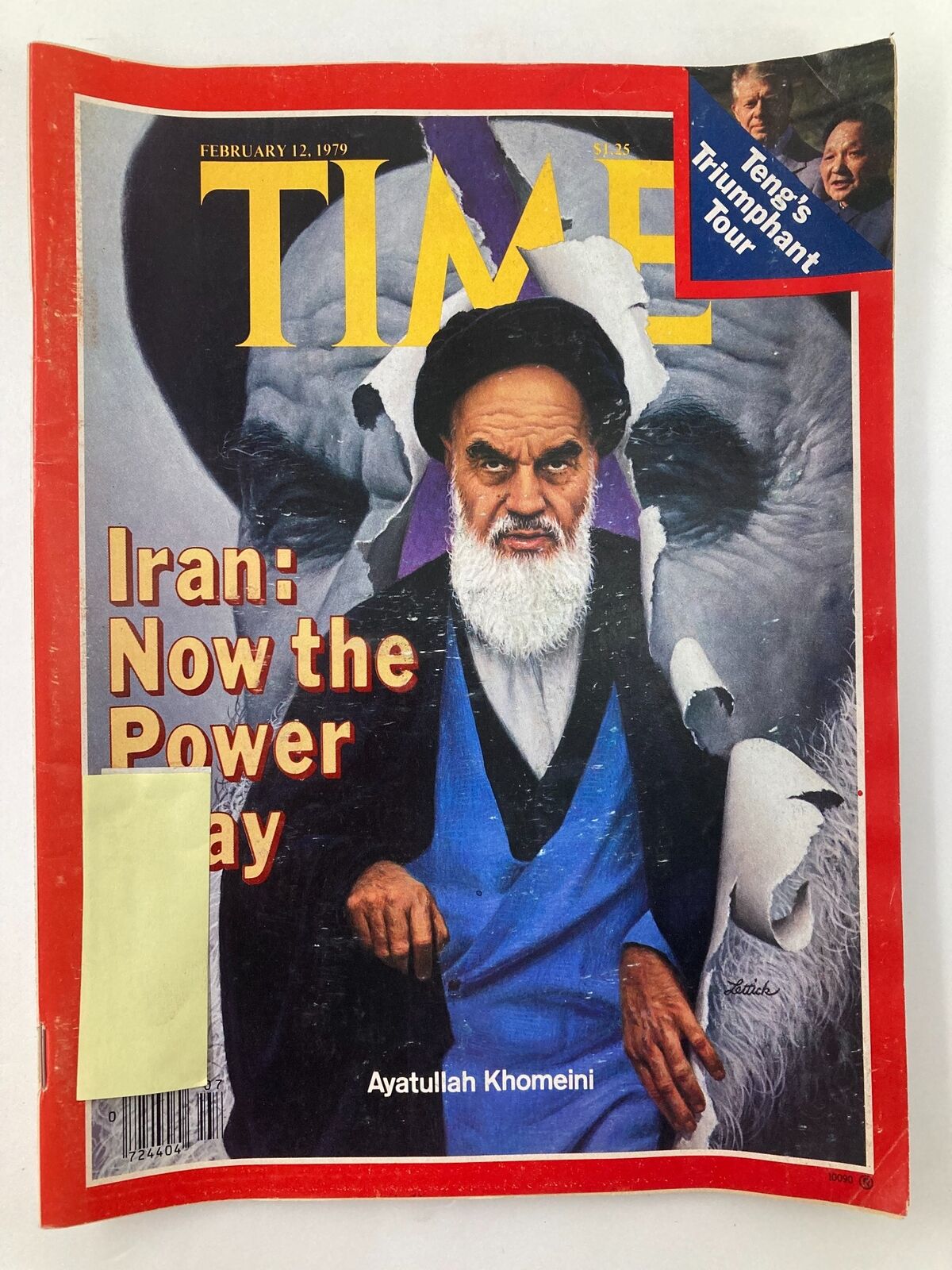
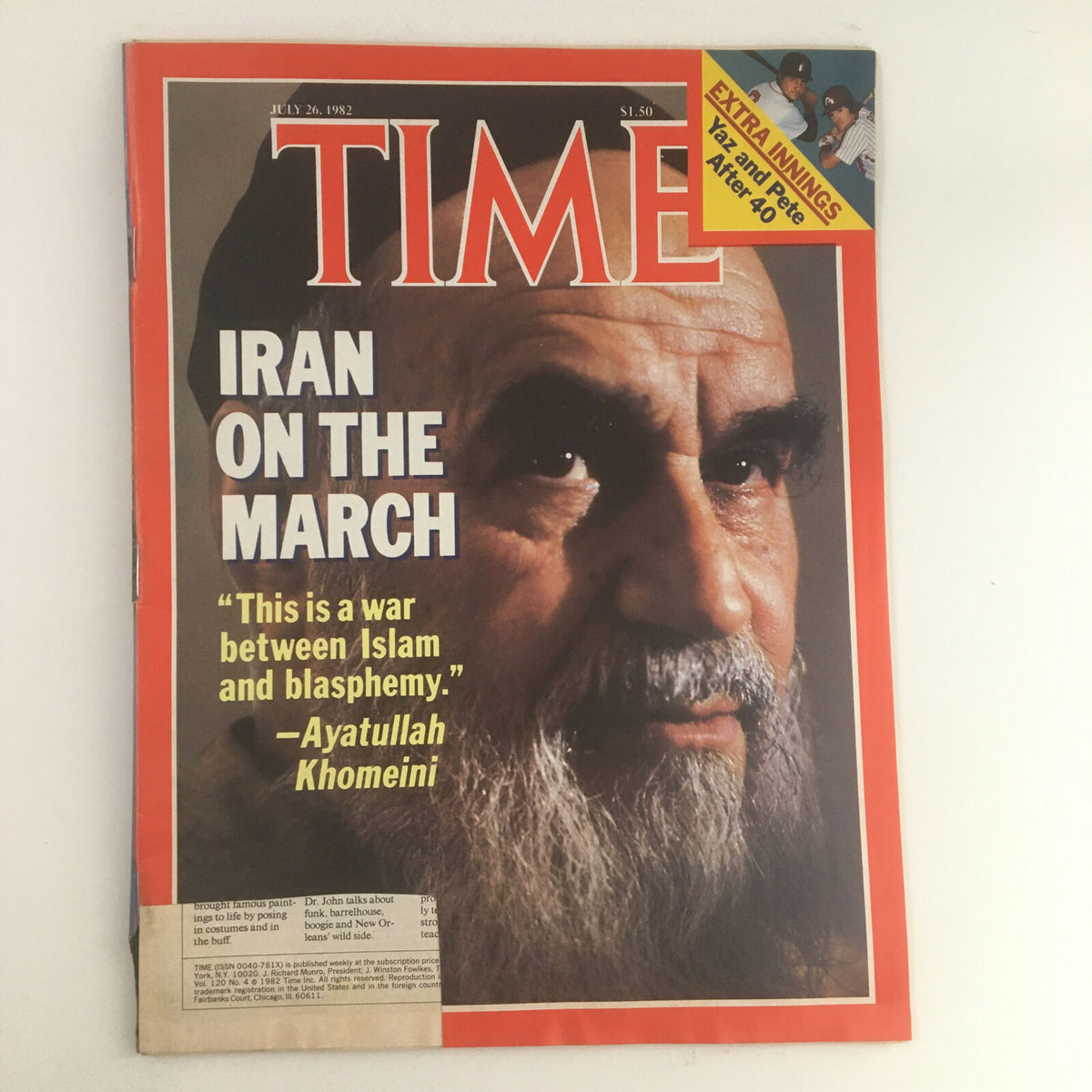
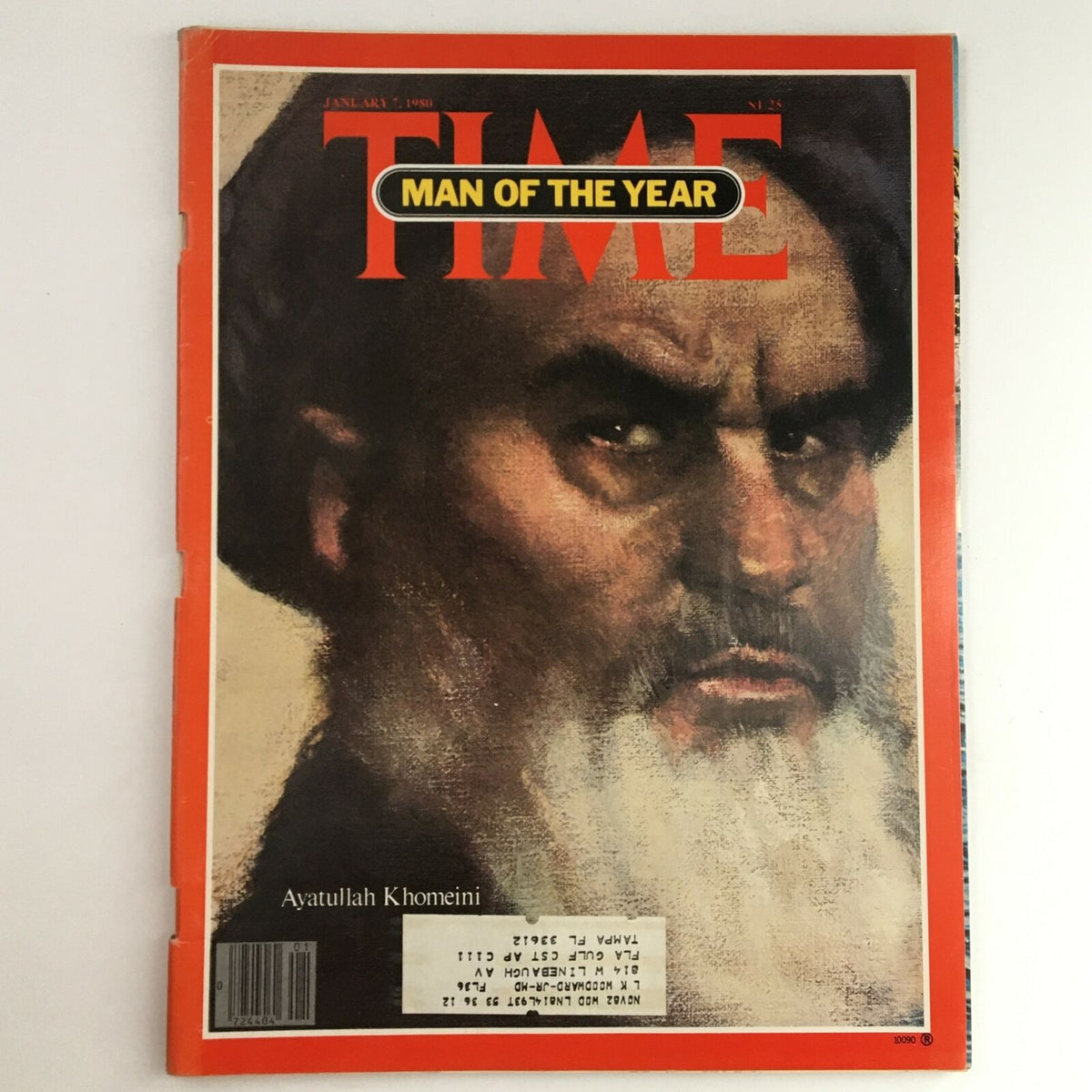
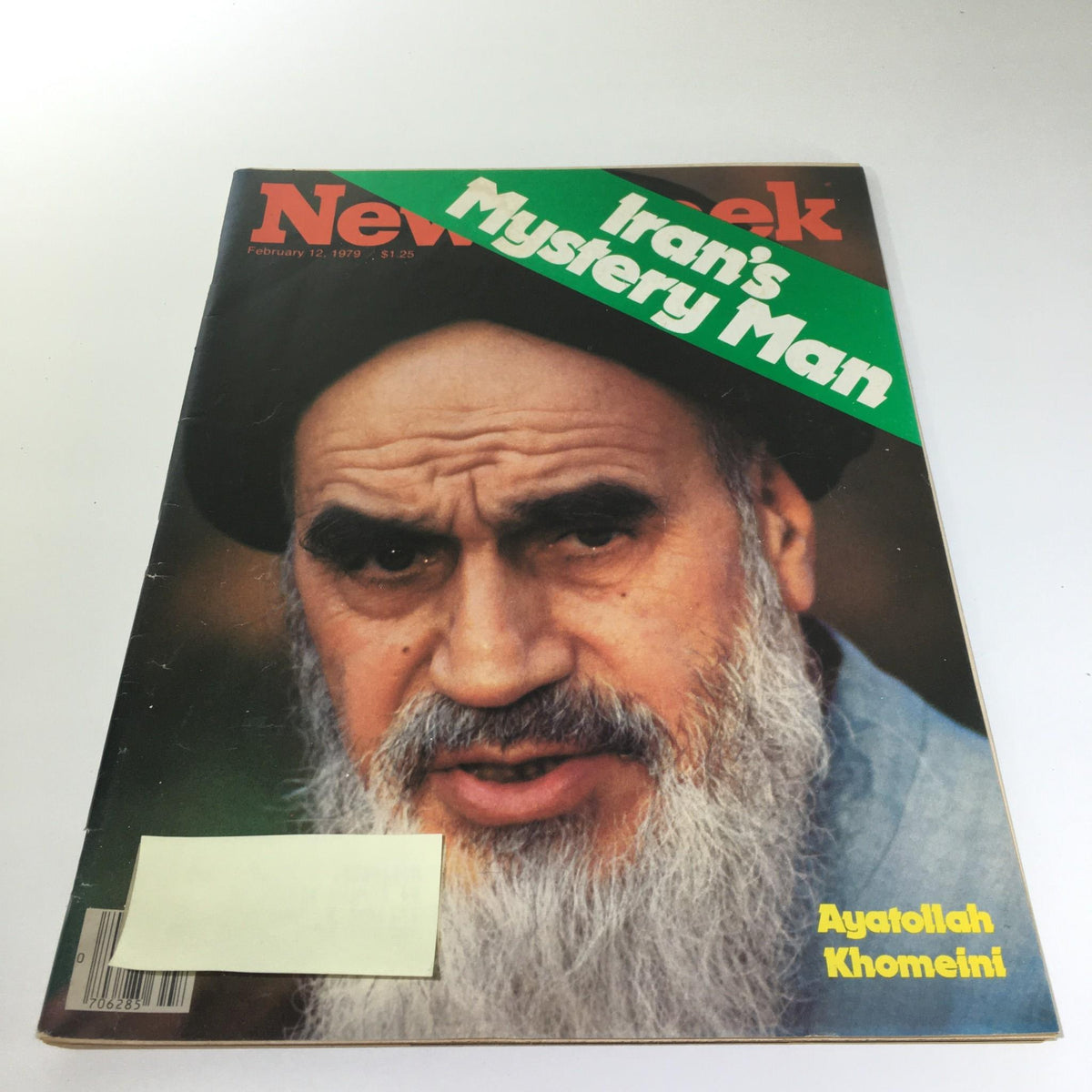
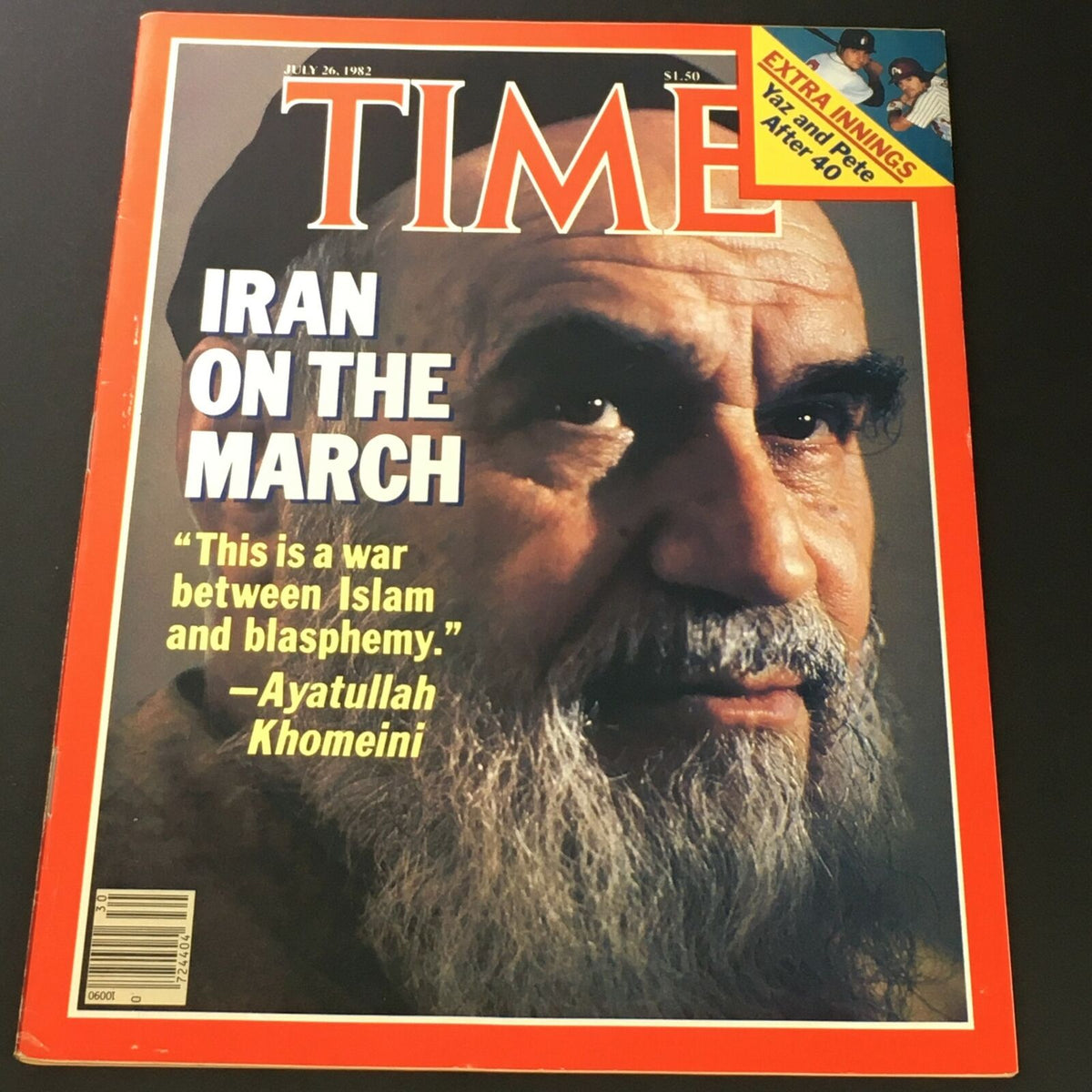
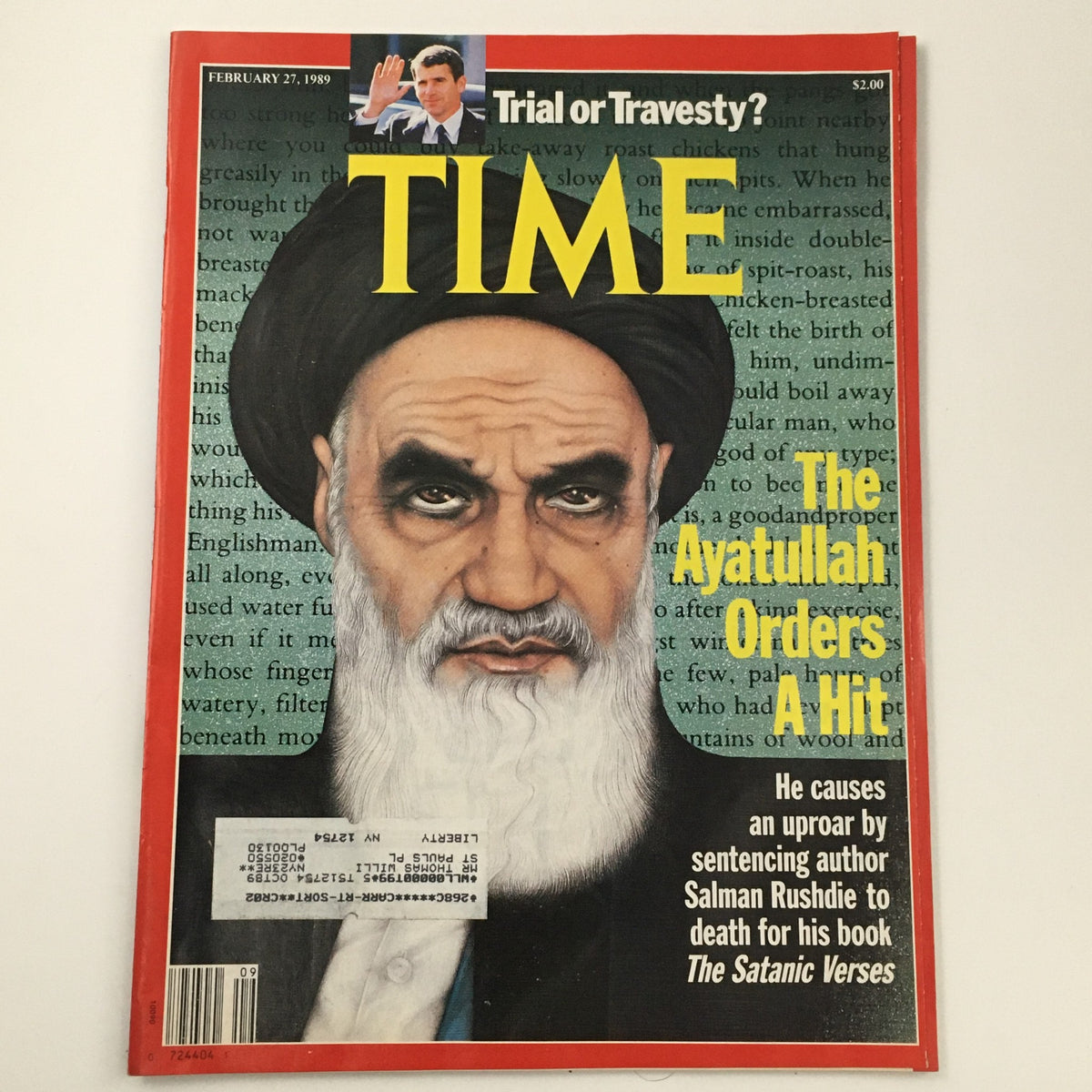
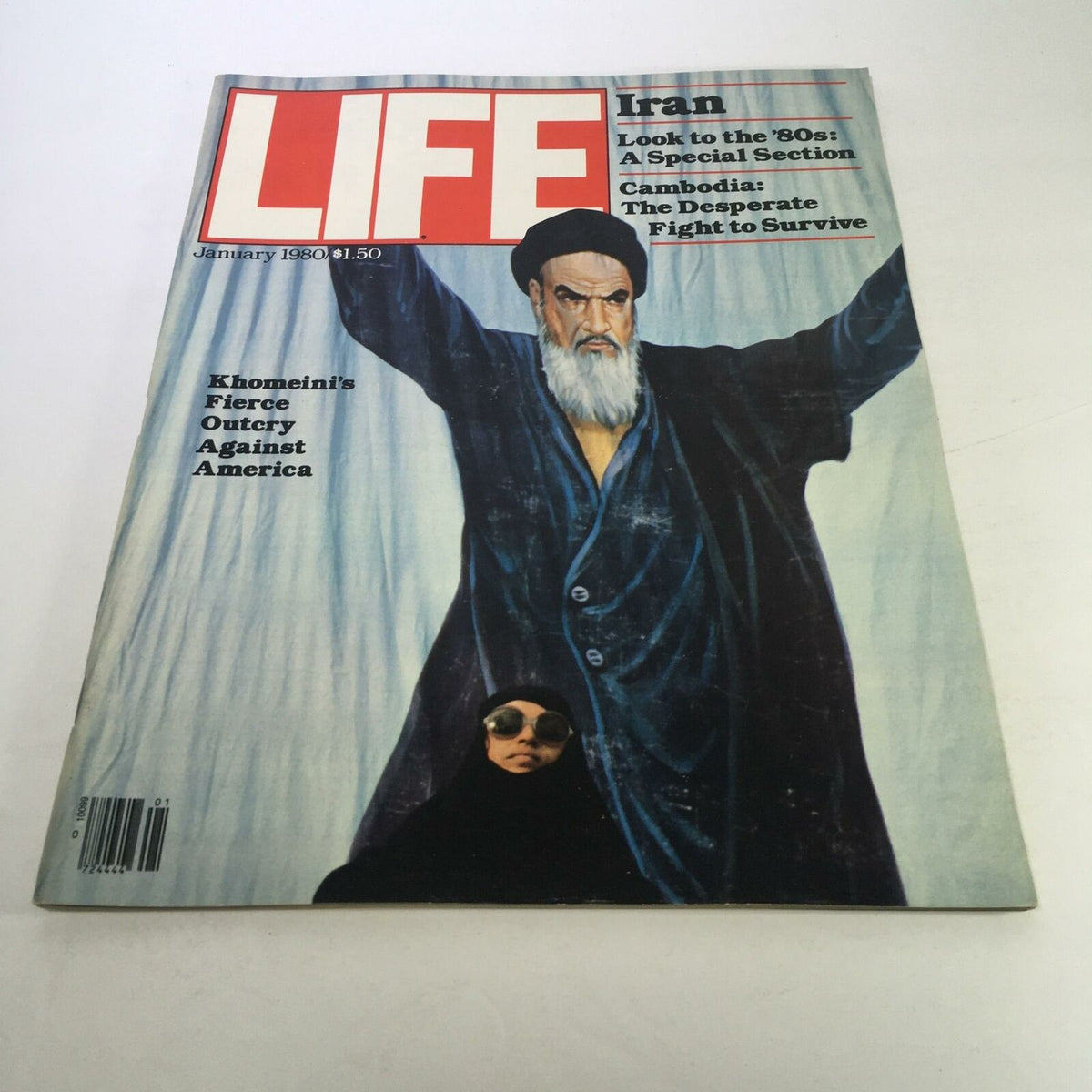
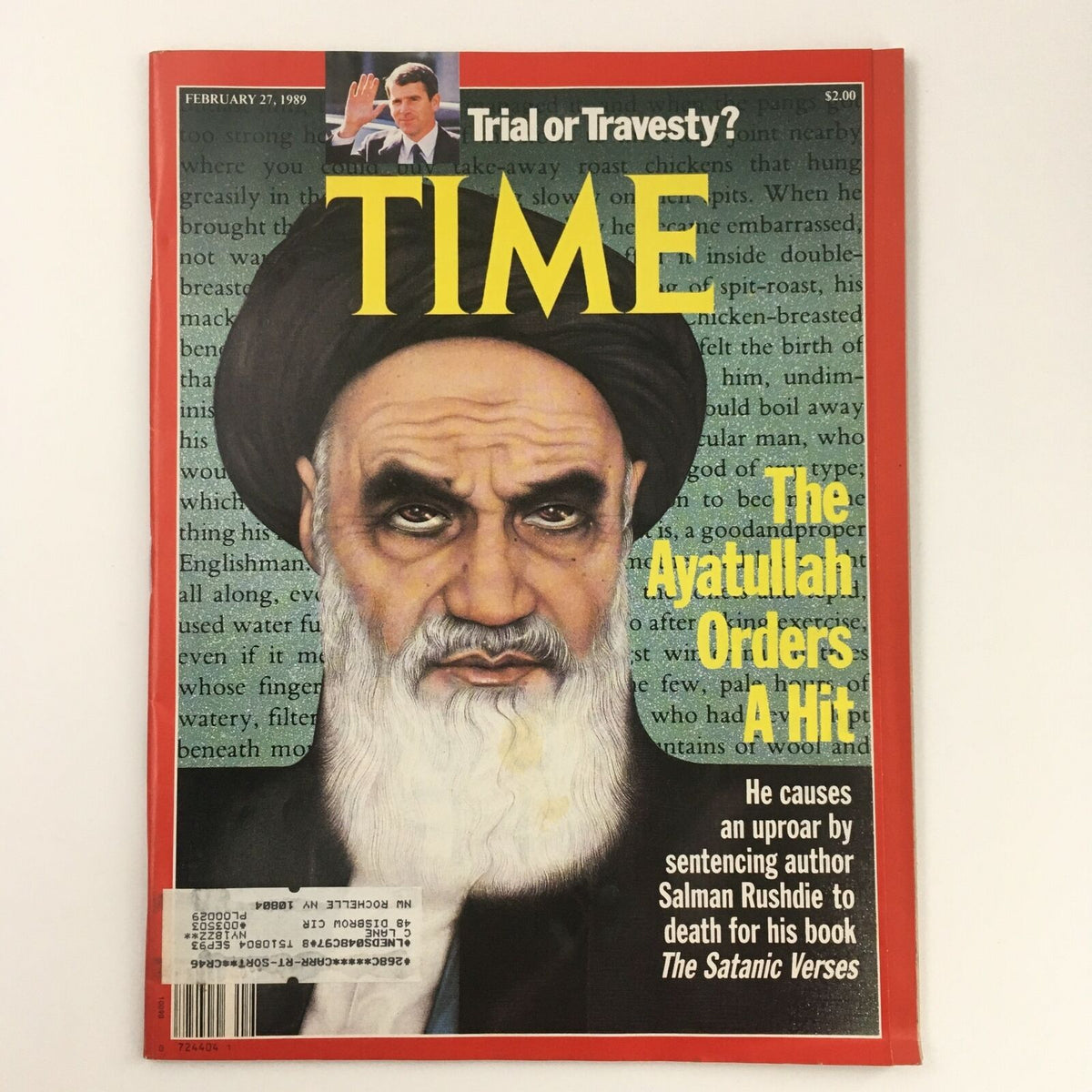
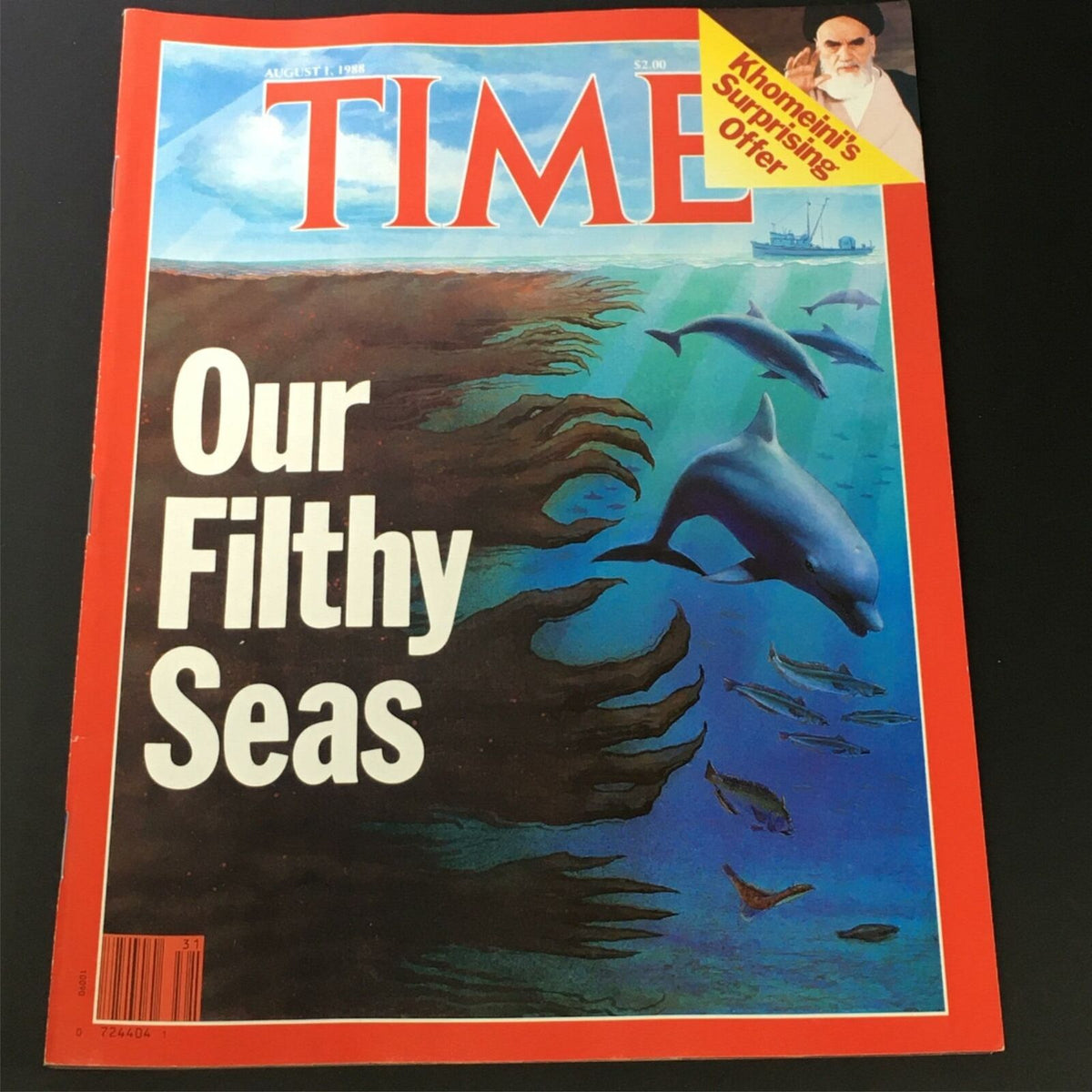
The visual iconography of Khomeini was unlike anything Western photo editors had prepared for. Images tended toward the austere and the monumental — stern profile shots, vast crowds stretching beyond the frame, revolutionary murals rendered in the high-contrast palette of urgency. Time magazine, which famously named him its Man of the Year for 1979, devoted multiple issues to dissecting the revolution's theological underpinnings and its staggering geopolitical consequences, including the hostage crisis that paralyzed the Carter presidency for 444 days. Newsweek ran competing cover stories with a markedly different editorial anxiety, framing events through the lens of Cold War instability and American vulnerability. Meanwhile, the French illustrated weekly Paris Match — with its tradition of sweeping photojournalism — captured the human drama of exile politics, the tumult of Tehran's streets, and the faces of a people caught between centuries. Domestically, Iranian publications of the revolutionary period, some of which surface in international archives, offer an entirely different register: hagiographic, devotional, and visually bold in the tradition of revolutionary iconography.
Curator's Checklist: Highlights Often Include
- The Revolution of 1979 — Cover stories and special issues documenting the fall of the Shah, the triumphant return from Parisian exile in Neauphle-le-Château, and the declaration of the Islamic Republic, representing some of the most collectible single issues of the entire decade
- The Iran Hostage Crisis (1979–1981) — Extended editorial coverage from American and European weeklies tracking the 444-day standoff at the U.S. Embassy in Tehran, often featuring striking photography and deeply opinionated commentary that captures Western anxiety at its peak
- The Iran-Iraq War (1980–1988) — Long-form journalism and photographic essays on one of the twentieth century's most devastating and underreported conflicts, frequently including rare battlefield imagery and ideological analysis of the Supreme Leader's wartime fatwa culture
- Theological & Political Profiles — In-depth features exploring the doctrine of Velayat-e Faqih (Guardianship of the Islamic Jurist), his years of exile, and his role as a new archetype of political Islam, appearing in publications ranging from mainstream newsweeklies to academic and foreign affairs journals
- Death & Legacy Coverage (June 1989) — Issues documenting the passing of the Supreme Leader and the extraordinary outpouring of public mourning in Iran, a media moment that generated some of the most viscerally powerful press photography of the late Cold War era
The Collector's Value
There is something irreplaceable about lifting a forty-year-old newsmagazine from its archival sleeve and feeling the slight brittleness of the paper stock, the weight of a world that had not yet processed what it was witnessing. The ink carries a faint, particular smell — a kind of compressed time — and the surrounding advertisements for American automobiles, cigarette brands, and transistor radios serve as an almost surreal counterpoint to the gravity of the headlines they bracket. These were not curated retrospectives produced with the benefit of hindsight; they were the raw, imperfect, urgent record of civilization thinking out loud. For collectors of Cold War history, Islamic political thought, or twentieth-century photojournalism, these publications offer an unmediated primary source that no digital archive can replicate — a tactile argument that the past was real, and that people were genuinely afraid, hopeful, confused, and alive within it. Explore the current available inventory below and discover which pieces of this extraordinary chapter in modern history are waiting to find a new home.