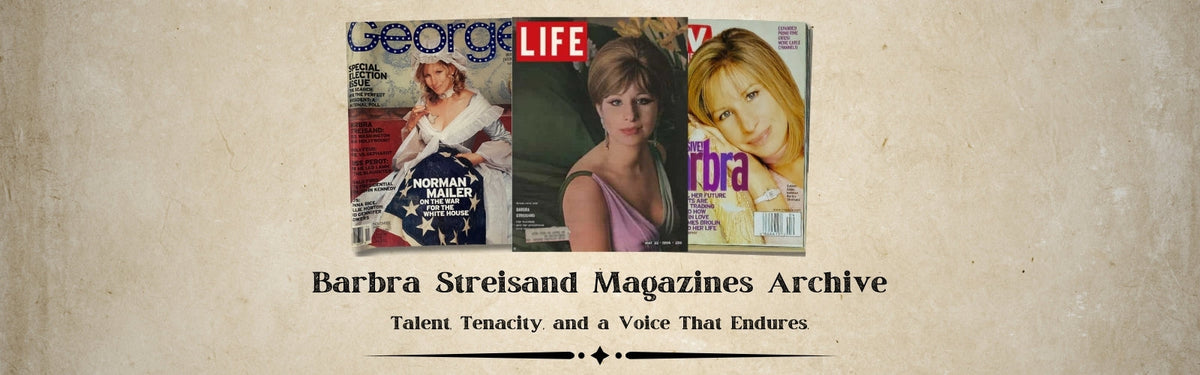
📖 About this Collection
Barbra Streisand: The Voice That Refused to Compromise
The Legend & The Legacy
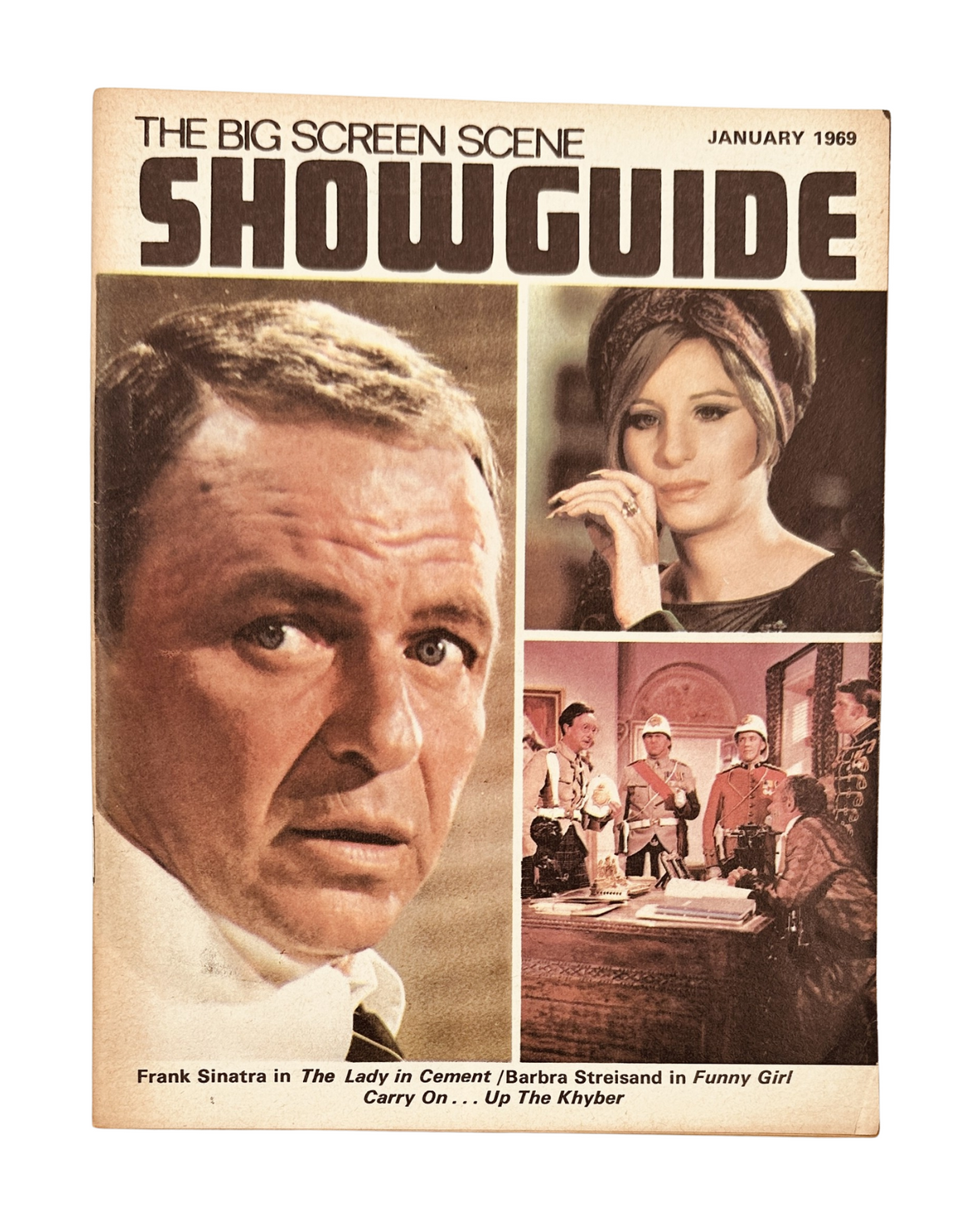
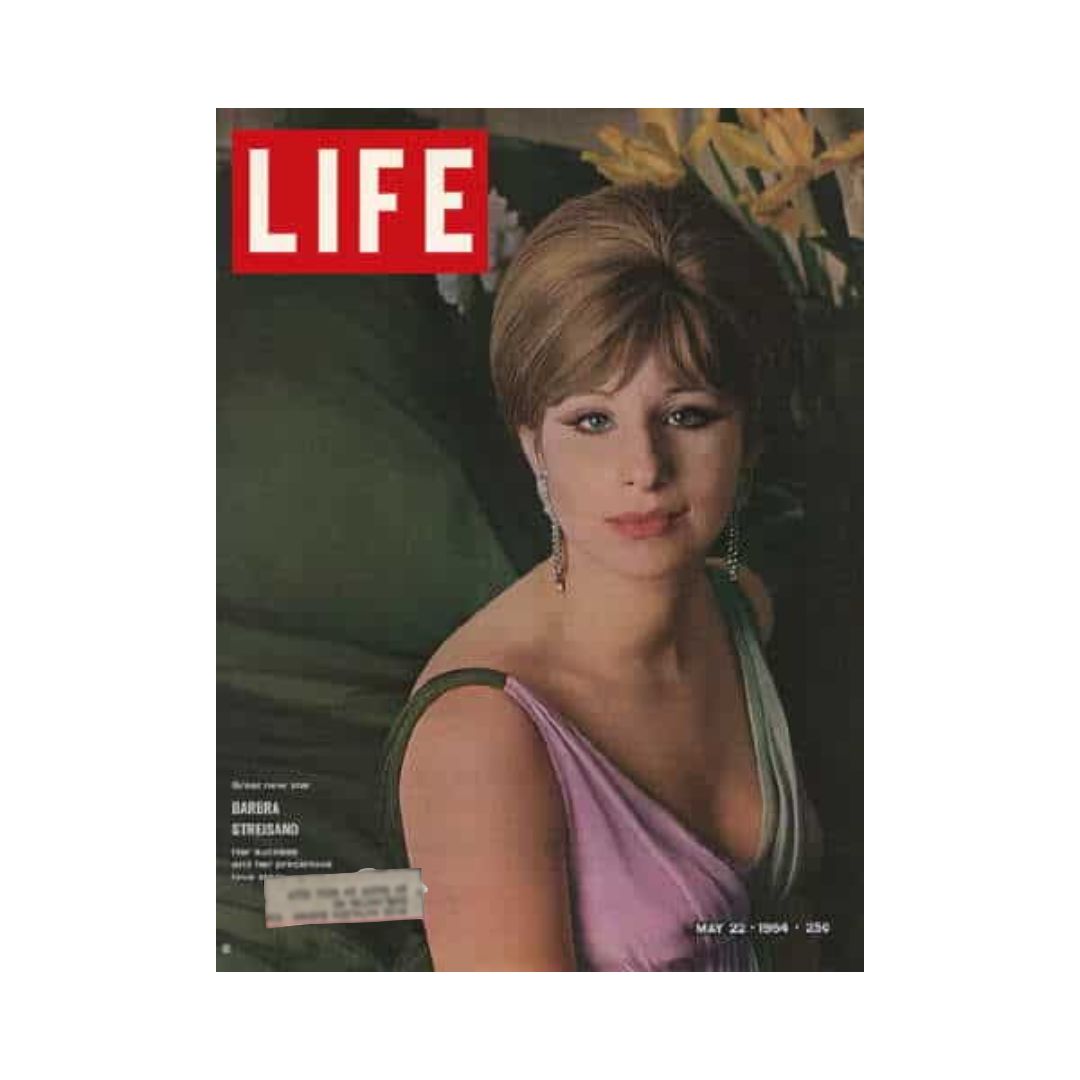
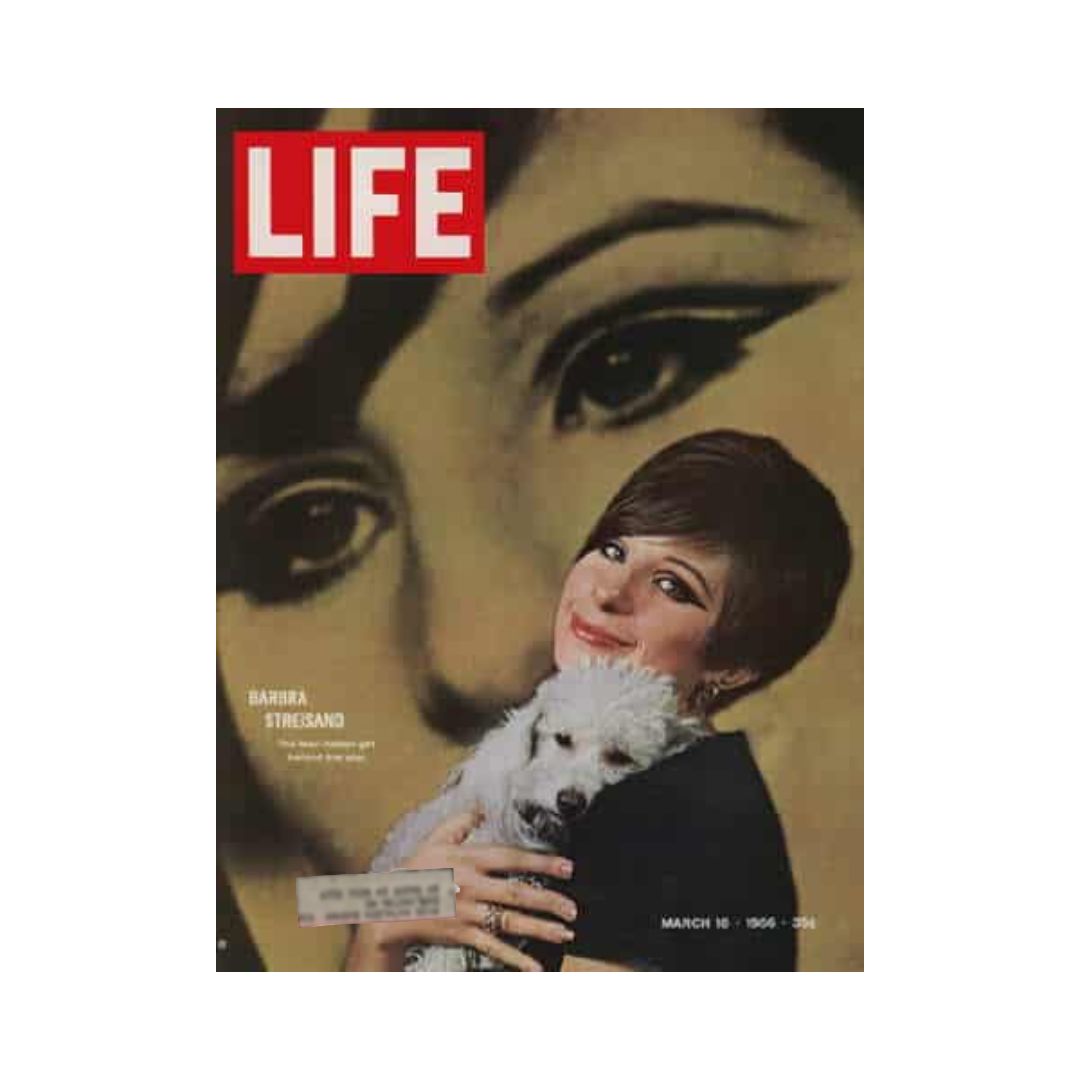
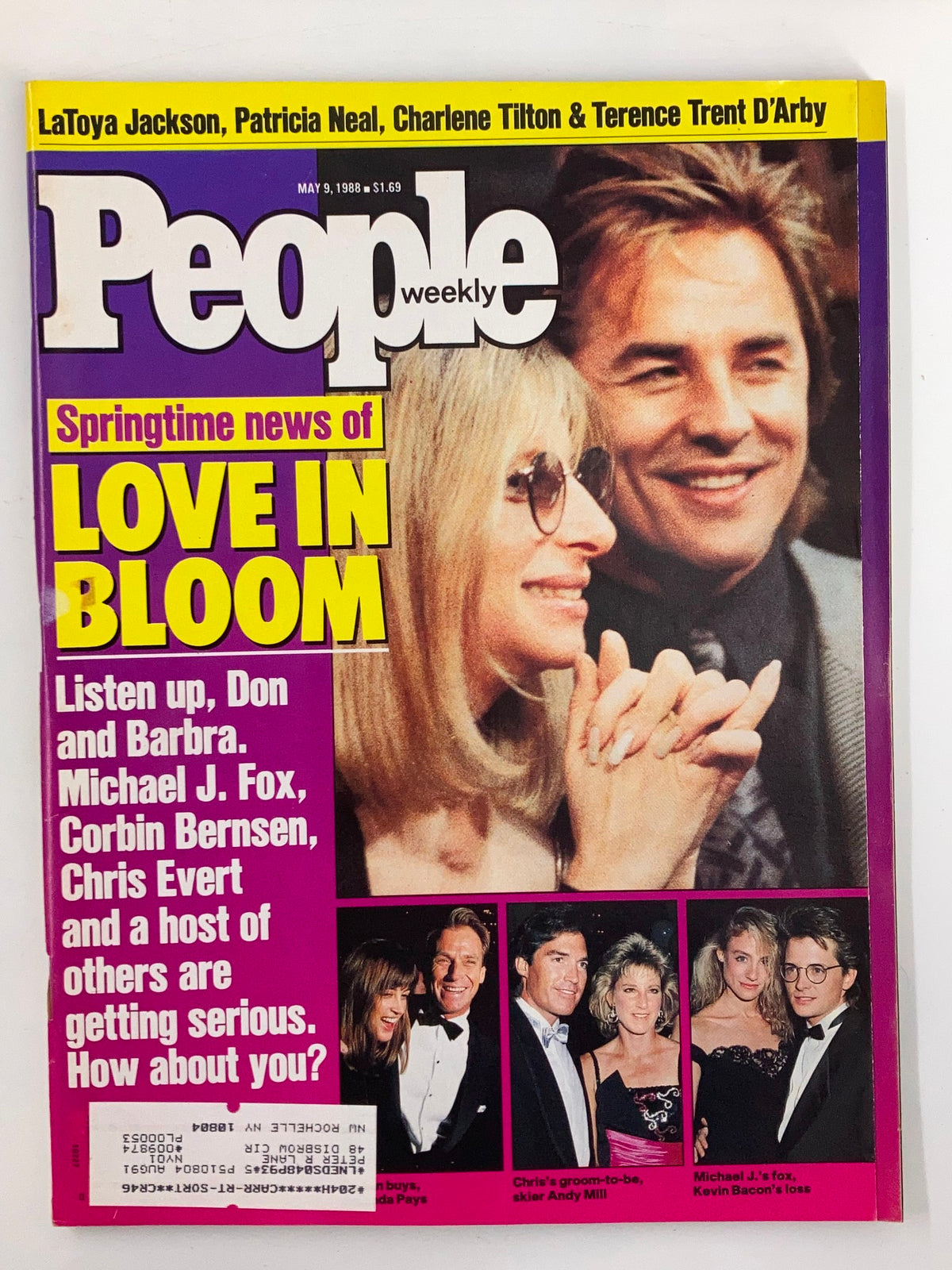
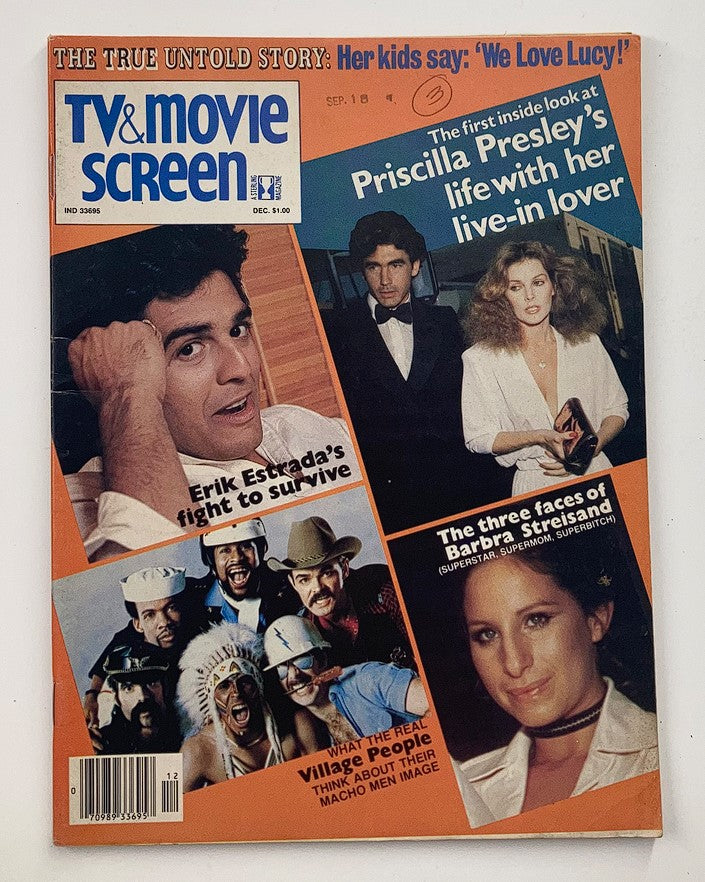
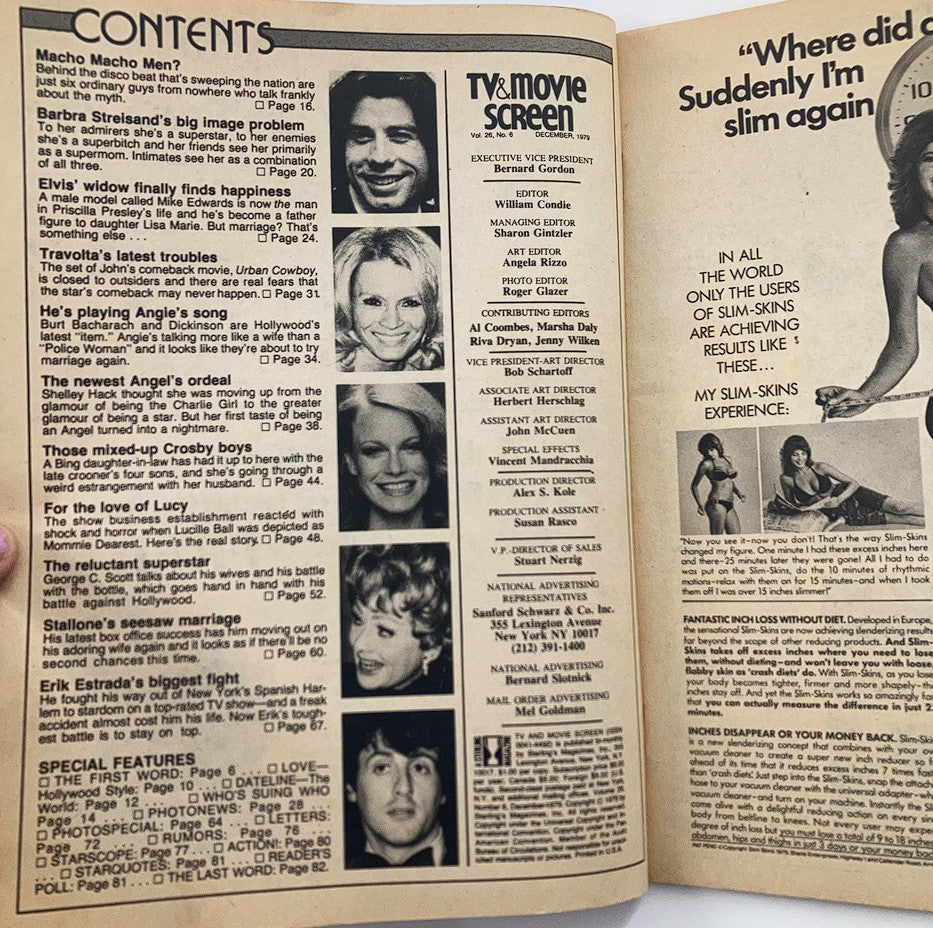
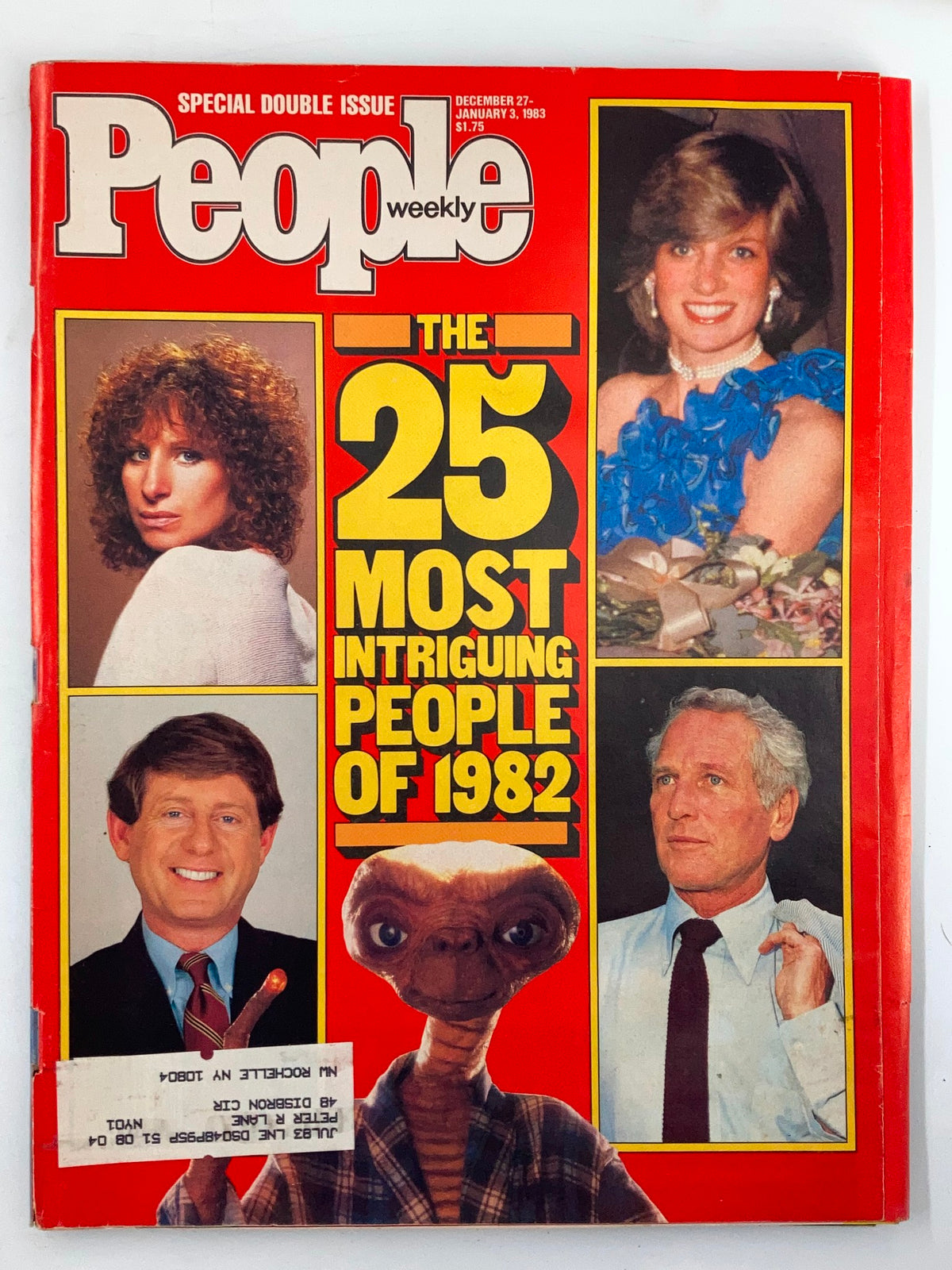
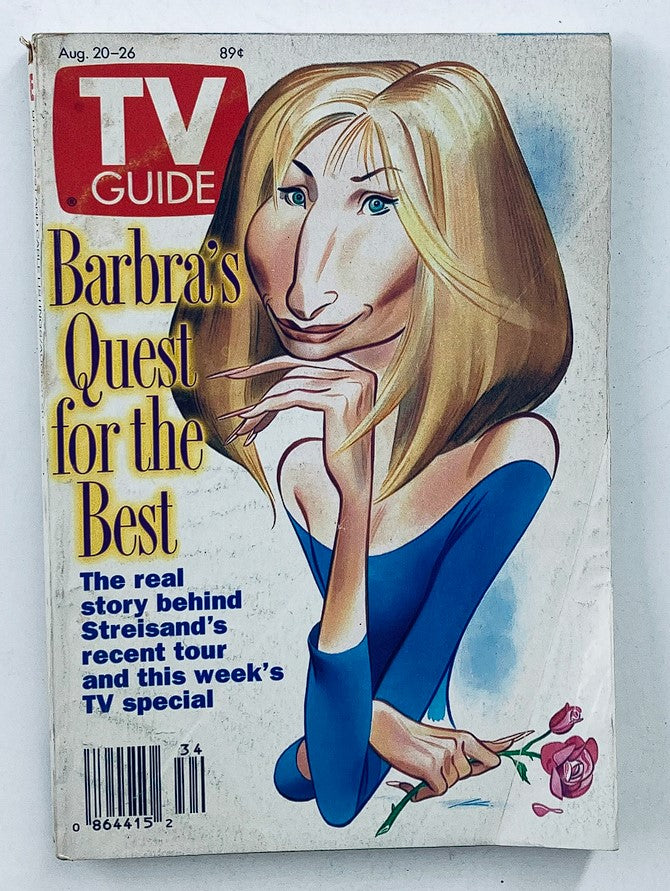
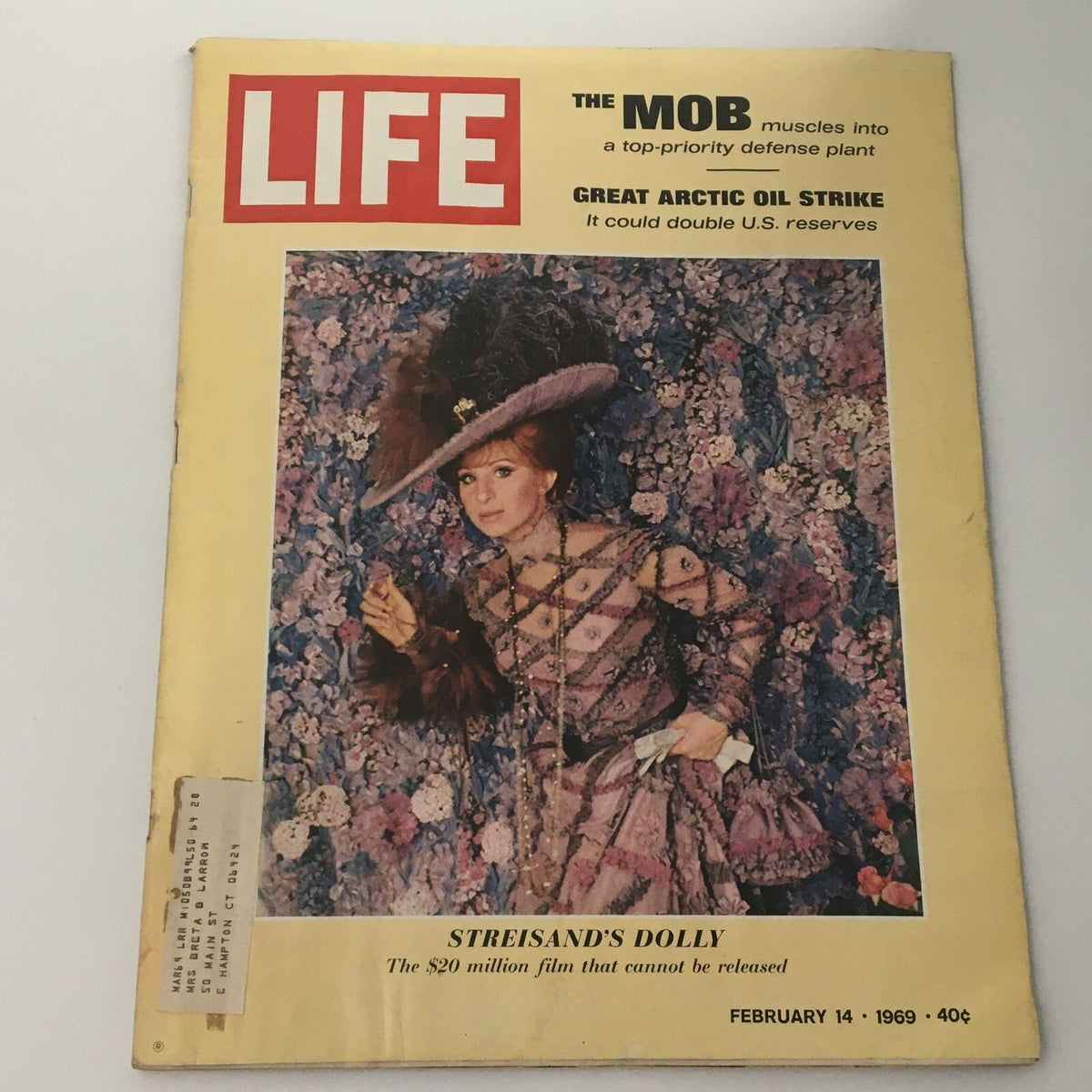
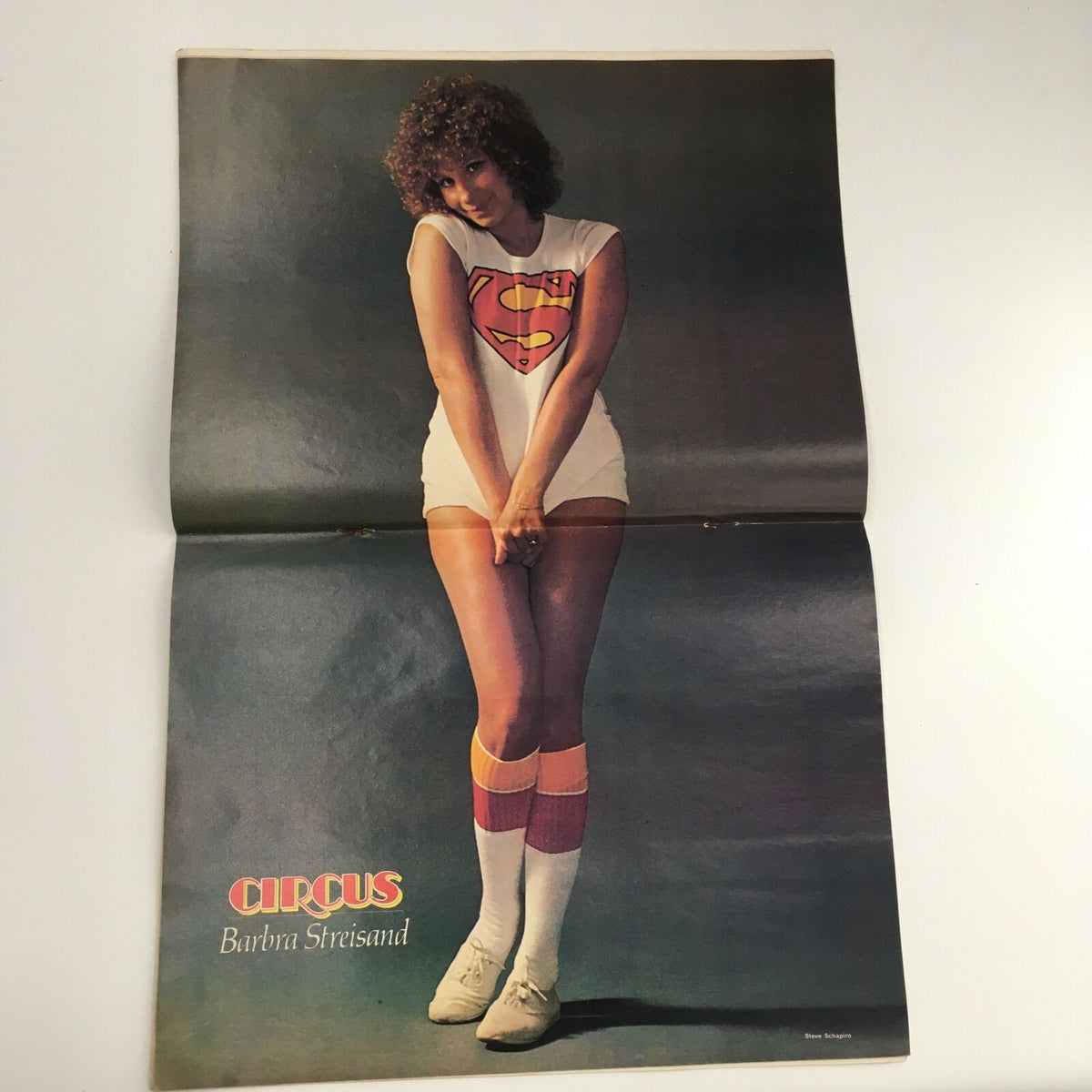
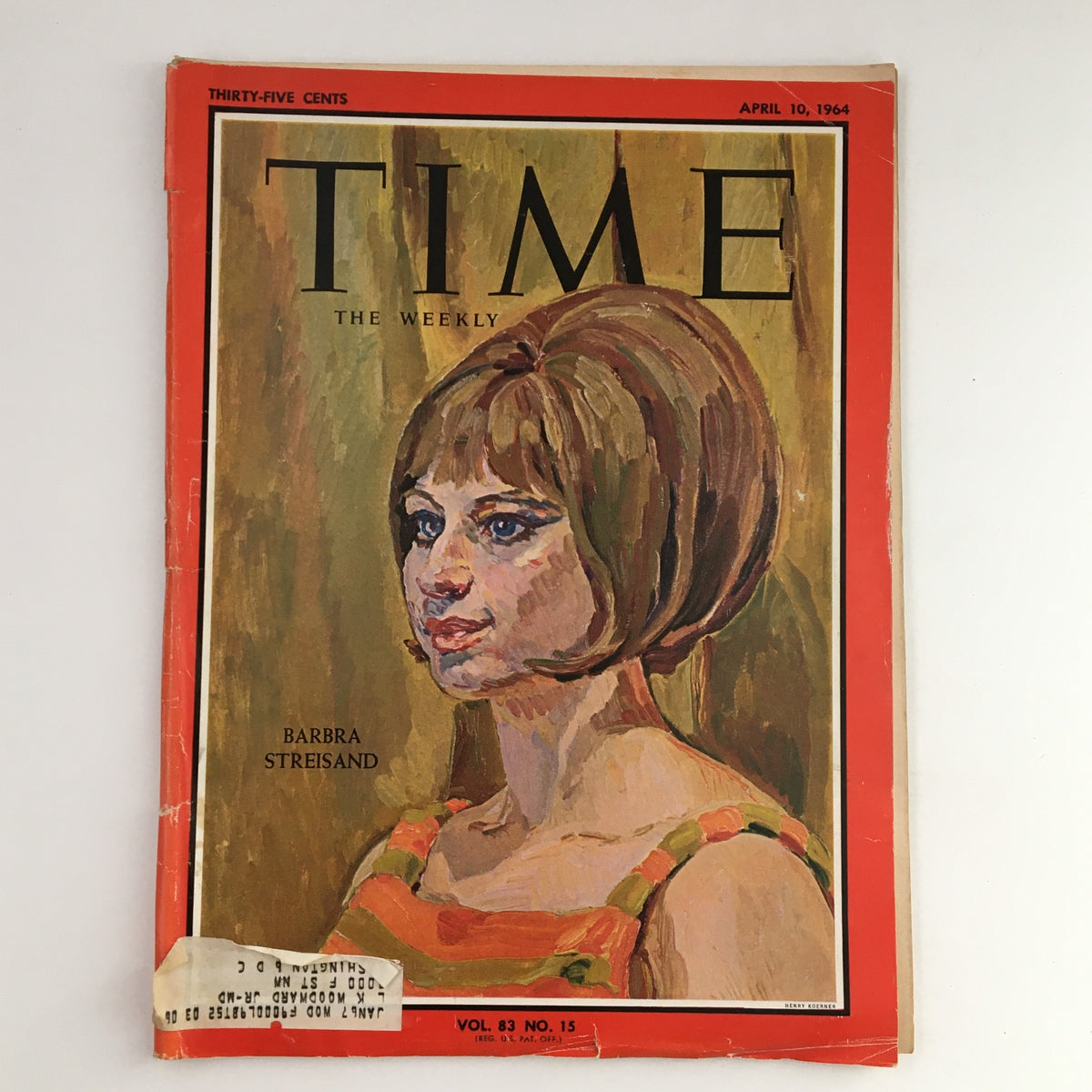
From the smoky stages of Greenwich Village nightclubs to the gilded heights of Hollywood, one voice cut through every expectation of what a leading lady should look like, sound like, or dare to become. She arrived in the early 1960s with a nose she refused to fix, a Brooklyn accent she wouldn't soften, and a three-octave instrument that could shatter hearts and box office records in equal measure. This is the story of an artist who didn't just win an EGOT—she rewrote the rules of an industry that wasn't built for women who produced, directed, and controlled their own narrative. The magazines of her era captured something electric: a woman transforming from Broadway ingénue to Oscar-winning actress to barrier-breaking filmmaker, all while the camera flash tried to keep pace with her ambition.
Inside the Archive
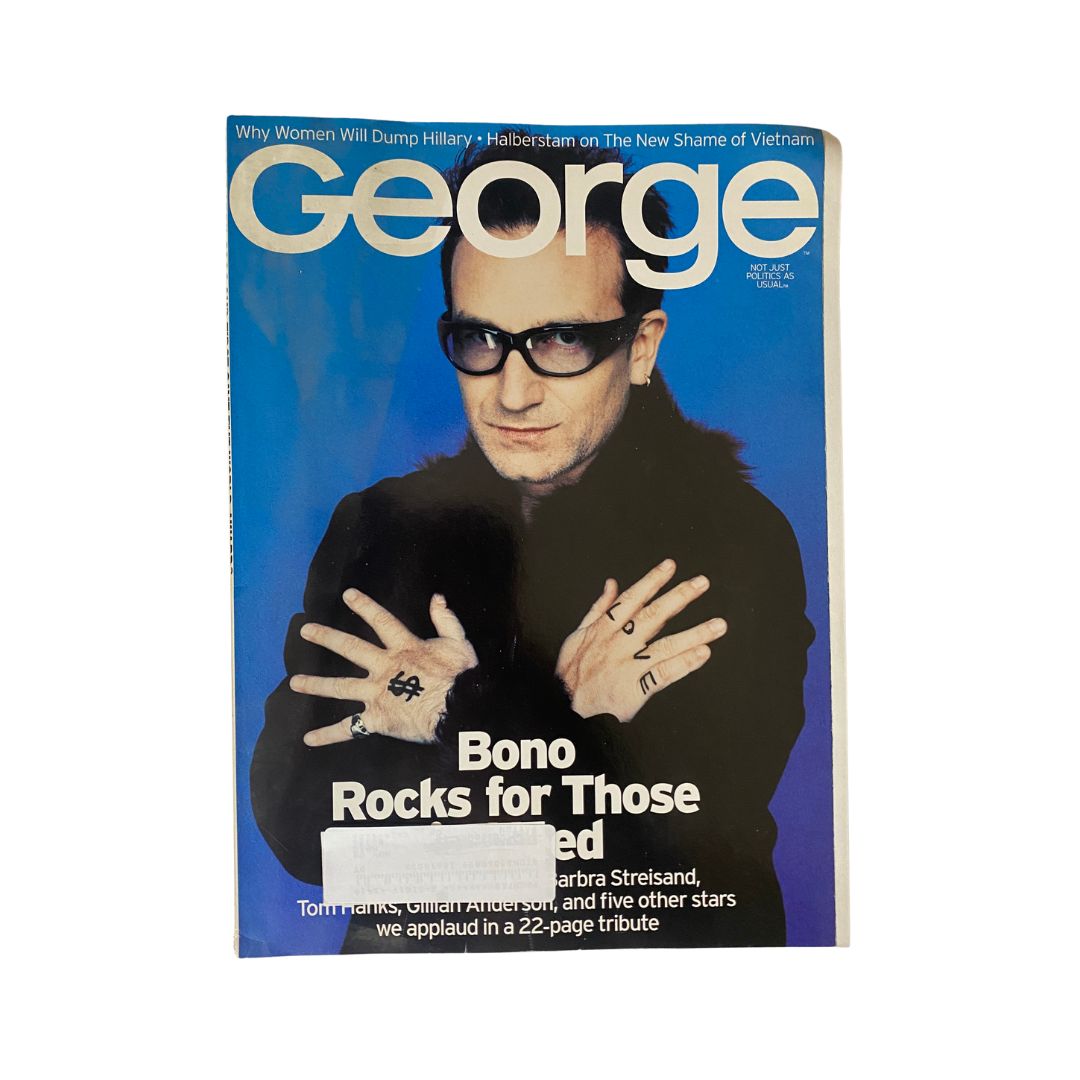
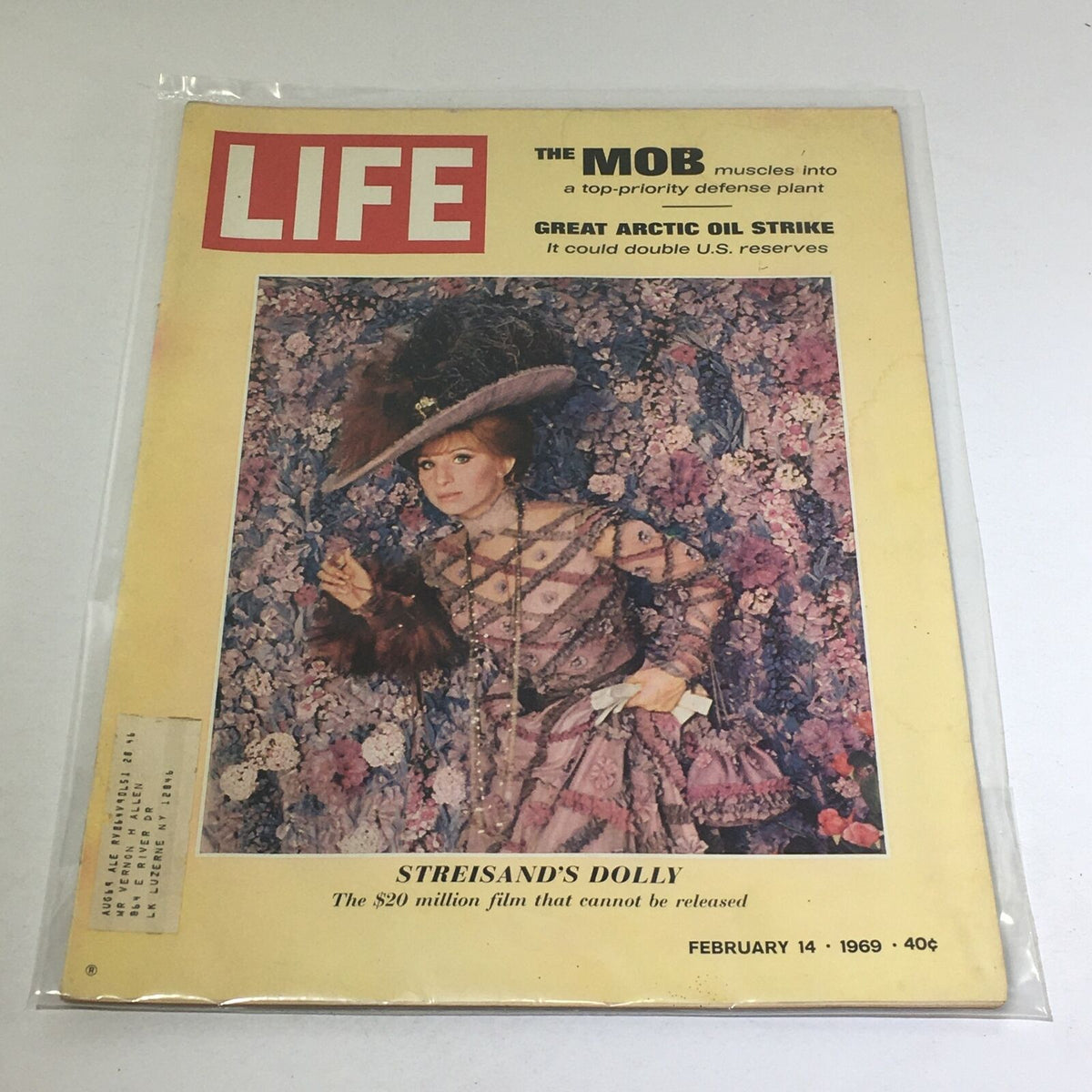
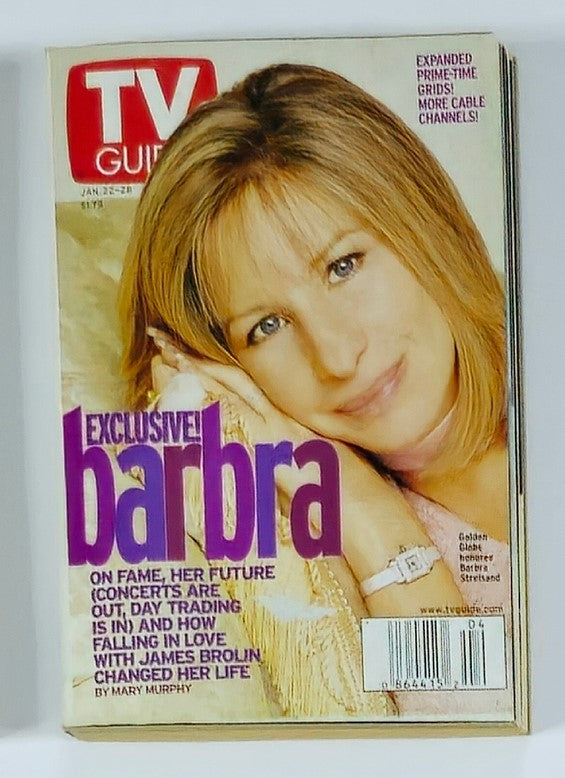
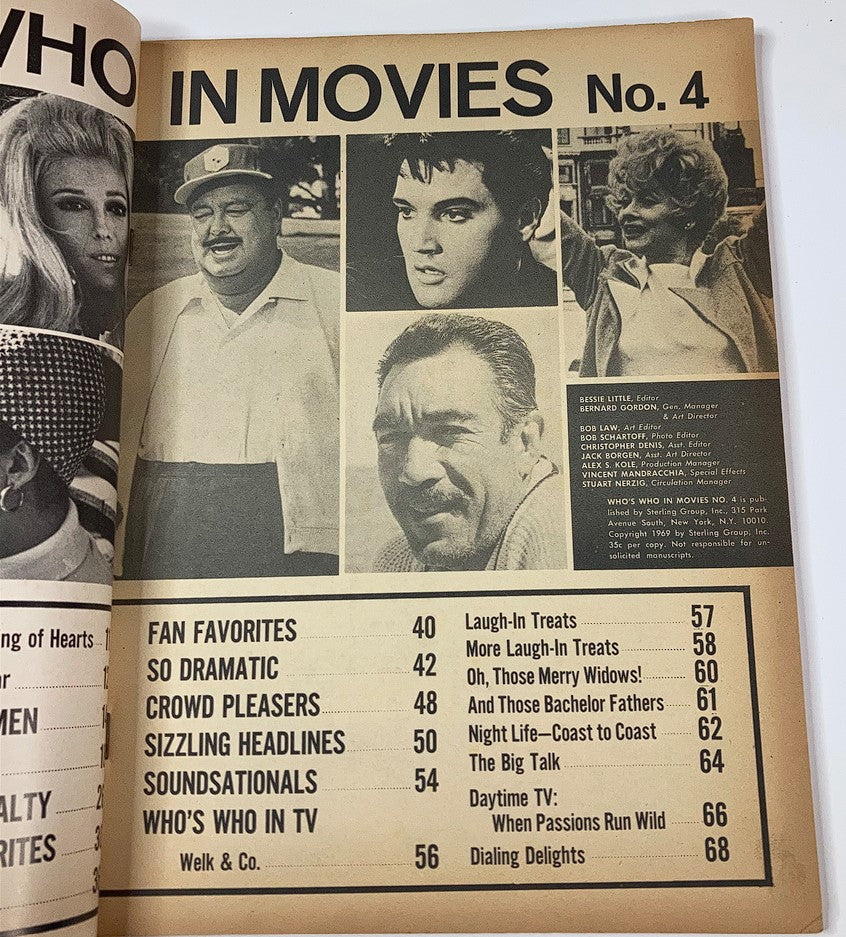
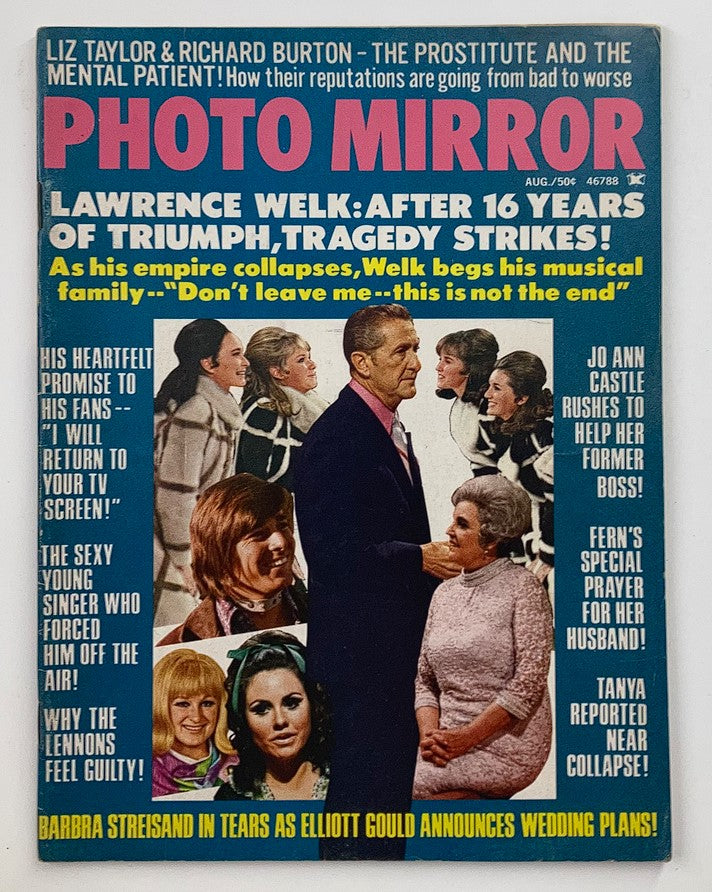
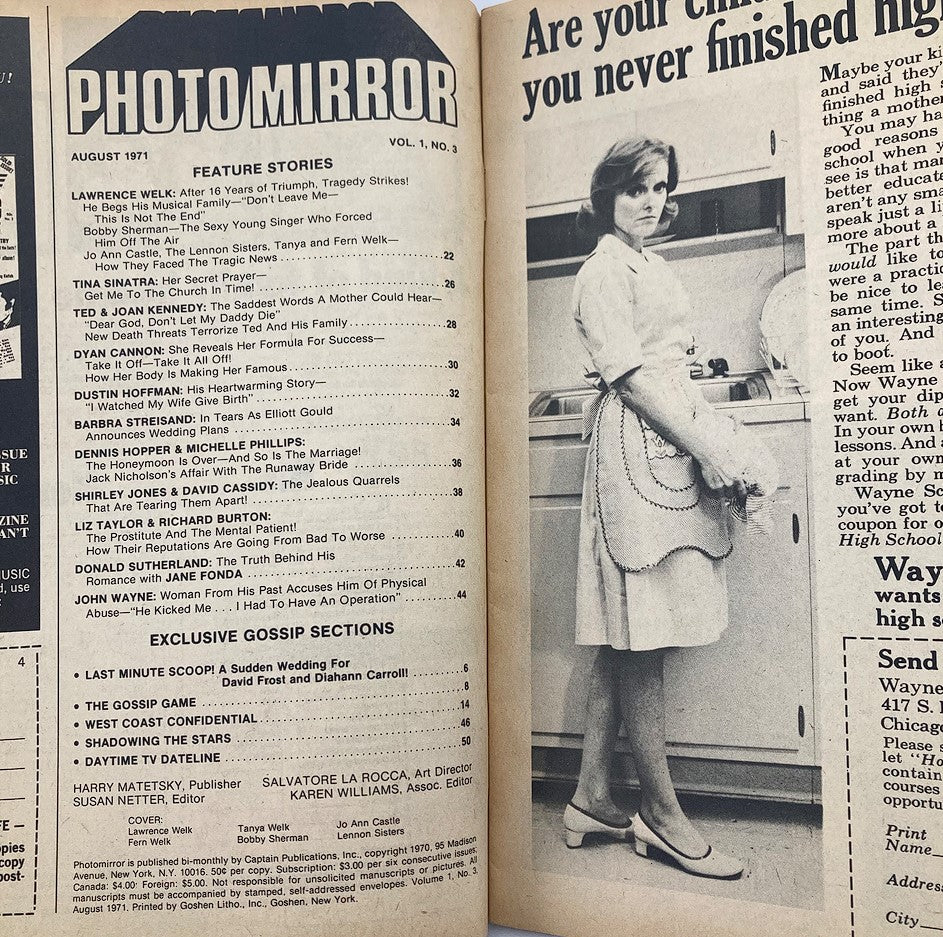
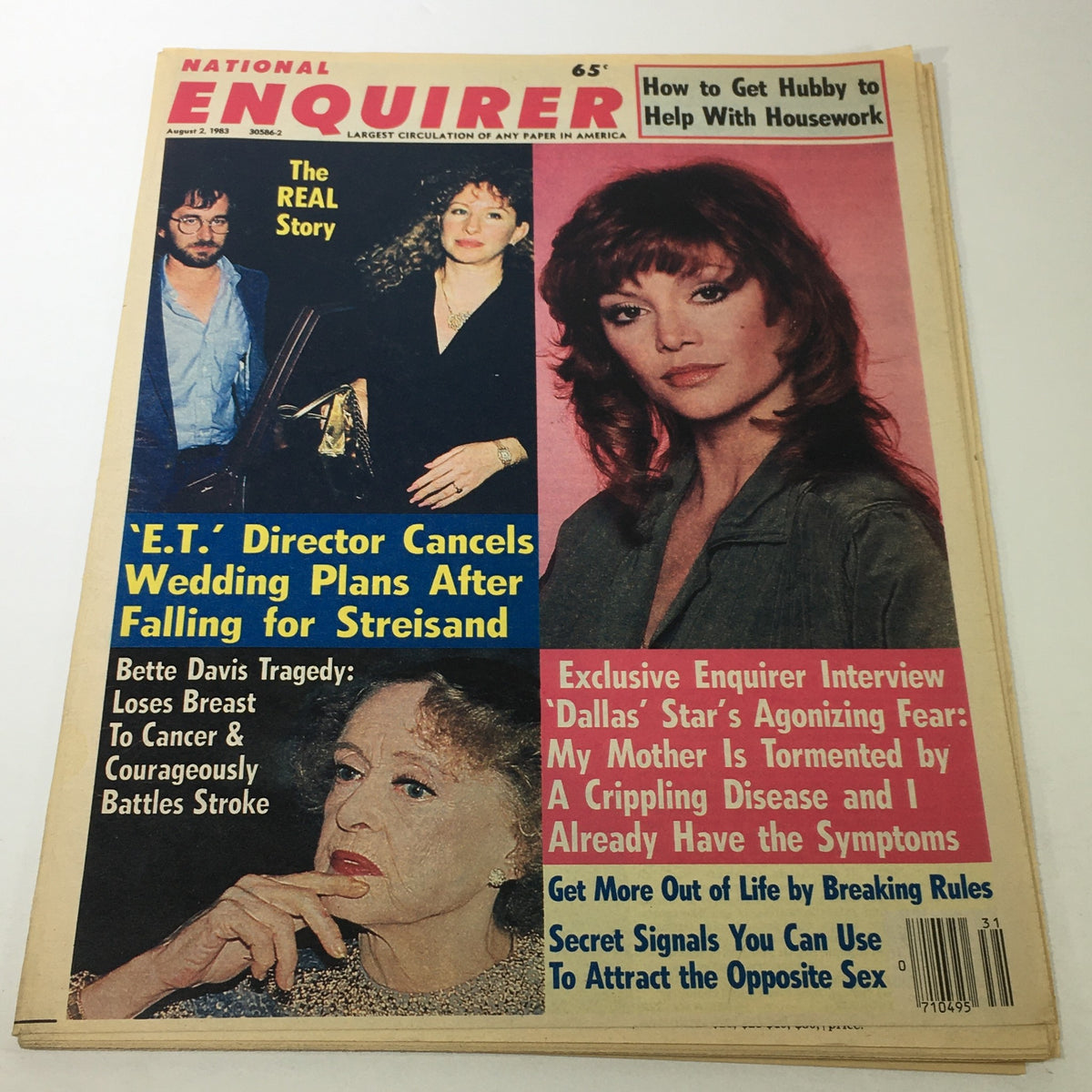
The print coverage of this phenomenon evolved with her artistry. Early features from the Funny Girl era drip with theatrical glamour—backstage portraits at the Winter Garden Theatre, profiles dissecting the alchemy between vulnerability and power in her phrasing. By the 1970s, the journalism grew more probing: glossy spreads from The Way We Were and A Star Is Born shared pages with hard-hitting interviews about creative control and the price of perfectionism. The 1980s brought a shift—magazines documented her leap behind the camera with Yentl, capturing a director on set rather than just a star in the spotlight. Throughout every decade, photographers chased the paradox: how could someone so unapologetically individual become so universally beloved?
Curator's Checklist: Highlights Often Include
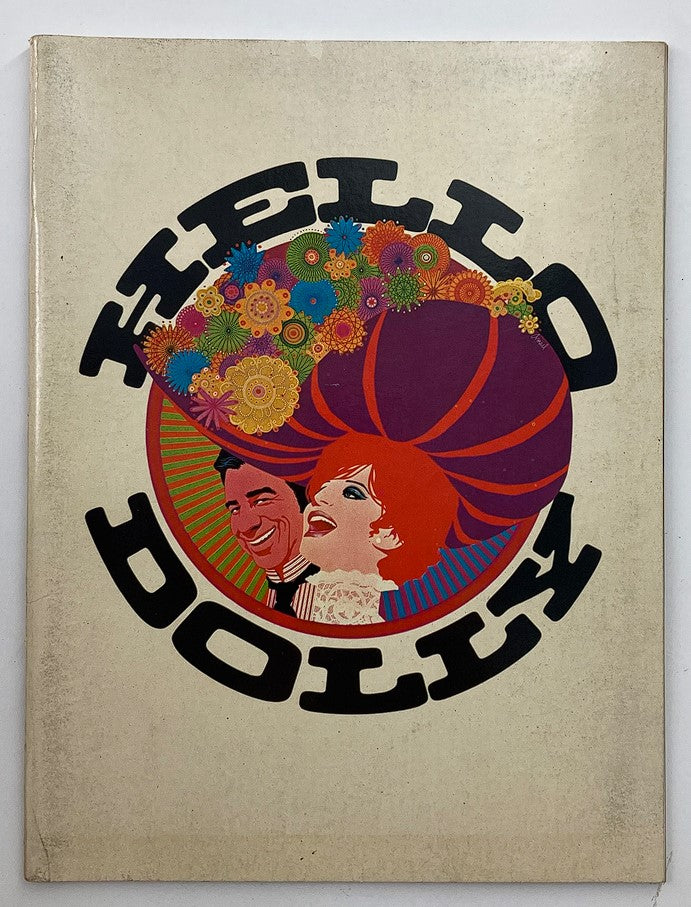
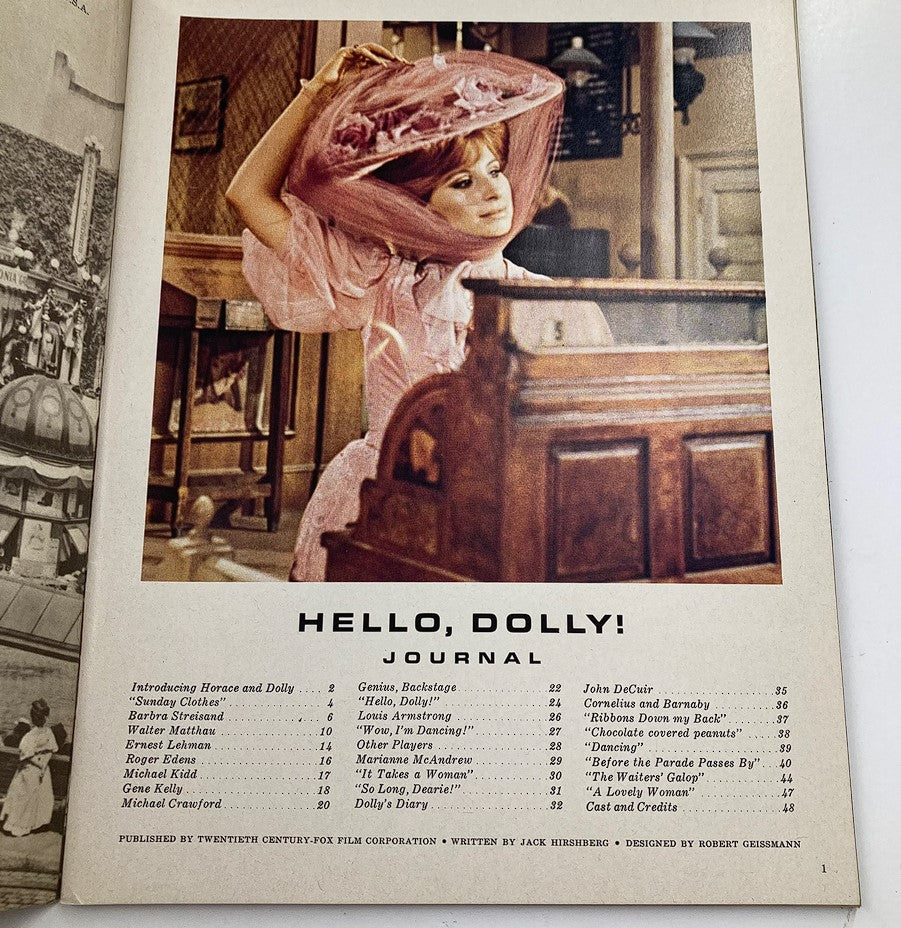
- Broadway to Hollywood Ascent: Features chronicling the Funny Girl phenomenon, from stage debut to Academy Award, including rare backstage documentation and opening night coverage
- The Director's Vision: Behind-the-scenes reporting on Yentl and The Prince of Tides, showcasing her pioneering work as a female filmmaker who fought studios for final cut
- Duet Dynamics: Photo essays and interviews exploring legendary collaborations—the chemistry with Robert Redford, the vocal interplay with Neil Diamond, the disco-era magic with the Bee Gees
- Fashion as Rebellion: Editorials capturing her evolution from kooky bohemian to high-fashion icon, including the Scaasi gowns, the Arnold Scaasi designs, and her refusal to conform to Hollywood beauty standards
- The Activist's Platform: Coverage of her outspoken political engagement, philanthropy, and role as a trailblazer for women demanding equity in entertainment
The Collector's Value
These original issues aren't just entertainment journalism—they're primary sources documenting what happens when talent meets tenacity in an era that tried to dim both. Each magazine preserves a moment when the industry had to bend to accommodate genius on her own terms, making these pieces essential artifacts for anyone who understands that the most valuable collectibles are the ones that captured revolution as it unfolded. Explore our current inventory below to discover which chapter of this uncompromising legacy is available today.