📖 About this Collection
Barry Goldwater: The Conscience of a Conservative in Print
The Legend & The Legacy
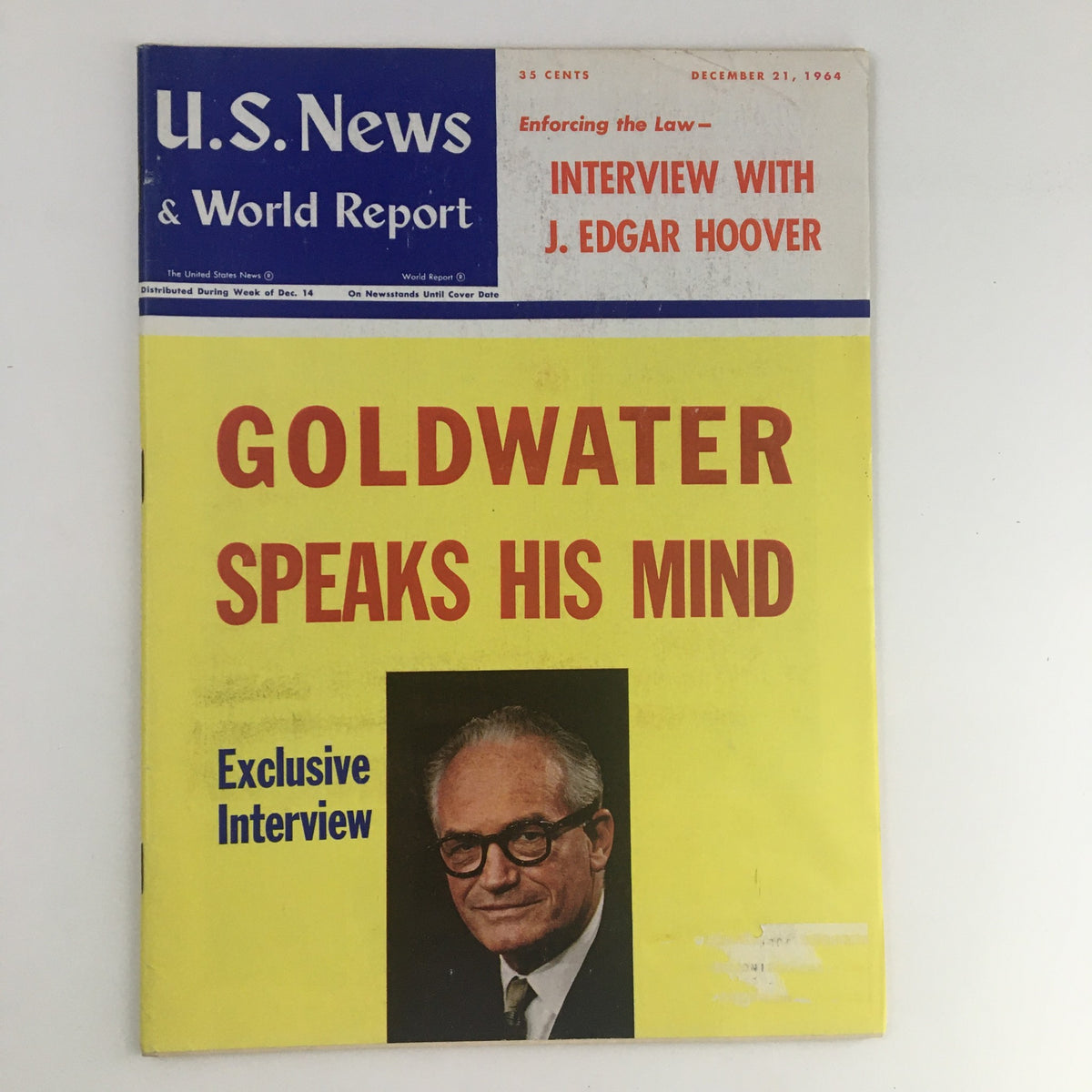
Barry Goldwater did not merely run for president — he detonated a philosophical bomb beneath the American political landscape that would reshape the country for generations. As the five-term U.S. Senator from Arizona and the 1964 Republican presidential nominee, the man his admirers called "Mr. Conservative" forced a reckoning with the soul of the GOP and, by extension, the nation itself. His book The Conscience of a Conservative, published in 1960, became a sacred text for a generation of right-leaning Americans hungry for an unapologetic intellectual framework, and the mainstream press scrambled to make sense of the movement it was spawning. In an era when political ideas traveled through paper — through the crinkle of a newsstand purchase, the heft of a weekly magazine dropped on a suburban doorstep — his rise was documented with the full, unfiltered drama only print could deliver. Long before cable news cycles and algorithmic outrage, Americans formed their opinions of this plainspoken Westerner through the photographs, editorials, and cover stories that landed in their living rooms. He was simultaneously lionized as a rugged individualist and vilified as a dangerous radical, and the magazines of his era captured every electric, contested inch of that paradox. What makes his story so enduringly magnetic is that history ultimately vindicated much of what the press once ridiculed — the conservative revolution he seeded would bloom fully within two decades, and the magazines that covered his supposed defeat now read, in retrospect, like dispatches from the opening act of a much longer drama.
Inside the Archive
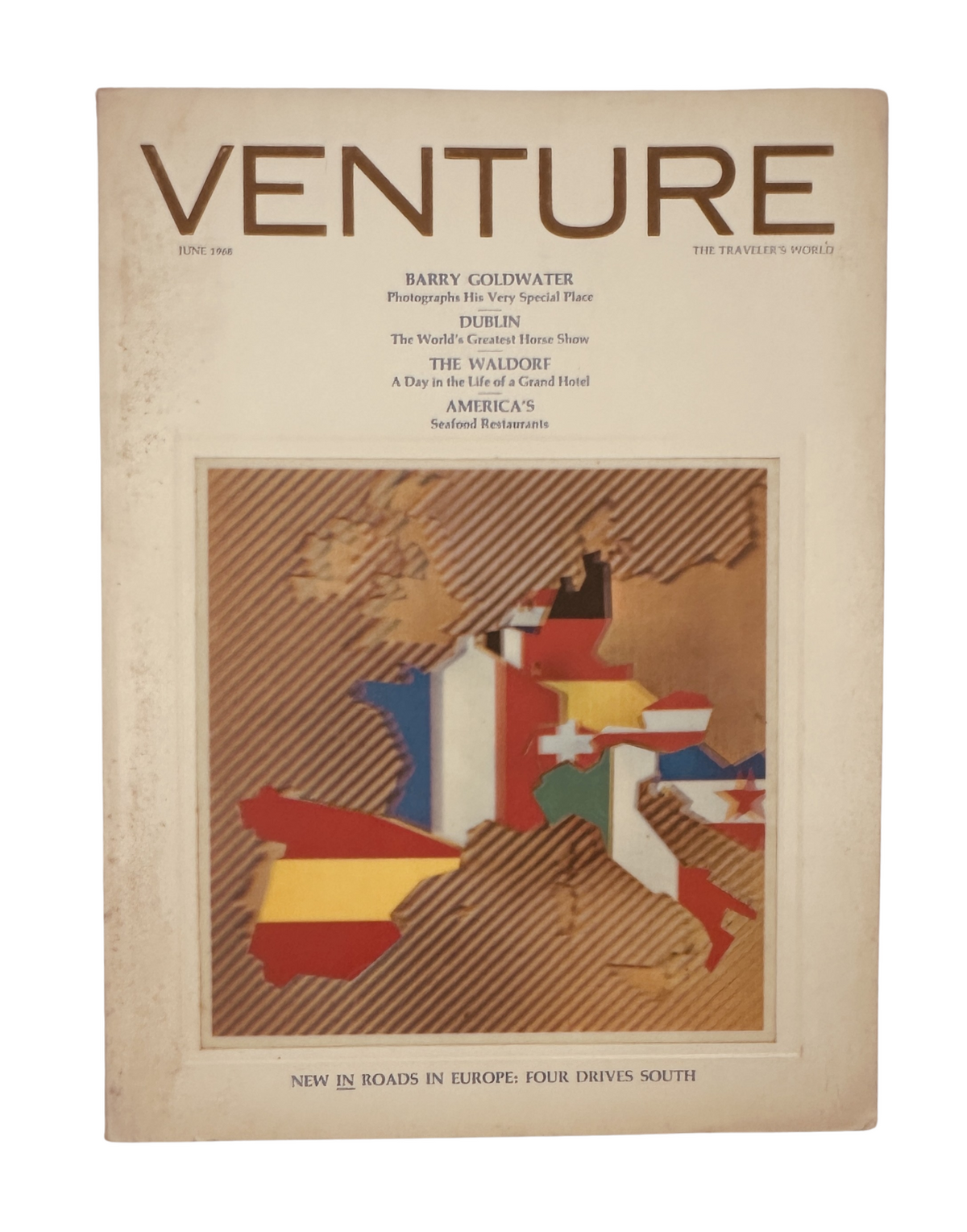
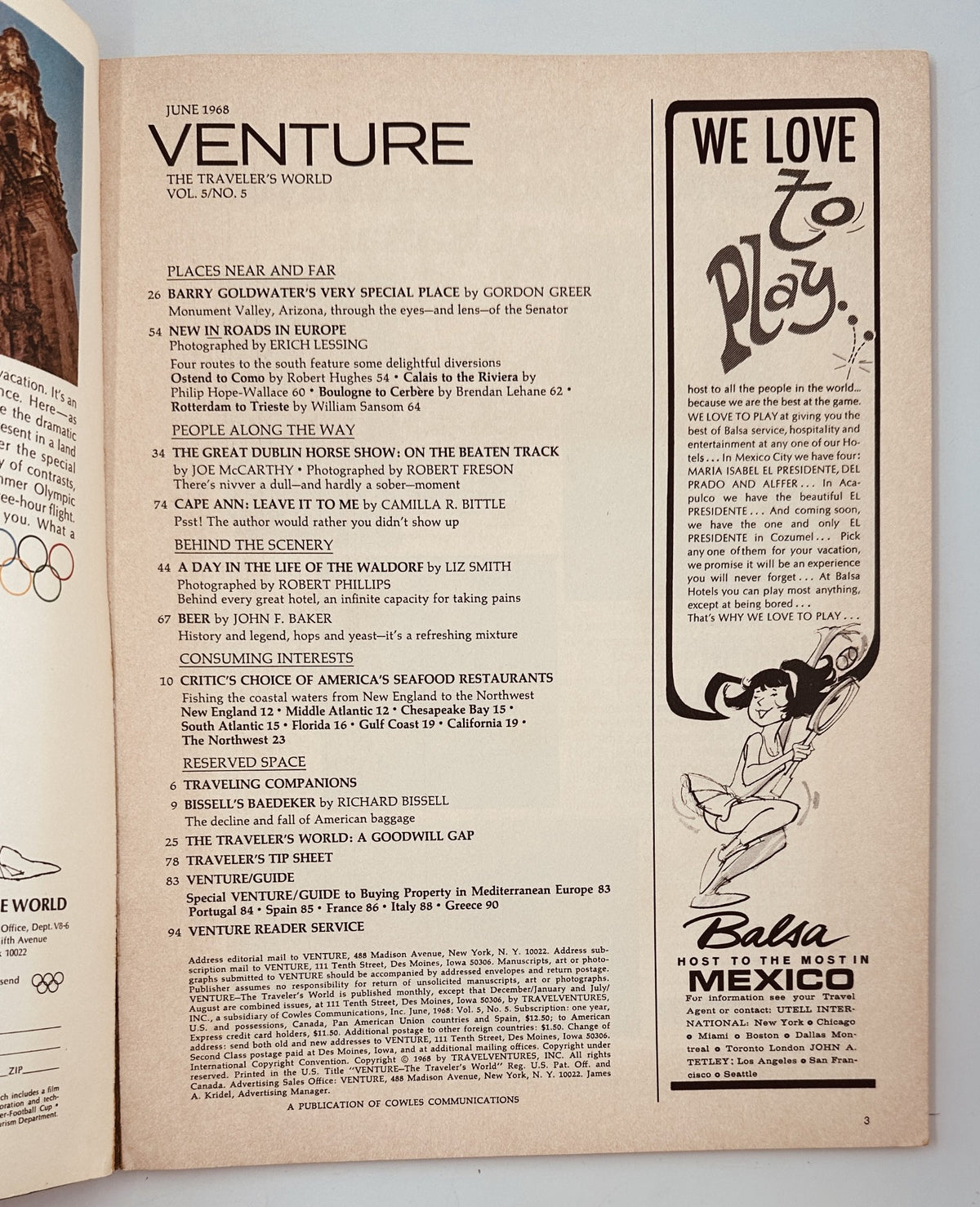
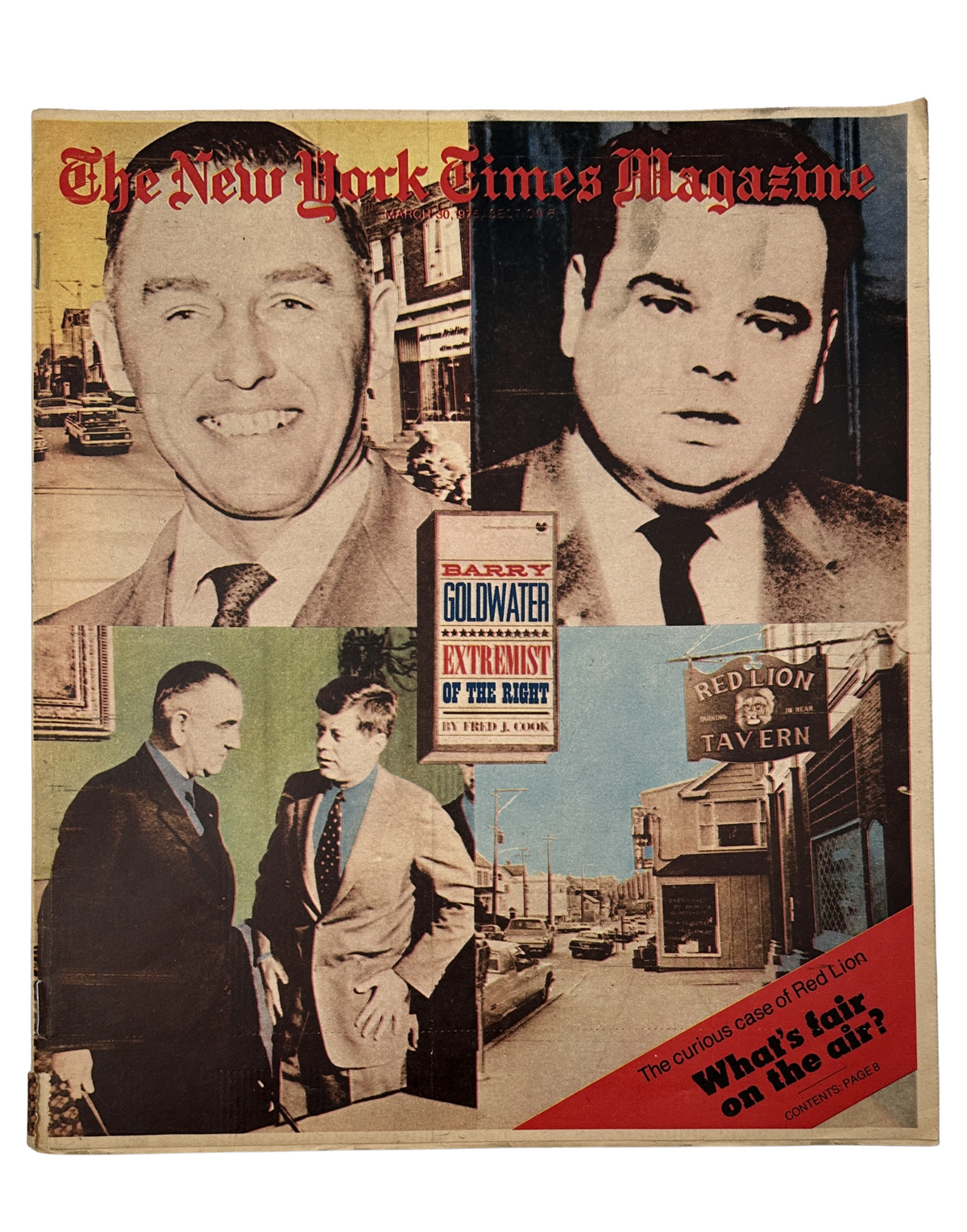
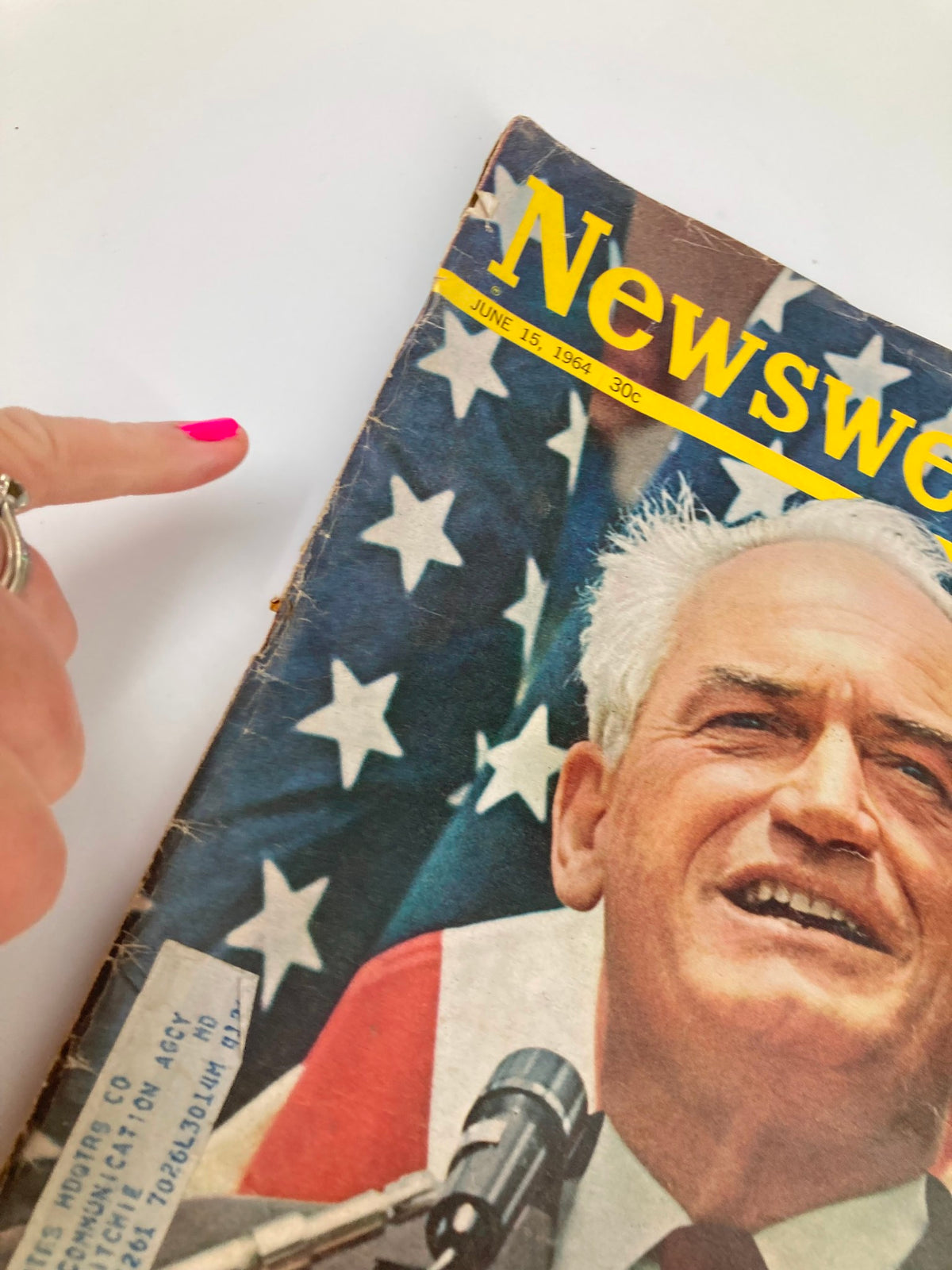
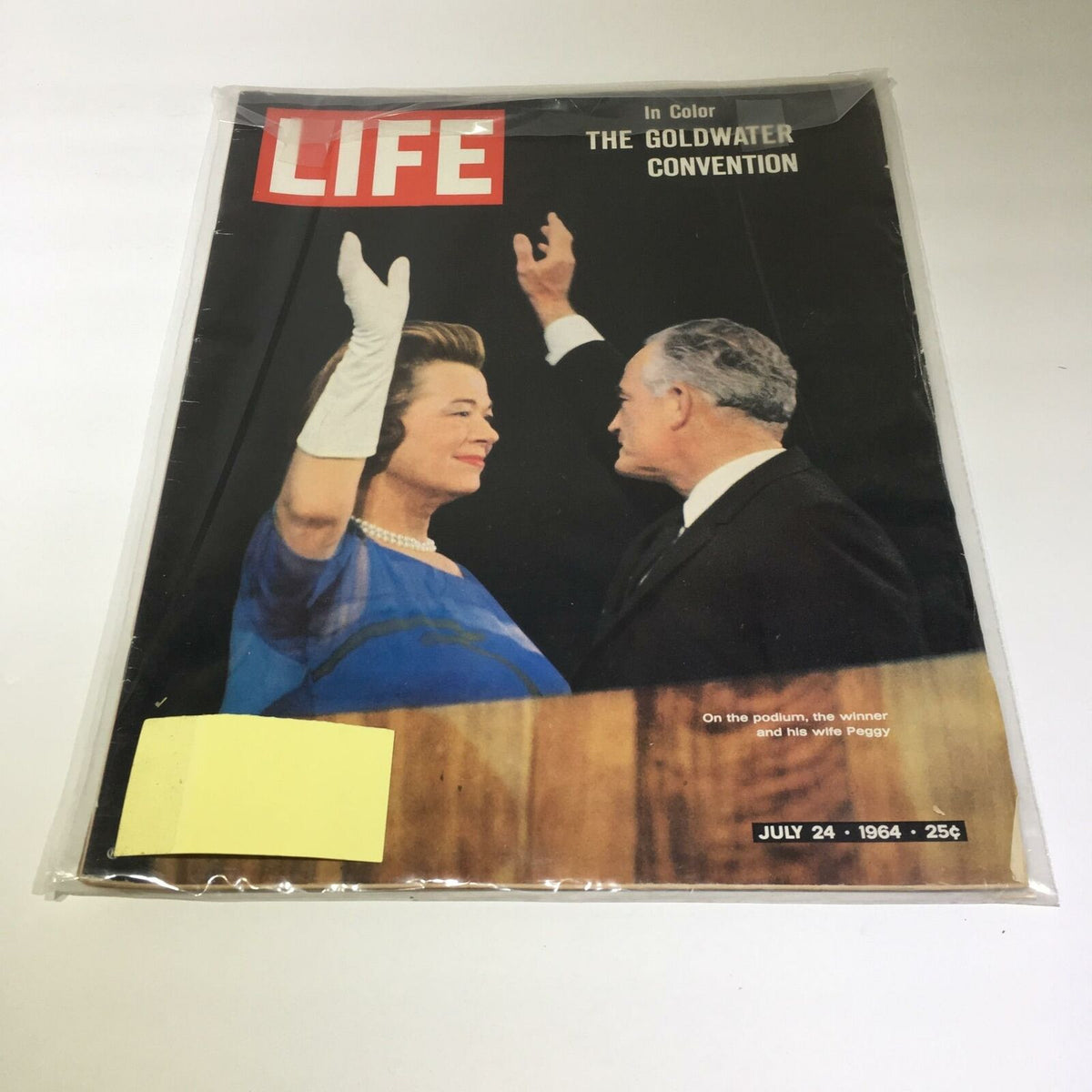
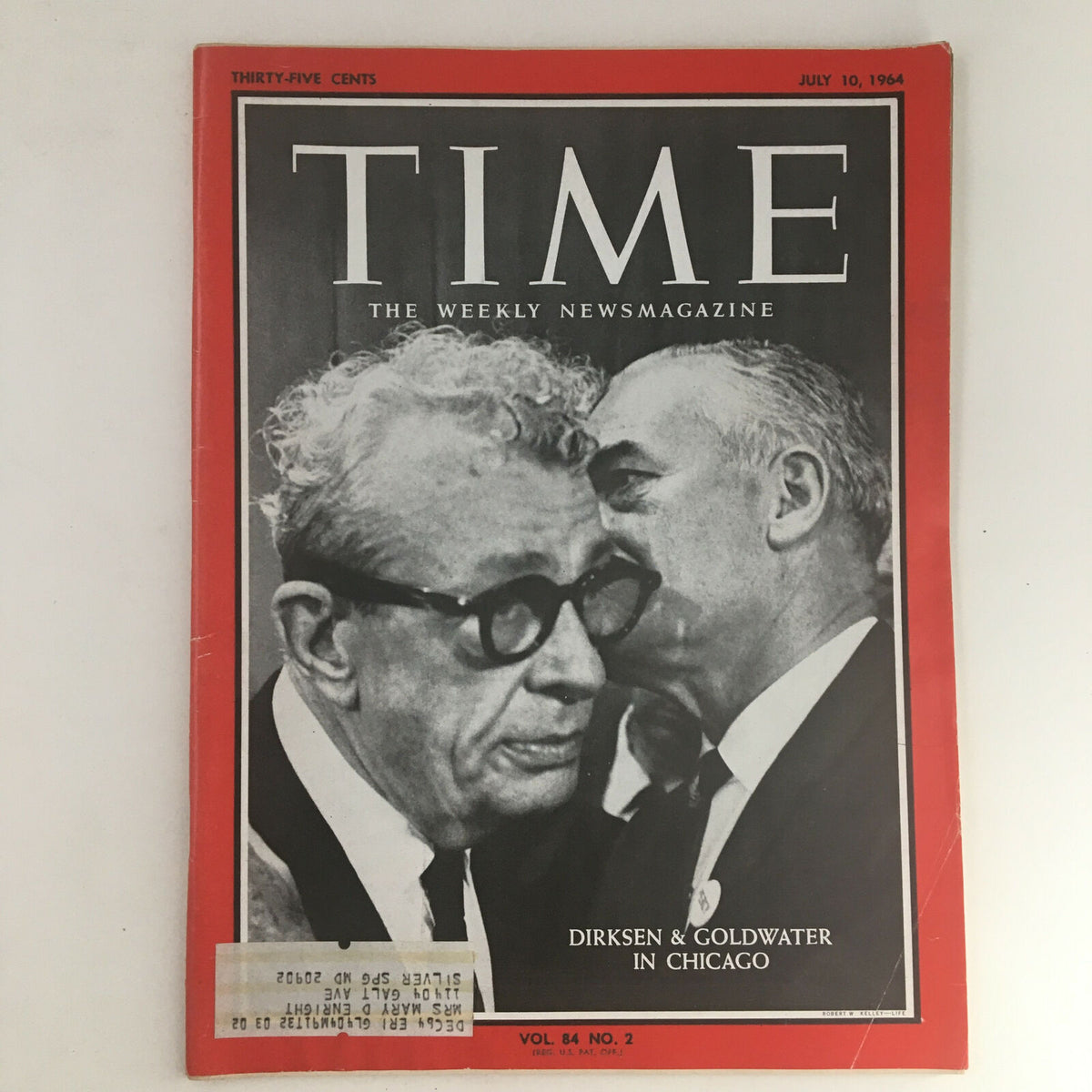
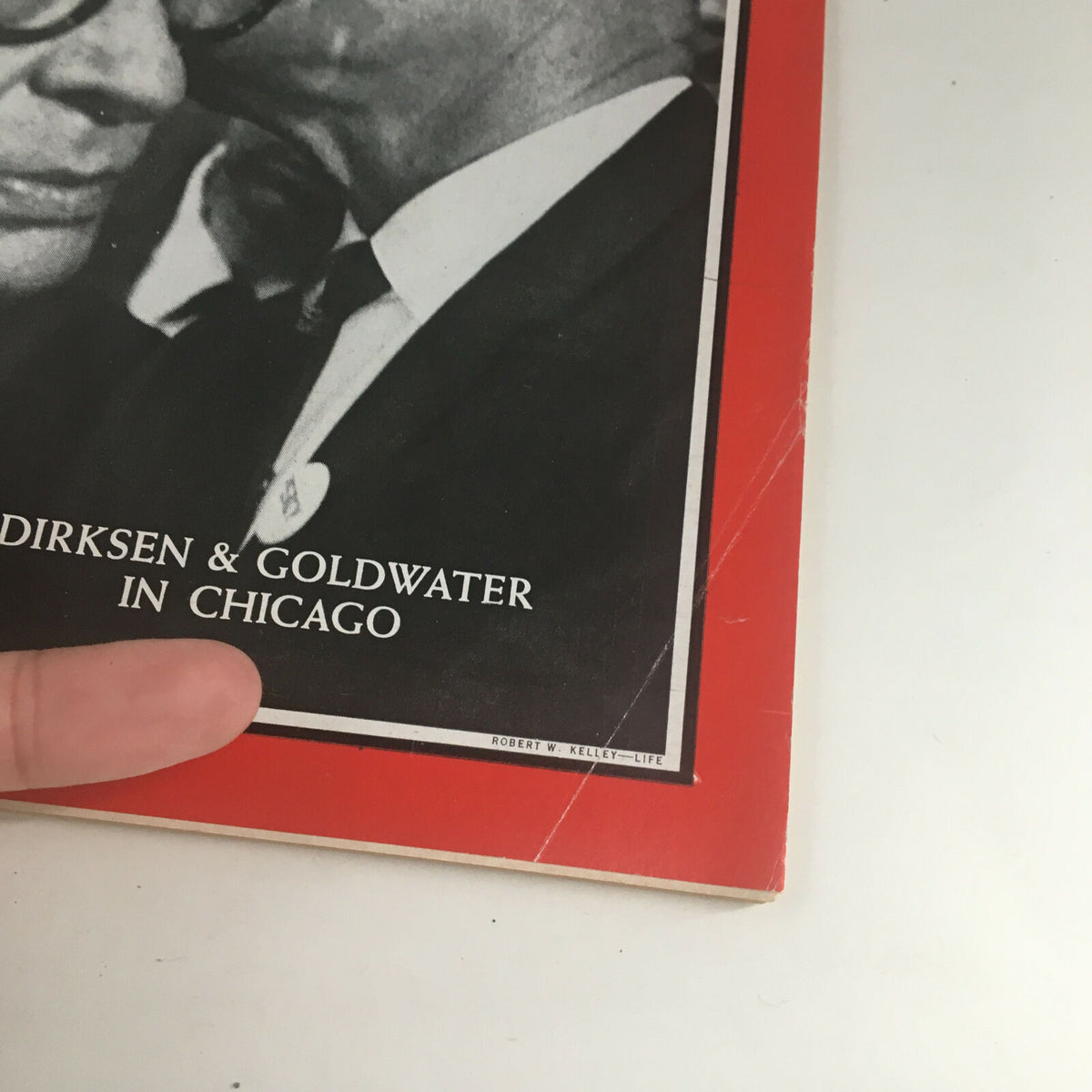
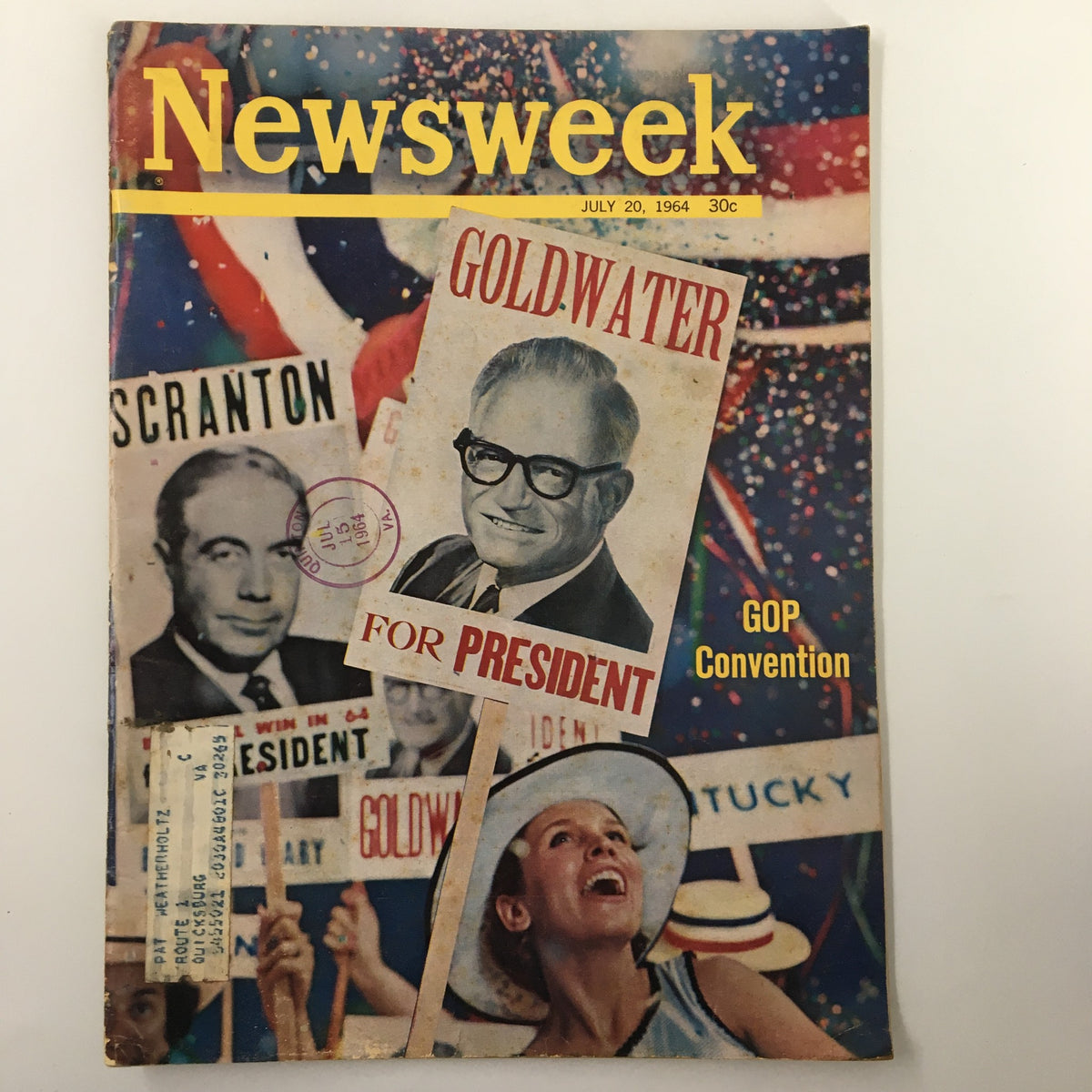
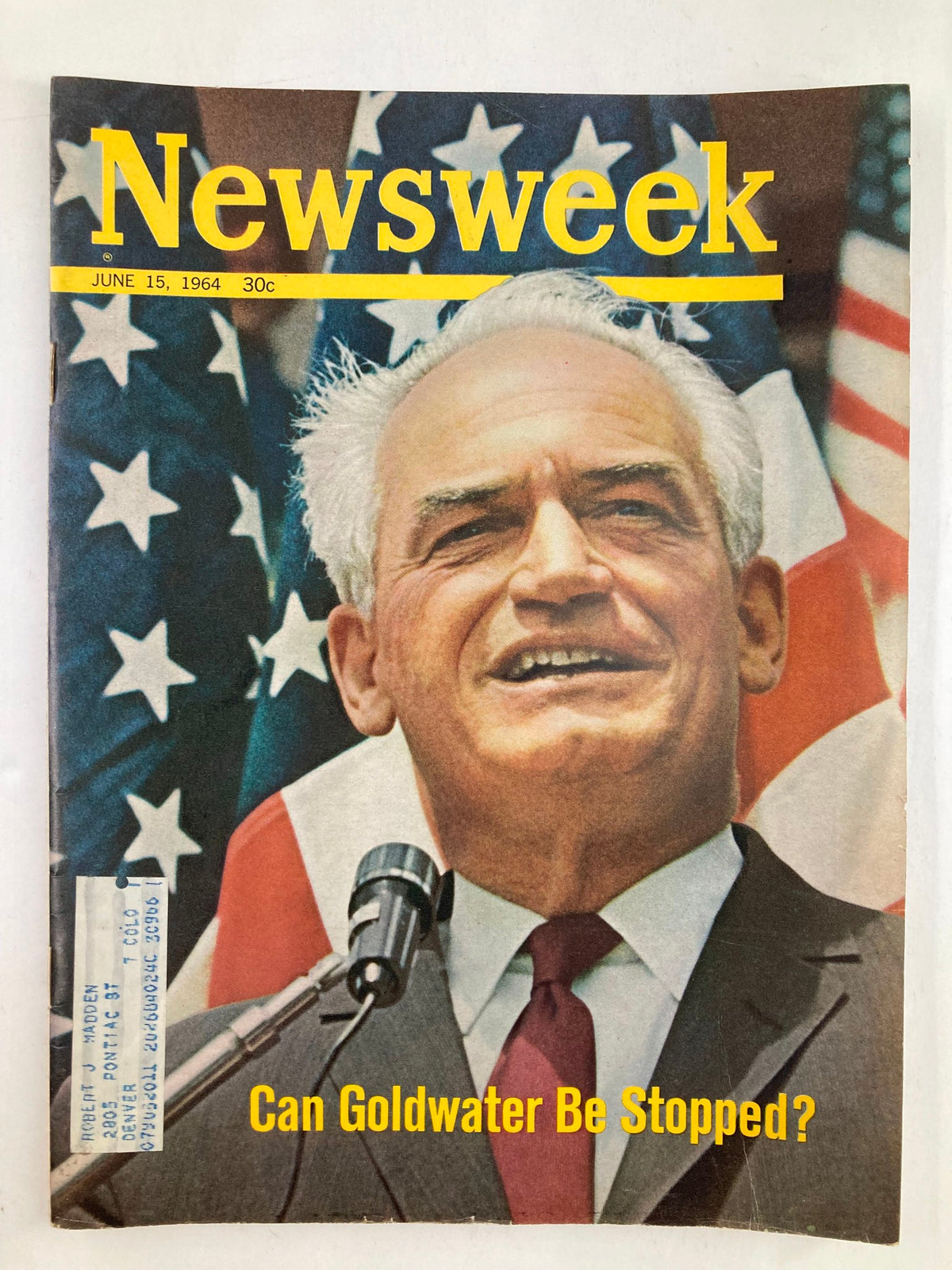
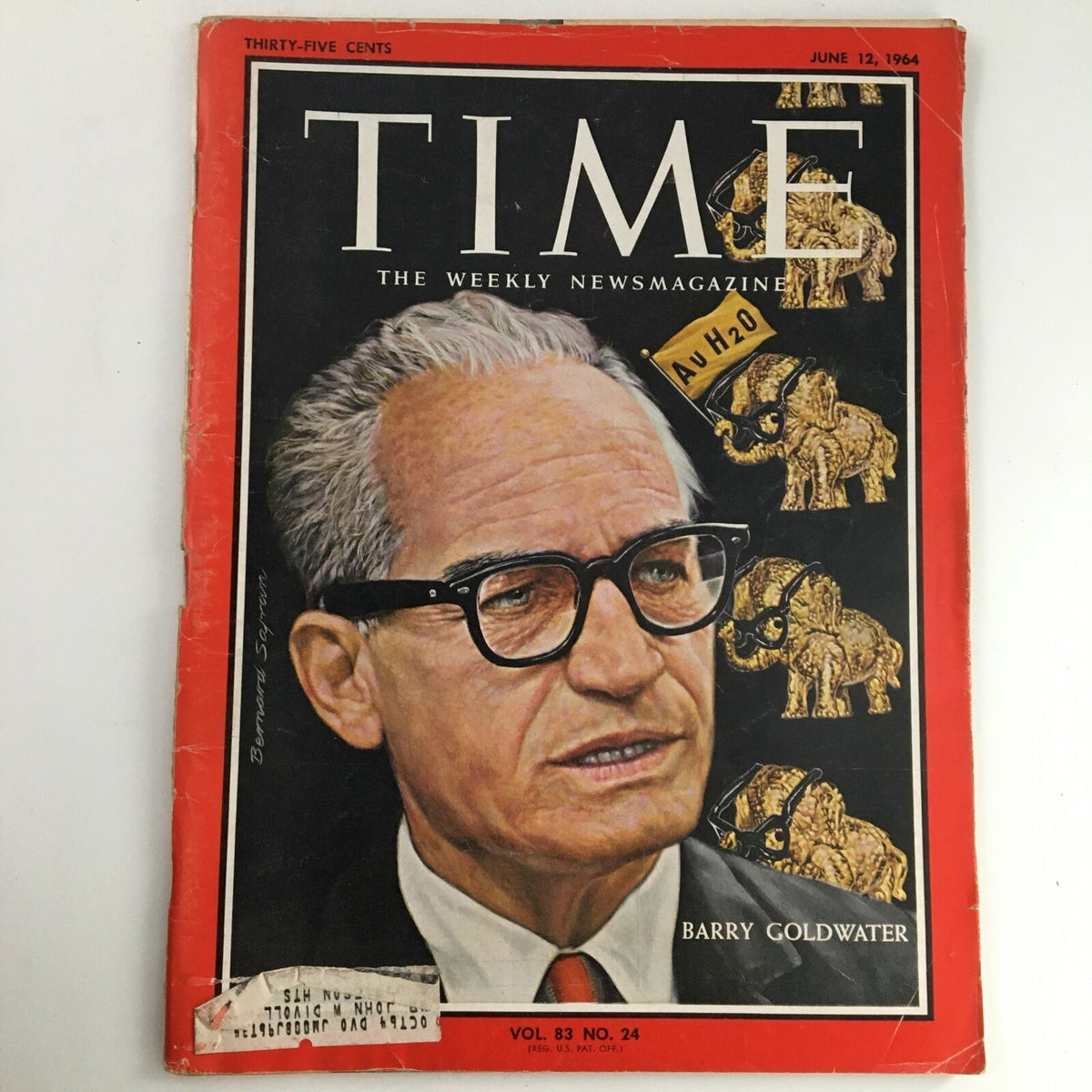
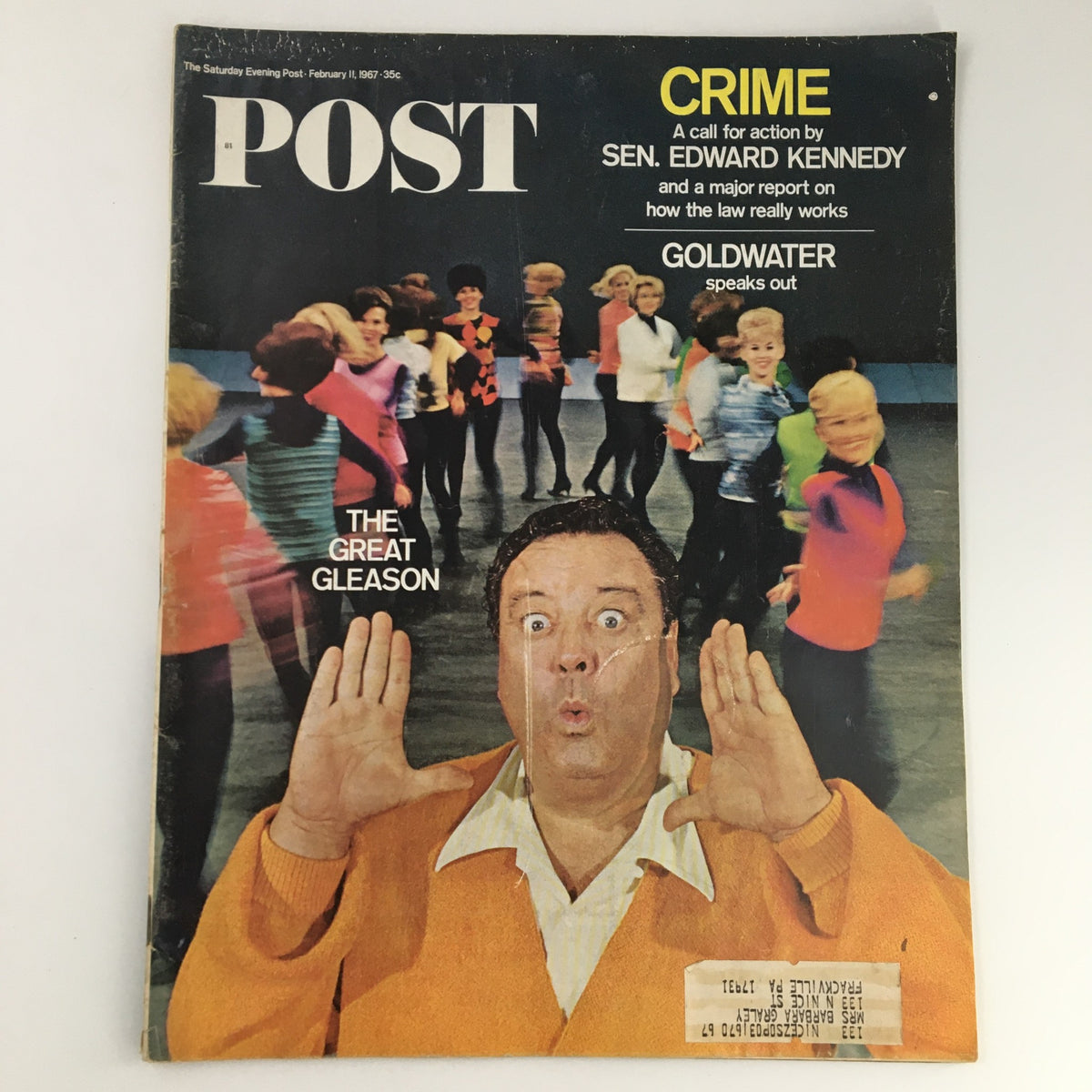
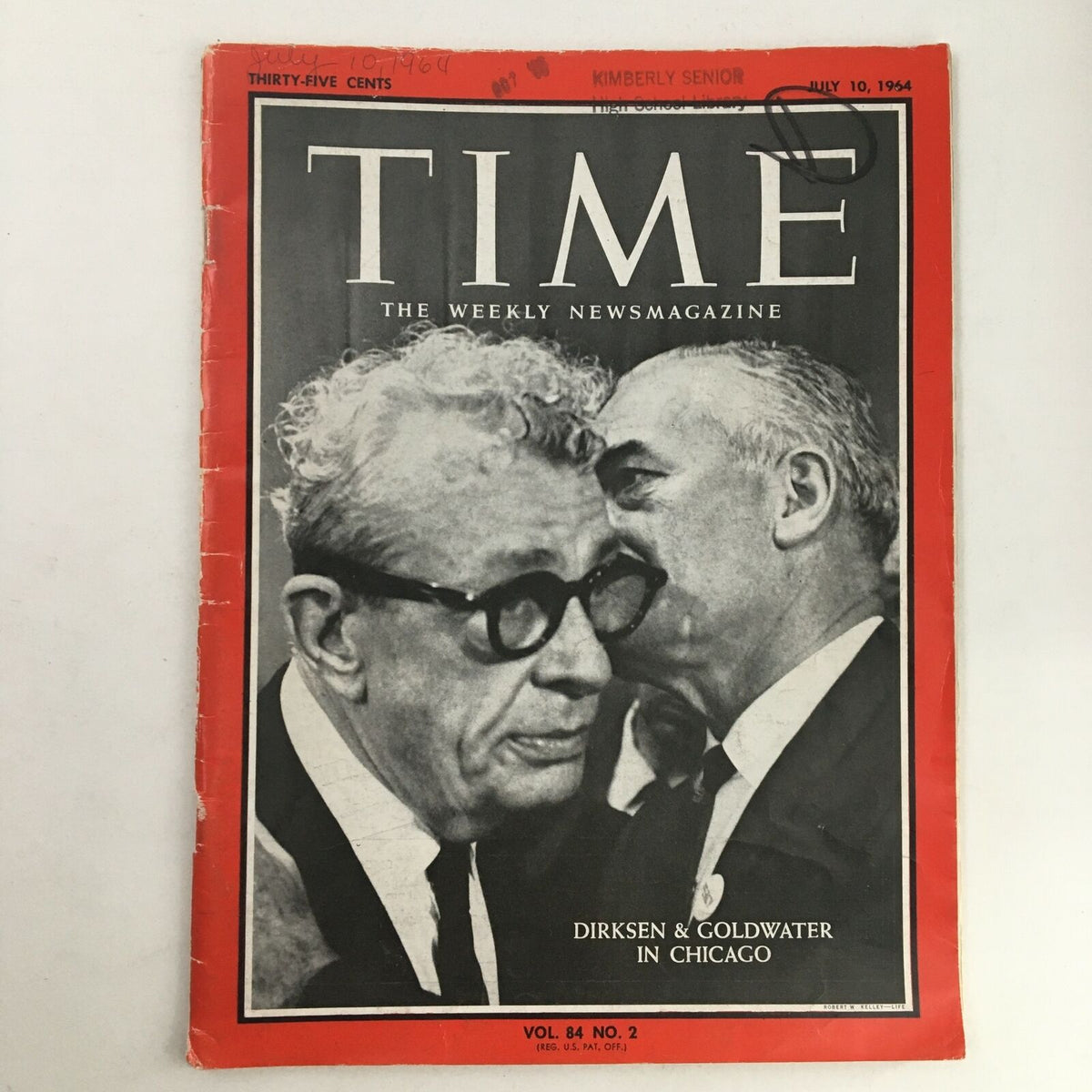
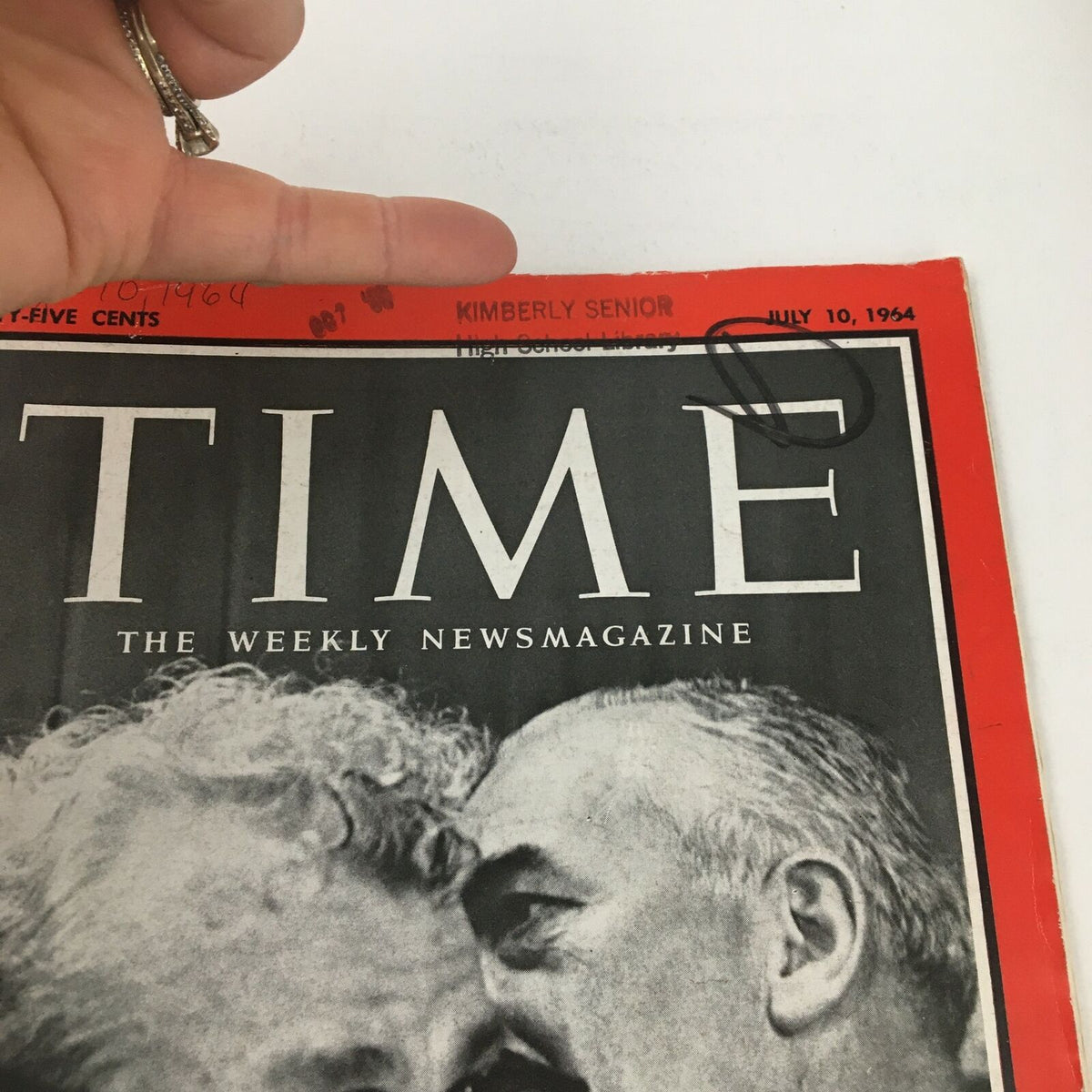
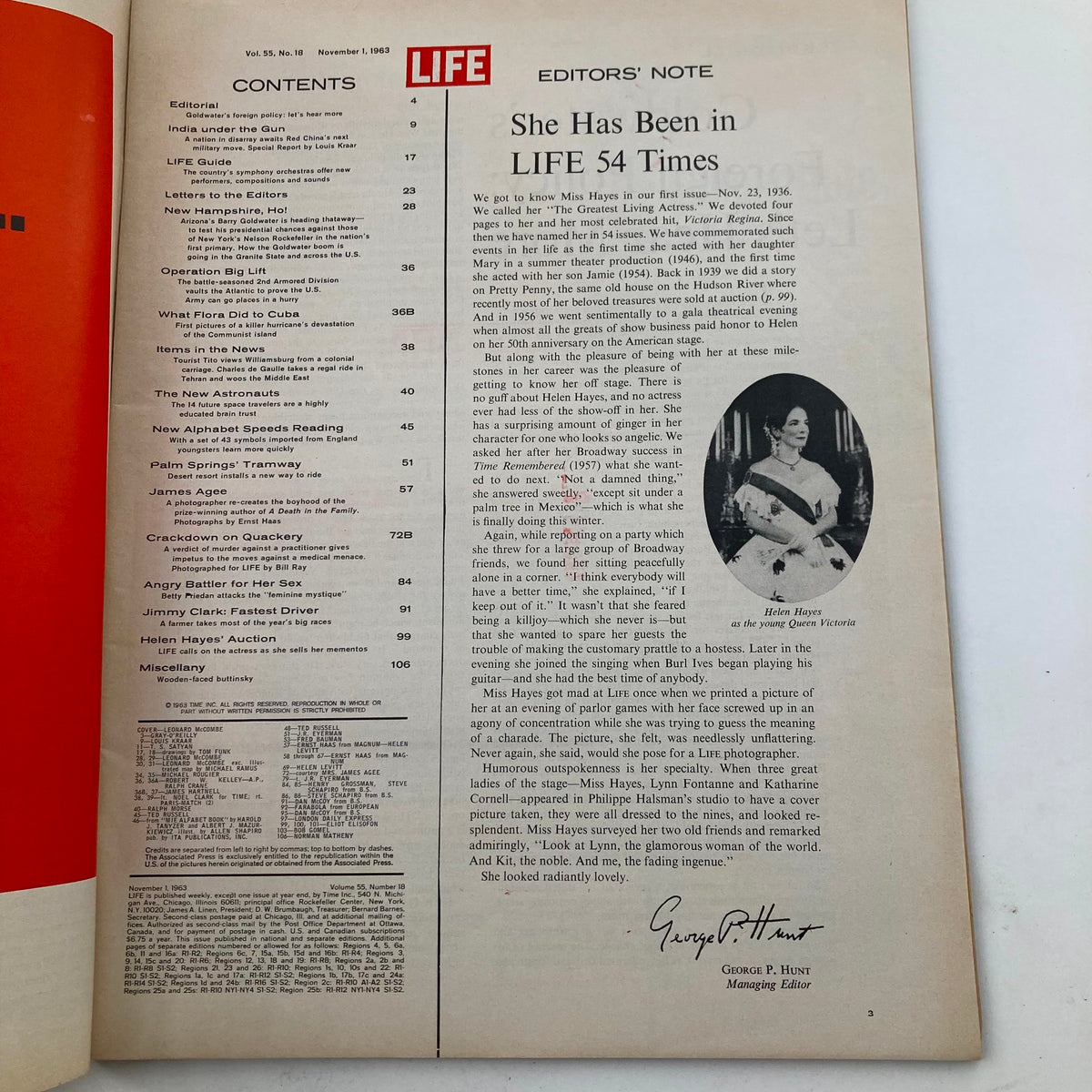
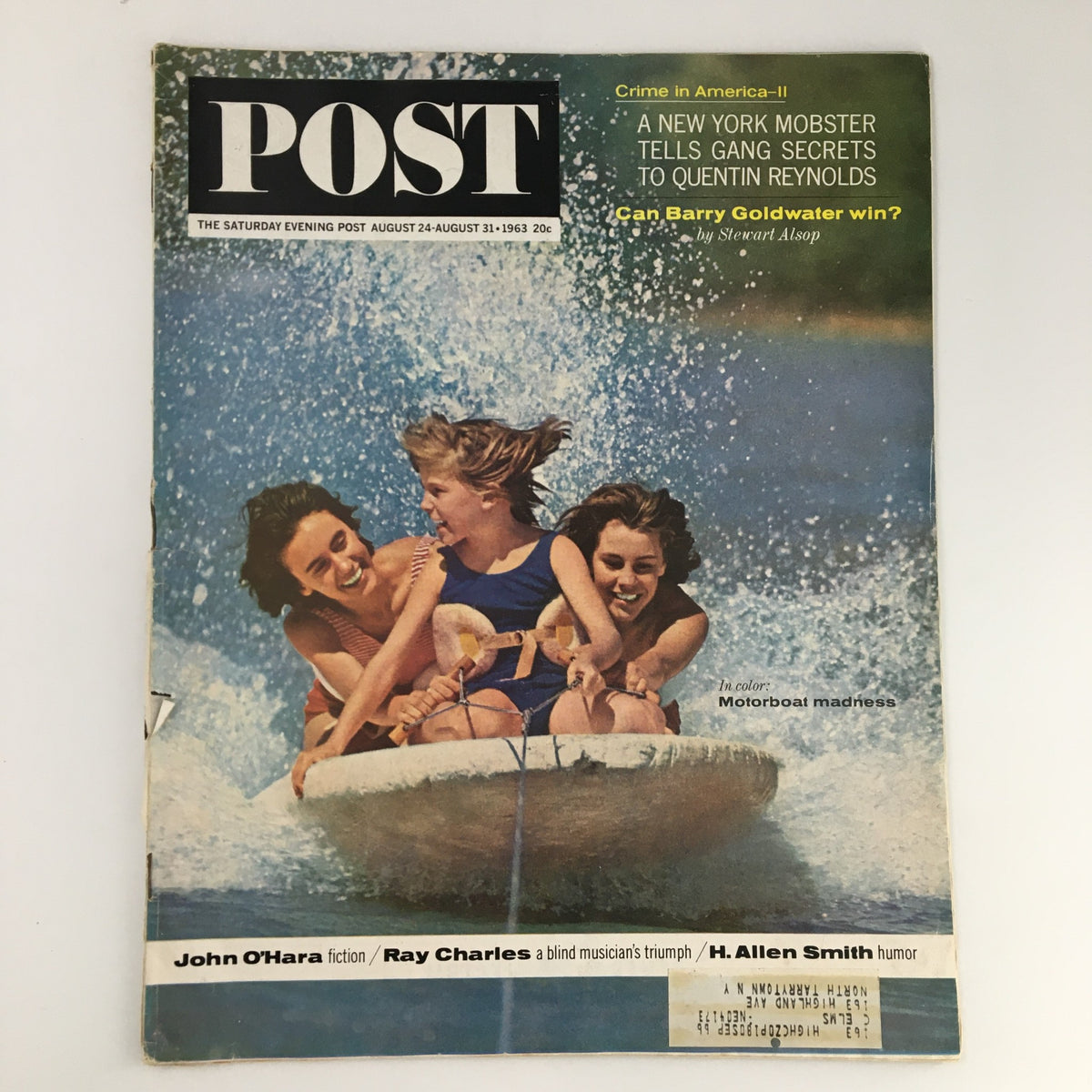
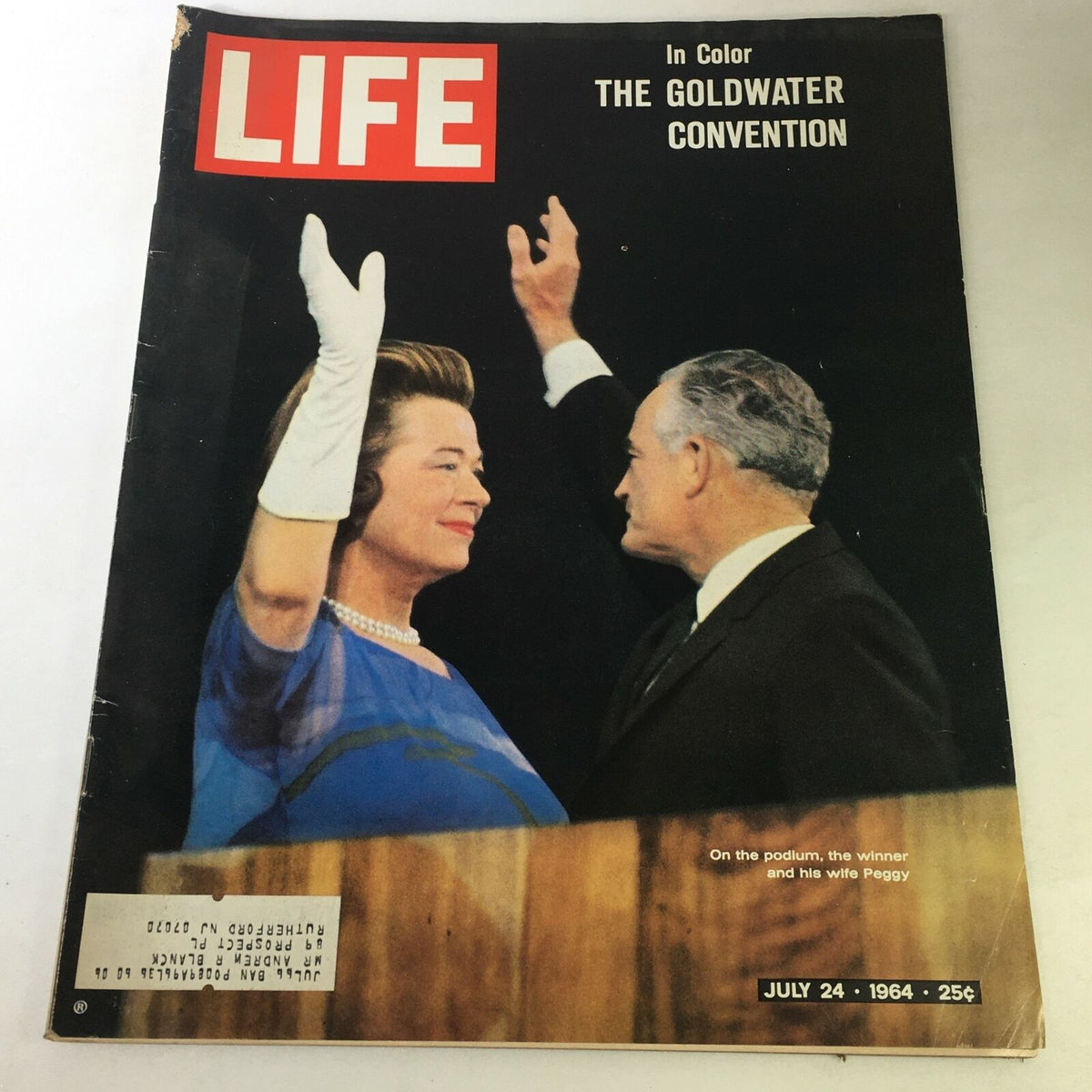
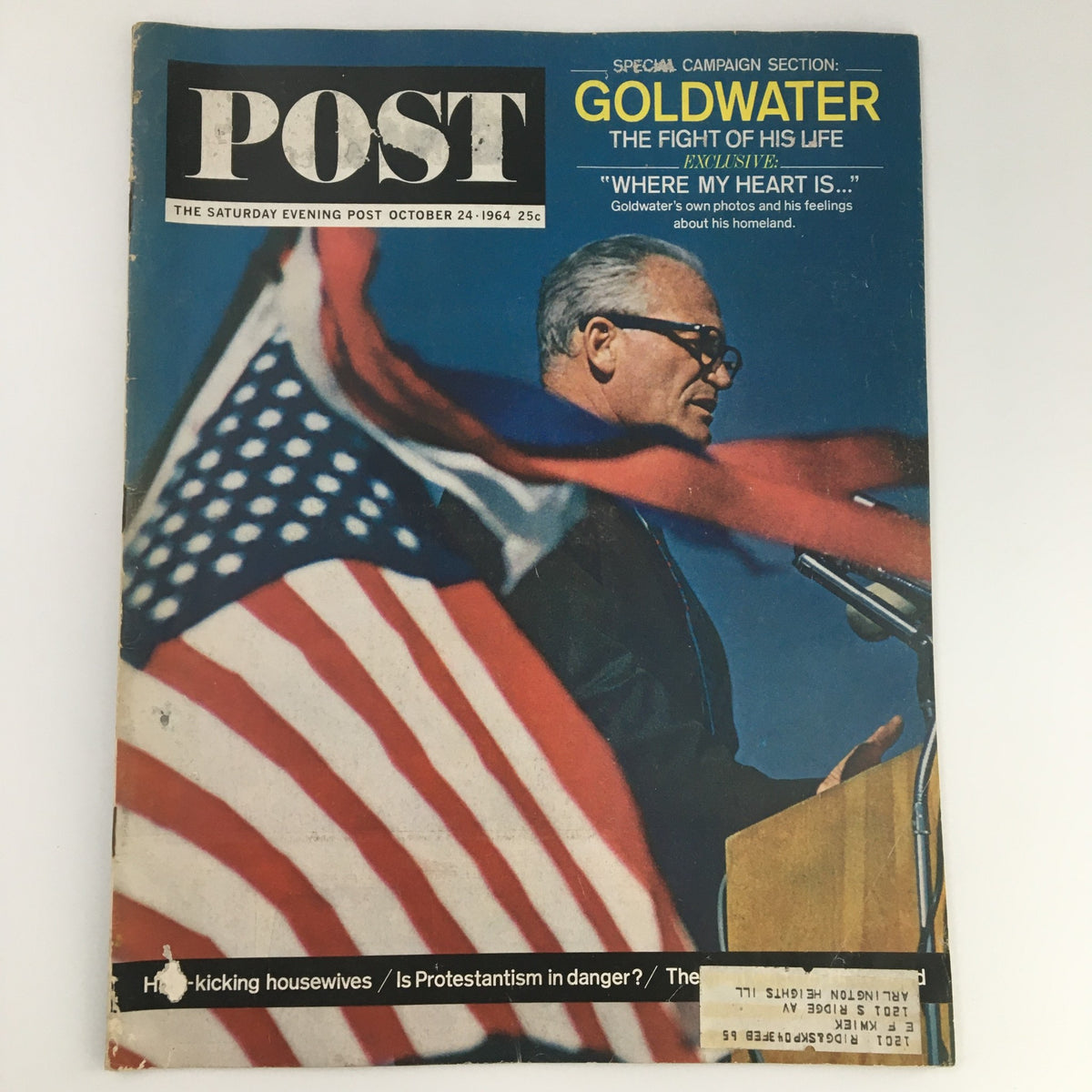
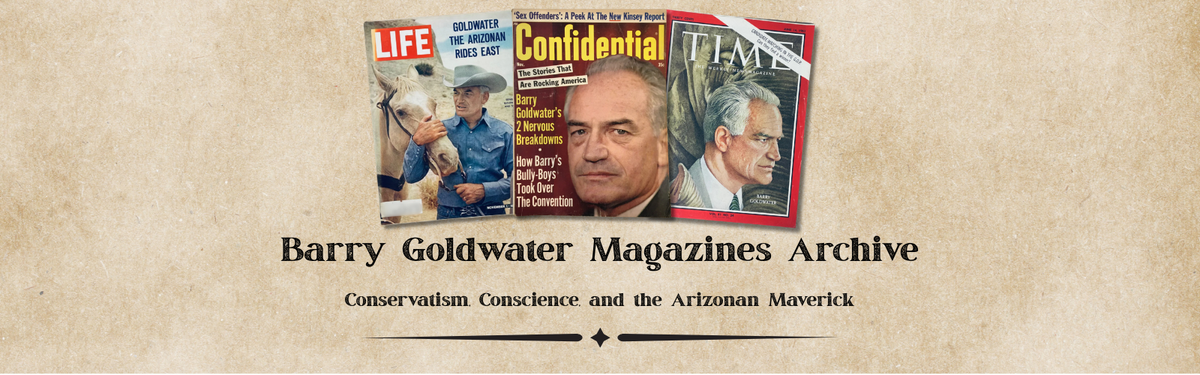
The visual language surrounding the Arizona senator was nothing short of cinematic. Photographers consistently leaned into his square-jawed Western gravitas — often capturing him squinting into a desert sun, aviator glasses glinting, against the expansive backdrop of the American Southwest. His physicality was part of his political identity, and the era's great photojournalists understood this instinctively, composing images that felt less like political portraiture and more like stills from a John Ford western. Time magazine, which placed him on its cover multiple times, framed him with the cool, analytical scrutiny it reserved for figures who genuinely unsettled the political order. Life magazine brought his story into the American home in the most intimate terms, deploying its signature full-bleed photography to humanize a candidate his opponents were busy demonizing — showing him with family, in the cockpit of a military aircraft, and striding through the Arizona desert with the ease of a man entirely at home in his own skin. Newsweek, ever Time's ideological sparring partner, offered a strikingly different editorial lens — sharper, more skeptical during the 1964 campaign — creating an invaluable contrast for any student of media history. Beyond the mainstream weeklies, the conservative intellectual journal National Review, founded by his ideological ally William F. Buckley Jr., treated Goldwater with near-reverence, chronicling the movement he catalyzed with the earnestness of true believers documenting a revolution in real time. Taken together, this constellation of publications forms a remarkably complete portrait of a man perpetually ahead of, or at odds with, his moment — and the range of editorial perspectives preserved across these original issues makes the archive all the richer for collectors seeking to understand not just the man, but the media ecosystem that shaped his public image.
Curator's Checklist: Highlights Often Include
-
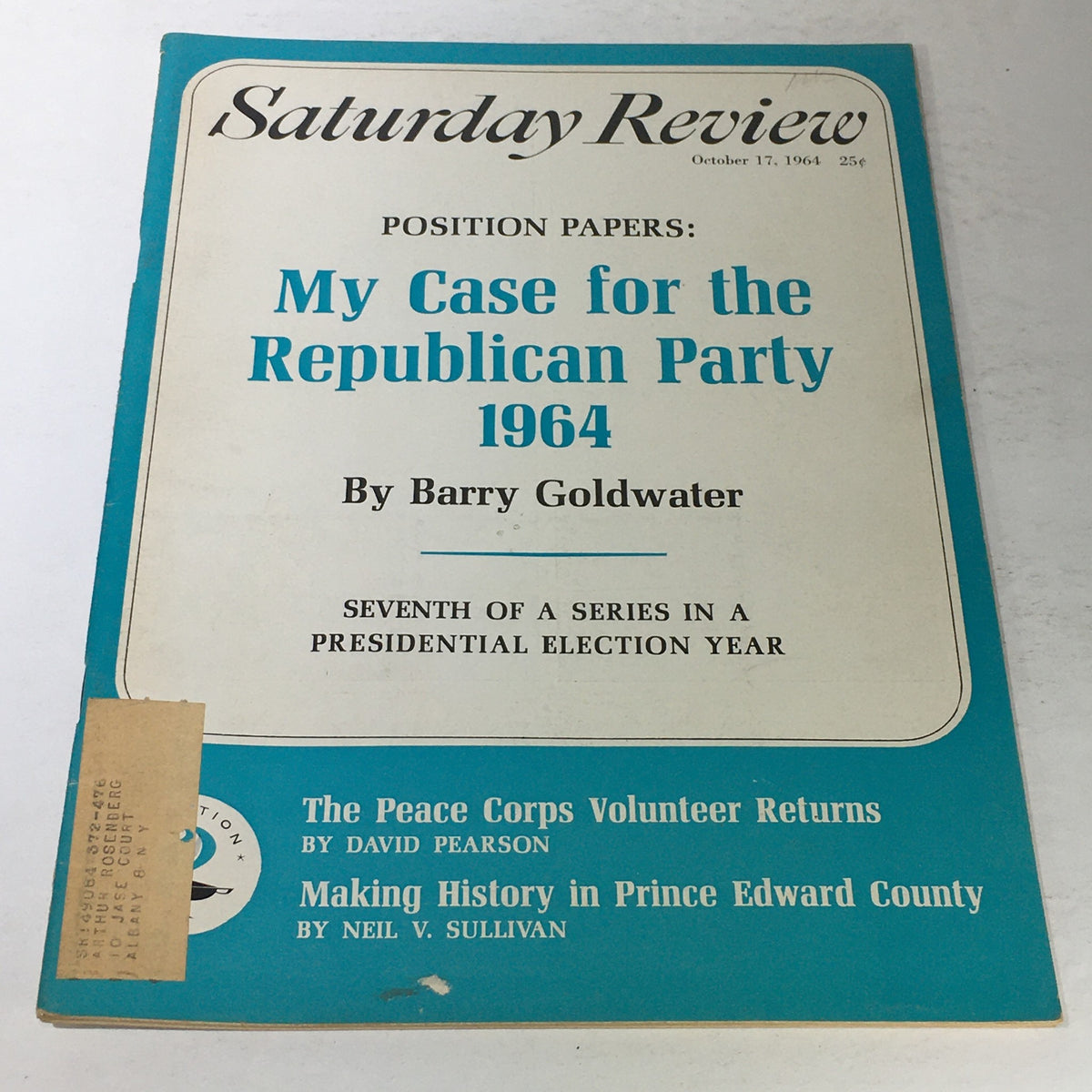
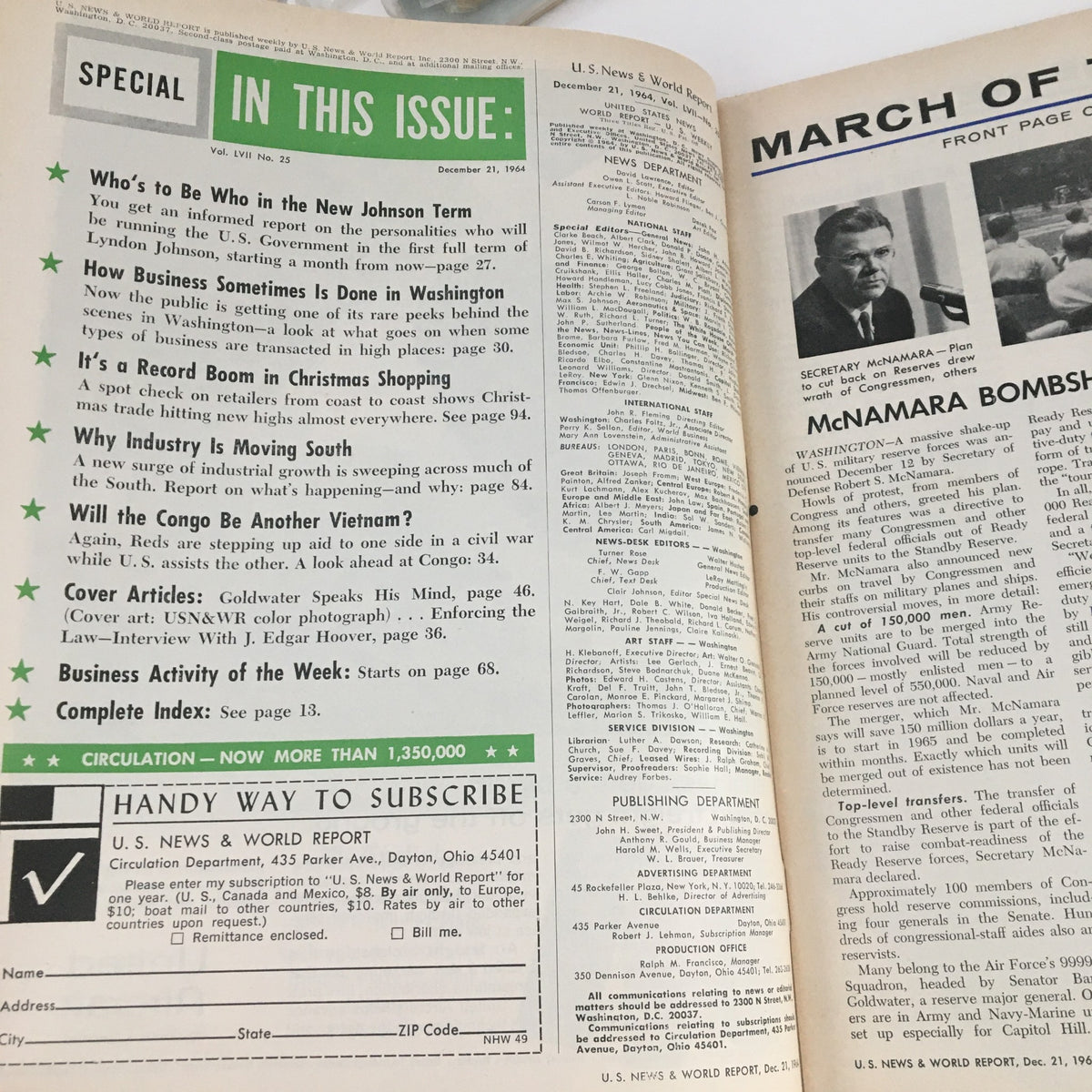
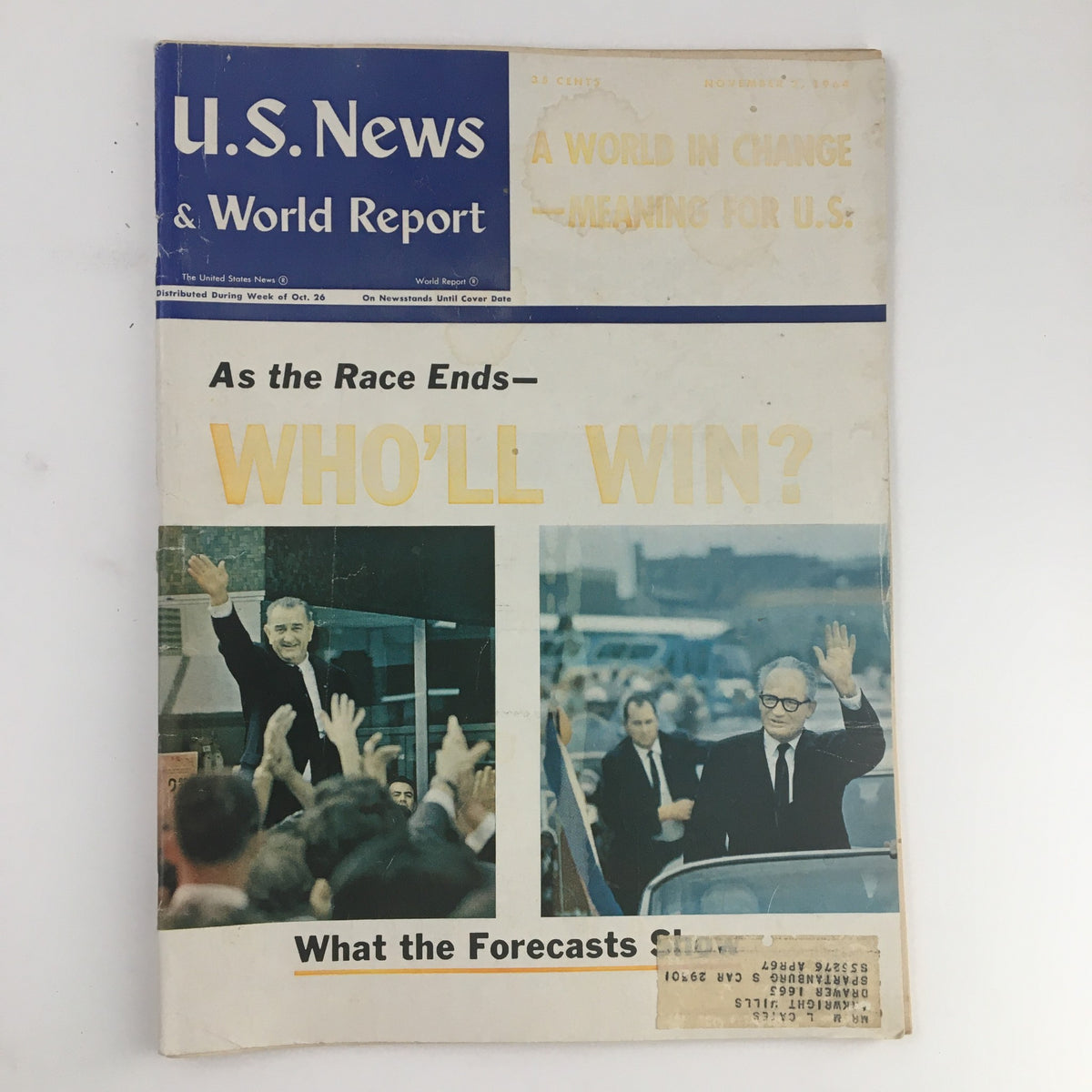
1964 Presidential Campaign Coverage — Sweeping photojournalism and editorial features from the climactic showdown between Goldwater and Lyndon B. Johnson, including coverage of his historic landslide defeat and the cultural earthquake it triggered within the Republican Party; issues from the summer and autumn of that year frequently capture the raw, unresolved tension of a nation at an ideological crossroads, complete with campaign trail photography that has never been surpassed for sheer dramatic intensity
-
Civil Rights & Controversy — Contemporary magazine analysis of his vote against the Civil Rights Act of 1964, reflecting the fierce national debate of the era as it appeared in the moment, unfiltered by historical hindsight; these issues are particularly prized for the letters-to-the-editor sections and op-ed responses that reveal just how violently divided public opinion was, preserving the emotional temperature of the country in a way no textbook can replicate
-
The Rise of the New Right — Features documenting the grassroots conservative movement that coalesced around his 1964 candidacy, widely regarded as the intellectual foundation for Ronald Reagan's later ascent; coverage from this period often includes profiles of the young activists and thinkers — many of them future architects of American conservatism — who were galvanized by his campaign and would go on to transform the Republican Party entirely
-
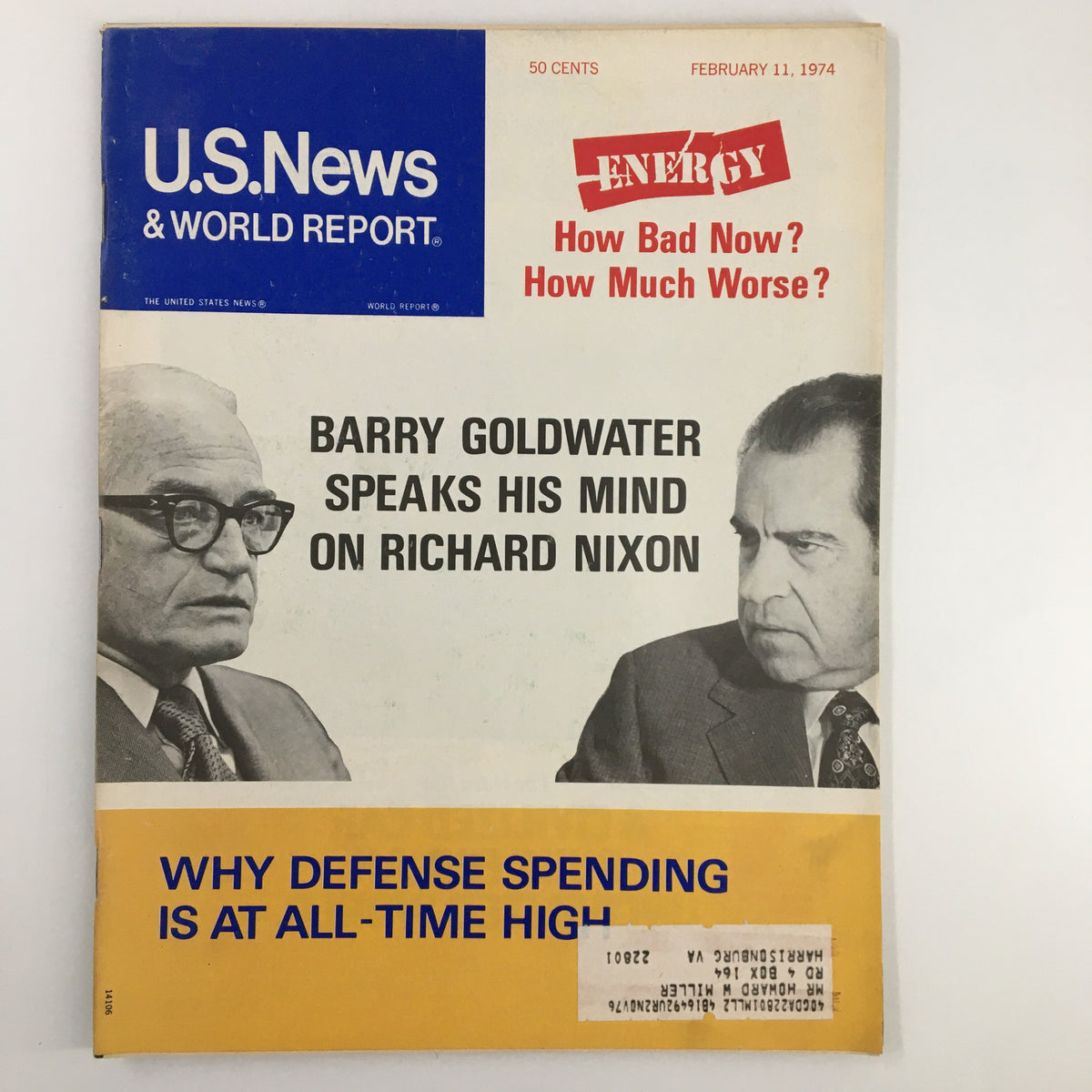
Senate Career & Cold War Hawkishness — Policy-driven profiles from the 1950s through the 1980s covering his staunch anti-communist stance, his views on military strength, and his long legislative career in the U.S. Senate; issues from this stretch frequently pair his political positions with the broader anxieties of the Cold War moment, embedding him within a geopolitical drama that gives these pages an almost thriller-like urgency in retrospect
-
Later Legacy & Libertarian Evolution — Surprising late-career coverage from the 1980s and 1990s in which the old warhorse became an unlikely advocate for LGBTQ military service and medical marijuana, prompting a fresh wave of reassessment pieces across the American press; these later profiles are among the most fascinating in the archive, capturing a figure who had outlived the movement he fathered and was now cheerfully confounding the ideological categories he had once helped define
The Collector's Value
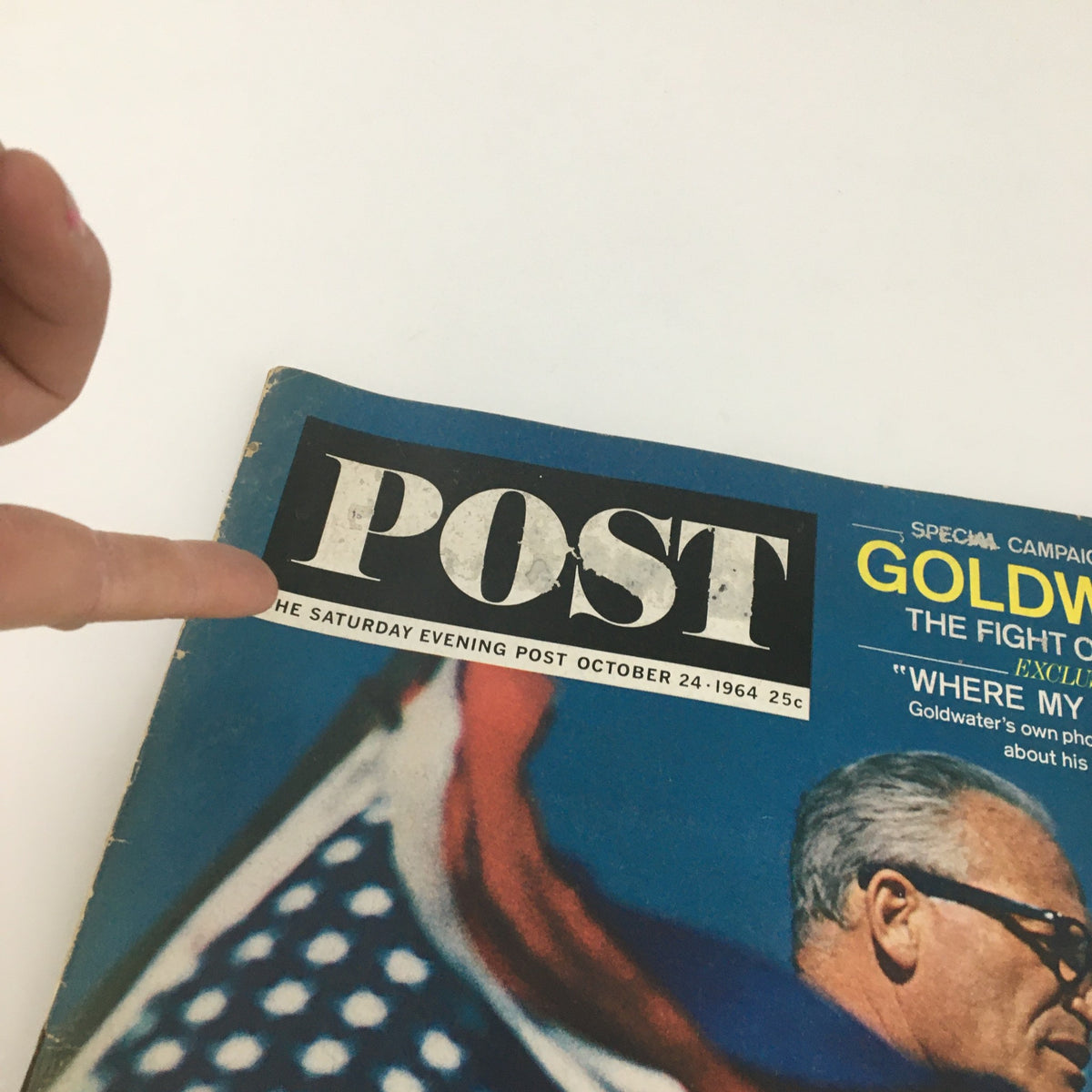
There is something profoundly irreplaceable about holding a magazine from October 1964 — feeling the slightly rough tooth of mid-century coated paper stock beneath your fingers, catching the faint, unmistakable scent of aged ink and decades-old newsprint, and seeing the Arizona senator stare back at you from a cover designed before anyone knew how the story would end. These are not reprints or digital scans; they are primary sources, artifacts of a civilization processing its own transformation in real time, complete with the period advertisements for cigarettes, automobiles, and household appliances that remind you, viscerally, of the world in which these arguments first exploded. Every crease in the spine, every slightly yellowed margin, is a testament to the hands that held this object before you — the suburban voter who bought it at a drugstore newsstand, the college student who argued over it in a dormitory common room, the true believer who tucked it away in a drawer and never quite threw it out. The editorial cartoons, the pull quotes set in bold mid-century typography, the stark black-and-white photography — all of it conspires to transport you into a moment of genuine historical consequence in a way that a screen simply cannot replicate. For collectors of American political history, Cold War era Americana, or the conservative intellectual movement, these publications offer something no documentary or biography ever can — the unmediated experience of being there, of turning a page in the same week that history was being made. They are conversation pieces, research tools, and works of graphic art all at once, occupying a category of collectible that only grows more singular with each passing year. Explore our current available inventory below and discover which pieces of this consequential chapter are waiting to find a new home.