📖 About this Collection
Bella Abzug: The Hat, The Voice, The Reckoning
The Legend & The Legacy
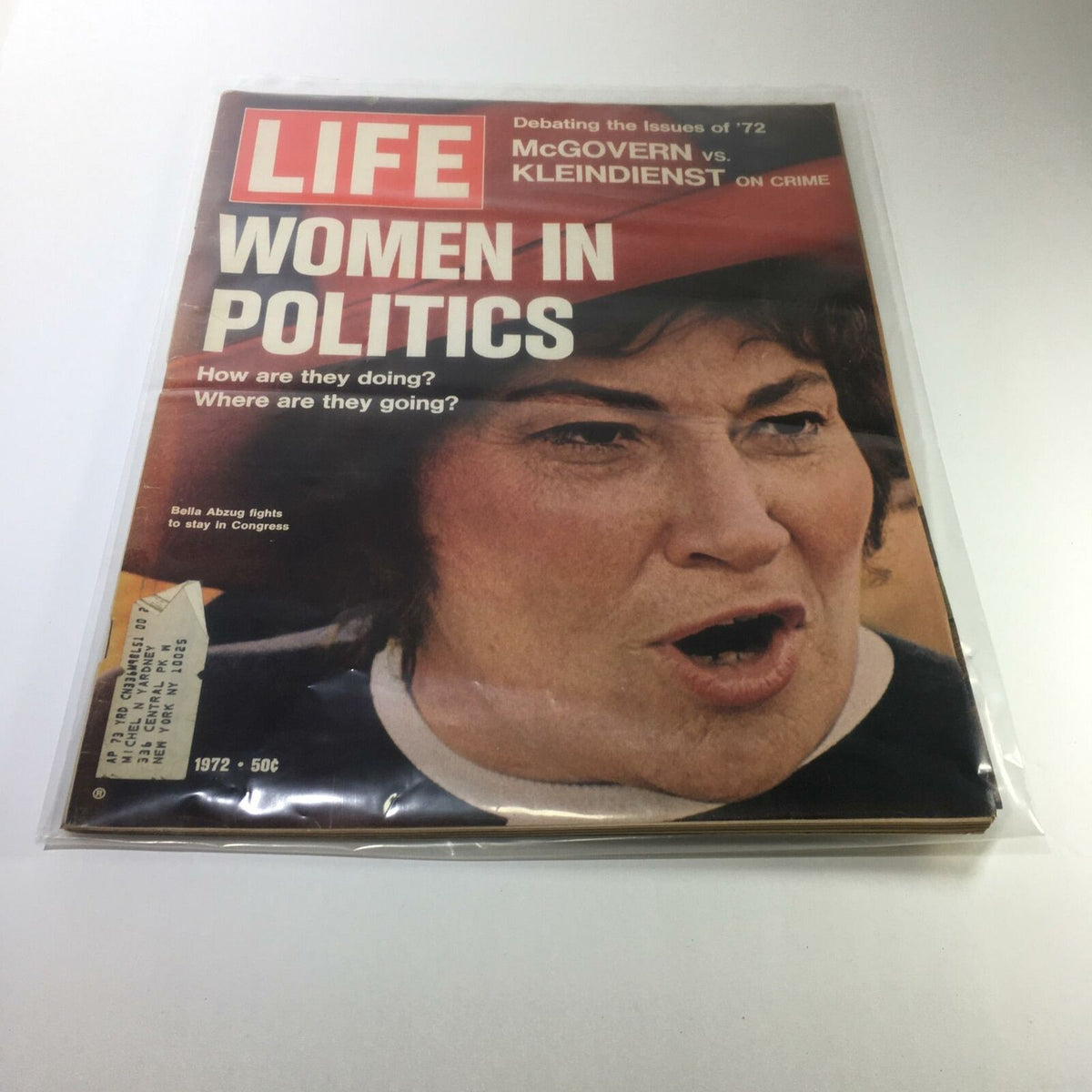
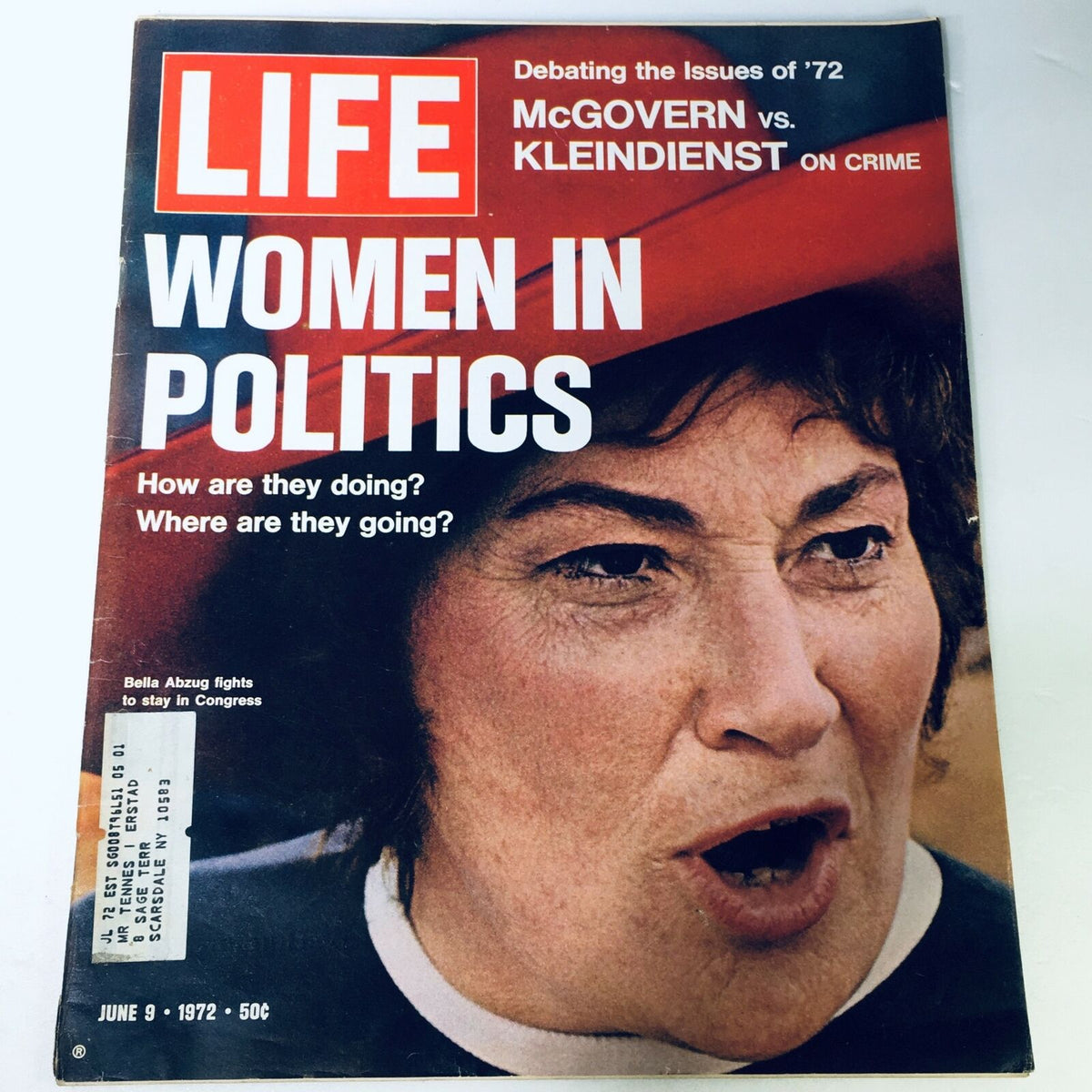
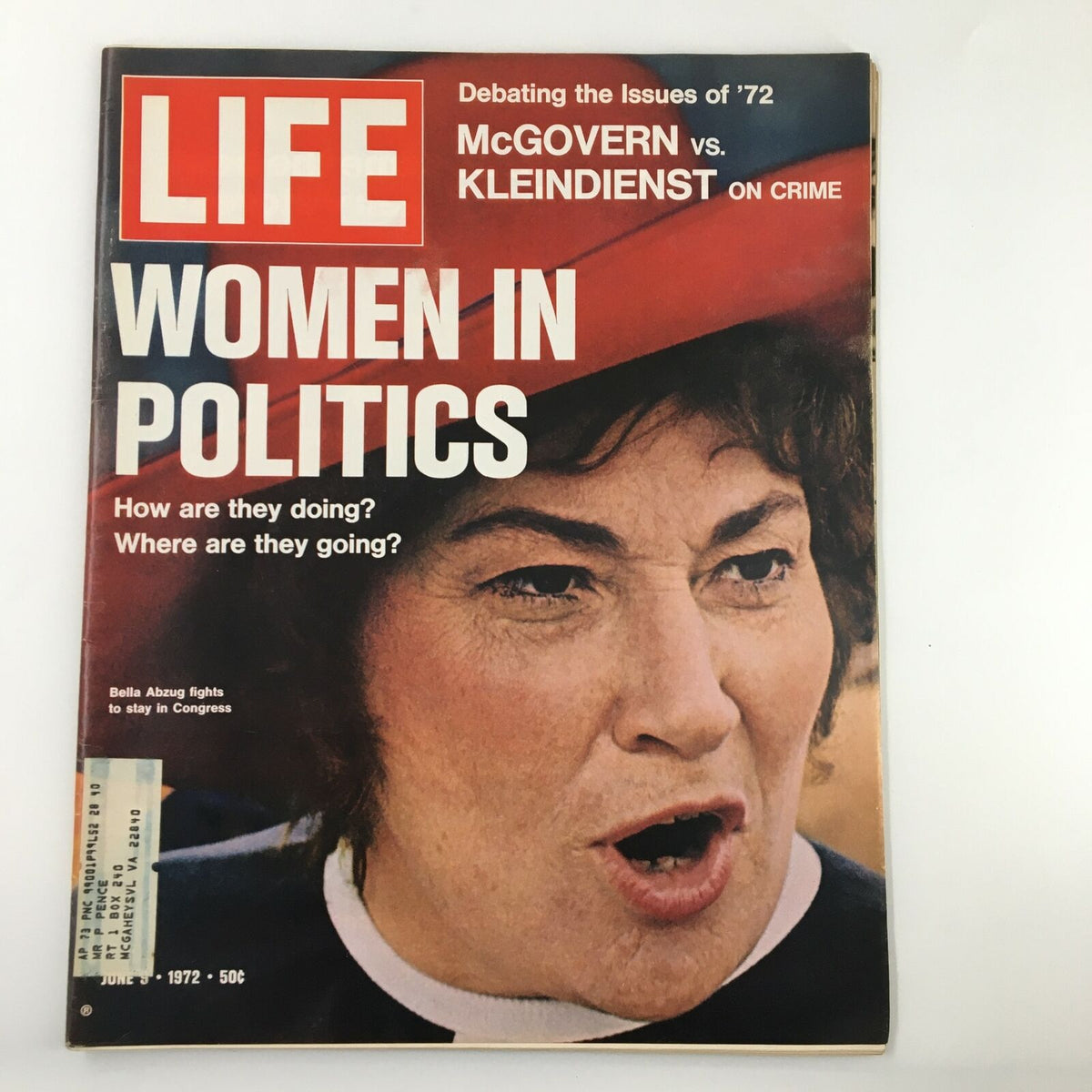
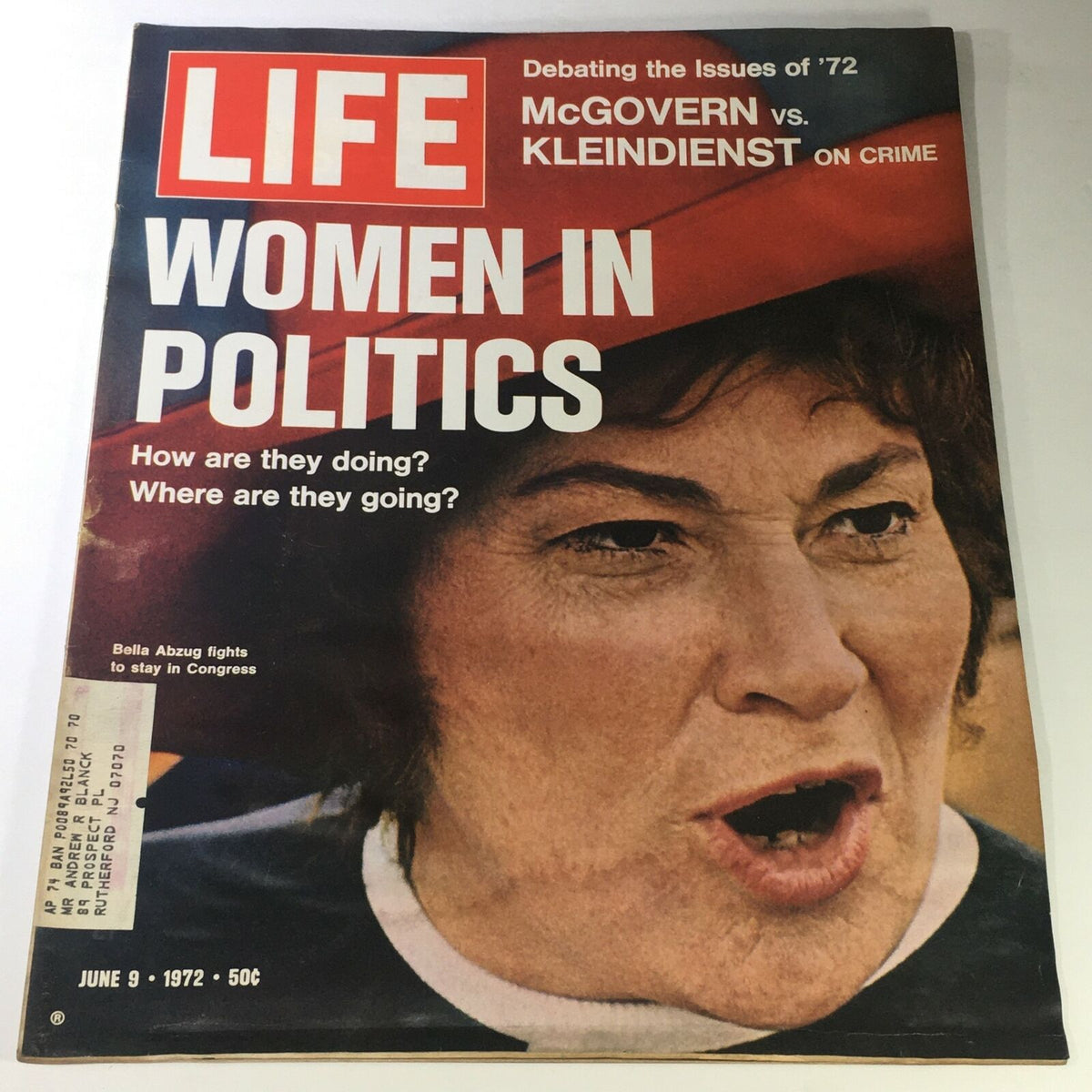
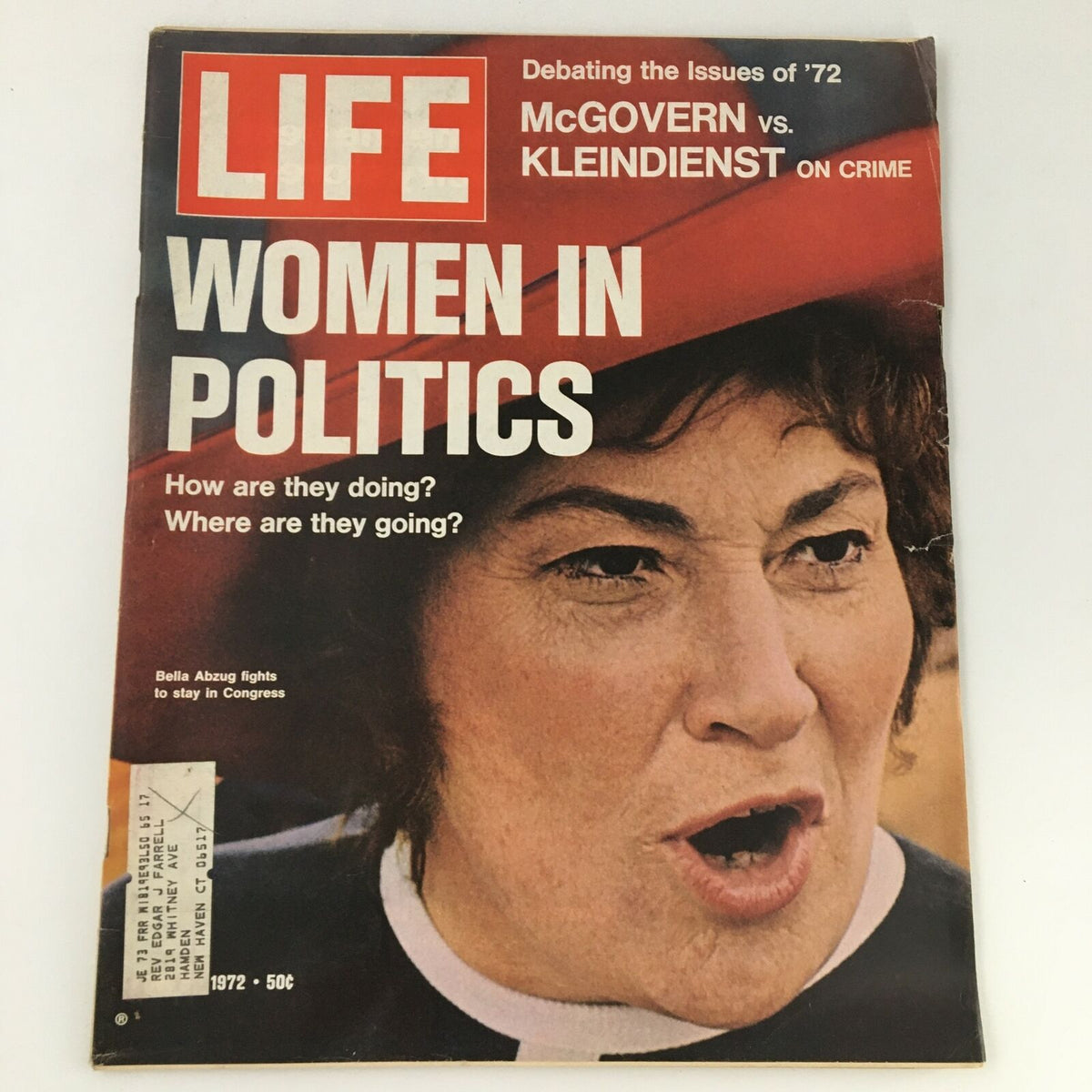
Long before hashtags could amplify a cause or cable news could manufacture a moment, Bella Abzug made herself impossible to ignore through sheer force of conviction — and a wide-brimmed hat that announced her arrival before she ever opened her mouth. A labor lawyer turned three-term Congresswoman from New York, she was among the most galvanizing political figures of the 1970s: a co-founder of the National Women's Political Caucus, an early and thunderous opponent of the Vietnam War, and a champion of LGBTQ rights decades before such advocacy was politically palatable. In an era when American women were rewriting their own social contract — fighting for equal credit, reproductive autonomy, and a seat at every table — this Bronx-born firebrand was not merely a participant in that revolution. She was one of its architects. The public followed her story not through timelines or feeds, but through the ink-stained pages of magazines that landed on doorsteps and piled up in waiting rooms, each issue a dispatched bulletin from the front lines of a nation reinventing itself.
Inside the Archive
Vintage magazines of the late 1960s through the 1980s captured the Congresswoman with a particular editorial fascination — she was at once a politician, a provocateur, and an undeniable visual icon, which made her irresistible to editors across ideological lines. Ms. Magazine, the feminist landmark she helped bring into cultural existence, treated her with the gravity of a movement leader, publishing substantive profiles that examined her legislative record alongside her symbolic power. Time and Newsweek rendered her in the language of political portraiture — bold, confrontational covers and photo essays that placed her square in the national conversation on war, women's rights, and the soul of the Democratic Party. Meanwhile, publications like New York Magazine offered a more intimate lens, exploring the contradictions of a woman who was simultaneously a political warrior and a grandmother from the Bronx, all set against the gorgeously gritty backdrop of 1970s New York City. The photography across these issues tends toward the candid and the kinetic — she was not a figure who posed easily for power — and the surrounding advertisements for pantyhose, cigarettes, and home appliances only deepen the cultural contrast, reminding the reader of precisely what she was fighting against.
Curator's Checklist: Highlights Often Include
- Congressional coverage from the early 1970s, when she was among the most outspoken voices in the House against the Vietnam War — issues from this period often capture the raw energy of a nation at war with itself
- Women's liberation movement features, in which she appears alongside contemporaries such as Gloria Steinem and Shirley Chisholm, documenting the coalitions and fractures of second-wave feminism in real time
- Coverage of the 1977 National Women's Conference in Houston, a watershed political moment she helped organize, frequently treated as a landmark event in contemporaneous reporting
- New York political race coverage from her Congressional campaigns and her closely watched 1977 New York City mayoral run, offering a window into machine politics and grassroots organizing of the era
- International press features, particularly from European publications attuned to American feminism and anti-war politics, which often cast her as a symbol of a broader democratic awakening
The Collector's Value
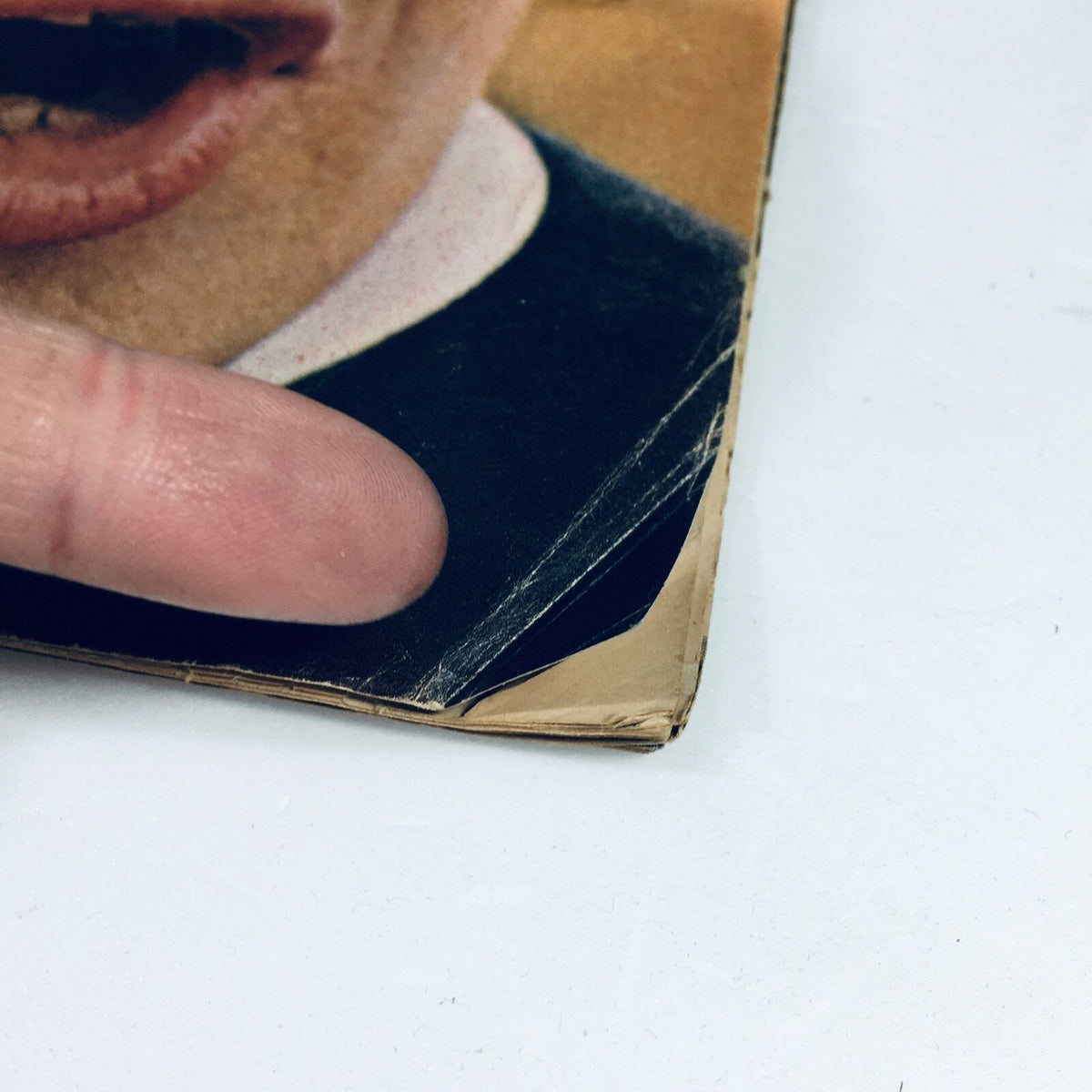
To hold one of these issues is to hold something that no digital archive can replicate — the slight give of decades-old coated stock beneath your fingertips, the faint mineral scent of offset ink that has settled into the paper over fifty years, the sense that you are reading the news as it actually broke, surrounded by the full visual culture of its moment. A profile of the Congresswoman nestled between a TWA flight advertisement and a full-page Revlon spread does not diminish her — it contextualizes her, reminding the reader of the precise world she was dismantling and rebuilding simultaneously. These are primary sources in the truest sense: unmediated, undigitized, and unrepeatable. For collectors of American political history, second-wave feminist ephemera, or 1970s counterculture and activism, these publications offer something that a library database simply cannot — the visceral, tactile experience of witnessing history as it was first consumed. Explore the current available inventory below and discover which dispatches from that extraordinary era are waiting to find their next careful custodian.