📖 About this Collection
Beverly Johnson: The First Face That Changed Everything
The Legend & The Legacy
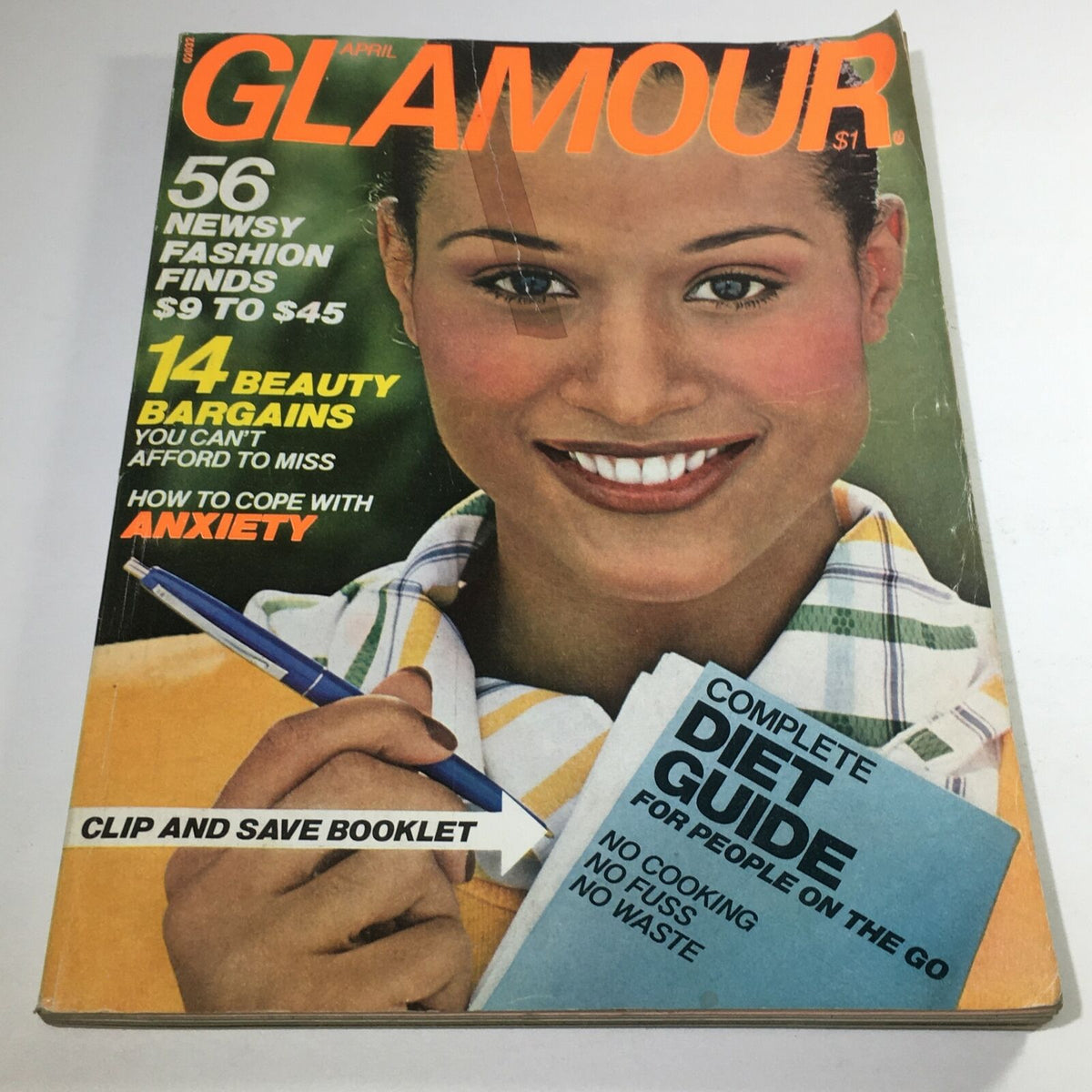
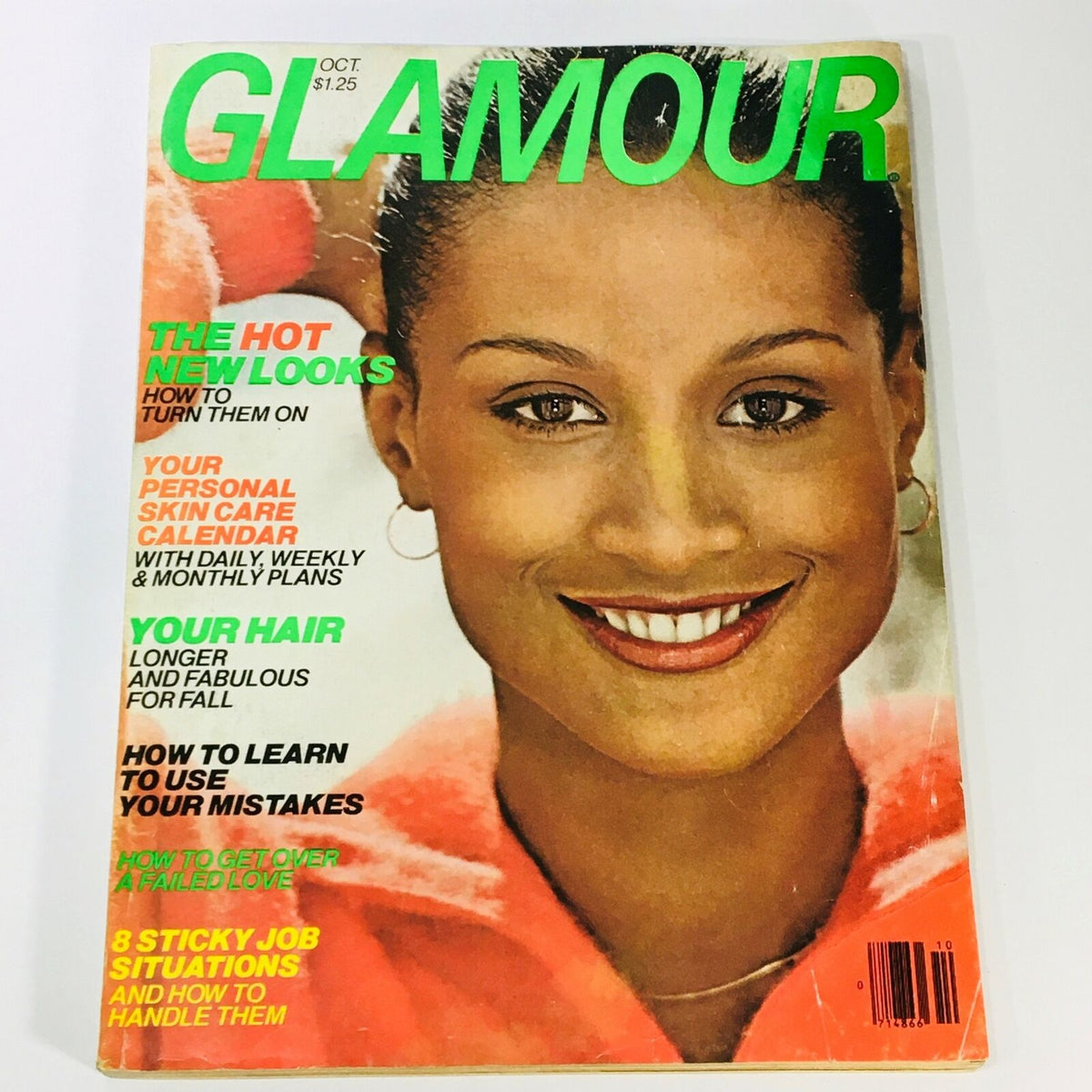
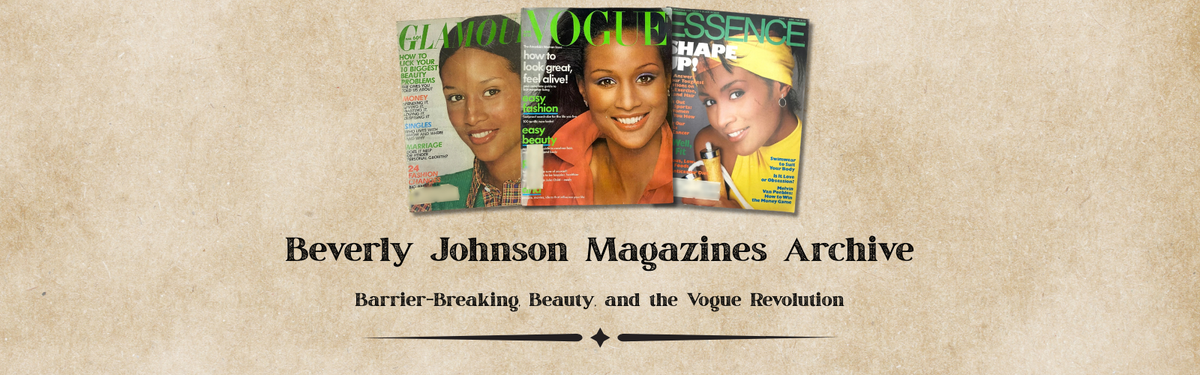
In August 1974, a single magazine cover quietly rewrote the rules of American beauty. When Beverly Johnson graced the cover of Vogue — the first Black woman ever to do so — she did not merely appear on a page; she transformed what a page was allowed to mean. This was an era when the newsstand was the nation's mirror, when a cover was a cultural declaration, and when millions of women learned what was considered beautiful, aspirational, and worthy by what they found waiting at the pharmacy counter or in the mailbox. The trailblazing model arrived at the precise intersection of the Civil Rights Movement's hard-won progress and a fashion industry beginning, however haltingly, to reckon with its own exclusions. Through the 1970s and into the 1980s, her image — radiant, authoritative, luminous — traveled through households, salons, and waiting rooms, carrying a freight of meaning that no single photograph had been asked to bear before. Long before the internet could fragment a cultural moment into a thousand simultaneous reactions, the physical magazine page held that moment whole, delivering it intact to anyone who turned to it.
Inside the Archive
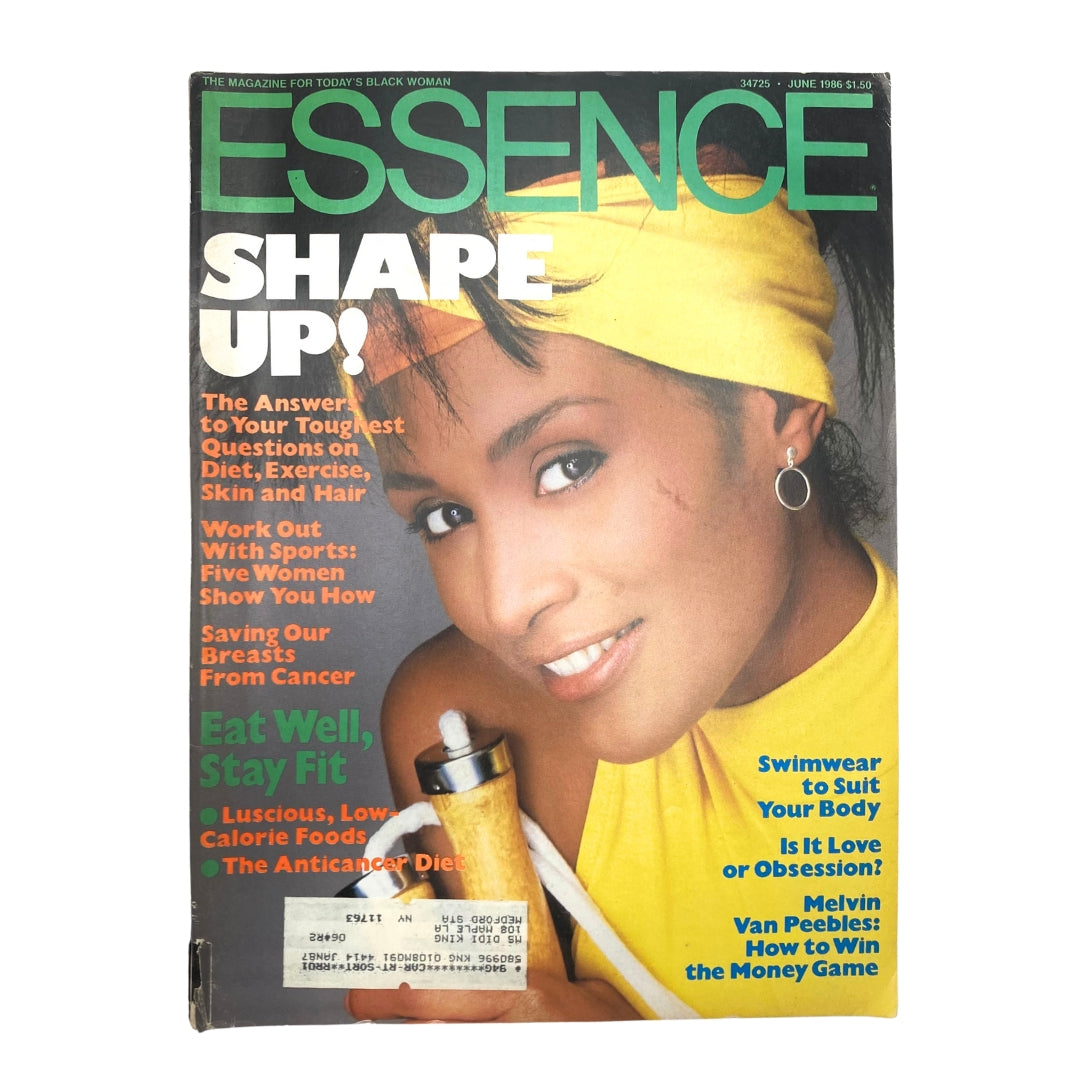
The editorial world that embraced Beverly Johnson did so with a visual language that matched the grandeur of the moment. Vogue presented her with the lush, high-contrast studio photography of its era — dramatic lighting, couture draped with architectural precision, an editorial gaze that was both glamorous and serious. Essence, the magazine that had become the definitive chronicle of Black American beauty and culture, covered her extensively and with particular depth, positioning her not merely as a model but as a symbol of possibility and pride for its readership. Cosmopolitan — then at the height of its cultural dominance under Helen Gurley Brown — featured her in the warm, intimate editorial style that defined the decade, while international titles including Harper's Bazaar and Italian Vogue documented her global ascent. The surrounding advertisements in these issues are themselves artifacts: fur coats, cigarette brands, and cosmetics campaigns that situate her image firmly within the commercial dreamscape of mid-century America, making each issue a complete cultural time capsule.
Curator's Checklist: Highlights Often Include
- Landmark fashion editorials from the 1970s, featuring the era's signature aesthetic of bold color, wide-lapel glamour, and the cinematic photography style that defined Vogue and Harper's Bazaar during their most creatively adventurous decade
- Profiles and features in Essence magazine, documenting her significance to Black American culture and her role as a standard-bearer for a new, expanded definition of beauty in mainstream media
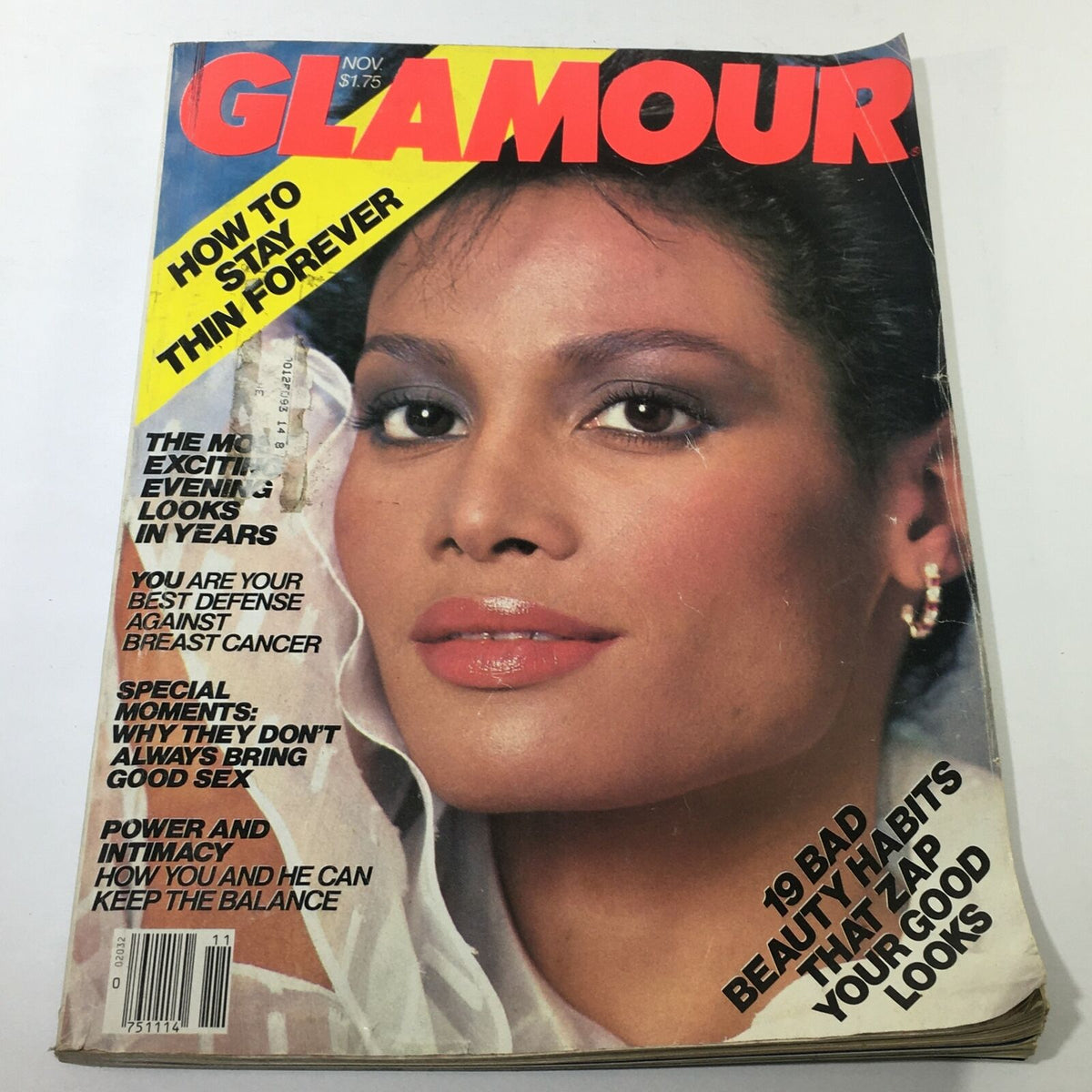
- Covers and spreads from the early-to-mid 1980s, reflecting her continued prominence as her career evolved to encompass acting, entrepreneurship, and advocacy — including coverage of her pioneering haircare and beauty ventures
- International fashion press, including European editions of major titles, which tracked her global celebrity and cemented her status as one of the most recognizable faces in the world across multiple continents
- Entertainment and celebrity press from the late 1970s and 1980s, covering her crossover into film, television, and her high-profile personal life, in publications ranging from People to Jet
The Collector's Value
To hold one of these original issues is to hold something the digital archive cannot replicate. The paper stock of a 1974 Vogue has a particular weight and brittleness — a golden, slightly foxed quality that carries the faint mineral scent of decades-old ink and the ghost of the perfume inserts that once slipped from its pages. These are not reproductions or commemorative printings; they are the actual objects that sat on coffee tables, were clipped and pinned to bulletin boards, and passed between hands during a moment of genuine historical transformation. The advertisements surrounding her image — for brands, automobiles, and fashions now consigned entirely to history — make each issue a portrait of an entire era, not merely a single subject. For collectors of Black American cultural history, vintage fashion and photography, or first-wave feminist and civil rights media, these publications offer something irreplaceable: primary source documentation of a seismic shift in how America saw itself, printed on the very paper that first carried the news. Explore the current available inventory below and find the piece of this history waiting to belong to you.