📖 About this Collection
Bo Derek: A Body, A Braids, A Cultural Thunderbolt
The Legend & The Legacy
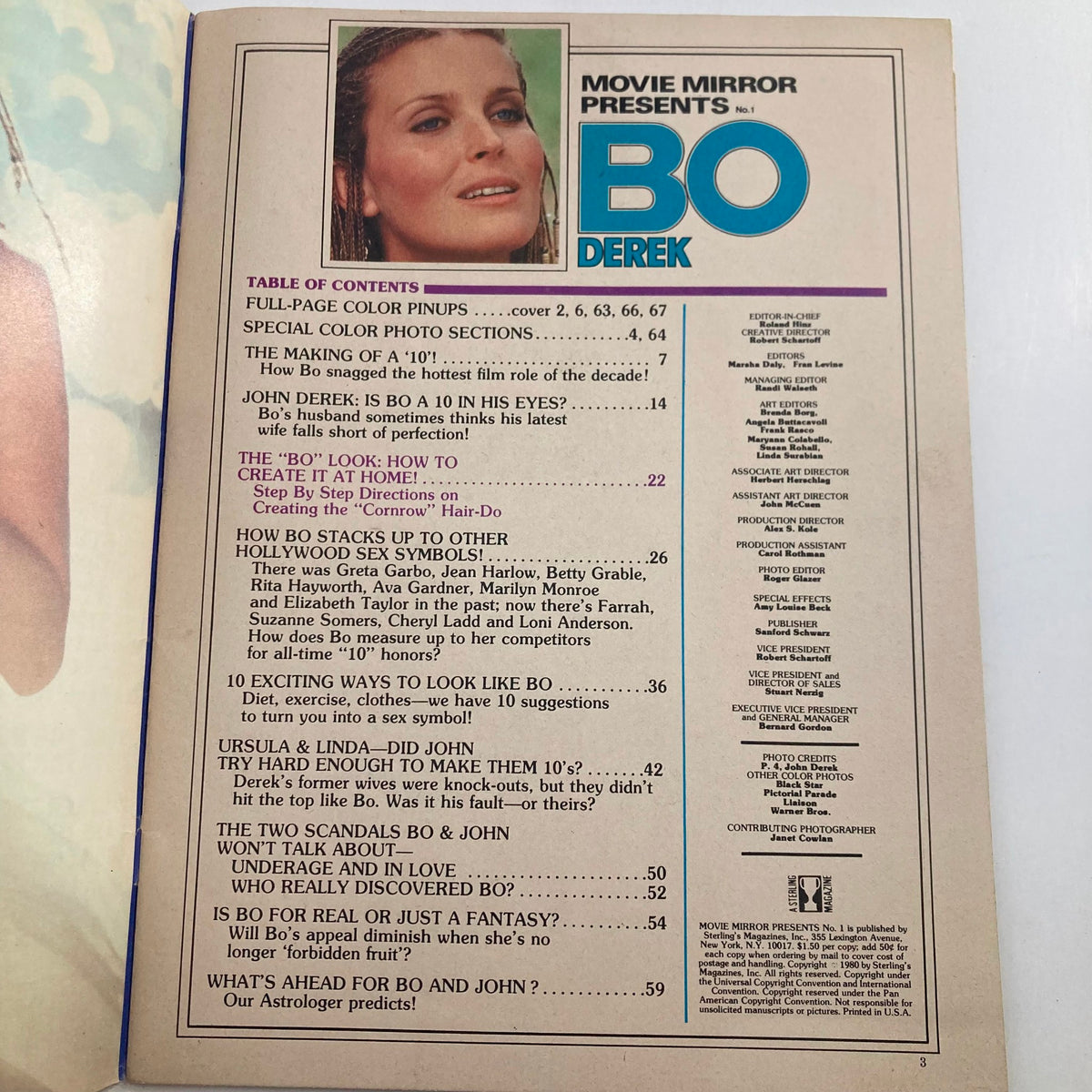
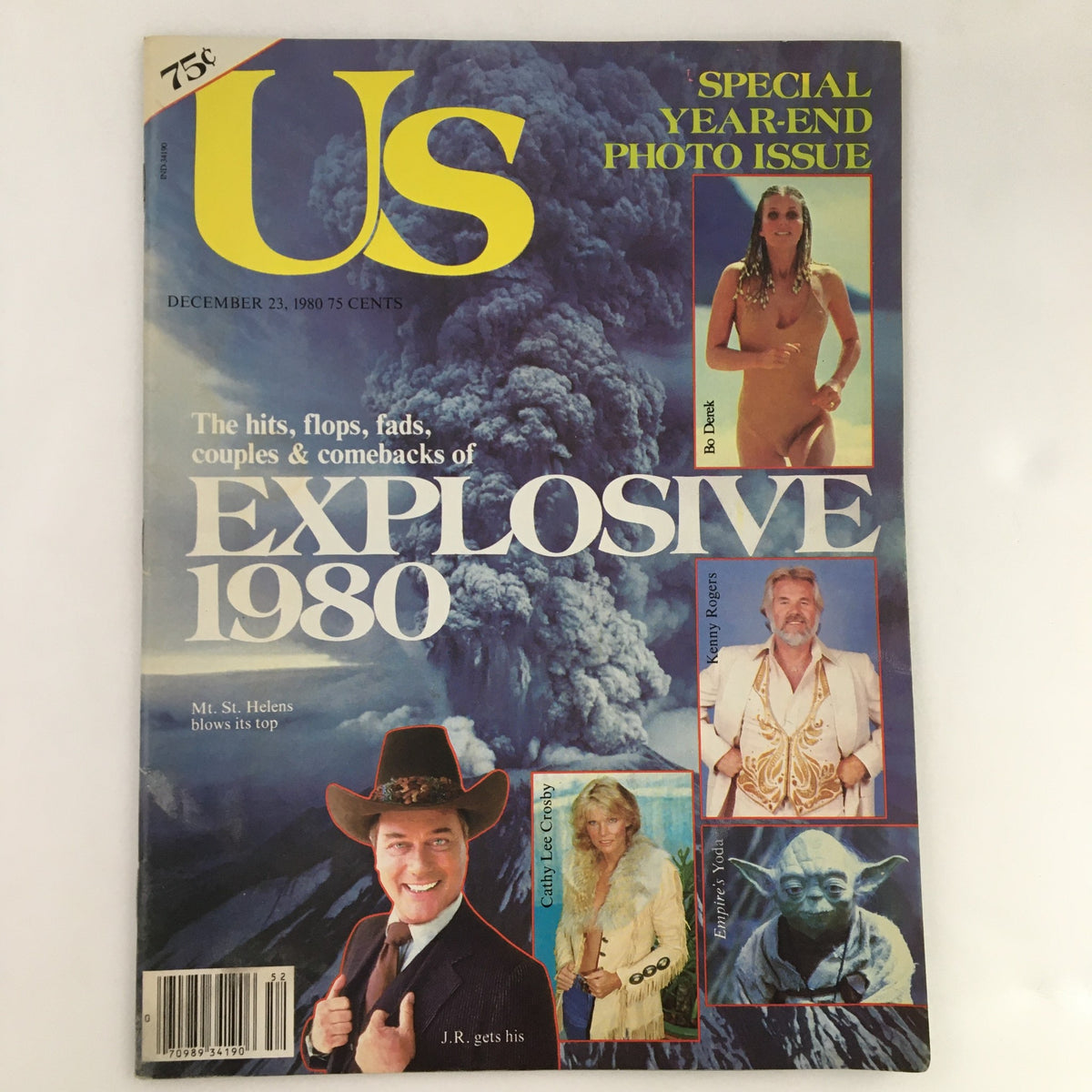
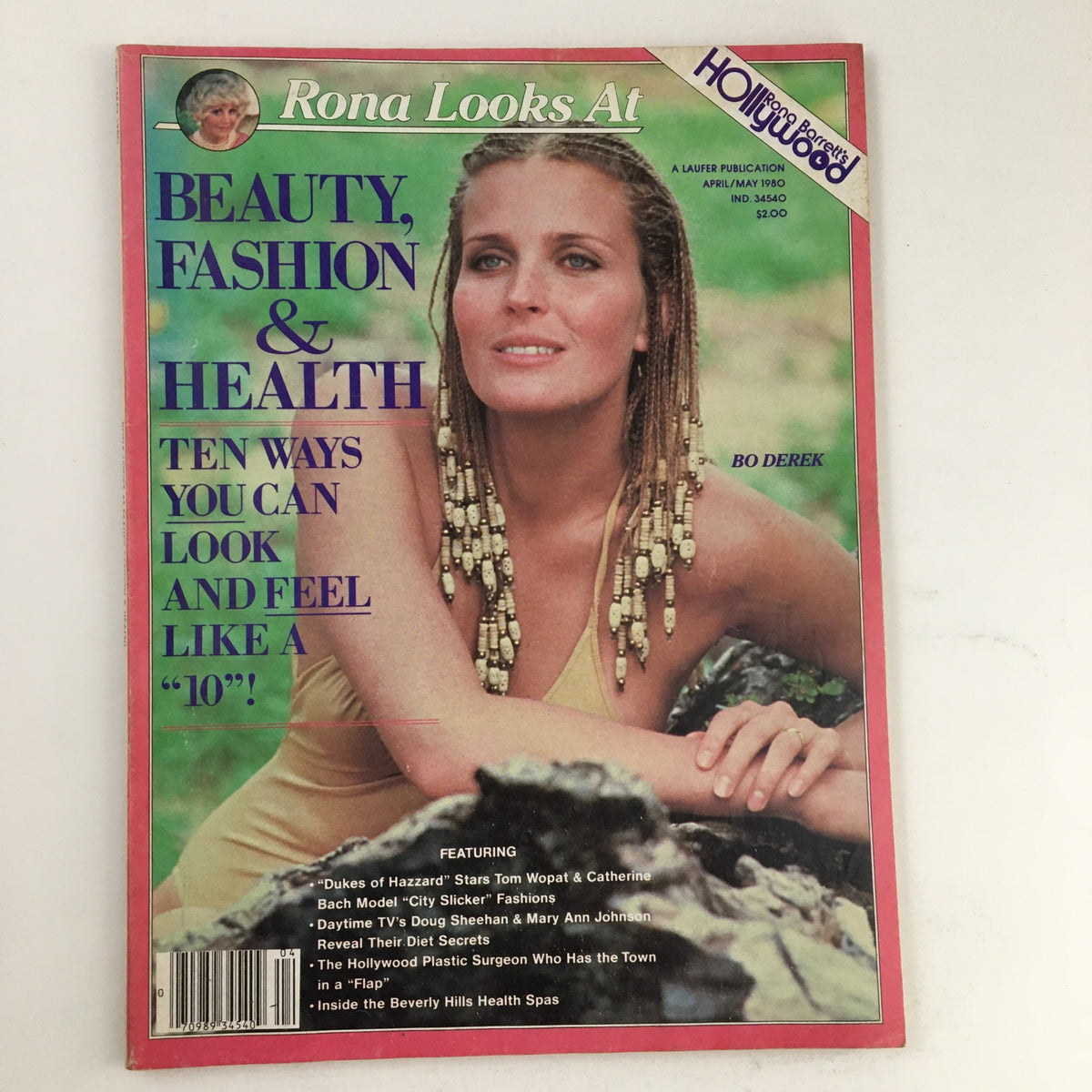
When 10 arrived in cinemas in the summer of 1979, it did not merely introduce a new face — it detonated a cultural moment that reverberated through every corner of popular consciousness. The California blonde sprinting down a Malibu beach in a flesh-toned swimsuit, cornrow braids trailing behind her, became one of the most reproduced images of the decade. In an era before viral moments and social media, it was the magazine rack — at the supermarket checkout, the barbershop, the airport newsstand — that carried her image across the world. Readers devoured profiles, paparazzi spreads, and think-pieces in real time, each new issue another chapter in an ongoing cultural fascination. Her marriage to the iconoclastic director John Derek, her frank interviews about beauty and ambition, and her unapologetic ownership of her own image made her irresistible copy. She was not simply a movie star; she was a phenomenon that print media helped conjure and sustain, month by month, cover by cover.
Inside the Archive
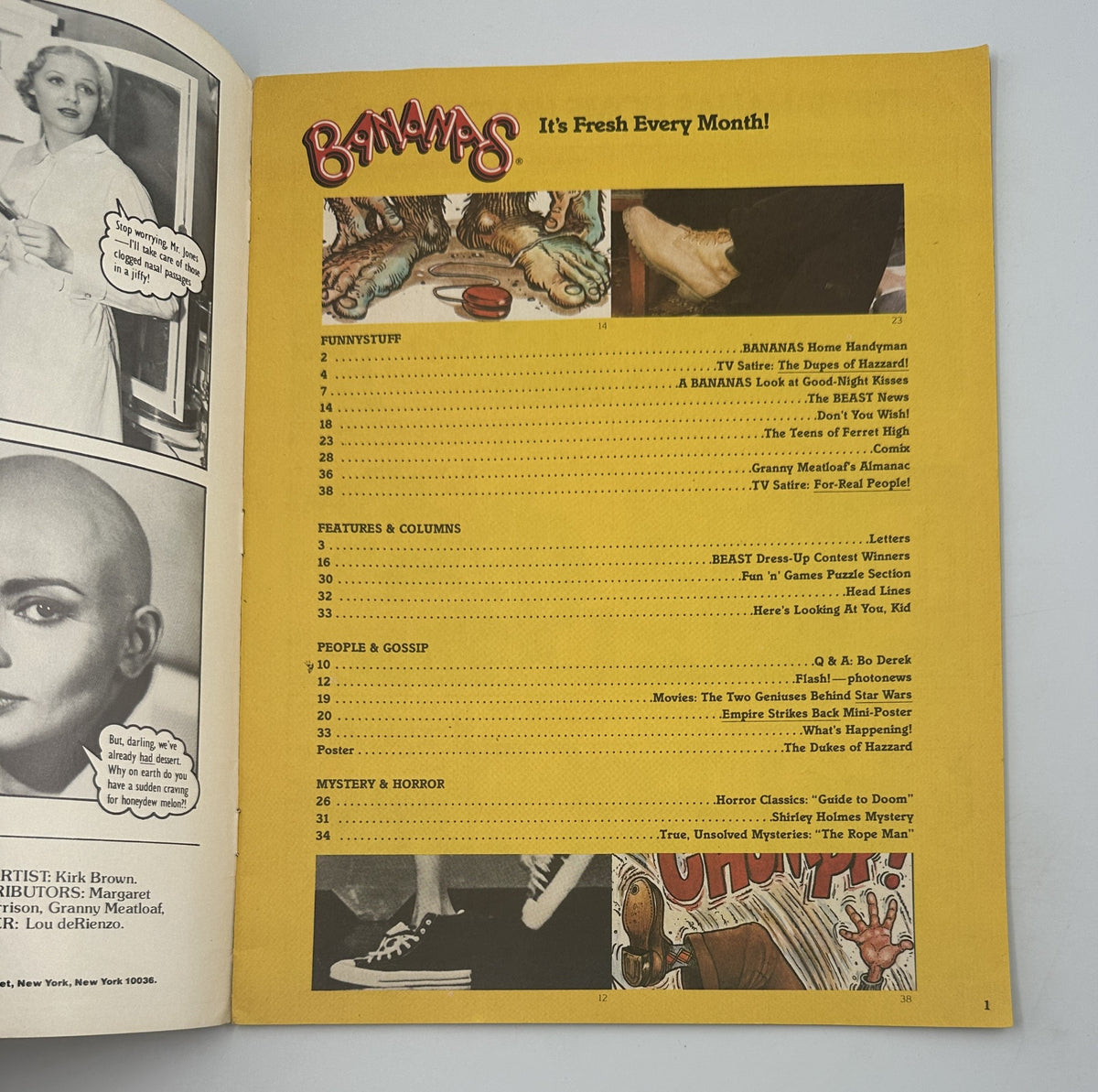
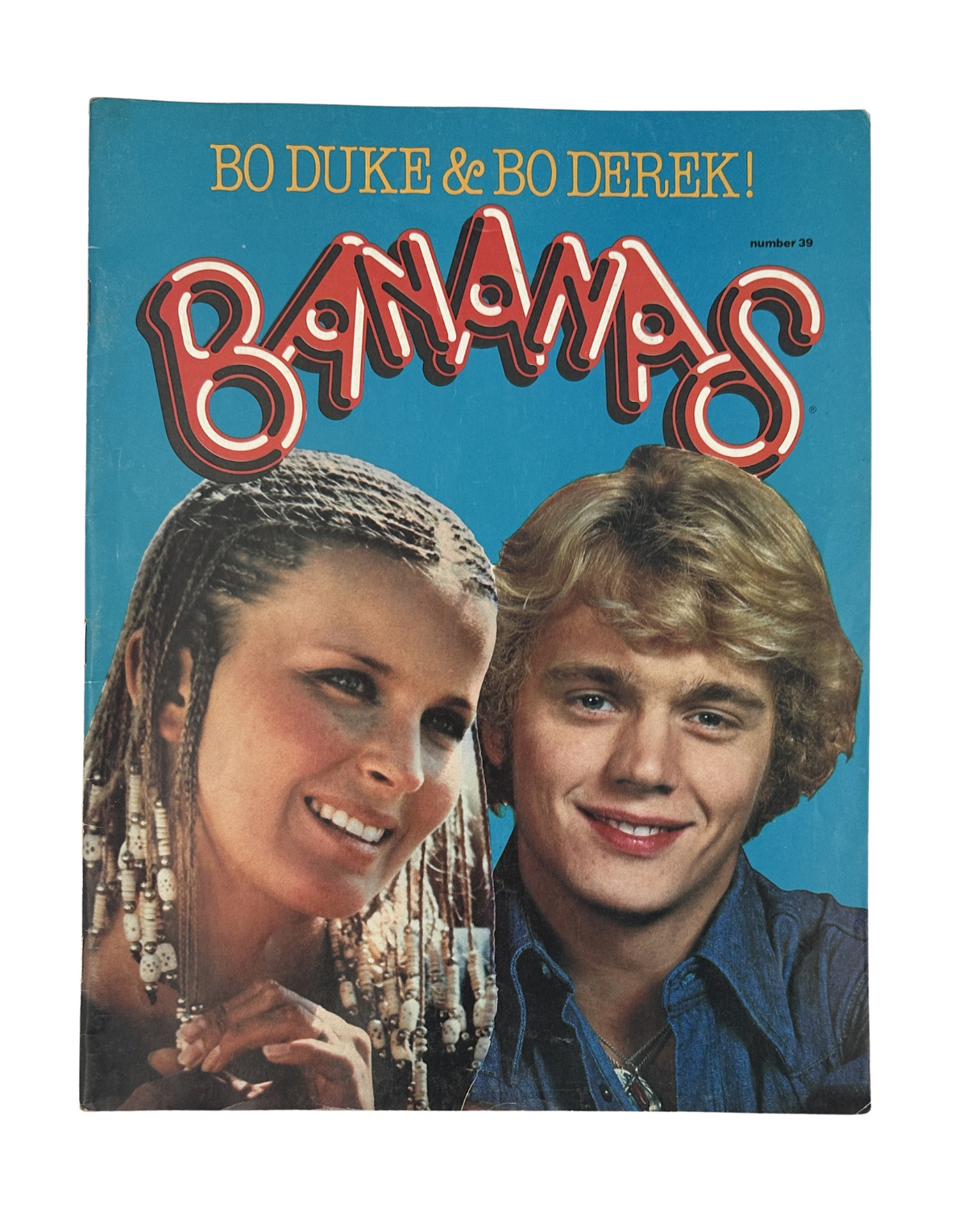
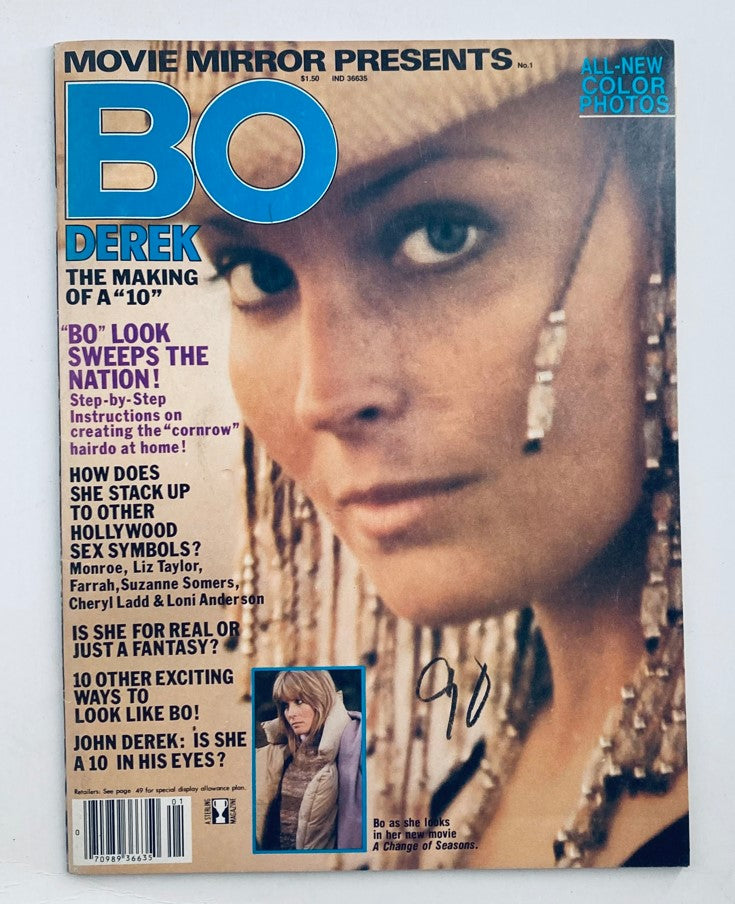
Vintage magazines of the late 1970s and 1980s captured her with a particular kind of breathless reverence, the photography luminous and sun-drenched, shot in the idiom of the era — golden-hour light, wide lenses, an emphasis on idealized physical beauty that reads today as a vivid time capsule of its moment. People magazine returned to her repeatedly, treating each new film and personal milestone as a national event. Playboy, which she graced in one of the most discussed issues of its era, approached her with an editorial gravity unusual for its format, framing the shoot as a statement about beauty on her own terms. Internationally, Paris Match and its continental counterparts covered her as the definitive embodiment of the American screen goddess — exotic, liberated, and thoroughly modern. The editorial tone across these publications oscillated between admiration and cultural analysis, reflecting a society genuinely grappling with what she represented.
Curator's Checklist: Highlights Often Include
- Watershed cover appearances from the period surrounding the release of 10 (1979) and Tarzan, the Ape Man (1981), when her visibility in the press reached its absolute zenith
- Interview-driven features in which she discussed life under John Derek's direction, her philosophy of beauty, and her surprisingly candid views on Hollywood — pieces that read today as fascinating primary-source documents of the era's gender politics
- International fashion and celebrity weeklies that positioned her alongside European royalty and rock stars, reflecting her crossover appeal well beyond the Hollywood trade press
- Retrospective and "where are they now" features from the late 1980s and 1990s, tracking her transition from ubiquitous sensation to cult figure and equestrian devotee
- Advertising-adjacent editorial spreads in women's lifestyle titles, in which her look — the braids, the bronzed skin, the athletic physicality — was directly referenced or recreated in fashion shoots, underscoring her genuine influence on the aesthetics of an entire decade
The Collector's Value
To hold one of these original issues is to hold something the internet cannot replicate. The paper stock carries the particular soft weight of its decade; the ink, faintly fragrant, has the warmth of offset printing from an era before digital prepress. Advertisements for Tab cola, Jordache jeans, and Charlie perfume crowd the margins, their own faded glamour deepening the sense of total immersion in a vanished world. These are not reprints or scans — they are the precise objects that sat on coffee tables and in waiting rooms when the cultural moment they document was still unfolding, still alive. For collectors of late-70s cinema memorabilia, icons of second-wave pop femininity, or the golden age of American celebrity magazine culture, these publications offer an irreplaceable intimacy with history that no digital archive can approach. Browse the current inventory below and discover what has recently arrived in the archive.