📖 About this Collection
Bob Newhart: The Quiet Revolutionary of American Comedy
The Legend & The Legacy
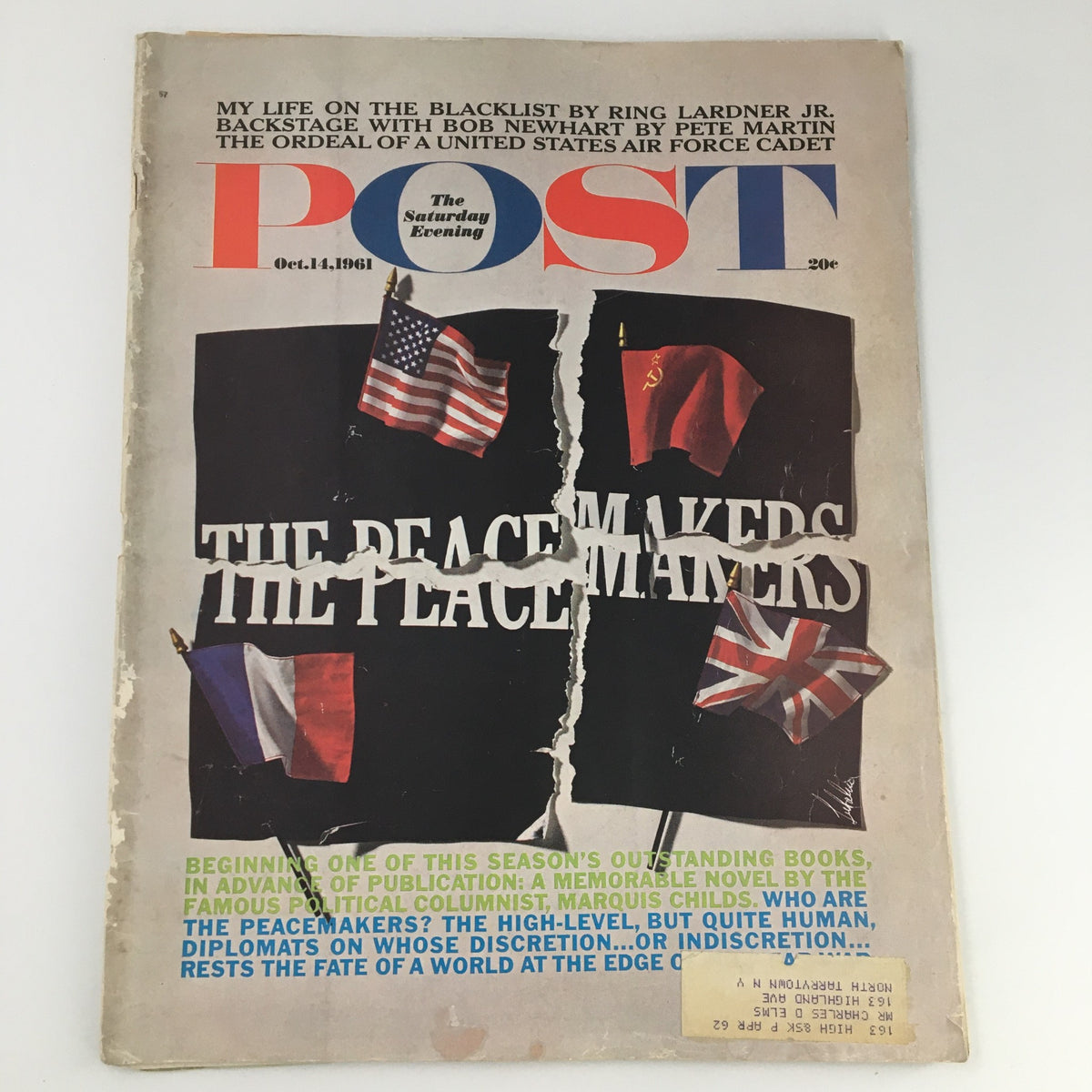
In an era when American television was still finding its moral and comedic footing, Bob Newhart arrived not with a punchline, but with a pause. The soft-spoken Chicagoan built a career on the architecture of restraint — the raised eyebrow, the half-finished sentence, the telephone monologue that made audiences feel they were eavesdropping on something brilliantly mundane. Through the 1960s and into the golden age of American sitcoms, he became one of the most quietly subversive figures in entertainment: a man who made stillness funny. Long before streaming algorithms or Twitter discourse shaped public opinion, audiences met him through their television sets and their magazine racks — through glossy covers and full-feature profiles that captured both his Midwestern modesty and his razor-sharp comic intelligence. In the days when a TV Guide cover or a Saturday Evening Post profile was a genuine cultural event, being featured meant something. It meant you had arrived.
Inside the Archive
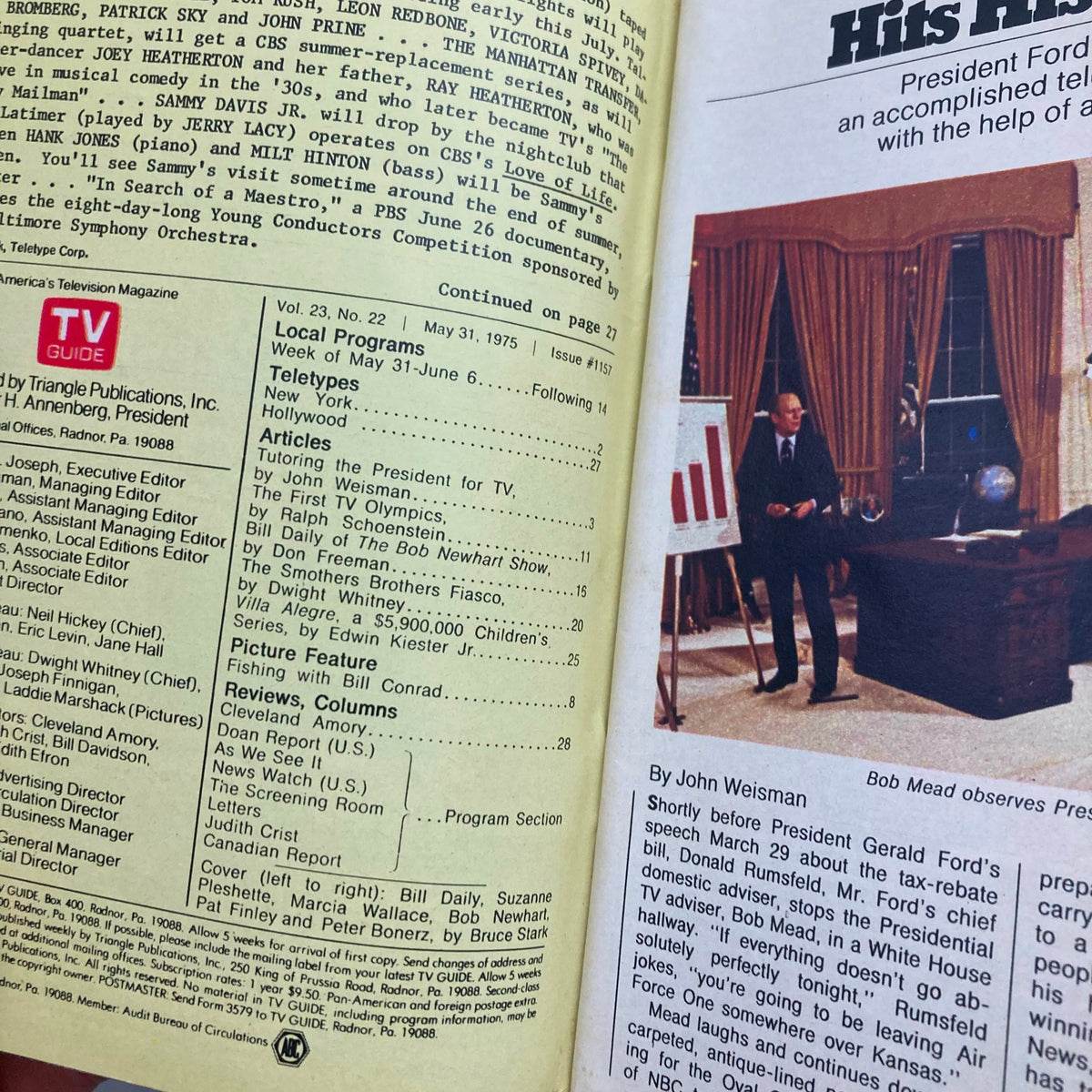
The vintage press treated this understated master with a particular kind of reverence — warm, conversational, and endlessly intrigued by the paradox of a man who seemed almost reluctant to be famous. Editorial photography of the era often captured him in relaxed, unguarded poses: leaning back in a studio chair, mid-laugh, phone in hand — an extension of the persona audiences adored. TV Guide, the undisputed bible of American broadcast culture, featured him with notable frequency during the peak runs of both The Bob Newhart Show (1972–1978) and Newhart (1982–1990), offering readers behind-the-scenes access to the man and his craft. People magazine, which launched in 1974 into an America already devoted to the comedian, profiled him as the antithesis of Hollywood excess — a family man in a glittering industry. Meanwhile, Time and Newsweek, in their coverage of the evolving American sitcom landscape, repeatedly held him up as a benchmark of intelligent, character-driven comedy. For international collectors, British publications covering the transatlantic appetite for American television occasionally featured the comedian as a symbol of what made U.S. comedy so distinctly exportable.
Curator's Checklist: Highlights Often Include
- Early career retrospectives and comedy record coverage from the early 1960s, when his landmark album The Button-Down Mind of Bob Newhart made history as a Grammy-winning debut — coverage that treated him as a literary and cultural phenomenon as much as a performer
- Television premiere and season preview features tied to the 1972 debut of The Bob Newhart Show, often showcasing cast photography and interviews exploring the groundbreaking workplace sitcom format
- Cast ensemble profiles and set photography from both his landmark series, capturing the beloved supporting casts that became as celebrated as the leading man himself
- Year-end "Best of Television" roundups and Emmy season coverage in which critics and editors consistently elevated his work as the gold standard of understated American comedy
- Human interest and lifestyle profiles from the 1970s and 1980s offering rare personal insight into his family life and his reputation as one of Hollywood's most genuinely decent figures — a rarity that the press returned to again and again
The Collector's Value
There is something irreplaceable about holding a magazine from the year Newhart topped the ratings or from the season The Bob Newhart Show first captivated a nation — the slightly rough texture of mid-century coated paper stock, the faint, distinctive scent of decades-old ink, the full-page advertisements for products that no longer exist framing an interview with a man who made quietness an art form. These are not reprints or digital facsimiles. They are primary documents: artifacts of the precise cultural moment in which this comedian's genius was being witnessed and recorded in real time, by writers who had no idea they were archiving history. For collectors of classic American television memorabilia, mid-century comedy history, or the golden age of print journalism, these publications offer an unmatched window into an era when a single magazine profile could define a career and a cover could stop a nation. Explore the current available inventory below and find the issue that speaks to you.