📖 About this Collection
Bobby Fischer: The Solitary King Who Shook the World
The Legend & The Legacy
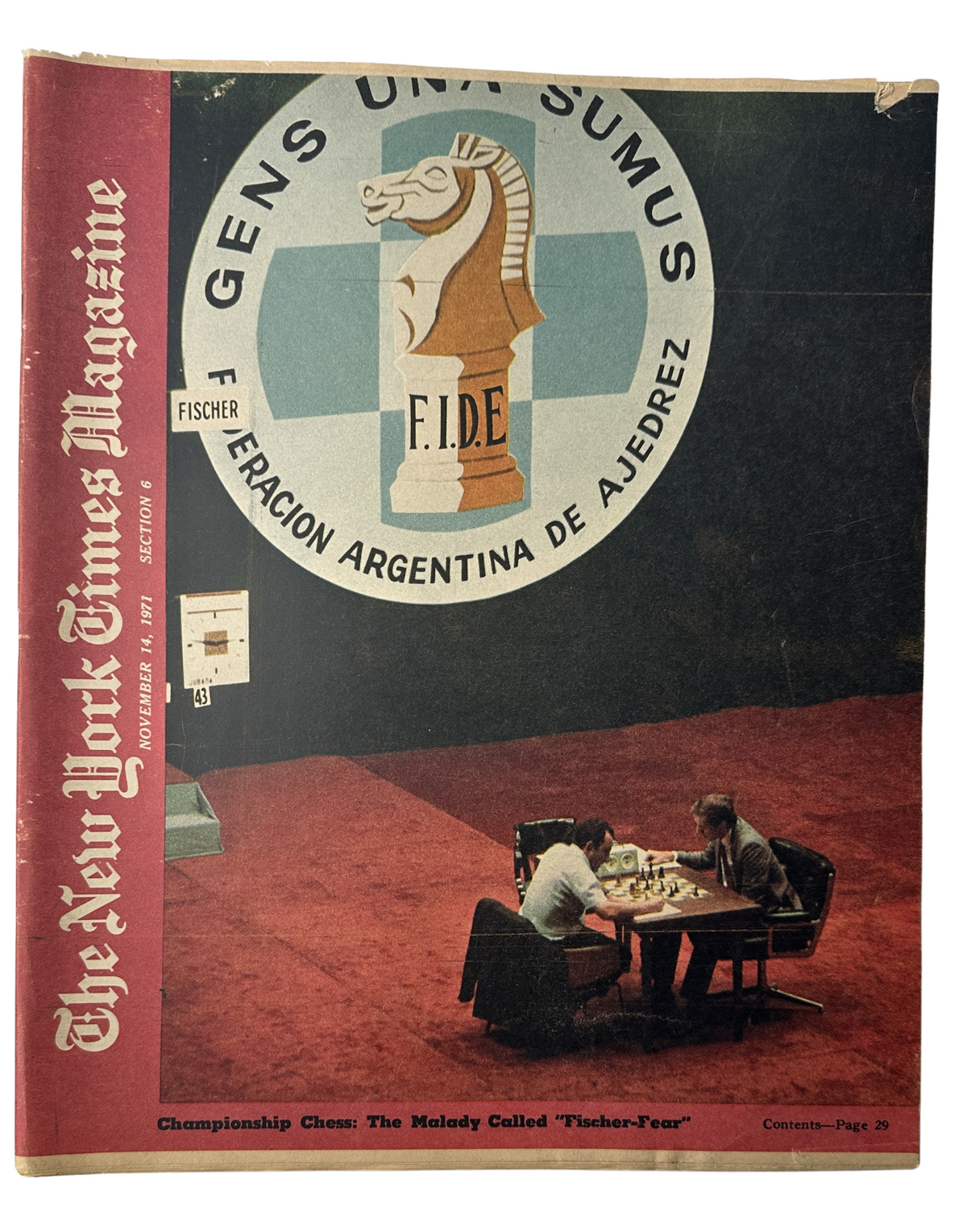
In the summer of 1972, the world held its breath over a chessboard. Bobby Fischer's match against Soviet grandmaster Boris Spassky in Reykjavík, Iceland, was never merely a chess tournament — it was a Cold War confrontation broadcast in the language of sixty-four squares, and the print media understood this perfectly. At a time when Americans were hungry for a singular, defiant hero, Fischer delivered something the public had rarely witnessed: a lone, mercurial genius taking on the full institutional weight of the Soviet chess machine and winning. Newspapers and magazines alike scrambled to translate the cerebral drama of Sicilian Defenses and Ruy López openings into something visceral and human, because Fischer himself was so compellingly, infuriatingly human — brilliant, paranoid, theatrical, and utterly impossible to ignore. For months, his face stared from newsstands across America and Europe, and readers who had never moved a chess piece in their lives devoured every word written about him.
Inside the Archive
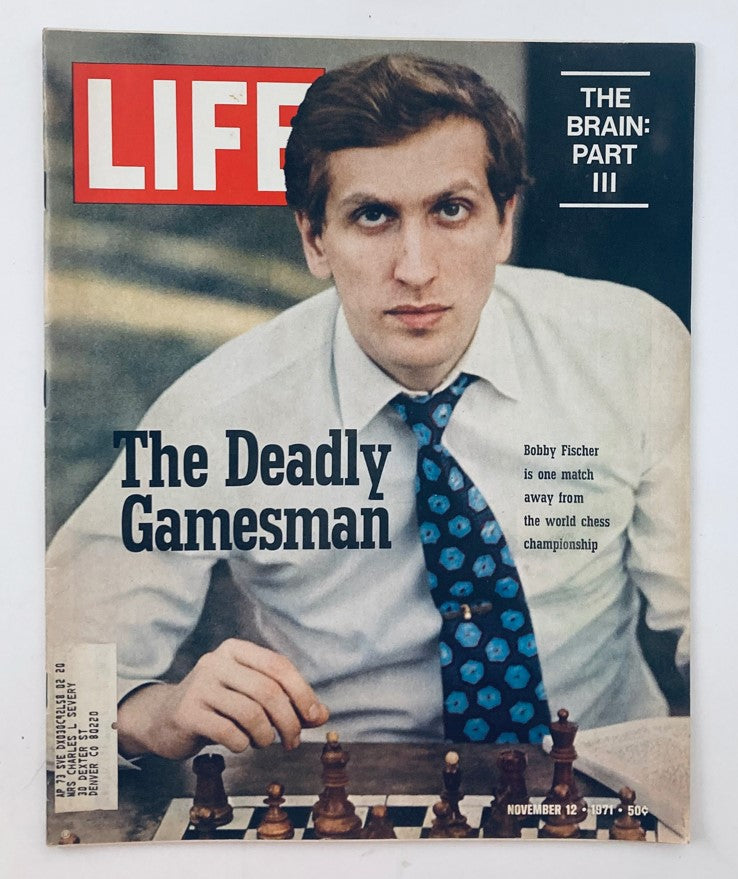
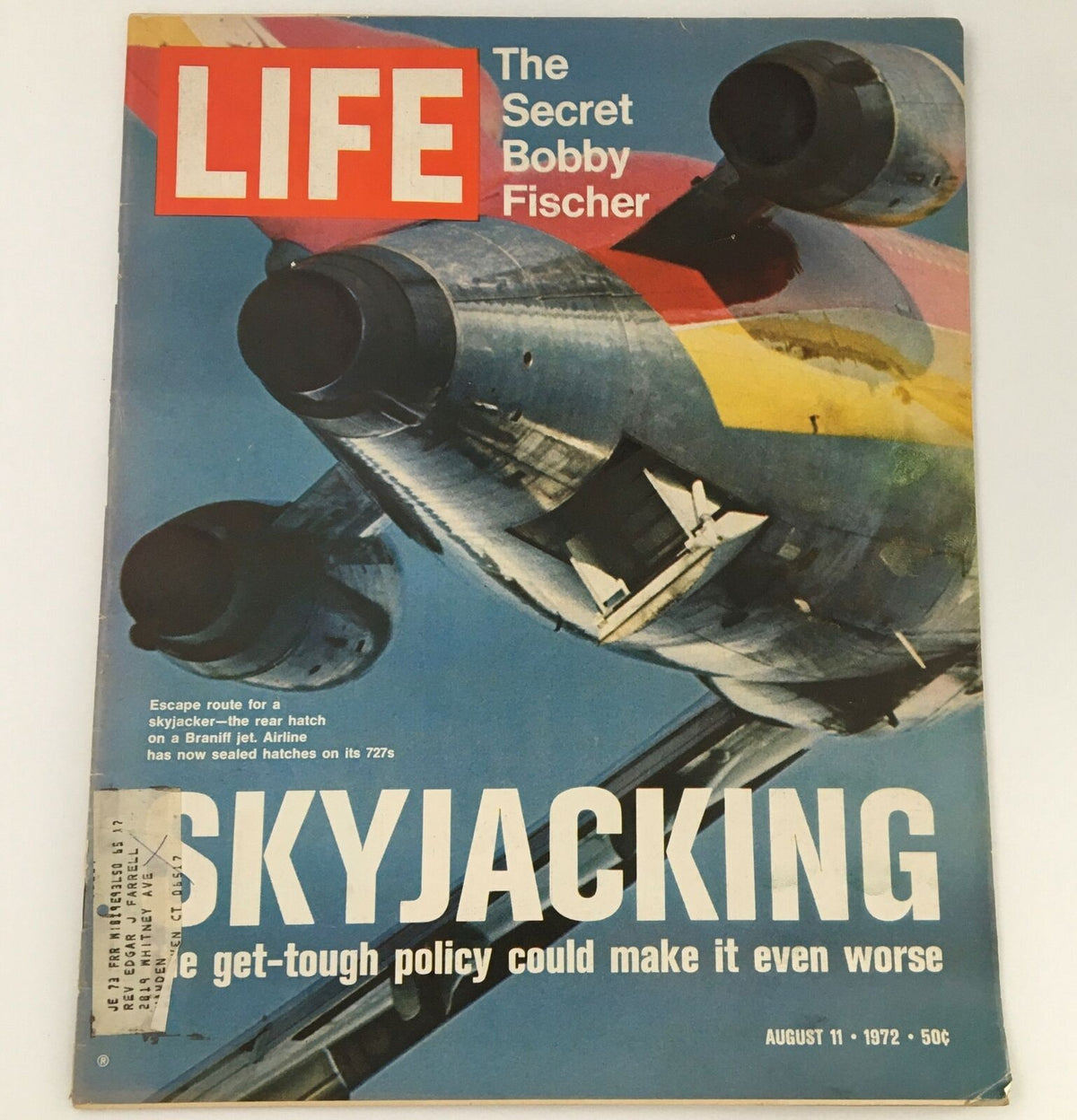
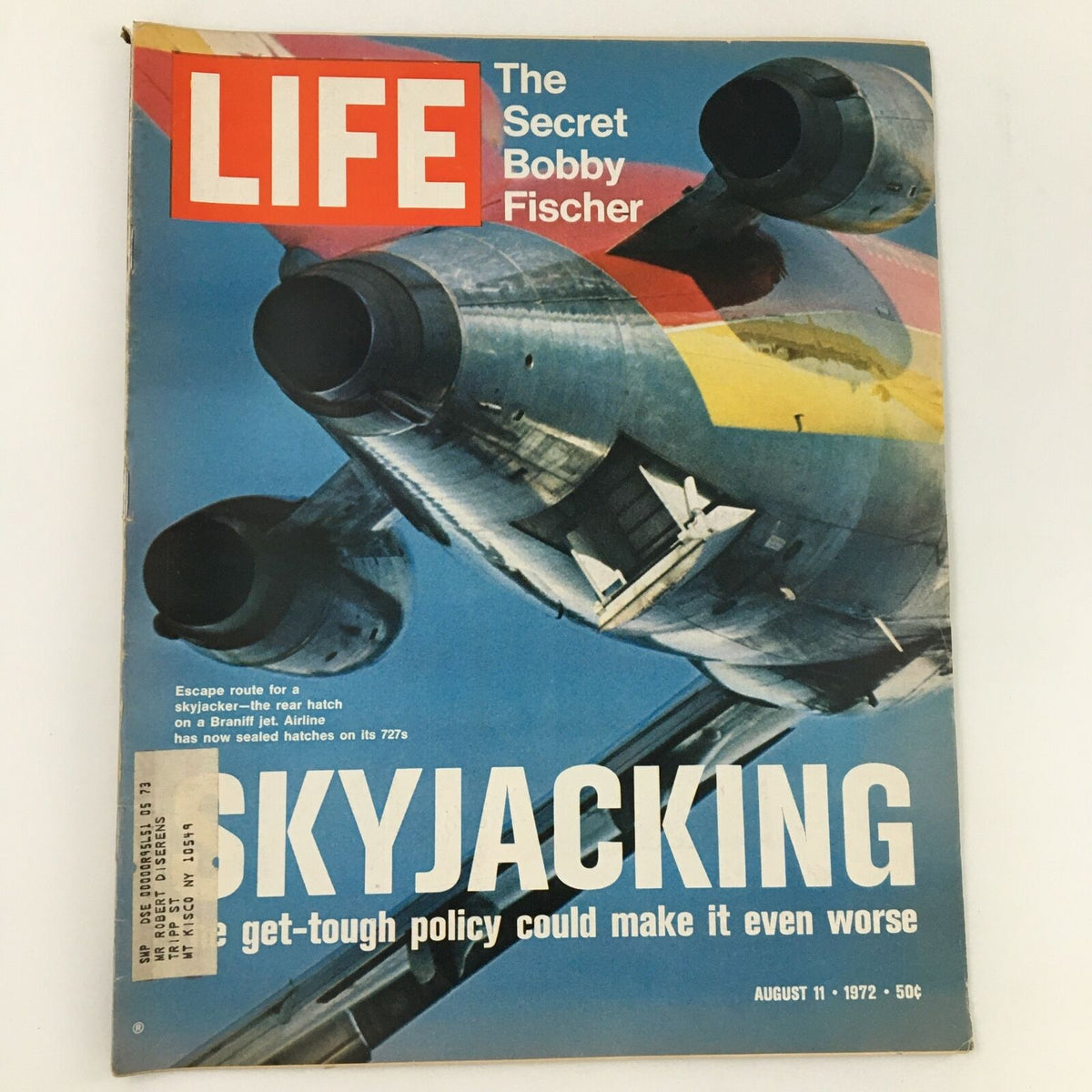
The photographic treatment of Fischer in the vintage press was as contradictory as the man himself — editors couldn't quite decide whether they were photographing an athlete, a rebel, or a prophet. Sports Illustrated covered him with the earnest reverence reserved for heavyweight champions, placing him in stark, focused portraiture that emphasized the intensity behind his eyes. Life magazine, at the height of its cultural authority, contextualized the Reykjavík match as front-page American mythology, surrounding images of the brooding grandmaster with the wider geopolitical stakes that made the story irresistible to a general readership. Internationally, Der Spiegel and other European publications brought a more analytical, sometimes skeptical editorial lens — fascinated by Fischer as a psychological specimen as much as a sporting phenomenon. The surrounding advertisements of that era — Pan Am flights, IBM computing systems, men's dress watches — only deepen the period atmosphere, anchoring these pages unmistakably in the early 1970s, at the precise moment the Cold War manifested itself on a wooden board in a remote Icelandic auditorium.
Curator's Checklist: Highlights Often Include
- Match coverage from the 1972 World Chess Championship — extended features and special issues documenting the Reykjavík showdown game by game, often with analytical diagrams and geopolitical commentary running alongside the sporting narrative
- Early profile pieces from the 1950s and 1960s — coverage of the prodigy years, including his 1958 emergence as the youngest U.S. Chess Champion in history at just fifteen years old, when the press first began constructing the Fischer legend
- Cold War framing and commentary — editorial pieces positioning the Fischer-Spassky match as a proxy battle between American individualism and Soviet collectivism, rich with the ideological language of the era
- Post-championship coverage of his withdrawal from public life — the mysterious disappearance of a world champion at his peak generated its own wave of fascinated press attention, with magazines speculating on the psychology of genius and the cost of singular greatness
- International and chess-specific publications — niche titles devoted to the game often feature deeply technical retrospectives, tournament photographs, and interviews that mainstream outlets never captured
The Collector's Value
To hold one of these magazines is to hold the anxiety and exhilaration of an entire era in your hands. The slightly coarse, yellowed paper stock of a 1972 Life or Sports Illustrated carries a weight that no digital archive can replicate — the faint, distinctive scent of aged ink and offset print, the slightly waxy texture of a mid-century magazine cover beneath your fingertips, the visual noise of period advertising that reminds you, unmistakably, that this object lived in the real world before it became history. These are primary sources: unmediated, unrevised, and gloriously imperfect records of how a civilization processed a moment of genuine drama in real time. For collectors of Cold War memorabilia, chess history and culture, or American sporting icons of the twentieth century, these publications offer something no reprint or retrospective can manufacture — authentic contemporaneous witness to a story that genuinely mattered. Explore the current available inventory below and discover which pieces of this remarkable chapter are waiting to find a new home.