📖 About this Collection
Bono: The Voice That Moved Mountains — and Millions
The Legend & The Legacy
Long before the world's causes found their champions on social media, they found them on magazine covers — and few faces appeared more urgently, more insistently, or more defiantly on those covers than the frontman of U2. Rising from the post-punk clubs of Dublin in the late 1970s, Paul Hewson — known to the world simply as Bono — became something far larger than a rock star: he became a conscience, a cathedral, and a cultural force rolled into one leather-jacketed figure. Through the 1980s and 1990s, as U2 scaled the heights from The Joshua Tree to Achtung Baby to Zooropa, the print media was the primary arena where his story unfolded in real time. Readers encountered him not through a curated feed, but through long-form cover stories printed on glossy stock — profiles that ran thousands of words, photographs that filled double-page spreads, and editorial essays wrestling seriously with whether a rock band could, in fact, change the world. In an era when the newsstand was still the public's window onto culture, this Irishman stared back with an intensity that demanded engagement.
Inside the Archive
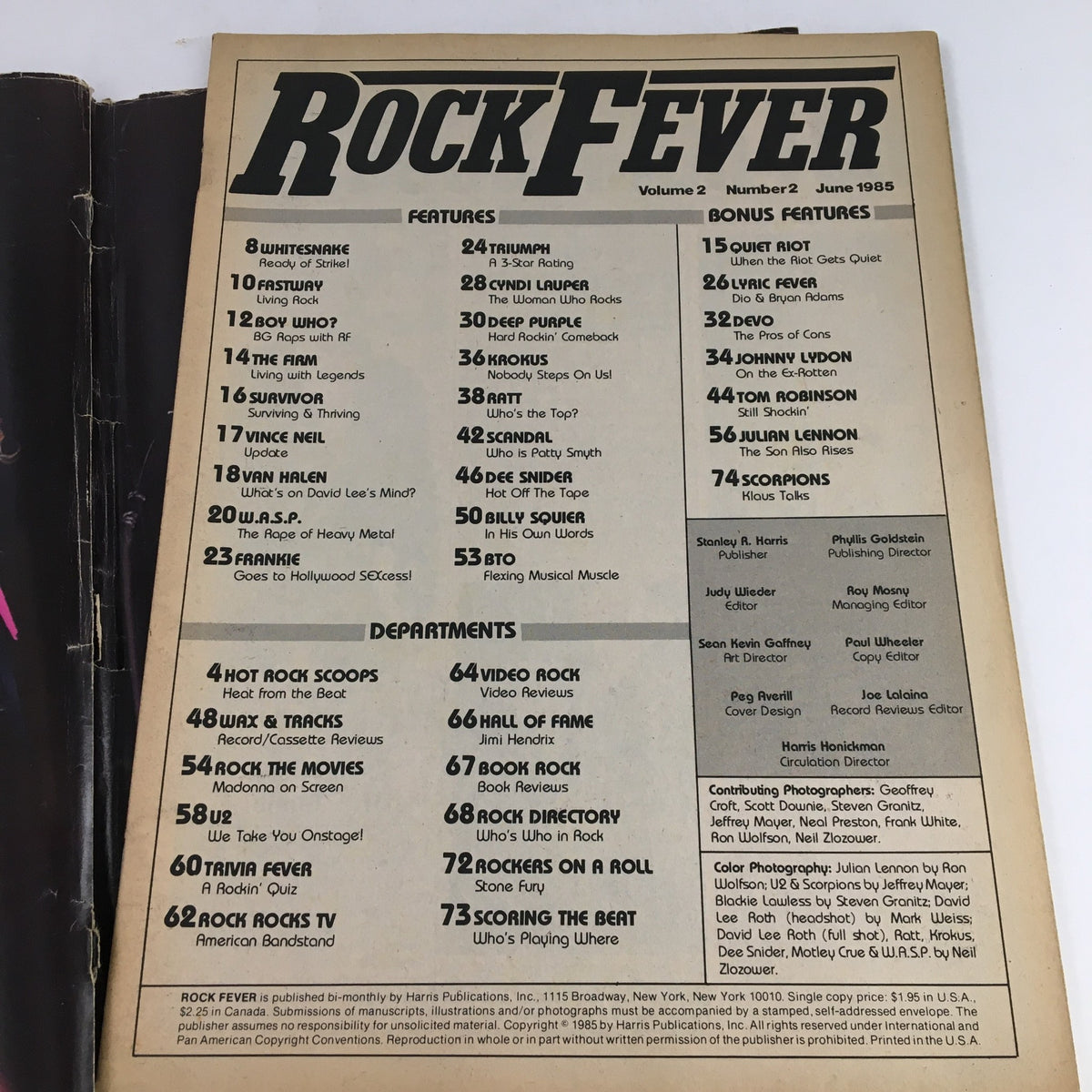
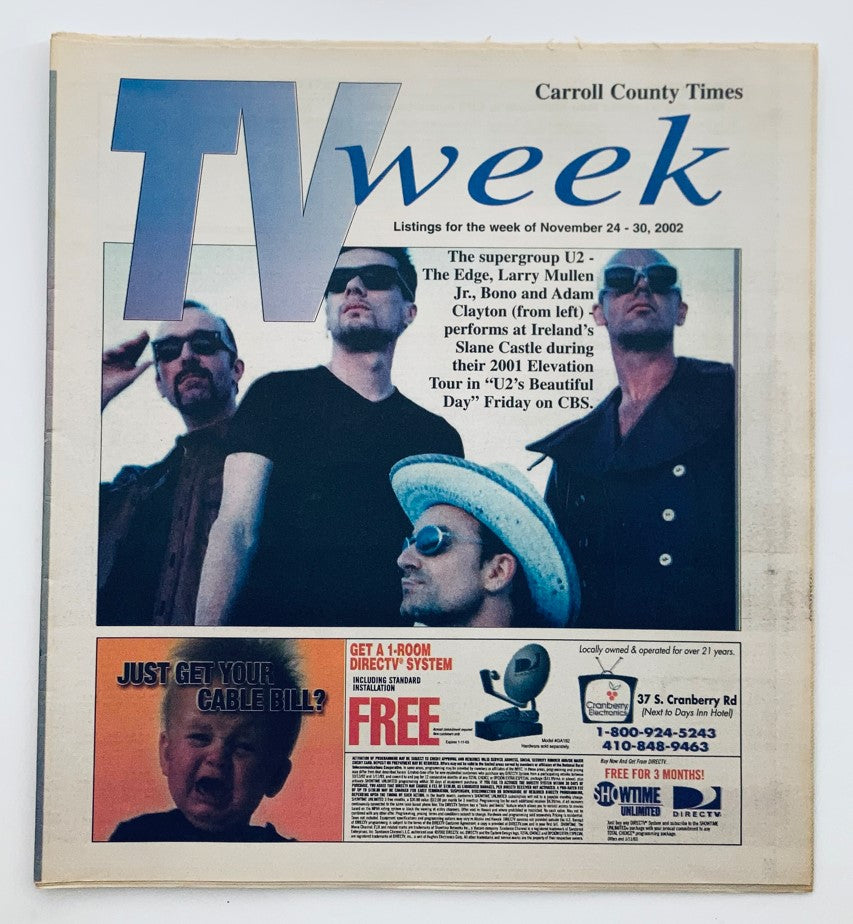
Vintage magazines tracked his ascent with a seriousness — and a glamour — reserved for only the era's most consequential figures. The photography ranged from gritty, shadow-drenched concert shots to sweeping, cinematic portraits that seemed to ask: is this man a prophet, a provocateur, or both? Rolling Stone devoted more ink to him and his band than perhaps any other act of their generation, producing landmark issues documenting every era of the group's evolution, from raw early profiles to exhaustive anniversary retrospectives. Q Magazine, the essential British music monthly, became his chronicler in the UK — capturing not just the music but the mythology, the messianic ambition, and the occasional self-parody that made the frontman so endlessly compelling. Meanwhile, Time magazine — America's paper of record for the cultural moment — elevated him beyond the music press entirely, profiling him as statesman, activist, and symbol of rock's moral ambitions, culminating in the extraordinary recognition of naming him, alongside Bill and Melinda Gates, as one of its Persons of the Year in 2005. Coverage of this era frequently spans multiple continents and registers: the breathless excitement of early NME dispatches from Ireland, the weighty analysis of American newsweeklies, and the intimate portraiture of European cultural journals that took rock and roll seriously as art.
Curator's Checklist: Highlights Often Include
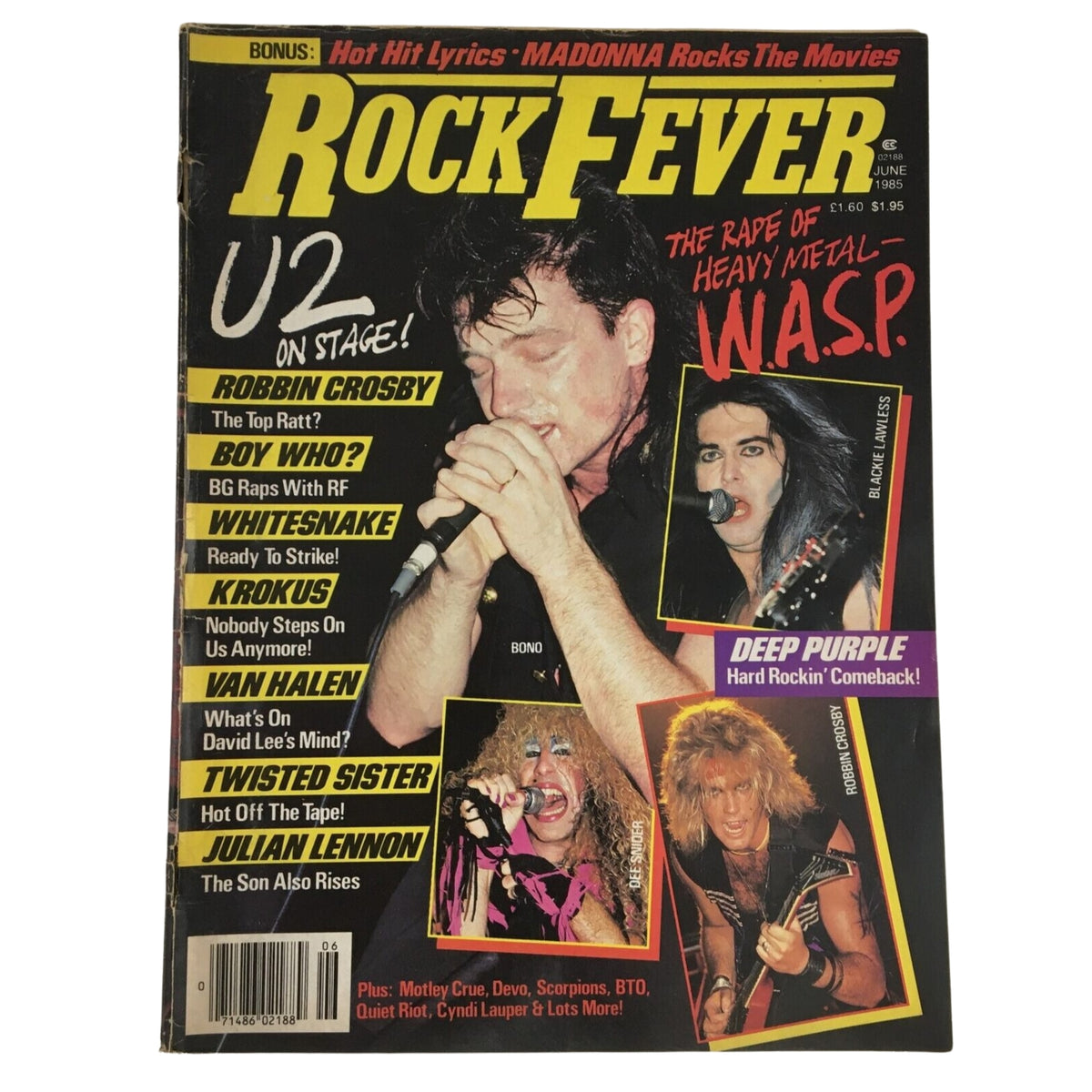
- Early U2 and the Irish punk scene — Issues from the late 1970s and early 1980s documenting the band's emergence from Dublin's Windmill Lane Studios, with raw, youthful photography and the breathless excitement of early British and Irish music press discovering something genuinely new
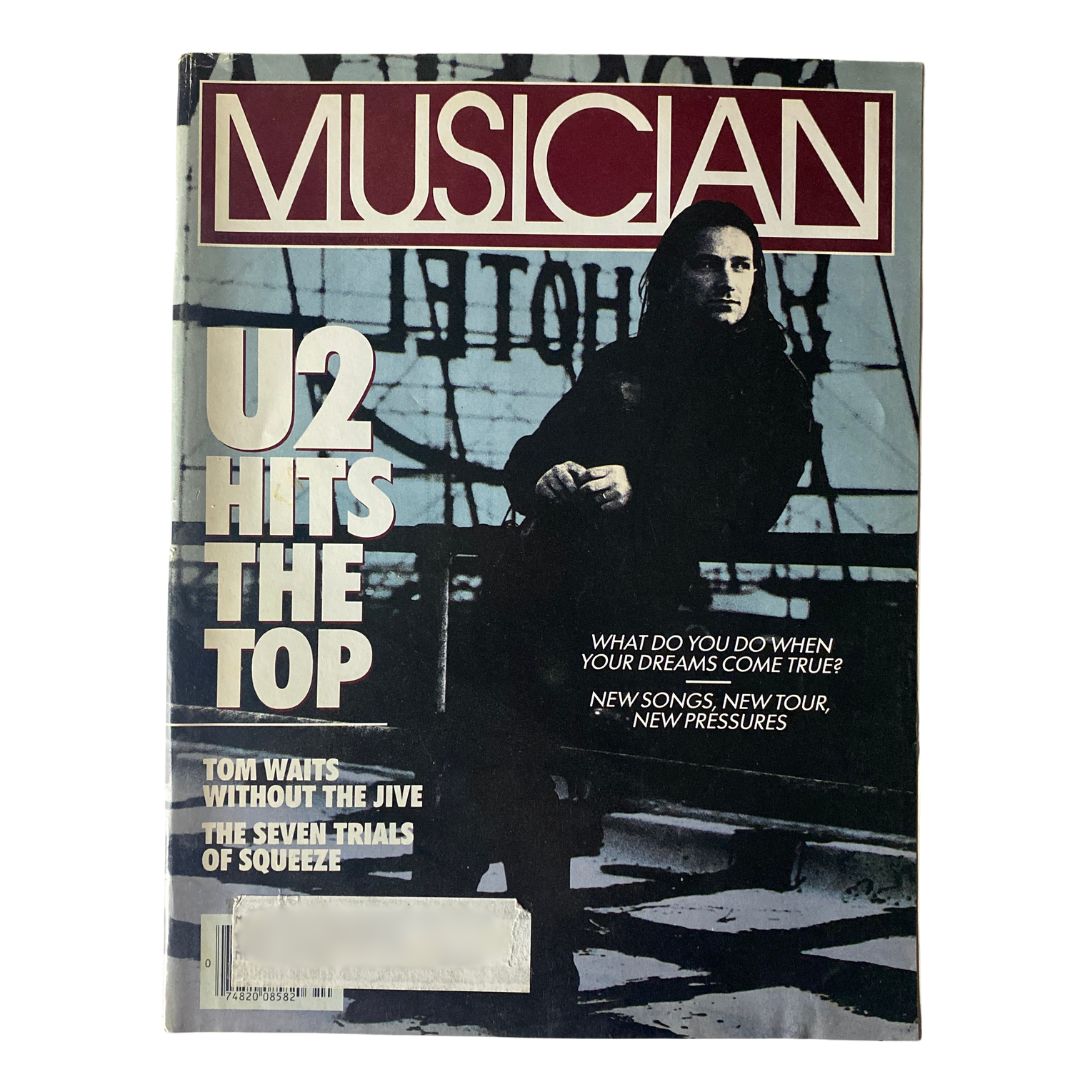
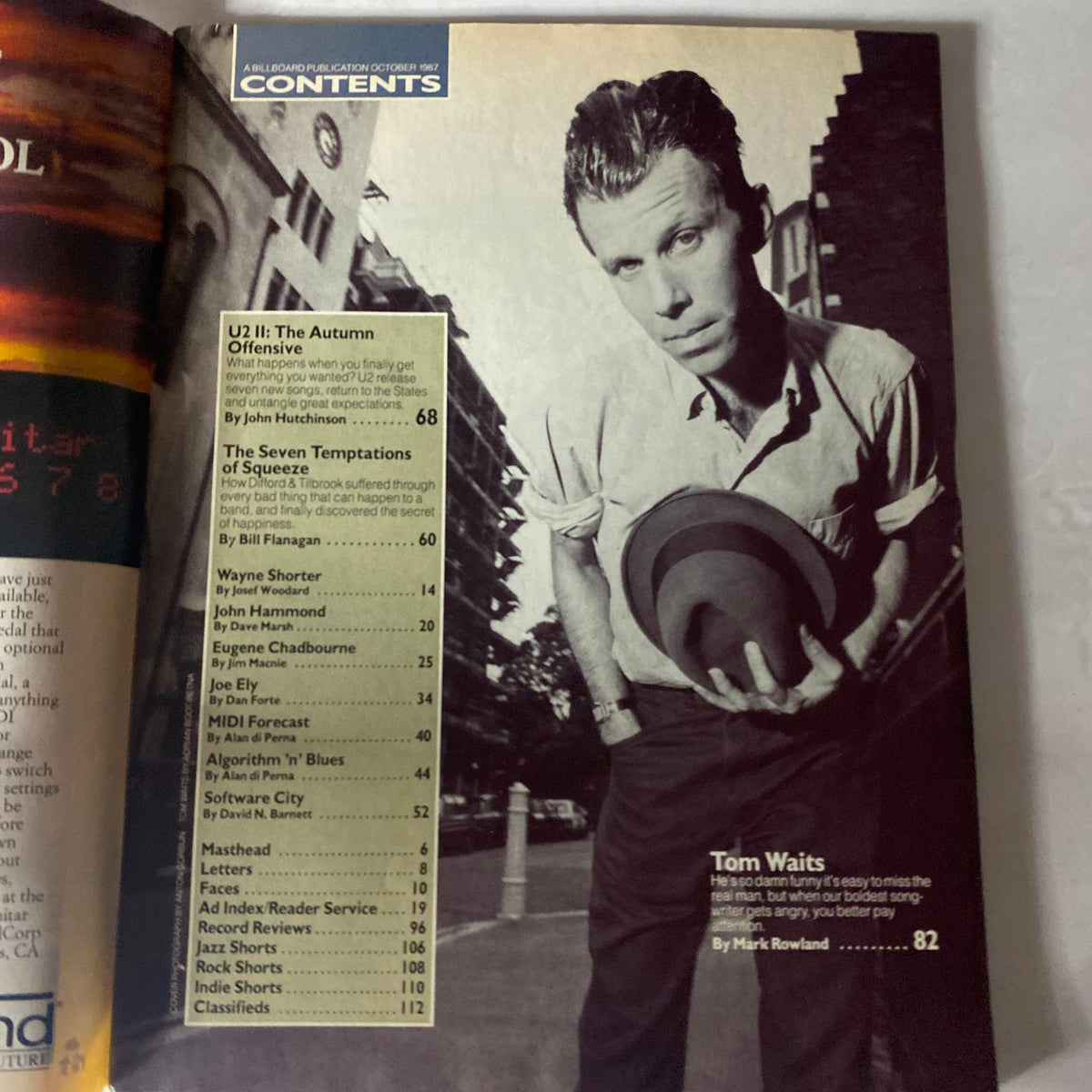
- The Joshua Tree era (1987) — Widely considered the peak of the band's cultural reach, collectors frequently seek out coverage of the album's release and the accompanying world tour, including landmark Rolling Stone double issues and international music magazine features that marked U2's coronation as the world's biggest band
- The Zoo TV and Achtung Baby reinvention (1991–1993) — A rich vein for collectors: the provocative, ironic, media-saturating Zoo TV era generated some of the decade's most visually inventive magazine spreads, as the frontman adopted alter egos and challenged the very celebrity culture that had made him famous
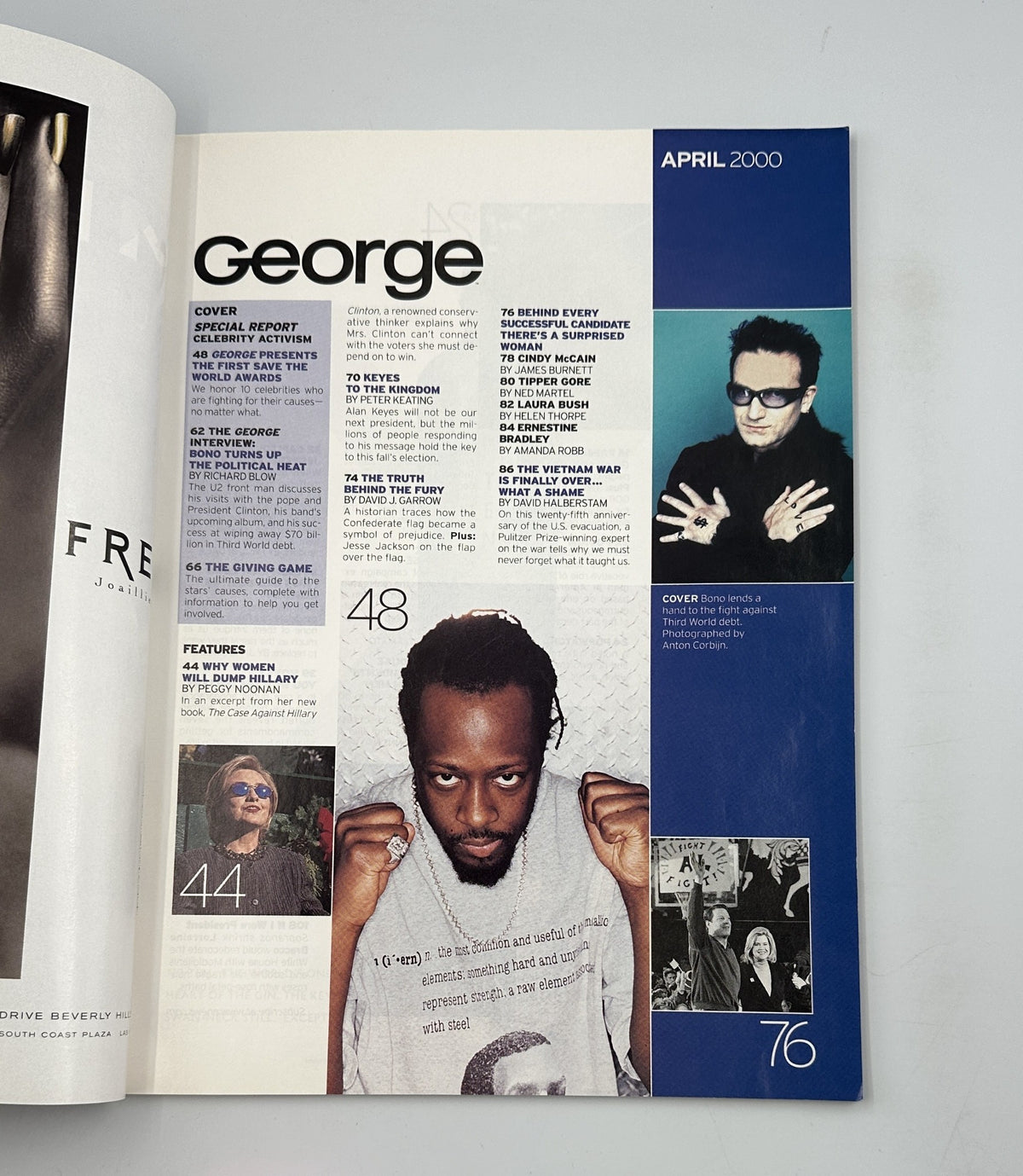
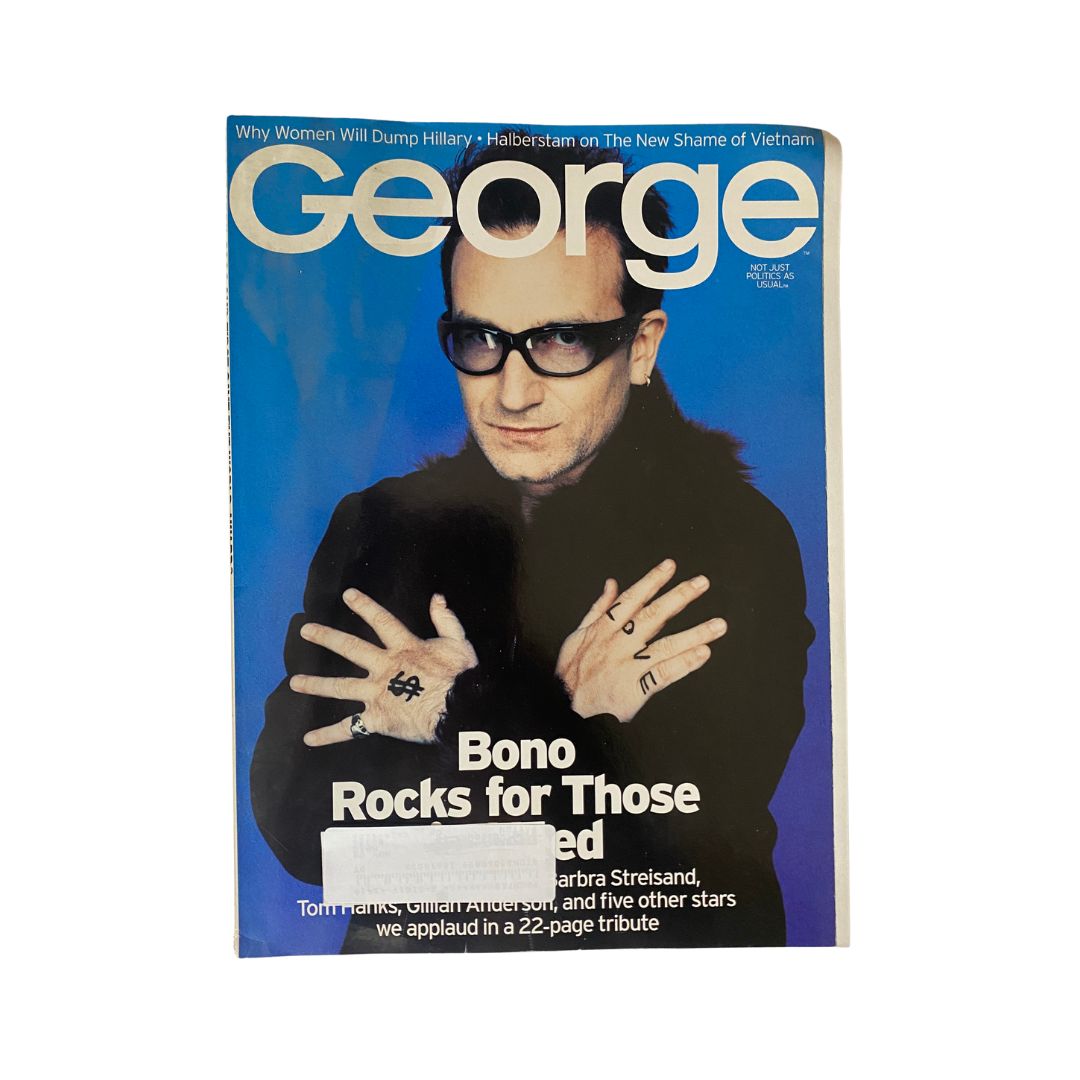
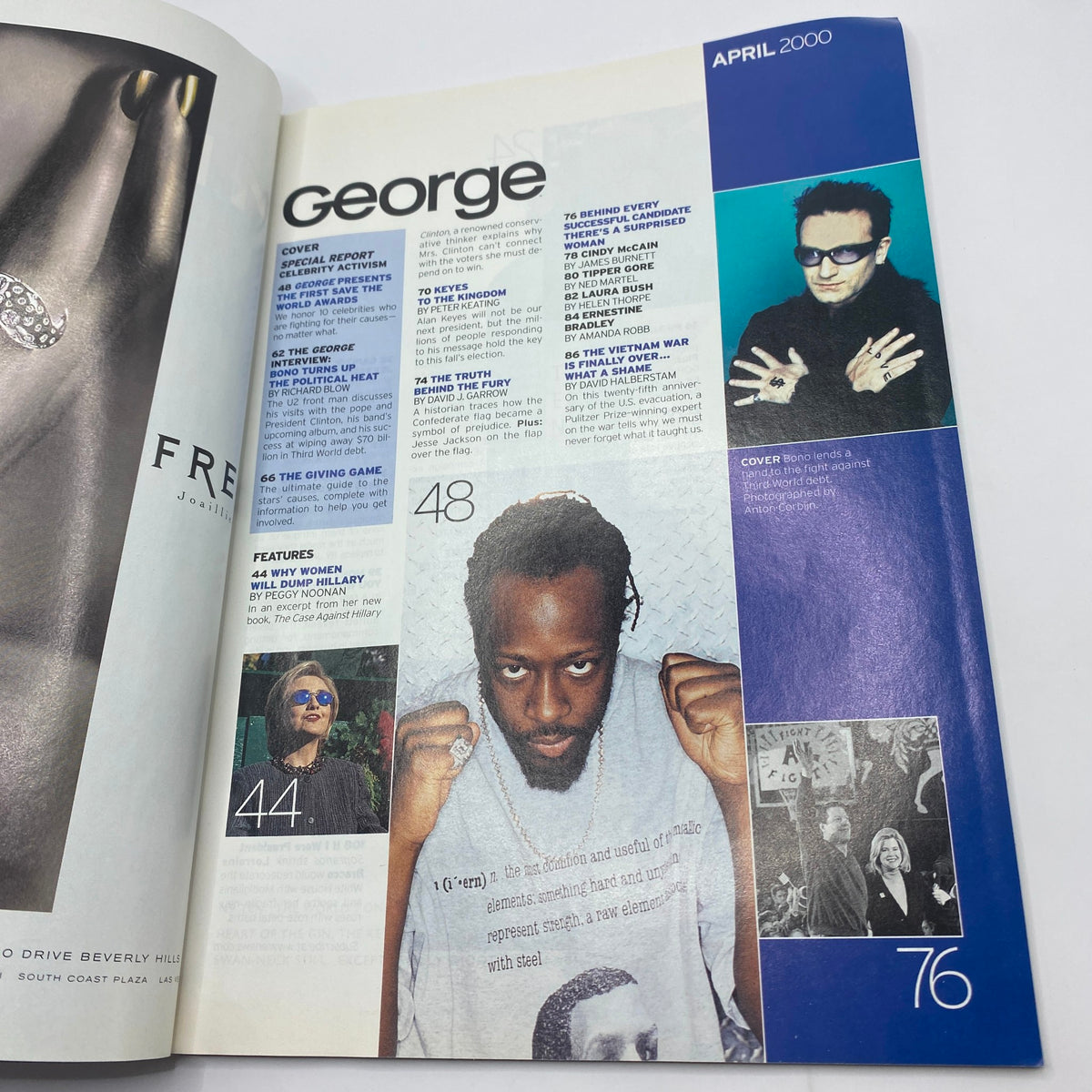
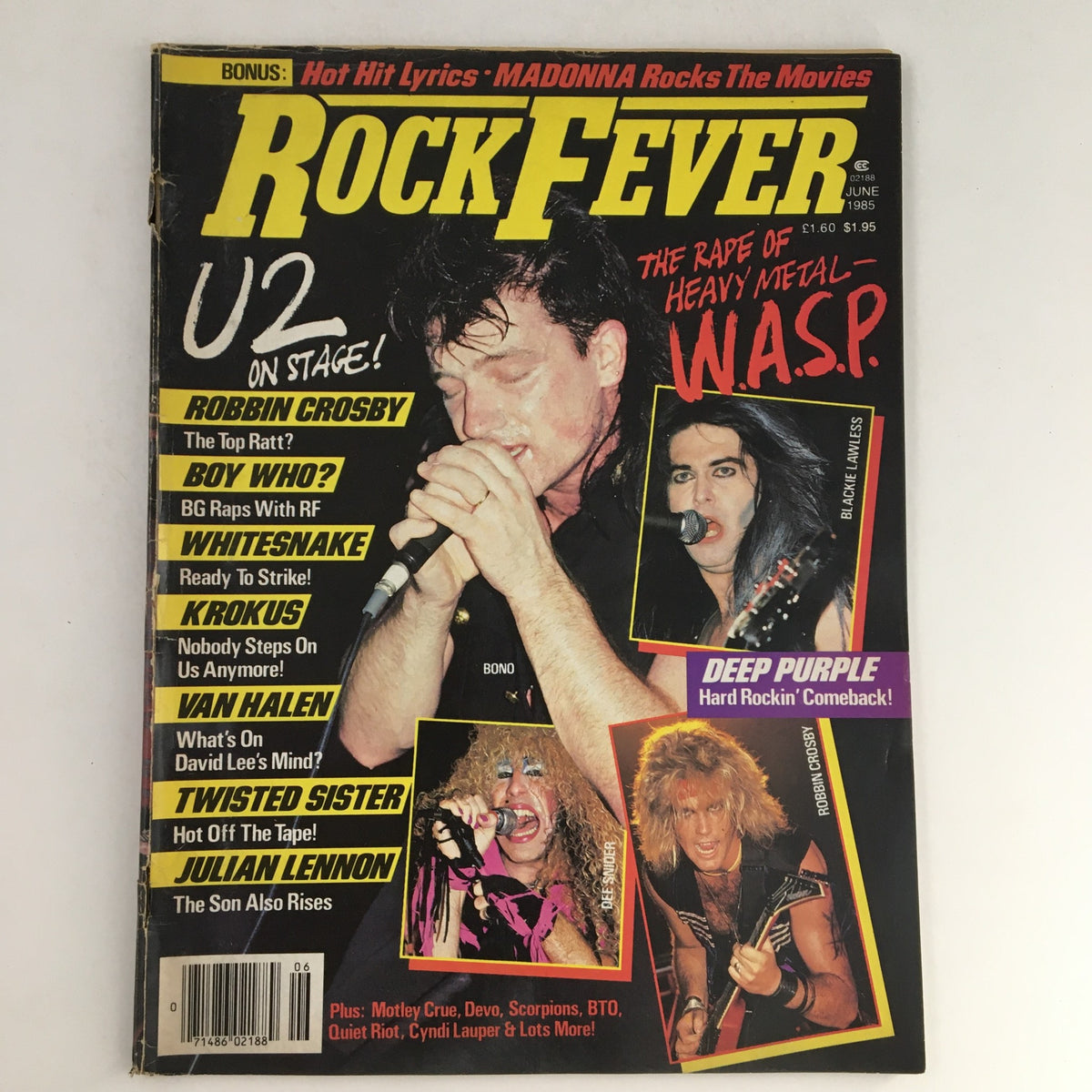
- Humanitarian and activist coverage — From Band Aid and Live Aid in 1985 onward, our archive often features issues in which he appears not in the music press but in current affairs and political magazines, covering his campaigns on Third World debt relief, the AIDS crisis in Africa, and his work with the ONE Campaign
- Intimate portrait features — Longer-form profiles in publications such as Esquire, GQ, and Vanity Fair that explored the man behind the mythology: his Dublin upbringing, his faith, his marriage, his contradictions, and his relentless, occasionally maddening idealism
The Collector's Value
There is no algorithm that can replicate the experience of holding a forty-year-old magazine and finding him staring back at you from a cover shot taken backstage at Wembley or on the rooftop of a Moroccan riad — the paper slightly foxed at the edges, the ink carrying that distinctive mineral warmth that only offset printing on period stock can produce, the surrounding advertisements a perfect time capsule of the era's fashions, cars, and anxieties. These are primary sources: unfiltered, unrevised, and irreplaceable documents of a cultural moment as it actually felt to live through it. The newsprint grain of an early NME, the heavy coated stock of a Rolling Stone special issue, the faintly musty sweetness of a decades-old Time — these sensory details are inseparable from the history they carry. For collectors of classic rock memorabilia, late 20th-century political and humanitarian history, or the golden age of long-form music journalism, these publications offer something no reprint, no streaming documentary, and no digital archive can truly substitute: the authentic, tactile weight of the past in your hands. Explore the current available inventory below and discover which pieces of that era are waiting to find their next curator.