📖 About this Collection
Boy George: The Painted Prophet of a Generation
The Legend & The Legacy
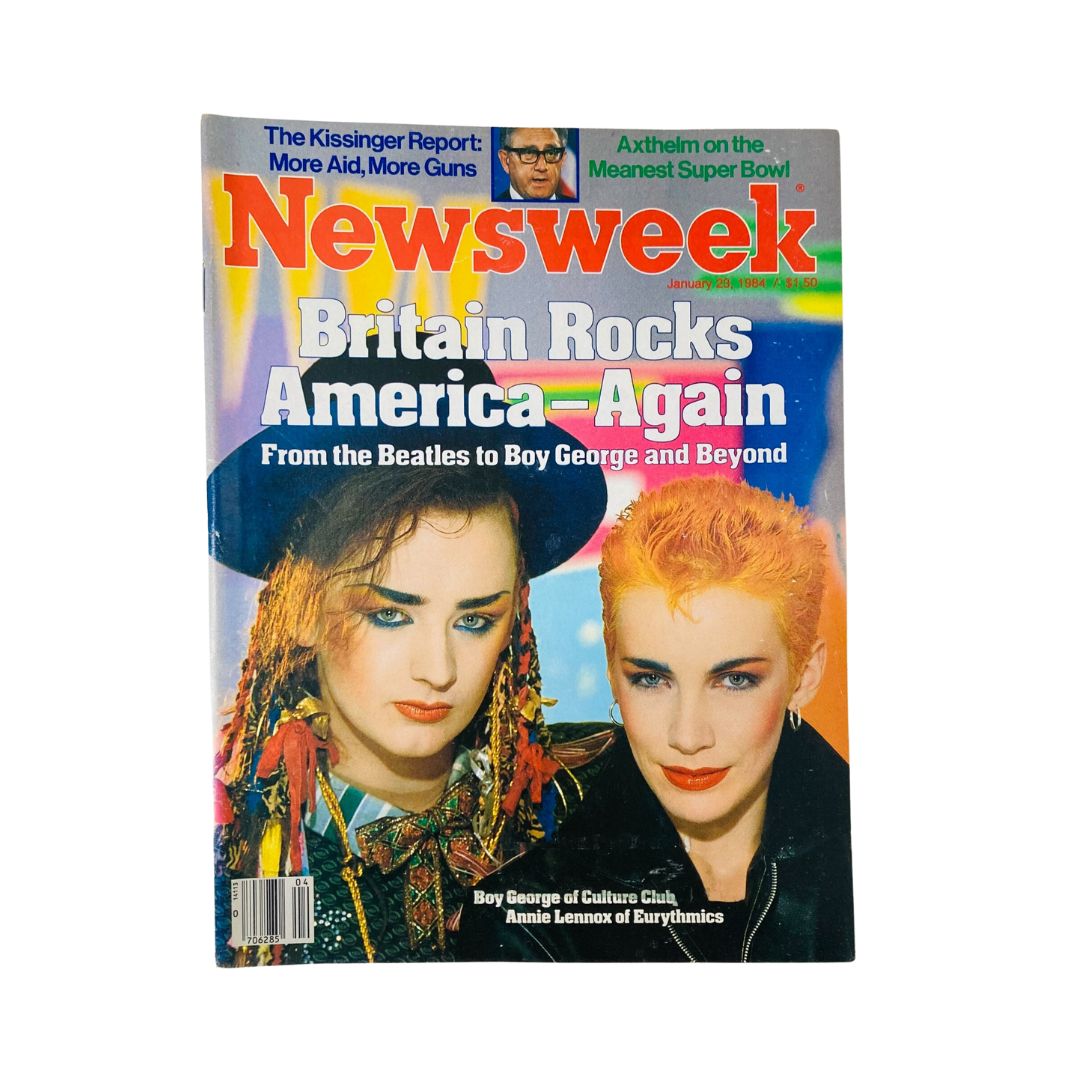
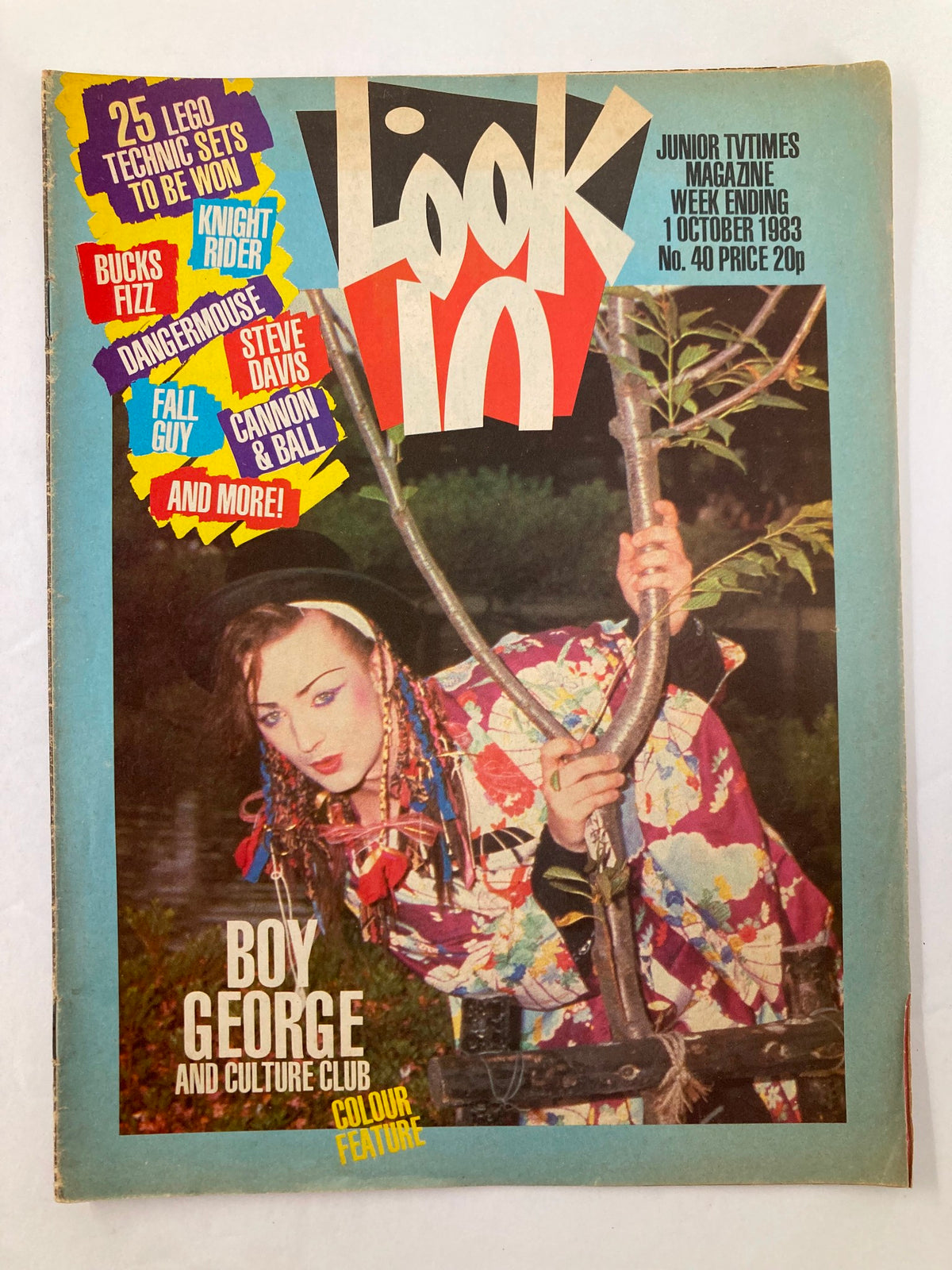
When Boy George emerged onto the global stage in the early 1980s as the androgynous, dreadlocked frontman of Culture Club, he did not simply enter popular culture — he detonated it. In an era when pop stardom was still largely constrained by convention, this softly spoken boy from Eltham, Southeast London, appeared on Top of the Pops wearing flowing robes, braided hair, and more eyeliner than any pop star had dared before, and promptly conquered the charts on both sides of the Atlantic. At a time when the world consumed celebrity through the slow, deliberate ritual of the printed page — the weekly music press, the glossy monthly, the Sunday colour supplement — the icon known as Boy George became one of the most photographed and debated faces of the decade. Magazines were not merely reporting on him; they were the very medium through which his carefully constructed identity was negotiated, celebrated, and occasionally condemned. Before the internet flattened nuance into a scroll, readers genuinely awaited each new issue to discover what he had said, worn, or done next.
Inside the Archive
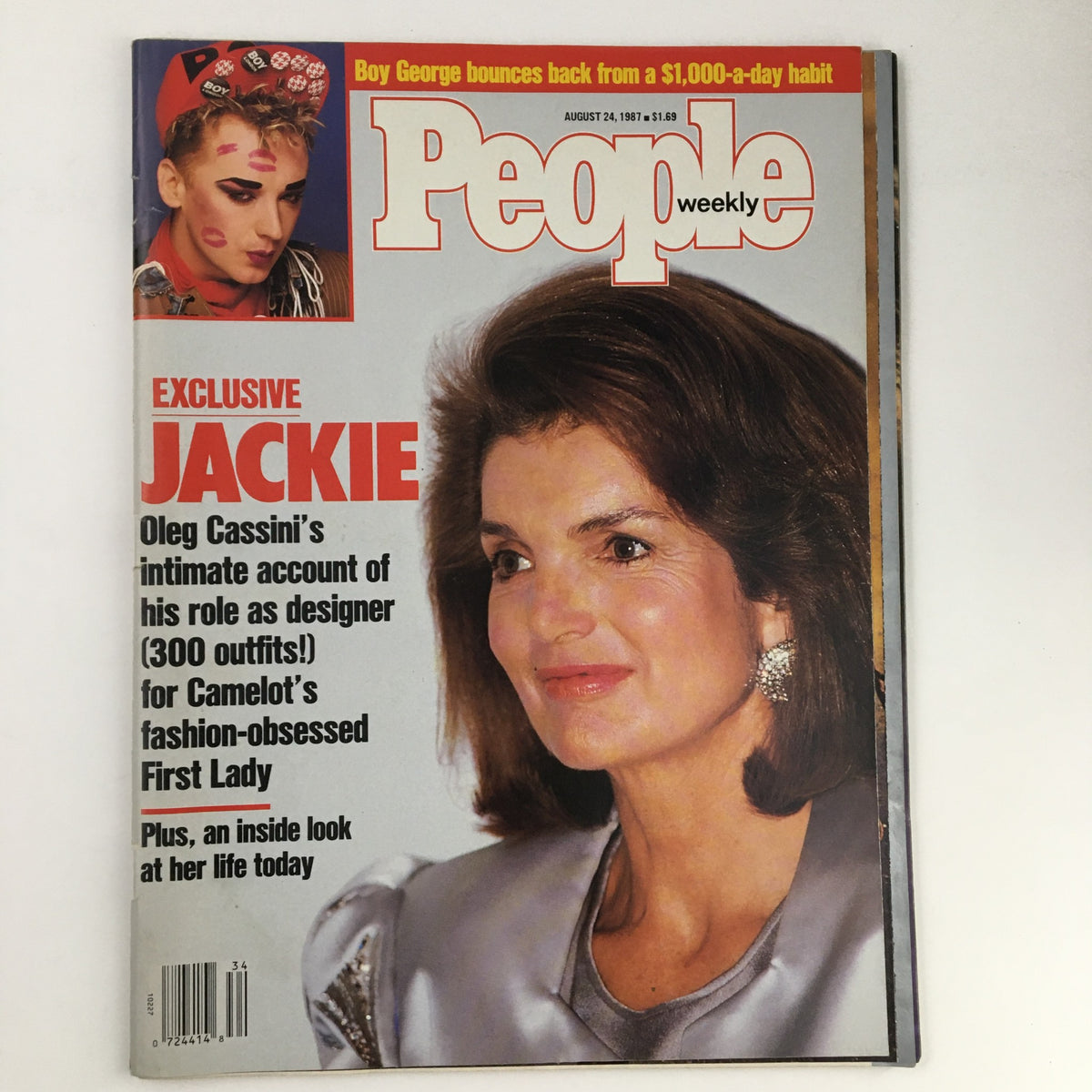
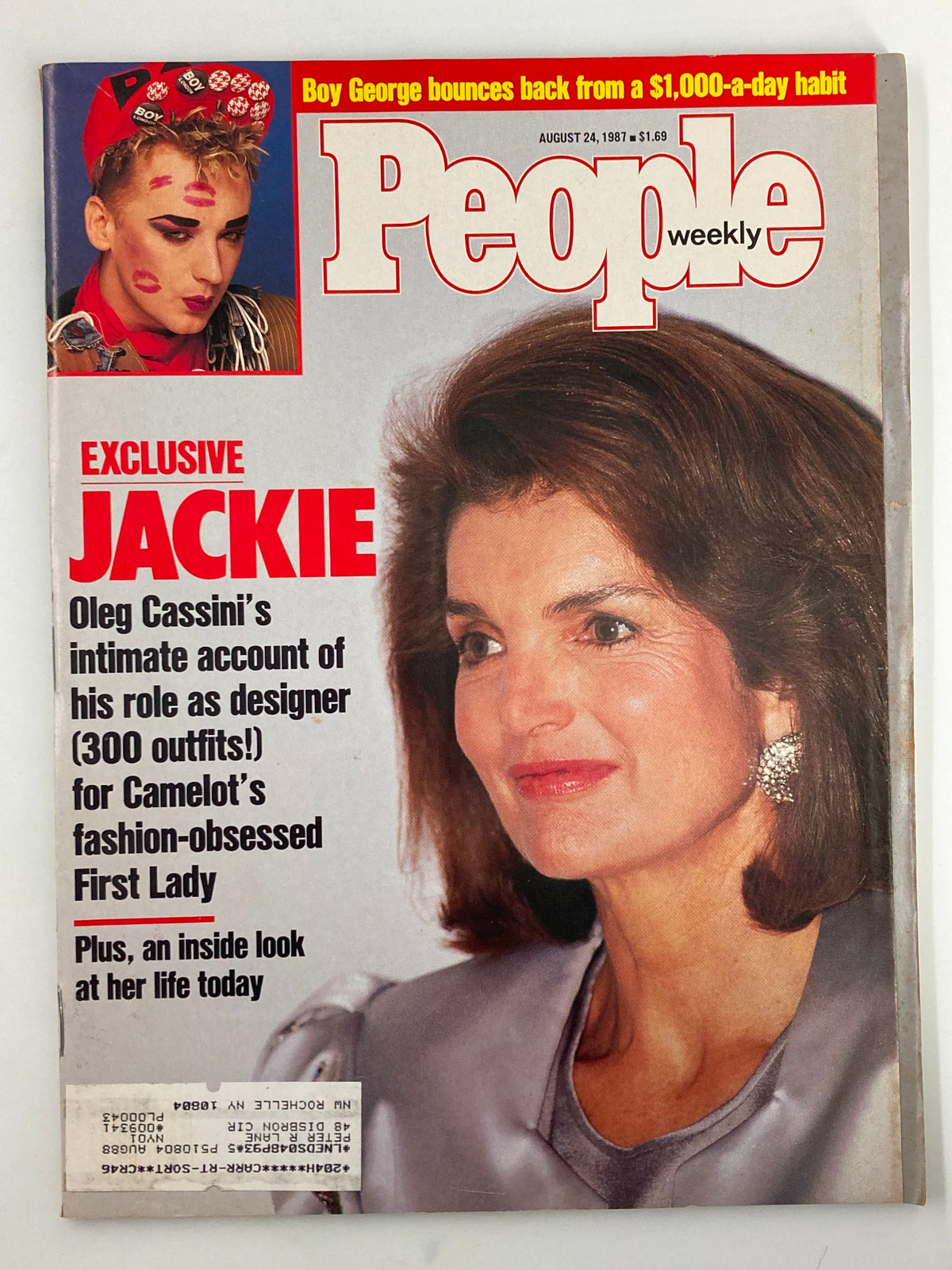
The photographic treatment of this flamboyant and fiercely original artist was itself an editorial event. Fashion and music publications competed to stage the most lavish, painterly portraits — images saturated with colour, theatrical costuming, and the kind of considered studio lighting that made him look, as one editor famously noted, like a Renaissance painting brought to life by a carnival. Rolling Stone granted him some of its most iconic covers of the era, treating him with the same cultural seriousness afforded to the great rock legends, while the British weekly Smash Hits — the essential text of every British teenager's bedroom — published interviews and pull-out posters that became primary documents of early 1980s youth culture. Meanwhile, The Face, the visionary style magazine that defined the decade's aesthetic conversation, explored his significance not merely as a pop phenomenon but as a living, breathing provocation to gender norms and mainstream taste. International editions of People and Time tracked the transatlantic mania surrounding Culture Club's 1983 American breakthrough, capturing the precise cultural moment when a boy in a hat and a kimono became, improbably and magnificently, the biggest pop star on the planet.
Curator's Checklist: Highlights Often Include
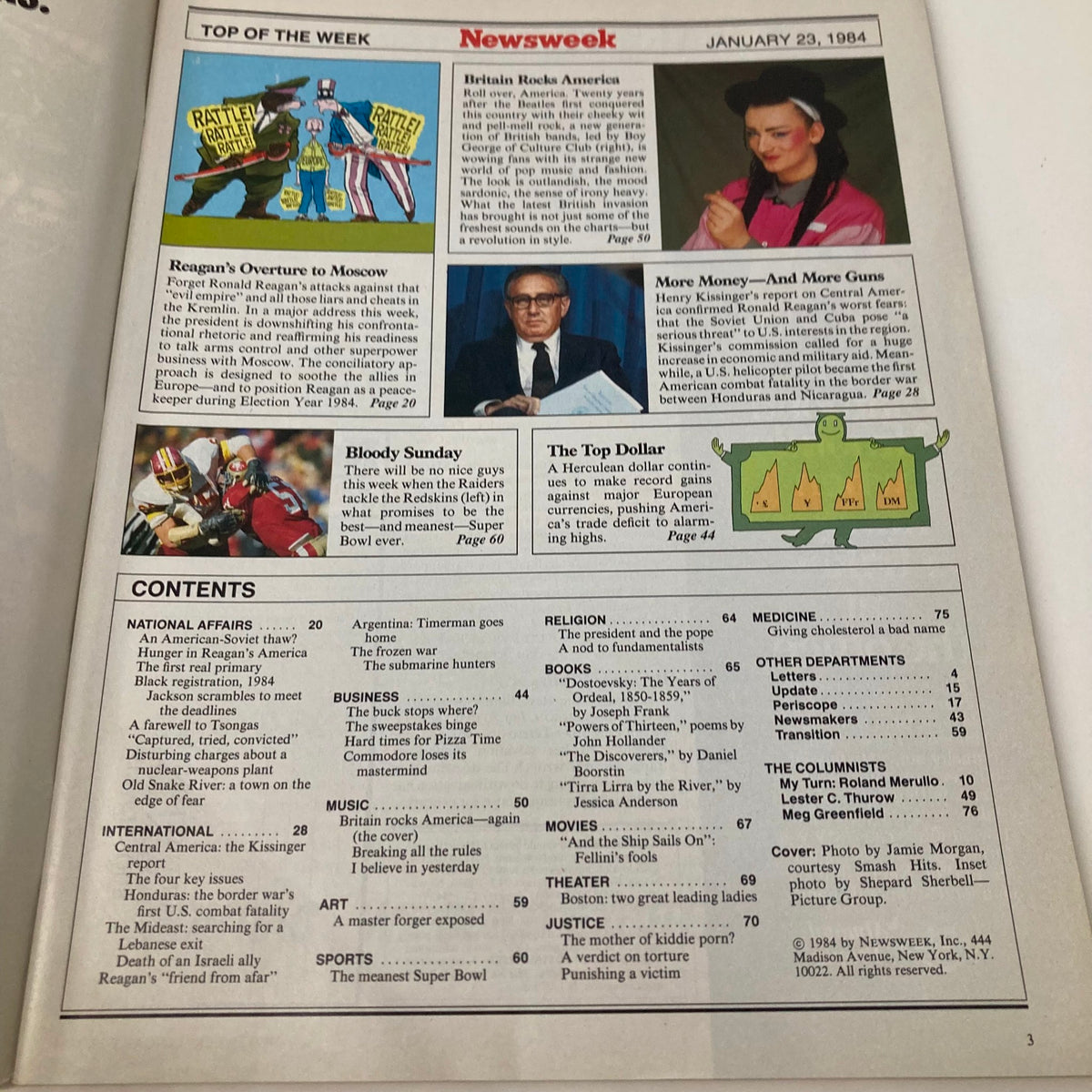
- Culture Club's breakthrough coverage (1982–1984): Feature spreads and cover stories documenting the band's meteoric rise, the phenomenon of "Do You Really Want to Hurt Me," and the hysteria of their first world tours, often accompanied by sumptuous full-page photography
- The gender and identity debates: Editorial essays and think-pieces from both tabloid-adjacent weeklies and serious style journals wrestling publicly with questions his very existence forced onto the cultural agenda — pieces that read today as extraordinary historical artefacts of a society mid-conversation with itself
- Awards season and television spectacles: Coverage of Grammy wins, Brit Awards appearances, and landmark television performances, preserved in the gossip columns and entertainment pages of mainstream domestic and international press
- The mid-decade personal struggles: Thoughtful and often sensationalist coverage from 1986 onward documenting his public battles with addiction — a chapter that turned him from pop idol to cautionary tale to, ultimately, a symbol of resilience and reinvention
- The revival and renaissance years: Later features from the 1990s and 2000s chronicling his return to music, his celebrated DJ career, and his re-emergence as a figure of camp cultural authority and hard-won wisdom
The Collector's Value
To hold one of these original issues is to hold the 1980s in your hands — literally. The particular weight of a glossy monthly from that era, the slight give of slightly yellowed newsprint on a weekly music paper, the rich, faintly chemical perfume of decade-old ink rising from a centrefold spread — these are sensory experiences that no digital archive can replicate, and no reprint can counterfeit. The surrounding advertisements are their own extraordinary time capsule: the synthesiser catalogues, the bold-shouldered fashion spreads, the cigarette brands and early home computer promotions that frame these editorial pages like a stage set built from collective memory. For collectors of 1980s pop and new wave memorabilia, LGBTQ+ cultural history, or vintage British and American music press, these publications offer something rarer than mere nostalgia — they offer primary source testimony, a direct, unmediated encounter with the moment this singular artist first made the world look twice. Explore our current rotating inventory below and discover which pieces of that irreplaceable era are available today.