📖 About this Collection
Brigitte Bardot: The Eternal Flame of Saint-Tropez
The Legend & The Legacy
When Brigitte Bardot stepped before the cameras in the 1950s and ignited the imagination of a generation, the world had no algorithm to quantify her impact — only the printing press. She was France's most intoxicating contradiction: at once an ingénue and a revolutionary, a sun-bronzed goddess who dismantled the rigid postwar ideal of femininity simply by existing on her own uncompromising terms. Her 1956 role in Roger Vadim's Et Dieu… Créa la Femme did not merely launch a career — it launched Saint-Tropez into the international consciousness and ignited a global conversation about female desire, liberation, and the very nature of stardom. In an era before satellite television or social media, the printed page was the sole conduit through which the world consumed her mythology. Millions reached for magazines not as passive entertainment but as dispatches from a more beautiful, more dangerous world — one in which la BB reigned as its undisputed empress.
Inside the Archive
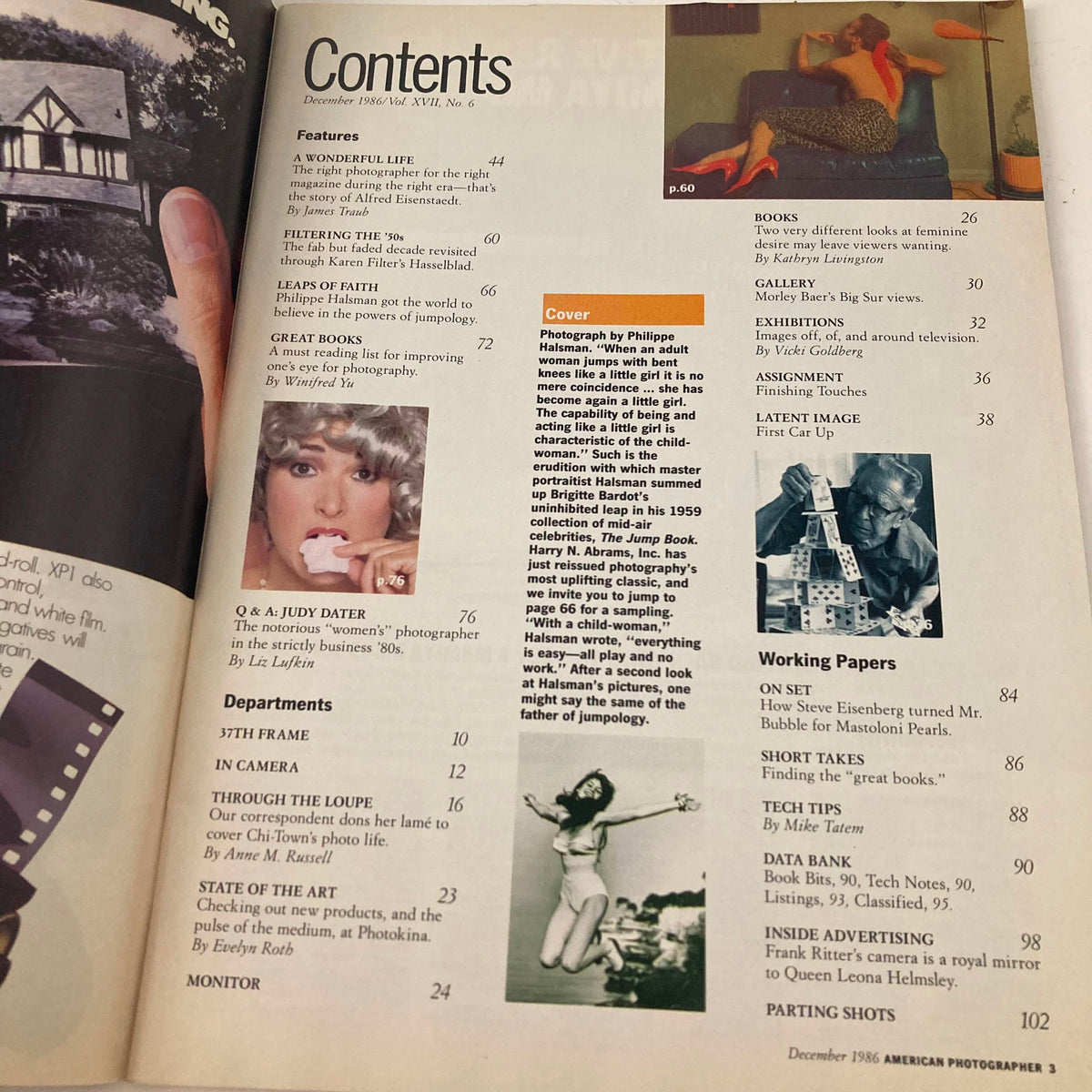
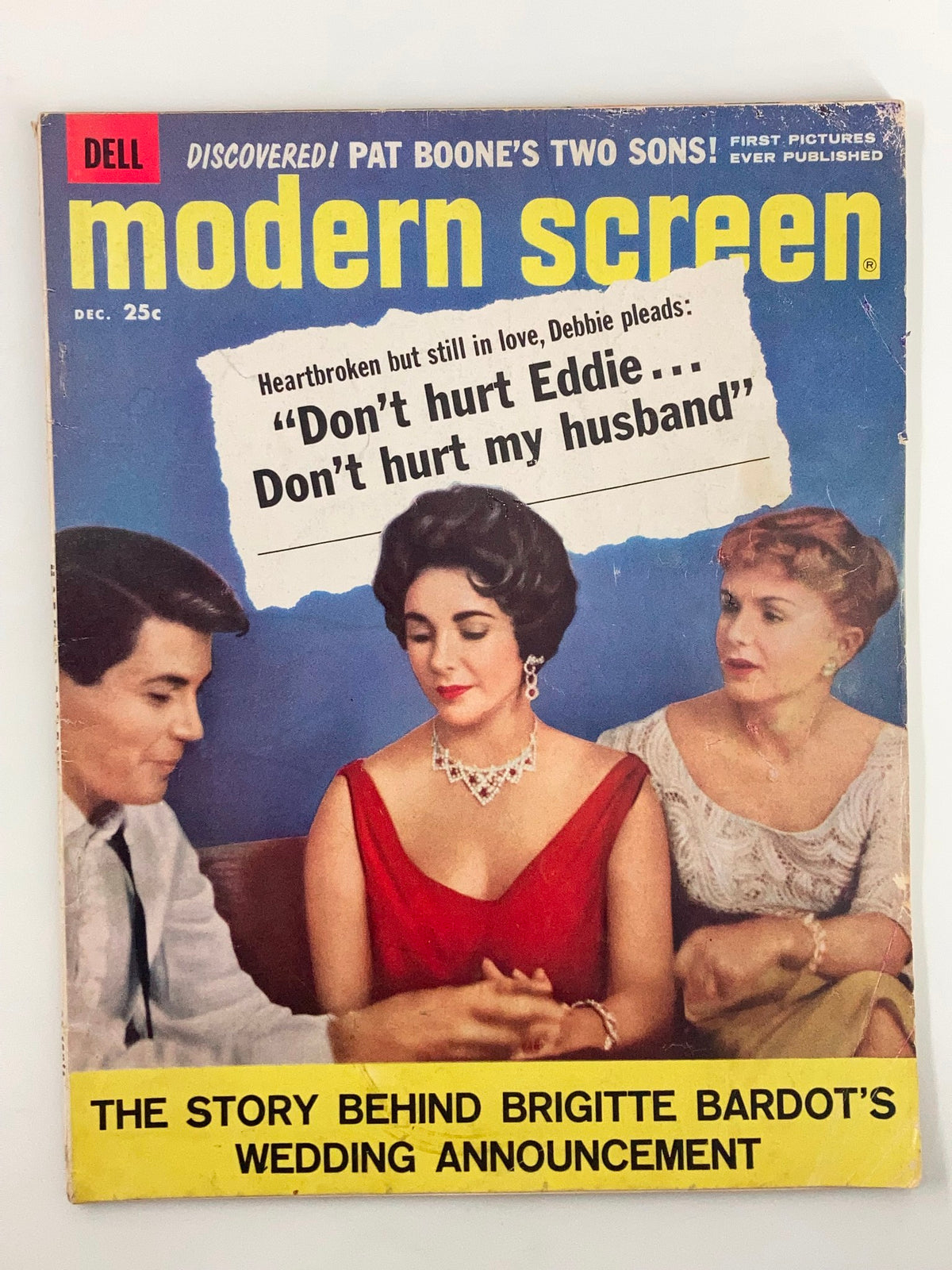
The vintage magazines that chronicled her ascent are documents of extraordinary visual and cultural richness. French photographers — many working in the tradition of Henri Cartier-Bresson's poetic naturalism — captured her with an intimacy that the Hollywood studio system would never have permitted its own stars: barefoot on the rocks of the Côte d'Azur, hair loose and salt-tangled, laughing without contrivance. Paris Match, which followed her life with the devotion of a royal biographer, produced some of the defining portraiture of the twentieth century, its covers transformed into instant icons the moment they hit the newsstands. Across the Channel and the Atlantic, Life magazine brought her to American suburbia with multi-page photo essays that read as anthropological studies of a society — European, unabashed, sensuously modern — that postwar America simultaneously envied and feared. Meanwhile, Vogue, in both its French and American editions, engaged her as muse and subject throughout the 1950s and 1960s, charting the evolution of her style from ballerina flats and gingham to the effortlessly undone glamour that the world would spend the next sixty years attempting to imitate.
Curator's Checklist: Highlights Often Include
- Breakthrough & international stardom features — coverage from the mid-to-late 1950s documenting the eruption of "Bardot-mania," including editorials and essays grappling with what she represented to a society on the cusp of the sexual revolution
- On-set and behind-the-scenes photography — candid images from the productions of her most celebrated films, offering collectors a rare, unguarded counterpoint to the polished studio portraiture of the era
- Saint-Tropez lifestyle spreads — sun-drenched, location-shot features from the French Riviera that effectively invented the modern concept of celebrity leisure, often shot by the great European fashion photographers of the period
- Political and cultural commentary pieces — as the 1960s progressed and she became a symbol appropriated by everyone from Simone de Beauvoir to Jean-Luc Godard, serious periodicals devoted considerable editorial space to decoding her cultural significance
- Later conservation advocacy coverage — from the 1970s onward, a markedly different but equally passionate chapter: international press documenting her transformation into one of Europe's most prominent animal rights campaigners, offering collectors the full arc of an extraordinary public life
The Collector's Value
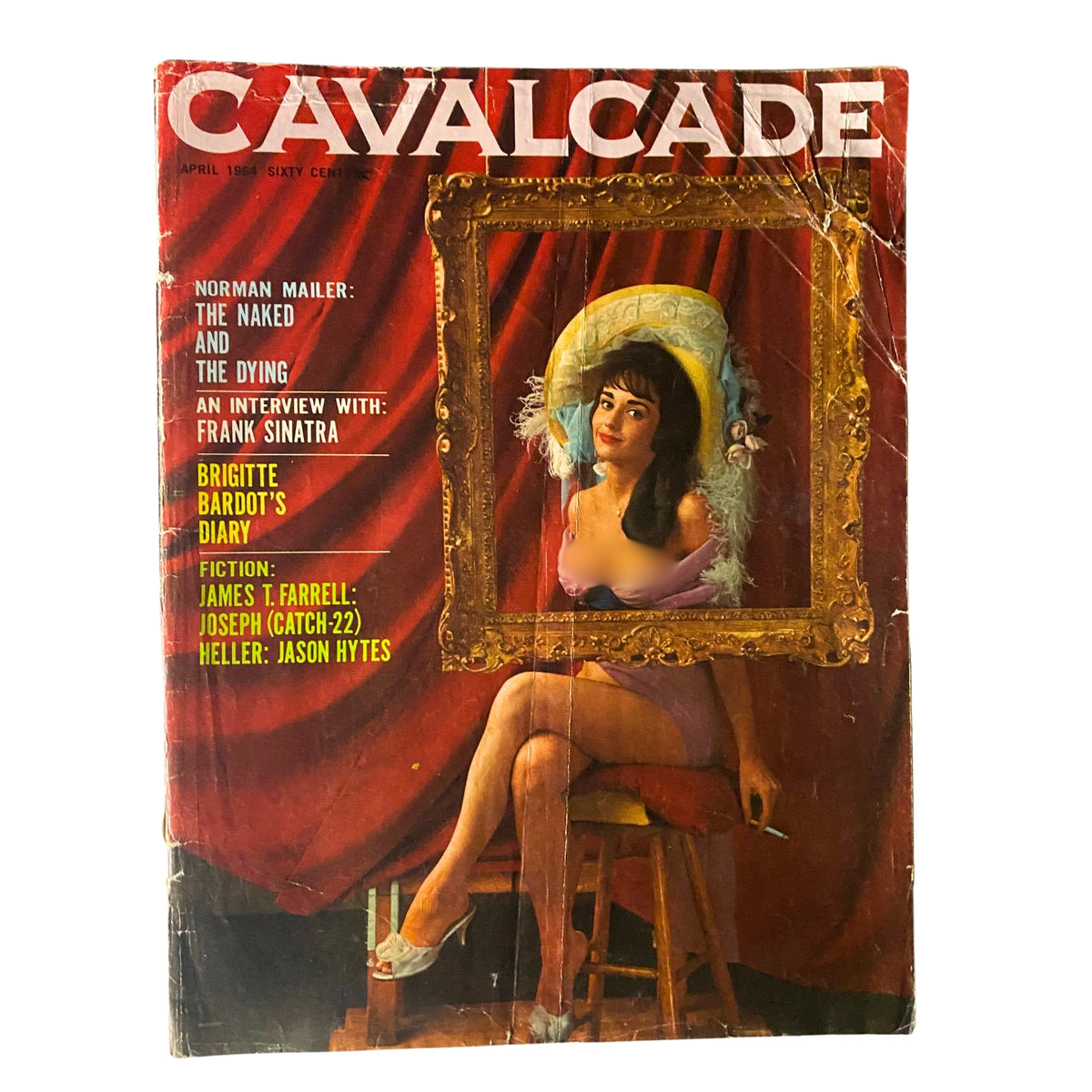
To hold one of these issues today is to hold time itself. The paper stock of a mid-century Paris Match or Life carries a particular weight — heavier, more substantial than modern stock — and the ink, slightly foxed at the margins with the honest patina of decades, releases a scent that no digital archive can replicate. The advertisements surrounding her image are their own archaeology: cigarette brands, perfume houses, and automobile manufacturers selling postwar prosperity in the same visual language she herself embodied. These are not mere collectibles; they are primary source documents, artifacts of a specific civilizational moment when print media held the monopoly on glamour and a single photograph could alter the course of popular culture. For collectors of mid-century European cinema, French cultural history, or vintage fashion and photography, these publications offer an irreplaceable window into the world that made her — and that she, in turn, irrevocably changed. Explore the current selection of original issues available in our archive below, and discover which pieces of that world are waiting for you.