📖 About this Collection
Buddy Hackett: The Last Laugh of a Golden Age
The Legend & The Legacy
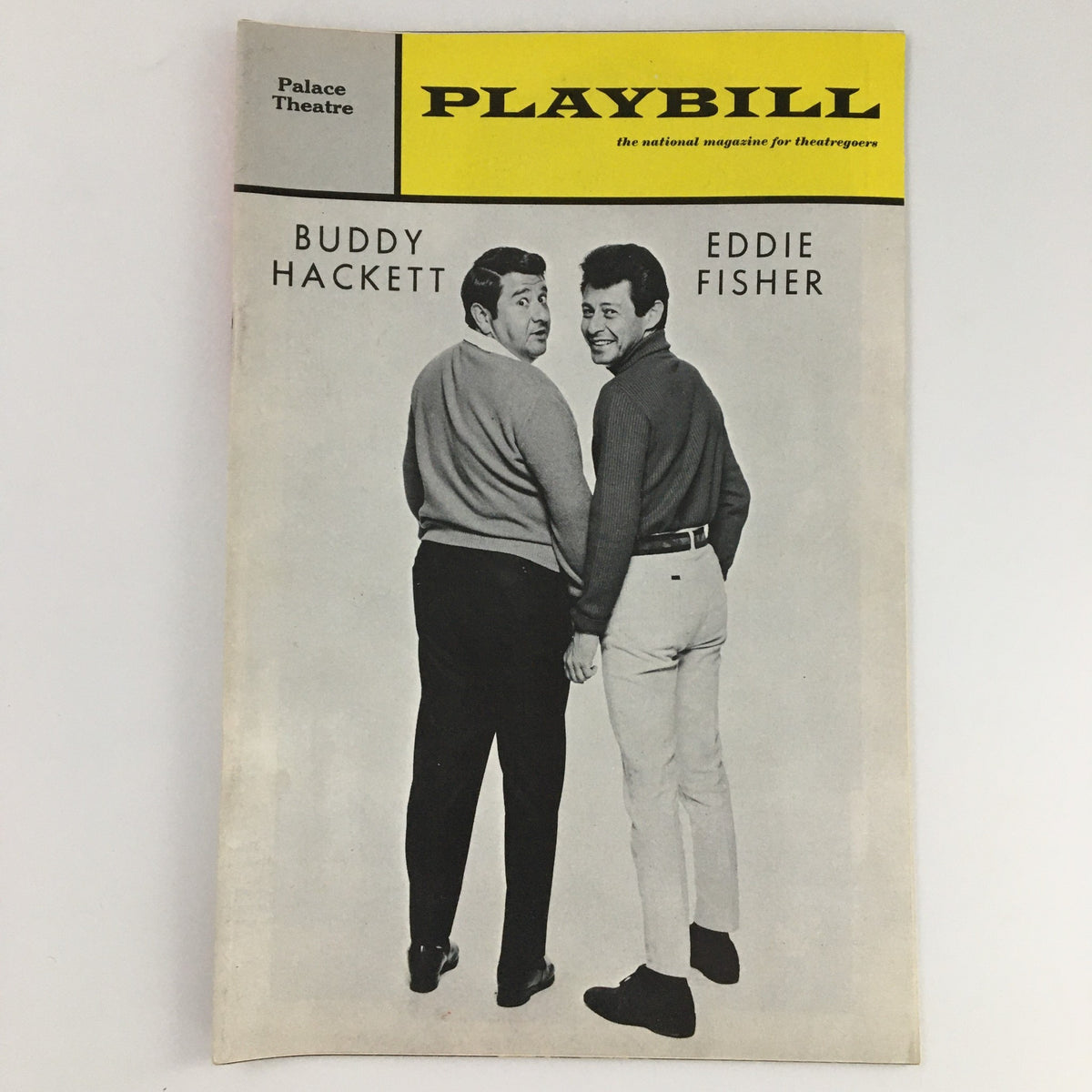
In an era when a comedian's reputation was built not on viral clips but on column inches and glossy spreads, Buddy Hackett occupied a singular, irreplaceable space in the American entertainment consciousness. Born Leonard Hacker in Brooklyn in 1924, he rose from the Borscht Belt circuit to become one of the most beloved and unpredictable comic talents of the mid-twentieth century — a man whose rubbery face, impeccable timing, and gleefully irreverent delivery made him a fixture of the nightclub stages of Las Vegas and the living rooms of Middle America alike. His television appearances on The Tonight Show, The Ed Sullivan Show, and countless variety programs were events unto themselves, and his film work — most memorably in It's a Mad, Mad, Mad, Mad World (1963) — cemented him as a performer of genuine cultural weight. In those decades before the internet dissolved the mystique of celebrity, fans followed his career through the print media that shaped public taste: the entertainment weeklies, the celebrity monthlies, the TV guides thumbed to softness on suburban coffee tables.
Inside the Archive
Vintage magazines of the 1950s through the 1980s covered the irrepressible comedian with a warmth and familiarity that reflected his unique standing — he was never merely a performer to be profiled, but a personality to be celebrated. Publications like TV Guide, which chronicled his frequent small-screen appearances with a devoted readership of tens of millions, frequently featured his unmistakable grin alongside earnest profiles that captured both his comic genius and his surprisingly tender side. Life magazine, the great visual chronicle of mid-century America, gave his work and world the kind of photographic gravitas usually reserved for statesmen and sports heroes, while Variety and the broader entertainment press documented his Las Vegas residencies and film releases with the reverence due a man who had genuinely made the nation laugh. The photography of this era tends toward the theatrical — wide smiles caught in the footlights, candid backstage moments, and the carefully composed portrait sessions that transformed comedians into icons. Editorially, the tone is one of affectionate authority, treating the Brooklyn-born funnyman as an institution rather than a novelty.
Curator's Checklist: Highlights Often Include
- Las Vegas Coverage: Feature profiles and entertainment spreads from the peak years of the Rat Pack era documenting his legendary residencies at the Sahara and other Strip venues, placing him squarely within the glamorous mythology of mid-century Las Vegas showbusiness
- Television Milestone Features: Issues tied to landmark appearances on The Tonight Show with Johnny Carson, The Dean Martin Show, and the great variety programs of the 1960s and 70s, often rich with behind-the-scenes photography and candid interviews
- Film Release Tie-Ins: Entertainment coverage surrounding the release of It's a Mad, Mad, Mad, Mad World (1963) and other film appearances, including ensemble cast profiles and promotional spreads from that golden period of Hollywood comedy
- Human Interest & Personality Profiles: The longer-form magazine interviews — the kind now nearly extinct — that explored the man behind the punchline, his Brooklyn upbringing, his family life, and the surprising philosophical depth beneath the slapstick exterior
- Comedy & Nightclub Culture Roundups: Broader features on the American comedy scene, Borscht Belt nostalgia pieces, and Las Vegas entertainment guides in which his name and image appear as a defining presence of the age
The Collector's Value
To hold one of these original issues is to hold something the digital archive can never replicate: the specific heft of mid-century coated paper stock, the faintly sweet chemical perfume of decades-old ink, the visual texture of halftone photography that no screen rendering can faithfully approximate. These are primary sources — unmediated, unrestored documents of a cultural moment — and the advertisements that surround the editorial content are themselves a kind of time capsule, framing the comedian's world in Chevrolet tail fins, cigarette endorsements, and the optimistic consumer palette of postwar America. For collectors of classic Hollywood memorabilia, Golden Age television history, or the rich comedic traditions of the Borscht Belt and Las Vegas entertainment culture, these publications offer an irreplaceable window into a world of performance, personality, and print craftsmanship that existed before celebrity became a purely digital phenomenon. We invite you to explore the current available inventory below and discover which pieces of this remarkable era are waiting to find their next devoted home.