📖 About this Collection
Buddy Holly: The Boy Who Taught the World to Rock
The Legend & The Legacy
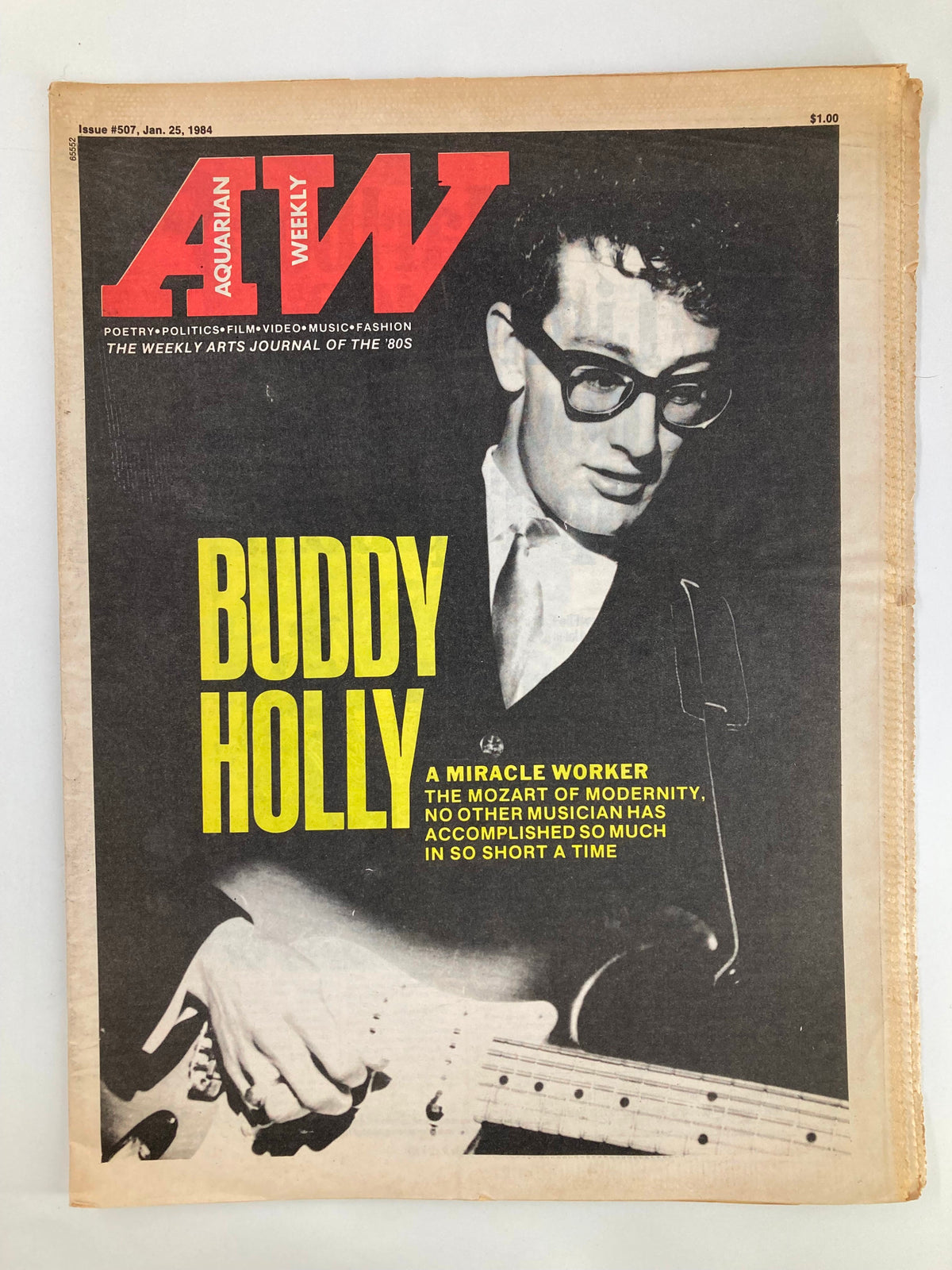
In the brief, blazing span of just eighteen months of commercial stardom, Charles Hardin Holles — known to the world as Buddy Holly — rewrote the grammar of popular music. Emerging from the red-dirt plains of Lubbock, Texas, he arrived at a cultural crossroads where rhythm and blues collided with country twang, and from that collision he forged something entirely new: a template for rock and roll that the Beatles, the Rolling Stones, and virtually every guitar-driven act that followed would openly acknowledge as foundational. In an era when a teenager's entire relationship with a pop star was mediated through radio static and the glossy pages of a magazine, print journalism was the only portal into his world. Fans in Tulsa and Tokyo alike pressed their noses to those pages, studying his thick-rimmed glasses — a nerdy affectation that somehow became an emblem of cool — his gap-toothed grin, and the Fender Stratocaster that seemed surgically attached to his hands. When a February snowstorm over Iowa stole him away at just twenty-two years of age in 1959, the magazines on newsstands that week became overnight relics — the last dispatches from a world that had not yet learned what it had lost.
Inside the Archive
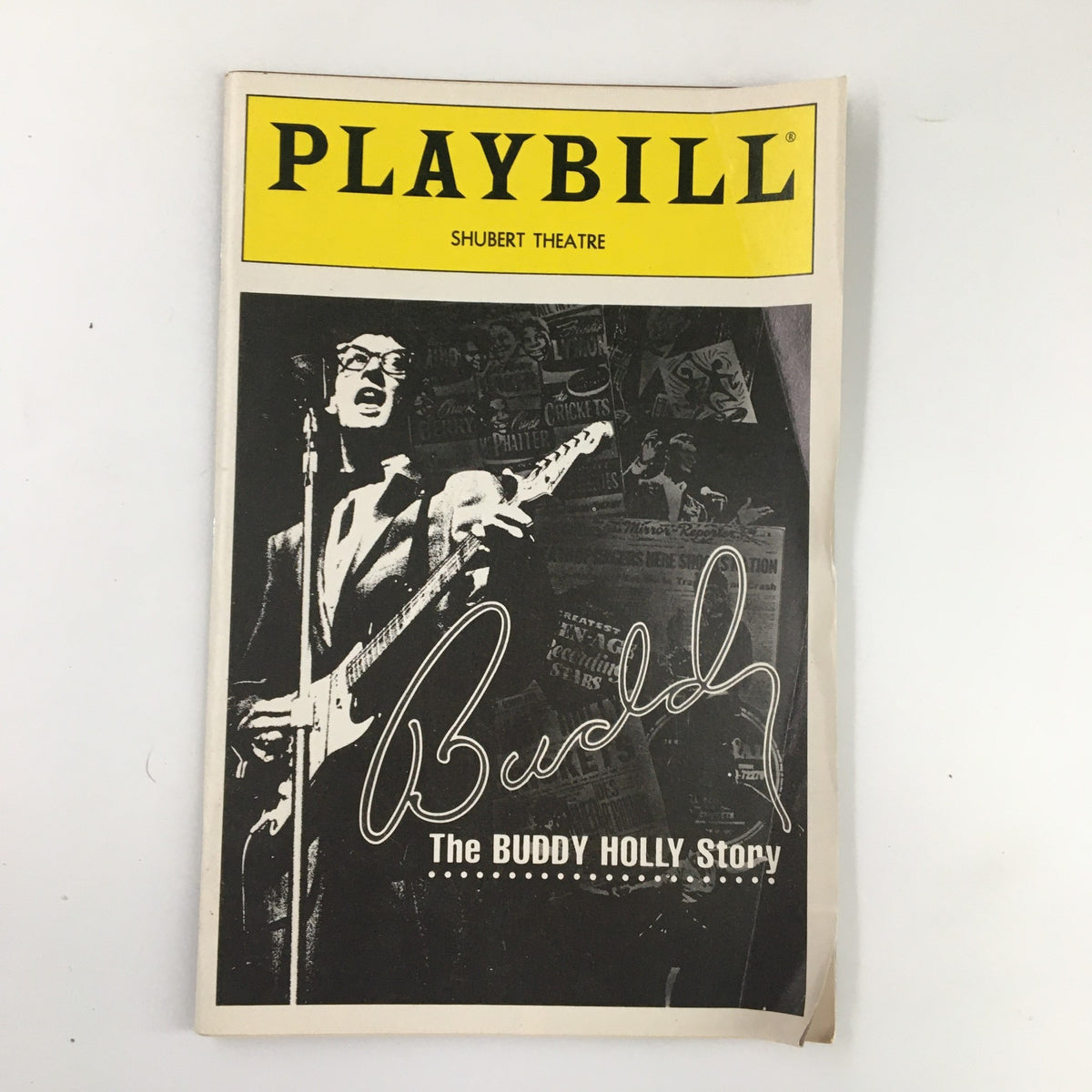
The photography that accompanied coverage of the young Texan captured a peculiar, electric contradiction: a mild-mannered, bespectacled young man radiating a stage presence that made concert halls tremble. Photographers shot him mid-performance — mouth wide open, guitar neck thrust skyward — and the editorial framing in the music and teen press was breathlessly worshipful, treating him as both the boy next door and an otherworldly force of nature. Billboard and Cash Box, the twin bibles of the American music industry, tracked his chart ascents with a clinical reverence, documenting the rise of "That'll Be the Day" and "Peggy Sue" as industry phenomena. Teen magazine and 16 Magazine, the devoted chroniclers of mid-century youth culture, delivered him directly into the bedrooms of American adolescents, pairing candid portraits with breathless profiles and fan mail columns. Across the Atlantic, the British music press — including the newly influential New Musical Express — covered his 1958 UK tour with a fervor that foreshadowed just how deeply his influence would take root on British soil, planting the seeds that would bloom, just a few years later, into the British Invasion he would never live to witness.
Curator's Checklist: Highlights Often Include
- Concert tour coverage and live performance photography from his landmark 1957–1958 tours with the Crickets, capturing the raw, kinetic energy of early rock and roll package shows
- Chart and industry reporting from the trade press documenting the rapid, consecutive rise of his singles and the novelty of an artist who wrote, produced, and performed his own material
- Memorial and tribute issues published in early 1959 following the plane crash near Clear Lake, Iowa — among the most historically significant and sought-after issues in any rock and roll archive
- Teen fan magazine profiles and pin-ups from the peak of his celebrity, offering an unfiltered window into how mid-century youth culture idolized and mythologized its heroes in real time
- Retrospective anniversary coverage from the 1960s and 1970s, as a new generation of critics and musicians — many of them his direct disciples — began to articulate and cement his foundational legacy
The Collector's Value
To hold one of these magazines is to hold a timestamp — a moment frozen in ink and paper stock before the world had any idea it was standing at a hinge point in cultural history. The slightly yellowed pages carry that unmistakable, warm musk of mid-century print, the ink dense and rich in the way that only offset lithography of that era could produce, surrounded by advertisements for pomades, drive-in theaters, and saddle shoes that conjure an entire vanished America. A memorial issue from the spring of 1959, with its raw editorial grief and hastily assembled tribute photography, communicates an emotional authenticity that no digital reproduction can replicate — it is primary source material, artifact and artwork simultaneously. For collectors of early rock and roll memorabilia, mid-century Americana, or music history's defining turning points, these publications offer something beyond decoration: they offer genuine historical witness, a direct, tangible connection to the moment the music was being made and the world was paying attention for the very first time. Browse the current available inventory below, and discover which pieces of this irreplaceable story are waiting to find a new home.