📖 About this Collection
Burt Reynolds: The King Who Made Cool Look Effortless
The Legend & The Legacy
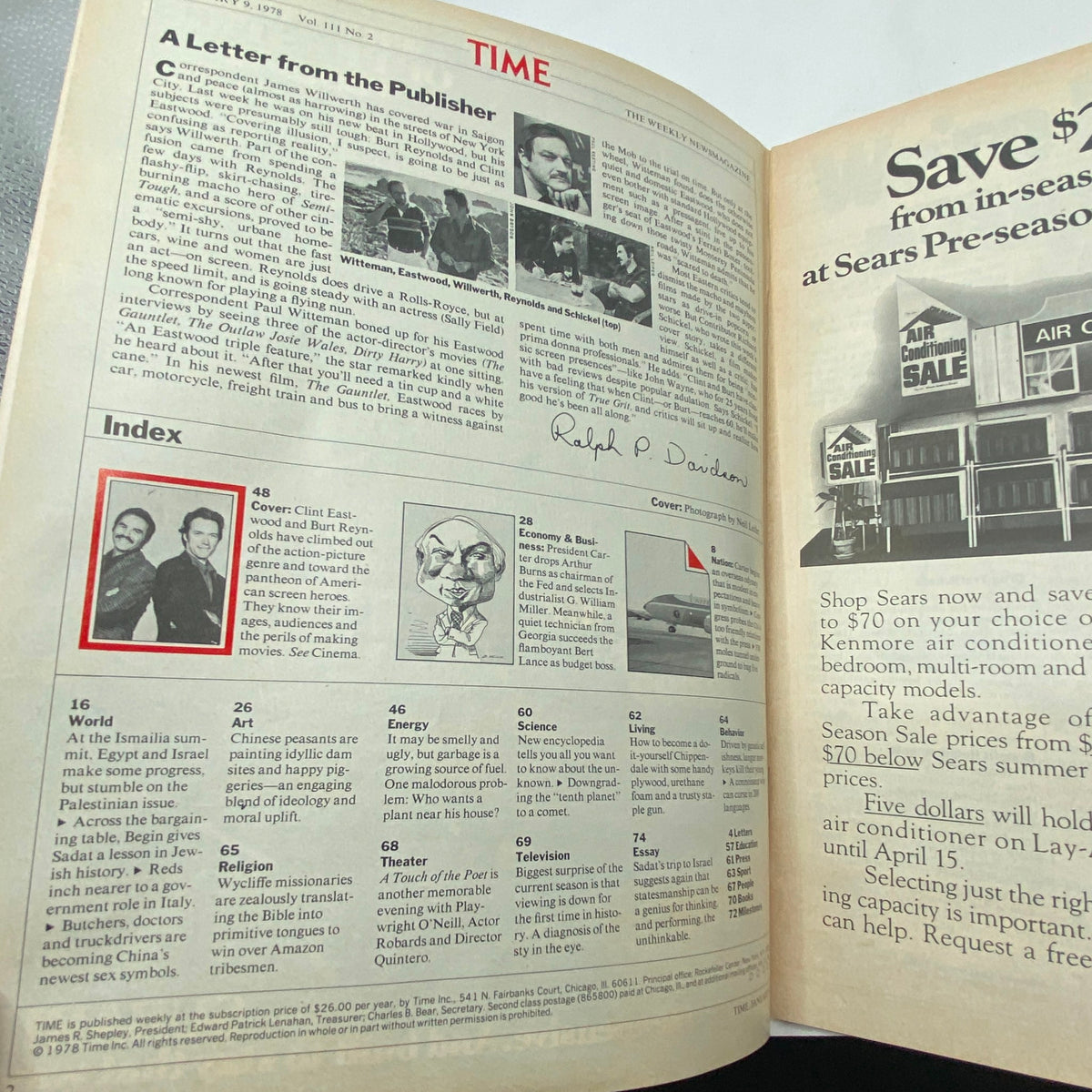
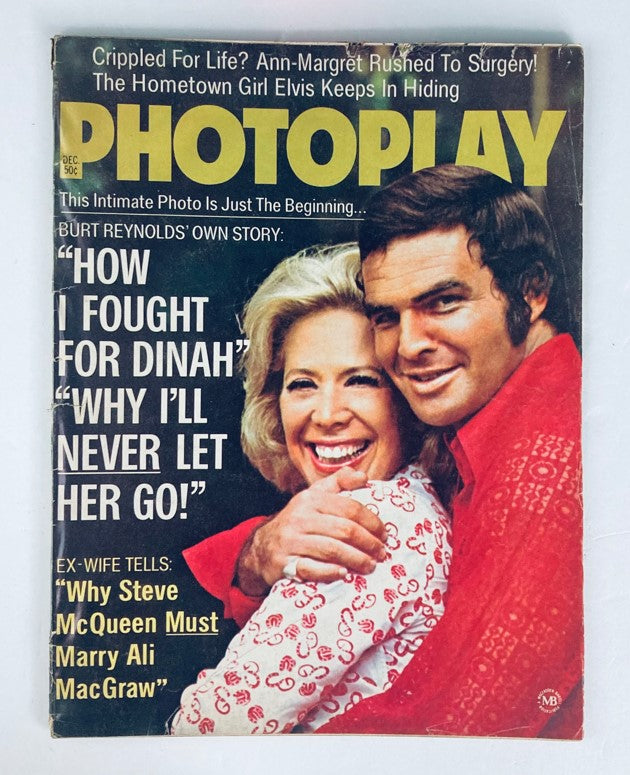
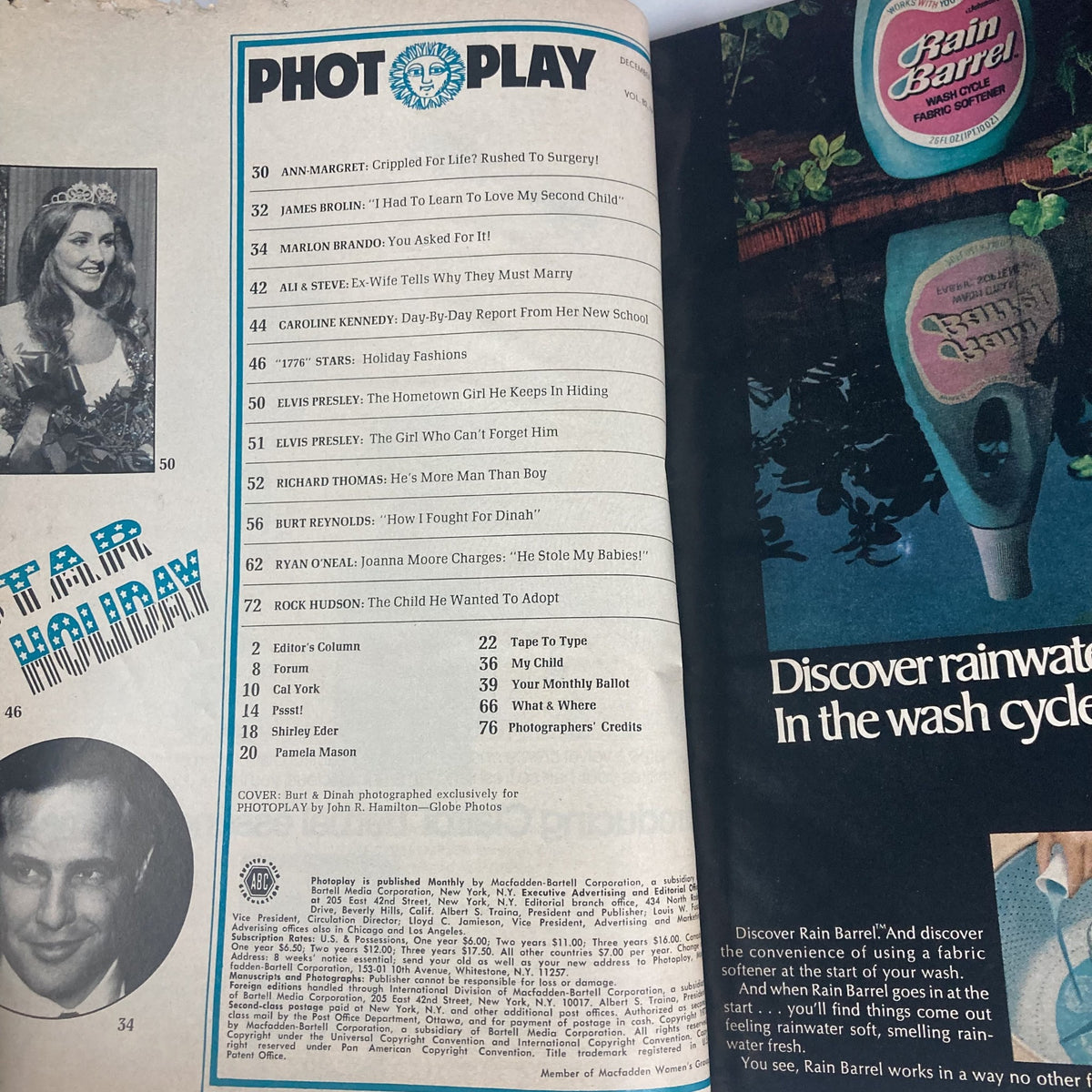
In the decade between the early 1970s and the mid-1980s, few figures so thoroughly saturated the American cultural imagination as Burt Reynolds. He was the rare crossover phenomenon — a bona fide box office titan, a television fixture, a sex symbol of almost self-satirizing magnitude, and yet somehow, beneath all of it, a genuinely compelling actor who understood the precise distance between charisma and craft. His rise coincided with a golden era of celebrity journalism, when magazines were the singular pipeline between a star and their audience. There were no social media feeds, no candid smartphone videos, no parasocial intimacy offered on demand. There was only the newsstand — and Reynolds was its undisputed monarch. Every new film, every relationship, every wry interview was an event delivered in glossy, full-bleed print, dissected in cover lines, and consumed in living rooms, barbershops, and airport lounges across the country. To follow Burt Reynolds in his prime was to follow the magazine industry at the height of its cultural authority.
Inside the Archive
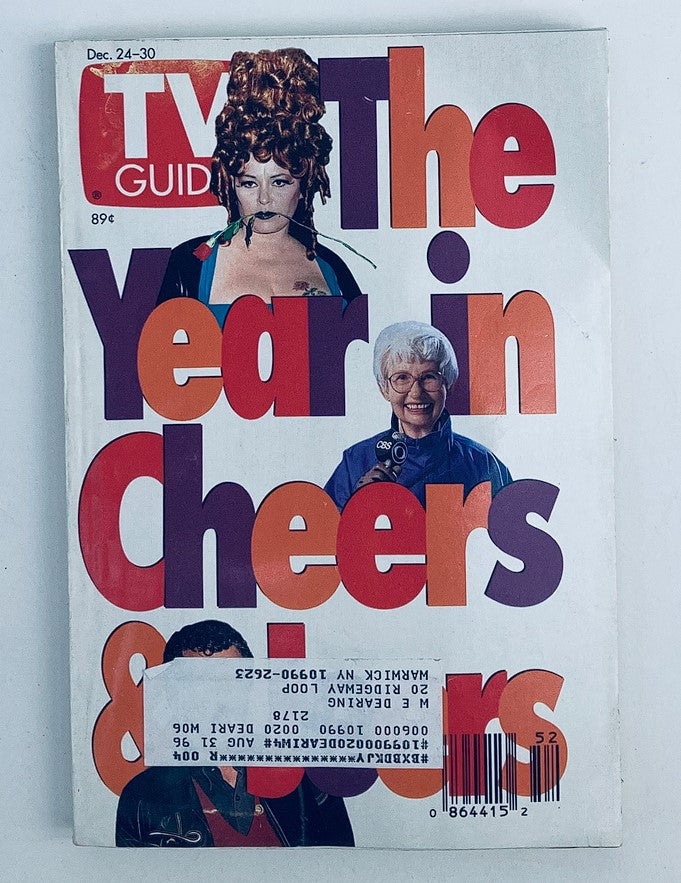
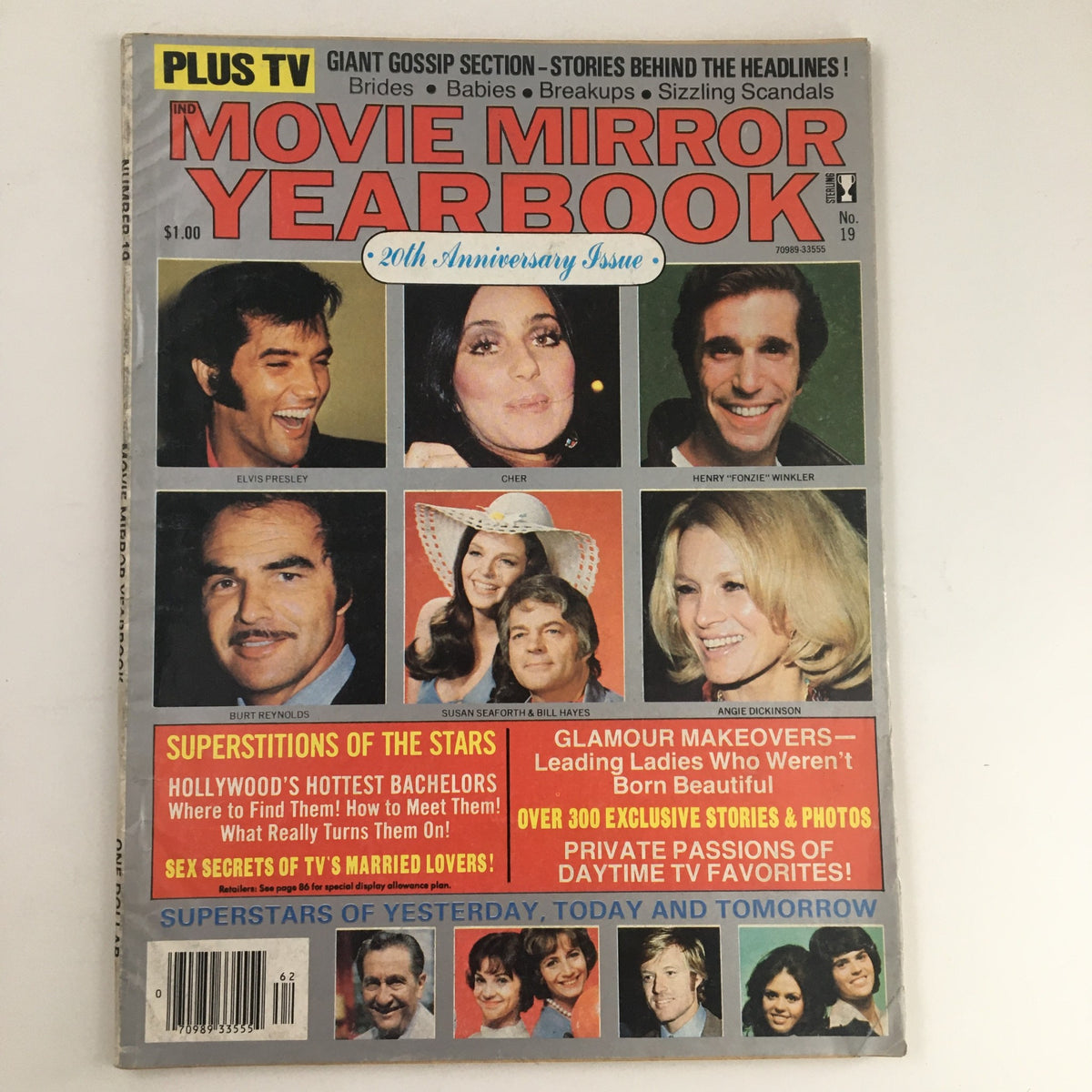
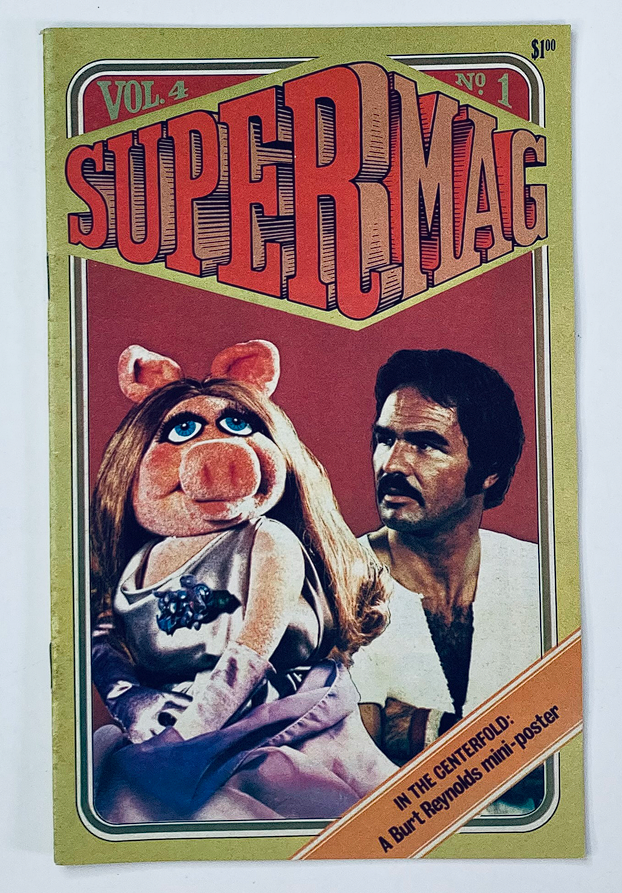
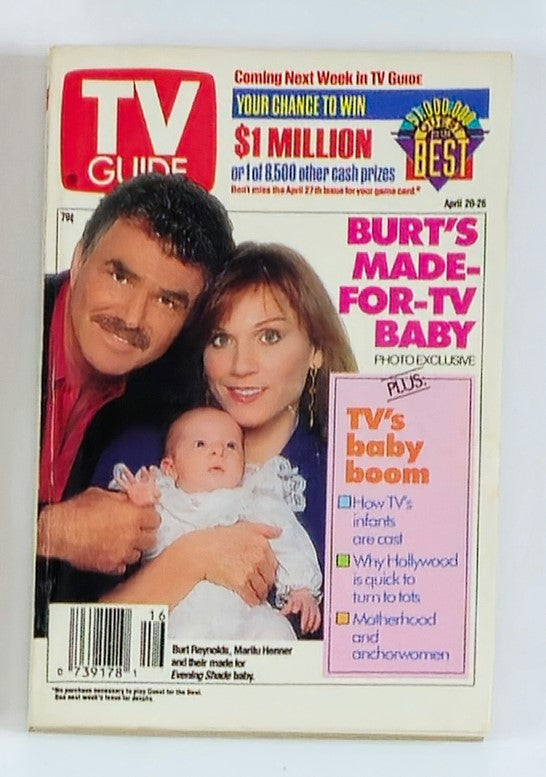
The photographic treatment Reynolds received from the press was unlike almost any of his contemporaries. Editors and photographers understood instinctively that he inhabited the frame with a rare, relaxed magnetism — as comfortable draped across a settee as he was posed beside a muscle car on a dusty Southern highway. People magazine, newly launched and hungry for precisely this kind of larger-than-life personality, returned to him repeatedly throughout the 1970s, cementing the template for celebrity profiles that still exists today. Cosmopolitan, of course, secured its place in pop culture history with his landmark 1972 centerfold, a cultural lightning bolt that altered public conversations about gender, spectacle, and the male gaze for years afterward. Meanwhile, TV Guide tracked his parallel conquest of the small screen, from Dan August to Evening Shade, documenting the full arc of a career that refused to be confined to a single medium. International titles — including British and French entertainment weeklies — frequently featured him during the Smokey and the Bandit era, reflecting the global appetite for the particular brand of sun-drenched, fast-moving American myth he embodied.
Curator's Checklist: Highlights Often Include
- The Cosmopolitan Centerfold Era (1972): Among the most sought-after cultural artifacts of the decade, coverage surrounding this watershed moment — the editorials, the think-pieces, the follow-up profiles — represents a singular inflection point in the history of celebrity and print media.
- The Box Office Dominance Years (1977–1982): Issues tied to the Smokey and the Bandit franchise, The Cannonball Run, and Hooper frequently surface, capturing the breathless entertainment press at its most celebratory, often with full-feature spreads and behind-the-scenes photography.
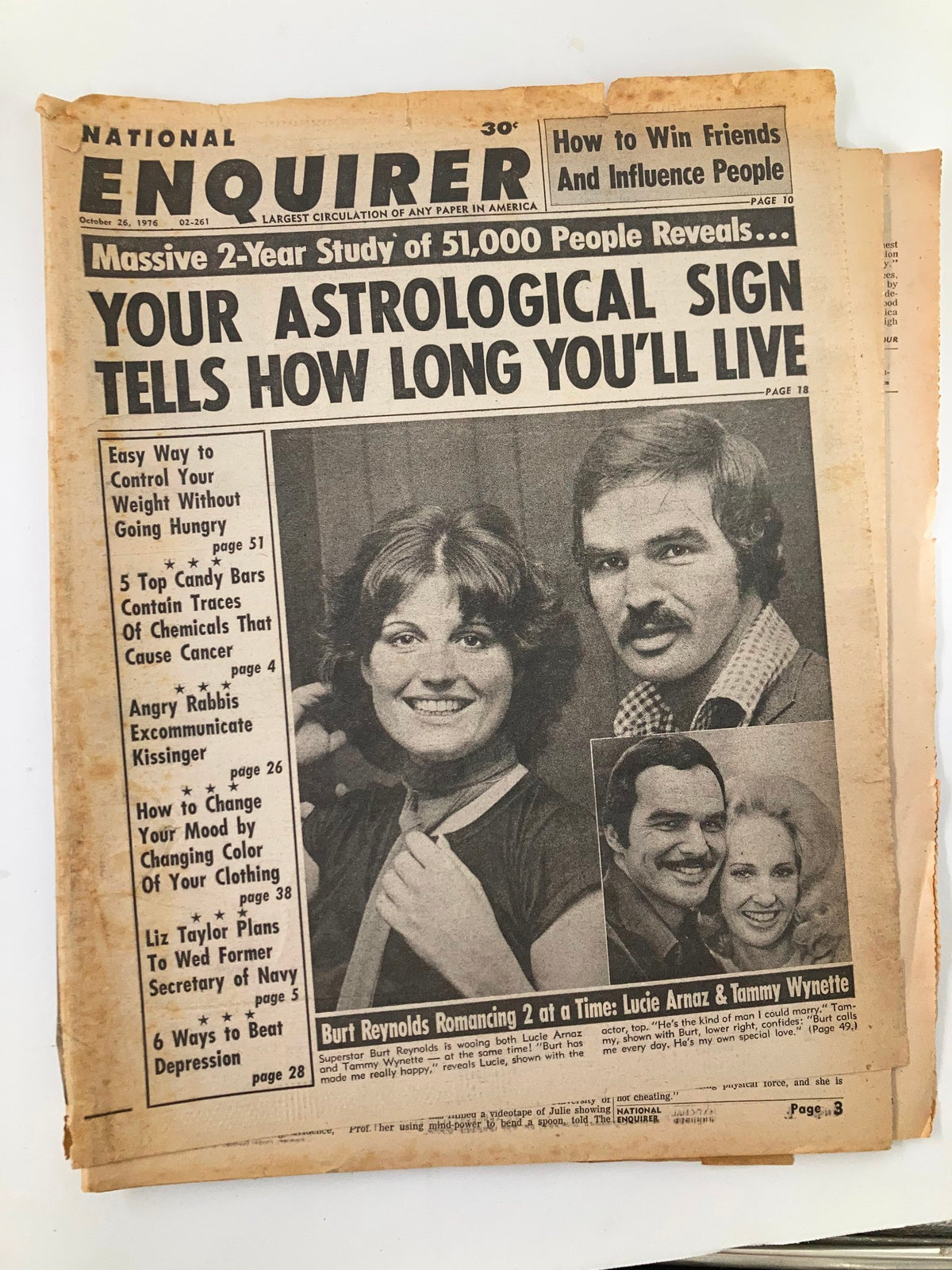
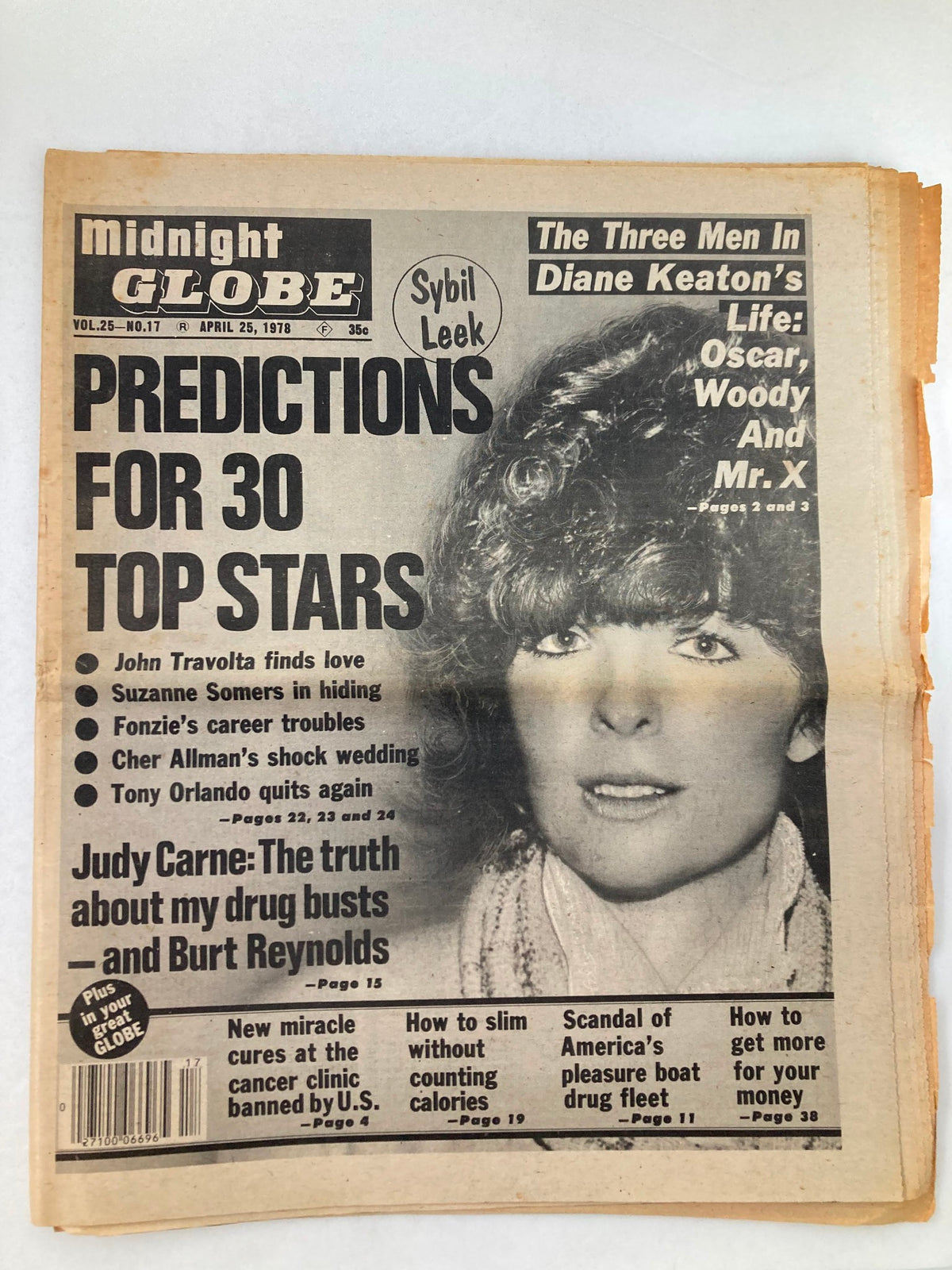
- The People & Gossip Press Chronicles: Coverage of his high-profile relationships — most notably with Sally Field and later Loni Anderson — generated years of devoted magazine attention, documented across dozens of issues tracking the full emotional arc.
- The Hollywood Power Player Profiles: Long-form interviews in Rolling Stone, Interview, and similar prestige publications reveal a more reflective, philosophically candid Reynolds — discussing his Florida roots, his football ambitions, and his complicated relationship with his own stardom.
- The Later Career & Television Renaissance: The Evening Shade years and his acclaimed Boogie Nights (1997) comeback generated a second wave of critical re-evaluation, with magazines revisiting and recontextualizing his legacy with fresh admiration.
The Collector's Value
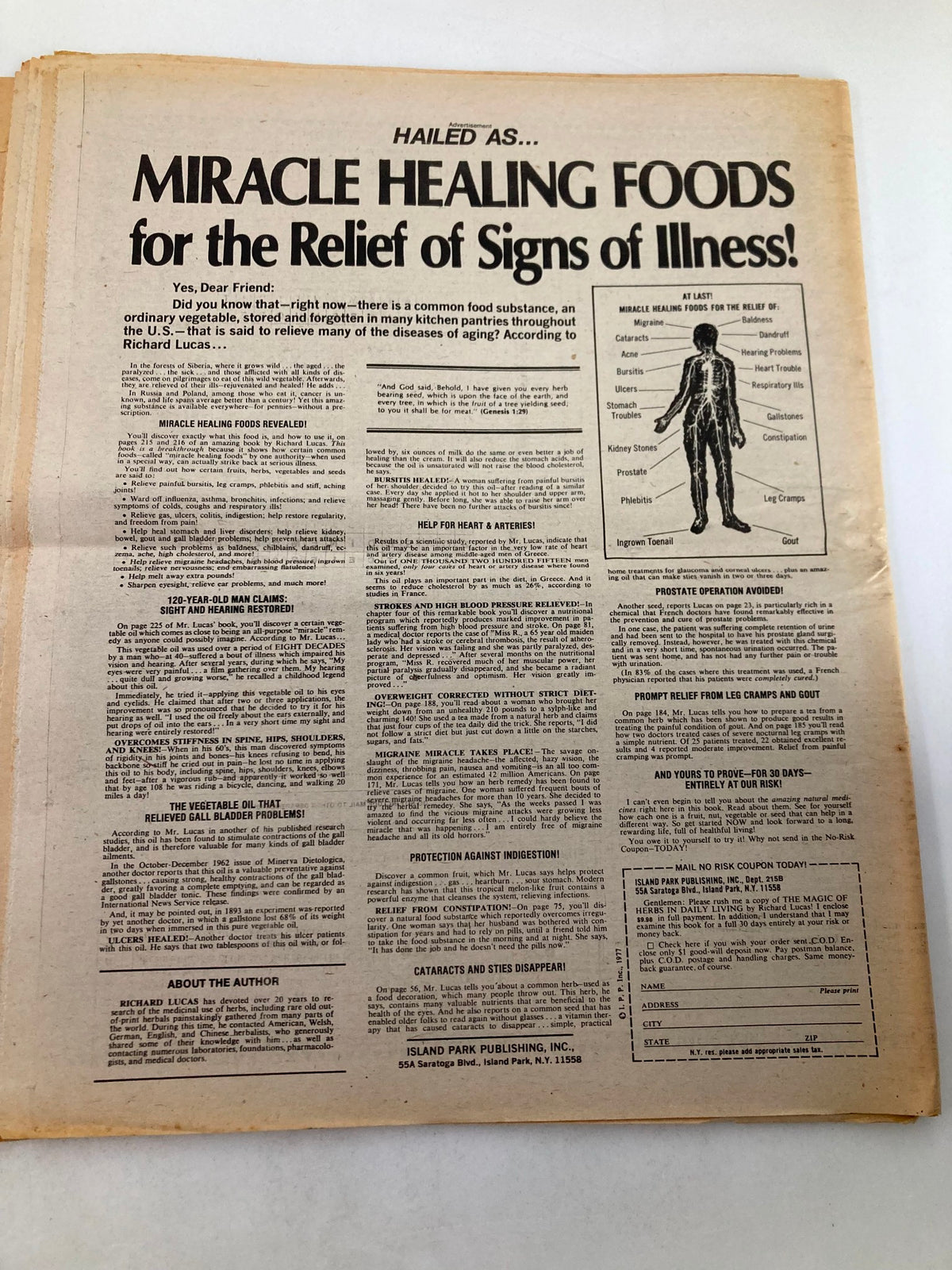
To hold one of these original issues is to hold a dispatatch from a world that no longer exists — and that is precisely the point. The paper stock tells its own story: the slightly heavier gloss of a 1970s People cover, the faintly acidic perfume of decades-old ink, the warm amber tinge of pages that have witnessed half a century of American life. The vintage advertisements surrounding the editorial content — for whiskey, for American-made automobiles, for cigarettes and cologne — are themselves a time capsule, framing the star within the full sensory context of his era in a way no digital archive can replicate. These are primary sources, not reproductions, and their scarcity only deepens with time. For collectors of Hollywood memorabilia, 1970s Americana, or the history of celebrity print media, these publications offer an irreplaceable window into the moment when a man from Riviera Beach, Florida convinced the entire world he was the coolest person alive. Explore the current available inventory below and find your piece of that era.