📖 About this Collection
Calvin Klein: The Architect of American Desire
The Legend & The Legacy
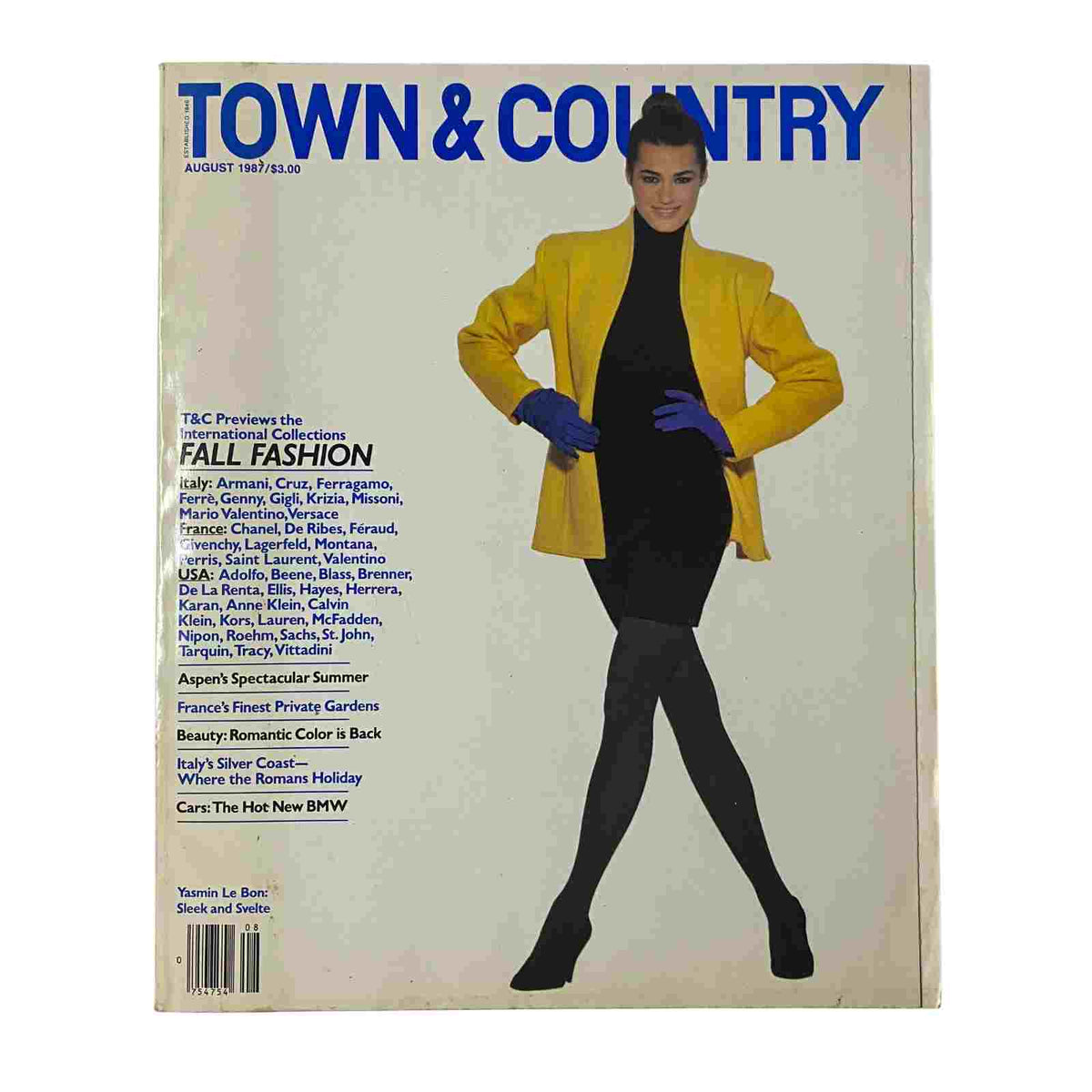
Few names reshaped the visual and cultural language of American fashion as completely as Calvin Klein. Emerging from the garment district of New York in the late 1960s, he ascended through the 1970s and 1980s to become something far greater than a designer — he became a cultural force, a provocateur, and a mirror held up to a society simultaneously loosening and reinventing its own sense of desire. His minimalist aesthetic — clean lines, muted palettes, an almost architectural restraint — arrived as a radical counterpoint to the maximalism of the era. Then came the advertising. The now-legendary campaigns, featuring a teenage Brooke Shields asking what came between her and her Calvins, detonated across the national consciousness in a way that only print and broadcast media could deliver at the time. There was no scroll, no mute button, no algorithm to filter it away. Readers encountered these images cold, in the glossy pages of magazines sitting on coffee tables, in waiting rooms, and on newsstands — and the cultural conversation that erupted was raw, immediate, and defining. He didn't just sell clothing. He sold a fantasy of American cool, and the press was both his canvas and his megaphone.
Inside the Archive
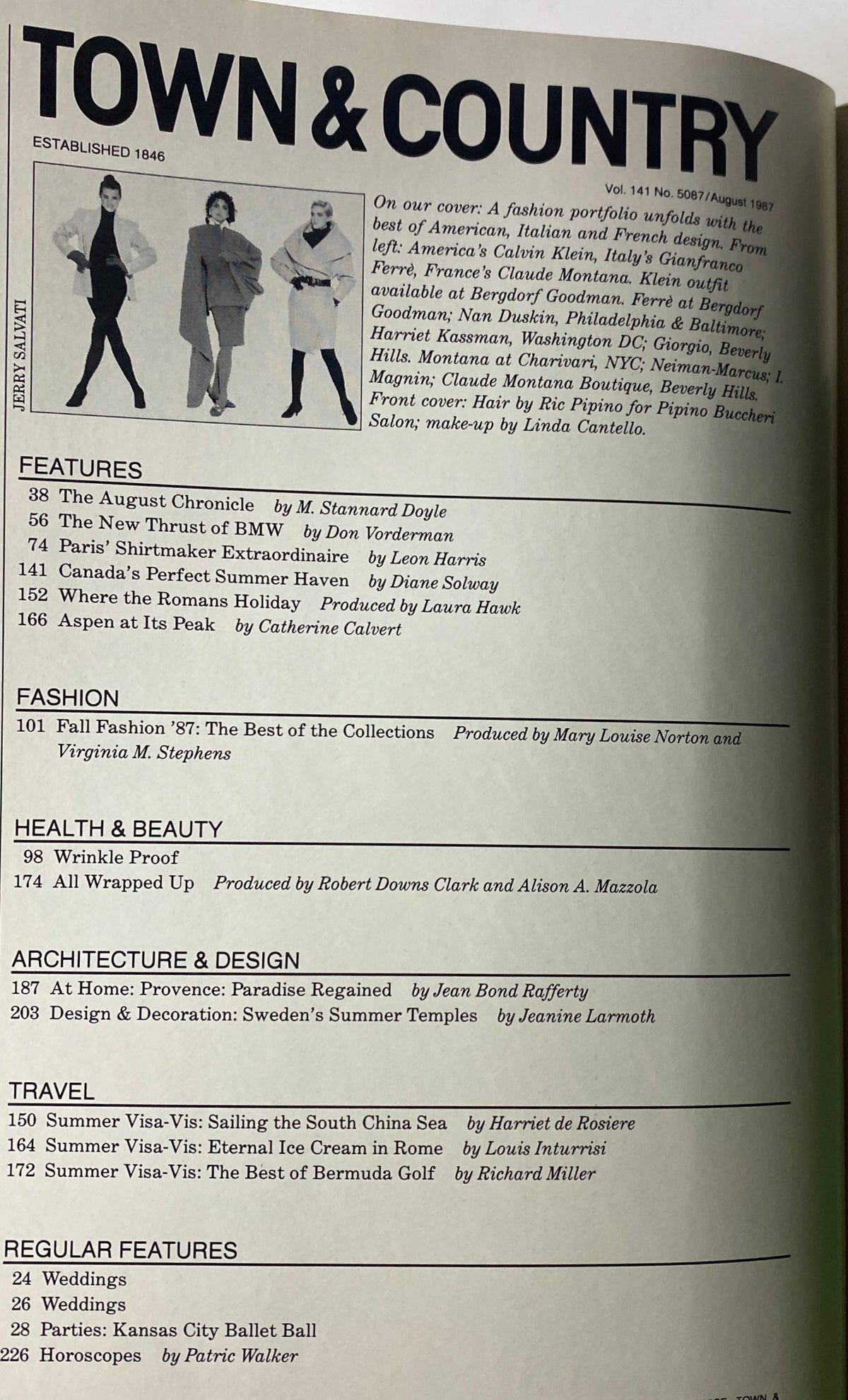
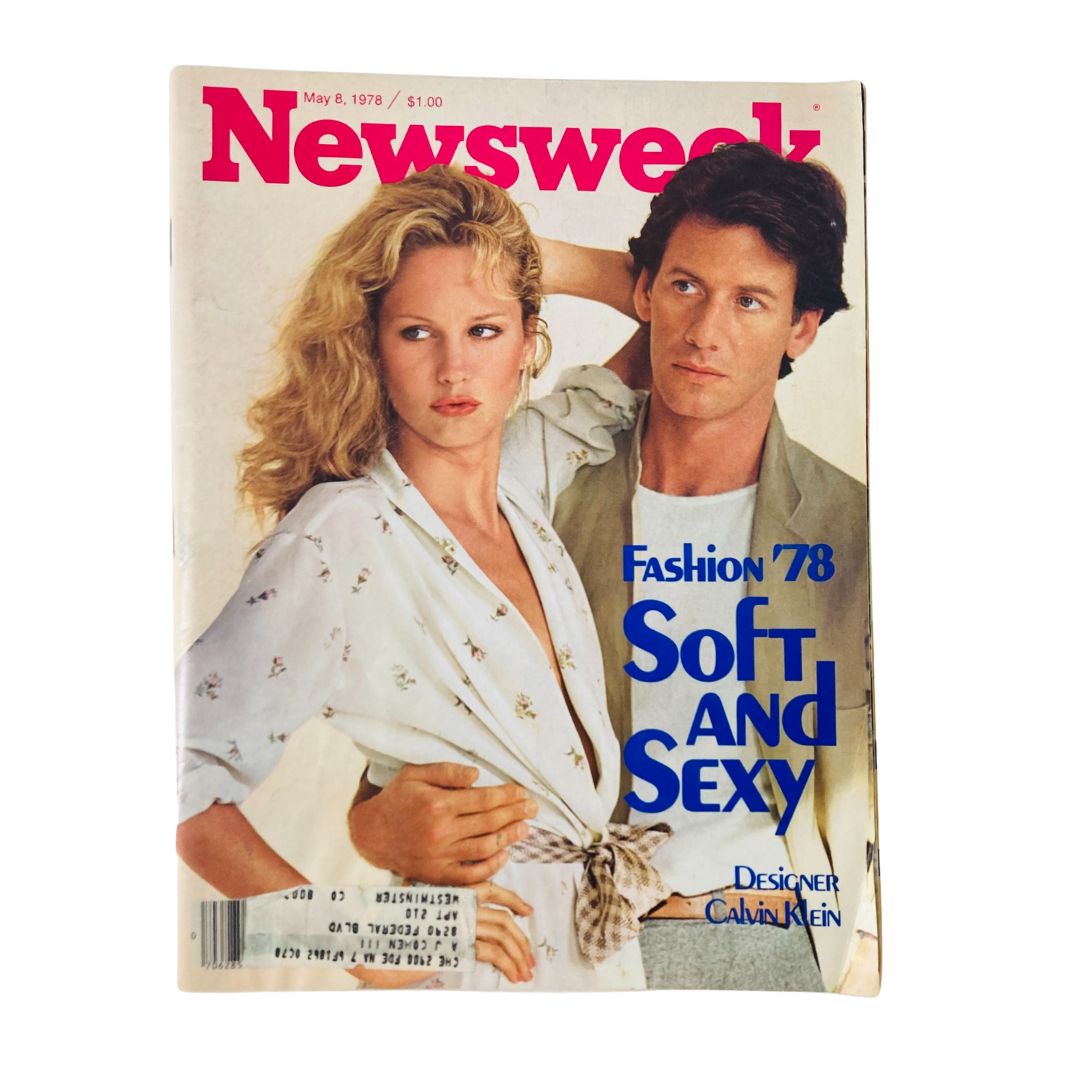
The vintage editorial coverage of this American minimalist is a masterclass in how fashion journalism once operated at the intersection of commerce, art, and controversy. Photographers like Richard Avedon and Bruce Weber translated his garments into something closer to sculpture than clothing, and the resulting spreads — stark, sensual, and deeply cinematic — made Vogue one of the essential documents of his ascent. Interview magazine, Andy Warhol's downtown bible of celebrity and culture, chronicled the designer's deep entanglement with New York's social and artistic elite throughout the 1970s and '80s, capturing a milieu that no longer exists. Meanwhile, Time and Newsweek treated his provocative advertising campaigns as genuine news events, running investigative features and opinion columns that placed him squarely at the center of America's ongoing debate about art, commerce, and obscenity. International editions of Elle and Harper's Bazaar brought his aesthetic to European audiences, while trade publications like Women's Wear Daily documented the business machinery behind the myth with a granular precision that fashion historians still rely upon today.
Curator's Checklist: Highlights Often Include
- Landmark advertising campaign features — editorial coverage and critical responses to his groundbreaking Brooke Shields and subsequent underwear campaigns from the late 1970s through the 1990s, often reproduced in full within the original print issues that first shocked the public
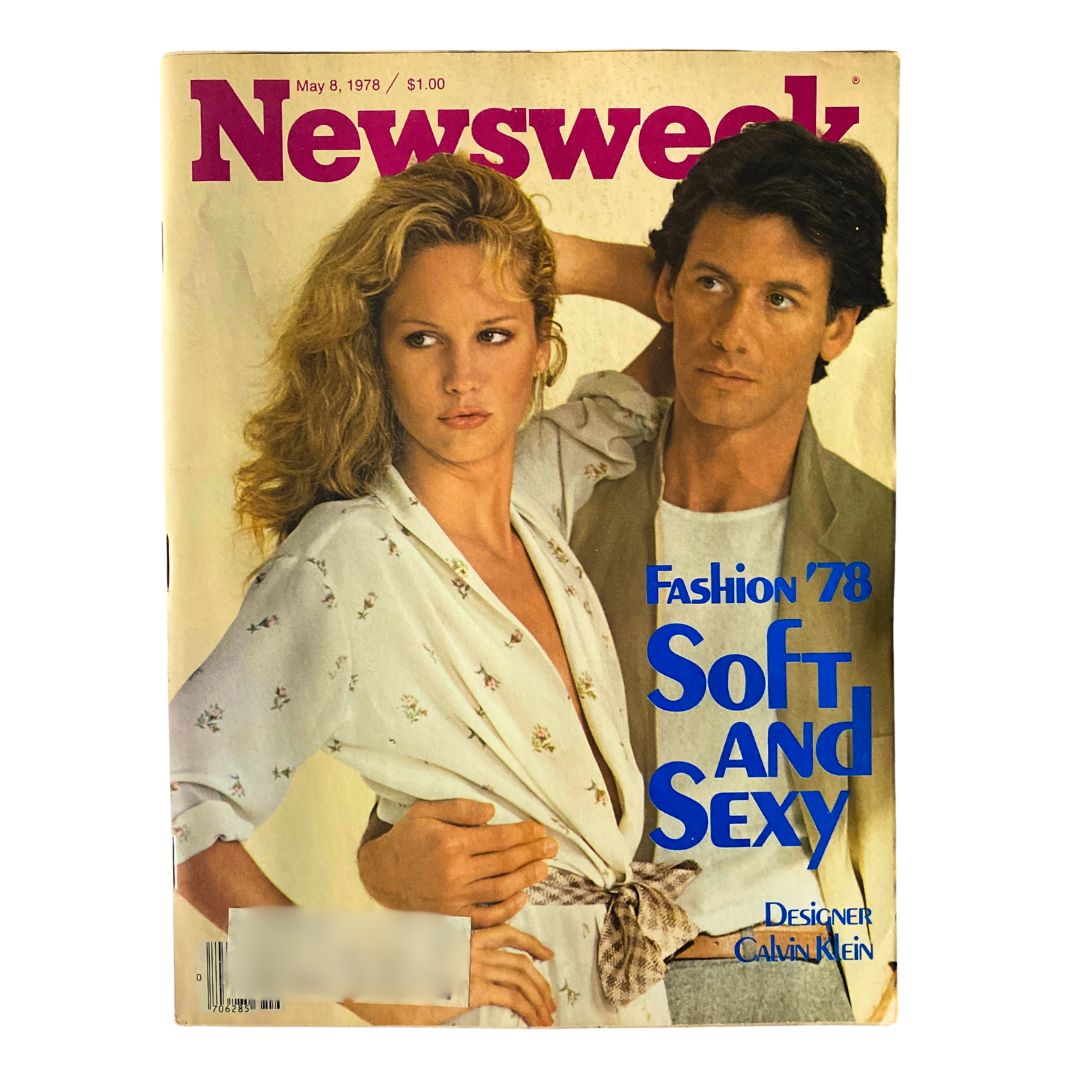
- Runway and ready-to-wear coverage — seasonal fashion spreads documenting the evolution of his signature minimalism, from his early Seventh Avenue collections through his dominance of the American sportswear market
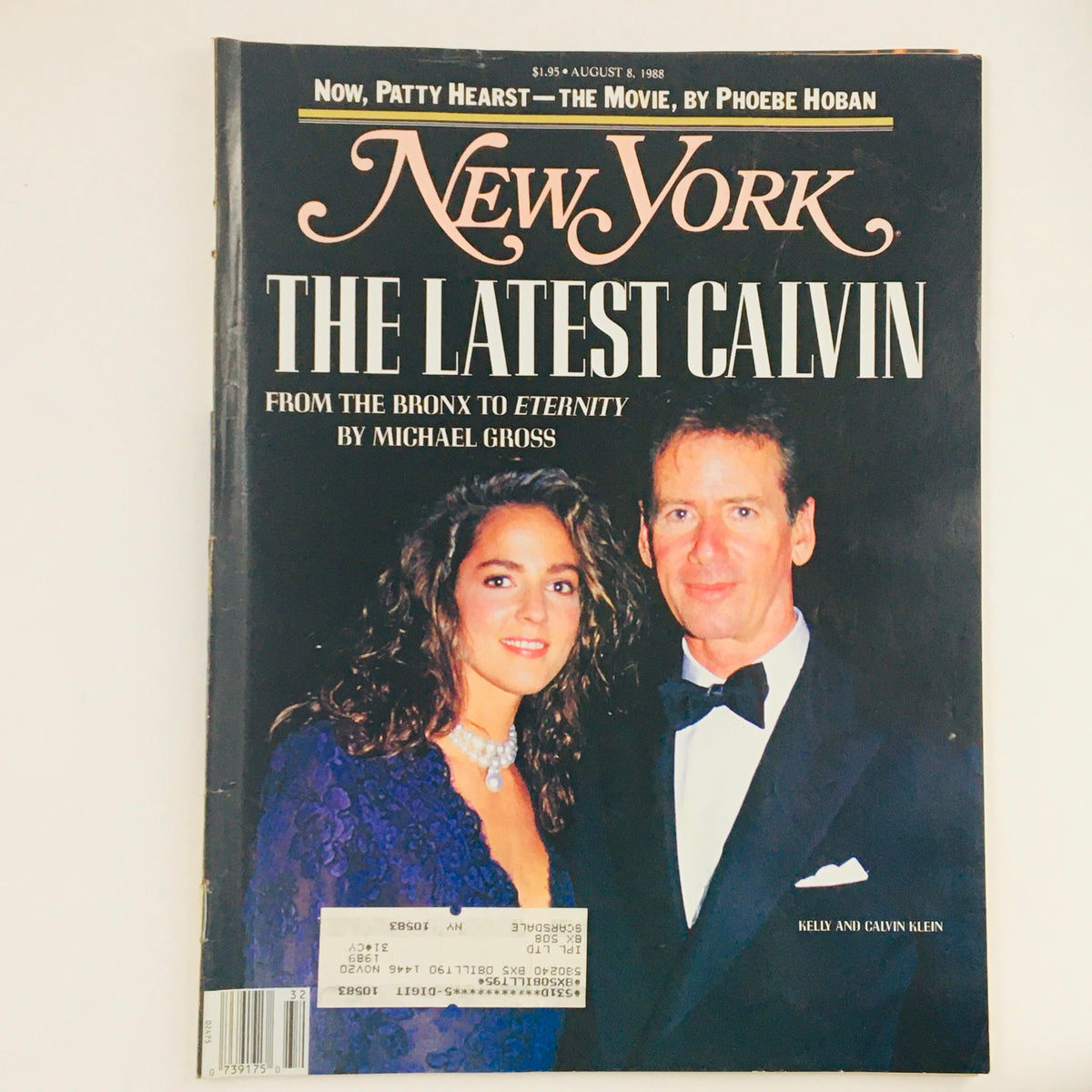
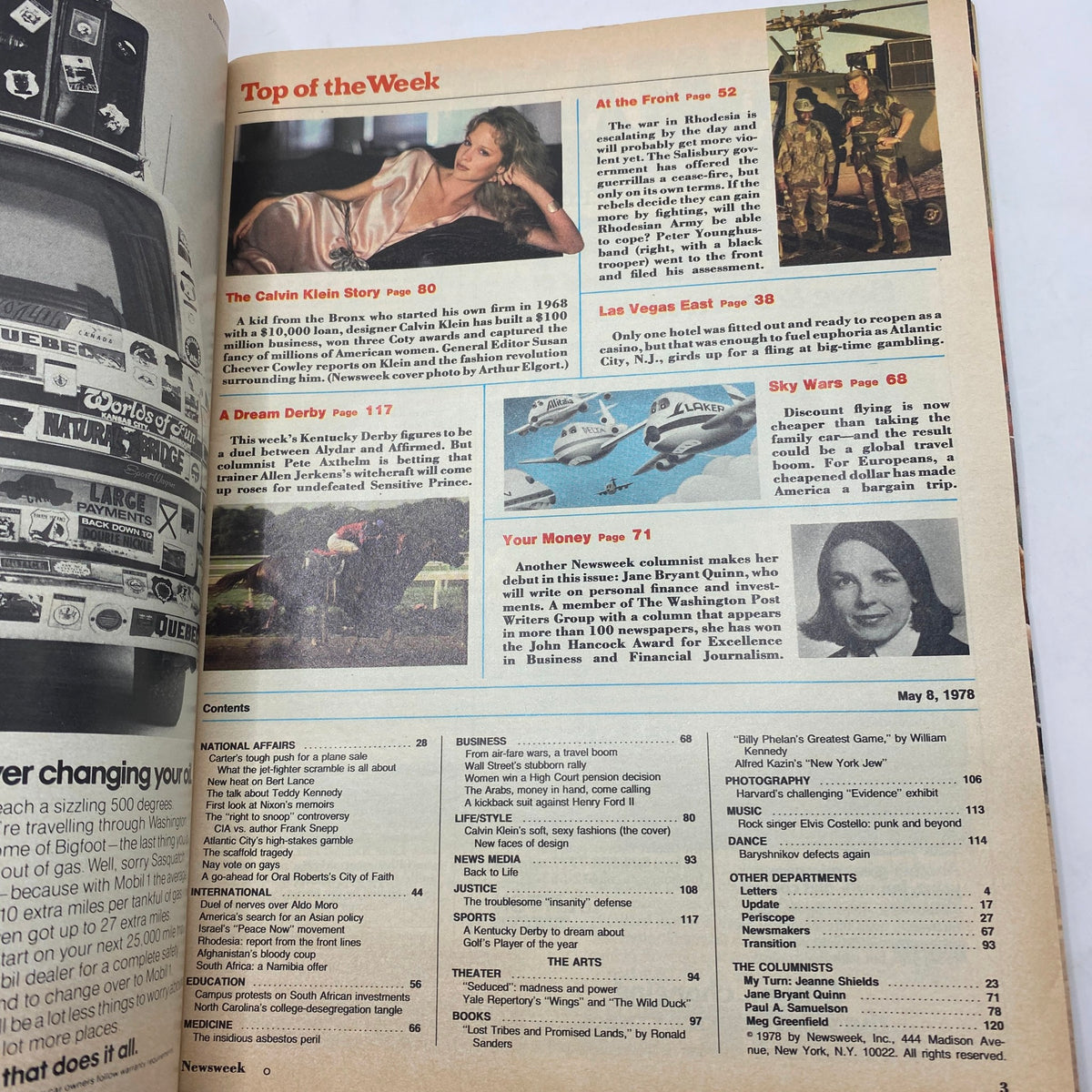
- Profile and interview features — long-form portraits of the designer himself, exploring his Bronx origins, his creative philosophy, and his complicated celebrity, often appearing in major cultural monthlies at peak moments in his career
- Cultural controversy documentation — news-magazine features addressing the censorship debates, network bans, and public backlash surrounding his advertising, representing a primary-source record of America's culture wars in print
- The jeans and fragrance era — glossy, full-bleed advertisement pages and accompanying editorial content tied to Obsession, Eternity, and the iconic CK denim campaigns, which are now among the most collectible artifacts of 1980s and '90s commercial art
The Collector's Value
To hold an original issue from this era is to hold something the internet cannot replicate. The paper stock of a 1981 Vogue carries a particular weight and warmth; the ink of a Time cover story from 1983 has a faint, papery scent that anchors you instantly to a specific and unrepeatable moment in American life. The surrounding advertisements — for Pan Am flights, for Halston perfume, for obsolete luxury automobiles — form an accidental time capsule that gives context, texture, and depth to the fashion coverage itself. These are not reprints. They are the original artifacts — the precise objects that shaped public opinion, sparked dinner-table arguments, and influenced a generation of designers, photographers, and brand strategists. For collectors of American fashion history, mid-century and late-century advertising art, or the cultural history of New York in its most creatively electric decades, these publications offer an irreplaceable primary-source intimacy that no coffee-table retrospective or digital archive can approach. Explore the current available inventory below, and find the issue that belongs in your collection.