📖 About this Collection
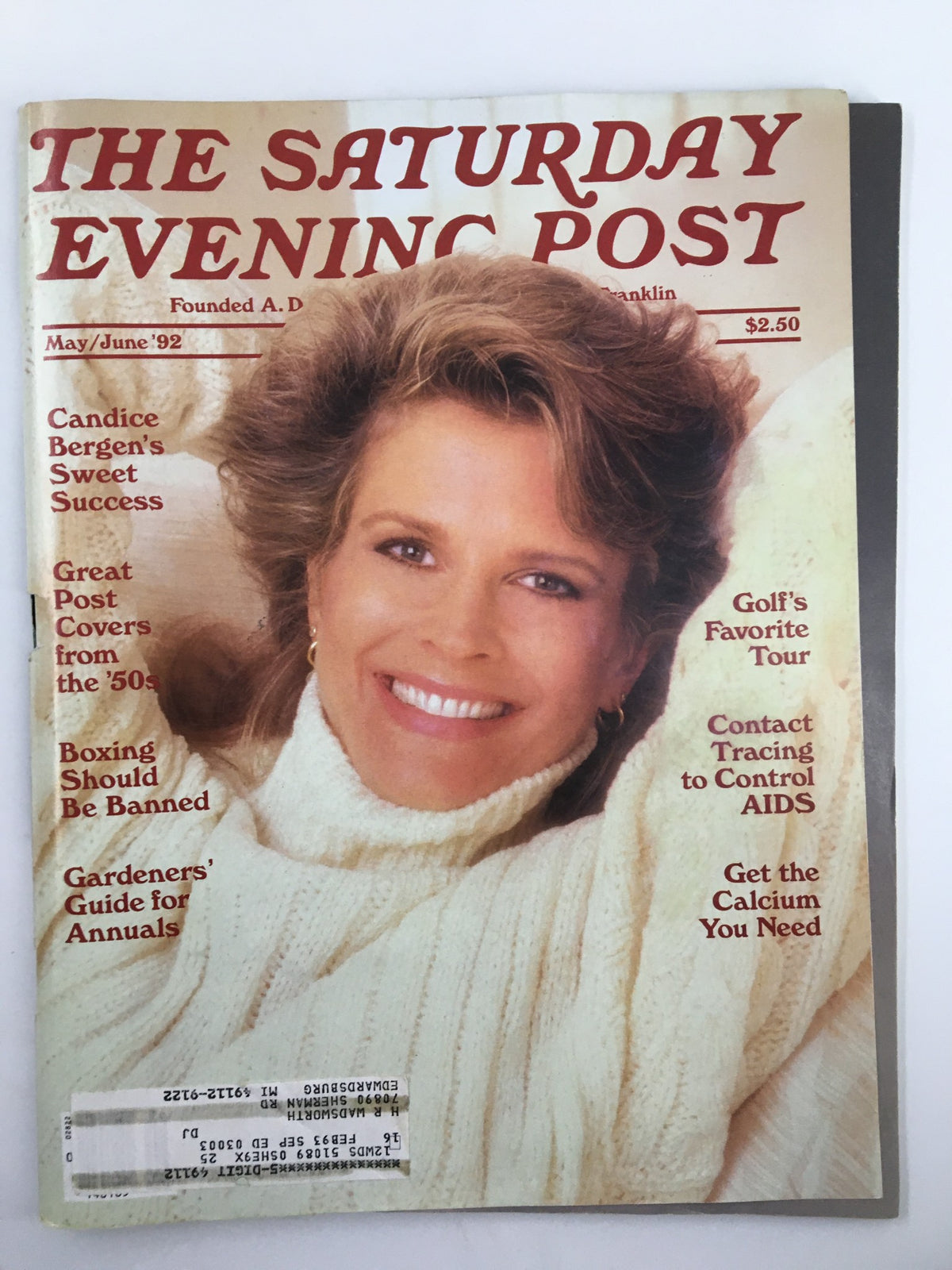
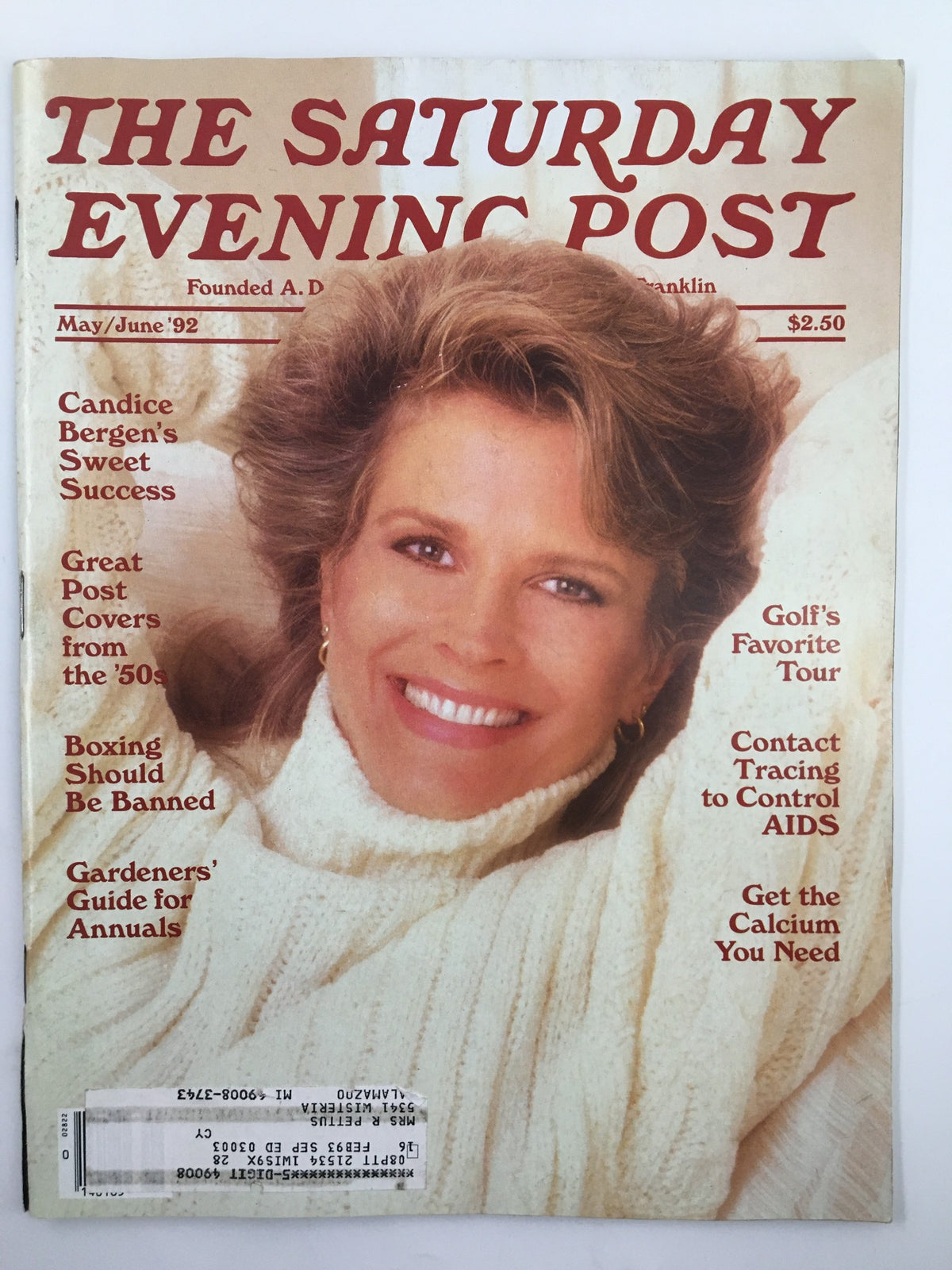
Candice Bergen: Between the Lens and the Byline
The Legend & The Legacy
Few figures of the late twentieth century embodied the tension between inherited glamour and self-determined identity quite like Candice Bergen. Born into Hollywood royalty as the daughter of ventriloquist Edgar Bergen, she arrived in the public eye already mythologized — yet she spent decades methodically dismantling that inheritance and replacing it with something far more formidable. From her early life as a celebrated fashion model and photojournalist to her breakout film roles in The Group and Carnal Knowledge, and ultimately to her decade-long reign as Murphy Brown on network television, she traversed American culture across three distinct eras. In a time before social media or streaming commentary, readers followed her evolution entirely through the printed page — through cover photographs that aged in real time, through profile interviews that captured a woman perpetually a step ahead of where the culture expected her to be, and through gossip columns that could never quite reduce her to a simple headline.
Inside the Archive
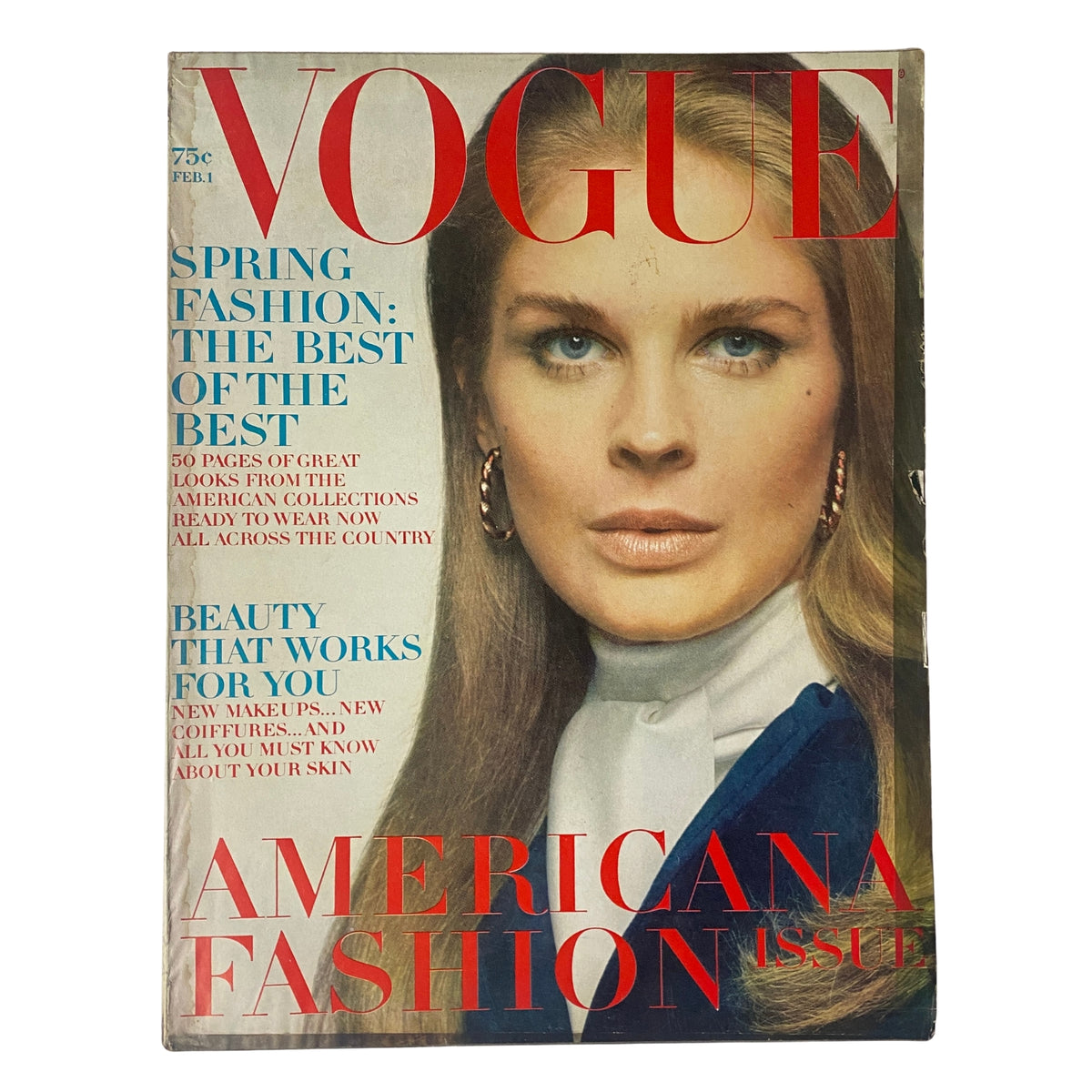
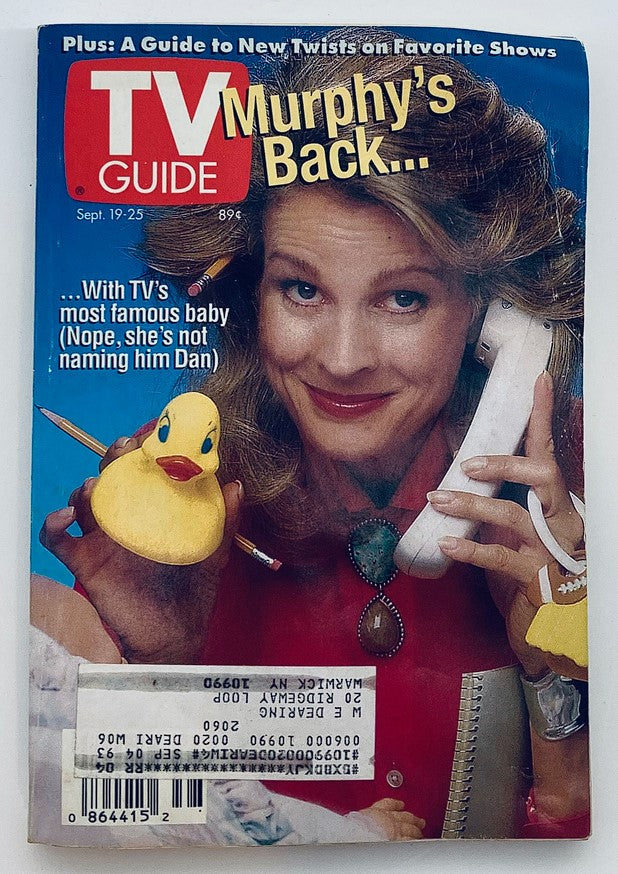
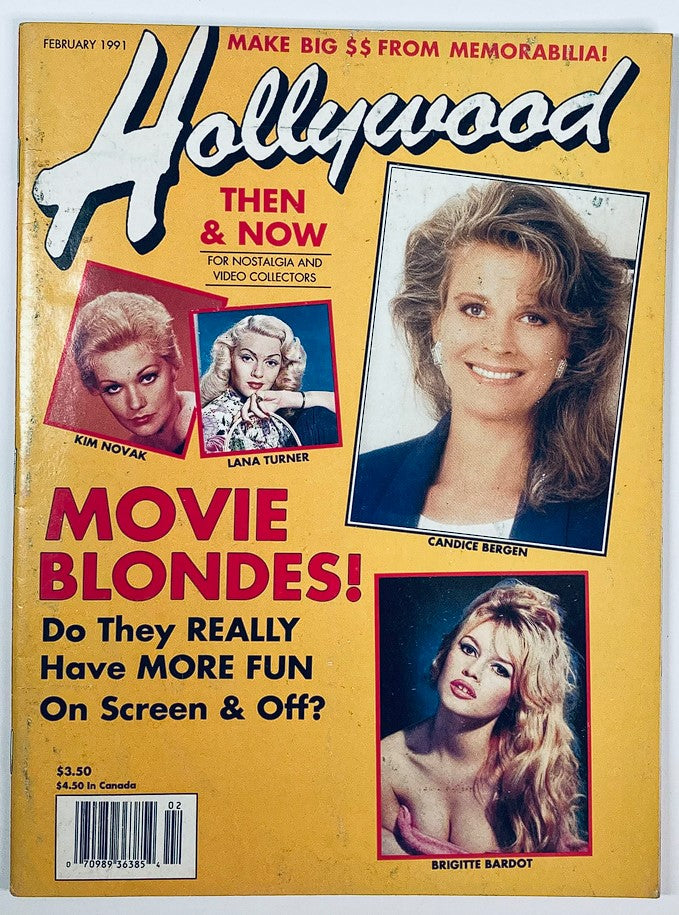
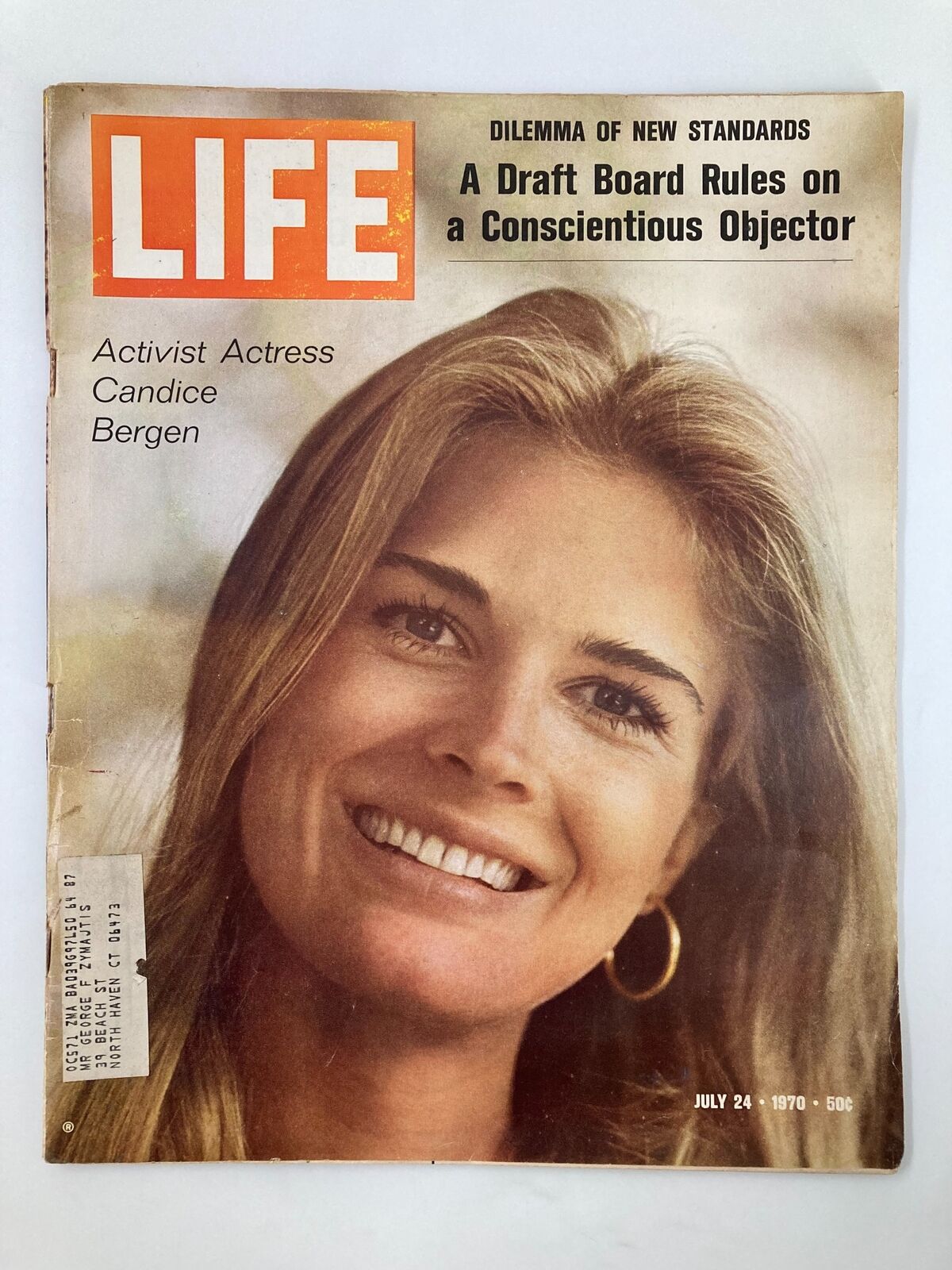
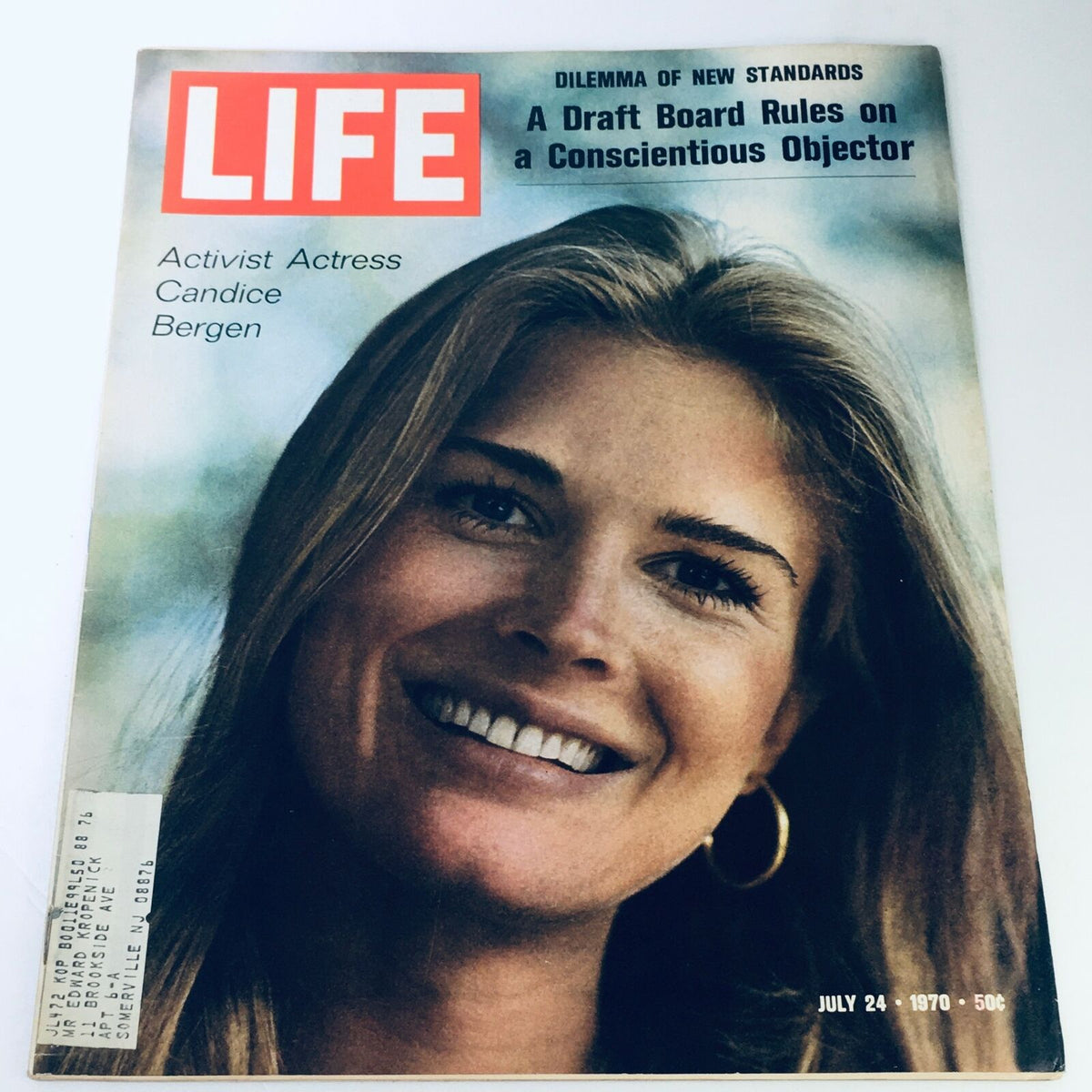
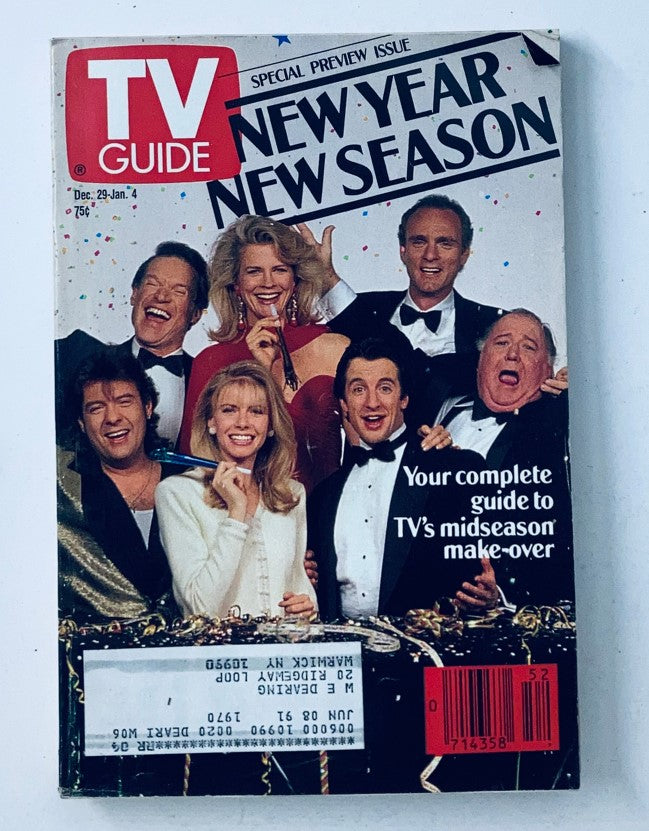
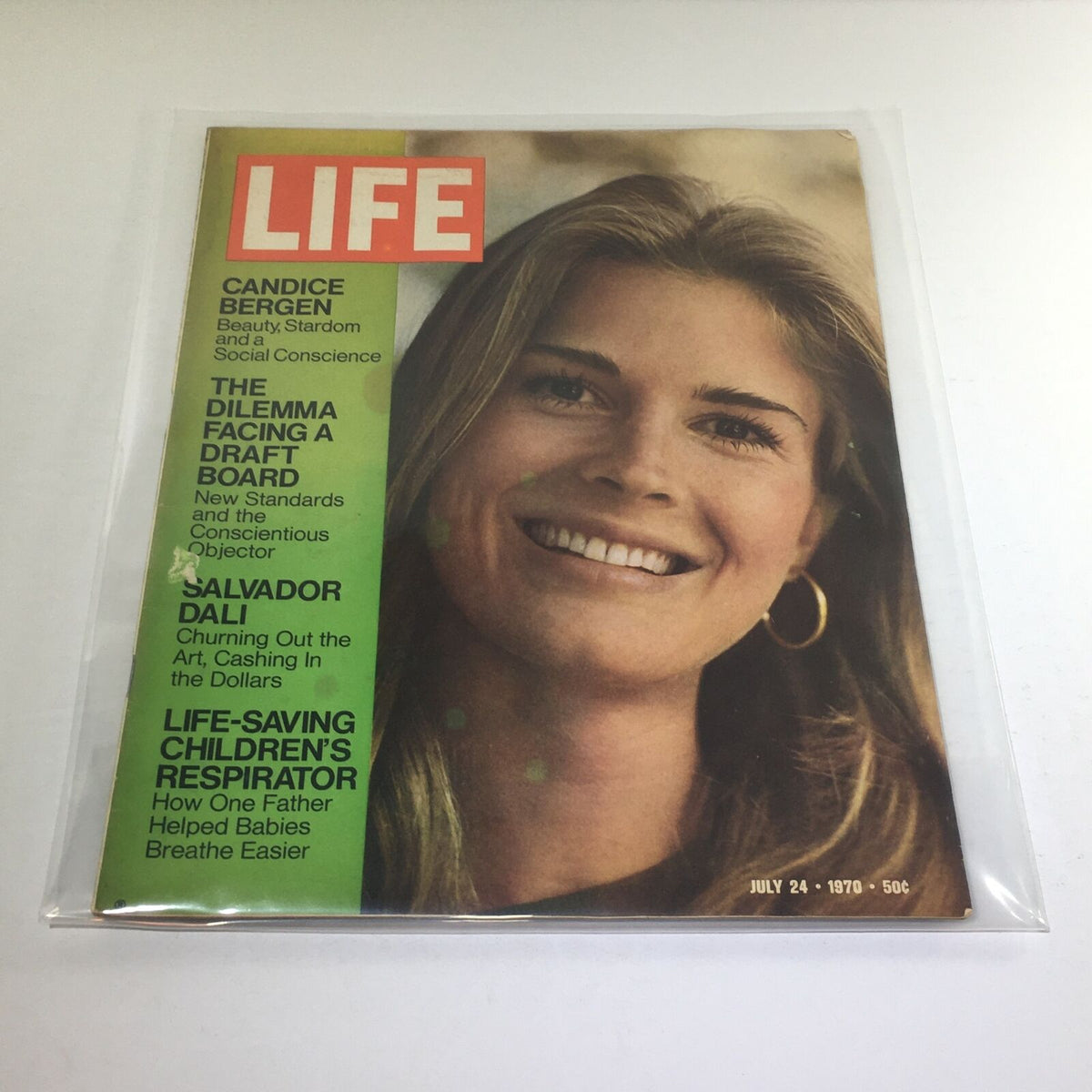
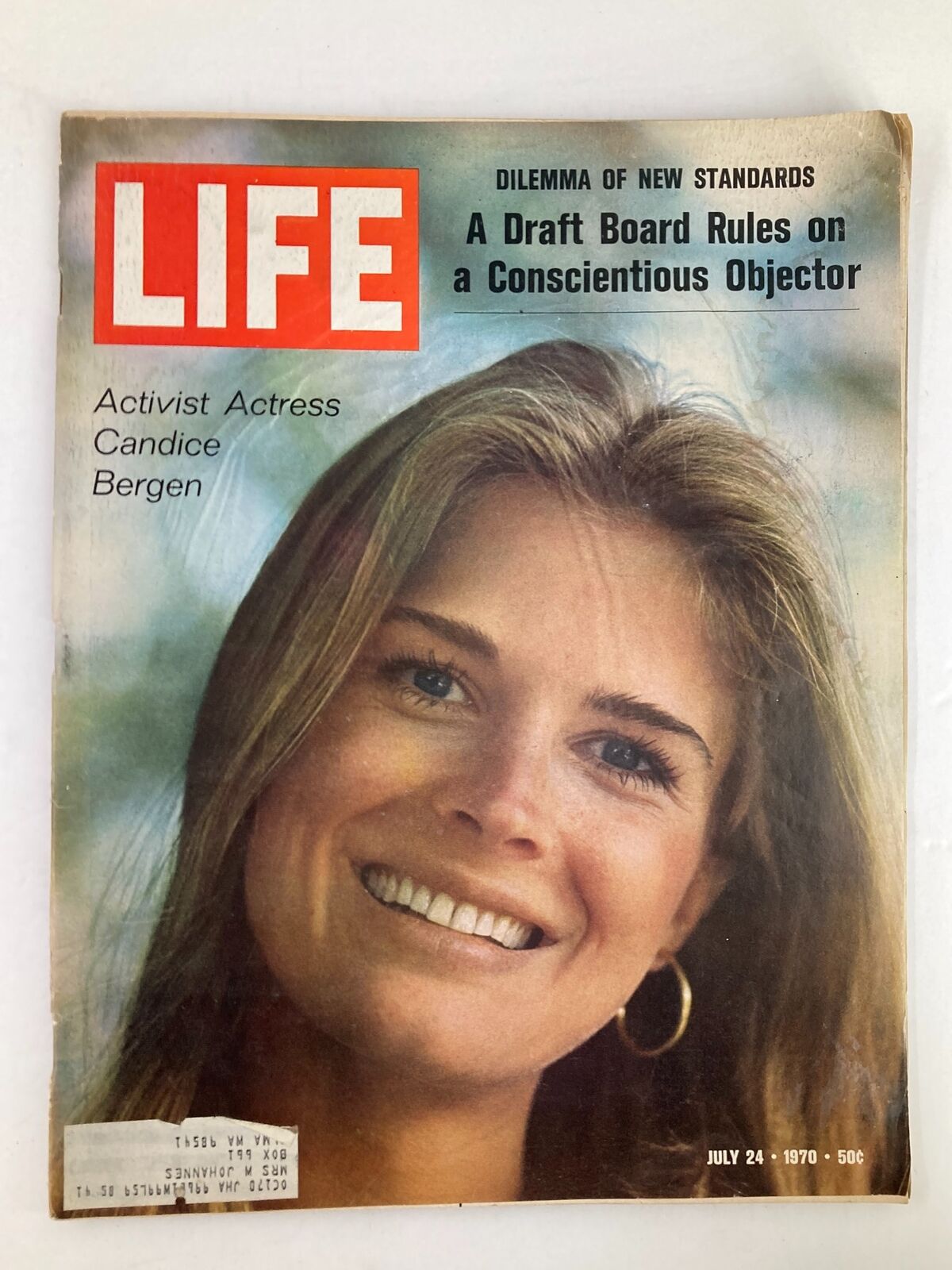
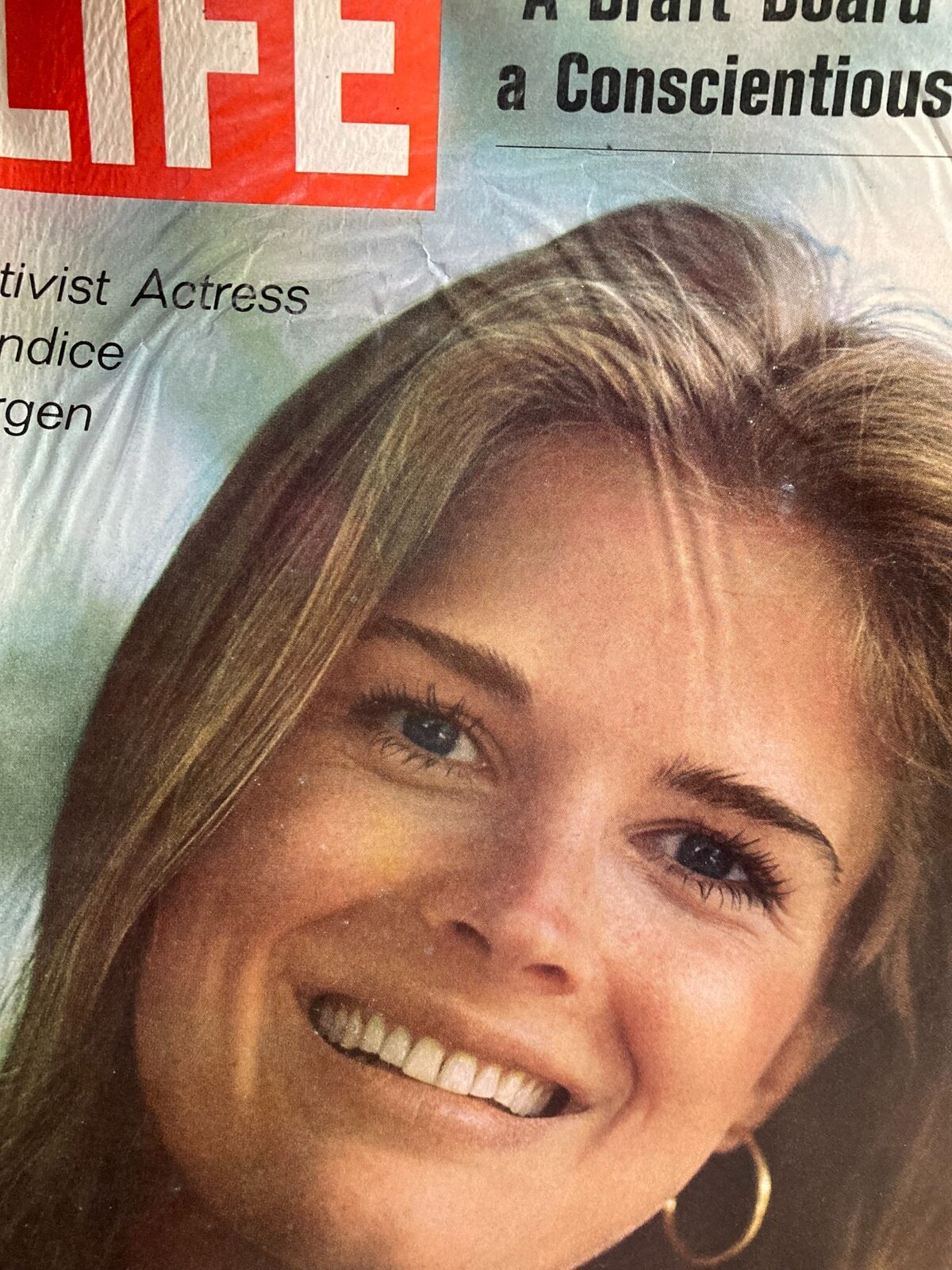
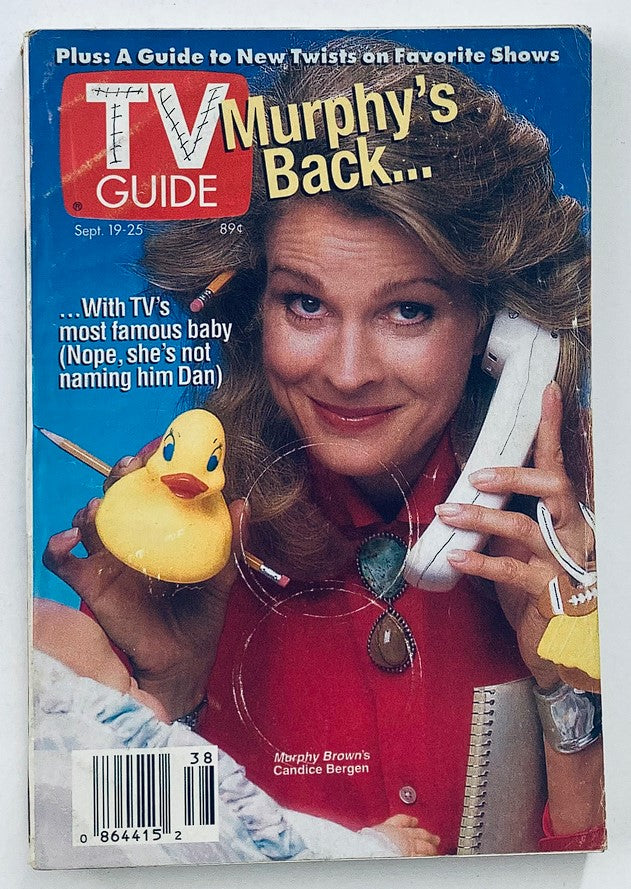
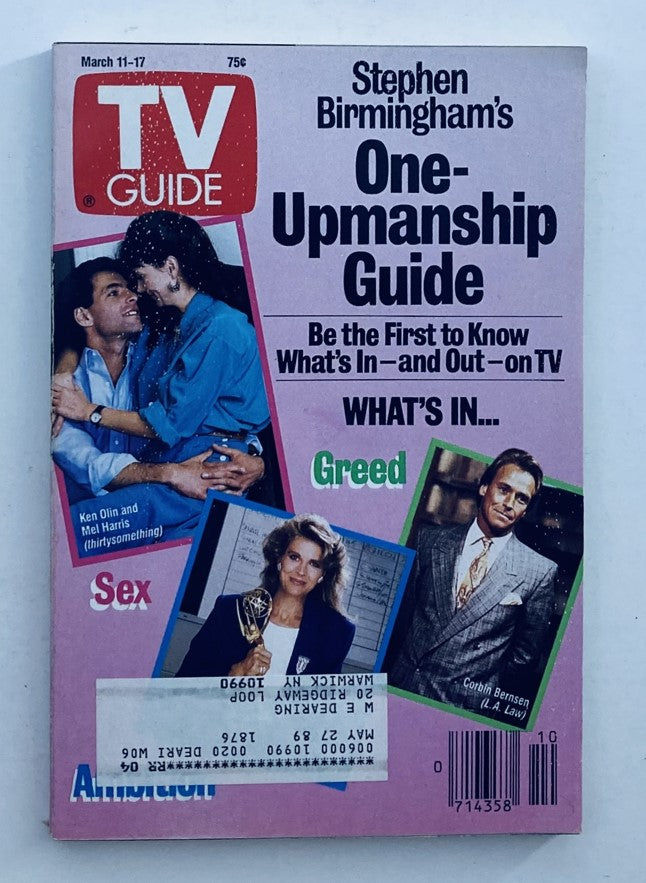
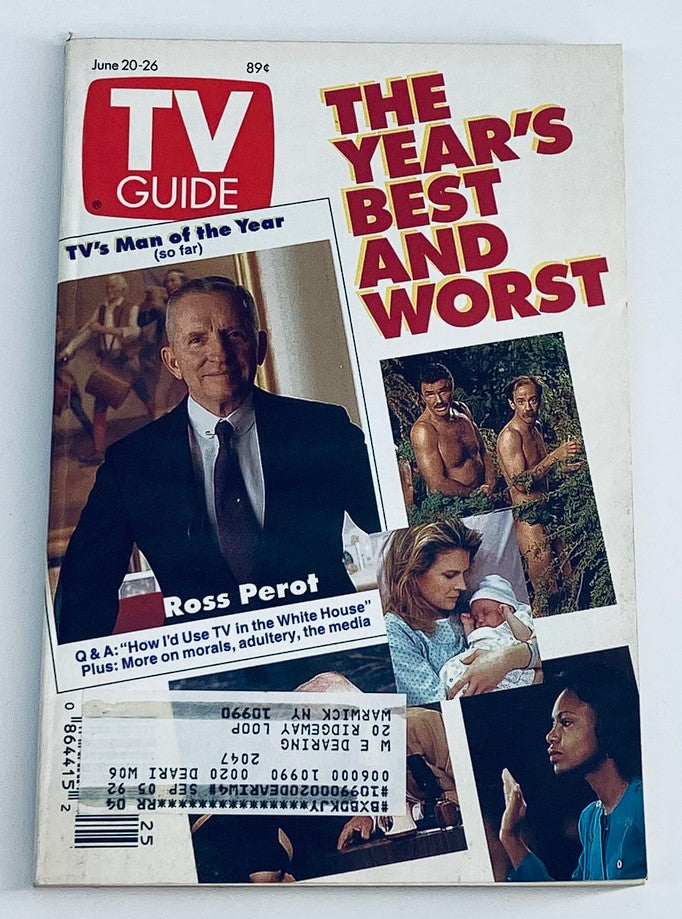
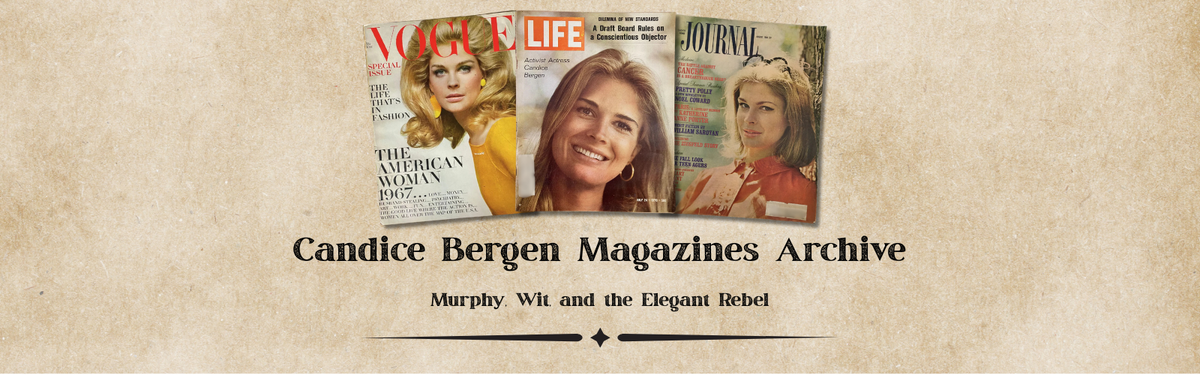
The magazines that pursued Candice Bergen did so with a particular reverence, drawn equally to her physical radiance and her inconvenient intelligence. Fashion publications in the late 1960s and early 1970s photographed her with an almost editorial aggression — moody, confrontational compositions that reflected the era's cultural upheaval, far removed from the docile glamour of the prior decade. Vogue returned to her repeatedly across multiple eras, first as a young ingénue of near-impossible beauty, and later as a woman of seasoned, unapologetic authority. Life magazine, that great democratic archive of mid-century American life, captured her during her transition from model to serious actress, lending her ambitions the same documentary gravity it extended to statesmen and astronauts. When Murphy Brown made her a household name in the late 1980s and early 1990s, TV Guide and People brought her into millions of living rooms on a weekly basis — preserving, in newsprint and glossy stock, a cultural conversation about women, career, and single motherhood that extended well beyond the sitcom itself.
Curator's Checklist: Highlights Often Include
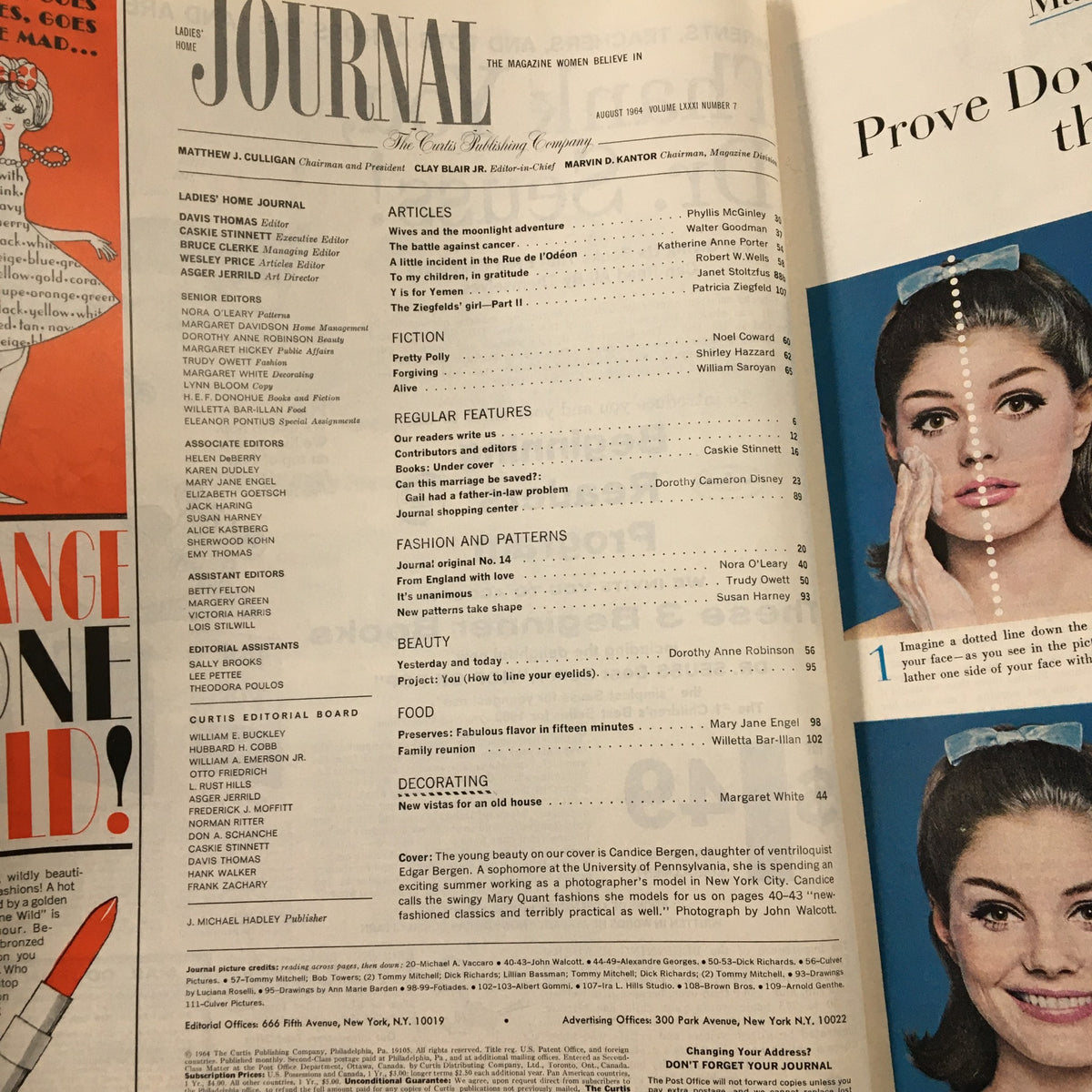
- Early fashion and beauty features from the late 1960s, when the young Bergen was among the highest-paid models in New York and a fixture of the glossy international fashion press
- Film promotion and critical profiles tied to landmark pictures such as Soldier Blue (1970), The Wind and the Lion (1975), and Starting Over (1979), often appearing in general-interest weeklies and entertainment monthlies
- Candid photojournalism coverage, reflecting her own passion for photography and her real-world assignments — a rare subject who understood, technically and philosophically, what it meant to be on both sides of the lens
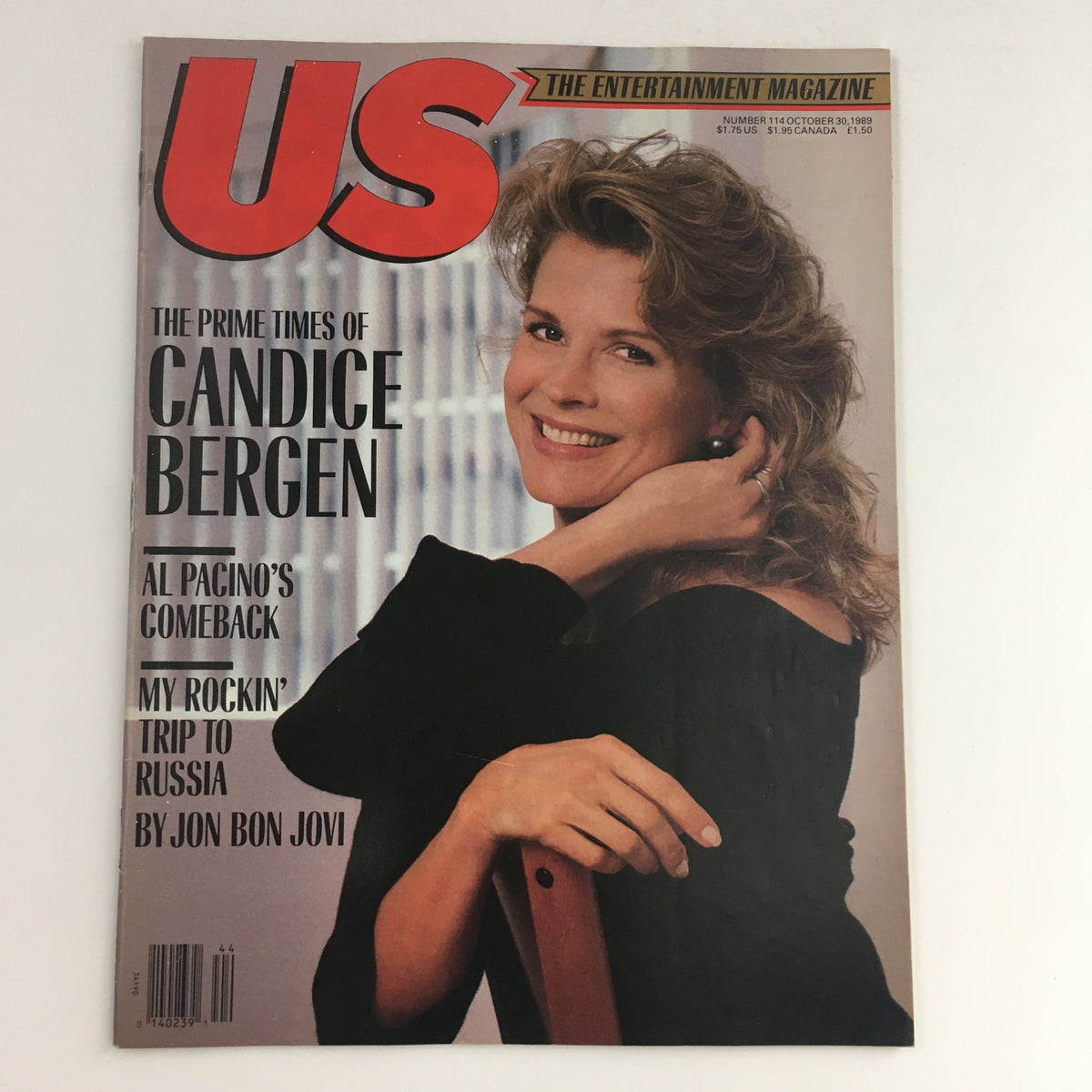
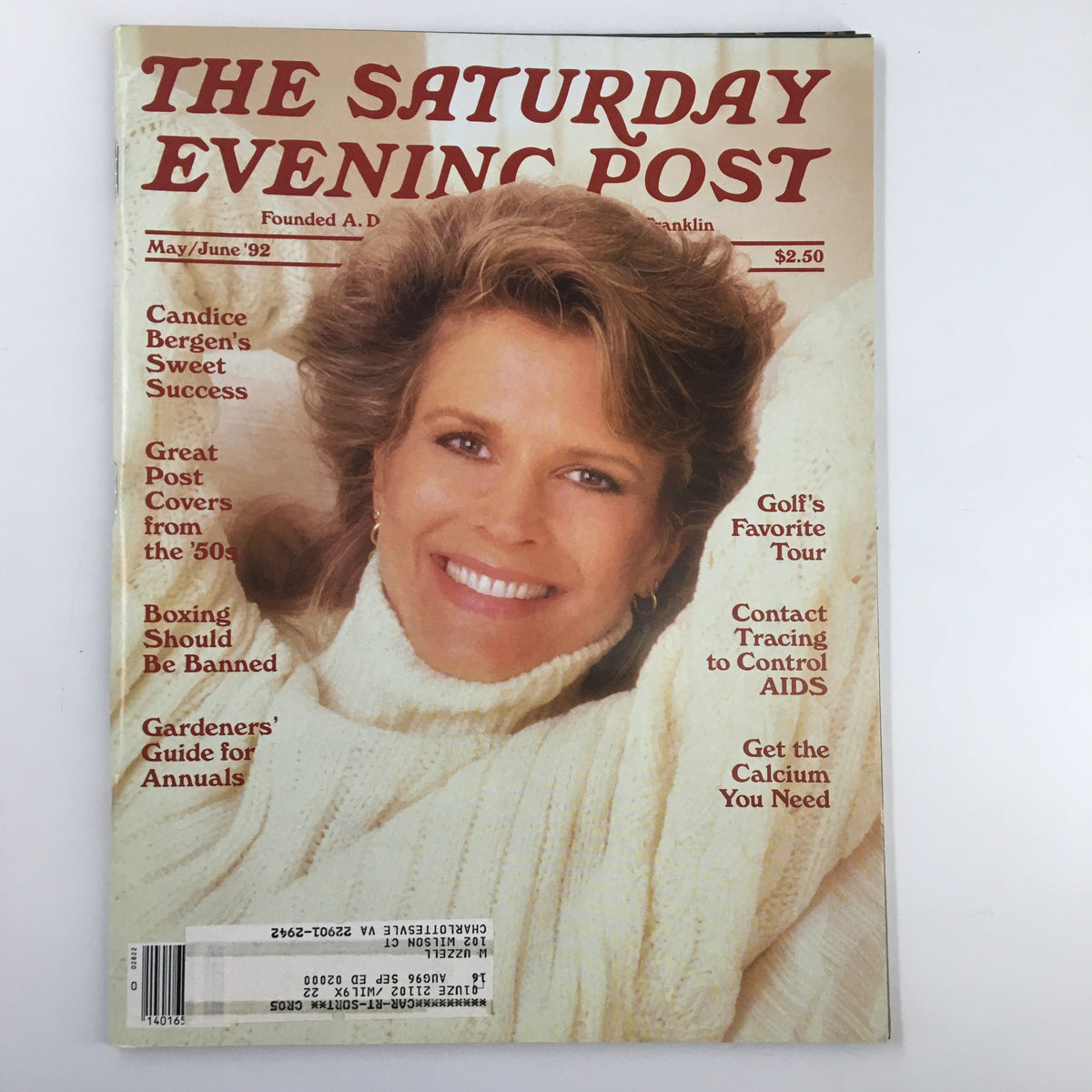
- Murphy Brown–era television features from the late 1980s into the mid-1990s, including coverage of the nationally debated 1992 "family values" controversy that placed her fictional character at the center of a genuine political firestorm
- Retrospective and legacy profiles from later decades, in which interviewers and editors grappled with the full arc of a career that defied every category it was placed in
The Collector's Value
To hold a vintage magazine featuring Candice Bergen is to hold a document of American cultural negotiation — the ongoing, often contradictory conversation this country has had with brilliant, beautiful, inconvenient women. The tactile experience alone is irreplaceable: the slightly rough texture of mid-century coated stock beneath your fingertips, the faint mineral perfume of ink that has settled into paper over five decades, the surrounding advertisements that place the editorial content precisely in its historical moment — a Pan Am flight offer beside a profile of her on a film set, or a full-page Revlon spread just pages before a Murphy Brown cover story. These are not reprints or facsimiles; they are primary sources, time capsules sealed the week they were printed and never reopened. For collectors of vintage Hollywood and entertainment photography, feminist cultural history, or American television's golden network era, these publications offer something no digital archive can replicate — the physical evidence that this moment happened, that people held this story in their hands and felt its weight. Browse the current inventory below, and discover what the archive has waiting for you.