📖 About this Collection
Carly Simon: The Voice That Dared to Feel Out Loud
The Legend & The Legacy
In an era when female artists were expected to smile, perform, and quietly step aside, Carly Simon arrived as something altogether different — a woman who wrote her own truths, named her own ghosts, and sang them directly into the American consciousness. From her breakthrough in the early 1970s through her reign as one of the decade's most compelling singer-songwriters, she occupied a rare cultural space: critically respected, commercially beloved, and endlessly fascinating to the public. Her music was inseparable from the broader cultural upheaval of that moment — the renegotiation of romance, identity, and womanhood that defined a generation. Unlike many of her contemporaries, she possessed an Ivy League literary sensibility that infused her songwriting with a psychological depth uncommon in popular music, drawing comparisons not just to fellow artists but to the confessional poets and diarists of her time. She was, in the truest sense, a product of a particular New York intellectual aristocracy who chose to speak in the language of pop — and in doing so, reached millions who had never set foot in that world. Before streaming algorithms and social media commentary, fans experienced her story the way all cultural mythology was built then: page by page, issue by issue, through the glossy and ink-scented pages of the magazines that lined newsstands from Manhattan to Malibu.
Inside the Archive
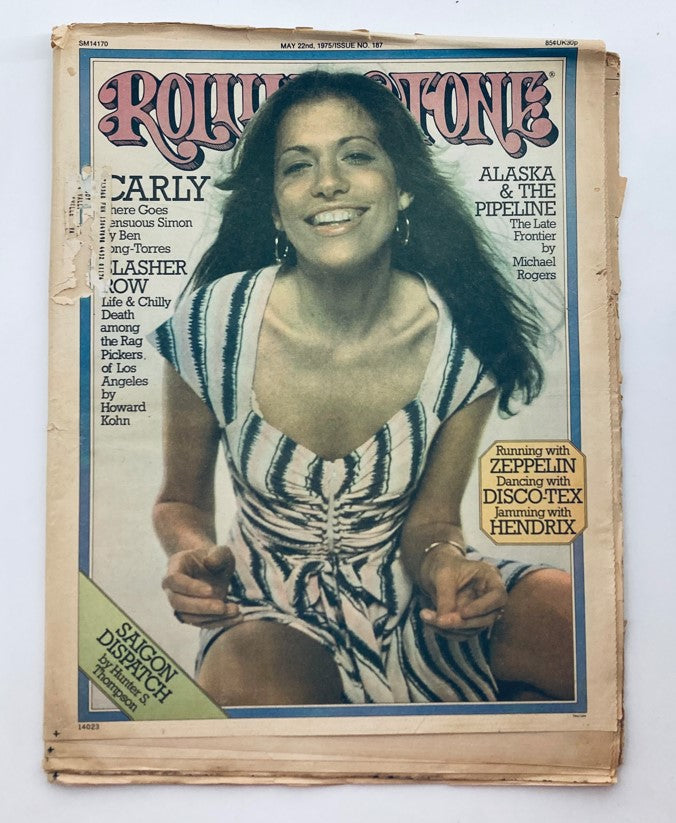
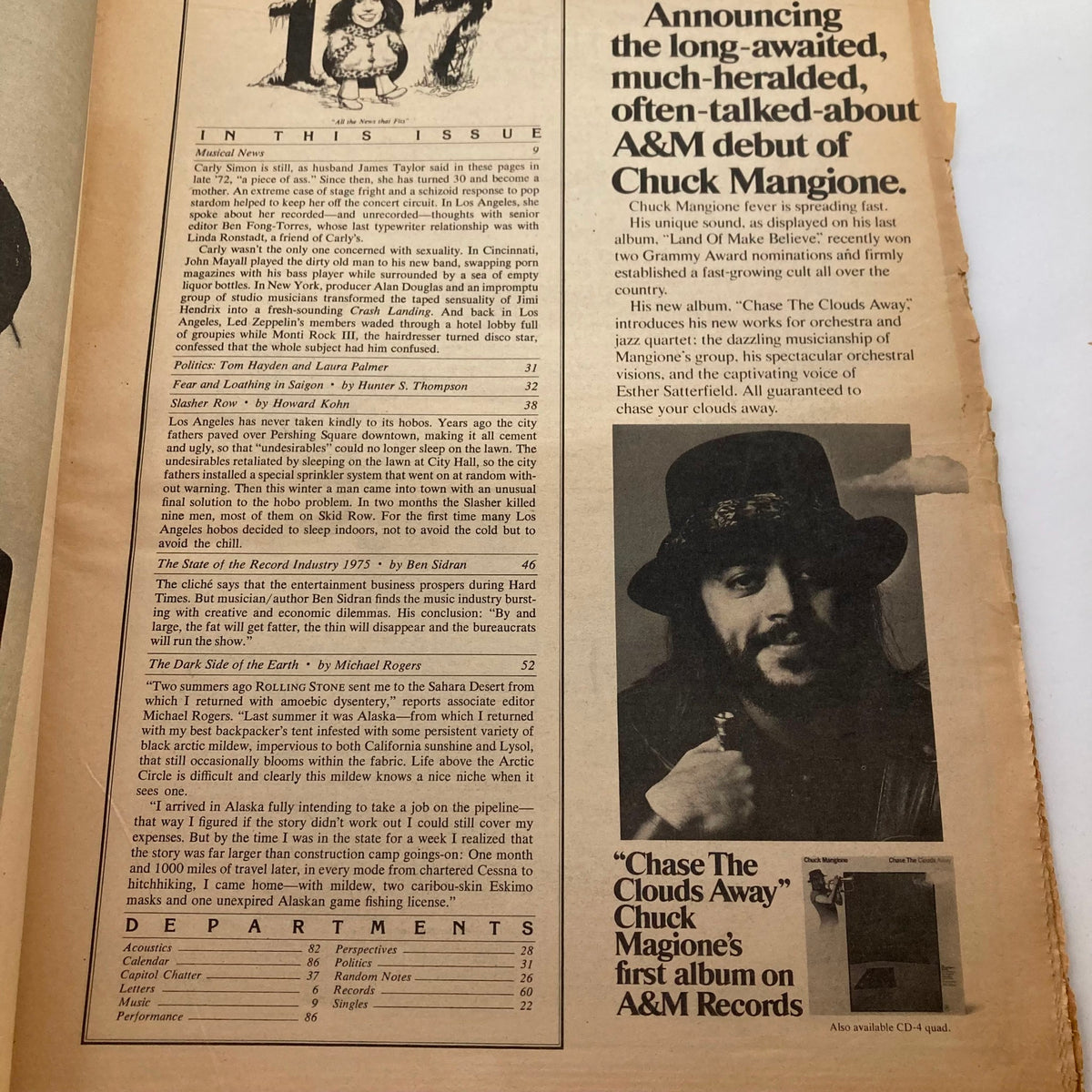
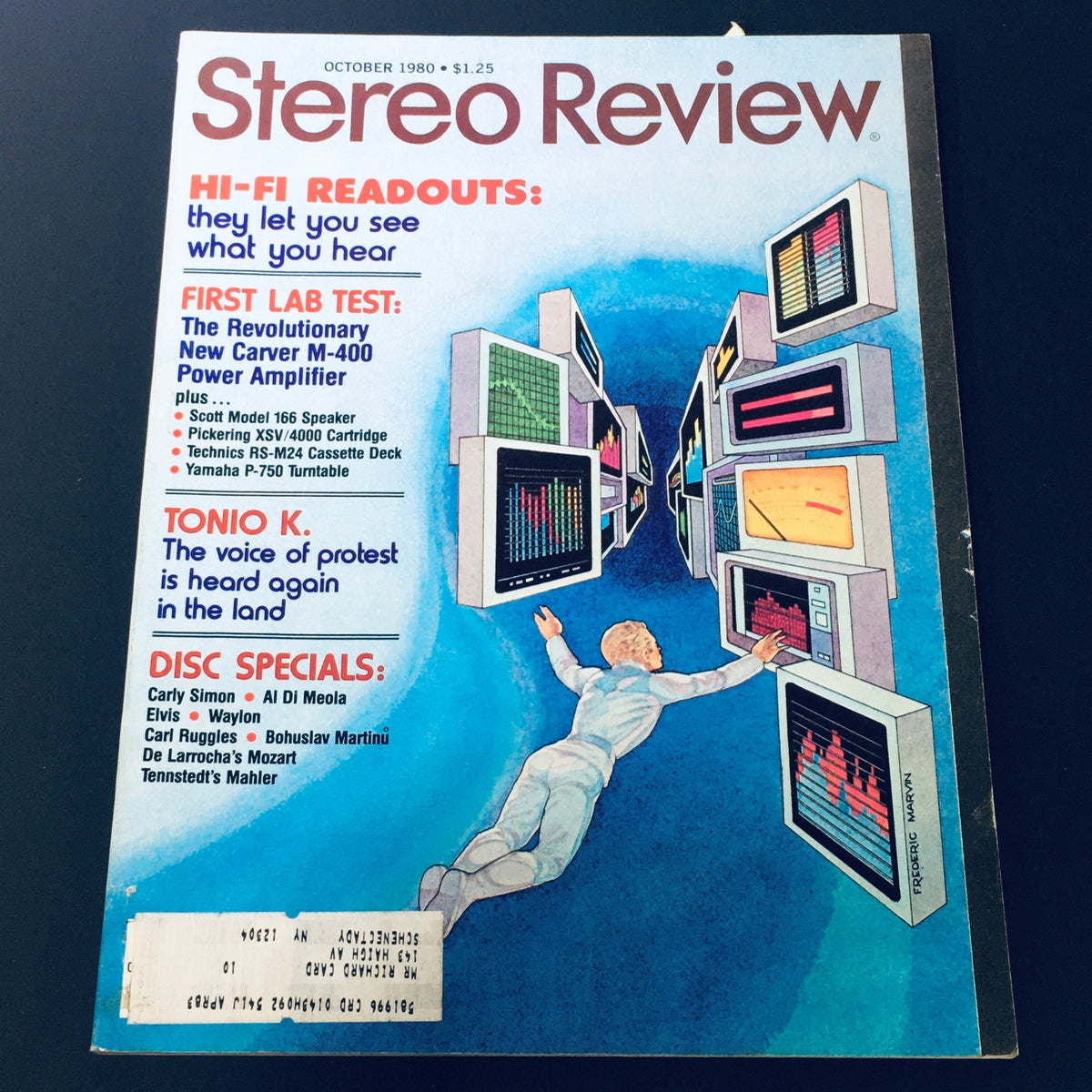
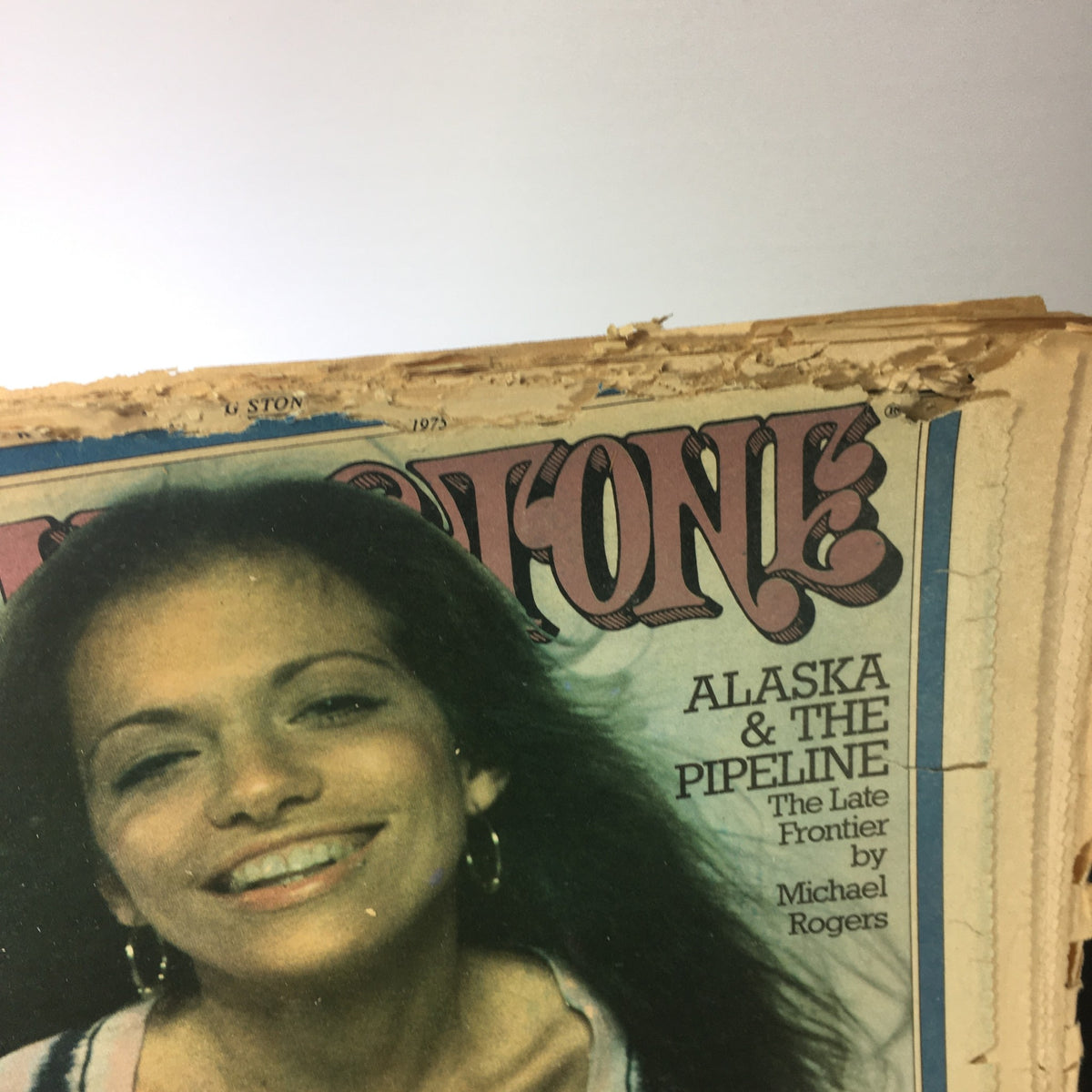
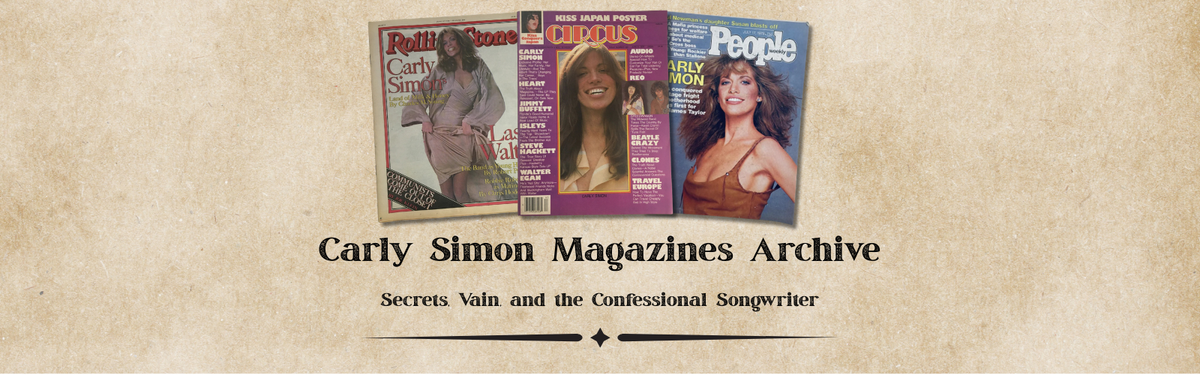
Vintage publications of the 1970s and early 1980s treated the singer-songwriter with a fascination that bordered on reverence. Photographers sought to capture the duality that made her so compelling — the raw vulnerability of her lyrics set against a commanding, almost leonine physical presence. Rolling Stone, the era's unrivaled chronicler of rock royalty, returned to her repeatedly, framing her as both artist and cultural phenomenon in long-form profiles that read today like dispatches from a more thoughtful age of music journalism. People magazine, newly launched in 1974 and hungry for figures who blurred the line between celebrity and genuine artistry, found in her an ideal subject — her high-profile marriage to James Taylor offering the kind of romantic narrative that sold covers and broke hearts in equal measure. Meanwhile, Ms. Magazine approached her from a more ideological angle, examining what it meant that a woman was writing some of the most confessional, emotionally intelligent pop music of the century. Beyond the American press, international outlets including the British music weeklies Melody Maker and NME tracked her transatlantic influence with genuine critical enthusiasm, recognizing that what she represented — the autonomous female voice in rock — was a conversation happening on both sides of the ocean. Entertainment weeklies and mainstream lifestyle titles further broadened her reach, placing her alongside Hollywood figures and cultural tastemakers in a way that underscored just how thoroughly she had crossed over from the music press into the wider culture. The photography across these publications ranges from candid and warmly intimate to dramatically styled studio portraiture — a visual record of an artist who was never less than fully present.
Curator's Checklist: Highlights Often Include
-
The "You're So Vain" era coverage — Features and gossip columns from late 1972 into 1973 dissecting the song's notorious mystery, speculating on its subject, and cementing her status as one of popular music's most talked-about figures; some issues from this period devoted multiple pages to reader letters and editorial commentary, a testament to the song's extraordinary cultural grip
-
Joint profiles with James Taylor — A high-profile union that captivated the press throughout the mid-1970s, with domestic and international outlets alike covering the couple as the archetypal rock-generation romance; coverage frequently extended beyond music to explore themes of creative partnership, domestic life, and the particular pressures facing two enormously famous artists sharing a life
-
Album-cycle features and reviews — Substantive critical coverage tied to landmark releases such as No Secrets, Hotcakes, and Boys in the Trees, often accompanied by full-page photography and in-depth interviews that explored her songwriting process, her influences, and her unflinching willingness to mine personal experience for artistic material
-
Feminist and cultural commentary pieces — Appearances in publications exploring the broader women's movement, where her candid, first-person songwriting was frequently cited as a form of artistic and political self-determination; editors and critics of the period often positioned her alongside Joni Mitchell and Carole King as part of a landmark generation rewriting the rules of what women in music were permitted to say
-
The Bond moment — Coverage surrounding her Academy Award-winning theme Nobody Does It Better from The Spy Who Loved Me (1977), which crossed her from the rock press into mainstream entertainment and film publications worldwide, introducing her to an entirely new international readership and demonstrating the remarkable breadth of her appeal across genres and audiences
The Collector's Value
There is simply no digital substitute for holding one of these issues in your hands — the particular weight of a 1970s magazine stock, the warm amber tint the pages have acquired with age, the faint ghost of ink that rises when you turn to a full-page spread you weren't expecting. These are primary sources: unfiltered, unarchived, and alive with the commercial and visual culture of their moment — the cigarette advertisements, the fashion spreads, the film listings — all of it conspiring to return you bodily to the era that produced her. Each issue is also a time capsule of the journalism itself: the unhurried long-form interview, the considered critical essay, the portrait session conceived as art rather than content — a standard of editorial craftsmanship that the pace of digital media has largely rendered extinct. A cover featuring her unmistakable image represents far more than a music collectible; it is a document of a specific cultural inflection point, a moment when popular music and serious artistic ambition were not considered mutually exclusive, and when the reading public expected both from their favorite artists. For collectors of classic rock and singer-songwriter memorabilia, 1970s feminist and cultural history, or vintage American print media and photography, these publications offer something no reprint or retrospective can replicate — the unmediated experience of her story as it was first told, in real time, to the readers who lived it alongside her. Browse the current available inventory below and discover what the archive holds today.