📖 About this Collection
Carol Burnett: The Queen of Comedy Who Made America Laugh Until It Cried
The Legend & The Legacy
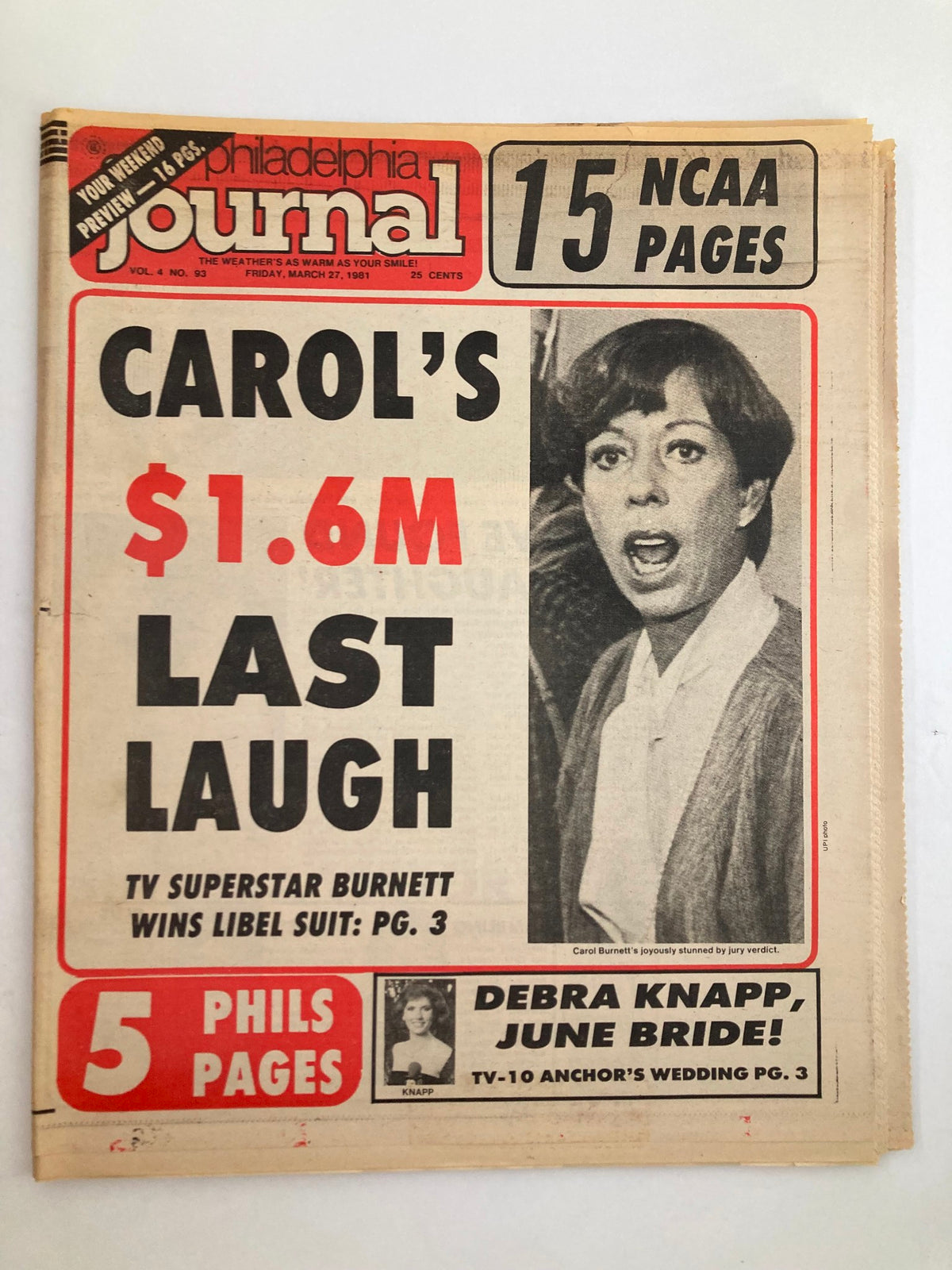
In an era when television was still finding its voice, Carol Burnett didn't simply occupy the screen — she commanded it with a rare alchemy of physical comedy, emotional depth, and disarming vulnerability. From 1967 to 1978, The Carol Burnett Show stood as one of the most-watched programs in American households, a Saturday night ritual that gathered families around the set the way a previous generation had gathered around the radio. Long before viral clips and streaming replays, the only way to relive her legendary curtain-call Q&As, her gone-wrong Tarzan yell, or her unforgettable Scarlett O'Hara curtain-rod dress sketch was to read about it — in the pages of a magazine bought at the corner drugstore, saved in a cedar chest, or dog-eared and passed between friends. Print was the archive of her genius, and the magazines of that golden age treated her with the reverence she deserved.
Inside the Archive
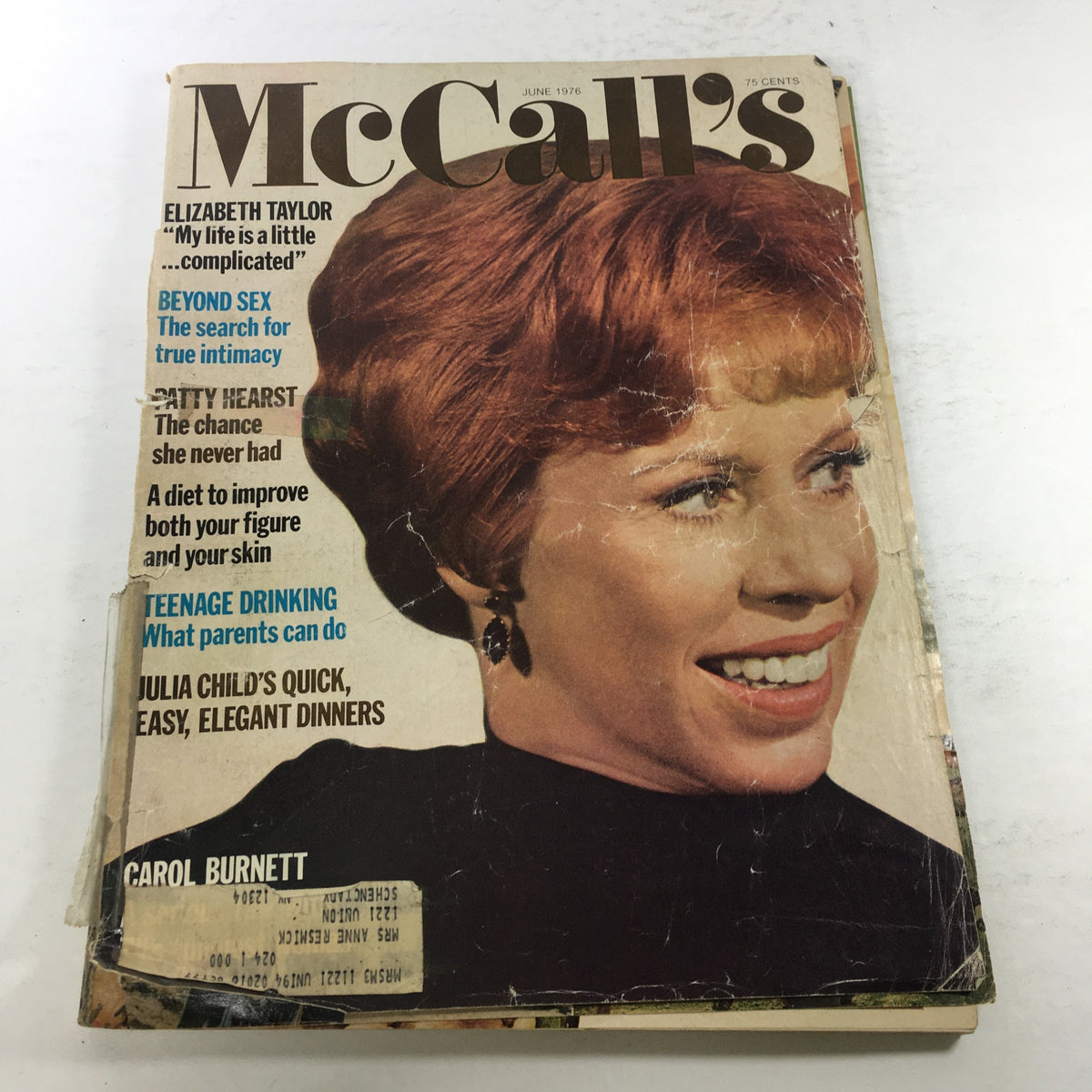
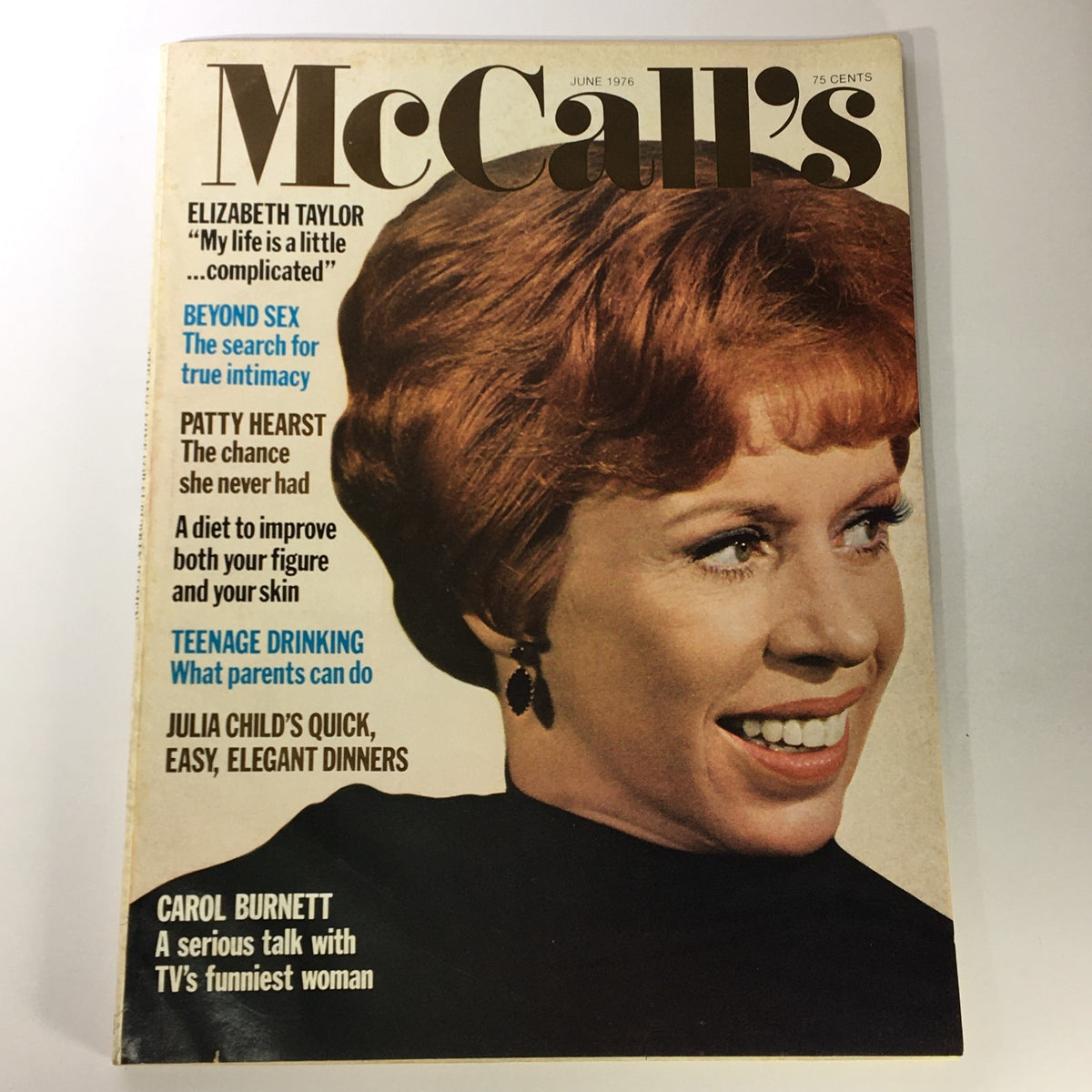
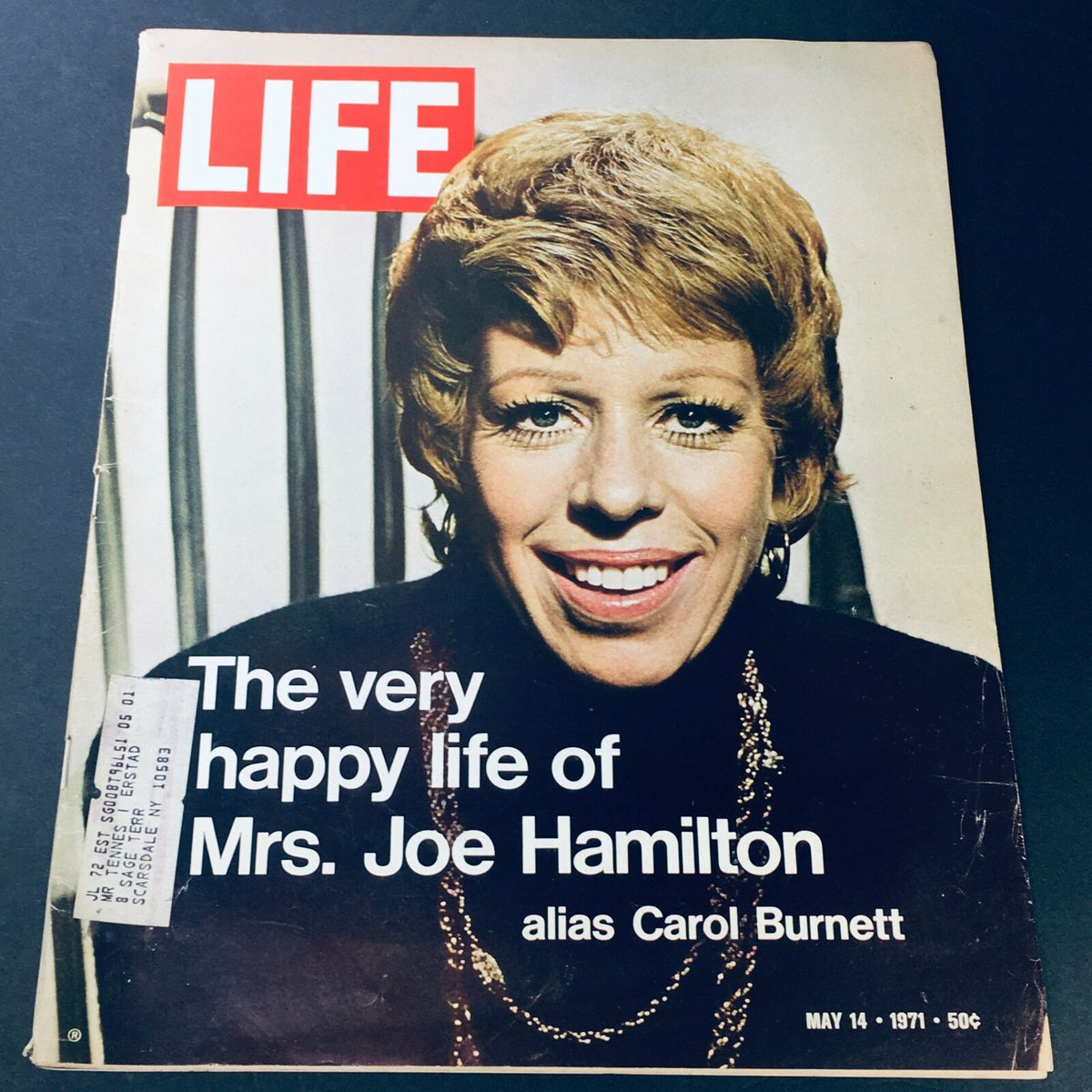
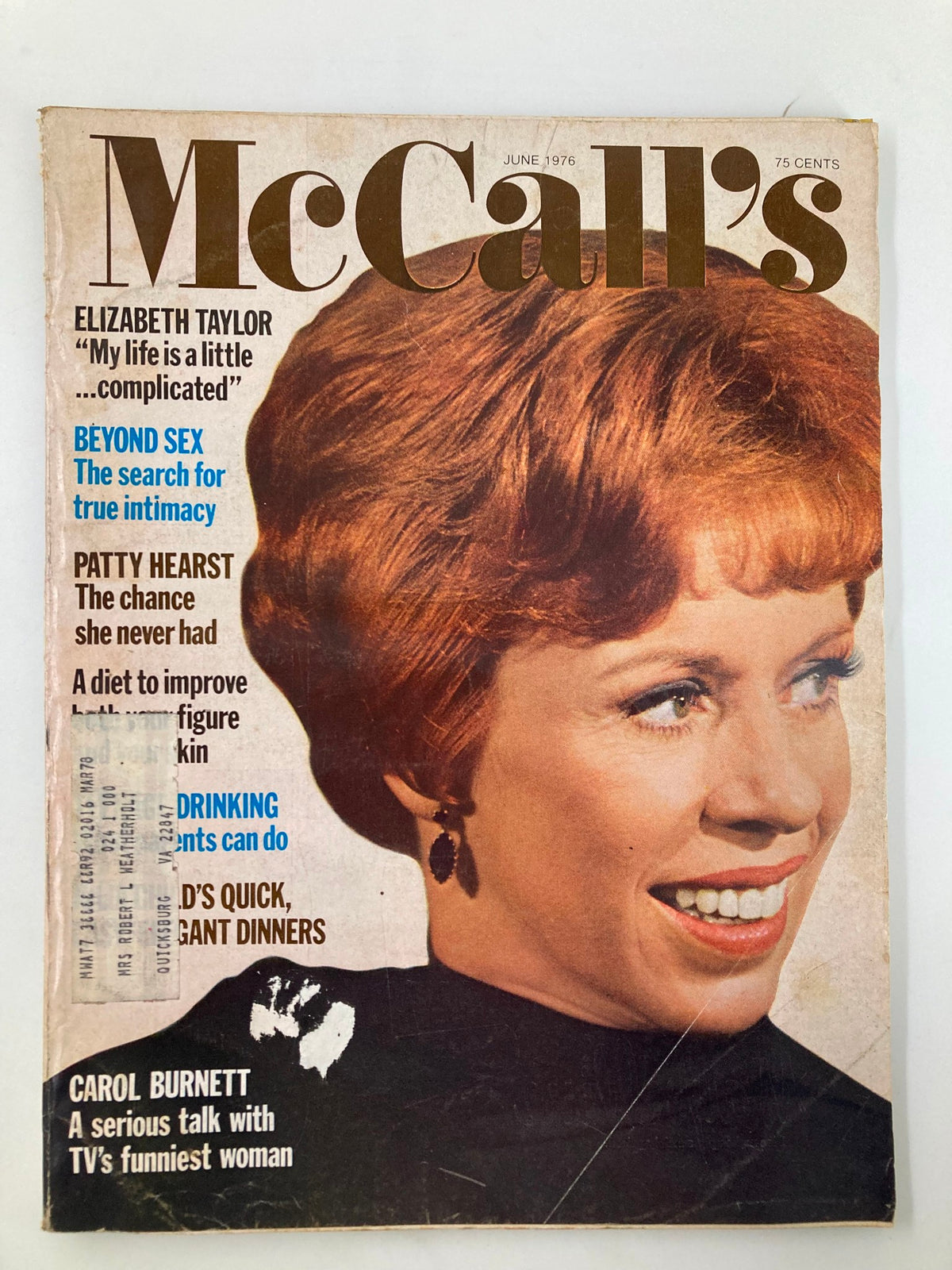
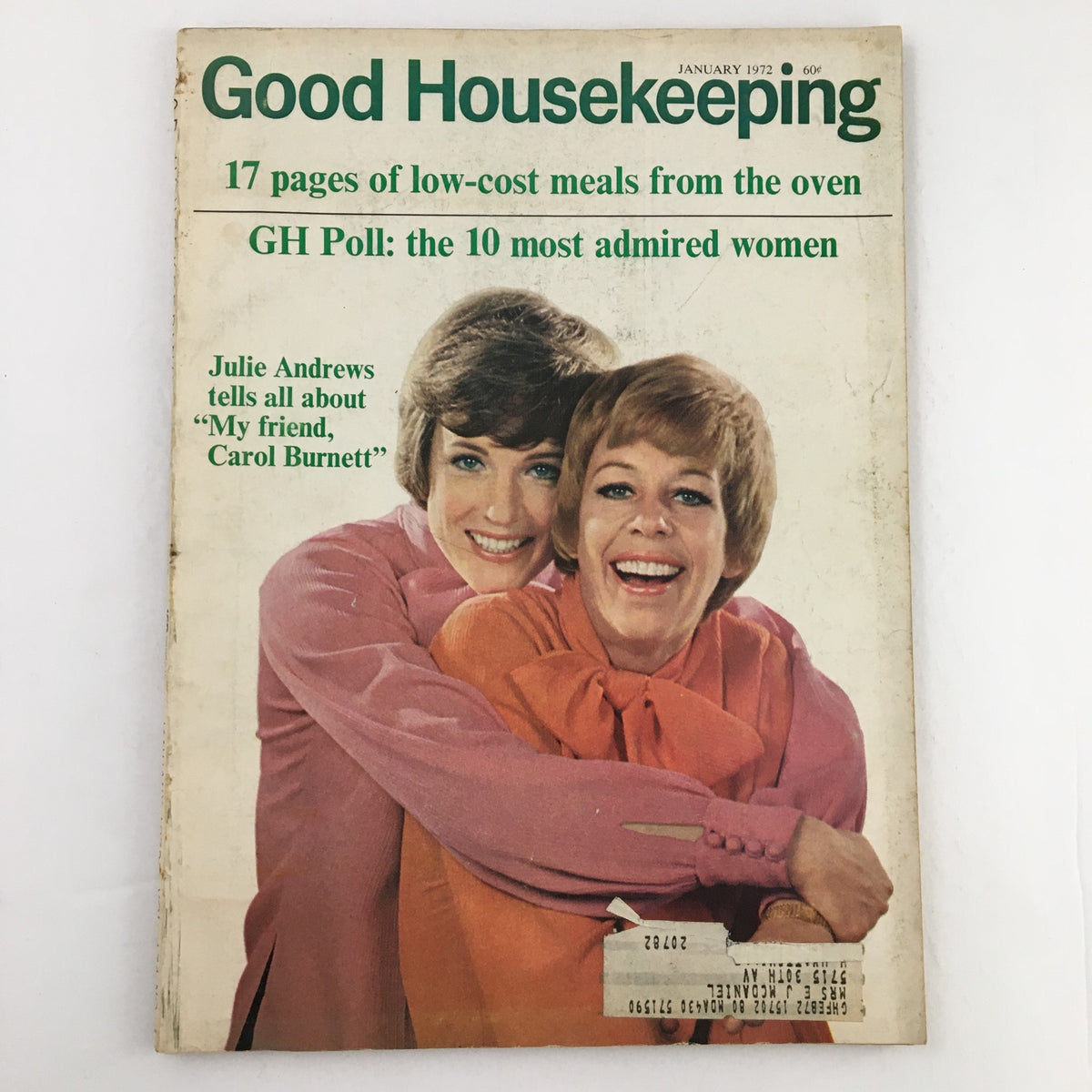
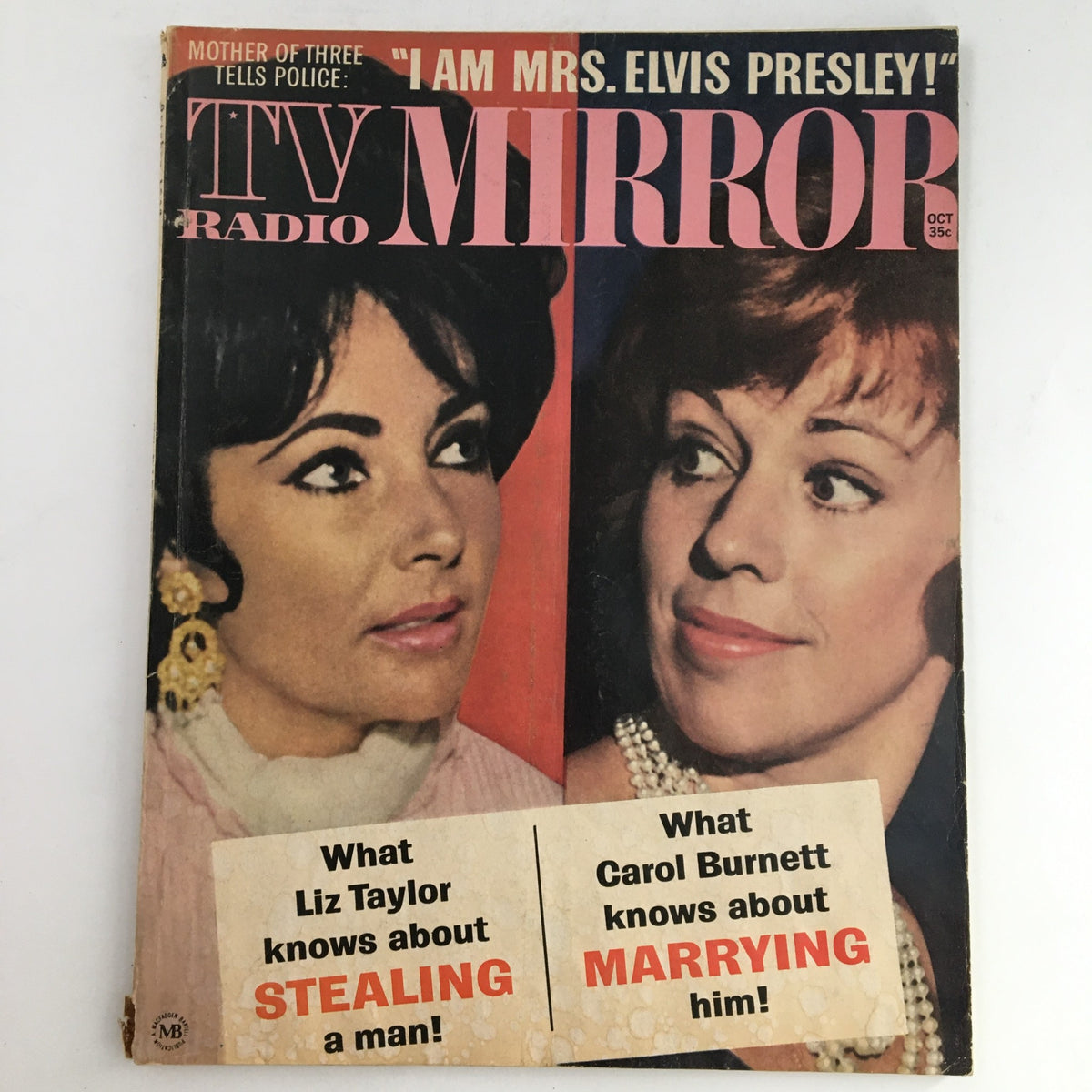
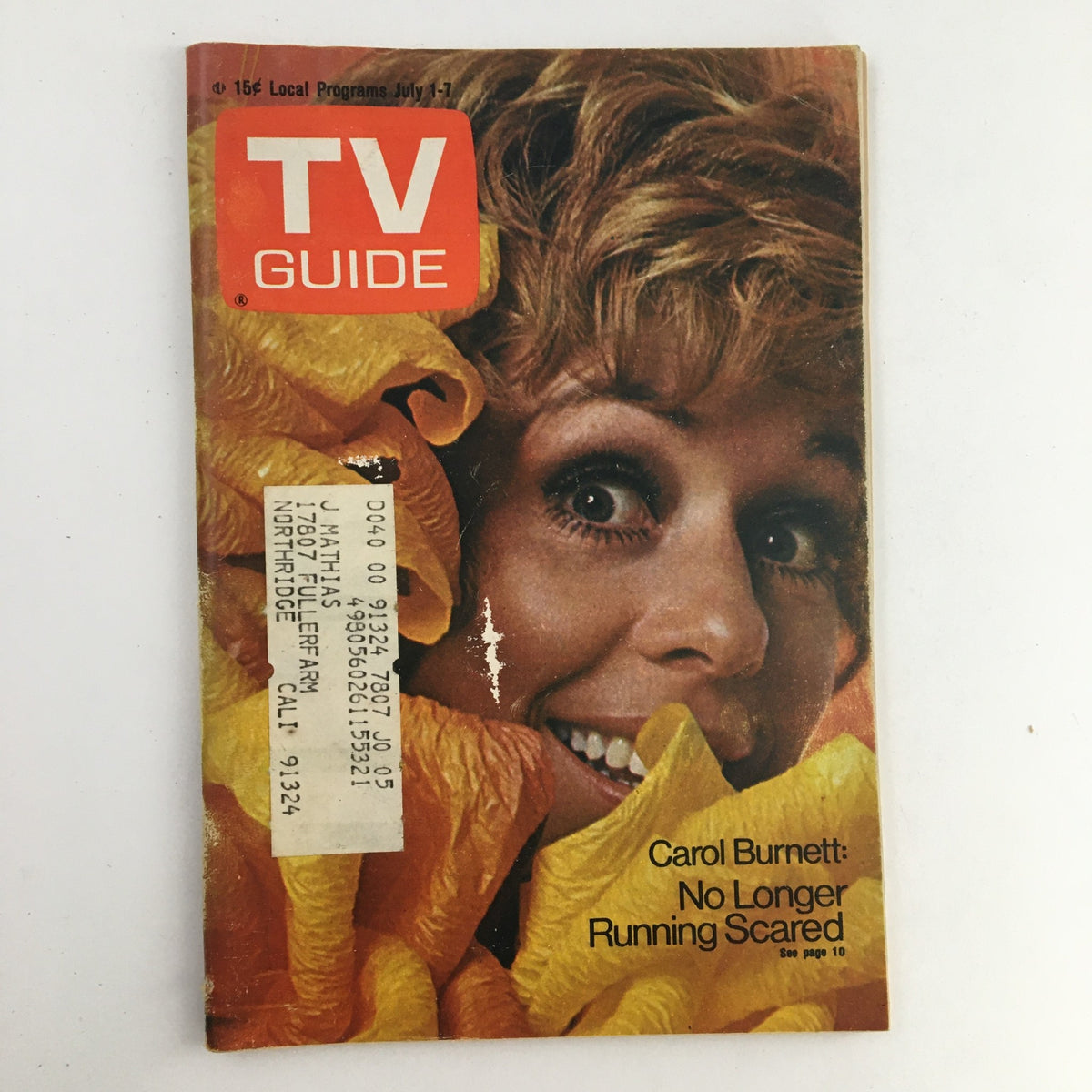
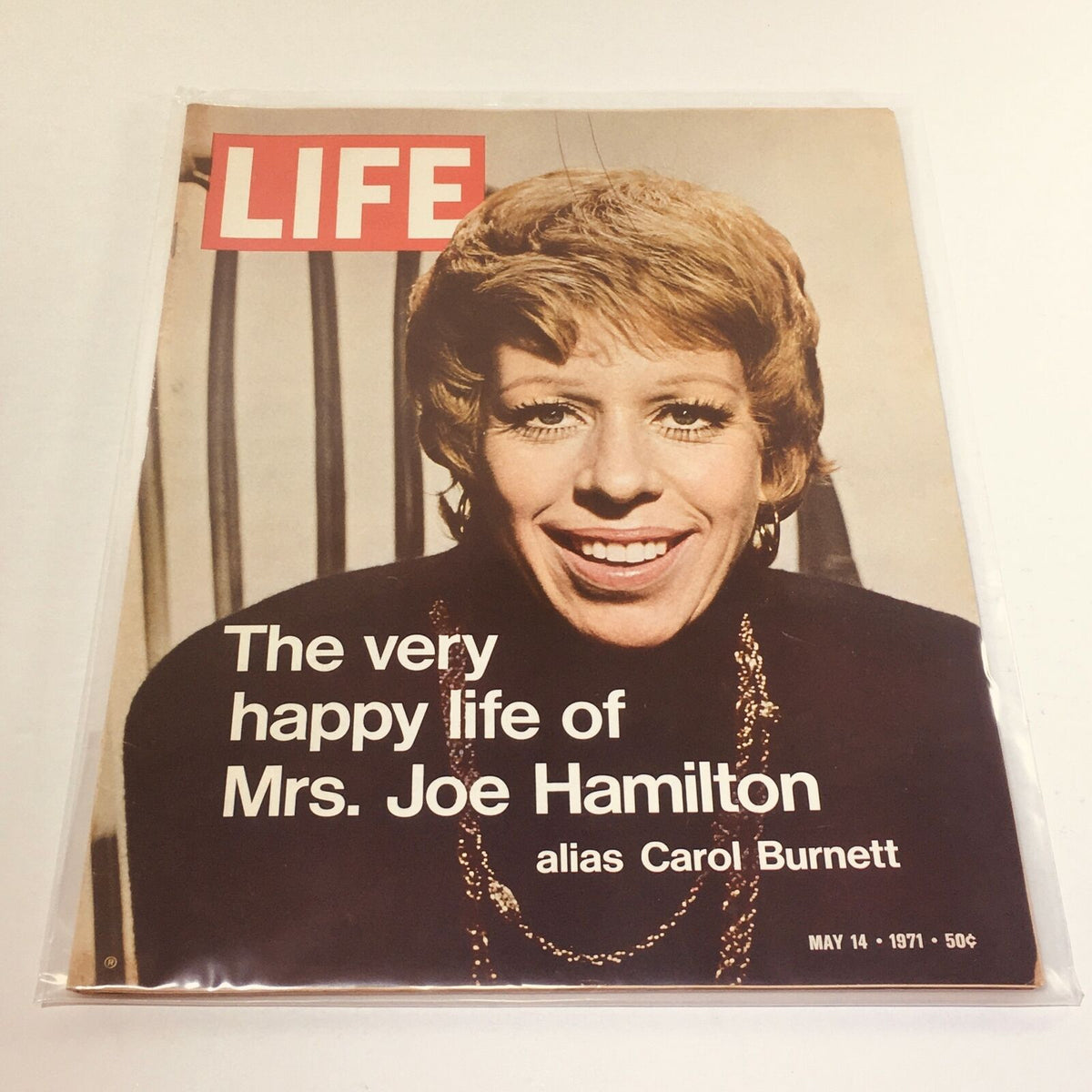
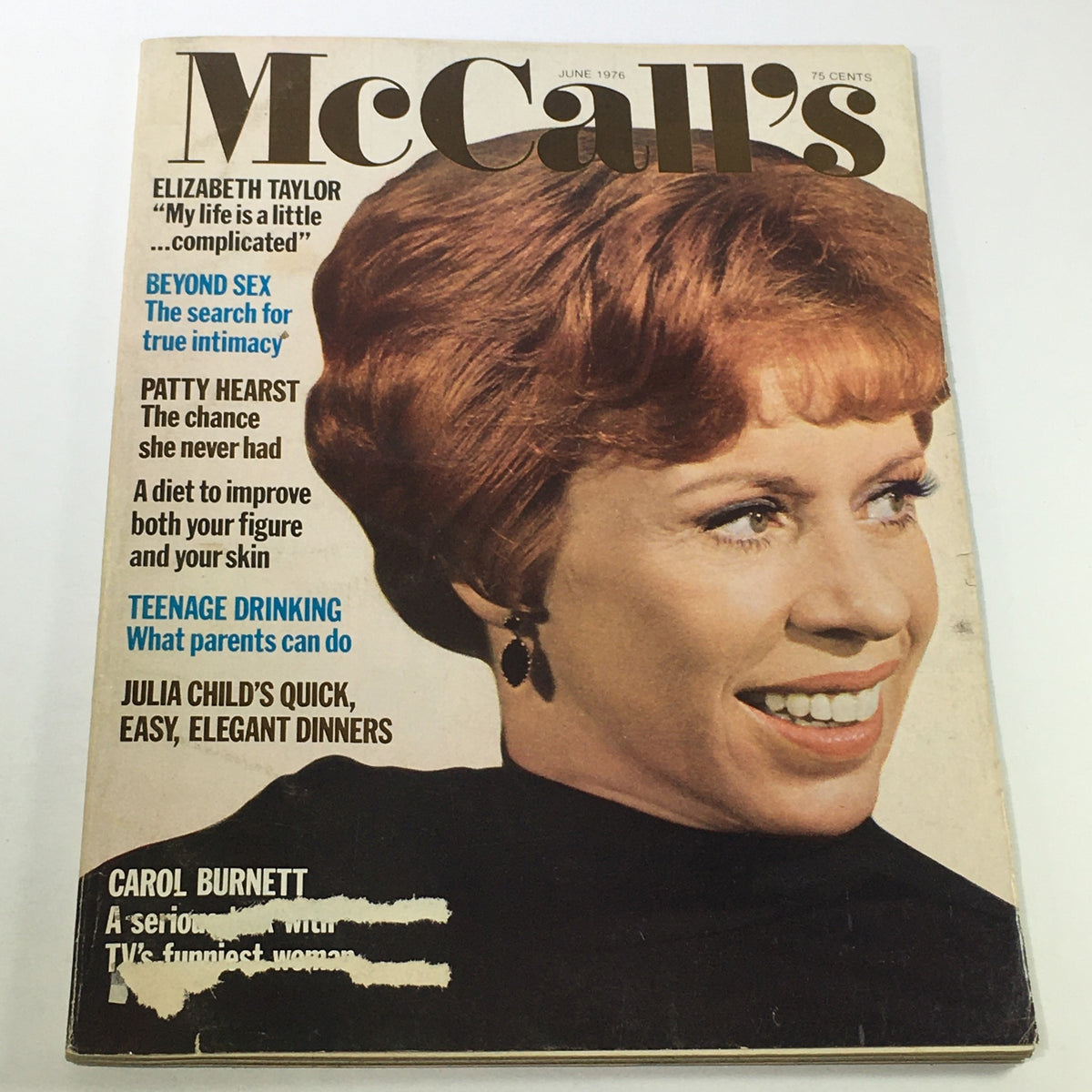
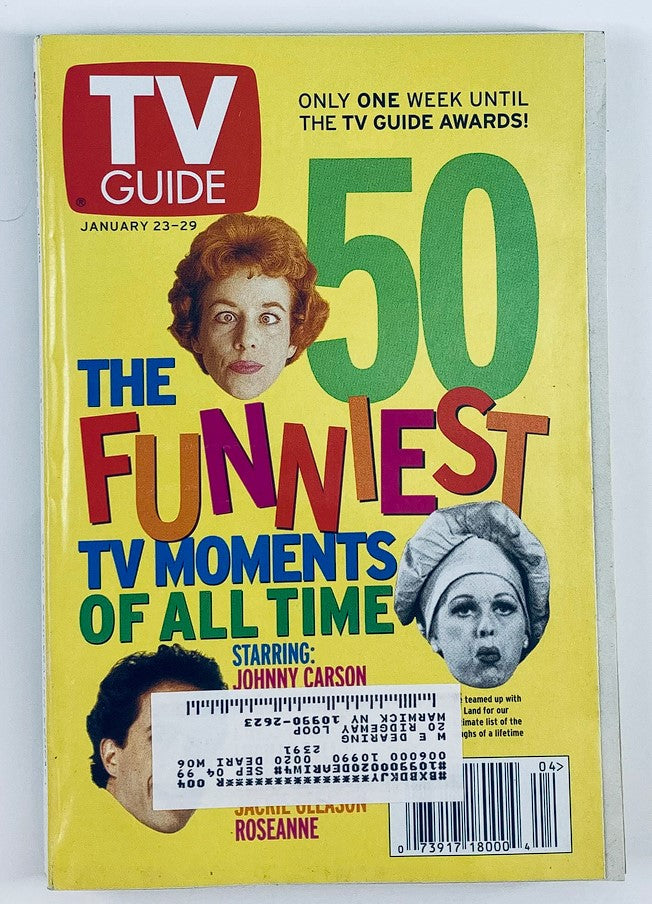
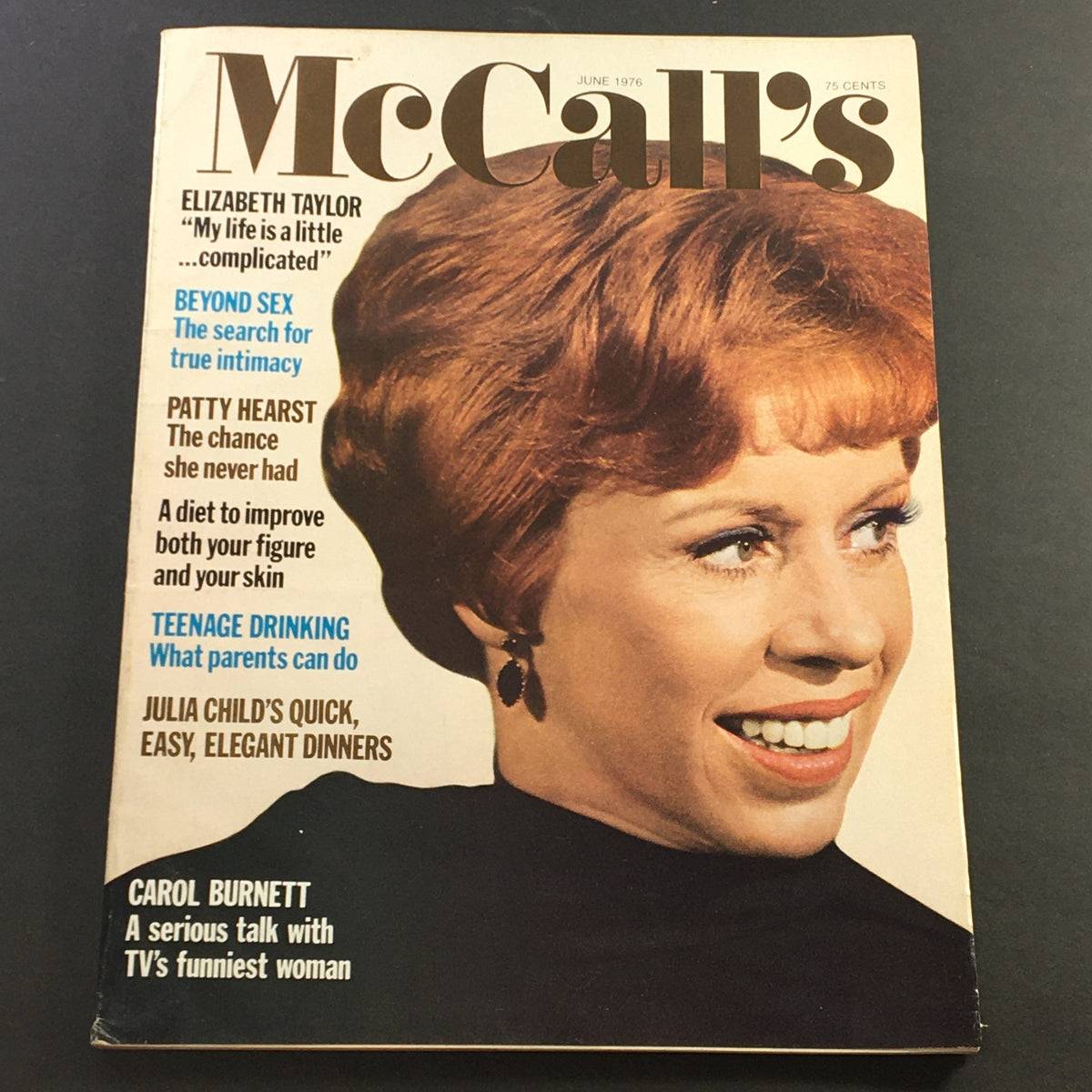
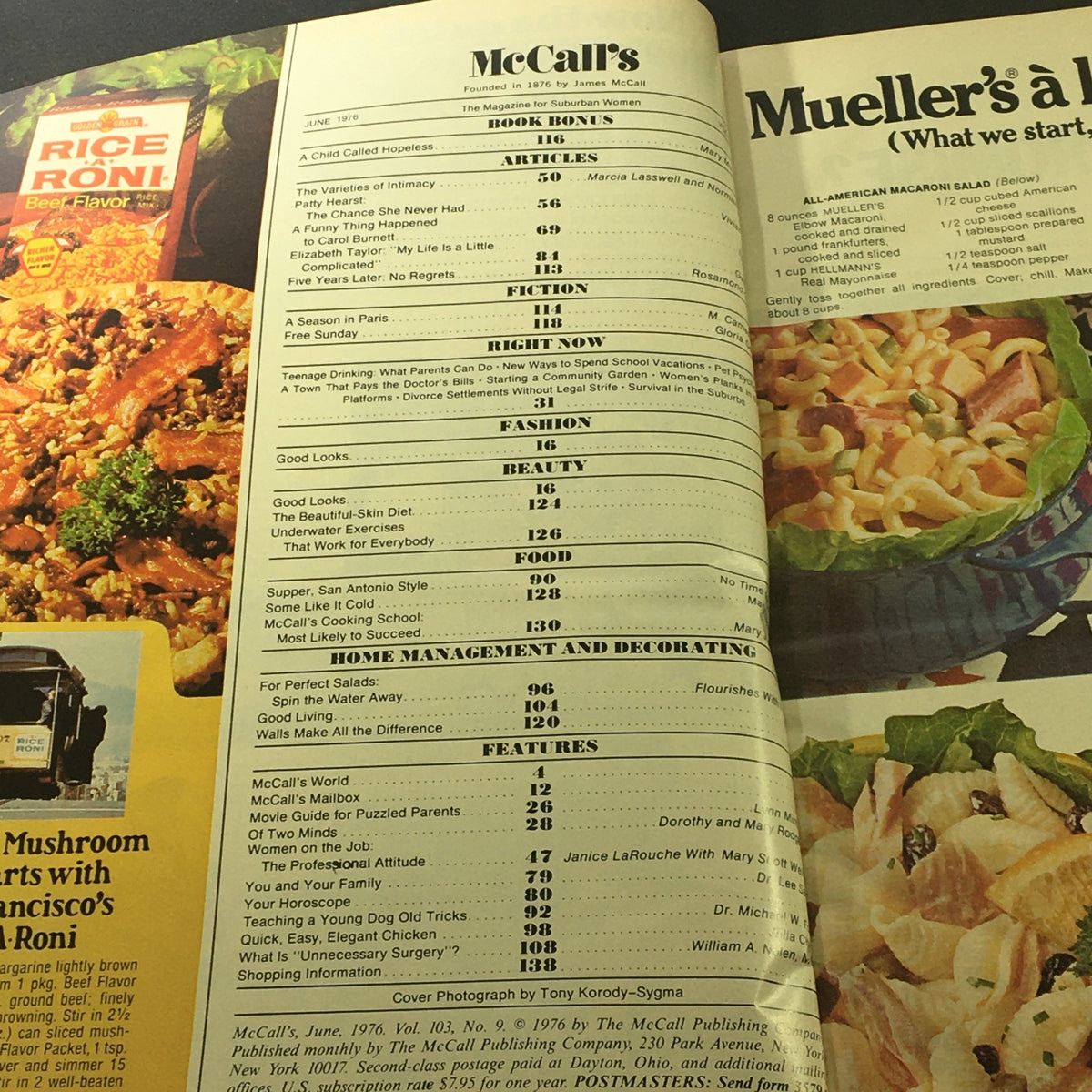
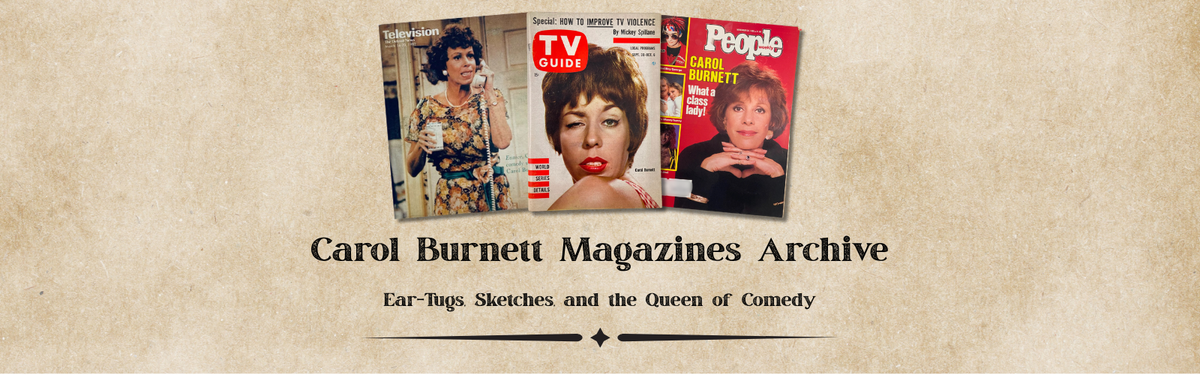
Editors and photographers of the 1960s and 1970s recognized quickly that this comedian was also a profoundly compelling subject — warm, self-deprecating, and luminously photogenic in ways that defied the era's polished ideals of Hollywood glamour. TV Guide returned to her again and again, devoting cover after cover to the comedienne with the elastic face and the iron work ethic, often running in-depth profiles that read more like celebrations than interviews. Life magazine captured her in expansive photo spreads that balanced the broad physical slapstick of her performances with the quiet dignity of the woman behind the pratfalls. Ladies' Home Journal and McCall's explored her personal story — the difficult childhood, the Hollywood ascent, the pioneering status as a woman who owned her own prime-time variety show at a time when that was nearly unthinkable — framing her as both entertainer and inspiration. International publications took note as well, as her universal brand of humanity translated effortlessly across borders, making her a recognizable face in European television and entertainment weeklies throughout her peak decades.
Curator's Checklist: Highlights Often Include
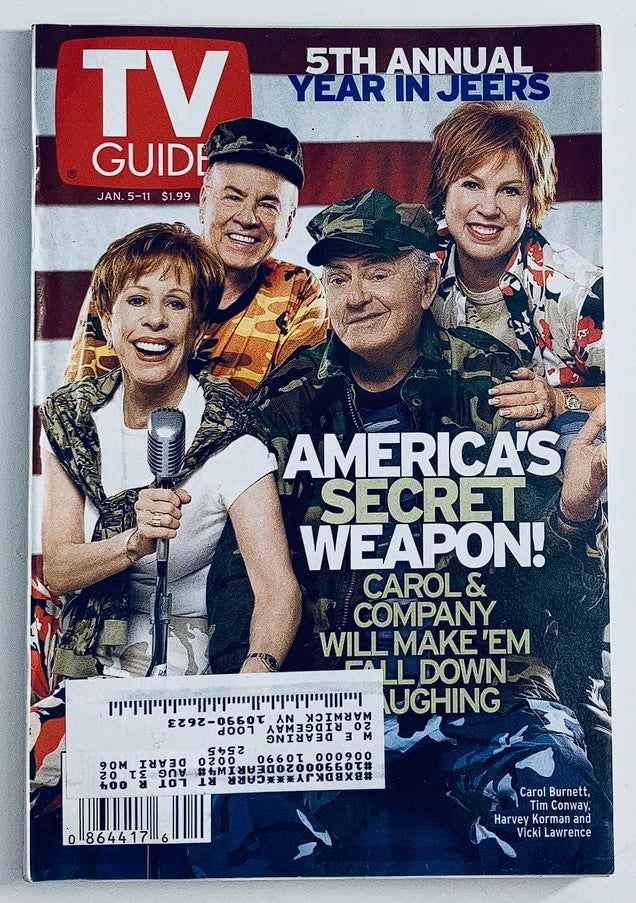
- Landmark cover features from the height of The Carol Burnett Show's run, frequently showcasing cast portraits alongside Tim Conway, Harvey Korman, and Vicki Lawrence — the repertory company that defined an era of ensemble comedy
- Behind-the-scenes profiles detailing the grueling and joyful creative process of producing a live-to-tape variety hour, with candid photography of rehearsals, costume fittings, and on-set camaraderie
- Personal life features exploring her celebrated marriage to producer Joe Hamilton, her outspoken advocacy for her children, and her later, deeply public journey through family hardship — covered with unusual sensitivity by the women's press
- Awards season coverage from the Emmy Awards throughout the late 1960s and 1970s, where she was a perennial nominee and winner, often photographed in the elegant, long-gown glamour that stood in delightful contrast to her comedic persona
- Retrospective and career milestone issues from the 1980s and beyond, as critics and fellow entertainers began to formally canonize her legacy — pieces that read today as primary-source documents of a reputation being built in real time
The Collector's Value
To hold one of these magazines is to hold a small, perfect window into the America that watched her. The paper stock of a 1970s TV Guide has a weight and texture entirely its own — slightly rough at the edges, the ink carrying that distinctive, faintly sweet mustiness that no digital archive can replicate. The surrounding advertisements are a time capsule in themselves: the cigarette brands, the dishwasher detergents, the hairstyles in the department store circulars, all conspiring to return you to the precise cultural moment in which this legend was current, was new, was something the whole country was discovering together on a Saturday night. These are not reprints or commemorations — they are the original witnesses. For collectors of classic American television memorabilia, golden-age comedy history, or pioneering women in entertainment, these publications offer an irreplaceable tactile connection to a career that shaped modern comedy and a personality that remains, decades on, genuinely beloved. Explore the current selections available in our archive below, and find the piece of history that belongs on your shelf.