📖 About this Collection
Carrie Fisher: A Princess Who Belonged to the Galaxy — and to Us
The Legend & The Legacy
Long before the internet collapsed the distance between celebrity and audience, Carrie Fisher existed in the public imagination as something singular and irreducible — a woman who was, simultaneously, one of cinema's most iconic figures and one of its most fiercely human ones. When Star Wars detonated across global culture in 1977, her face — regal, wry, unyielding beneath twin coils of hair — became the defining image of a generation's mythology. But Fisher was never merely a monument. She was the daughter of Hollywood royalty (Eddie Fisher and Debbie Reynolds), a novelist of caustic brilliance, a script doctor whose uncredited hand touched some of the era's biggest films, and a pioneer in speaking openly about mental illness and addiction long before such candor was celebrated or safe. In the decades before social media gave celebrities a direct channel to the world, the public knew her exclusively through what editors chose to print — the profiles, the cover shoots, the confessional interviews — and that mediated intimacy made every page feel like a private audience with someone utterly unguarded.
Inside the Archive
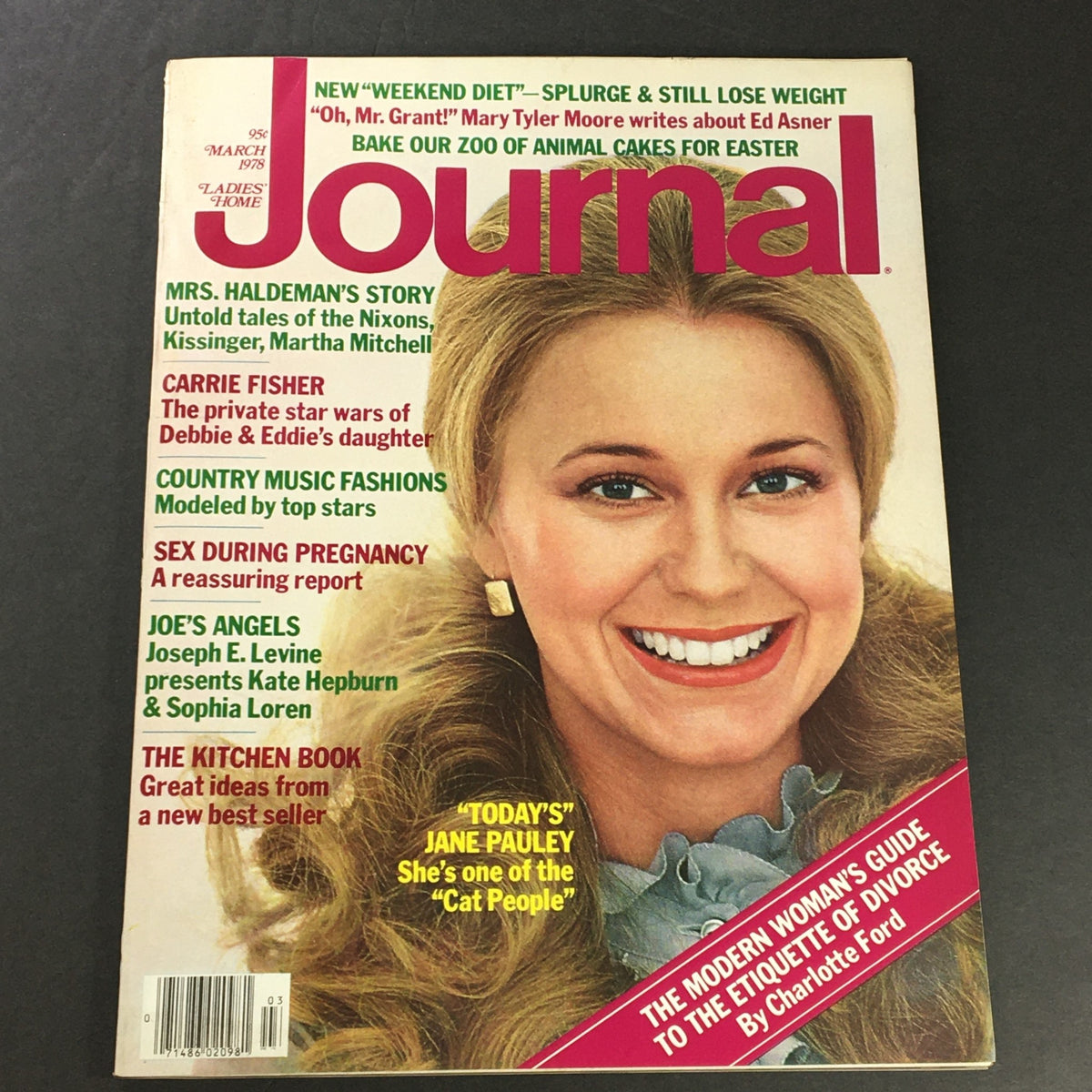
Vintage magazine coverage of Fisher is a study in evolving cultural portraiture. In the late 1970s and early 1980s, publications like Rolling Stone captured her with a rock-and-roll irreverence — candid, often playful shoots that treated her less as a starlet and more as a cultural phenomenon worth interrogating. People, which rose to prominence in precisely the era Fisher did, returned to her again and again across decades, chronicling the Star Wars phenomenon, her marriage to Paul Simon, her memoir Wishful Drinking, and her extraordinary late-career renaissance. International film and entertainment press — including Cinefantastique, the essential journal of the fantastic cinema, and glossy European entertainment titles — documented the Star Wars trilogy's global conquest with full-format spreads that treated the saga's cast as modern mythological figures. What distinguishes the photography of this period is its texture: natural light, grain, and an unposed quality that digital imagery has never quite replicated. The editorial tone ranged from breathlessly celebratory in the franchise's early years to admiringly complex as Fisher's own voice — sardonic, wounded, brilliant — became impossible to separate from her public identity.
Curator's Checklist: Highlights Often Include
- Original Star Wars era coverage (1977–1983): First-run entertainment and film magazines featuring production photography, cast profiles, and promotional spreads from A New Hope, The Empire Strikes Back, and Return of the Jedi — among the most sought-after pop culture artifacts of the 20th century
- Hollywood dynasty features: Coverage connecting her to the broader Fisher–Reynolds family saga, including retrospectives on one of Tinseltown's most dramatic and public family narratives
- Candid literary and interview profiles: Long-form pieces from the 1980s and 1990s tied to the publication of Postcards from the Edge and her subsequent books, in which she spoke with rare frankness about addiction, bipolar disorder, and the surreal inheritance of celebrity
- Promotional and entertainment press for the prequel and sequel eras: Coverage surrounding her return as General Leia in The Force Awakens (2015), which generated a wave of retrospective and celebratory features across mainstream and genre publications alike
- Tributes and memorial issues (late 2016 – early 2017): Following her death in December 2016, major publications produced commemorative issues and extended obituary features that stand today as essential documents of cultural mourning and appreciation
The Collector's Value
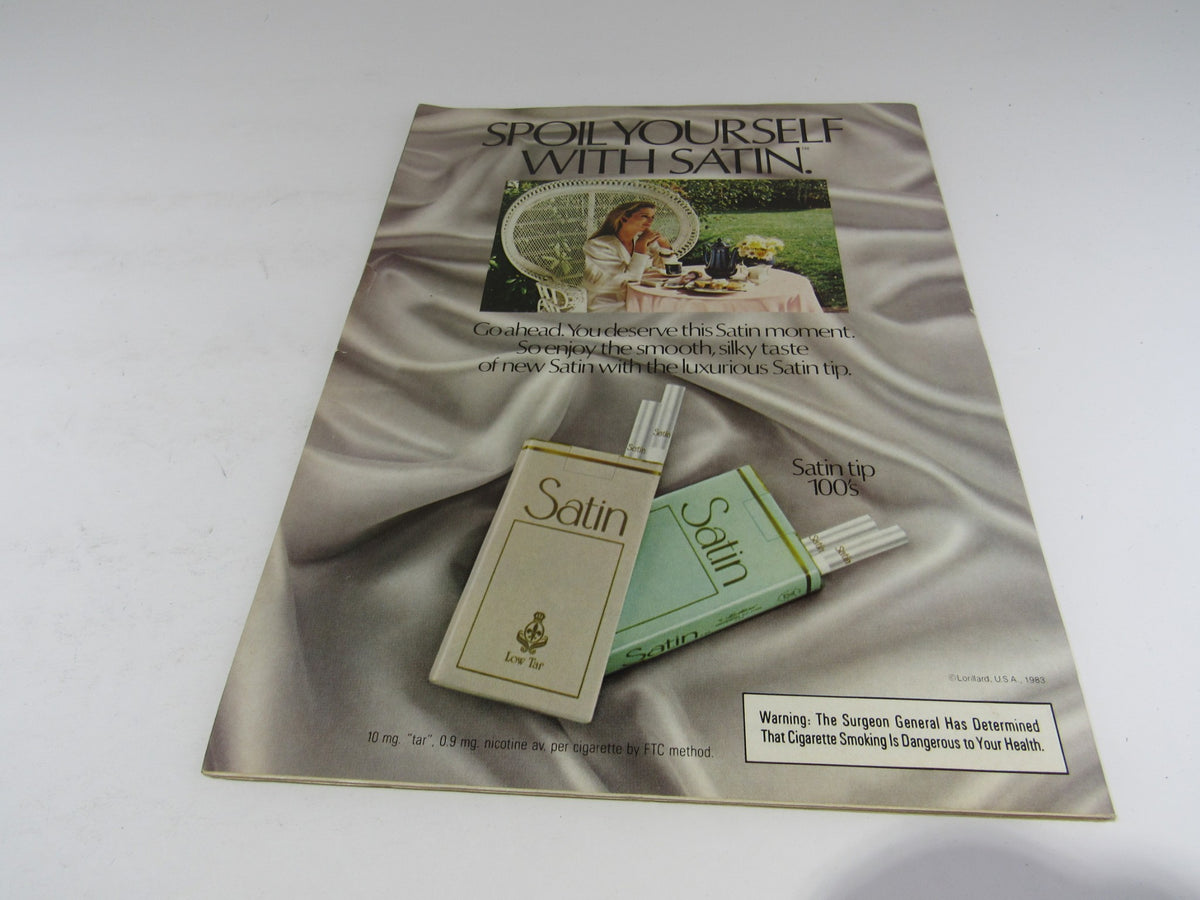
There is something no digital archive can replicate: the weight of a 1977 entertainment magazine in your hands, its pages slightly foxed at the edges, the ink carrying that distinctive warm musk of decades past, the advertisements surrounding her image selling cars and cigarettes and perfumes that no longer exist — a whole vanished world, preserved in newsprint and gloss. To hold one of these issues is to hold the moment itself, the cultural temperature of an era before streaming, before everything became instantly available and therefore somehow less precious. The photography reproduced in these pages was shot for the page — composed, lit, and printed with an intention that rewards slow, close attention in a way no backlit screen ever quite does. For collectors of Hollywood golden-age memorabilia, science fiction and fantasy cinema history, or feminist cultural icons and women who reshaped public life, these publications offer a primary source of unmatched intimacy — a record of how the world saw a woman it loved, argued with, and ultimately could not forget. Explore the current available inventory below, and find the issue that speaks to you.