📖 About this Collection
Carroll O'Connor: The Voice of an Uneasy America
The Legend & The Legacy
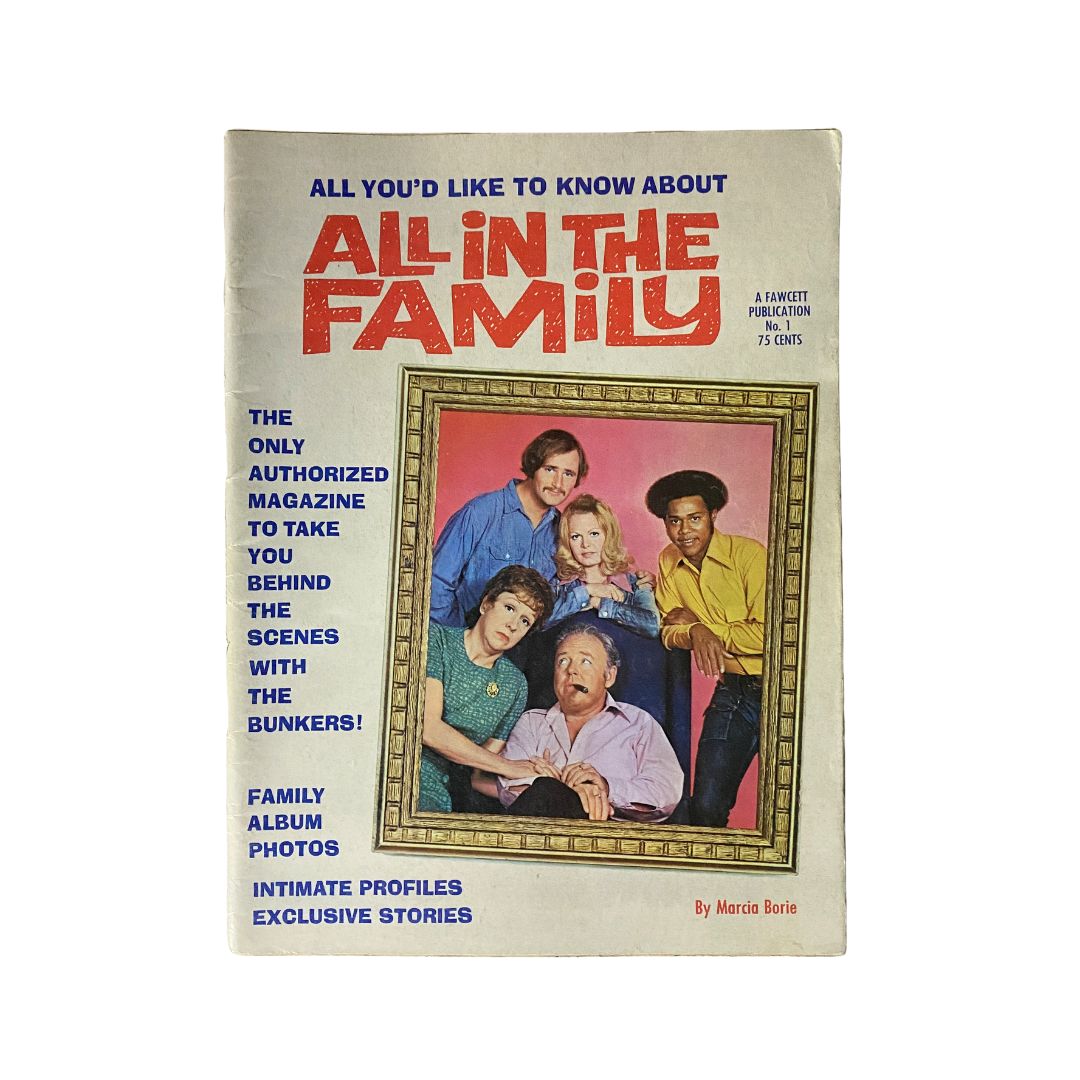
Before the age of social media outrage cycles and algorithmic discourse, America processed its most uncomfortable conversations at the television set — and for nearly a decade, that conversation had one face: Carroll O'Connor's. When All in the Family premiered in January 1971, the nation was cracked along every conceivable fault line — Vietnam, civil rights, women's liberation, generational warfare — and Archie Bunker became the unlikely vessel through which those fractures were examined, mocked, and mourned in equal measure. O'Connor's portrayal was not caricature; it was a deeply researched, achingly human performance that earned him four Primetime Emmy Awards and permanently altered the grammar of American television comedy. Then, two decades later, he reinvented himself entirely as the grieving, quietly noble Chief Bill Gillespie in In the Heat of the Night, proving that his first act had not been a fluke but the opening chapter of one of the medium's most durable careers. In an era when audiences received their cultural criticism through ink on paper rather than pixels on glass, the magazines of the 1970s, 1980s, and early 1990s were the primary arena where O'Connor's significance was debated, celebrated, and enshrined.
Inside the Archive
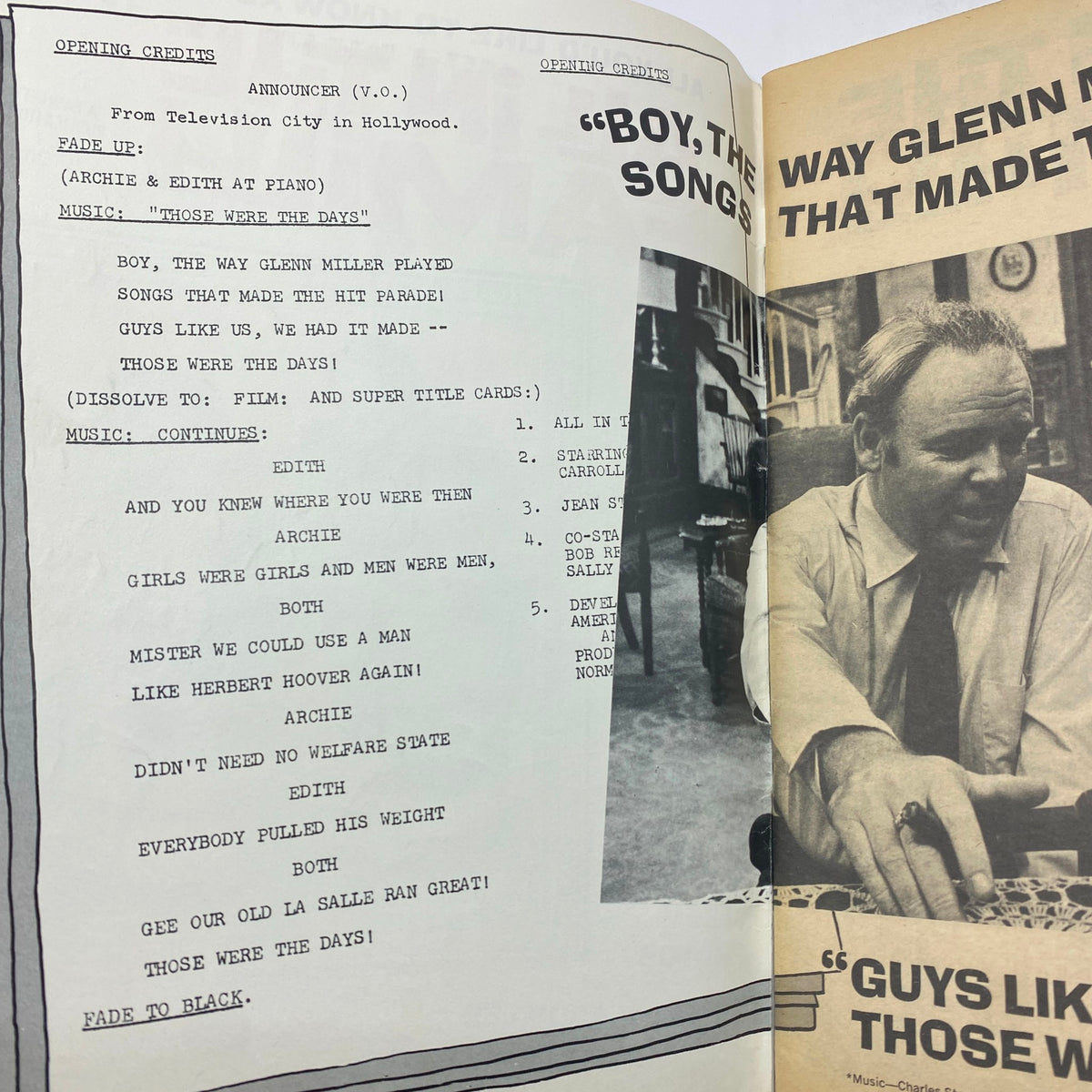
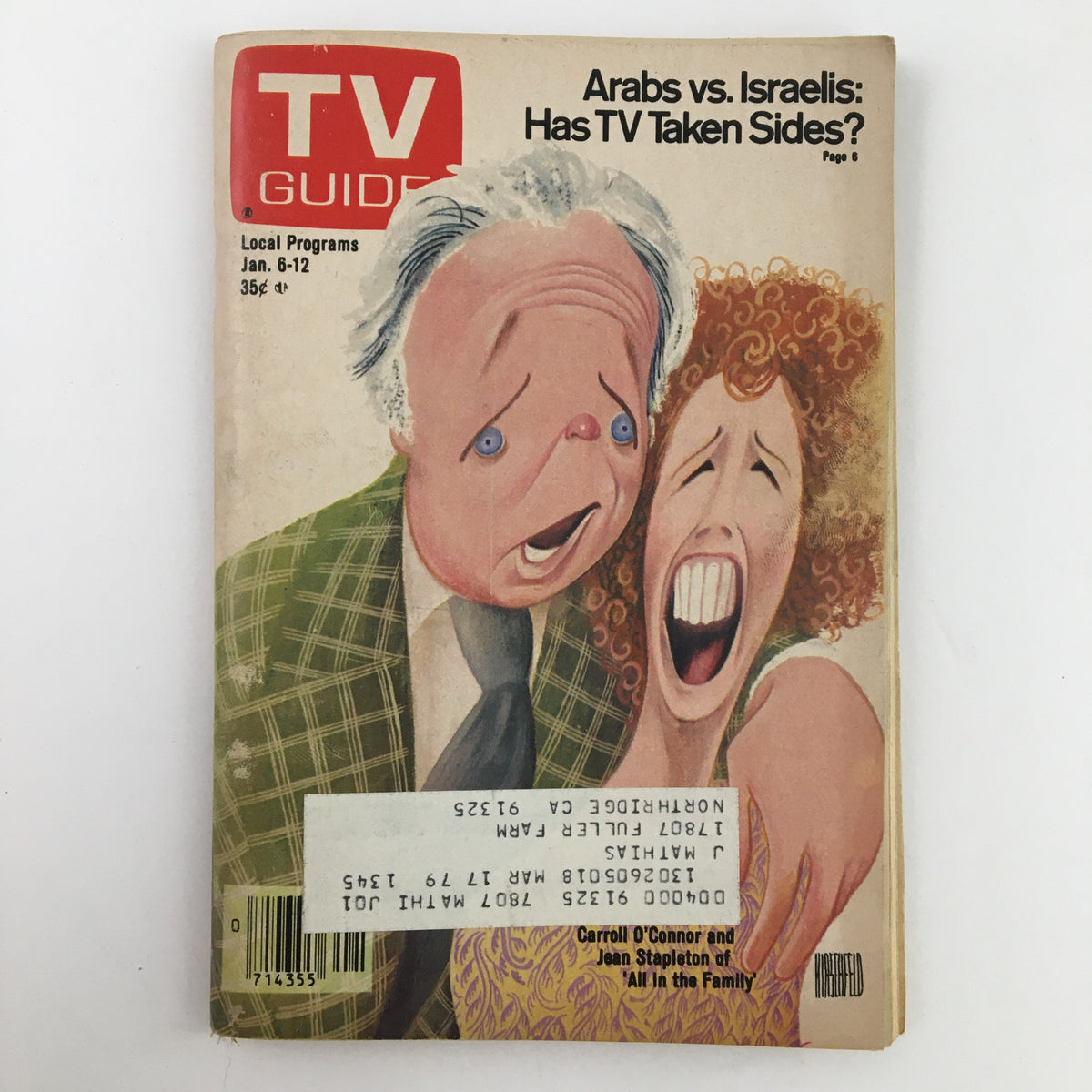
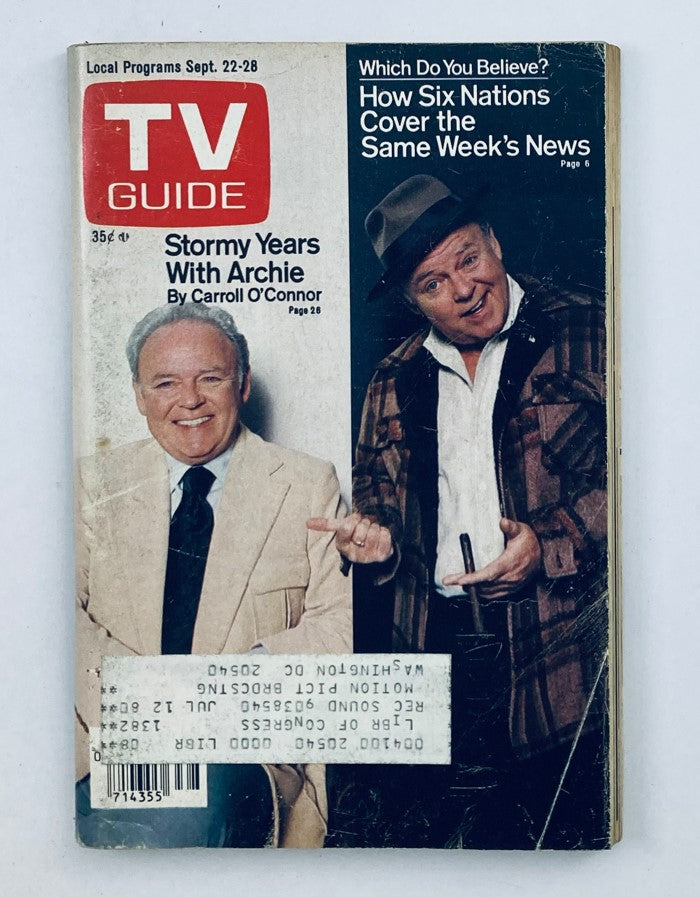
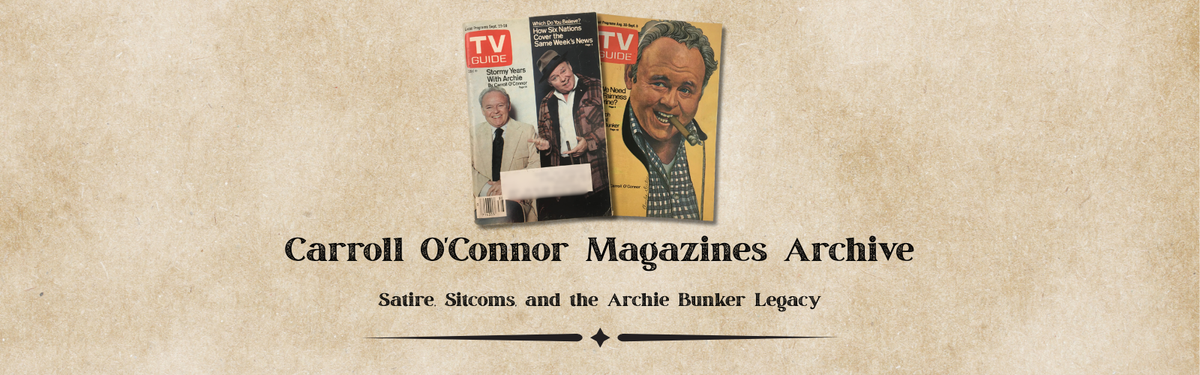
The editorial world was genuinely uncertain what to make of Carroll O'Connor, and that productive tension produced some of the most compelling magazine coverage of the era. Publications like TV Guide — the most widely circulated periodical in America at the time — devoted cover after cover to Archie Bunker, wrestling in their pages with whether the character was a triumph of satire or a dangerous normalization of bigotry, interviewing O'Connor himself with a seriousness usually reserved for statesmen. Time magazine engaged the deeper cultural argument, placing the All in the Family phenomenon in the context of Nixon's America and the so-called "silent majority," using O'Connor's performance as a lens through which to examine the national psyche. People magazine, born in 1974 at the height of the show's dominance, captured the more intimate contradictions of the man — a classically trained, deeply intellectual Irish-American actor from the Bronx who held progressive political views and yet had made himself immortal by inhabiting a character who held almost none of them. The photography of the era tended toward the theatrical: O'Connor photographed in character in Archie's Queens living room, that iconic armchair serving as a prop as loaded with symbolism as any throne, alongside warmer, off-set portraits that underscored the deliberate, studied distance between the actor and his alter ego.
Curator's Checklist: Highlights Often Include
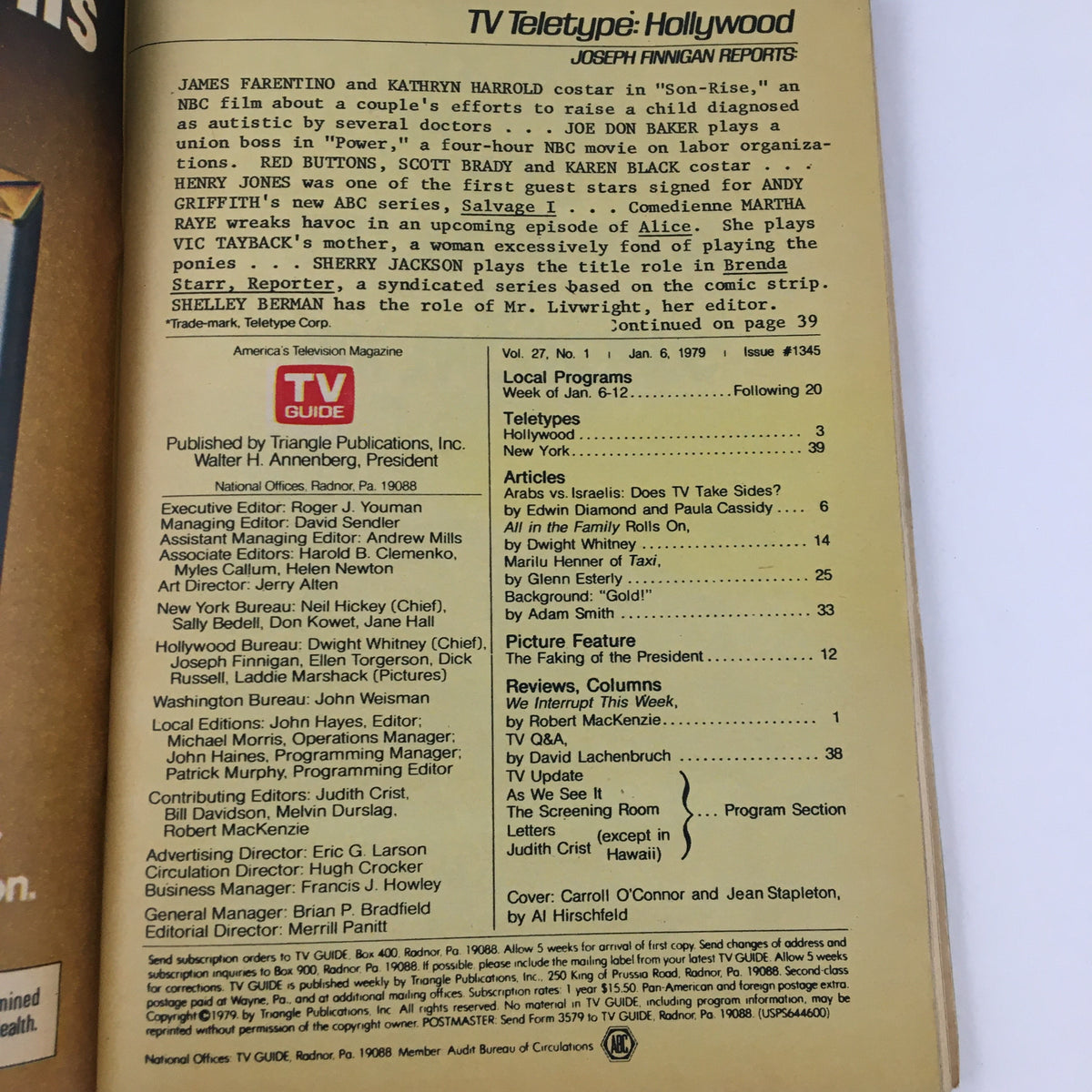
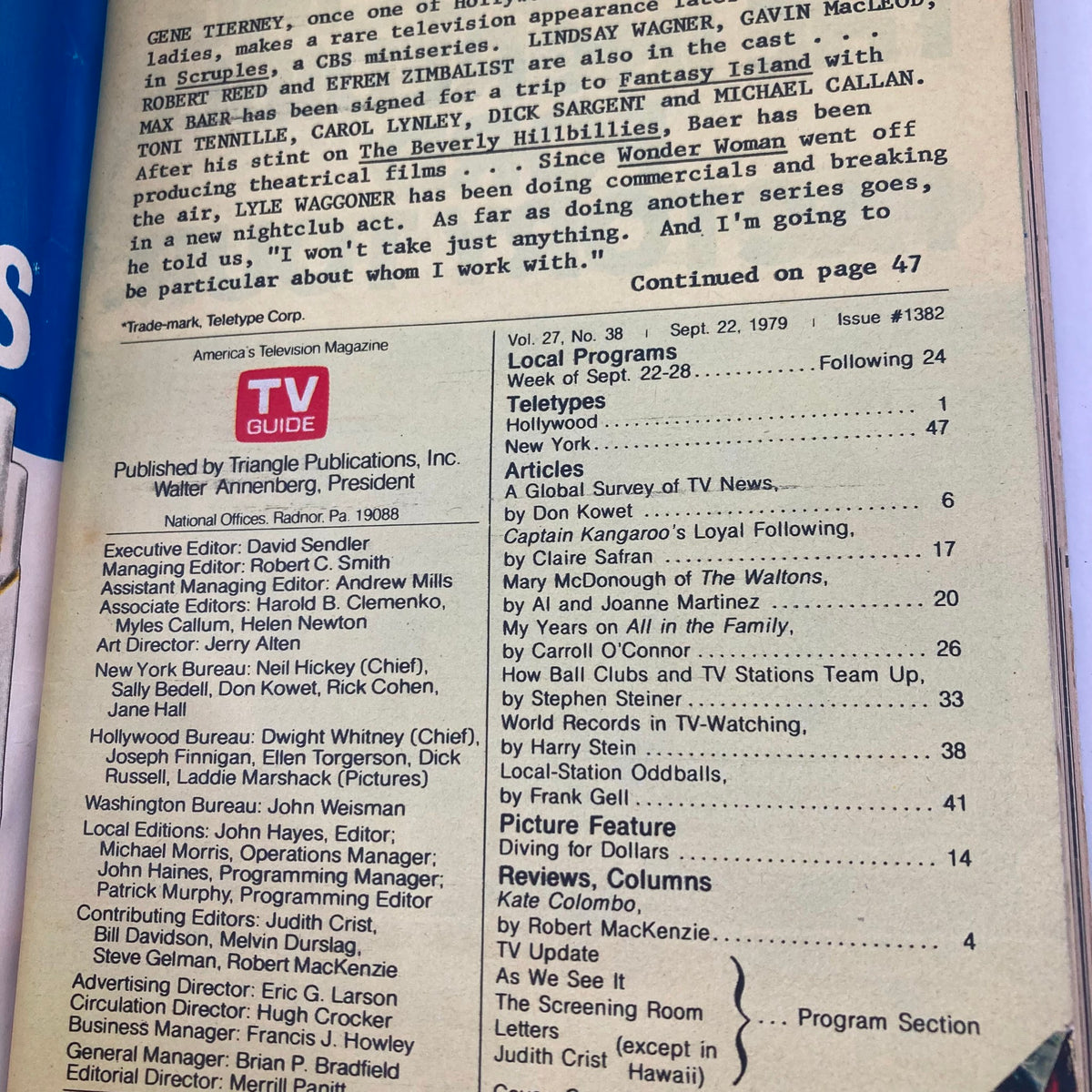
- Landmark TV Guide cover features from the early-to-mid 1970s, among the most sought-after issues of that publication's golden age, often exploring the national controversy surrounding All in the Family and its unflinching treatment of race and class in Nixon-era America
- Primetime Emmy coverage in entertainment weeklies and television trade publications from 1971, 1972, 1977, and 1978, documenting each of his four wins and the critical conversations they sparked about the boundaries of comedy as social commentary
- Long-form profile pieces in Time, Newsweek, and Life from the early 1970s that framed the All in the Family debate as a genuine cultural and sociological event, frequently quoting sociologists, civil rights leaders, and network executives alongside the actor himself
- Career reinvention coverage in late 1980s and early 1990s entertainment magazines documenting his transition to In the Heat of the Night, including features that revisited his earlier legacy through the lens of his mature, dramatically grounded second act
- Personal tragedy and advocacy features from the 1990s, when O'Connor became a prominent and passionate public voice for drug policy reform following the death of his son Hugh — coverage that appeared across mainstream news magazines and gave the later chapter of his public life a raw, urgent moral weight
The Collector's Value
To hold one of these original issues is to hold the temperature of an America that no longer exists in quite the same form — the paper slightly browned at its edges, the ink carrying that unmistakable mineral coolness of mid-century offset printing, the back pages alive with advertisements for products and a consumer culture that are themselves now historical artifacts. These are not reprints or digital facsimiles; they are primary documents, the very objects that a factory worker in Akron or a schoolteacher in Atlanta held in their hands the week the conversation was happening, before anyone knew it would matter to history. The surrounding advertisements — for Ford Pintos, Schlitz beer, Sears appliances — do not diminish the editorial content; they complete it, placing O'Connor's cultural moment inside the full texture of the world that produced it. For collectors of Golden Age television memorabilia, American social and political history of the 1970s, or network broadcast journalism and entertainment ephemera, these publications offer something no streaming service or archive database can replicate: the unmediated, physical experience of the era itself, the sense that you are not studying history but momentarily living inside it. Browse the current inventory below and discover which pieces of that conversation are available to bring home today.