📖 About this Collection
Celine Dion: The Voice That Stopped the World
The Legend & The Legacy
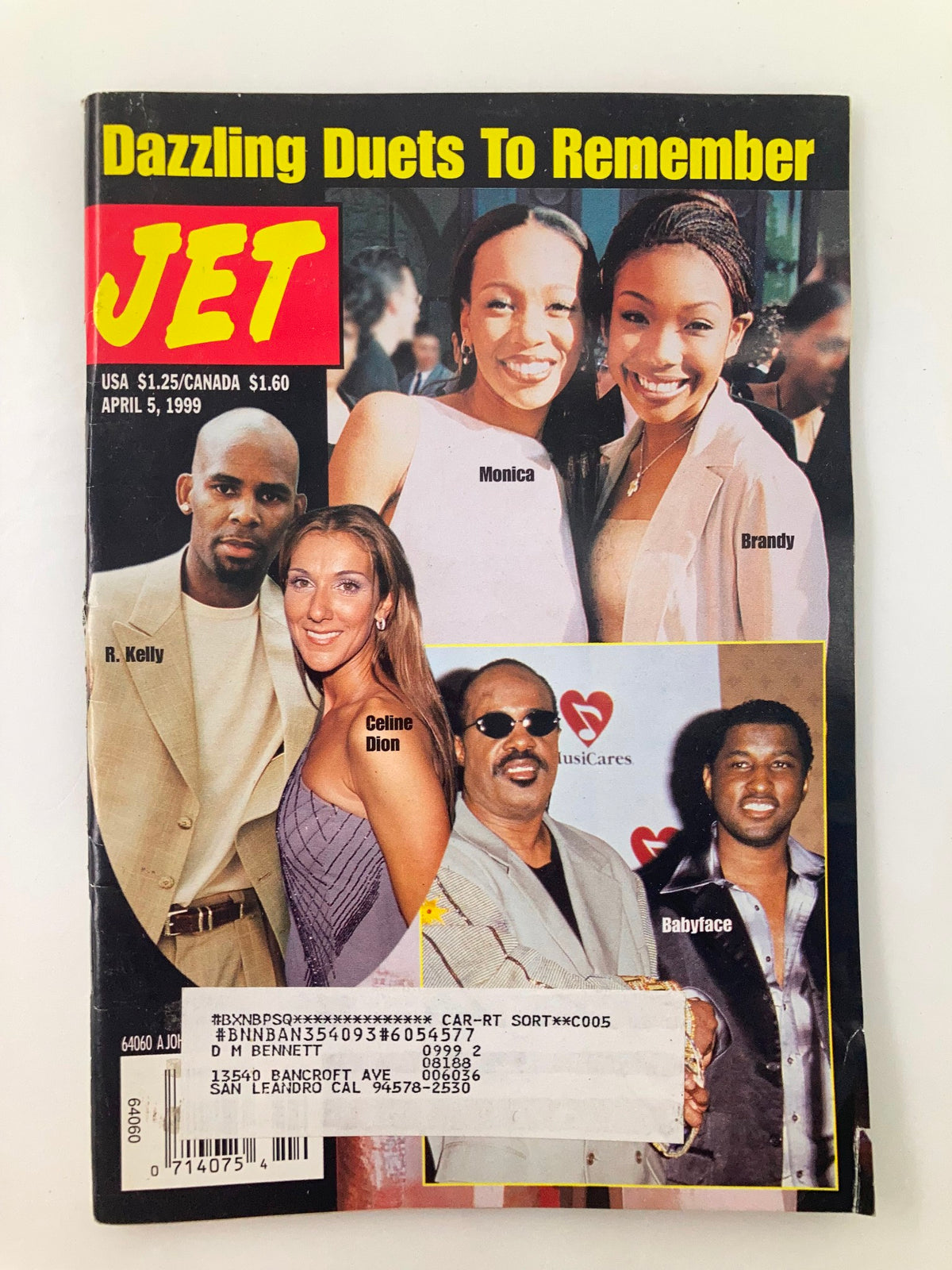
Long before streaming algorithms and social media could fragment an audience into a thousand niches, there existed voices powerful enough to unite them — and few commanded that unity more completely than the girl from Charlemagne, Québec who became one of the most celebrated singers of the 20th century. Celine Dion's ascent was a phenomenon that unfolded in real time across the glossy pages of the world's most widely circulated magazines. From her early French-language victories at the Eurovision Song Contest in 1988 to the cataclysmic global reach of Titanic's "My Heart Will Go On" in 1997-98, her story was one that editors and photo directors could not resist — a Cinderella narrative made flesh, dressed in couture, and standing before sold-out arenas on every continent. In an era when a magazine cover on a newsstand could still make a career and a feature spread could define a cultural moment, she was among the most photographed, profiled, and analyzed entertainers alive. Her devoted fan base consumed every word; her dramatic personal story — the youngest of fourteen children, her career steered from childhood by the man she would later marry — gave journalists an almost inexhaustible well of human drama to draw from.
Inside the Archive
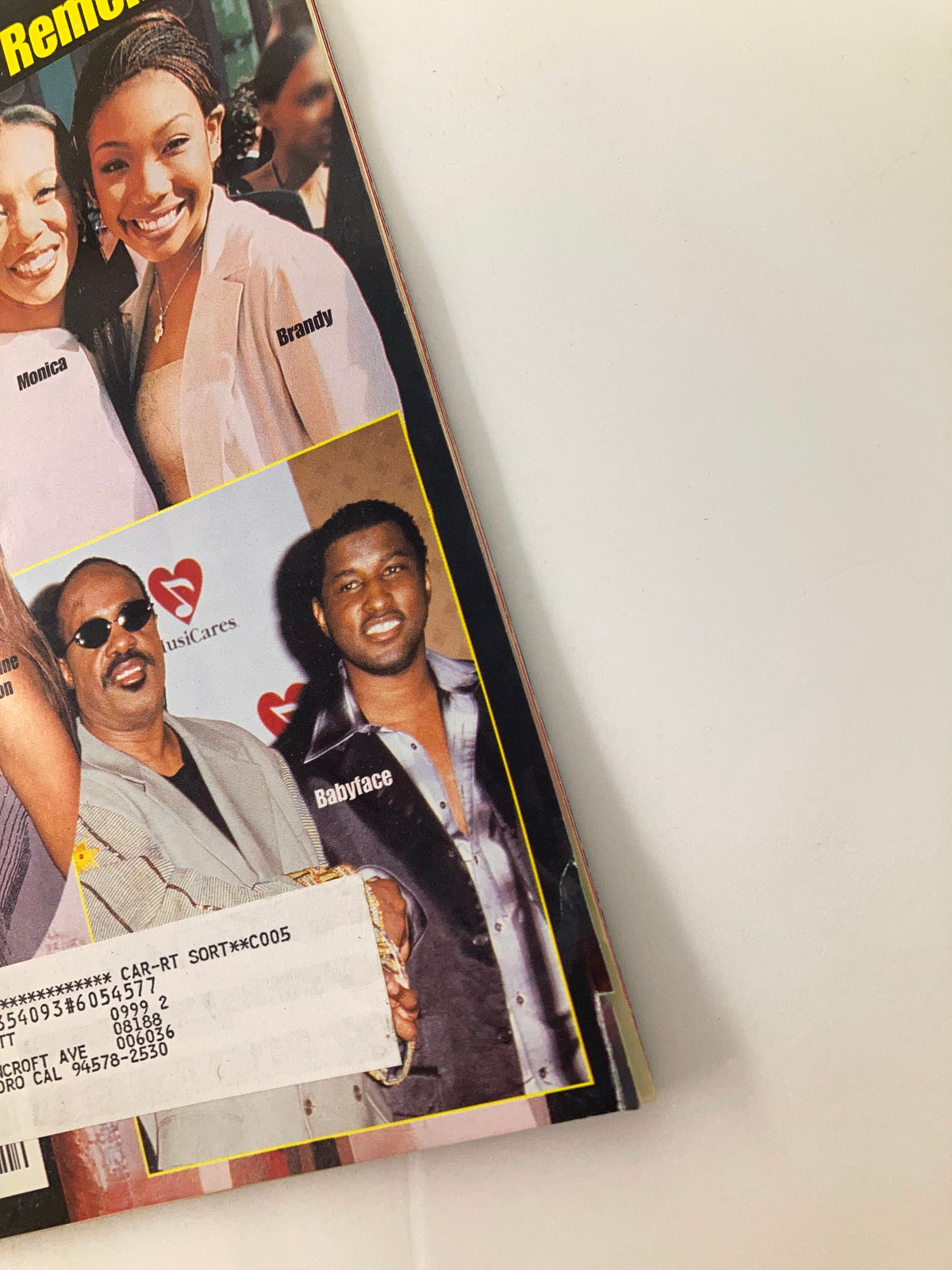
The print coverage of this extraordinary artist spans multiple distinct eras and tonal registers. In the early 1990s, as she crossed over from francophone stardom into the English-speaking mainstream, publications like People and Entertainment Weekly framed her as an underdog triumph, their photography warm and aspirational, catching her mid-performance or radiant at industry galas. As her celebrity ascended into the stratosphere following The Colour of My Love and the Falling Into You album cycle, the fashion and luxury press took notice — Vogue and its international editions began treating her as a style figure worthy of their most prestigious editorial real estate, with dramatic, high-concept shoots that celebrated her transformation into a global icon. Meanwhile, the Canadian press, particularly publications like Maclean's, claimed her with fierce national pride, offering some of the most intimate and historically rich portraits of her roots, her family, and the cultural weight she carried as a Québécoise ambassador to the world. European titles, particularly French and Belgian weeklies, tracked her throughout her entire career with a intimacy and frequency that Anglo-American publications rarely matched, making them among the most prized finds for serious collectors today.
Curator's Checklist: Highlights Often Include
- The Breakthrough Years (late 1980s–early 1990s): Coverage of her Eurovision victory, early French-language albums, and her gradual, carefully managed entry into the English-speaking market — a transitional period rarely documented in English-language publications and therefore of particular rarity and historical value.
- The Titanic Era (1997–1998): Feature stories and cover appearances tied to the release of the most commercially successful film of its decade, capturing the precise cultural moment when she became inescapable — a genuine once-in-a-generation media saturation that entertainment magazines documented with breathless intensity.
- Las Vegas Residency Announcements & Retrospectives (2003 onward): Entertainment and lifestyle publications frequently marked her landmark A New Day... residency at Caesars Palace as a reinvention of the concert industry itself, with profiles exploring the spectacle, the economics, and the devotion of her audience.
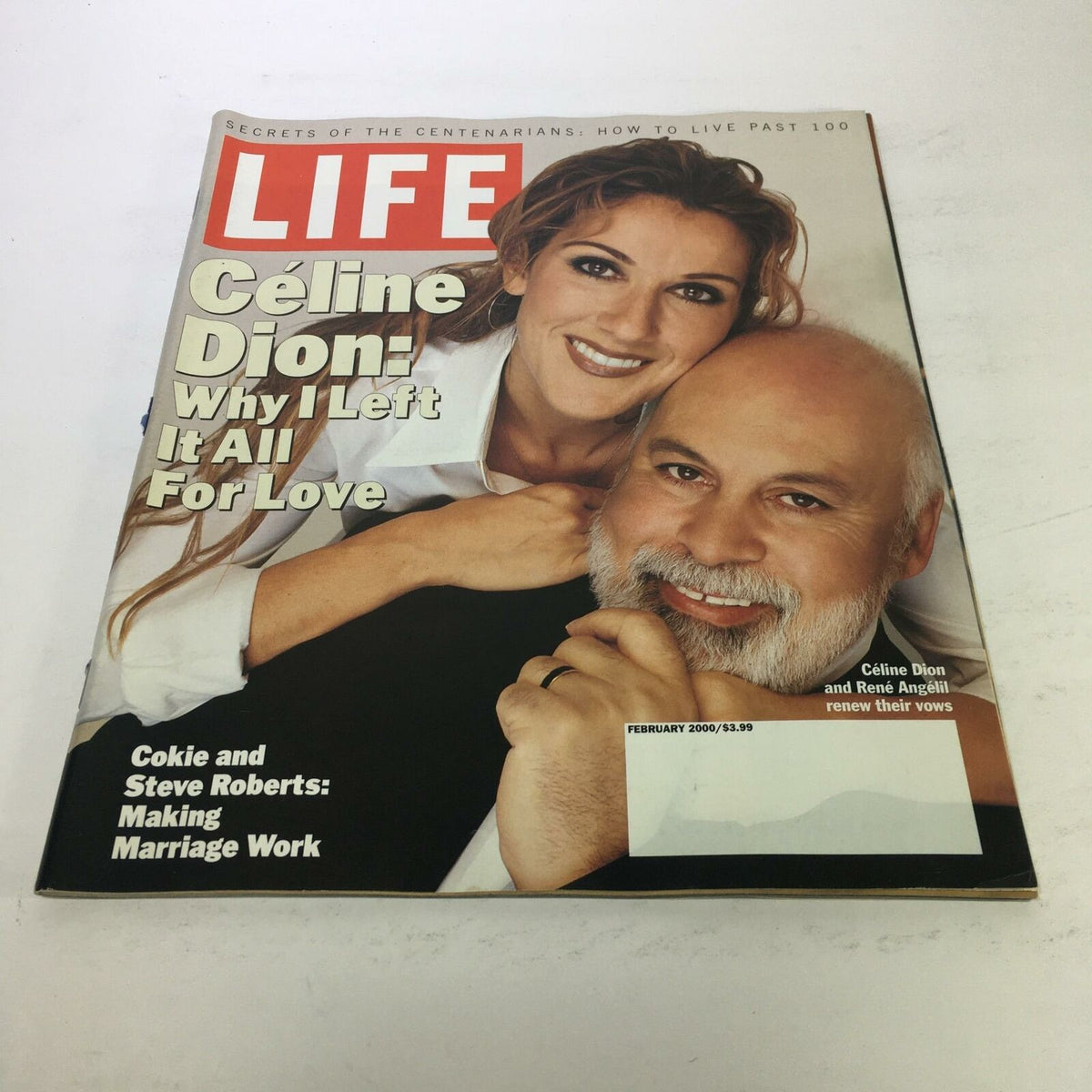
- Personal Life & Human Interest Narratives: Coverage of her marriage to René Angélil, their fertility treatments, his illness and eventual passing in 2016, and her own later health challenges — generating some of the most emotionally resonant magazine journalism of the era, spanning celebrity weeklies to serious long-form publications.
- International & Francophone Press: Issues from French, Belgian, Swiss, and Québécois periodicals offering coverage simply unavailable in English — interviews conducted in her first language, cultural analysis rooted in her Québécois identity, and photography from European tours and award ceremonies that American archives rarely preserved.
The Collector's Value
To hold one of these original issues is to hold a specific, irretrievable moment — the particular quality of light captured on film rather than sensor, the slightly off-register printing that gives the era its unmistakable warmth, the weight of paper stock that digital archives can never replicate. Run a thumb across a glossy cover from 1997 and you encounter the world as it was: the surrounding advertisements for perfumes now discontinued, airlines now merged into other names, films opening that weekend in cineplexes across the continent. These are not reproductions or commemorations — they are primary sources, dispatches from the moment itself, carrying the faint ghost of the ink and the printing press. For collectors of vocal performance history and pop culture ephemera, Canadian and Québécois cultural heritage, or late 20th-century entertainment memorabilia, these publications offer something no biography or documentary can replicate: the unmediated, contemporaneous record of how the world encountered this voice for the very first time. Explore the current available inventory below and find the issue that speaks to you.