📖 About this Collection
Chaka Khan: The Queen of Funk, Pressed in Print
The Legend & The Legacy
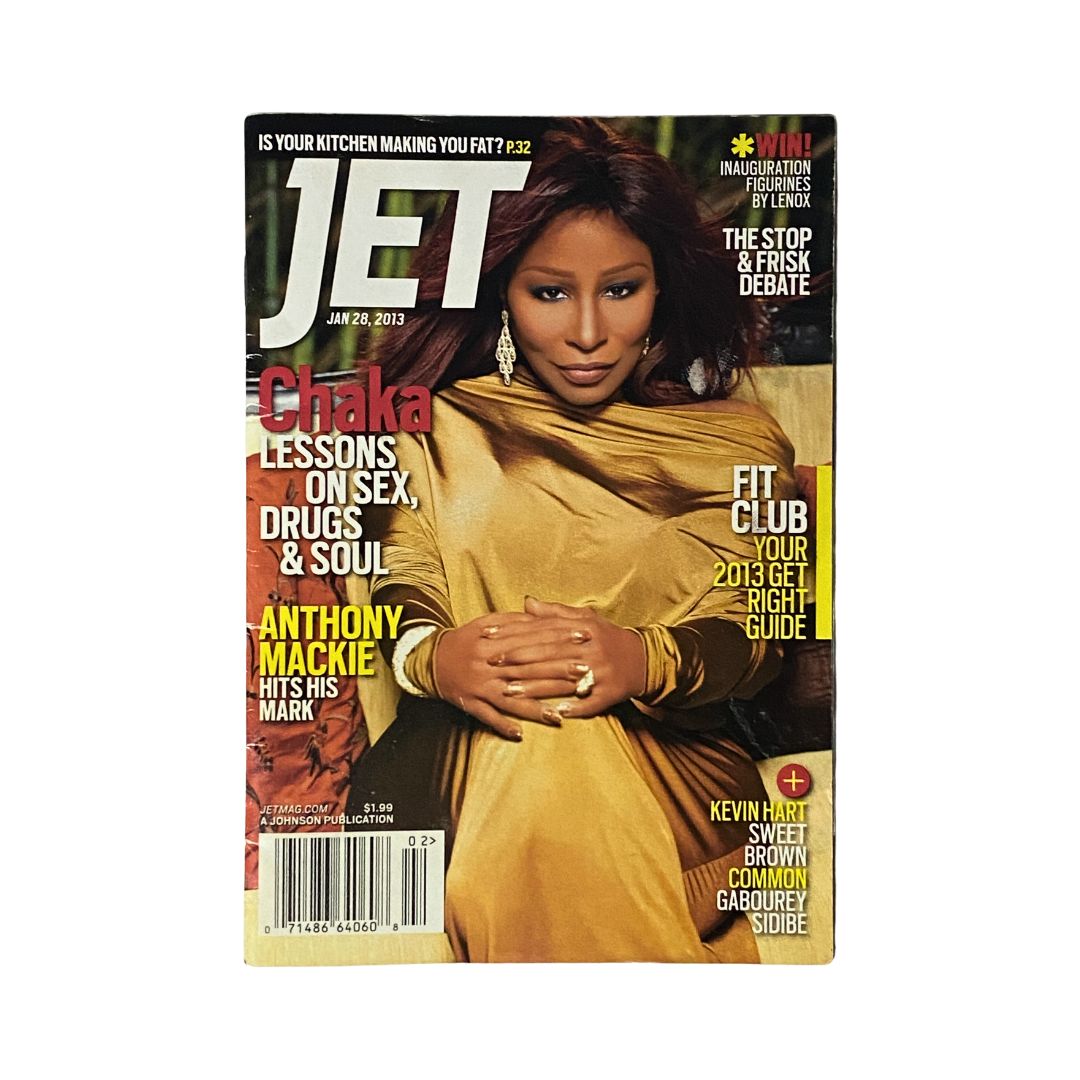
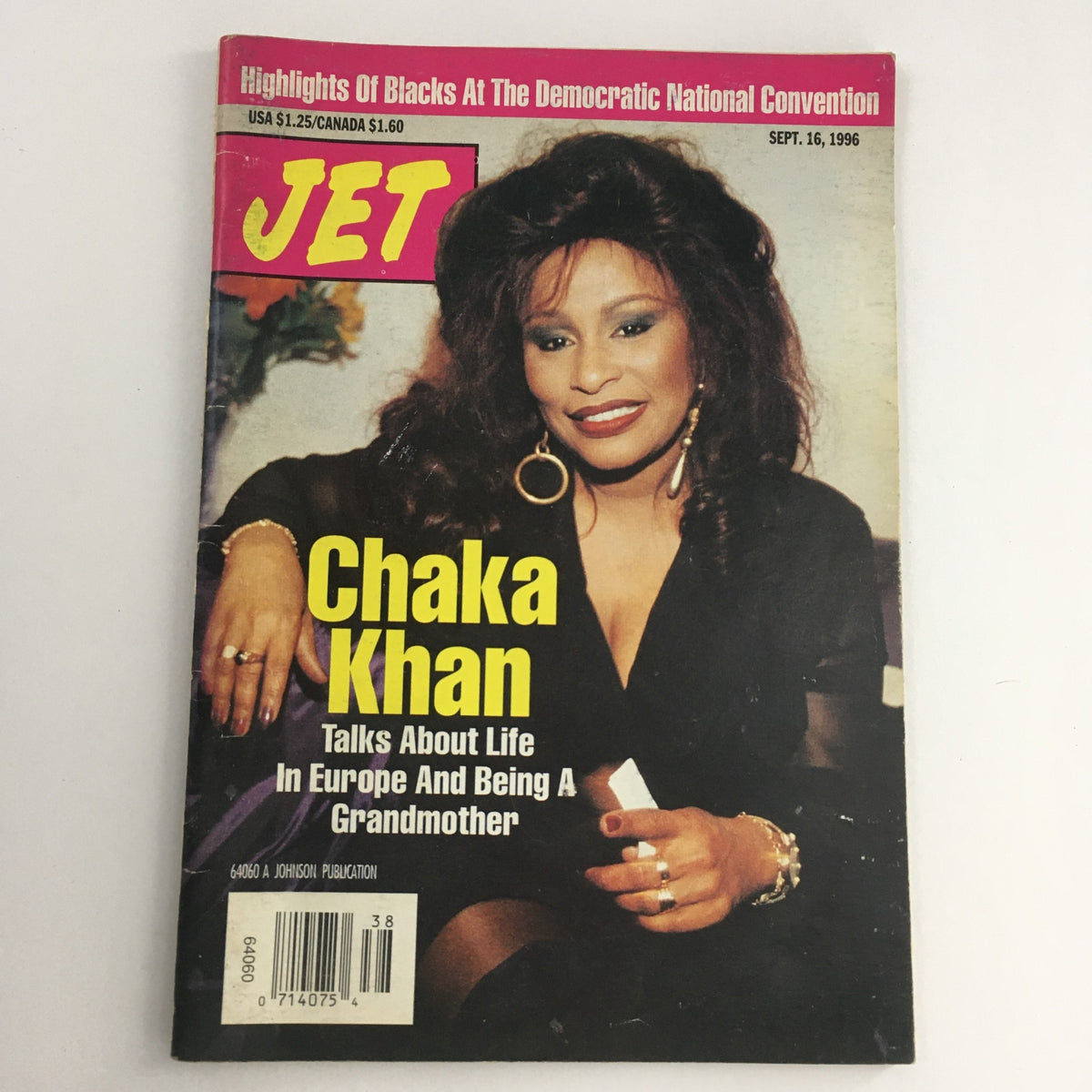
Long before streaming algorithms and social media feeds, the world discovered Chaka Khan through the glossy, ink-saturated pages of the magazines that lined newsstands from Chicago's South Side to the boutiques of Paris. Rising to prominence in the early 1970s with Rufus before igniting a solo career of seismic proportions, she became one of the most elemental voices in popular music — a force so raw, so architecturally perfect in its power, that the press could not look away. In an era when music journalism was at its cultural zenith, fans experienced her ascent not through a highlight reel, but through carefully crafted cover stories, full-page live photographs, and intimate interviews that arrived once a month on their doorstep. Each issue was an event. Each profile was a portrait of a woman who defied every category the industry tried to impose — R&B, funk, jazz, pop — and emerged, gloriously, as simply herself.
Inside the Archive
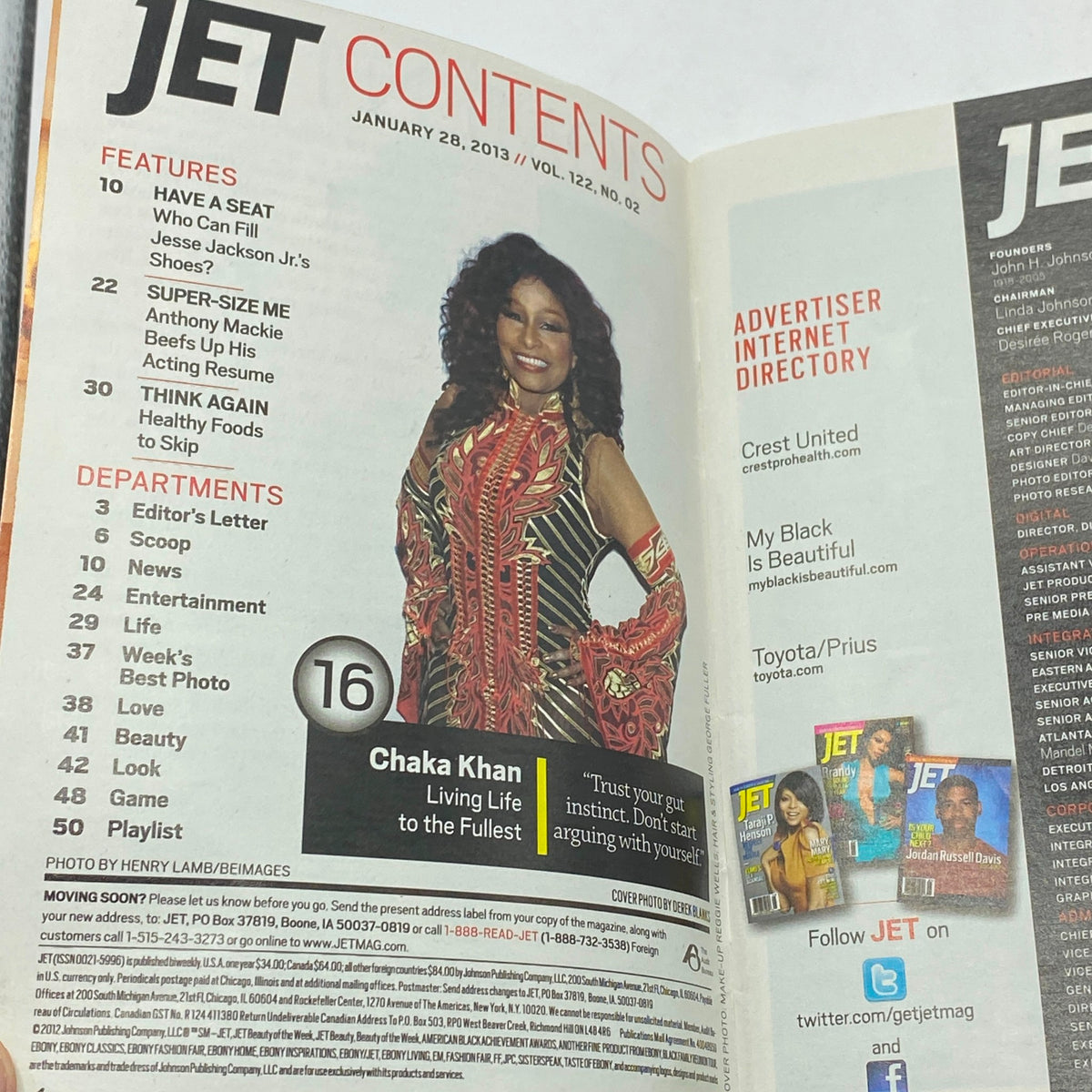
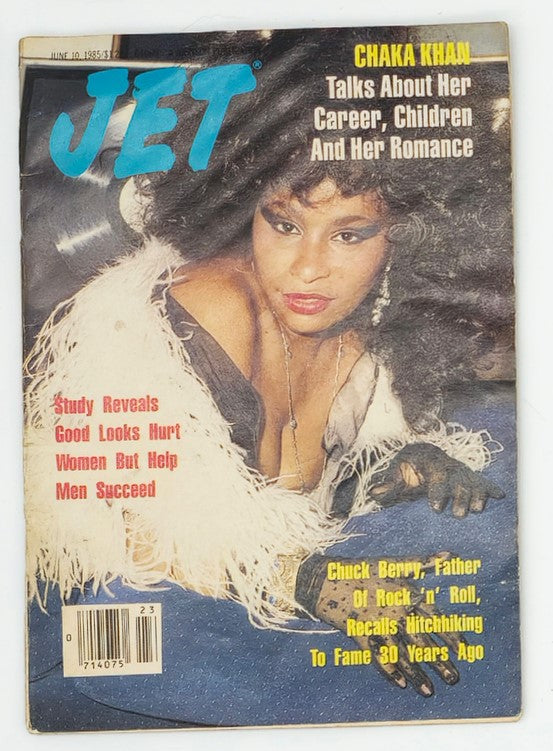
The print coverage of this singular artist reflects both the glamour and the complexity she brought to every room she entered. Music-centric publications captured her in her natural habitat — mid-performance, wild-haired and transcendent, commanding stages with a physical and vocal authority that photographers clearly struggled to contain within a single frame. Rolling Stone profiled her across multiple decades, tracking her evolution from the untamed funk of the Rufus years through her landmark 1984 solo breakthrough. Ebony and Jet covered her with the particular reverence she deserved as a defining figure of Black excellence and artistic sovereignty, situating her within the broader cultural conversation of Black music's global dominance. Meanwhile, international titles and trade publications like Billboard charted the commercial and critical arc of a career that earned her ten Grammy Awards — documenting, issue by issue, the construction of a genuine legend.
Curator's Checklist: Highlights Often Include
- Rufus-era features (early-to-mid 1970s) — band profiles and concert coverage from the funk and soul press documenting her emergence as the undeniable center of gravity in one of the decade's most electrifying groups
- Solo breakthrough coverage (1978–1985) — editorial features and chart coverage surrounding landmark recordings, including the period when she became one of the best-selling artists on both sides of the Atlantic
- Grammy and awards-season issues — commemorative and retrospective coverage from years in which she claimed major honors, with the trade and consumer press alike celebrating her dominance
- Fashion and cultural profiles — spreads in style-forward publications that treated her as a fashion icon, capturing the extraordinary aesthetic she brought to her public persona: the flowing robes, the crown of hair, the unapologetic opulence
- International and crossover press — European and UK music titles that documented her considerable overseas following, reflecting the global reach of an artist who translated effortlessly across cultural borders
The Collector's Value
To hold one of these original issues is to hold a fragment of living history — the paper slightly yellowed at the edges, the ink carrying that unmistakable mineral warmth that no screen can replicate, the surrounding advertisements offering a vivid time capsule of the decade in which they were printed. These are not reprints or facsimiles; they are primary sources, the very objects that shaped public perception of one of music's most extraordinary careers in real time. The creak of the spine, the weight of the coated stock, the full-bleed photographs printed with a richness that modern digital reproduction still cannot faithfully recreate — these details elevate a vintage magazine from mere memorabilia to a museum-quality artifact. For collectors of funk and soul history, Black cultural heritage and publishing, or women's music iconography, these publications offer an irreplaceable window into an era of artistic fearlessness and the golden age of print journalism that documented it. Explore the current available inventory below and claim your piece of the archive.