📖 About this Collection
Charles Bronson: The Man of Stone in Print
The Legend & The Legacy
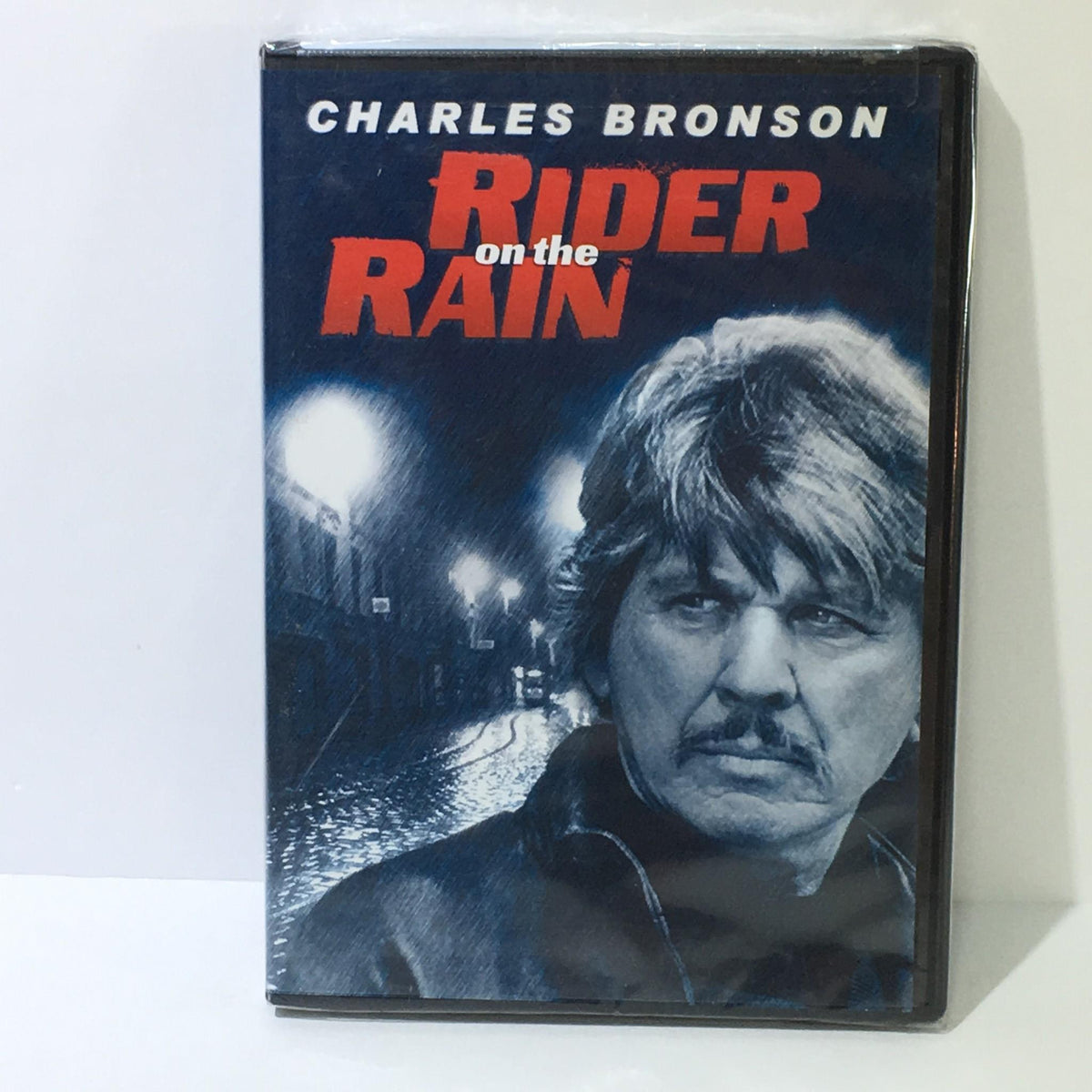
Charles Bronson occupied a singular place in the 20th-century cultural imagination — the granite-faced embodiment of a particular American myth: the working-class man who survives, endures, and ultimately triumphs through sheer, unbreakable will. Born Charles Dennis Buchinsky in the coal-scarred hills of Pennsylvania, the son of Lithuanian immigrants, his ascent from poverty to global superstardom was itself the stuff of folklore. But it was in the 1970s that the man became a phenomenon. While Hollywood was churning out antiheroes and moral ambiguity, audiences worldwide — from Tokyo to Paris to São Paulo — didn't just watch him; they needed him. The Death Wish franchise made him a lightning rod for debates about justice, urban decay, and vigilantism that played out not on screens alone, but across the editorial pages and cover stories of the era's most widely circulated print media. In those pre-internet decades, a Bronson magazine cover on a newsstand wasn't merely promotion — it was a cultural statement, a mirror held up to a society wrestling with its own anxieties.
Inside the Archive
Vintage magazines chronicled his career with a fascination that straddled reverence and curiosity, because Bronson was, by any editorial measure, an enigma worth pursuing. Photographers captured him in a way that few actors were shot — often still, often hard-lit, a face that seemed carved rather than born, suggesting ancient stone and immigrant grit in equal measure. American publications like People and TV Guide profiled him during his peak commercial years, framing him as the unlikely everyman action star who had conquered Hollywood on his own unyielding terms. Meanwhile, the European press — particularly the French Cinémonde and the Italian Gente — treated him with the reverence of a cinematic auteur, a distinction the American press rarely extended so generously. He was, after all, more popular in France during the early 1970s than he was in his own country, a fact the international film press documented with visible pride. The editorial tone across these publications shifts fascinatingly over the decades: early profiles are tinged with intrigue and biographical discovery, while later issues reflect on legacy, myth-making, and the cultural afterlife of the tough-guy archetype he helped define.
Curator's Checklist: Highlights Often Include
- Career breakthrough profiles from the late 1960s and early 1970s, covering his transition from rugged supporting player — The Magnificent Seven, The Great Escape — to bona fide international leading man, often accompanied by rare behind-the-scenes photography
- European film magazine features from France, Italy, and Germany dating from his celebrated peak abroad, where he was marketed and idolized as a prestige action star well before Death Wish cemented his American household-name status
- Lifestyle and celebrity spreads documenting his life with actress Jill Ireland, his longtime partner and collaborator, whose own cancer battle and their partnership became a deeply human story covered with sensitivity by the entertainment press of the late 1970s and 1980s
- Retrospective and legacy issues from the 1990s, reflecting on a career that spanned five decades and the enduring cultural conversation around the vigilante justice themes his most iconic films ignited
- Television listings magazines and entertainment weeklies featuring Death Wish sequel promotion, studio interview roundtables, and the broader pop culture debate his films sparked at the height of America's urban crime crisis
The Collector's Value
To hold a vintage magazine featuring Charles Bronson is to hold a physical artifact of a specific and irretrievable cultural moment — the age of the antihero, of gritty urban filmmaking, of a world that processed its fears and fascinations through glossy print and long-form editorial. These are not reprints or digital facsimiles; they are primary sources, complete with the texture of decades-old paper stock beneath your fingertips, the faint, unmistakable scent of aged ink and printing press chemistry, and the vivid surrounding advertisements — for Brut cologne, American cars, cigarettes, and polyester suits — that situate you viscerally in the era. The centerfold portraits and candid on-set photographs reproduced within these pages possess a warmth and grain that no screen resolution can replicate. For collectors of classic Hollywood and New Hollywood cinema, vintage action and crime film ephemera, or mid-century celebrity and pop culture memorabilia, these publications offer an irreplaceable window into the era through the eyes of those who lived it in real time — journalists, editors, and photographers who documented the legend as it was still being written. Explore the current inventory below and discover which pieces of this remarkable archive are available today.