📖 About this Collection
Che Guevara: The Eternal Flame of Revolution
The Legend & The Legacy
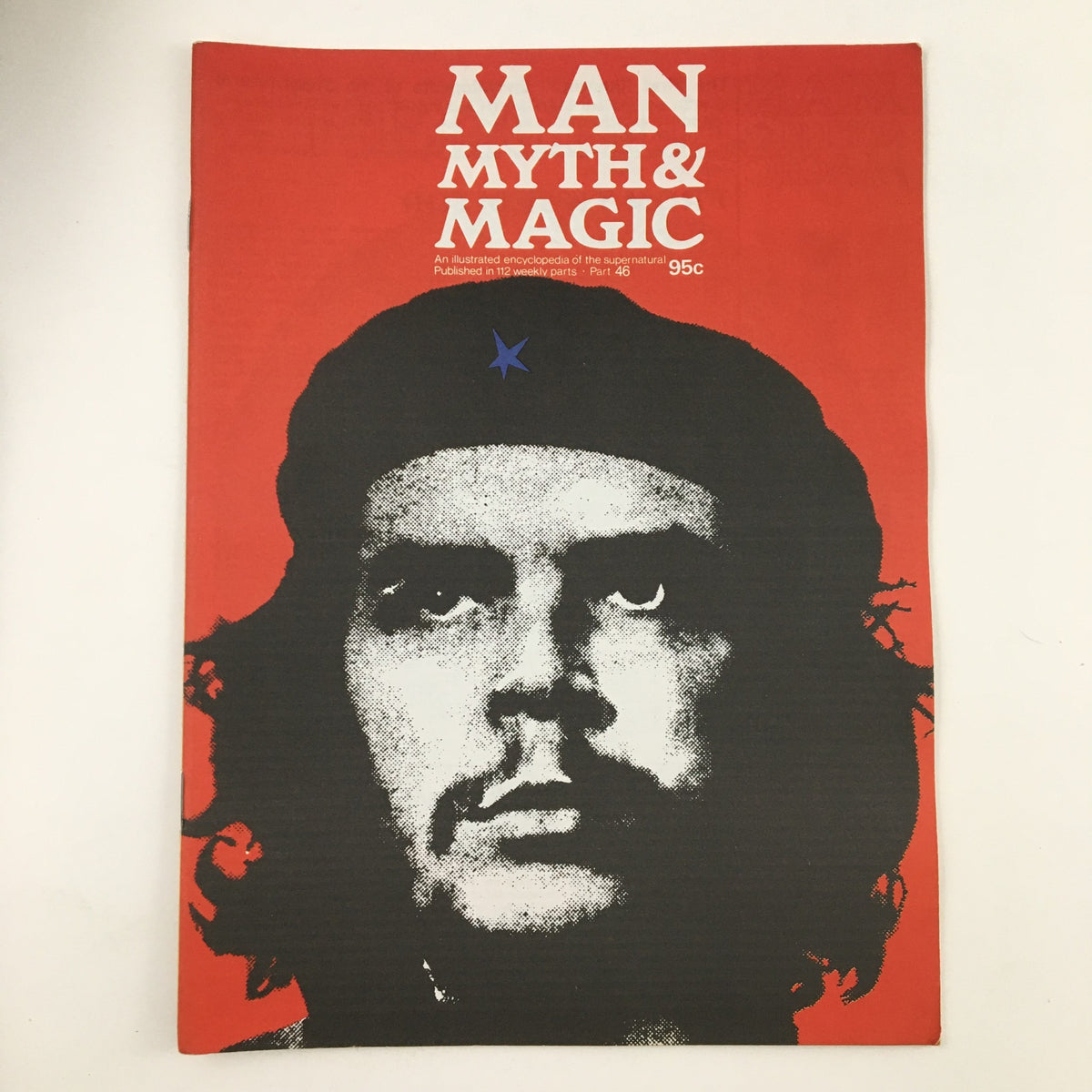
Few figures of the twentieth century burned as brightly — or as controversially — as Ernesto "Che" Guevara. The Argentine-born physician turned guerrilla commander became the living embodiment of revolutionary idealism, reshaping the political imagination of an entire generation. From the jungles of Cuba alongside Fidel Castro to his doomed campaign in the highlands of Bolivia, his journey was consumed by the global public through the pages of physical print media at a time when a single photograph or long-form dispatch could define history. His 1967 execution only amplified his mythology; within weeks, newsrooms from Buenos Aires to Berlin were scrambling to make sense of the man, the martyr, and the movement. In an era before satellite television and instant feeds, it was the magazine — with its weight, its permanence, its carefully composed covers — that carried his story into living rooms, university common areas, and government offices alike. Print did not merely report on him; it constructed him.
Inside the Archive
Vintage magazine coverage of the guerrillero heroico is among the most visually and editorially arresting of the Cold War era. Publications leaned heavily on the iconography of the revolutionary: the beret, the star, the unflinching gaze. Life magazine, with its unrivaled photojournalistic reach, brought the Cuban Revolution and its commanders into American homes with stark, intimate black-and-white spreads that blurred the line between reportage and portraiture. The French cultural and news weekly Paris Match treated him with a distinctly European romanticism, framing the comandante through a lens that was equal parts political intrigue and cinematic drama — their coverage remains some of the most sought-after in any serious archive. Meanwhile, Tricontinental, the radical journal published out of Havana, offered the inverse perspective: unfiltered revolutionary propaganda of the highest graphic design order, distributing his image and writings to sympathizers across Latin America, Africa, and Asia. Taken together, the editorial tones range from fearful fascination to open veneration, making each surviving issue a document not just of one man, but of a world taking sides.
Curator's Checklist: Highlights Often Include
- Cuban Revolution coverage (1956–1959): Early reporting on the Sierra Maestra campaign, often featuring group photographs of the rebel forces, dispatches from embedded journalists, and the triumphant fall of Havana — issues in which a young Guevara begins to emerge from Castro's shadow into his own commanding presence.
- Cold War political analysis pieces (late 1950s–1960s): Long-form editorial features from North American and European publications grappling with the ideological implications of a communist state ninety miles from Florida, frequently profiling the comandante as a key architect of Cuban governance and foreign policy.
- The iconic Alberto Korda photograph & its aftermath (post-1960): Magazines from multiple continents reproducing or referencing the legendary Guerrillero Heroico portrait, each reframing it within their own national political context — documents of how a single image became a global symbol.
- Bolivian campaign and death dispatches (1967): Some of the most historically significant issues collectors seek, covering his capture and execution in the village of La Higuera, including the haunting wire-service photographs that circulated worldwide and the immediate global reaction from student movements and leftist governments.
- Post-mortem cultural canonization (late 1960s–1970s): Coverage of the worldwide explosion of student radicalism, counterculture, and anti-Vietnam sentiment that adopted his likeness as a banner — features in publications ranging from underground press tabloids to mainstream newsweeklies documenting how a dead revolutionary became the face of a generation's dissent.
The Collector's Value
To hold a vintage magazine featuring Che Guevara is to hold a primary document of the most turbulent ideological battleground of the twentieth century. These are not reproductions or commemorations — they are original artifacts, printed in real time, by editors and photographers who understood they were witnessing history but could not yet know how vast his shadow would grow. The paper stock of a 1967 Life issue carries a particular weight to it, its slightly rough texture a tactile reminder of the craft-driven publishing world that produced it; the ink, faintly musky with age, anchors you to a specific cultural moment no digital archive can replicate. The surrounding advertisements — for American automobiles, cigarettes, household appliances — provide a jarring and deeply human counterpoint, the ordinary world pressing up against the extraordinary. For collectors of Cold War history, Latin American political history, or twentieth-century photojournalism, these publications offer an irreplaceable window into how the world processed, feared, romanticized, and ultimately mythologized one of its most enduring revolutionary figures. Browse the current selection of available originals below, and discover which piece of that history is waiting to find its way to you.