📖 About this Collection
Chris Jericho: The Ayatollah of Print Media
The Legend & The Legacy
Long before social media algorithms decided what mattered, the wrestling world relied on the glossy pages of specialized publications to follow its heroes and heels with devoted fervor. Chris Jericho — the self-proclaimed "King of the World," the man of a thousand nicknames, and one of professional wrestling's most chameleonic performers — built his legend across two decades of reinvention that print media scrambled to keep pace with. From his breakout runs in the cruiserweight circuits of Mexico's CMLL and Germany's WAW through his seismic arrival in the WWF in August 1999 — interrupting The Rock himself — to his era-defining runs as the first-ever Undisputed WWE Champion and his later championship glory in AEW, Jericho defied every attempt to categorize him. Before streaming services and Twitter hot takes, fans pinned his interviews to bedroom walls, dog-eared his in-depth profiles, and passed worn copies of their favorite wrestling monthlies between friends like sacred texts. His story was a print story first.
Inside the Archive
The publications that chronicled Y2J's rise understood they were dealing with a singular figure — one equally comfortable discussing classic rock, Monty Python, and submission holds in the same breath. The wrestling press of the late 1990s and 2000s captured him in full dramatic spectacle: the leonine blond hair, the sparkling jackets, the cocksure posturing that walked the razor's edge between genuine menace and theatrical self-parody. Pro Wrestling Illustrated, the undisputed journal of record for the sport, tracked his championship reigns and ranked his in-ring achievements with the seriousness of a broadsheet covering statecraft. WWE Magazine — in its glossy, mass-market prime — delivered the character of Jericho to millions of mainstream readers who might never have sought him out otherwise, with bold cover typography and action photography that made his feuds feel genuinely mythological. Meanwhile, niche international titles across Canada, the UK, and Japan — markets where Jericho's work in the late 1990s carried outsized influence — offered more analytical, long-form editorial perspectives that treated professional wrestling as the legitimate art form its practitioners always believed it to be.
Curator's Checklist: Highlights Often Include
- The Debut Era (1999–2001): Coverage of his thunderous WWF arrival and the countdown clock phenomenon, including early profiles examining how a Canadian cruiserweight became a main-event force in sports entertainment's most competitive period
- The First Undisputed Champion: Features documenting his historic unification of the WWF and WCW championships in December 2001 — a storyline moment wrestling publications treated with genuine historical gravity
- Character Evolution Profiles: Long-form editorial pieces tracking his repeated reinventions, from the brash Attitude Era antagonist to the more sinister, cult-leader persona he developed across the 2010s
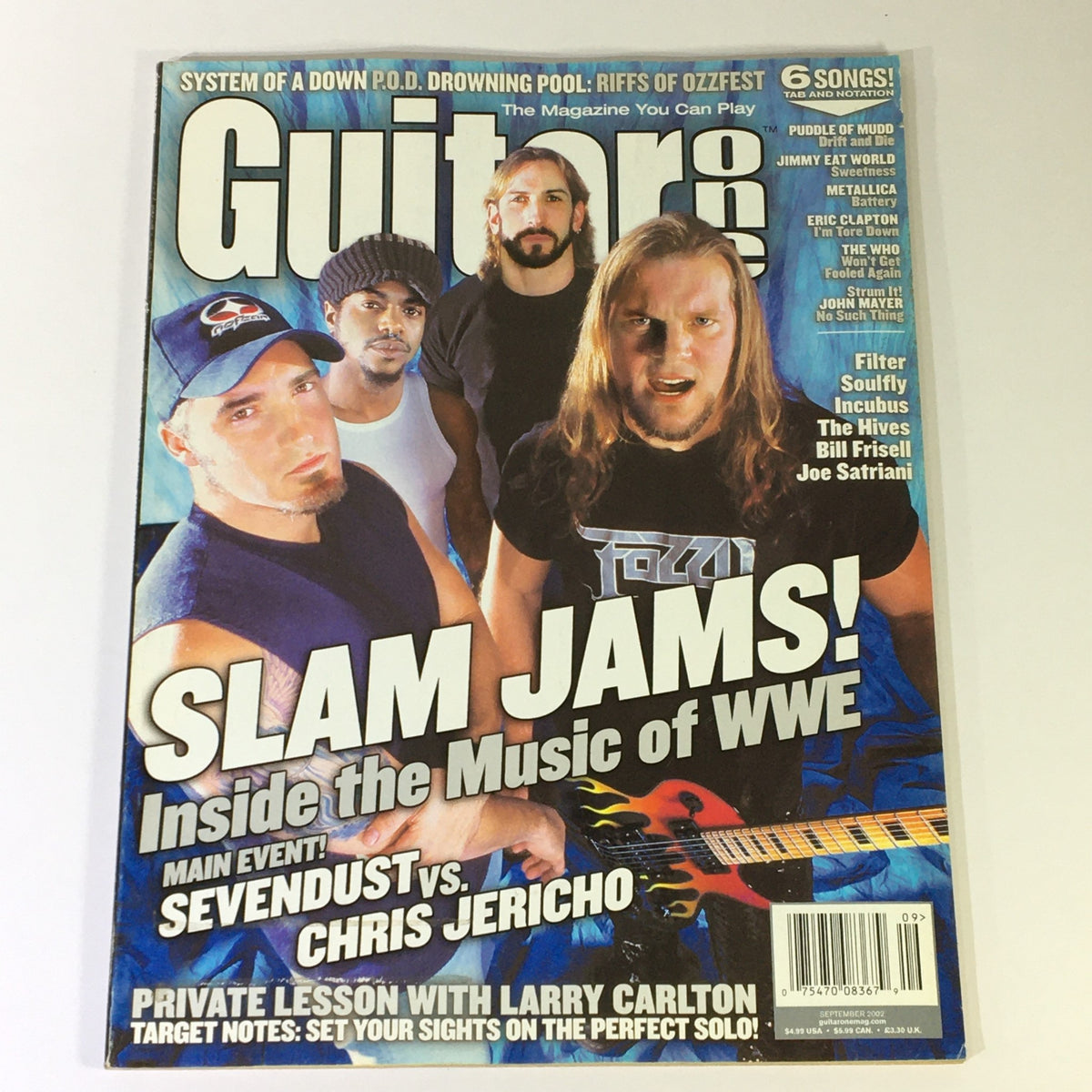
- Fozzy & the Rock Star Crossover: Occasional coverage in music-adjacent publications noting the rare phenomenon of a championship-caliber wrestler fronting a legitimate touring rock band, blurring the lines between sports entertainment and popular culture
- AEW's Founding Chapter: Later publications marking his pivotal role in launching All Elite Wrestling in 2019, often framed as one of professional wrestling's most consequential modern business stories
The Collector's Value
There is something irreplaceable about holding a thirty-year-old wrestling magazine — the cover stock slightly stiff at the spine, the interior pages carrying that unmistakable warm, inky scent of aged newsprint, the surrounding advertisements offering an unfiltered window into the consumer culture of another decade entirely. A 1999 Pro Wrestling Illustrated with Jericho coverage does not merely document a match result; it preserves the feeling of that moment — the editorial excitement, the fan discourse, the visual language of an era. These are primary sources in the truest sense, untouched by revisionism, algorithm, or the flattening effect of Wikipedia. For collectors of professional wrestling history, classic sports entertainment memorabilia, or late-1990s and early-2000s pop culture ephemera, these publications offer an authenticity that no digital archive or reproduction can replicate. Scroll down to explore what is currently available in our rotating archive — your copy of history is waiting.