📖 About this Collection
Chris Rock: The Comedian Who Held Up the Mirror
The Legend & The Legacy
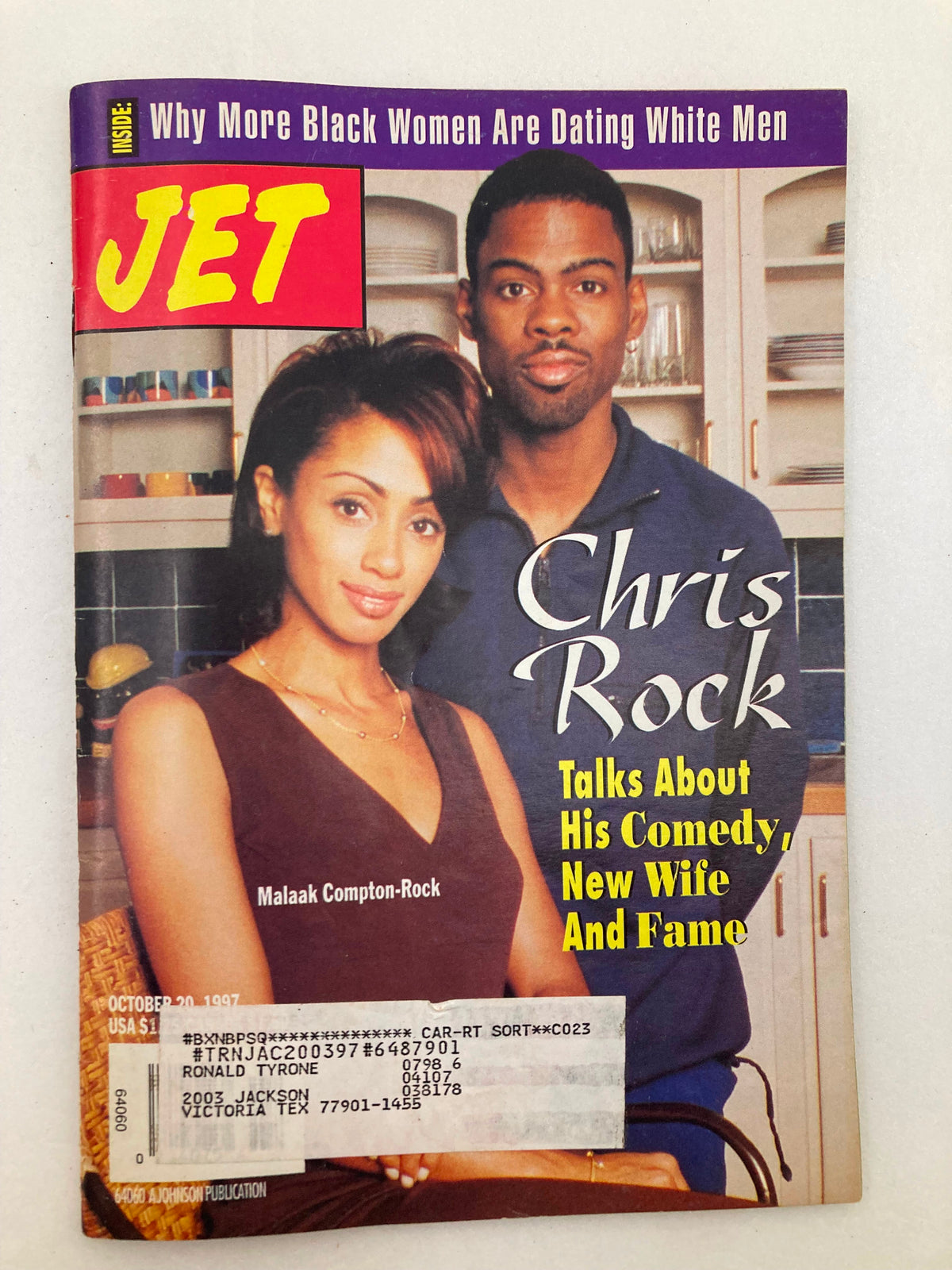
Long before a single viral moment could define or redefine a career overnight, Chris Rock built his legend the slow, deliberate way — through late-night television sets, sold-out stand-up tours, and the kind of sustained critical conversation that only ink on paper could properly document. Emerging from the Bedford-Stuyvesant neighborhood of Brooklyn and cutting his teeth on the stages of Catch a Rising Star, Rock ascended through the 1990s and 2000s as one of the most intellectually fearless comedians of his generation. His tenure on Saturday Night Live, his explosive HBO specials beginning with Big Bang in '91 and crescendoing with the landmark Bring the Pain in 1997, and his razor-sharp cultural commentary made him not merely a comedian but a genuine social philosopher. In an era when America was wrestling loudly with questions of race, class, and identity, the Brooklyn-born provocateur gave those conversations a stage — and a punchline. Audiences didn't stream his specials; they watched them on premium cable and then read about them the next morning in print.
Inside the Archive
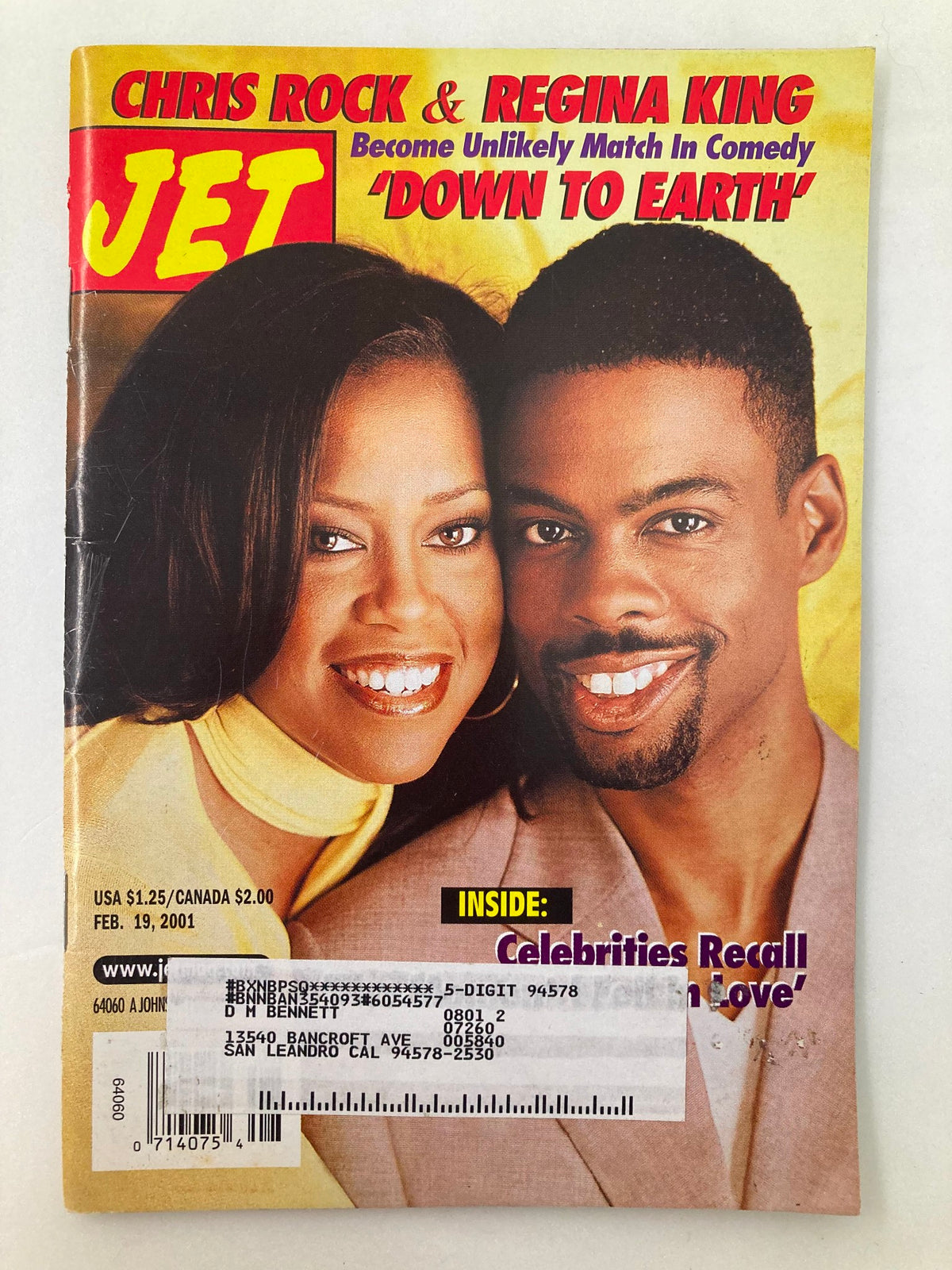
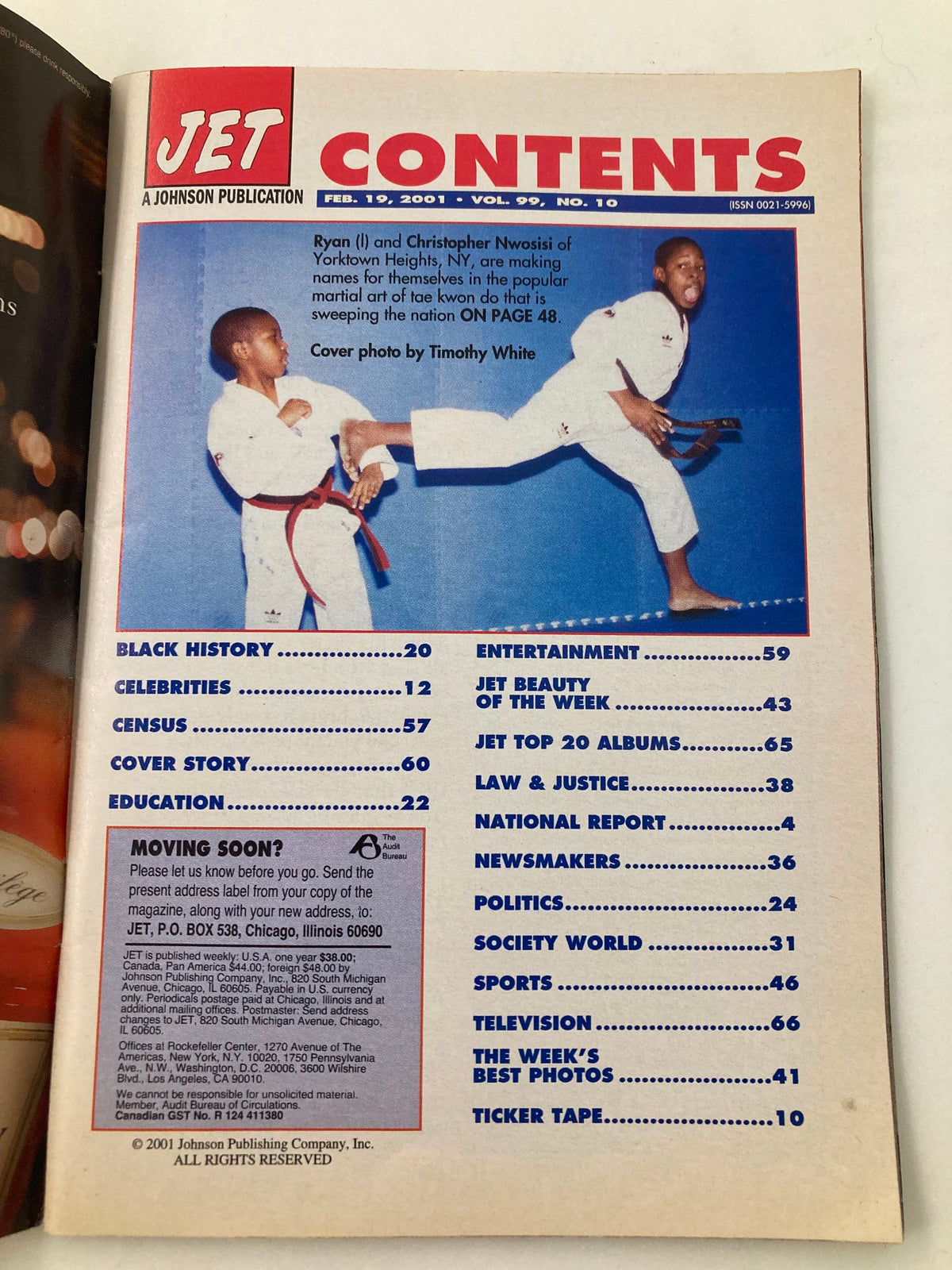
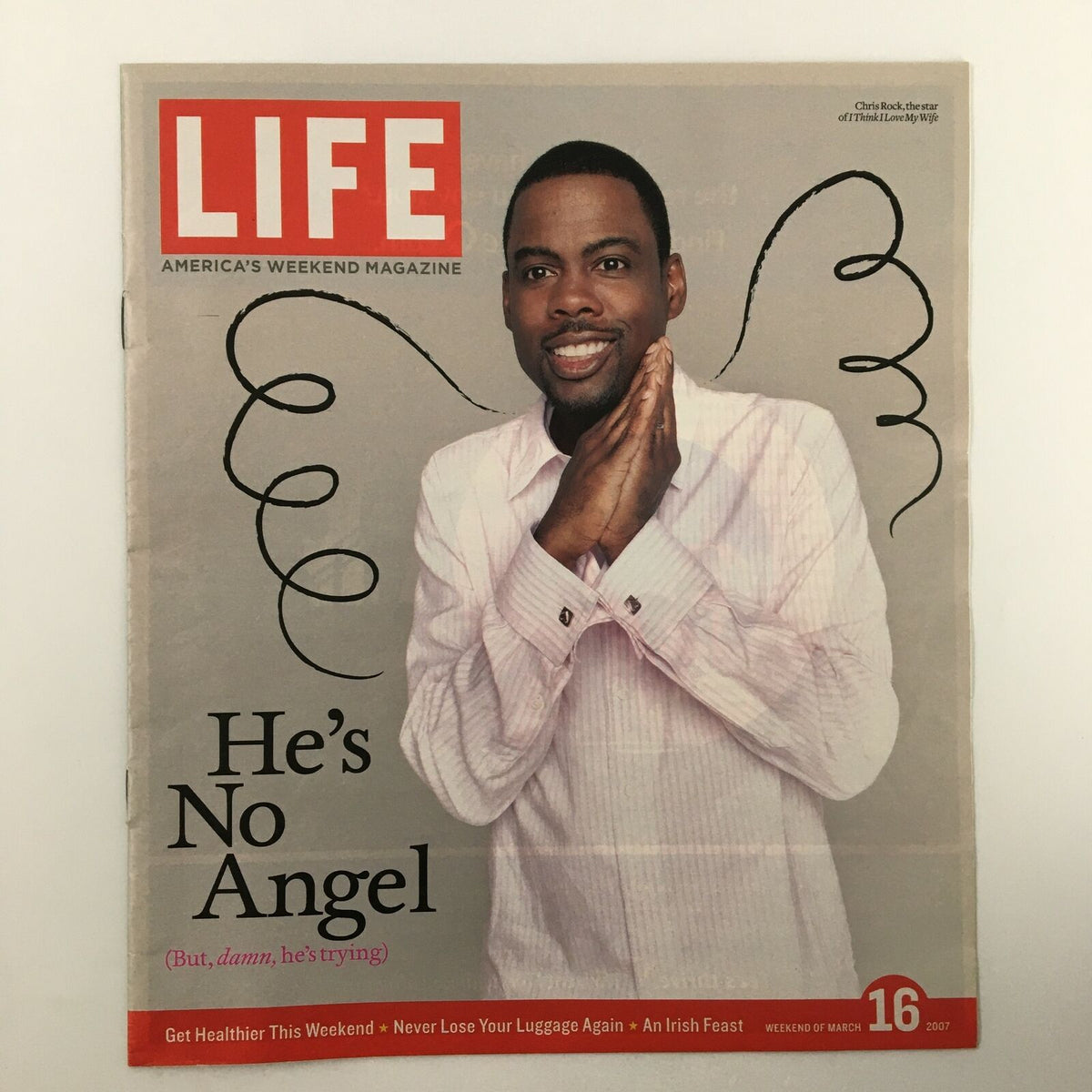
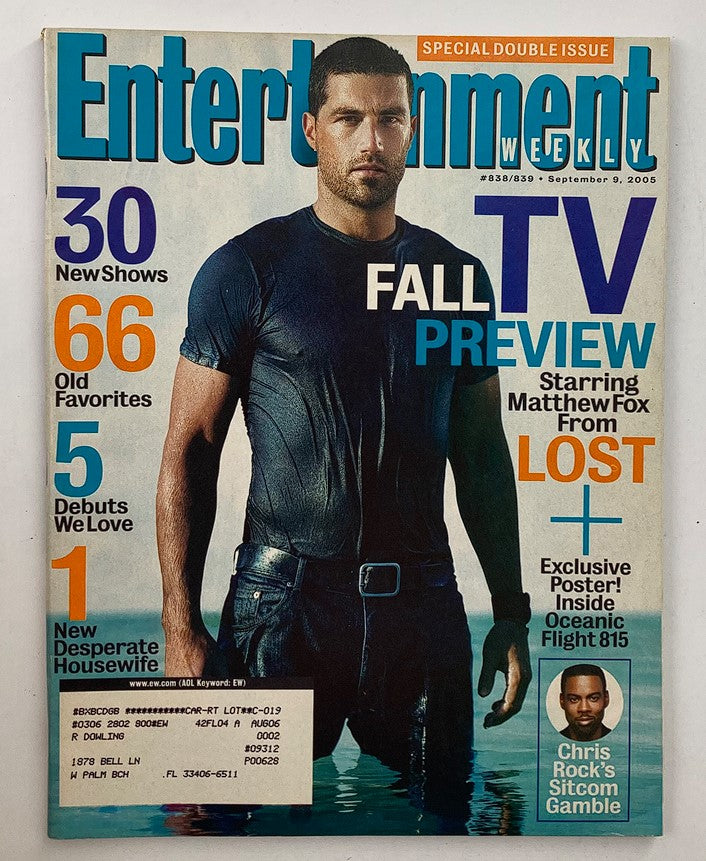
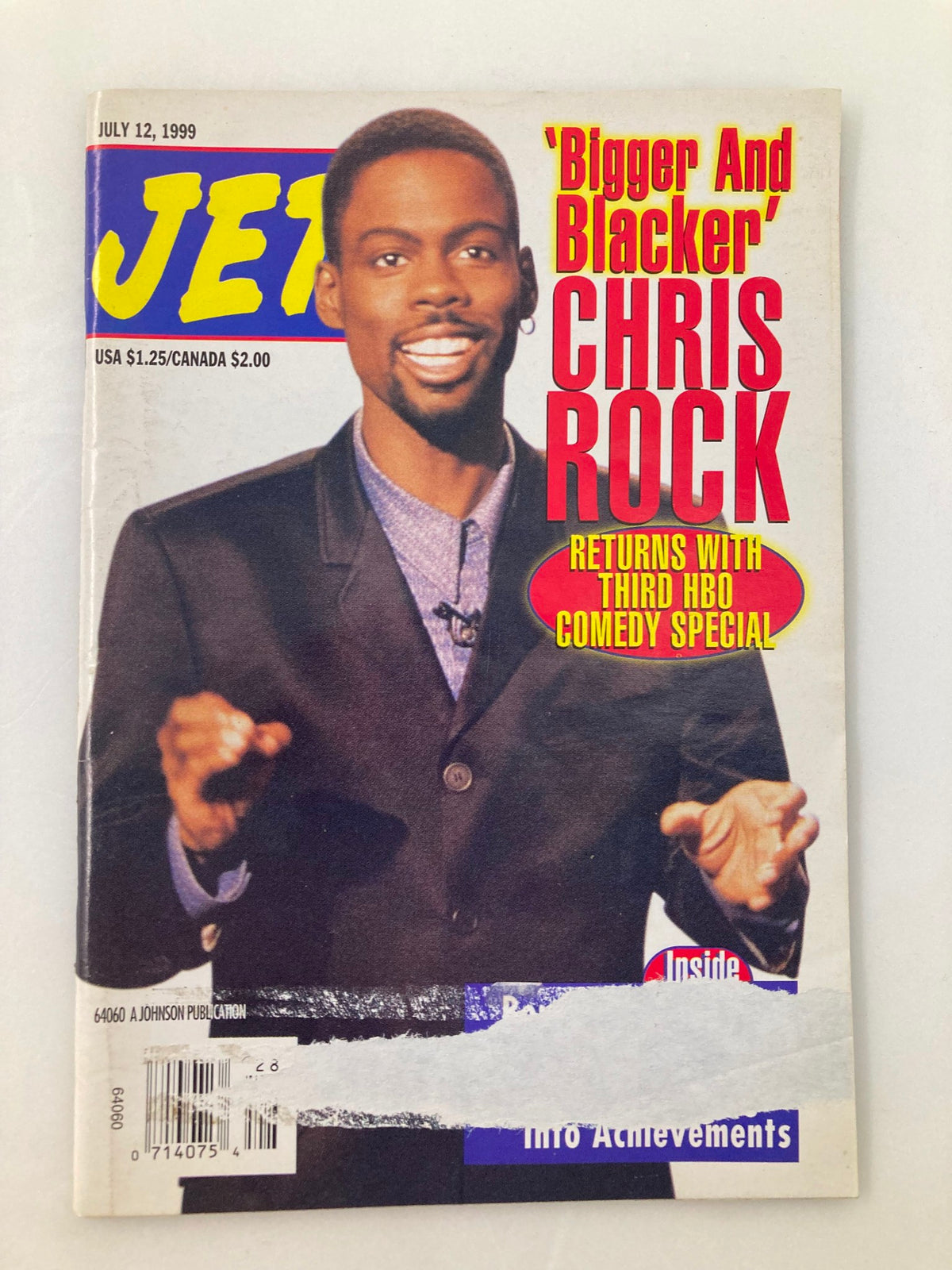
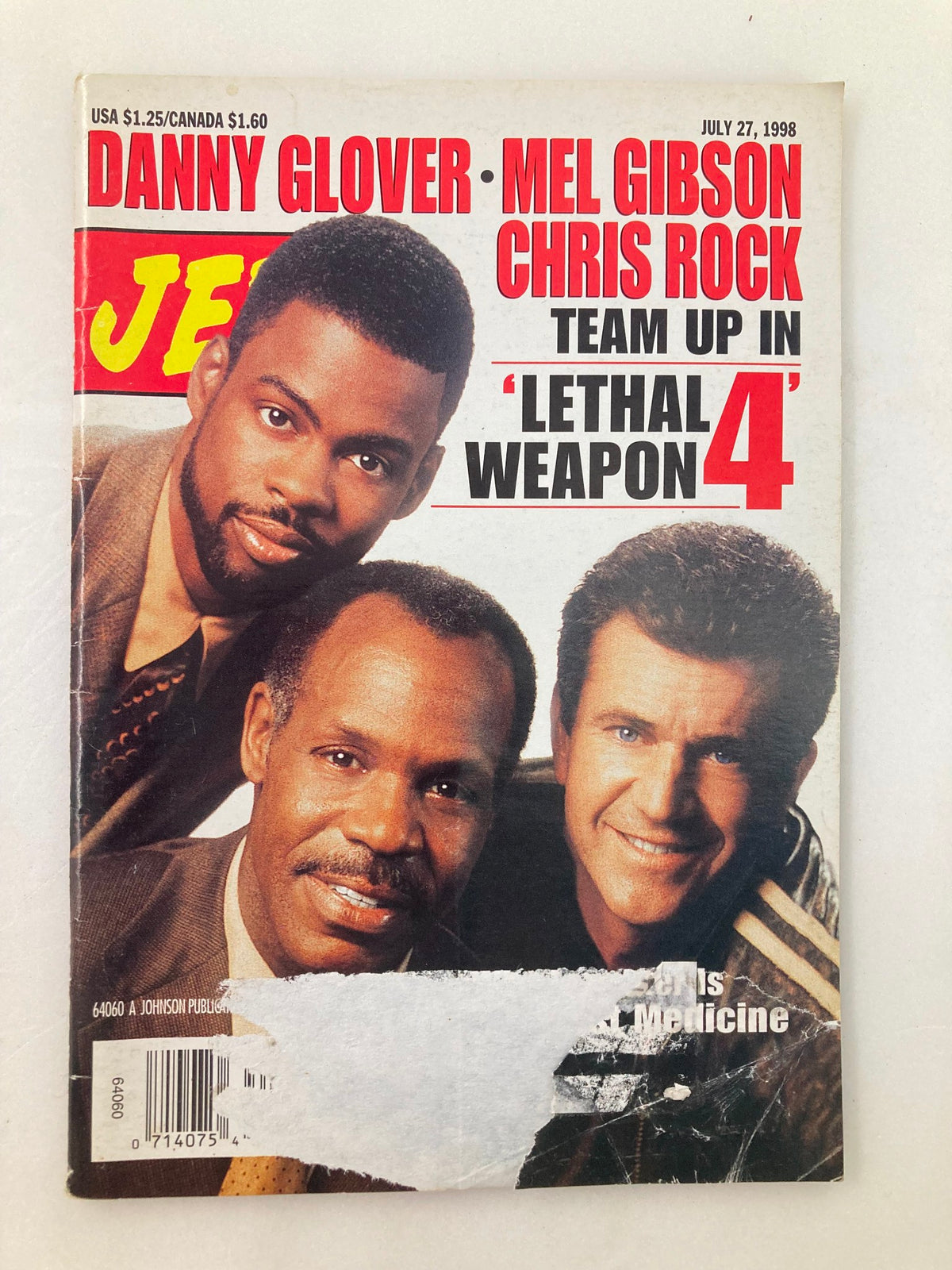
The vintage press treated Rock with a reverence that blurred the line between entertainment coverage and cultural journalism. Profile photographers captured him with a characteristic intensity — mid-gesture, eyes sharp and alive, the body language of a man who understood that every room he entered was, in some sense, a stage. Editorial tones ranged from the reverential to the genuinely inquisitive, with journalists consistently probing the social architecture beneath the jokes. Rolling Stone was perhaps his most natural home in print, devoting rich, expansive features to his evolution from SNL bit player to the defining comic voice of a generation. Ebony and Jet documented his significance within the African American cultural landscape with particular depth and pride, contextualizing his ascent as part of a broader tradition of Black comedic brilliance stretching back through Richard Pryor and Dick Gregory. Meanwhile, mainstream entertainment titles like Entertainment Weekly and Premiere tracked his crossover into film, covering his work in New Jack City, Lethal Weapon 4, and his role as a writer and producer, framing him as a multi-hyphenate force rather than simply a stand-up act.
Curator's Checklist: Highlights Often Include
- Early career features from the mid-1990s spotlighting his breakout SNL years and his rapid emergence as a singular comedic talent, often positioned alongside the cultural ferment of that decade's comedy renaissance
- Cover stories and in-depth profiles tied to Bring the Pain (1997) and Bigger & Blacker (1999), two HBO specials that reshaped the landscape of stand-up and generated enormous critical press across both entertainment and cultural publications
- Film-era coverage from the late 1990s and early 2000s, including features tied to his box office work and his critically lauded run as creator and executive producer of Everybody Hates Chris
- Think-pieces and roundtable features in Black press publications that placed his comedic voice within the lineage of Richard Pryor, examining how he channeled social truth through humor at a pivotal moment in American race relations
- Awards season and industry profiles from the early 2000s onward, reflecting his status as a sought-after Oscar host and one of Hollywood's most respected voices both on and off the stage
The Collector's Value
There is something irreplaceable about holding a magazine profile of Chris Rock from 1997 — the year Bring the Pain aired and the cultural conversation around him reached its first great crescendo. The pages carry a particular weight: the slightly coarse texture of mass-market newsprint gives way to the glossy rigidity of a full-page portrait, his image rendered in the saturated color palette of pre-digital print photography. Surrounding the editorial are the advertisements of their moment — cologne campaigns, Hollywood blockbuster promos, electronics that now read as artifacts — each one a time capsule that no algorithm can replicate or curate. These are primary sources, untouched records of how a society processed and celebrated one of its sharpest observers in real time. For collectors of stand-up comedy history, African American cultural heritage, or late 20th-century entertainment media, these publications offer an unmediated, tactile connection to a defining era in American humor and social commentary. Browse the current available inventory below and discover which pieces of that history are waiting to find a new home.





![Cover of TV Guide Magazine from July 10, 1999 featuring Chris Rock and George Jones. The magazine highlights Chris Rock's stand-up special, with a bold headline stating 'He's edgy. He's fearless. He's [bleeping] hilarious.' The issue reflects the late 90s television culture.](http://www.originalmagazines.com/cdn/shop/files/screenshot-2023-06-23-094505_cda53448-75fe-41ce-ac8e-42f6e260848a.jpg?v=1762971679&width=673)