📖 About this Collection
Christie Brinkley: Sun, Sand, and the American Dream Made Flesh
The Legend & The Legacy
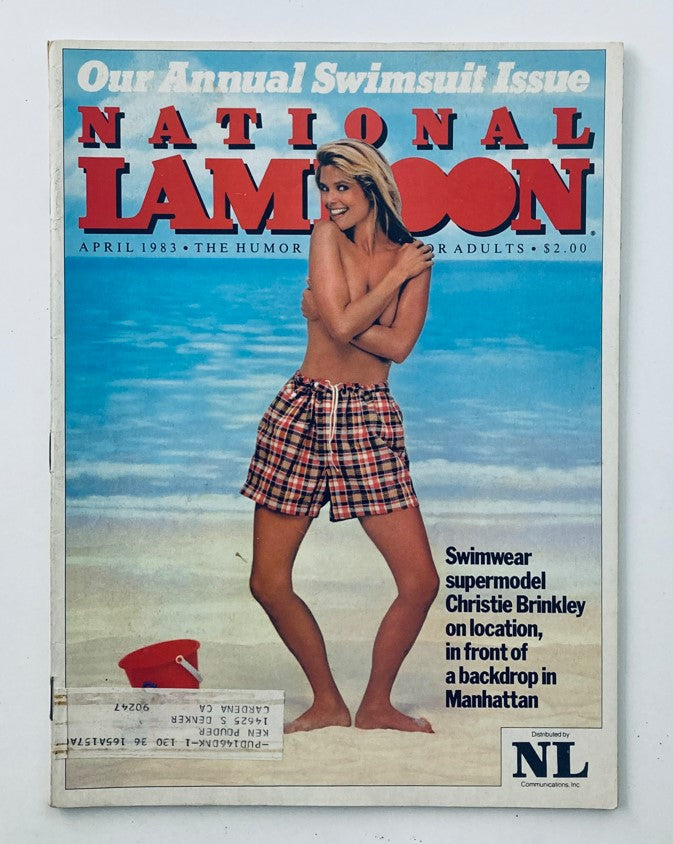
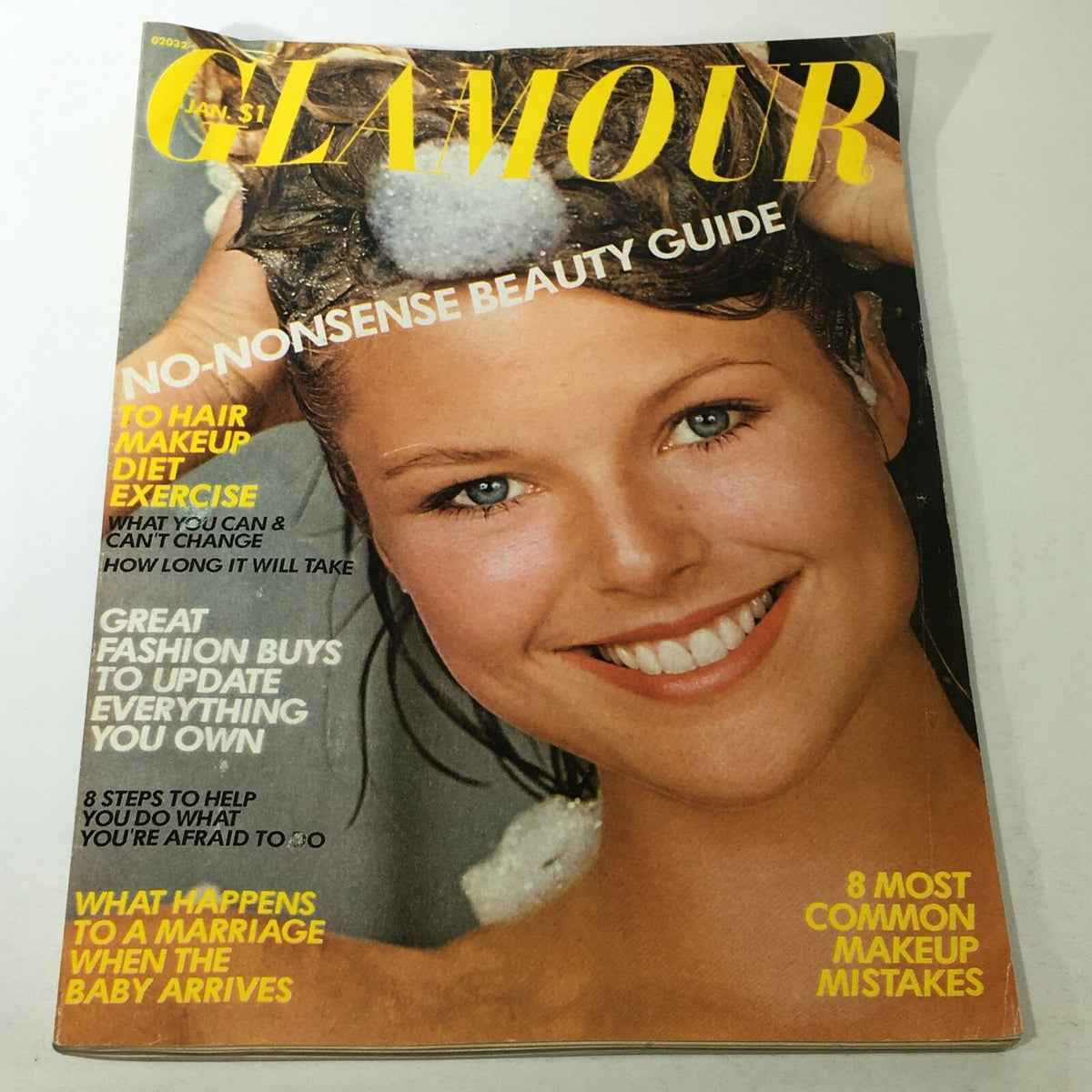
Long before algorithms decided what the world would see, it was the glossy, ink-perfumed pages of a magazine that introduced Christie Brinkley to a planet that instantly, unanimously adored her. She arrived in the mid-1970s as if conjured from the collective imagination of an era drunk on optimism — blonde, luminous, and possessed of a smile so disarming it could stop traffic on Fifth Avenue and did, famously, in a National Lampoon's Vacation that enshrined her as a pop culture totem for an entire generation. Three consecutive Sports Illustrated Swimsuit Issue covers from 1979 to 1981 — a feat unmatched at the time — cemented her not merely as a model but as a cultural barometer, a reflection of what America found beautiful, aspirational, and electric about itself. In an age when a magazine cover was the highest billboard a face could occupy, hers occupied it without interruption for two extraordinary decades. She was the girl on the poster, the face on the newsstand, the reason teenage boys lingered too long in the checkout line. Before entertainment news cycles churned in real time, her story — her marriages, her reinventions, her relentless, radiant refusal to fade — unfolded slowly and deliberately across the printed page, one issue at a time.
Inside the Archive
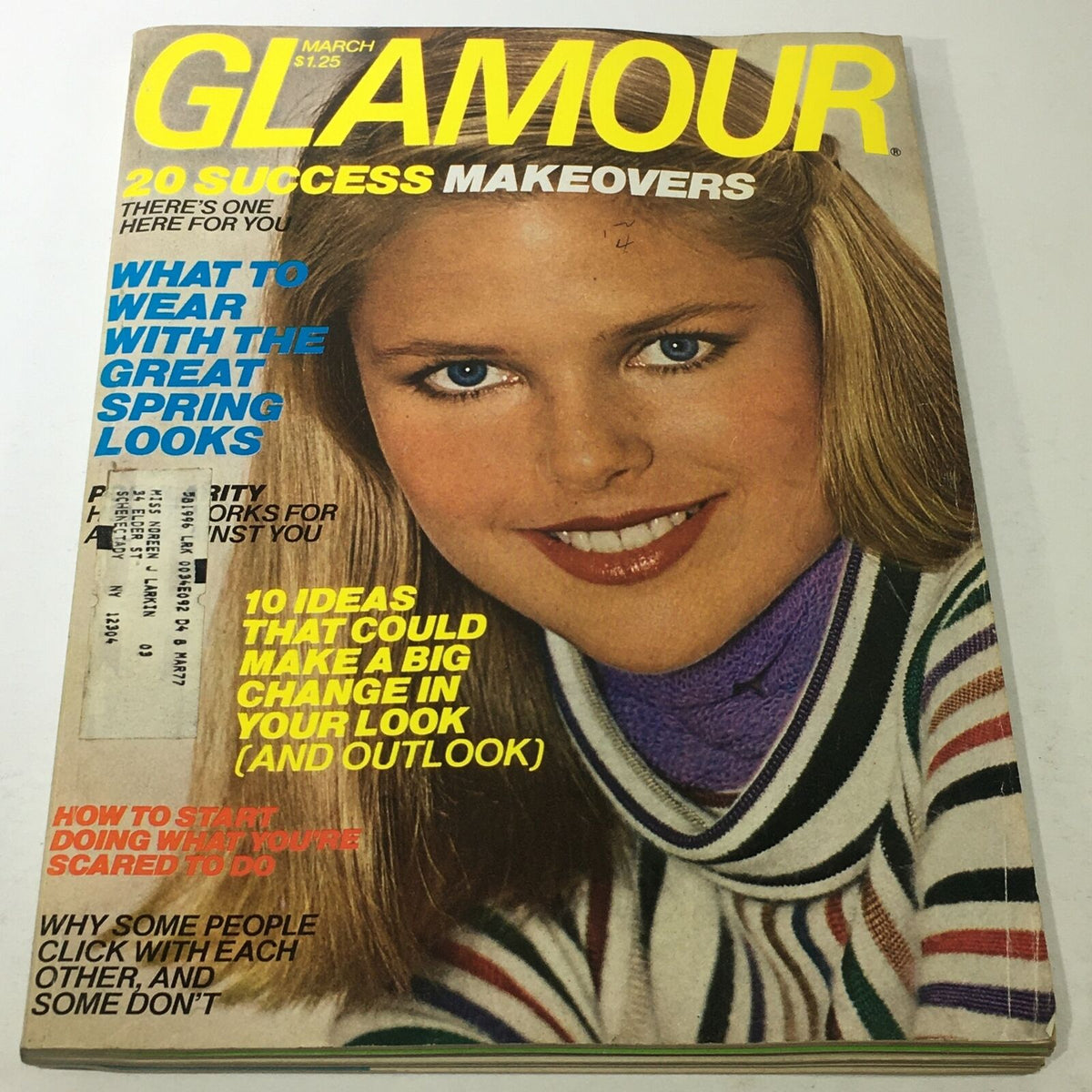
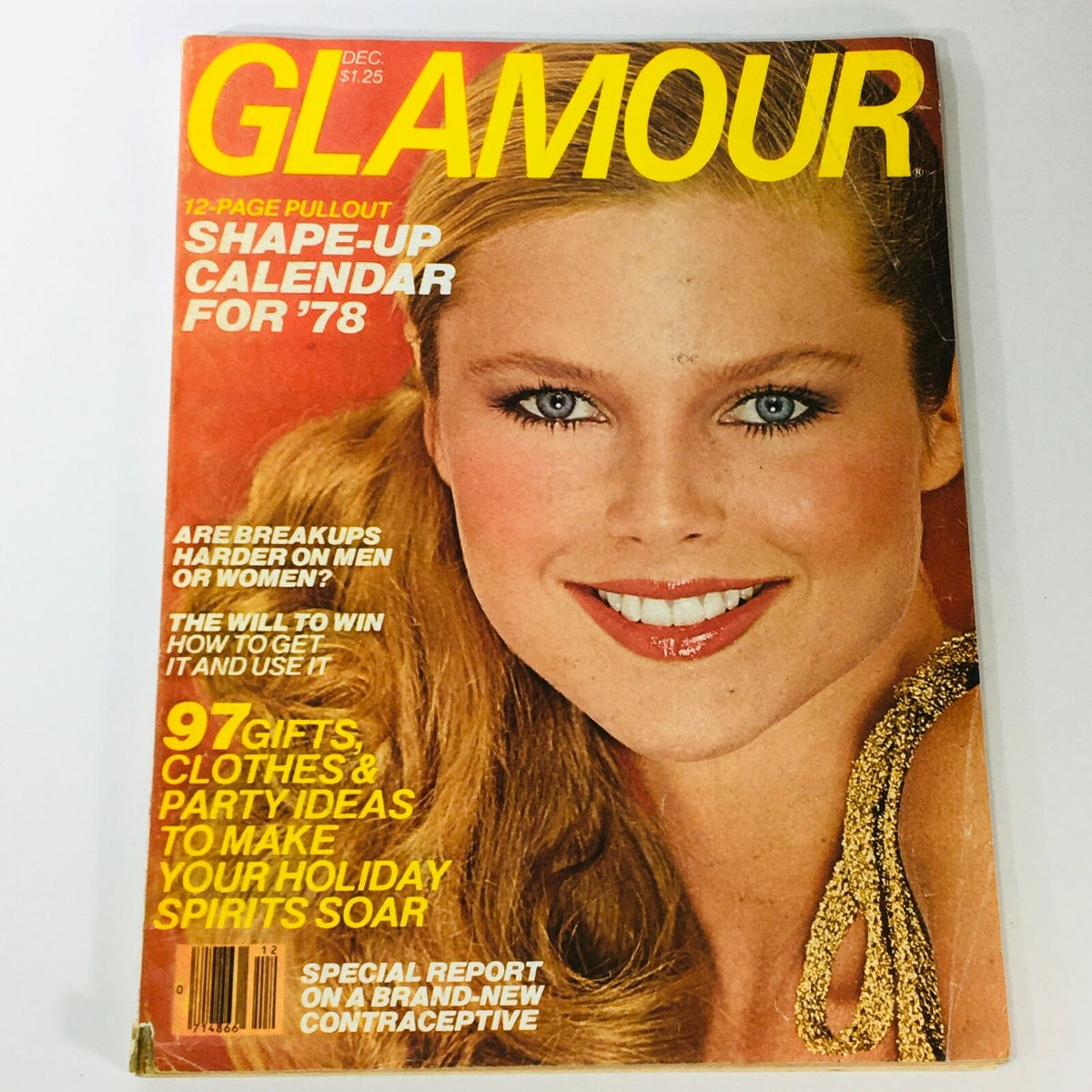
Vintage coverage of this golden-haired icon spans an impressive breadth of editorial territory, from the sun-drenched athleticism of Sports Illustrated to the high-fashion couture of Vogue, where she appeared as both muse and cover girl across multiple decades and editions. The photography of her era was a study in warmth and movement — wind-swept hair, natural light catching bronze skin, an ease in front of the lens that photographers like Francesco Scavullo and Victor Skrebneski captured with reverence. People magazine returned to her repeatedly throughout the 1980s and 1990s, documenting the full arc of her public life with the kind of intimate, glossy portraiture that defined American celebrity journalism of the period. International editions of Cosmopolitan and Harper's Bazaar spread her image across Europe and beyond, reflecting her status not as a regional sensation but as a genuinely global face. The editorial tone of the era treated her as a phenomenon worth analyzing — profiles explored her business instincts, her advocacy for vegetarianism and environmental causes, and the paradox of a woman who was simultaneously one of the most photographed humans alive yet projected an almost girl-next-door accessibility that set her apart from more austere contemporaries.
Curator's Checklist: Highlights Often Include
- Sports Illustrated Swimsuit Issues from 1979–1981, the legendary three-cover run that defined a generation of the franchise and remains among the most sought-after issues in the history of sports and lifestyle publishing
- 1980s Vogue and Harper's Bazaar features showcasing her high-fashion editorial work alongside the decade's most celebrated photographers, set against the bold graphics and maximalist design sensibilities of the Reagan era
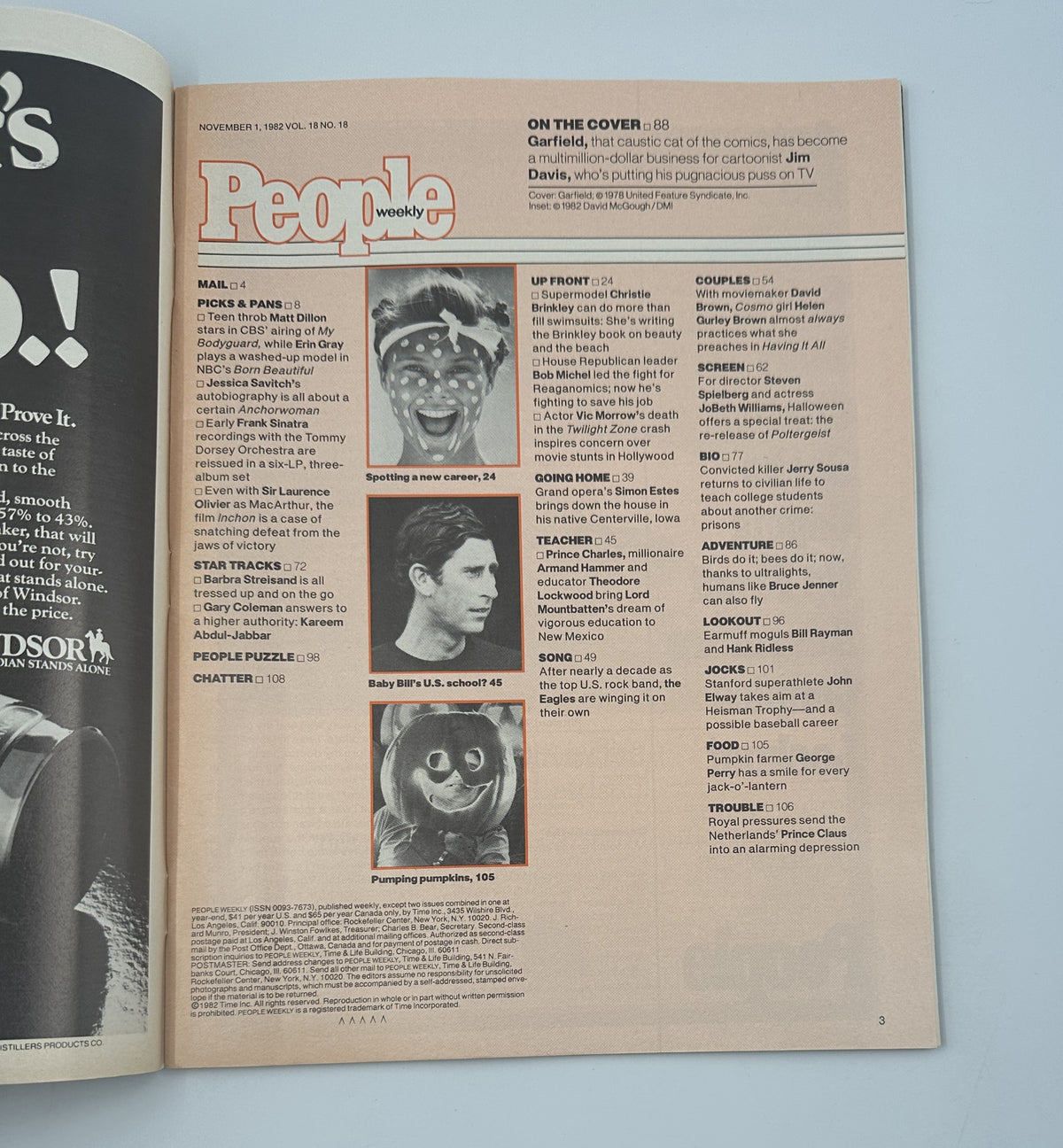
- People magazine covers and long-form profiles documenting her marriages, including her high-profile relationship with Billy Joel, her role as a pop culture couple of the decade, and her later life chapters and public reinventions
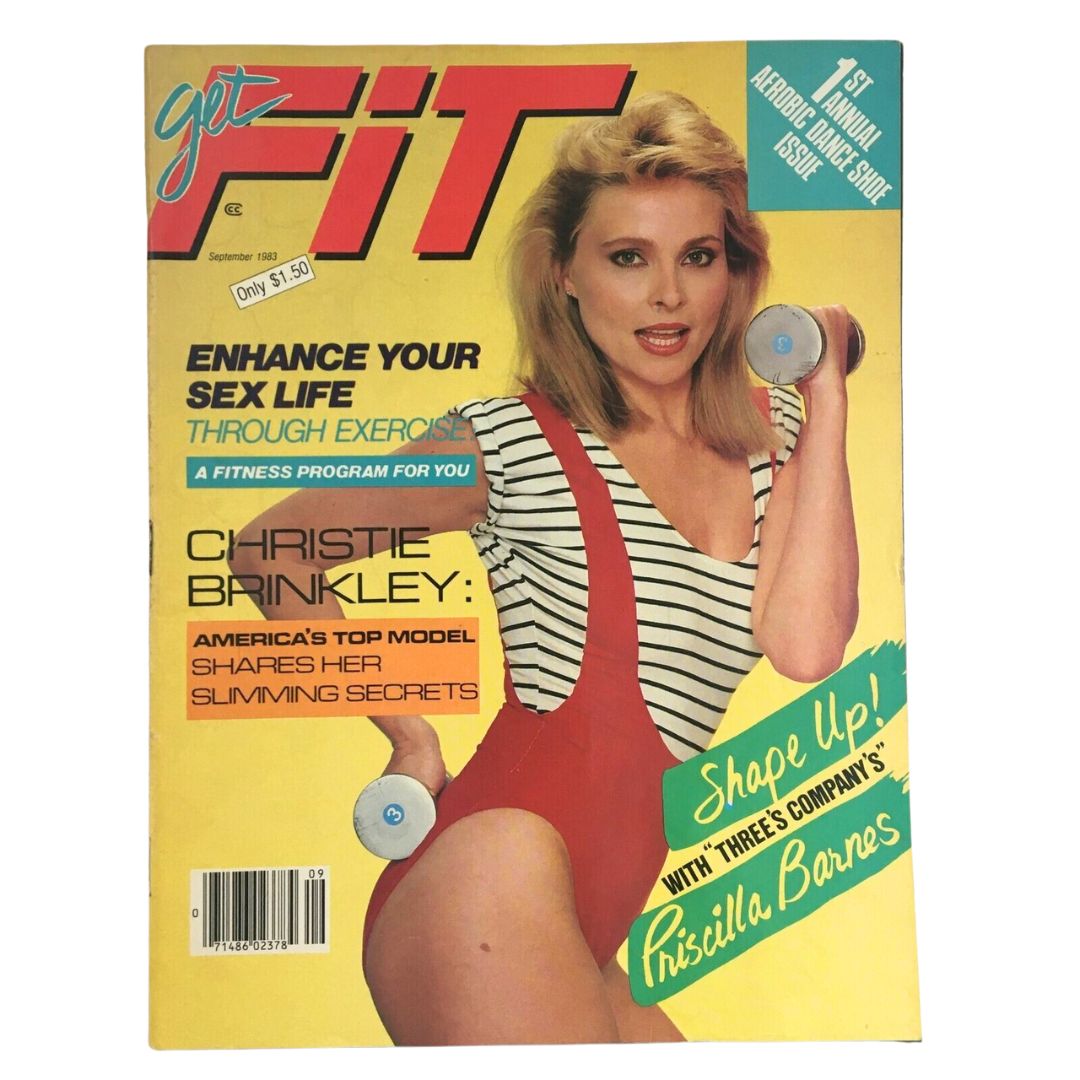
- Health, fitness, and lifestyle magazine coverage from the late 1980s and 1990s, reflecting her pioneering role as one of the first supermodels to publicly champion wellness, vegetarianism, and active living as a personal brand
- International magazine features — particularly French, Italian, and German editions of major titles — capturing the global reach of her image during the apex of the supermodel era, often with region-specific photography sessions and editorial context unavailable in domestic issues
The Collector's Value
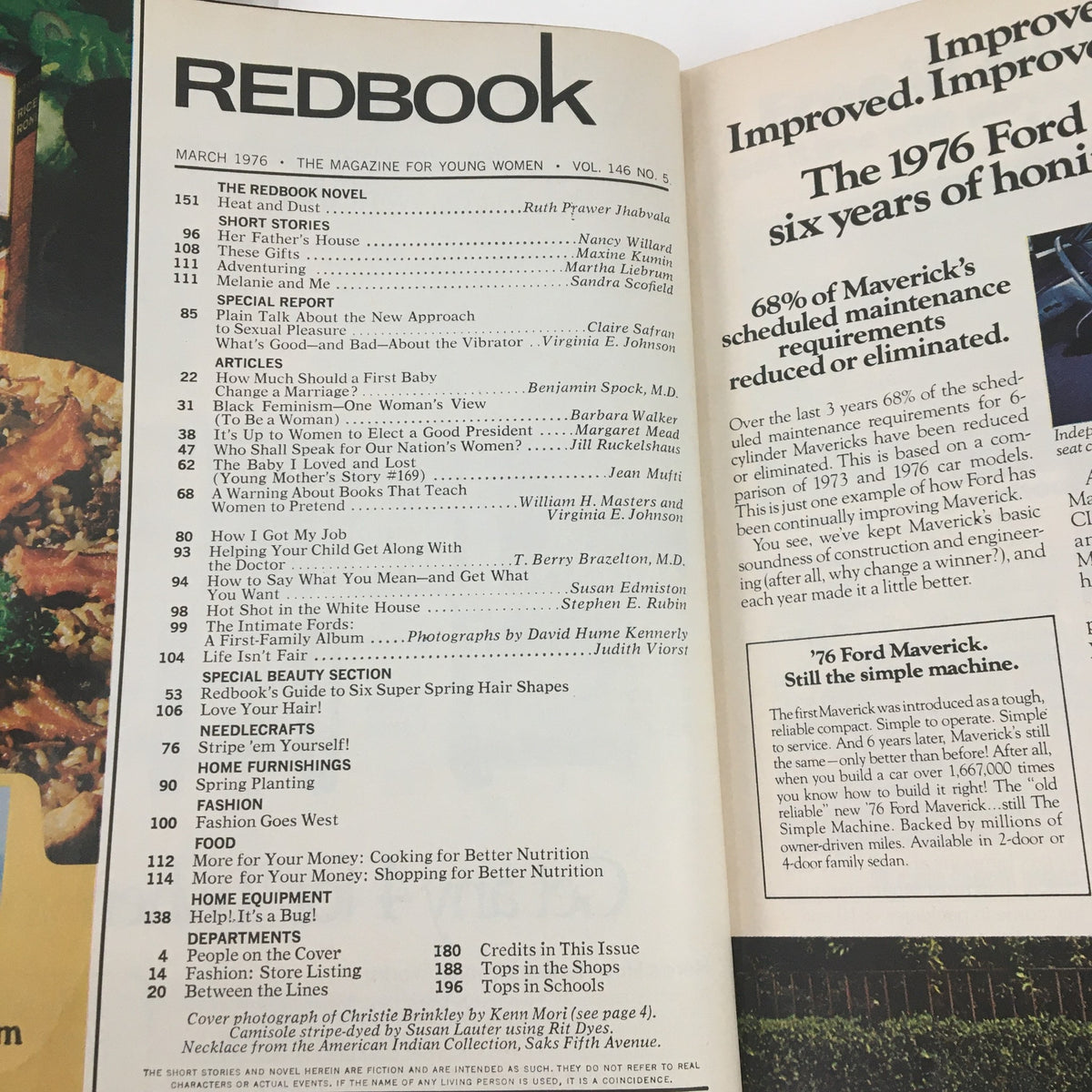
To hold one of these issues is to hold a portal. Run your thumb across the cover stock — the slight give of decades-old paper, the texture that no screen has ever replicated — and you are touching the same object that sat on a coffee table in 1980, was dog-eared by a teenager in 1985, or was tucked beneath a salon counter in 1992. The ink has a faint, distinctive character all its own, and the surrounding advertisements — for perfumes long discontinued, cars that have become classics, fashions that have circled back into style — construct a complete time capsule of the moment in which she reigned. These are not reproductions or digital facsimiles; they are primary source documents of twentieth-century popular culture, as legitimate an artifact as any in a museum archive. For collectors of supermodel memorabilia, 1980s Americana, or fashion and photography history, these publications offer an irreplaceable tangible connection to an era when a single cover could make a star and a single issue could define a decade. Browse the current available inventory below and find the piece of that history that belongs in your collection.