📖 About this Collection
Chuck Berry: The Man Who Handed Rock and Roll Its Passport
The Legend & The Legacy
Before the internet could stream a guitar riff or an algorithm could curate a playlist, the world learned about Chuck Berry the old-fashioned way — through ink on paper, through cover stories and concert reviews, through the breathless columns of journalists who understood, even in the moment, that they were witnessing the birth of something irreversible. From his first explosive recordings in 1955 through his electrifying decades-long reign as rock and roll's poet laureate, the duck-walking virtuoso from St. Louis reshaped the cultural landscape of the 20th century in ways that reverberated across continents and generations. His story was never just a music story — it was a race story, an American story, a story about who gets to stand at the center of the cultural stage and on what terms. Magazines didn't merely report on him; they grappled with him, celebrated him, occasionally misunderstood him, and ultimately could not ignore him. In an era when the printed page was the primary window through which the public witnessed greatness, his image — guitar cocked, grin wide, electricity crackling — became one of the defining photographs of the postwar world.
Inside the Archive
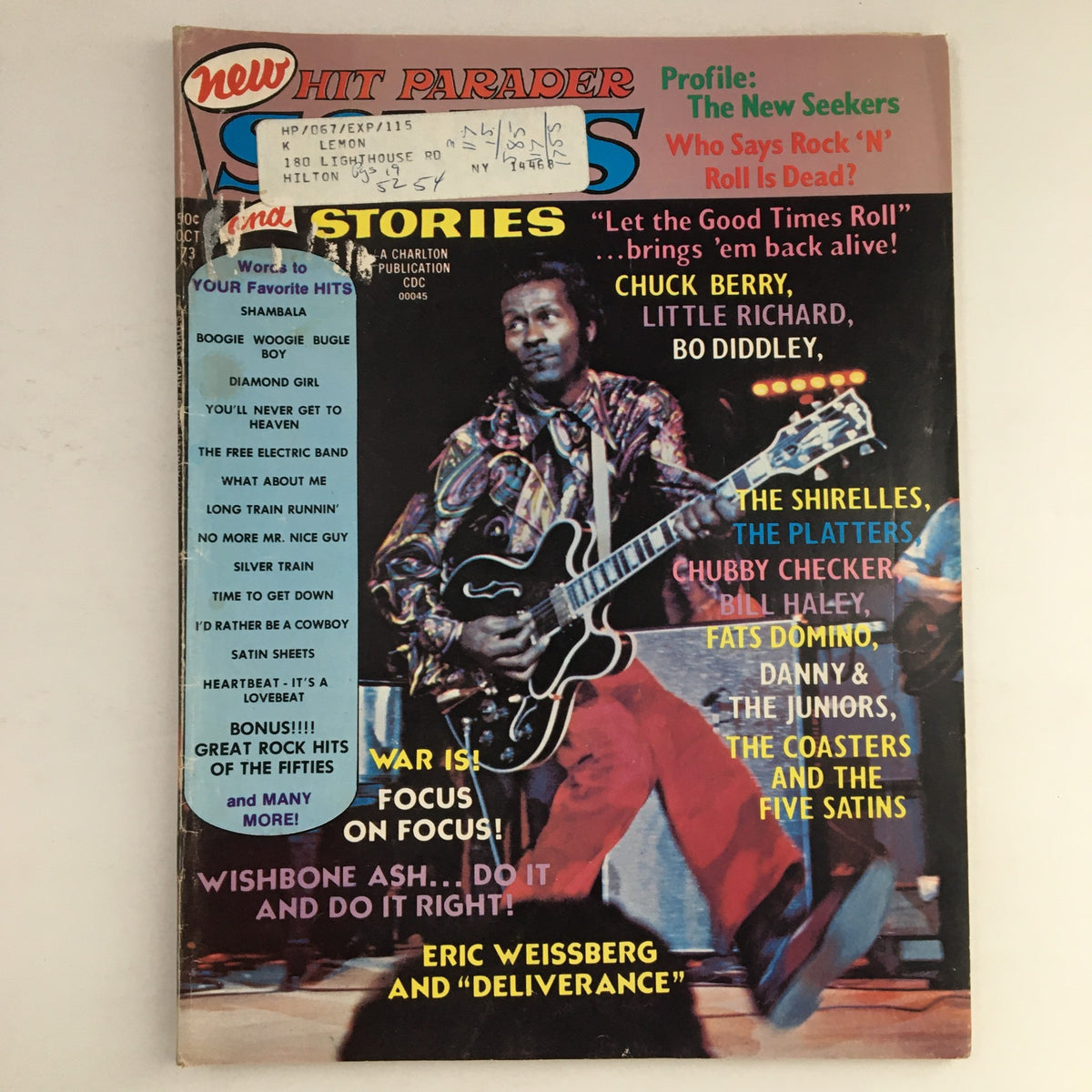
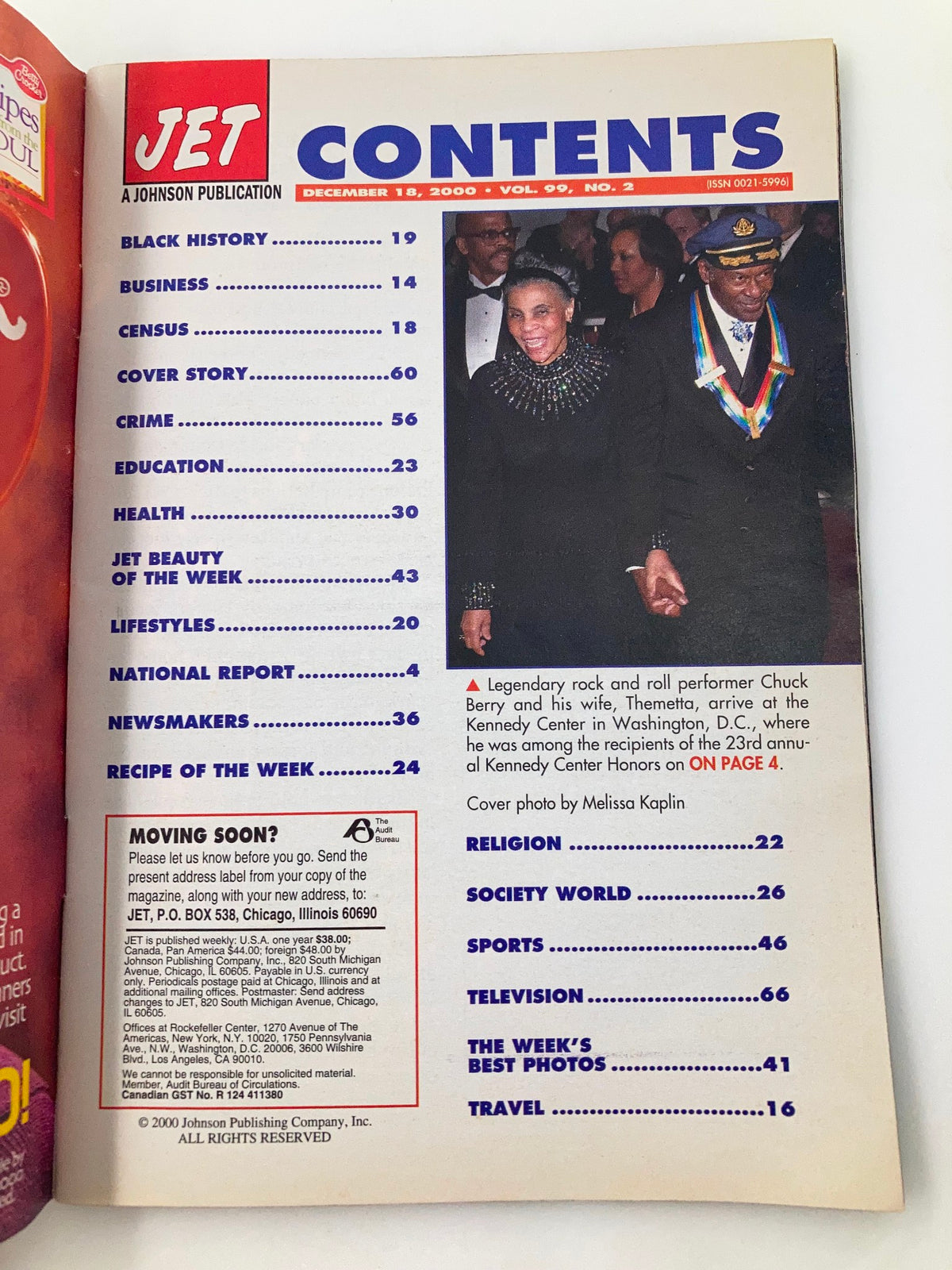
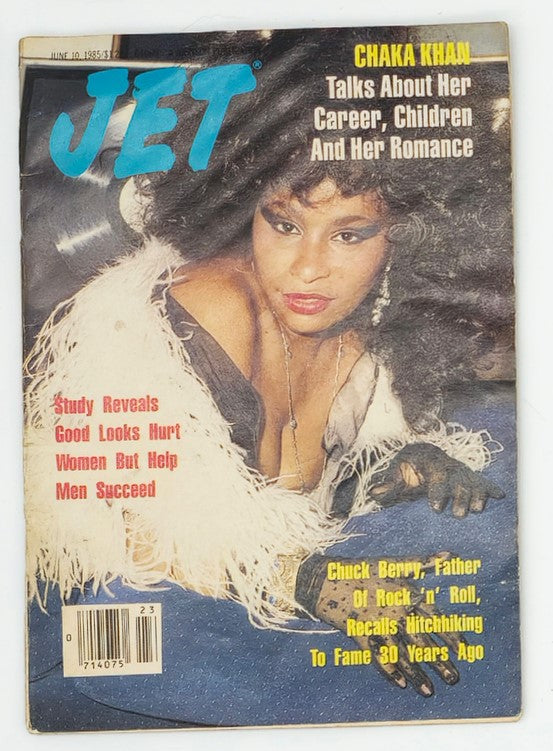
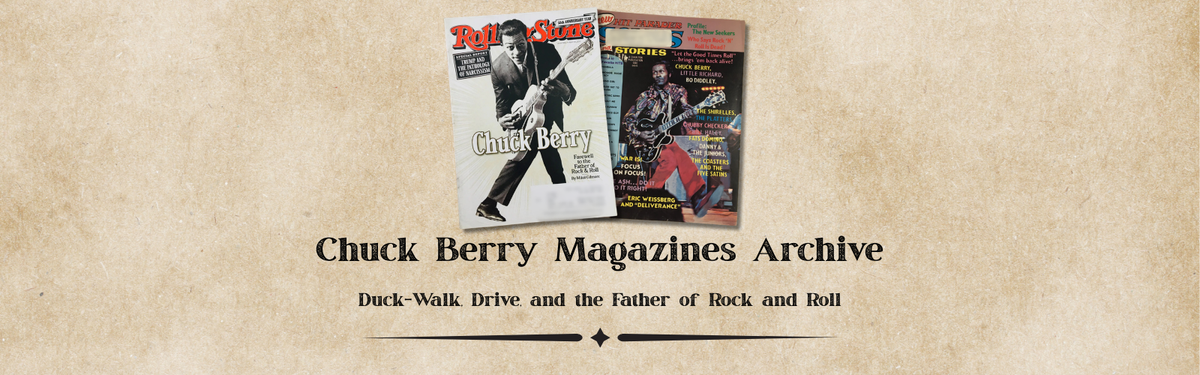
Vintage magazines approached the father of rock and roll with a range of editorial voices that itself tells the story of a shifting America. Ebony and Jet covered him with particular depth and pride, recognizing early on that this son of the Black Midwest was dismantling cultural barriers with every chord, offering their readerships a hero whose genius was undeniable even to a segregated industry. Rolling Stone, from its earliest issues in the late 1960s onward, treated him with the reverence of a founding text — a figure to be critically examined, interviewed at length, and photographed with the gravity afforded to living monuments. Across the Atlantic, publications like New Musical Express chronicled the near-religious devotion of British audiences who, in many cases, understood his revolutionary importance before his own country fully acknowledged it. The photography across these publications ranges from raw, kinetic performance shots capturing the famous stage theatrics mid-motion, to more intimate, studied portraits that reveal the sharp intelligence behind the showmanship. The editorial tone evolved decade by decade — from novelty and scandal in the 1950s, to critical reassessment in the 1970s, to outright canonization by the time his influence on the Beatles, the Rolling Stones, and virtually every subsequent rock act became impossible to overstate.
Curator's Checklist: Highlights Often Include
- Breakthrough era coverage (1955–1959): Early features and reviews from the rock and roll explosion, capturing the cultural shock of his Chess Records singles and his rise as a crossover phenomenon on pop, R&B, and mainstream charts simultaneously
- Civil rights-era profiles: Substantive journalism examining his place as a Black artist navigating — and often defying — the racial politics of the American entertainment industry, particularly in publications with Black readerships
- British Invasion context pieces: International and music press features from the 1960s documenting the extraordinary reverence British rock musicians held for him, frequently including tributes and interviews with artists like Keith Richards and John Lennon citing him as the primary architect of their sound
- Concert and festival photography spreads: Vivid, large-format visual coverage from landmark performances — Newport Jazz Festival appearances, the 1972 London concerts, and televised specials — showcasing the iconic stage presence that influenced every rock performer who followed
- Legacy and retrospective features: Later-career reassessments and anniversary issues from the 1980s and 1990s, including coverage of his Rock and Roll Hall of Fame induction in 1986 and his landmark 60th birthday concert, framing him explicitly as an irreplaceable American original
The Collector's Value
There is simply no digital substitute for holding an original issue that once sat on a newsstand the same week Chuck Berry's latest record was climbing the charts. The slightly coarse texture of mid-century magazine paper stock, the particular weight of a thick Rolling Stone retrospective, the faintly sweet, woody smell of decades-old ink — these are not incidental details, they are the proof of presence, the physical evidence that this moment happened and that people stopped to mark it. The vintage advertisements surrounding the articles — for cars, cigarettes, and hi-fi equipment — place him in his precise cultural moment in a way no streaming documentary can replicate, and they make each issue a complete time capsule rather than a mere artifact. For collectors of rock and roll memorabilia, African American cultural history, or mid-20th-century Americana, these publications offer a rare and irreplaceable form of primary source material — direct, tangible testimony from the age that crowned him. Explore the current available inventory below and find the piece of history that belongs in your collection.