📖 About this Collection
Chuck Norris: Fists, Film, and the Making of an American Icon
The Legend & The Legacy
Before the internet turned every roundhouse kick into a meme, Chuck Norris was something altogether more serious — a self-made American archetype forged in the martial arts dojos of the 1960s and the gritty action cinema of the 1970s and '80s. Born Carlos Ray Norris in Ryan, Oklahoma, he rose from a quiet, unremarkable upbringing to become a six-time World Middleweight Karate Champion, a feat that earned him genuine reverence in combat sports long before Hollywood came calling. When he transitioned to film, the timing was perfect: a post-Vietnam America hungry for uncomplicated heroism found it in his stoic, square-jawed presence. From his electric on-screen rivalry with Bruce Lee in Return of the Dragon (1972) to the cultural juggernaut of Missing in Action and the long-running television series Walker, Texas Ranger, the man occupied a unique cultural space — simultaneously a legitimate martial arts legend, a box office draw, and a symbol of a certain rugged, patriotic masculinity that resonated deeply with Middle America. Fans followed his every move through the pages of the magazines stacked on barbershop counters and grocery store racks, because in that era, print was the only window into a star's world.
Inside the Archive
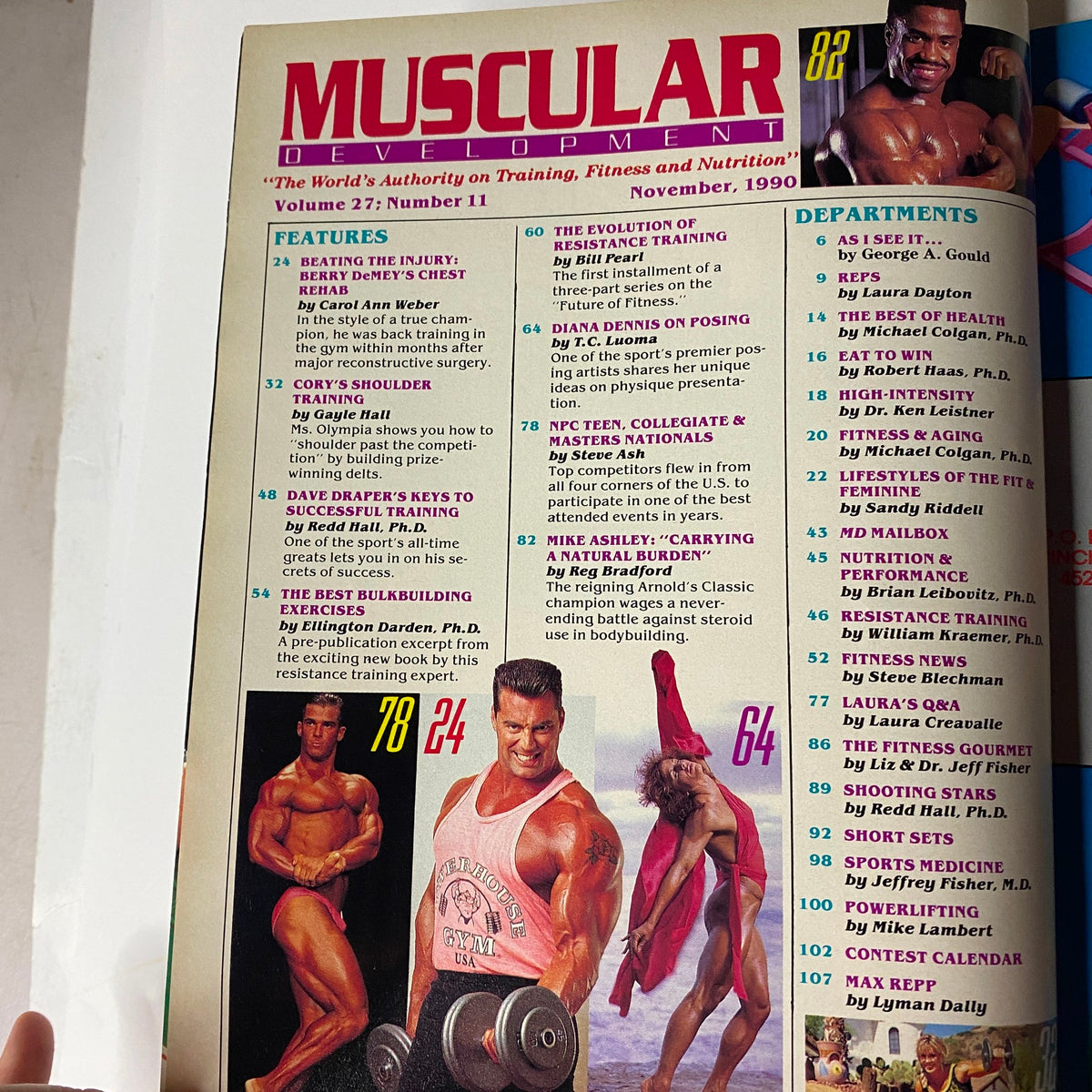
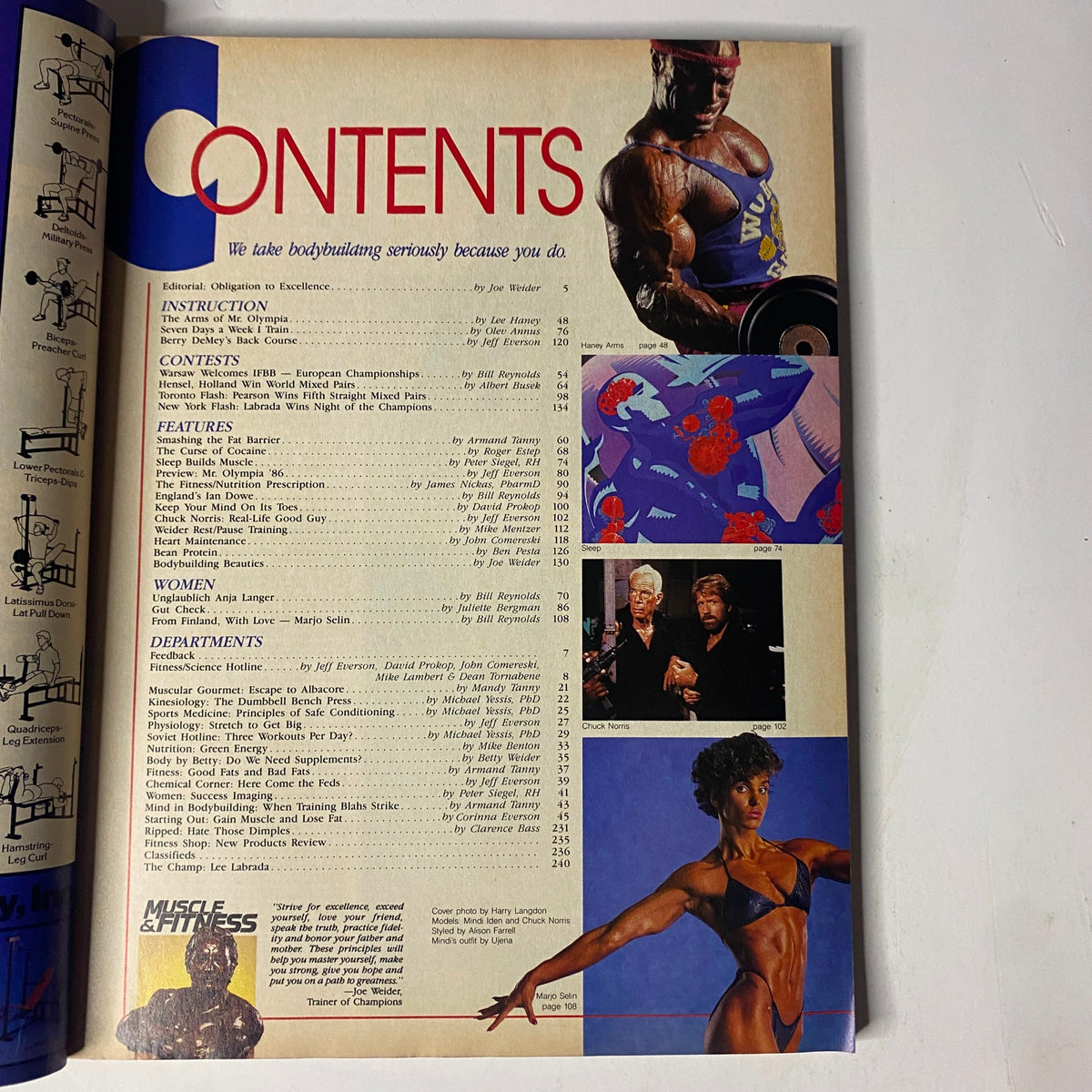
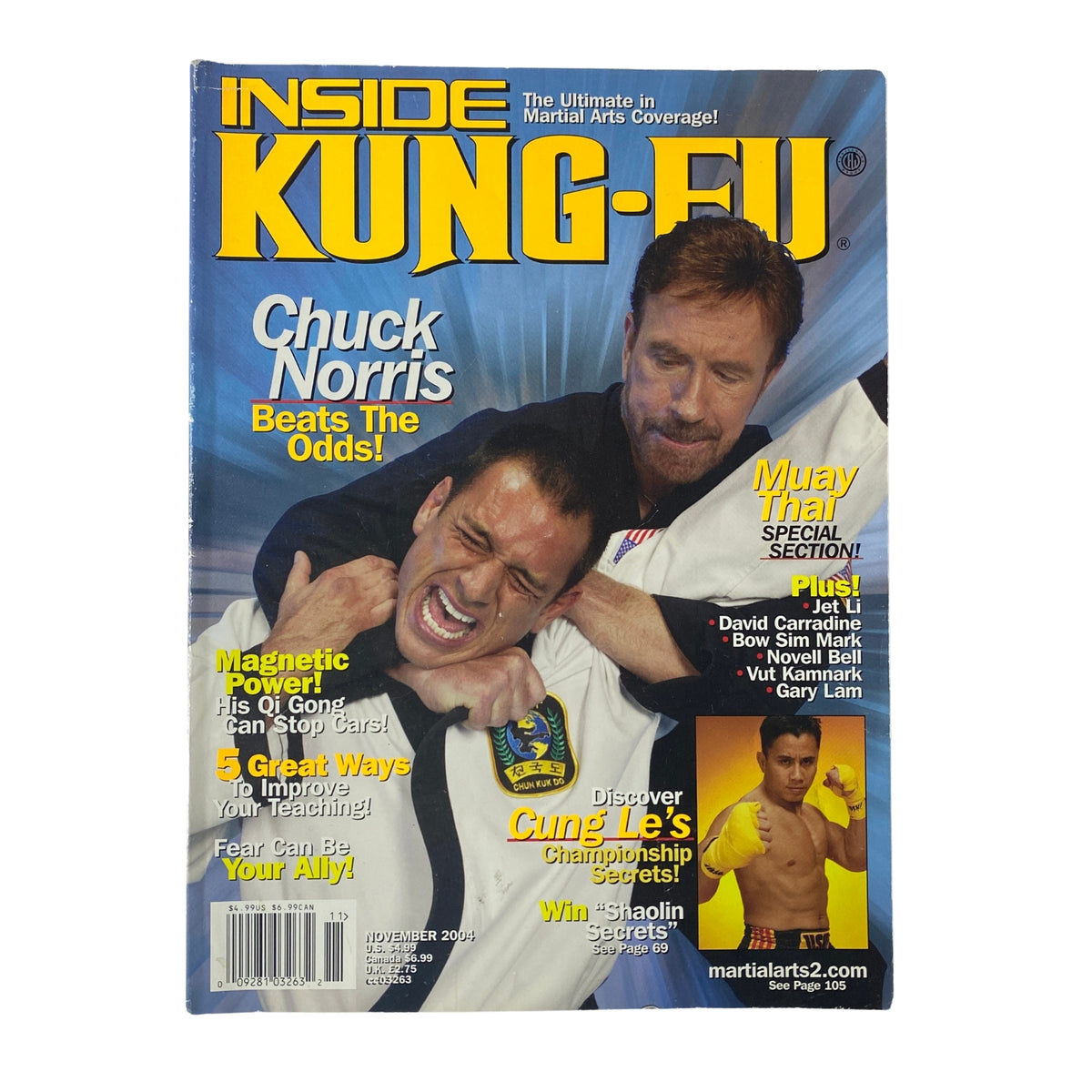
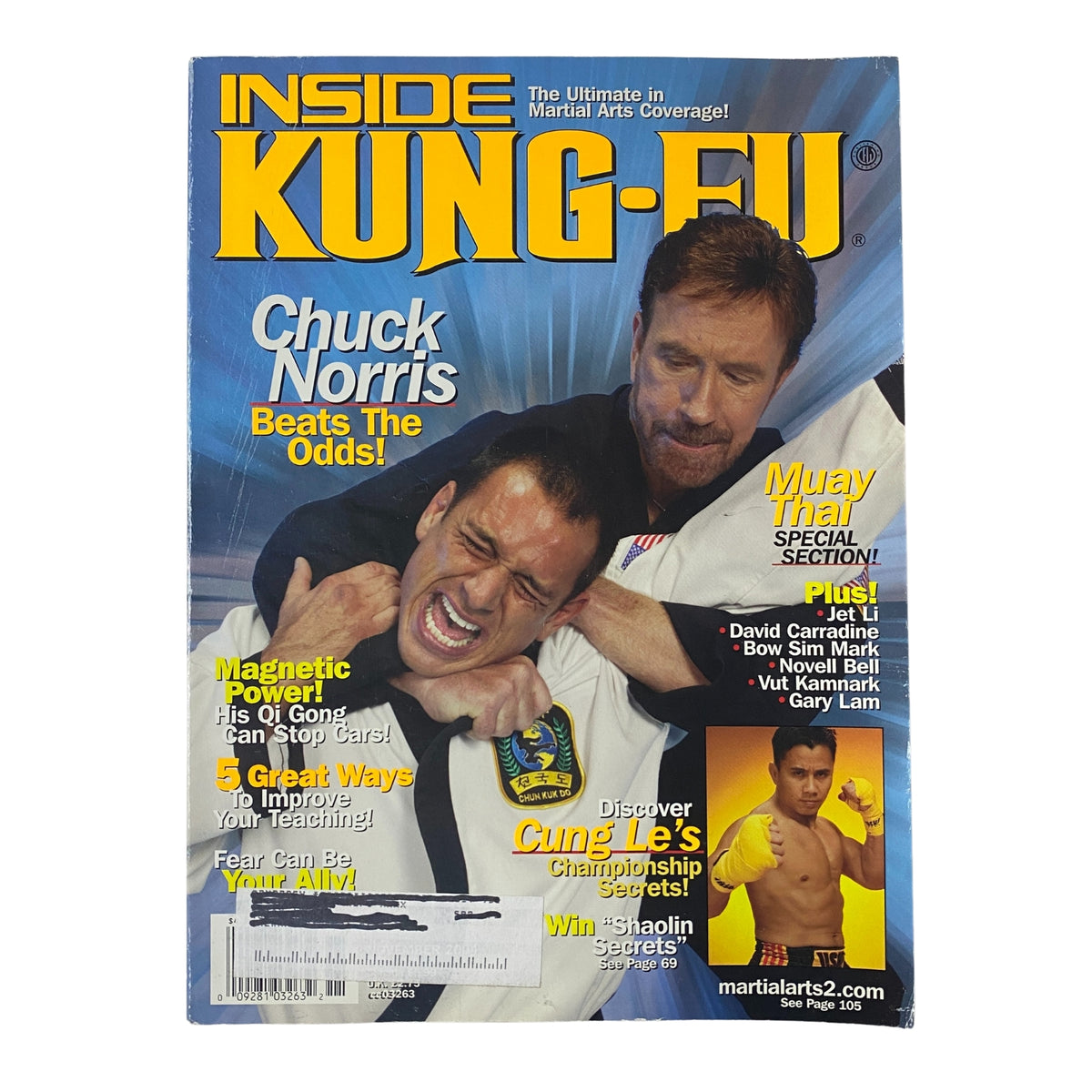
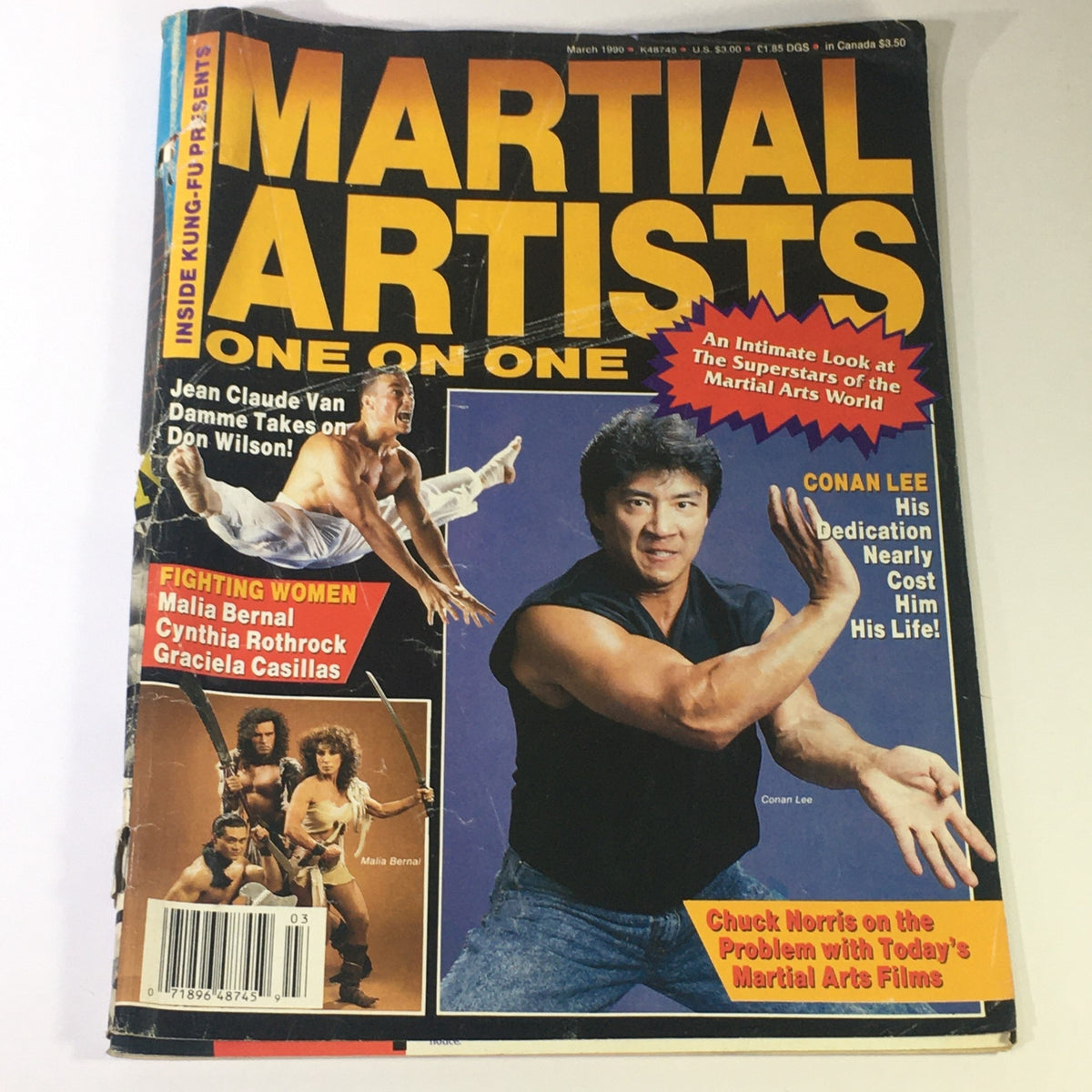
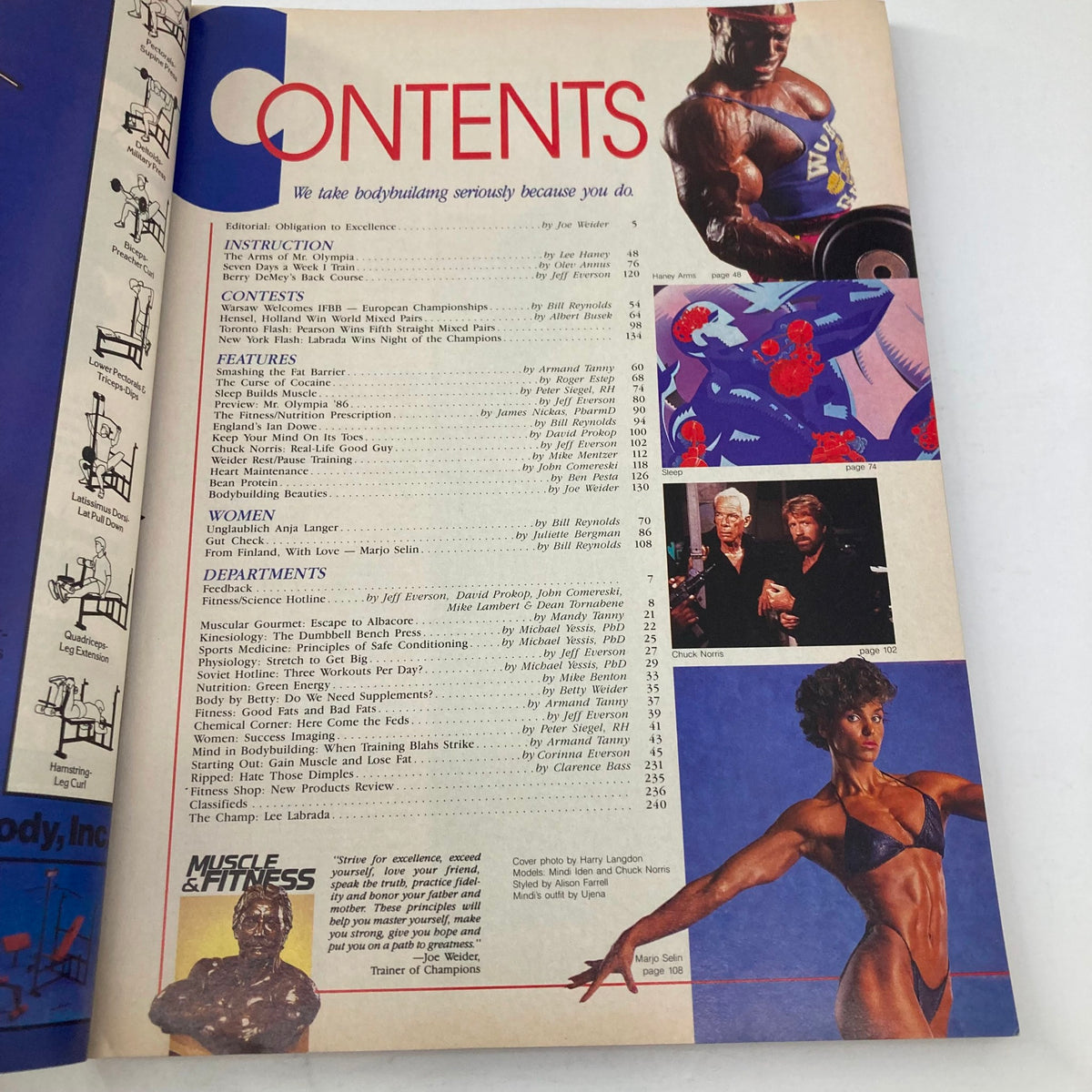
Vintage magazines captured Chuck Norris with a visual language that matched his persona — bold, physical, and unambiguous. Action and martial arts publications of the 1970s photographed him mid-technique, gi crisp and eyes locked with the intensity of a true competitor, presenting him to readers as an athlete first and a celebrity second. As his film career accelerated, mainstream entertainment weeklies and men's interest titles brought him to a broader audience, with editorial profiles that dwelt on his working-class origins and self-discipline, framing him as the quintessential American success story. Black Belt magazine was perhaps his most natural editorial home, covering his championship years and later his philosophies on martial arts with the depth of a trade publication devoted to the craft. People magazine periodically featured him during the peak of his 1980s box office success, while international action and film titles — particularly publications from Germany, Italy, and Japan, where his films performed enormously well — offered striking foreign-language covers that are now among the most visually distinctive artifacts a collector can find. The photography of this era has an irreplaceable quality: high-contrast, earnest, and utterly of its moment.
Curator's Checklist: Highlights Often Include
- Martial Arts Championship Coverage — Features and photo spreads from his competitive karate years in the late 1960s and early '70s, when specialized combat sports publications documented his rise through the tournament circuit and his methods of training
- Bruce Lee Crossover Features — Editorial coverage examining his celebrated sparring relationship and on-screen face-off with Bruce Lee, a topic that fascinated martial arts and cinema publications well into the decade following Lee's death in 1973
- 1980s Action Cinema Profiles — Major entertainment and men's lifestyle features coinciding with the Missing in Action and Delta Force franchises, often exploring his real-world connections to military and veteran communities
- International & Foreign-Language Editions — European and Asian film magazines with original cover photography, offering a fascinating lens on how his image was packaged and mythologized for audiences abroad
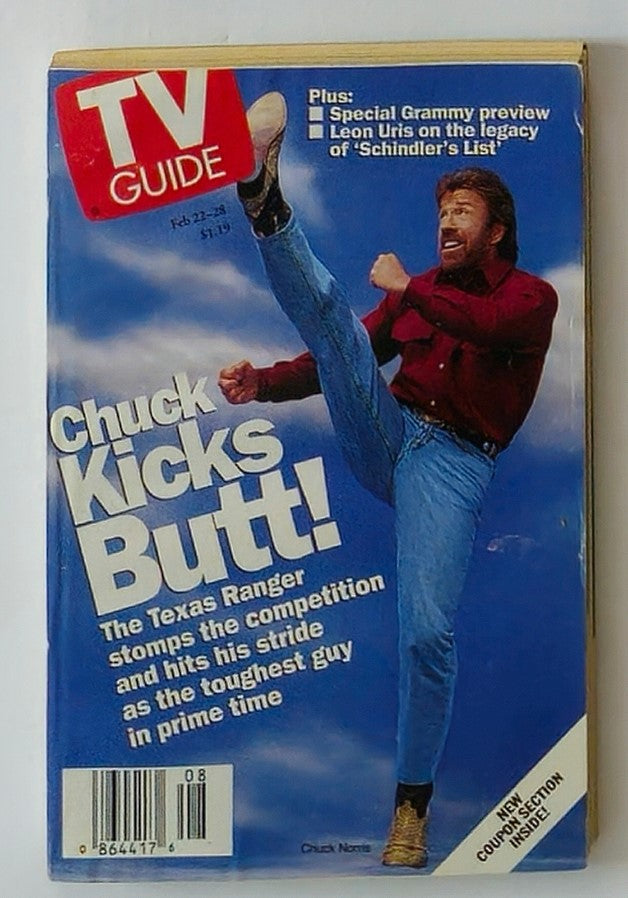
- Walker, Texas Ranger Era Television Features — TV Guide profiles and weekend supplement covers from the 1990s, reflecting his remarkable second act as one of the most-watched men on American primetime television
The Collector's Value
There is something irreplaceable about holding a decades-old magazine that once sat on a newsstand in 1983 — the slight brittleness of the paper stock, the way the ink carries a faint, distinctive scent of another era, the surrounding advertisements for long-discontinued sodas and Detroit automobiles that frame the editorial content in an accidental time capsule. A vintage feature on this icon of American action culture is not merely a photograph; it is a primary source document, a snapshot of the cultural moment that produced him and the audience that claimed him as their own. For collectors of martial arts history, 1980s action cinema memorabilia, or Cold War–era American popular culture, these publications offer something no digital archive or retrospective documentary can replicate — the authentic, tactile experience of encountering a legend exactly as his contemporaries first did. Browse the current available inventory below and discover which original issues are waiting to find a new home in your collection.