📖 About this Collection
Cindy Williams: America's Sweetheart, Captured in Print
The Legend & The Legacy
Long before streaming queues and algorithmic recommendations dictated what America watched, tens of millions of families gathered around their television sets on Tuesday nights to spend time with Laverne and Shirley — and it was Cindy Williams's warmly comic, deeply human portrayal of Shirley Feeney that made those evenings feel like visiting old friends. Rising to prominence through her early film work alongside Richard Dreyfuss in American Graffiti and her memorable appearance in The Conversation, she arrived at ABC's beloved spinoff in 1976 already carrying the credibility of New Hollywood. At its peak, Laverne & Shirley was the single most-watched program on American television, a staggering cultural fact that placed Williams squarely at the center of the nation's living room conversation. Fans didn't wait for a highlight clip or a trending post — they clipped her photograph from the pages of their favorite magazines, pinned her smile to bedroom walls, and wrote letters to editors asking for more. Print was the pipeline, and for millions of readers, glossy pages were the only way to get closer to the woman behind Shirley.
Inside the Archive
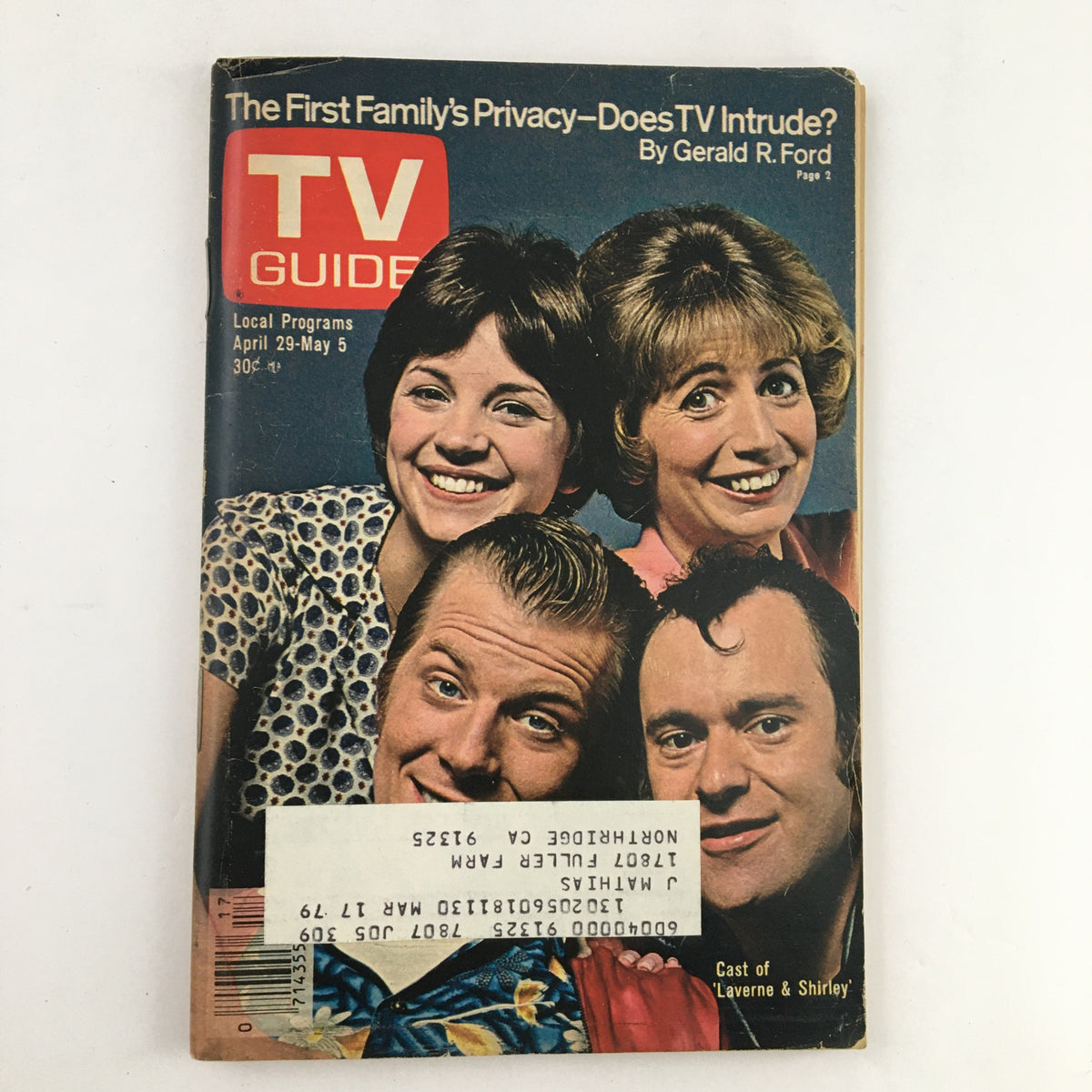
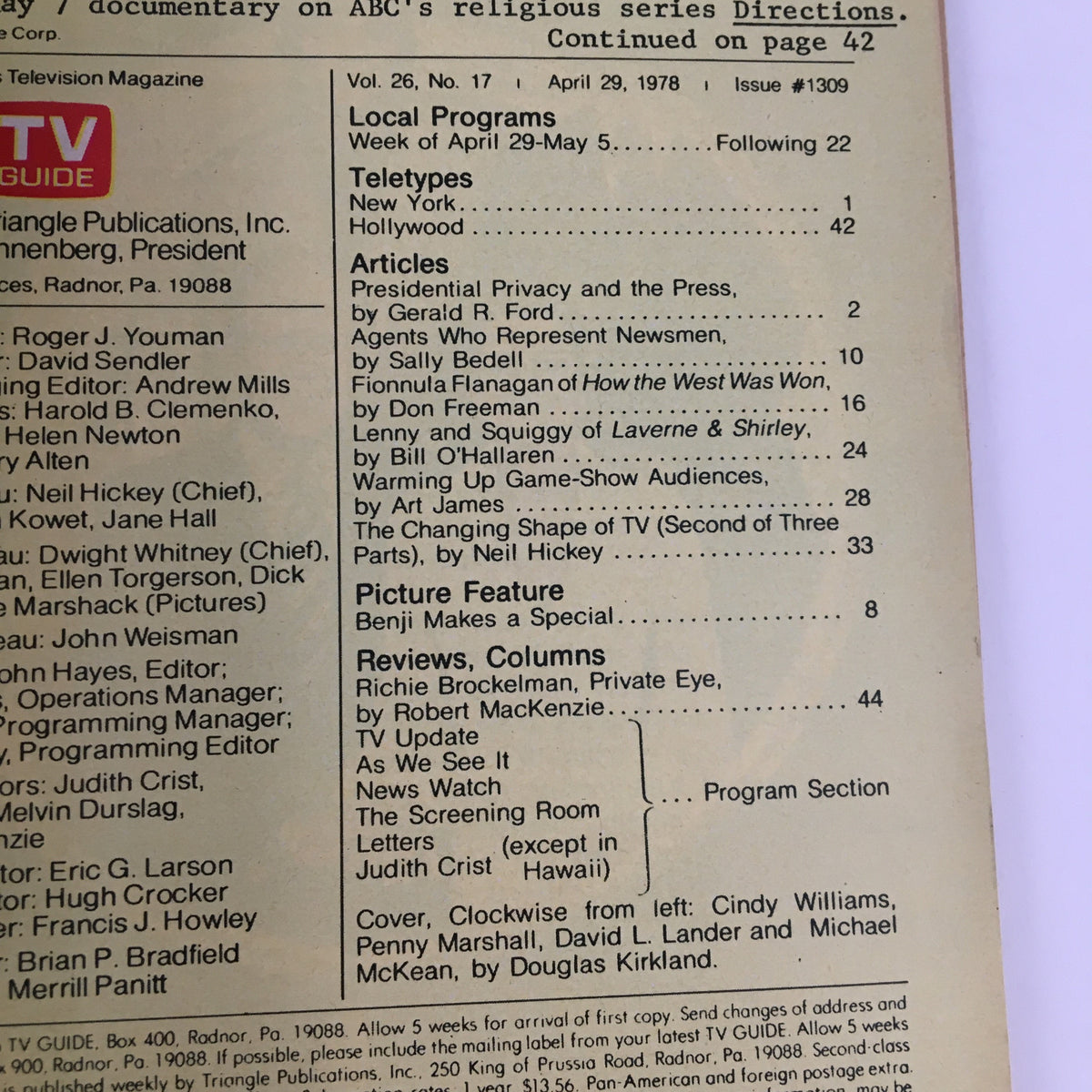
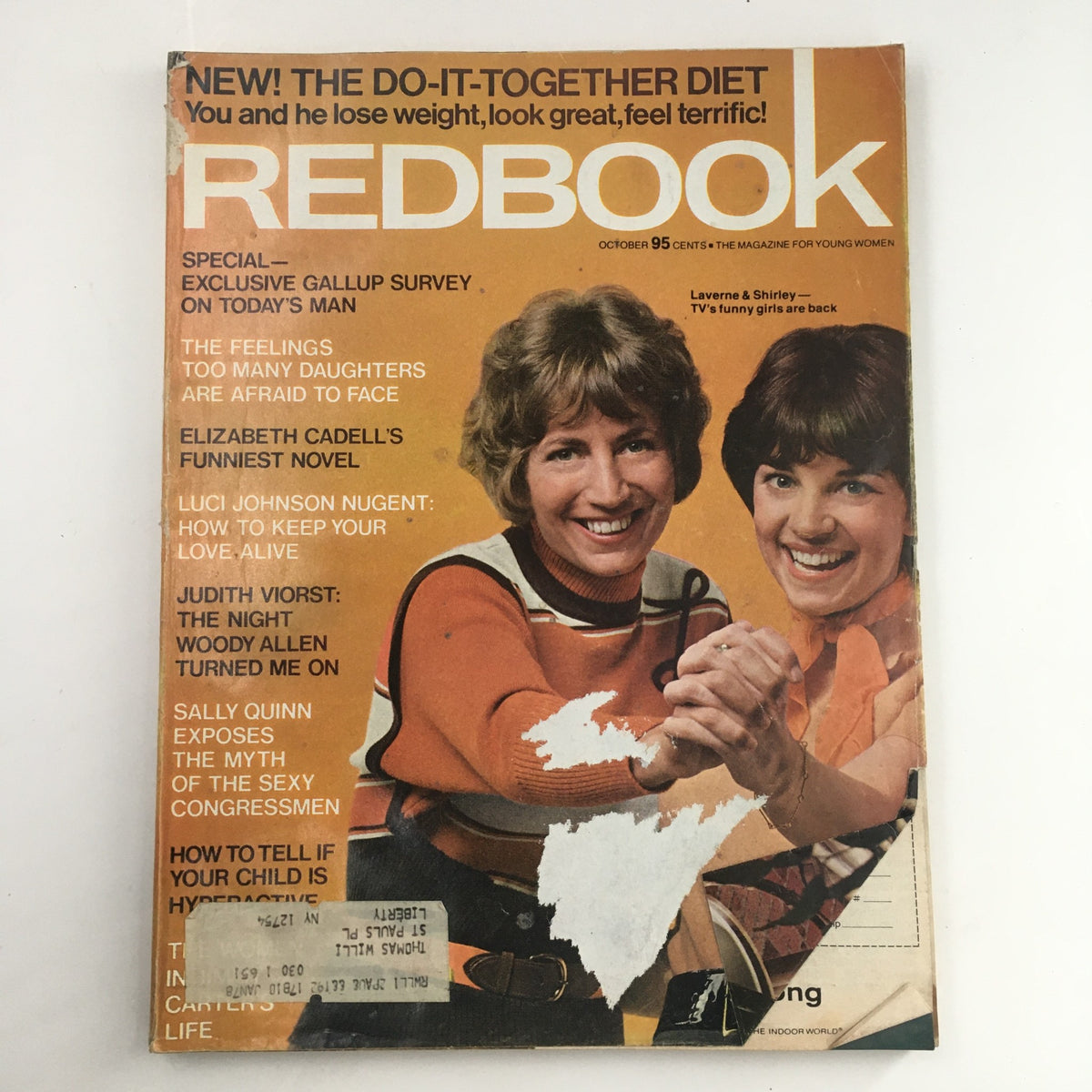
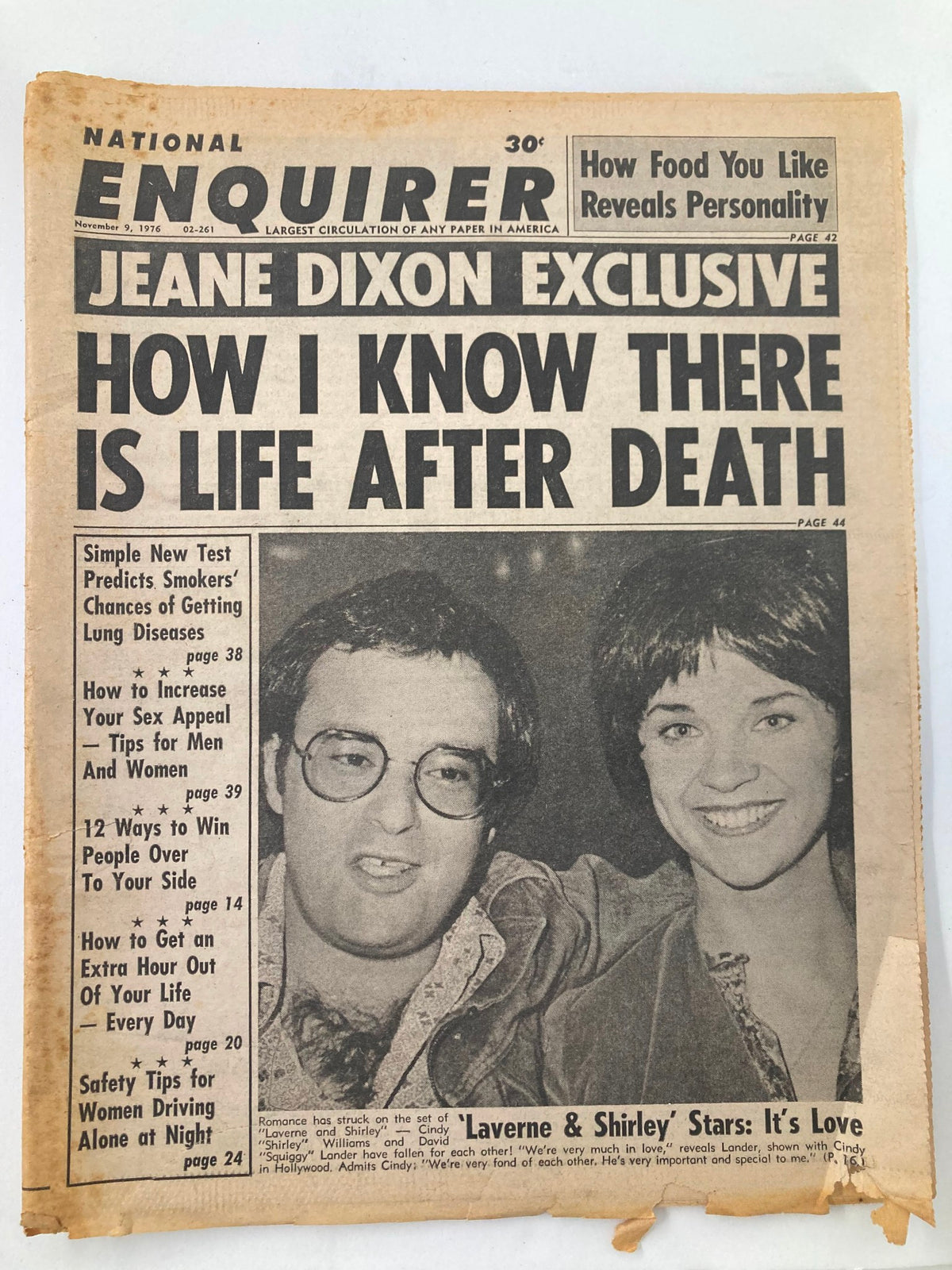
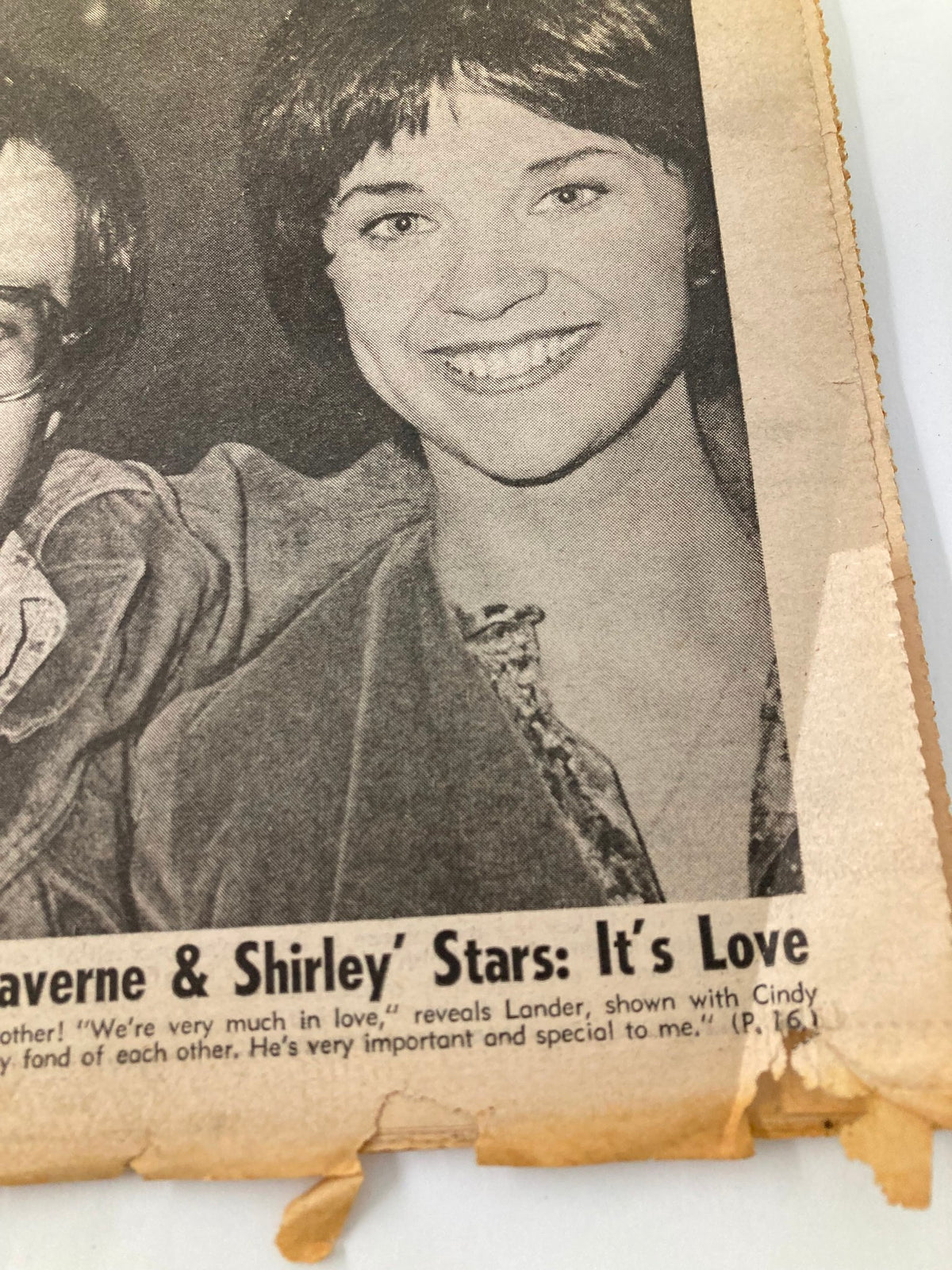
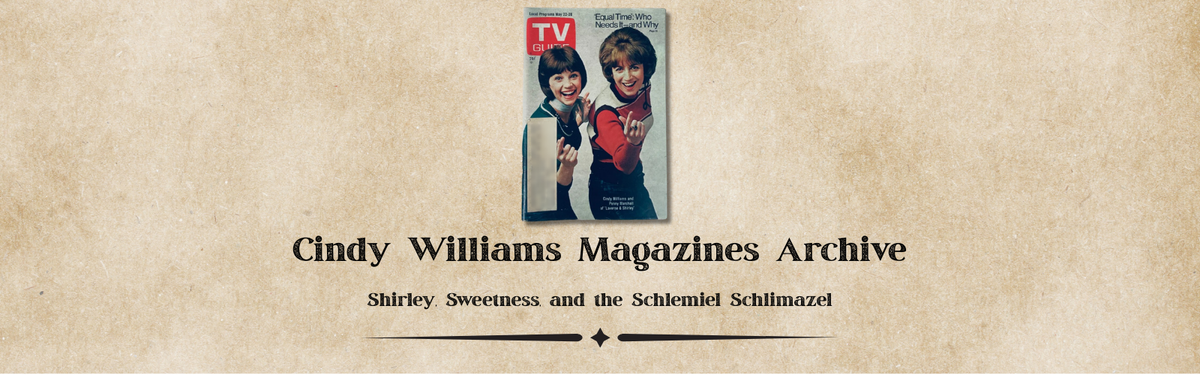
The magazine coverage of Williams during her peak years reflects the warm, accessible celebrity journalism of the late 1970s and early 1980s — an era when editors knew that putting a genuinely likeable face on a cover moved copies off newsstands from Topeka to Tucson. Photography from this period tended toward the bright and approachable: sun-drenched studio portraits, behind-the-scenes shots from the Paramount lot, and candid spreads that emphasized her girl-next-door charisma over Hollywood glamour. People magazine, then still in its energetic early years of defining the celebrity weekly format, was a natural home for her story, chronicling both her professional triumphs and personal milestones with the intimate tone its readership adored. TV Guide, the most widely circulated periodical in the United States at the time, featured her prominently as Laverne & Shirley dominated the ratings — those small-format covers became household artifacts. Meanwhile, publications like Photoplay and US Magazine captured the era's fascination with her partnership with Penny Marshall, framing their chemistry as one of television's great comedic friendships and producing the kind of double-feature spreads that collectors now prize as irreplaceable documents of the period.
Curator's Checklist: Highlights Often Include
- Ratings-era cover features from the 1976–1983 run of Laverne & Shirley, when the show's dominance made Williams one of the most photographed women in American entertainment journalism
- Early film retrospectives and profiles referencing her New Hollywood credentials, including her role in American Graffiti, which positioned her as a serious actress before her television breakthrough
- Cast ensemble spreads featuring her alongside Penny Marshall, offering a window into one of the most celebrated comedic partnerships of 1970s American television
- Personal life and human interest coverage from the early 1980s, including her marriage to actor Bill Hudson and the behind-the-scenes stories that defined celebrity journalism of the period
- Retrospective and reunion features from the late 1980s and 1990s, as nostalgia for the Happy Days universe brought renewed editorial interest in her career and enduring legacy
The Collector's Value
There is something irreplaceable about holding one of these original issues in your hands — the slight give of decades-old newsprint, the vivid but subtly faded ink of a cover photograph printed when Laverne & Shirley was simply the show everyone was talking about, and the surrounding advertisements for Tab cola, Farrah Fawcett shampoo, and Sears catalog fashions that transport you bodily back to a very specific American moment. These are not reproductions or digital archives; they are primary sources, physical artifacts that were thumbed through in dentist waiting rooms, dog-eared by teenagers, and saved in cedar chests by devoted fans who sensed, even then, that something worth keeping was passing through their hands. The paper remembers what the internet cannot replicate. For collectors of classic American television memorabilia, 1970s pop culture ephemera, or New Hollywood cinema history, these publications offer a layered, tactile encounter with an era and an icon that no streaming service or digital scan can honestly claim to deliver. We invite you to explore the current available inventory below and discover which pieces of this remarkable legacy are waiting to find a new home.