📖 About this Collection
Clark Gable: The Last Lion of Hollywood's Golden Age
The Legend & The Legacy
Long before the flickering glow of a television set invaded the American living room, the world fell in love with Clark Gable one magazine at a time. From the early 1930s through the late 1950s, the man they called the King of Hollywood occupied a singular throne in the public imagination — a place earned not through artifice, but through an almost preternatural magnetism that translated effortlessly from cinema screen to glossy print. His rise from Ohio drifter to the most bankable star in the MGM stable was a story tailor-made for an era that consumed celebrity through ink and paper. When It Happened One Night swept the 1934 Academy Awards, Americans didn't stream a reaction — they stood in line at newsstands. When the premiere of Gone with the Wind consumed Atlanta like a second burning, the press coverage that followed filled entire special issues. And when tragedy struck — the death of his beloved wife Carole Lombard in a 1942 plane crash, his own voluntary enlistment in the Army Air Forces at the height of his fame — a grieving, war-weary public turned, as it always did, to the printed page to process what it felt.
Inside the Archive
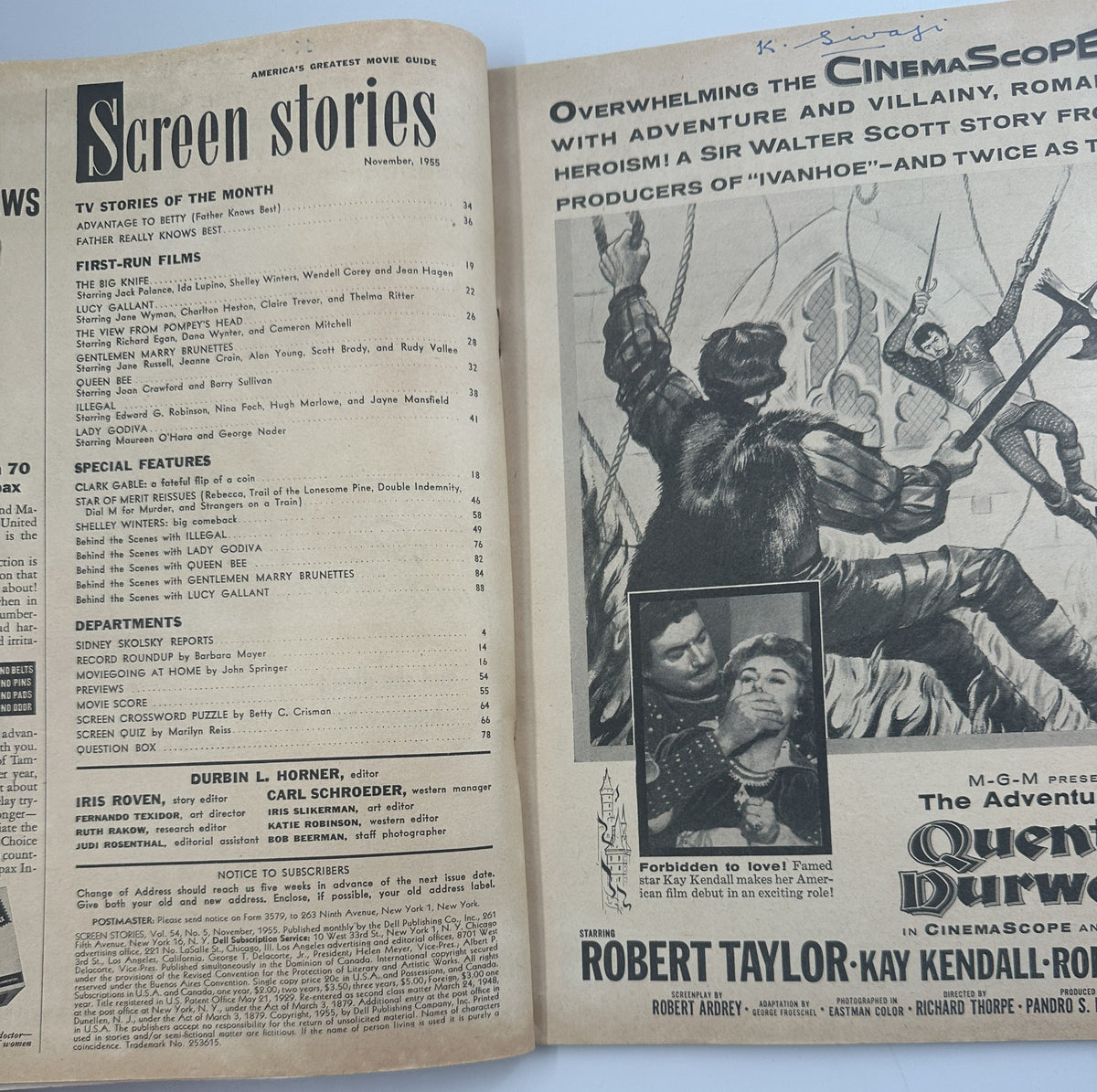
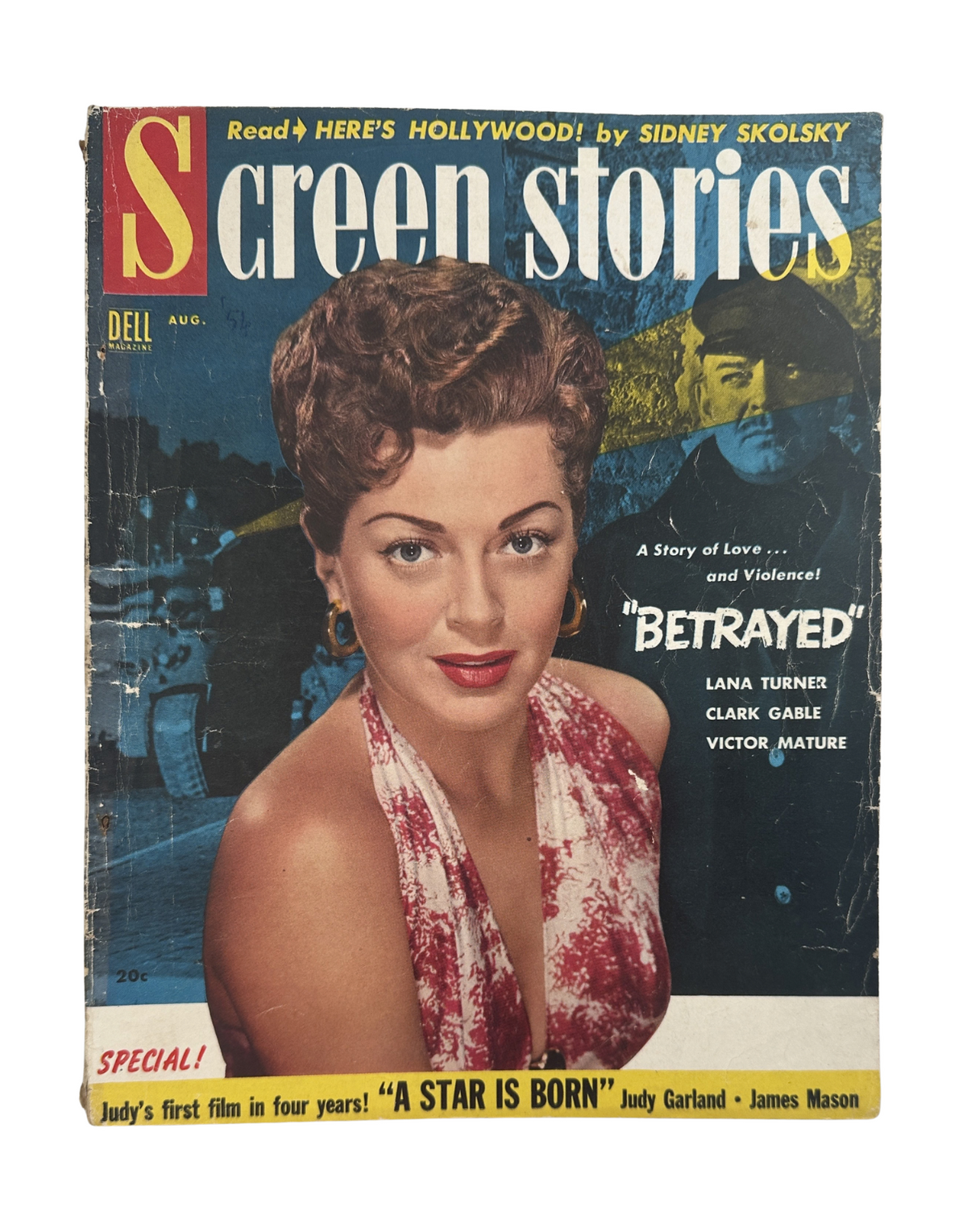
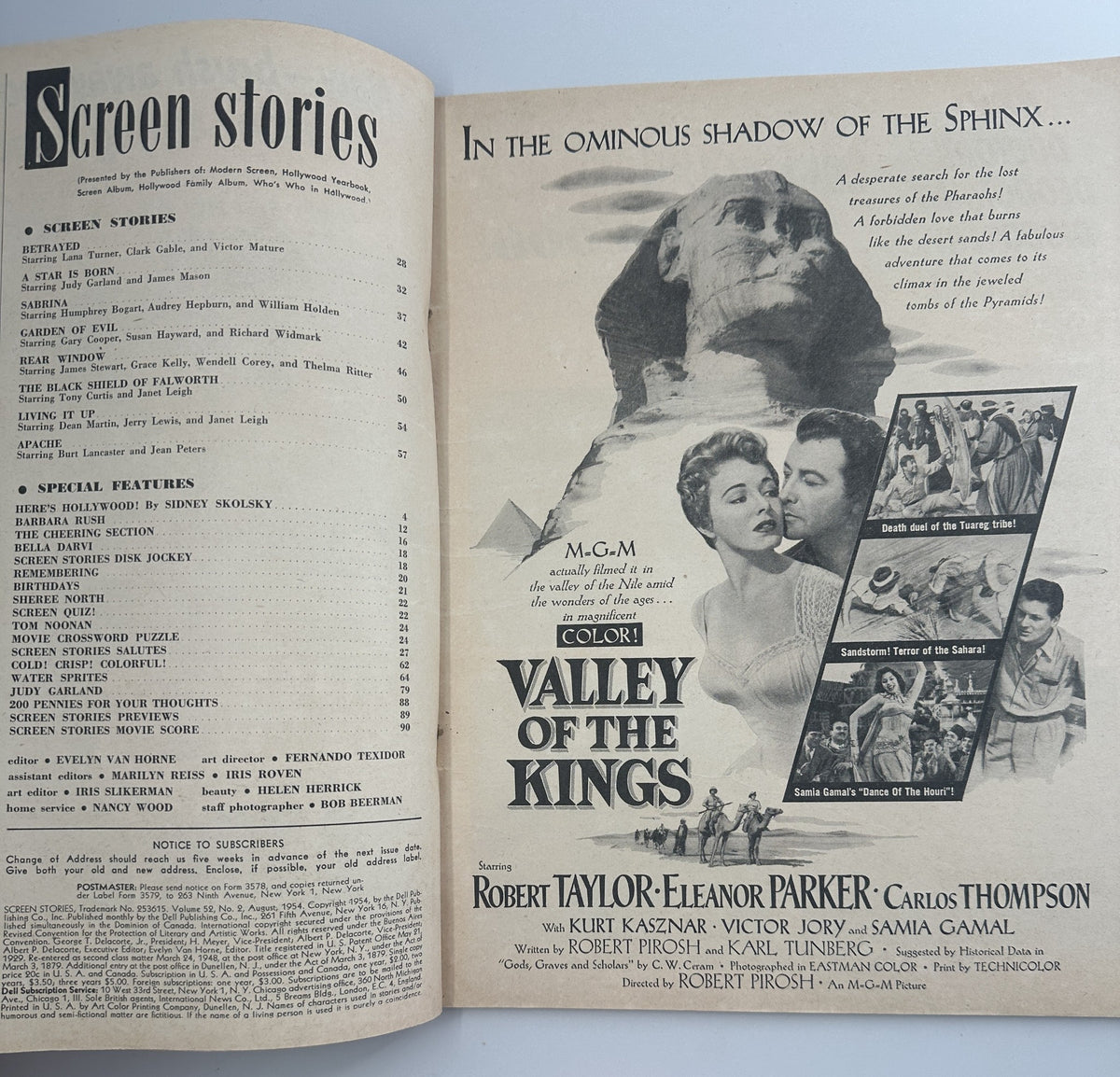
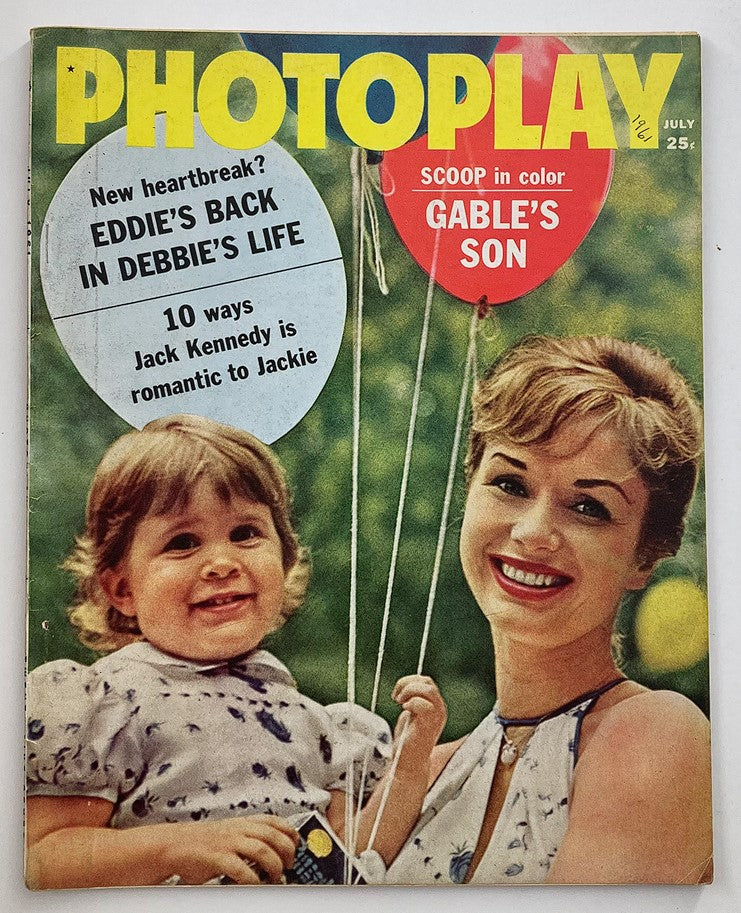
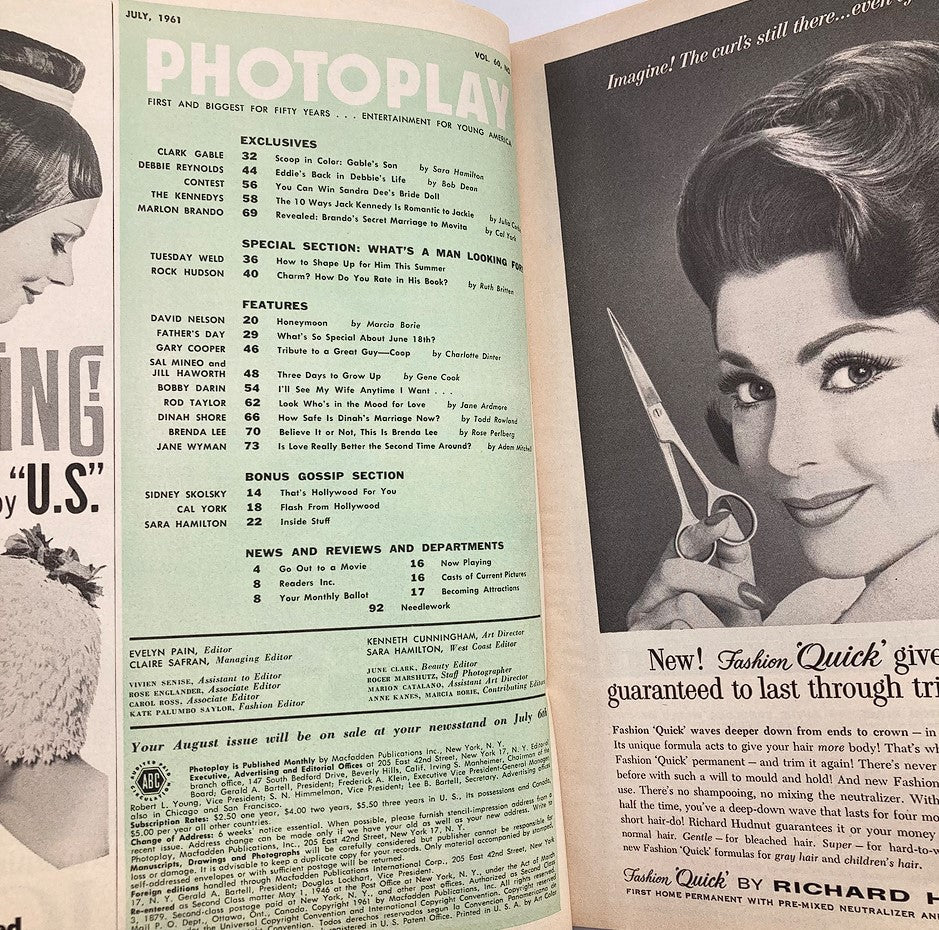
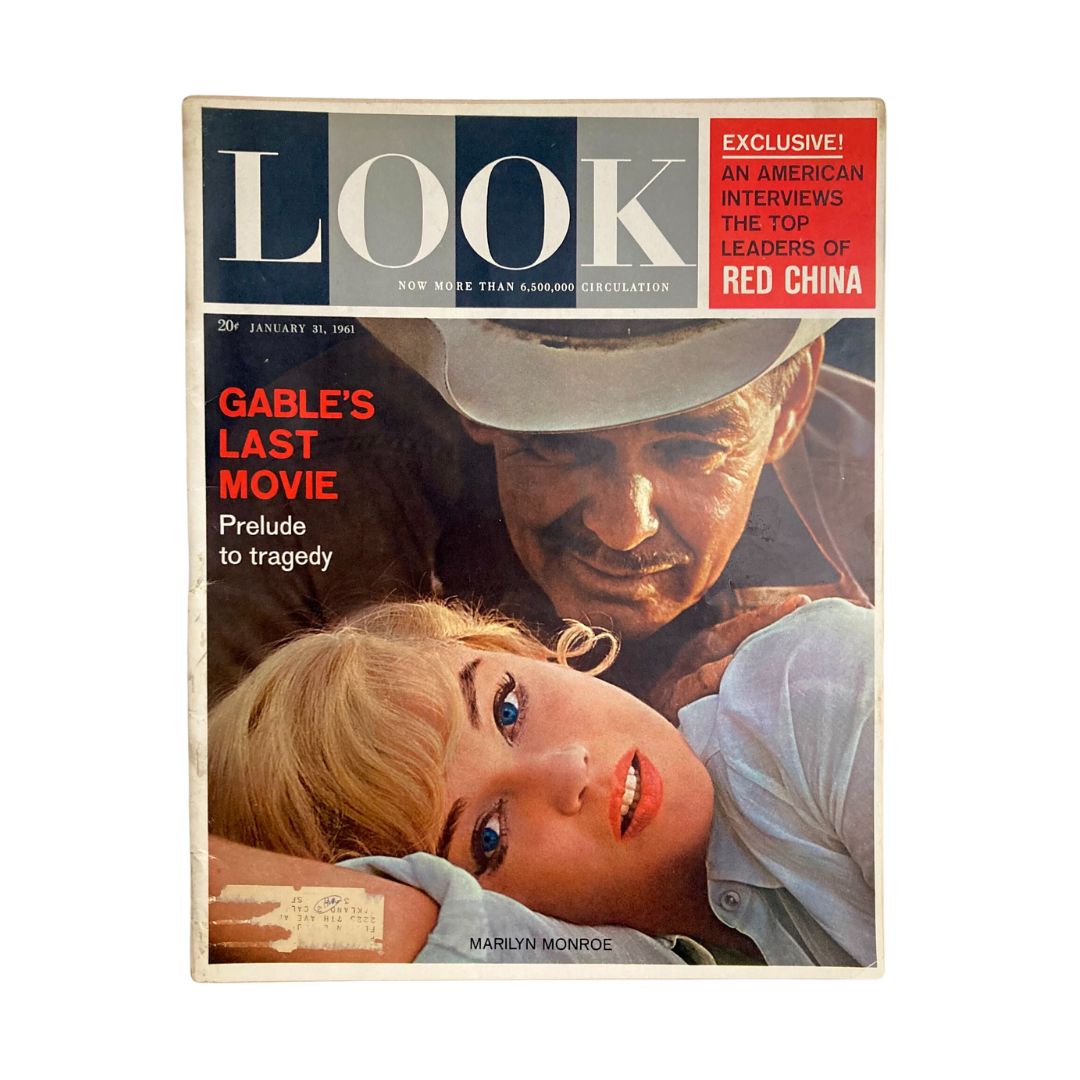
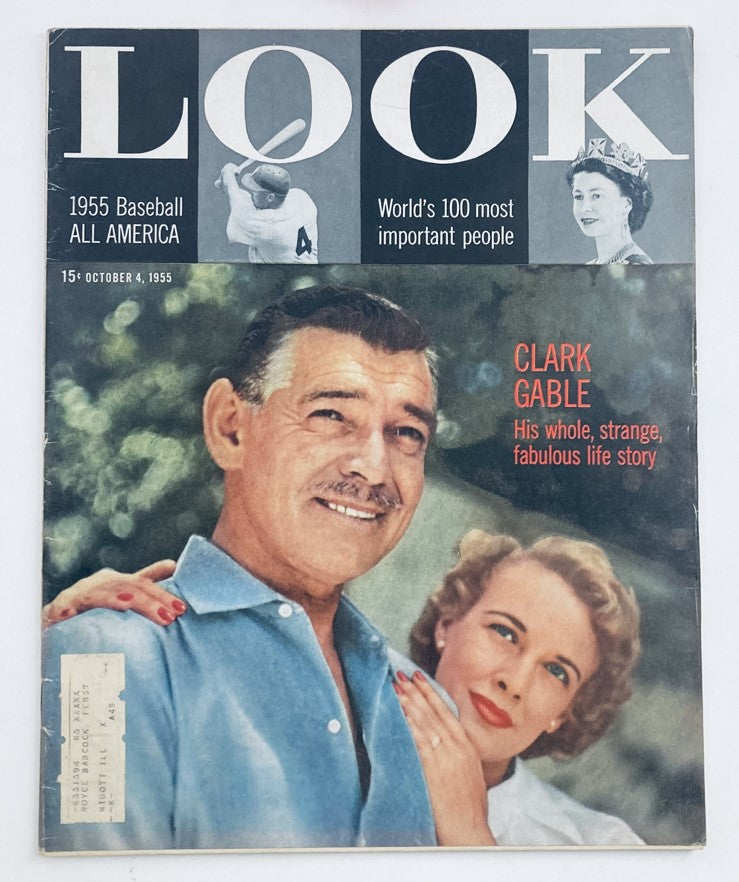
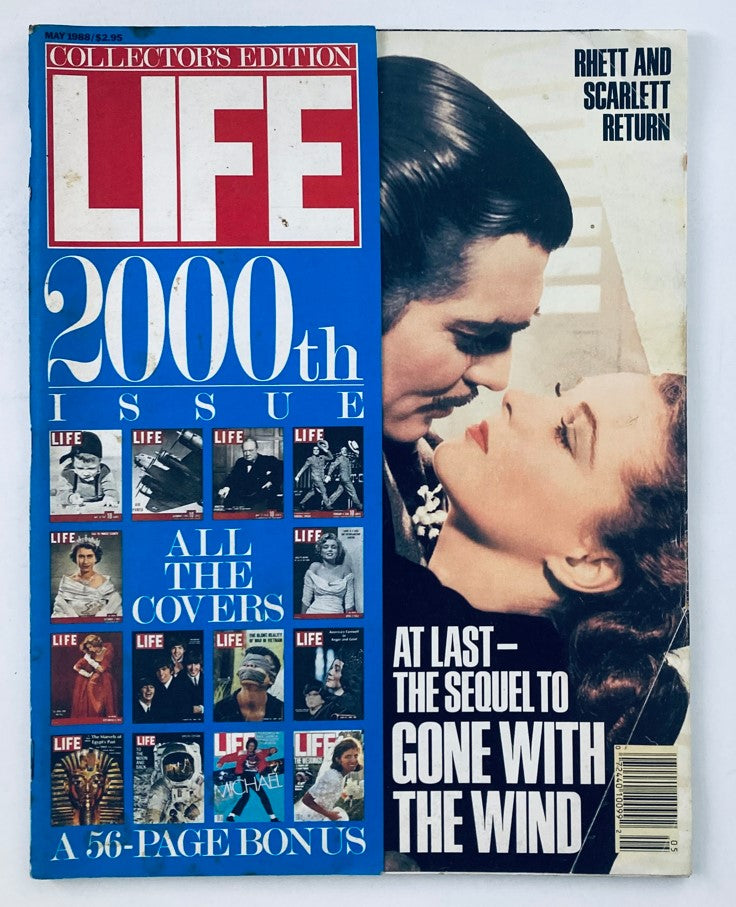
Vintage magazines captured the King in a manner that no digital archive can fully replicate — with an intimacy, a grandeur, and an editorial confidence that belonged to a more deliberate age of journalism. Studio-sanctioned portraiture from the likes of George Hurrell gave way to candid wartime photography and later the sun-weathered, rugged imagery of his later career, each era rendered in the distinctive halftone printing of its decade. Life magazine, America's great visual chronicle, returned to him again and again — whether covering his wartime service, his triumphant postwar return to screens, or the bittersweet final chapter of The Misfits alongside Marilyn Monroe. Photoplay, the definitive fan publication of Hollywood's Golden Age, treated the King as a recurring protagonist in the ongoing serial drama of stardom, its breathless editorial tone perfectly calibrated to an audience that considered itself personally acquainted with its favorite stars. Across the Atlantic, publications such as Picture Show in Britain and Cinémonde in France brought his image to European audiences who regarded him as the distilled essence of American masculine appeal — broad-shouldered, wry-smiled, utterly unafraid.
Curator's Checklist: Highlights Often Include
- Golden Age fan magazine features from the early-to-mid 1930s chronicling the King's meteoric rise at MGM, often accompanied by lavish studio portraiture and breathless prose about his off-screen romances and rumored rivalries
- Wartime coverage from 1942–1944 documenting his enlistment in the Army Air Forces following Carole Lombard's death — a deeply human story of grief, duty, and reinvention that captivated the home front press on both sides of the Atlantic
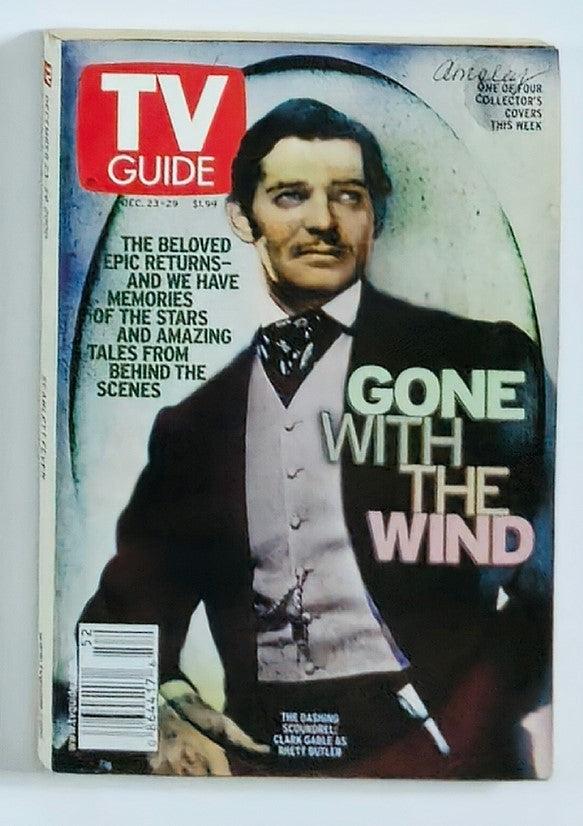
- Academy Awards and premiere coverage surrounding landmark productions, including It Happened One Night, Gone with the Wind, and Mogambo, where the King's image graced covers as Hollywood's most reliable prestige attraction
- Postwar Hollywood retrospectives from the late 1940s and 1950s, as the studio system began to fracture and the press grappled with what his enduring relevance said about American identity and the mythology of rugged masculinity
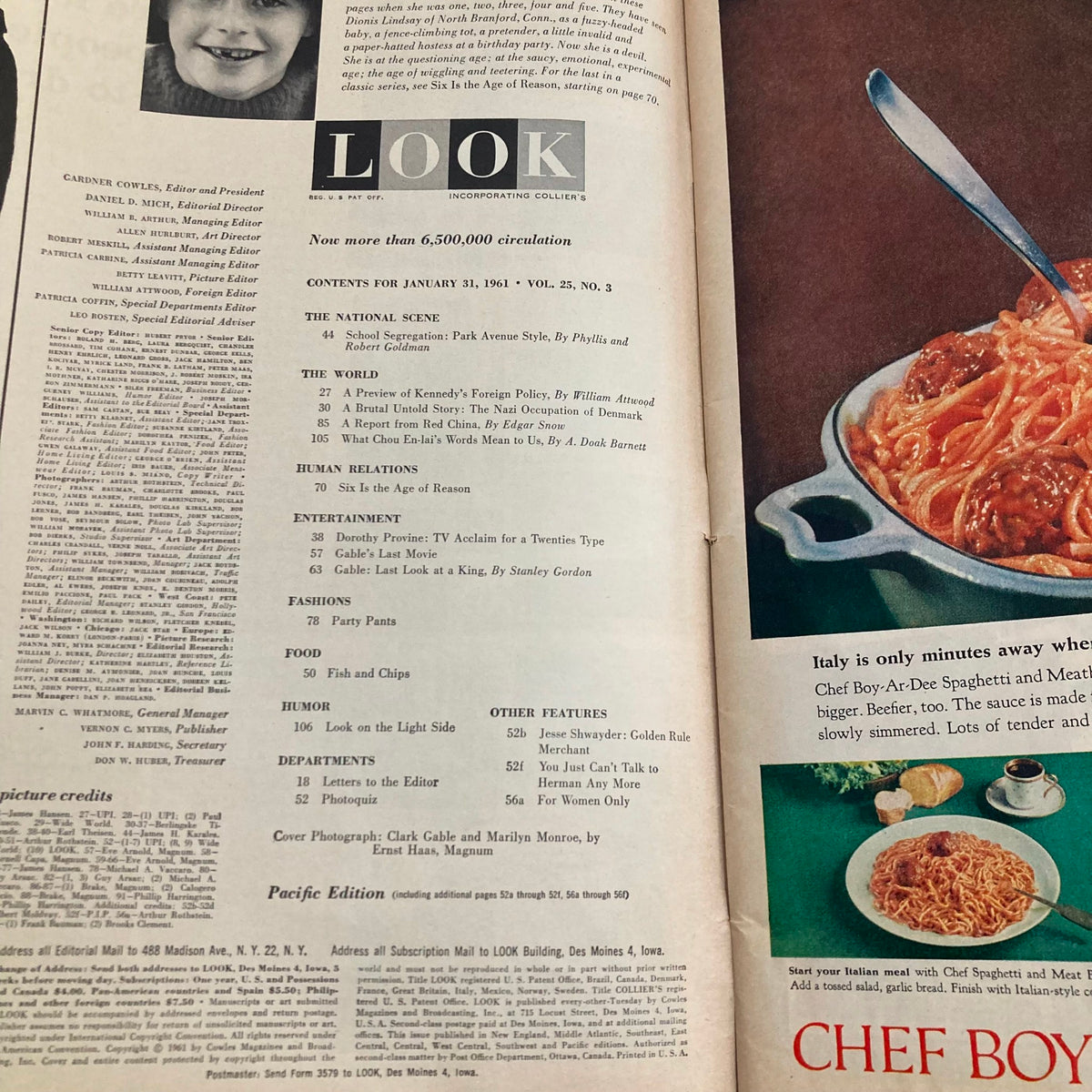
- Final-chapter features tied to The Misfits (1960–1961), the film that became an accidental elegy — capturing him alongside Monroe and Montgomery Clift in what the press could not yet know would be among their final appearances, lending such issues an extraordinary historical poignancy
The Collector's Value
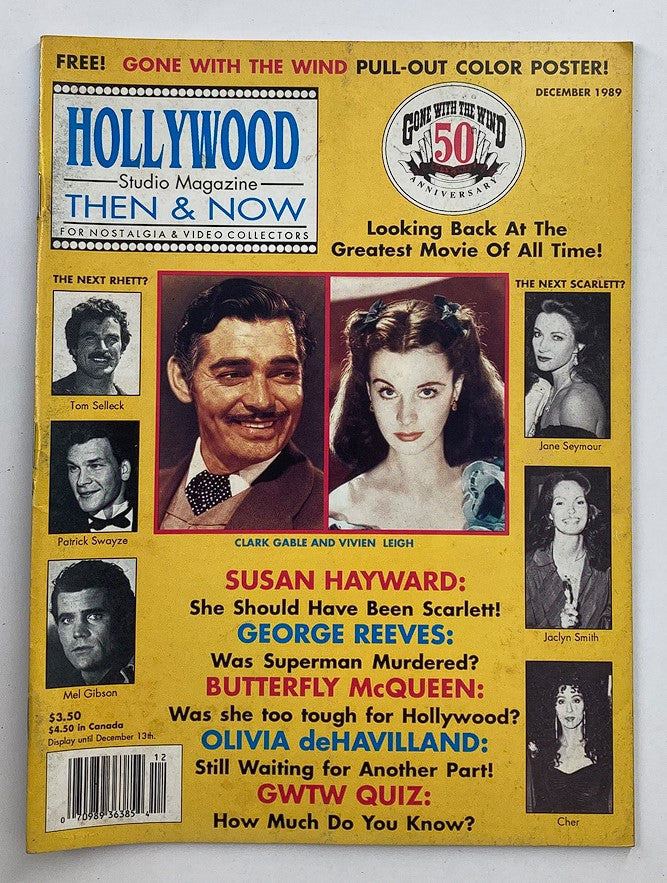
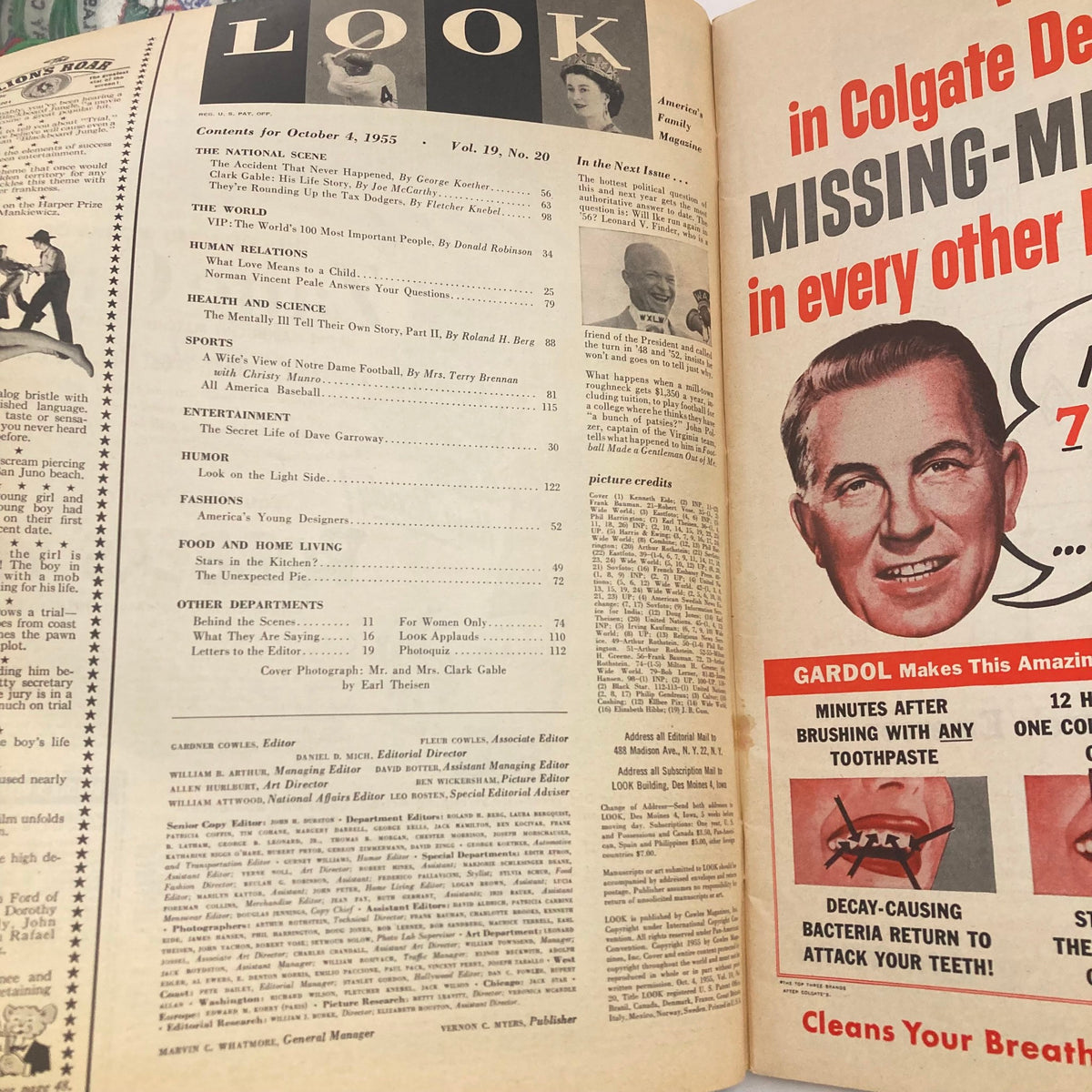
To hold one of these original issues is to hold time itself — the slight brittleness of paper that has aged with dignity, the faint mineral scent of mid-century ink, the texture of a cover stock that no modern reproduction has ever quite managed to replicate. Surrounding the King on those pages are the advertisements, the fashions, the anxieties, and the aspirations of an America that no longer exists — war bond announcements beside cigarette endorsements, automobile dreams beside Hollywood gossip — each page a complete artifact of its cultural moment. These are not reprints, not scans, not digital facsimiles. They are primary sources, handled once by a reader who sat down in 1939 or 1953 or 1961 and experienced these words and images as news. For collectors of Classic Hollywood memorabilia, mid-century Americana, or Golden Age cinema history, these publications offer an irreplaceable tangible connection to a legend whose story was written, week by week, in the pages of the world's great magazines. Explore the current available inventory below and discover which piece of that history is waiting for you.