📖 About this Collection
Clint Eastwood: The Last American Outlaw
The Legend & The Legacy
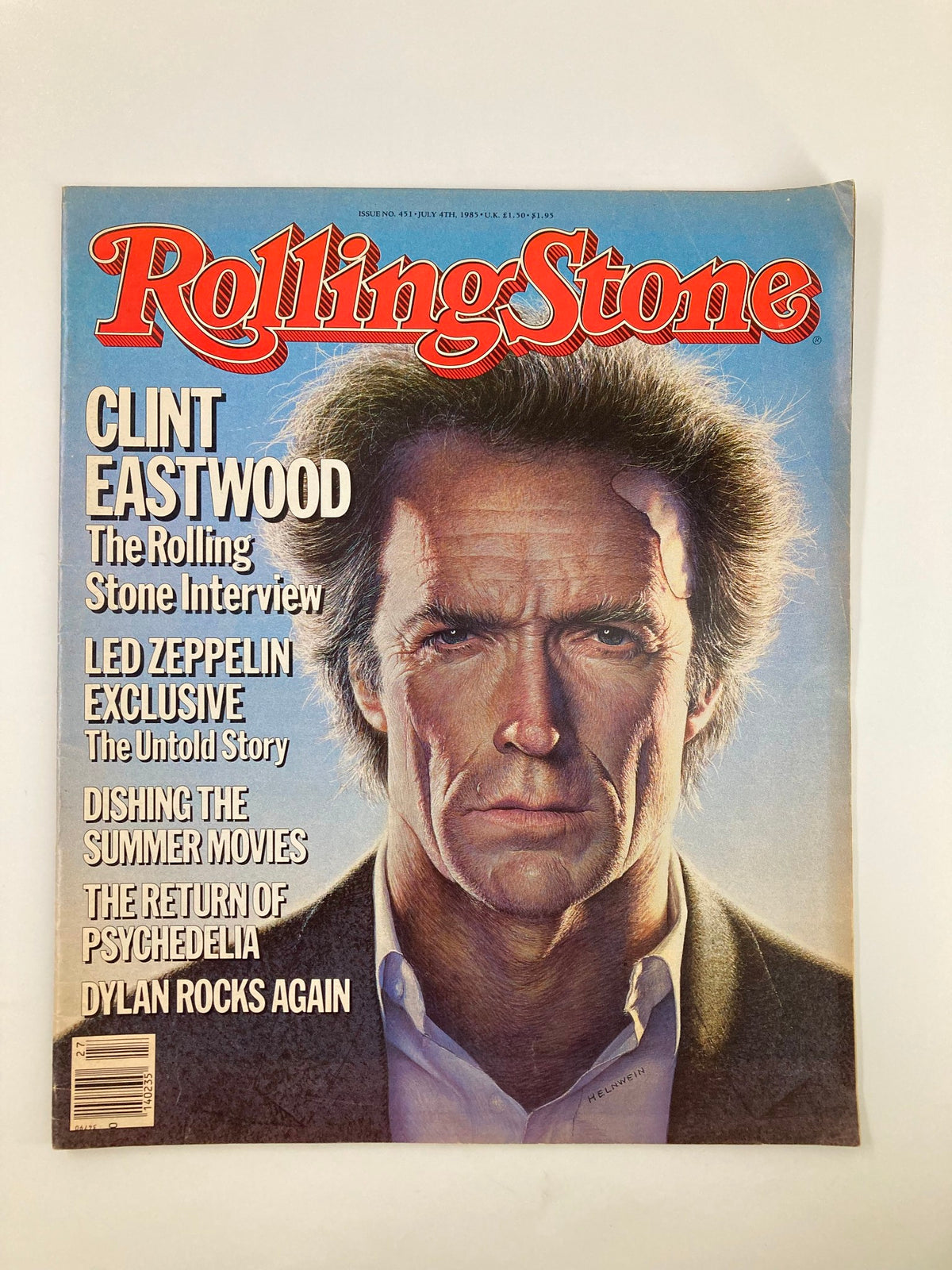
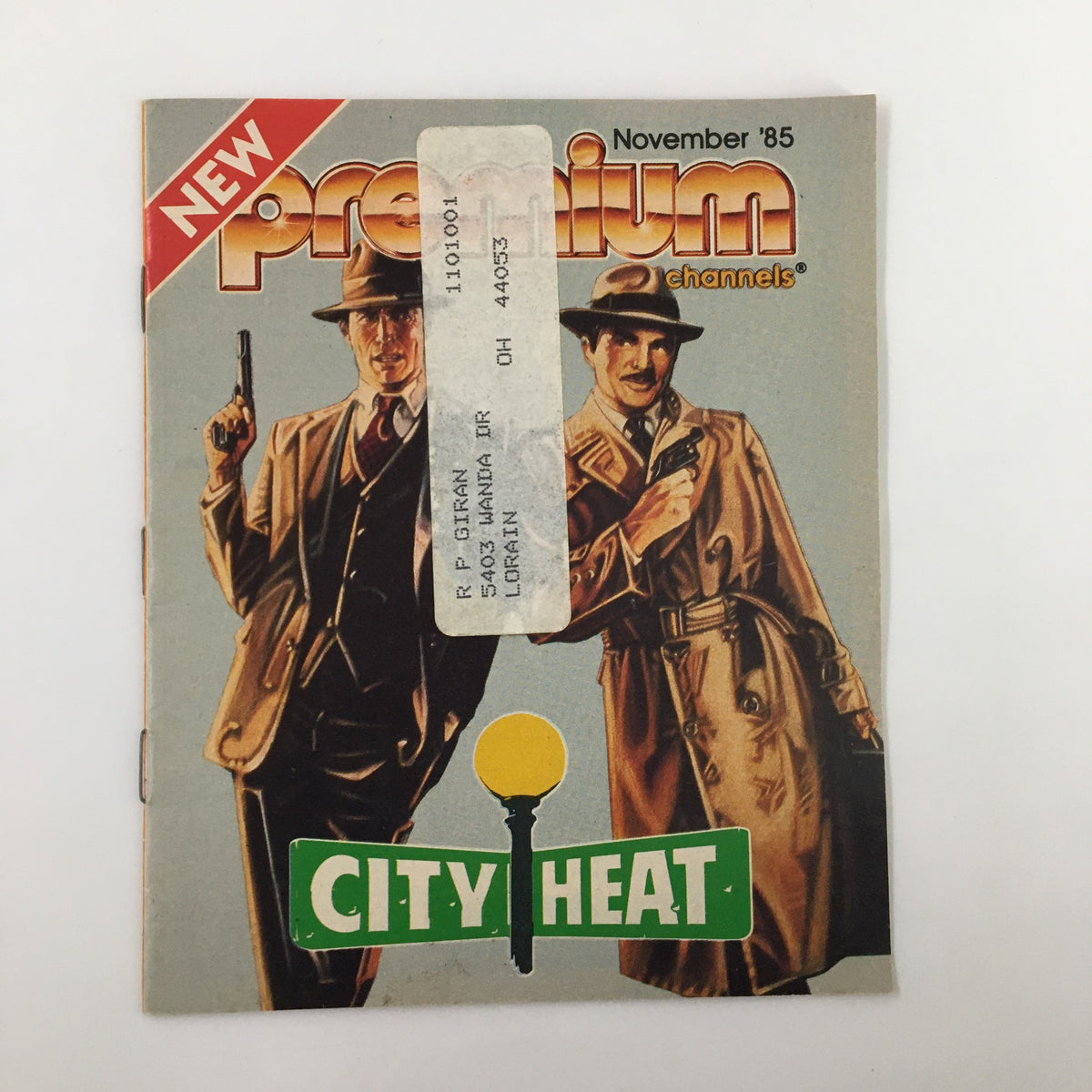
Few figures embody the raw mythology of American cinema like Clint Eastwood—a man who squinted his way into immortality and never looked back. From sun-scorched Spanish deserts to the fog-draped streets of San Francisco, his presence defined what it meant to be tough, quiet, and unflinching on screen. But Eastwood's legend extends beyond the iconic poncho and .44 Magnum; he became Hollywood's poet of violence and redemption, a director who turned Westerns into elegies and cop thrillers into moral reckonings. To hold a vintage magazine chronicling his rise is to touch the spine of post-war American masculinity itself—stoic, complicated, and utterly magnetic.
Inside the Archive
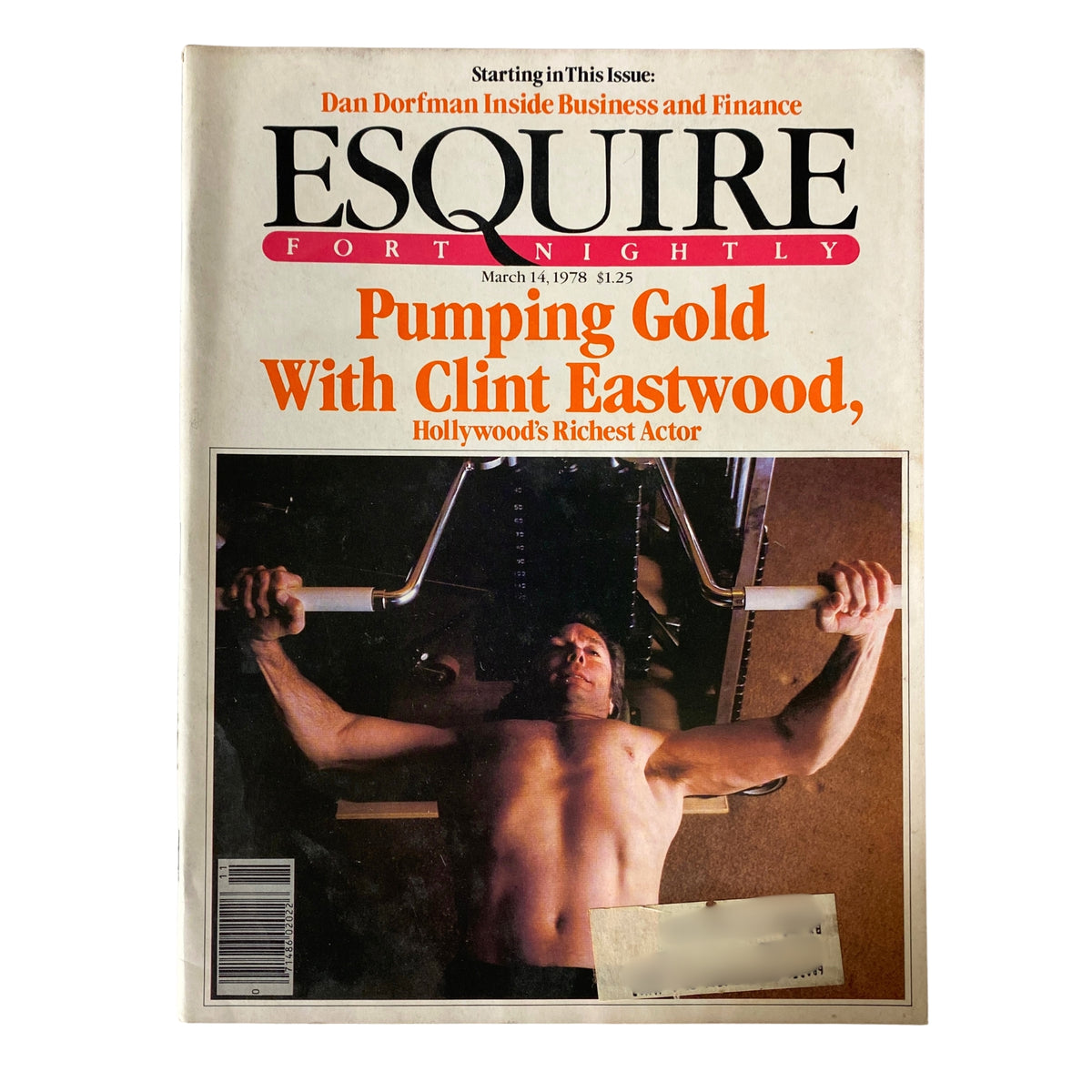
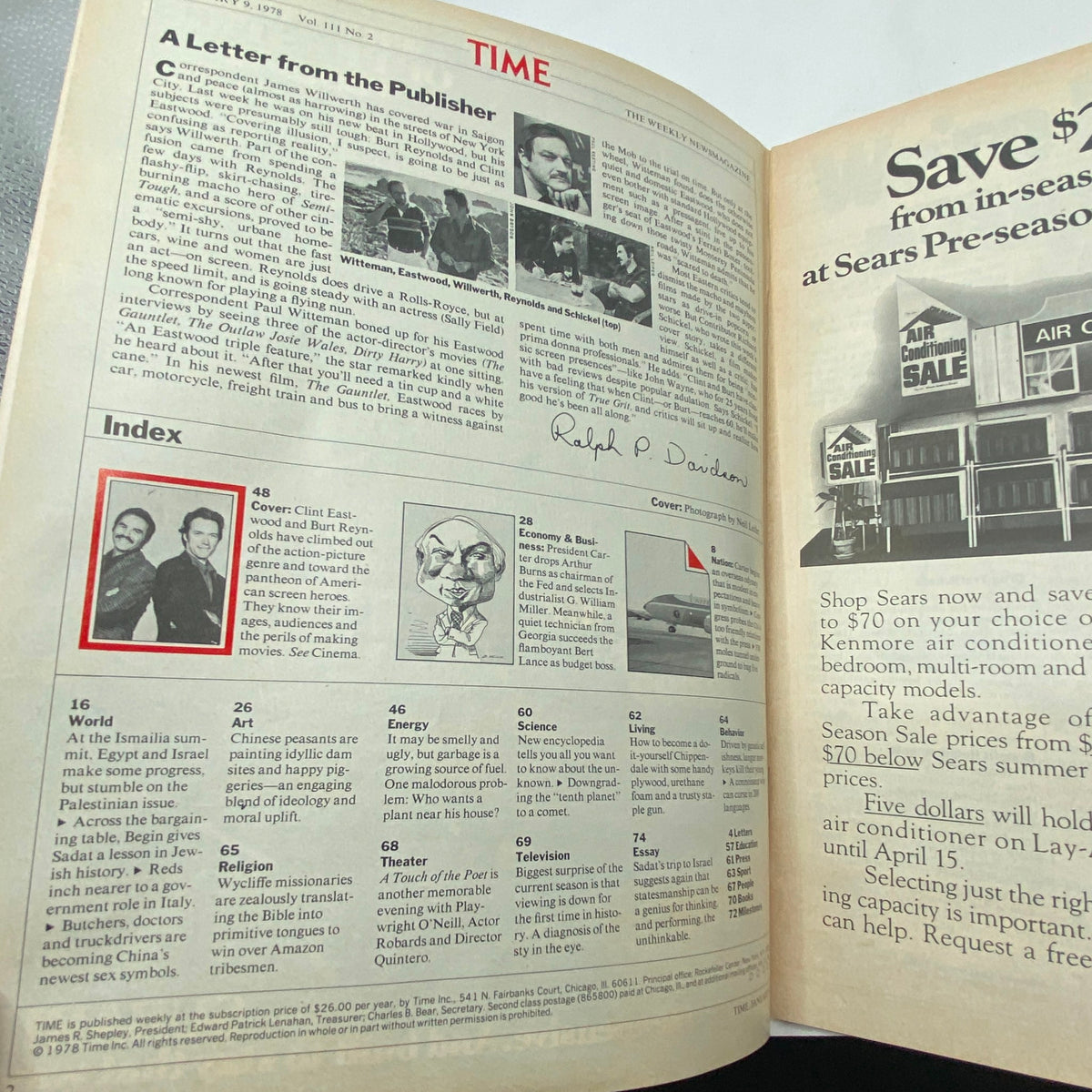
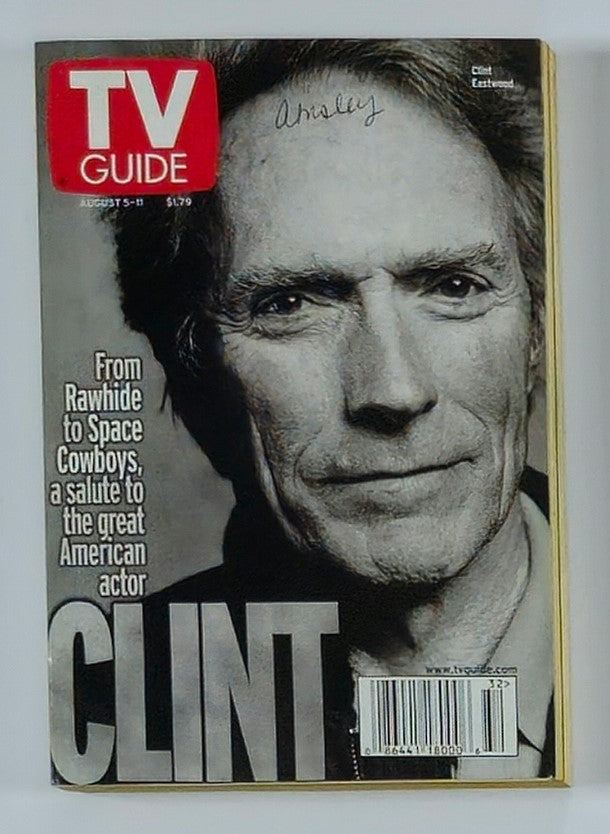
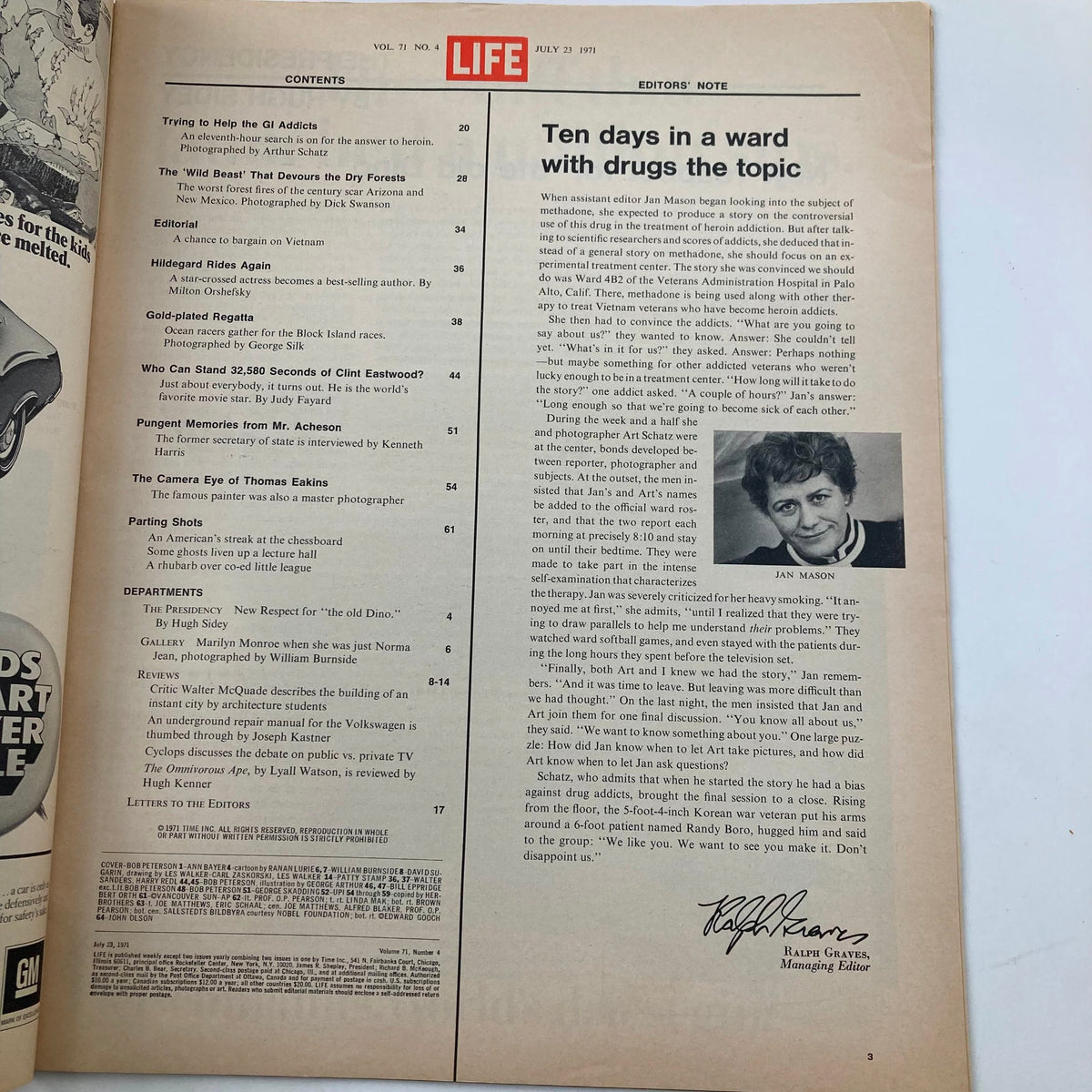
The print journalism surrounding Eastwood's career captured him in all his contradictions: the taciturn cowboy who loved jazz, the action hero who became an auteur, the conservative iconoclast who challenged Hollywood's formulas. Publications like Life, Esquire, and Rolling Stone offered stark black-and-white portraiture that emphasized his chiseled features and penetrating gaze, while glossy spreads in Time and People tracked his metamorphosis from TV actor to directorial powerhouse. Interviews were famously sparse yet revealing—editors learned to read volumes into Eastwood's economy of words. Behind-the-scenes features from film sets like Unforgiven and Million Dollar Baby revealed a meticulous craftsman who worked fast, trusted instinct, and commanded absolute loyalty from collaborators.
Curator's Checklist: Highlights Often Include
- Spaghetti Western Era: Coverage of Leone's revolutionary trilogy, from A Fistful of Dollars through The Good, the Bad and the Ugly, capturing the birth of an anti-hero who redefined the Western genre with minimalist menace and operatic violence.
- Dirty Harry Phenomenon: Explosive features dissecting the cultural firestorm around Harry Callahan—examinations of vigilante justice, 1970s urban anxiety, and why "Go ahead, make my day" became the decade's most quoted line.
- Directorial Masterworks: In-depth profiles tracing his evolution behind the camera, from early efforts like Play Misty for Me to Oscar-sweeping triumphs such as Unforgiven and Million Dollar Baby, revealing a filmmaker obsessed with consequence and mortality.
- The Carmel Years: Quirky human-interest pieces exploring his unlikely tenure as mayor of Carmel-by-the-Sea, showcasing the pragmatic side of a man who brought the same no-nonsense approach to local politics as he did to filmmaking.
- Late-Career Renaissance: Reverential tributes celebrating films like Gran Torino, The Mule, and Cry Macho—meditations on aging, legacy, and an artist who refused to fade quietly into Hollywood's sunset.
The Collector's Value
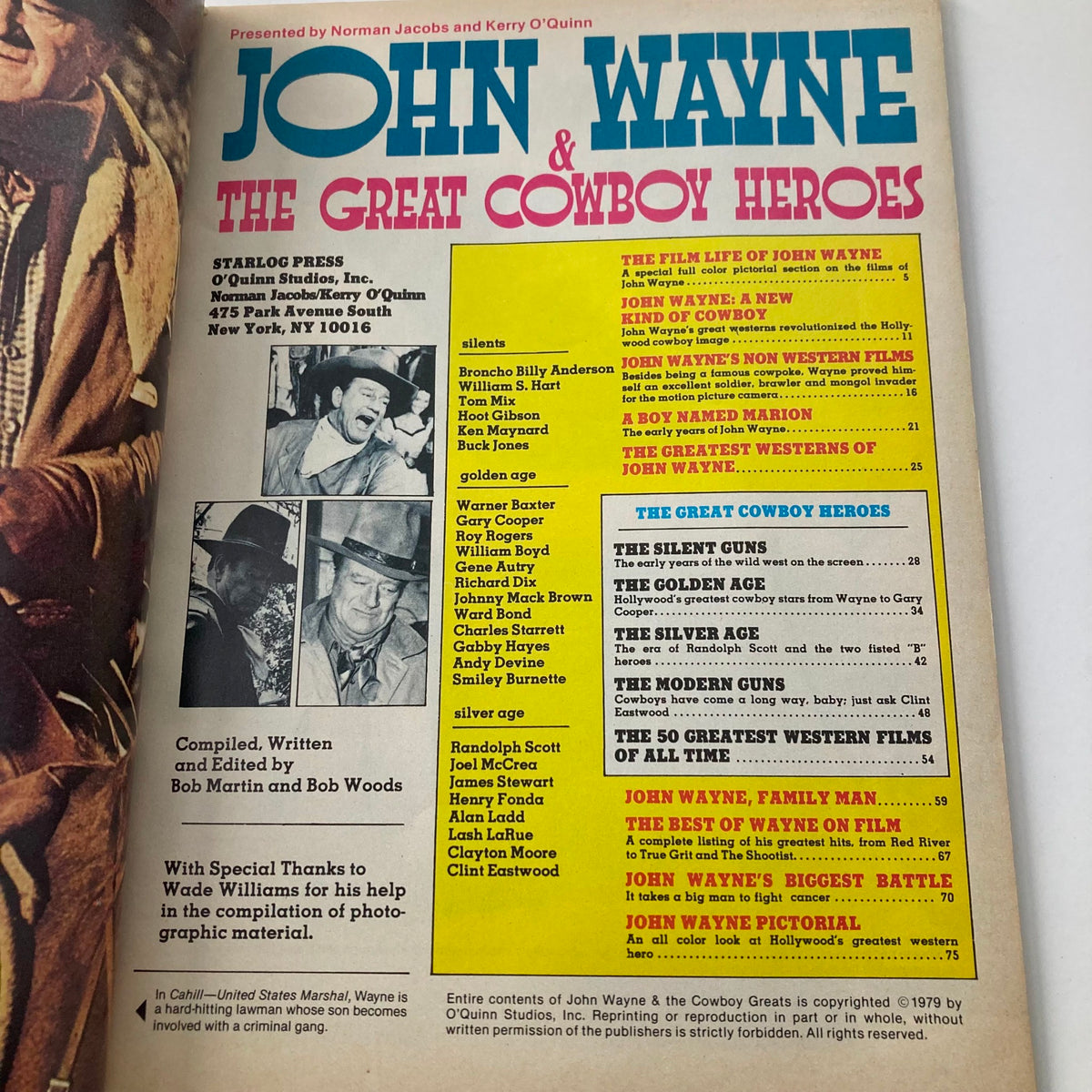
Original magazines documenting Eastwood's six-decade reign represent more than celebrity ephemera—they're historical evidence of how one man reshaped cinema's grammar and became synonymous with American grit. Issues from the Rawhide days through his directorial golden age capture the evolution of not just a performer, but an entire cultural archetype. For collectors of Western Americana, film history, or 20th-century iconography, these publications offer irreplaceable primary sources on cinema's most resilient maverick. Explore our current inventory below to discover which chapter of Eastwood's outlaw legacy is available today.