📖 About this Collection
Colin Powell: The General Who Shaped a Nation's Conscience
The Legend & The Legacy
Few figures in modern American history carried the weight of as many firsts as Colin Powell — the son of Jamaican immigrants who rose from the South Bronx to the pinnacle of military and diplomatic power. As the first African American to serve as National Security Advisor, Chairman of the Joint Chiefs of Staff, and Secretary of State, his ascent was not merely personal triumph; it was a mirror held up to the aspirations and contradictions of the American century. In an era before Twitter erupted with instant opinion and cable news churned through the news cycle in hours, the public came to know this four-star general and statesman almost entirely through the considered, curated world of print — through long-form profiles, studio portrait photography, and the measured prose of editors who understood that some figures demanded reverence. His image on a magazine cover was a statement, a conversation starter, a document of national reckoning.
Inside the Archive
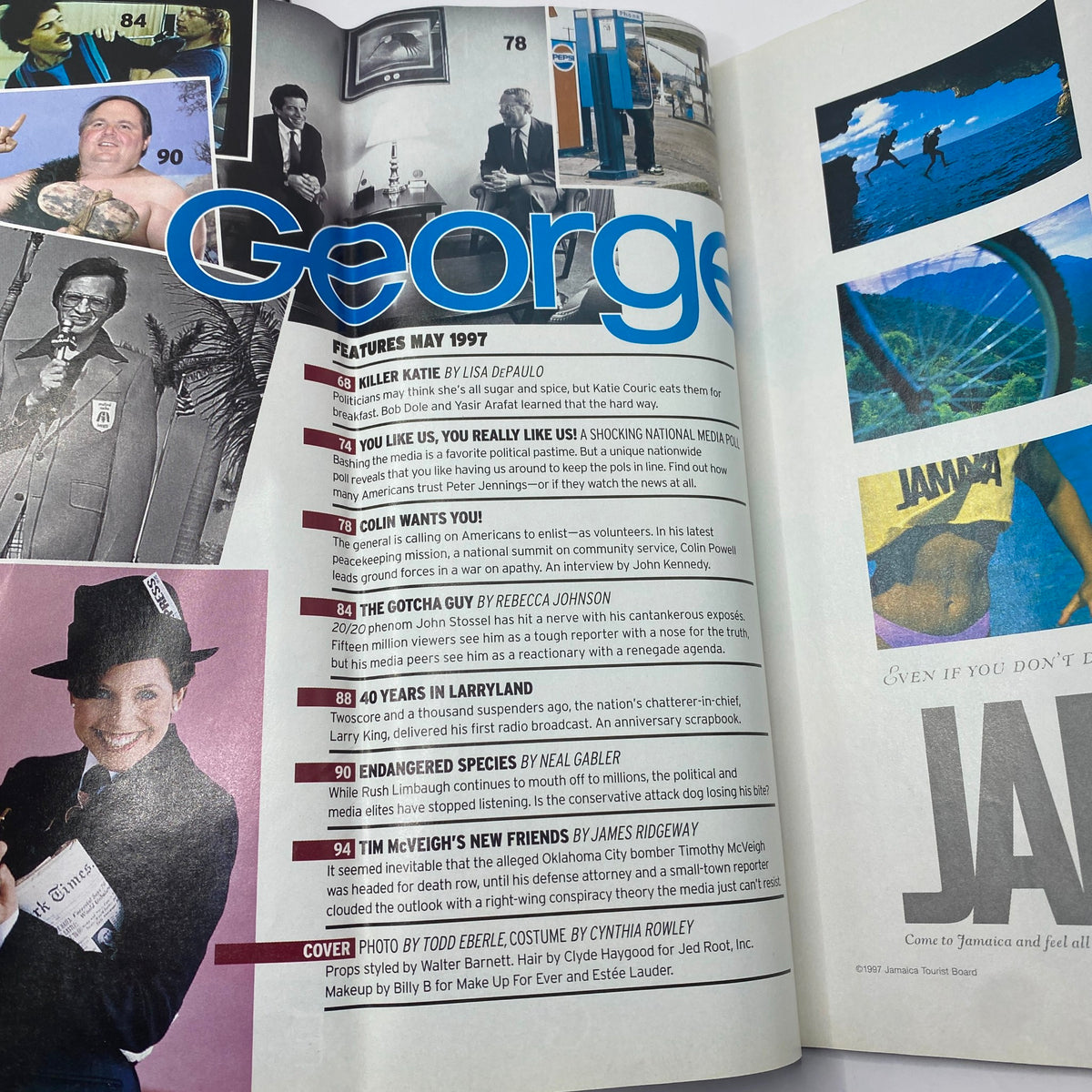
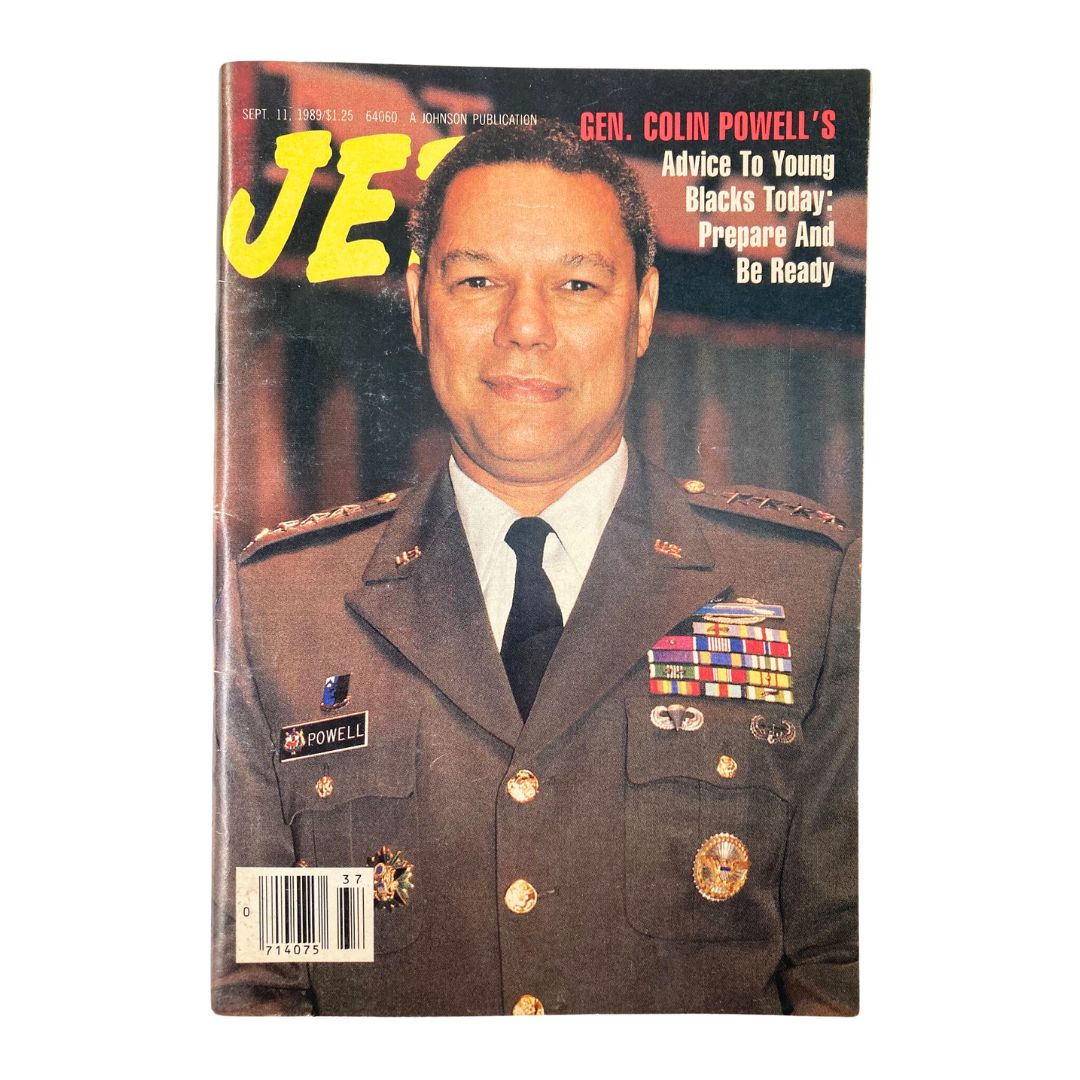
Vintage magazines captured the General with a gravitas befitting his stature, and the editorial choices made by photographers and picture editors of the era speak volumes about how America processed his rise. Time and Newsweek were perhaps his most consistent chroniclers, placing him on their covers during the Gulf War years and again during his time at Foggy Bottom, their photography alternating between steely command portraits and candid images of a man navigating the crossroads of race, duty, and power. Ebony and Jet covered him with particular depth and pride, contextualizing his journey within the broader arc of the African American experience and the long struggle for representation in the halls of power. Meanwhile, international publications such as Paris Match and Der Spiegel offered a fascinating counterpoint — framing the Secretary of State as the face of American foreign policy to audiences abroad, their tone shifting with the geopolitical tides of the post-9/11 world.
Curator's Checklist: Highlights Often Include
- Gulf War coverage (1990–1991): Issues frequently feature the Powell-Schwarzkopf command partnership, battlefield strategy profiles, and the doctrine of overwhelming force that would carry his name into military history
- "Will He Run?" political speculation (mid-1990s): A remarkable chapter in American magazine journalism — cover stories and extended features debating whether the most trusted man in America would seek the presidency, representing some of the most candid assessments of race and electoral politics of the decade
- Secretary of State appointment and post-9/11 diplomacy: Editorial features capturing his role in building the international coalition, as well as the deeply conflicted coverage surrounding his February 2003 United Nations address on Iraqi weapons programs
- African American heritage and milestone tributes: Long-form Ebony and Jet features celebrating his firsts, often paired with reflections from civil rights leaders and fellow trailblazers, providing invaluable cultural context
- Memoir and literary moment coverage (1995): Issues tied to the release of My American Journey, including author profiles, interview-driven features, and book review roundups that turned the General into a literary and cultural phenomenon overnight
The Collector's Value
To hold one of these original issues is to hold a document of a pivotal American era — the paper stock slightly yielding beneath your fingertips, the ink carrying that faint, irreplaceable mustiness of decades past, the surrounding advertisements a vivid time capsule of the world as it was when these words were first read over morning coffee in 1991 or 2003. These are not reprints or digitized PDFs; they are primary sources, artifacts of the conversations a nation was having with itself about power, race, military legacy, and the meaning of public service. The editorial photography alone — shot on film, composed with intention, reproduced in the warm, imperfect tones of offset printing — possesses an emotional authenticity that no screen can replicate. For collectors of military and Cold War history, African American political heritage, or 20th-century American diplomacy and foreign policy, these publications offer an unmatched window into the living, breathing context of a consequential life as it actually unfolded. Browse the current available inventory below, and discover which pieces of that history are waiting to find a place in your collection.