📖 About this Collection
Corazon Aquino: The Woman Who Toppled a Tyrant
The Legend & The Legacy
In an era when the world still learned its history through ink and paper, Corazon Aquino did something that felt, to millions of readers, like a miracle unfolding in slow motion across the newsstands. A soft-spoken widow thrust from suburban grief into the roaring center of a nation's revolution, she became the moral axis around which the Philippines — and the watching world — turned in 1986. The People Power Revolution she inspired was not merely a political event; it was a human story of breathtaking scale, and the global press treated it as such. Readers from Manila to Madrid followed her ascent through the physical pages of weekly news magazines, absorbing the images of rosary-clutching crowds flooding EDSA, and the quiet, unyielding dignity of a woman in yellow who refused to be afraid. What made her story all the more extraordinary was its improbability — a political novice, a housewife by her own modest self-description, who nonetheless carried the moral authority of an entire suffering nation on her slender shoulders. Before Twitter could reduce a revolution to a thread, print media carried its full emotional weight — and she was its undisputed protagonist. Editors around the world understood instinctively that her story was not simply a dispatch from a distant archipelago; it was a universal parable about courage, grief transformed into purpose, and the stubborn resilience of democracy itself.
Inside the Archive
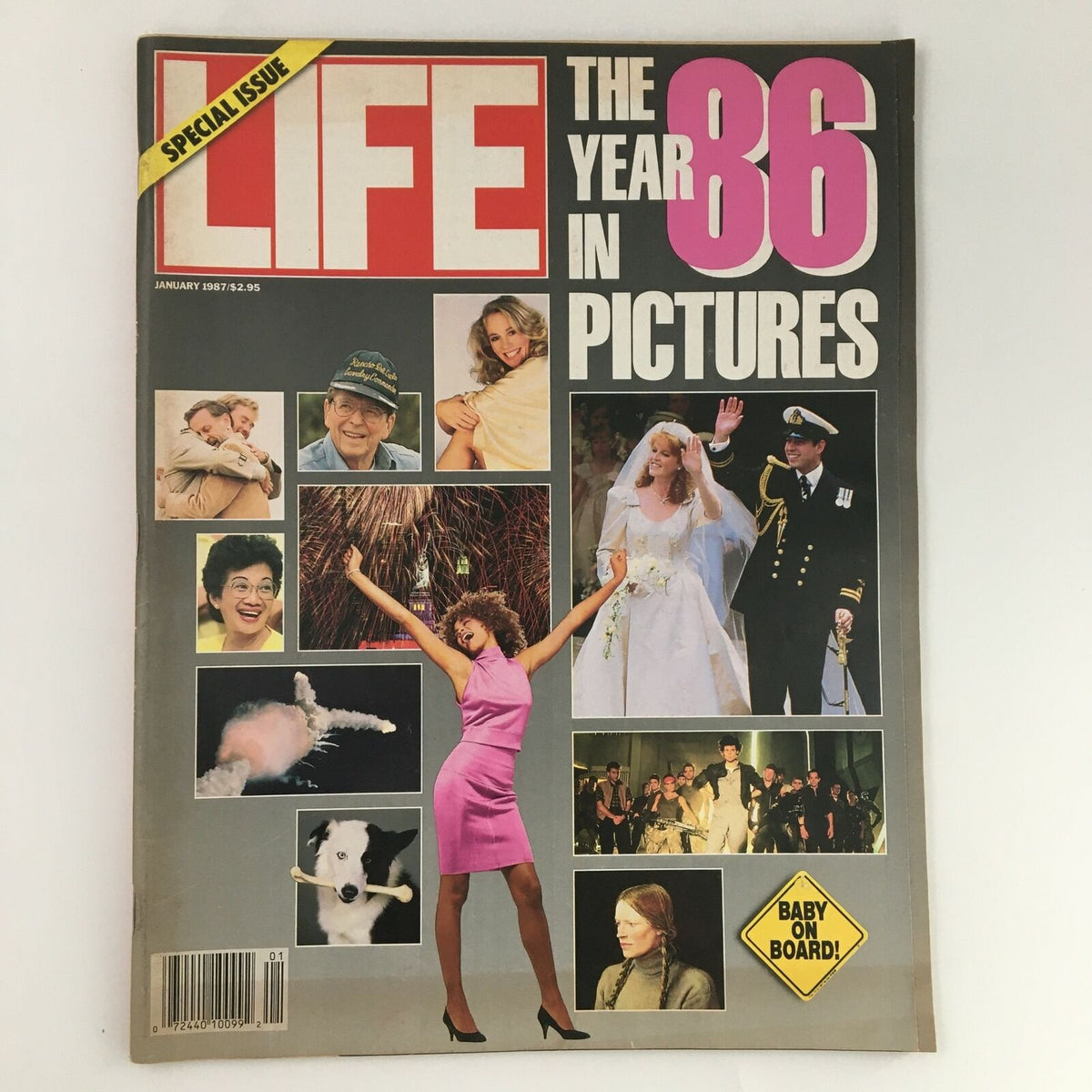
International and domestic publications alike recognized that Aquino was one of the defining figures of late 20th-century democracy, and their visual and editorial treatment reflected that gravity. Photographers captured her with a recurring iconography: the yellow dress or blouse — her signature color of hope — set against the chaos of crowd politics, military standoffs, and eventually, the dignified halls of Malacañang Palace. Time magazine, which named her Woman of the Year in 1986, delivered landmark portrait covers that remain among the most sought-after issues of that decade. Newsweek provided sweeping, deeply reported narrative spreads on the fall of Marcos and the fragile birth of a restored democracy. Regional and Asian-market publications, including the Far Eastern Economic Review, offered the kind of granular political analysis that contextualized her presidency for the business and diplomatic world, while Filipino publications such as Mr. & Ms. magazine chronicled her story with an intimacy and national pride that no foreign correspondent could replicate. European outlets, including Paris Match and various German and British weeklies, brought their own editorial sensibilities to bear — framing her ascent through the romantic, almost cinematic lens of a widow-turned-queen, a narrative that resonated deeply with their readerships. Taken together, these publications reveal how differently the world's press interpreted the same remarkable woman — and why a diverse collection spanning multiple countries and editorial voices tells a far richer story than any single issue ever could.
Curator's Checklist: Highlights Often Include
- The Revolution in Real Time — Issues from early 1986 documenting the final days of the Marcos regime, the snap election controversy, and the eruption of the People Power uprising along EDSA, often illustrated with iconic crowd photography and urgent, breathless front-page layouts that conveyed the full electricity of events as they broke
- Woman of the Year Coverage — Features tied to Time's historic 1986 designation, exploring her emergence as a global symbol of peaceful democratic resistance at the height of Cold War geopolitics, frequently accompanied by in-depth interviews and full-color portraiture that introduced her to readers who had never before heard her name
- The Presidency Under Siege — Editorial coverage of the extraordinary challenges of her 1986–1992 term, including coup attempt after coup attempt, which generated urgent, dramatic reporting across international weeklies, as journalists grappled with the precariousness of a democracy that had to fight, again and again, simply to survive
- The Widow as Icon — Human-interest and profile pieces exploring her identity as the bereaved wife of assassinated senator Benigno "Ninoy" Aquino Jr., whose 1983 murder at Manila's airport set the entire revolution in motion — stories rich with personal photographs, intimate journalism, and the kind of biographical depth that transformed a political figure into a fully human one
- The Global Democracy Wave — Retrospective and comparative features placing her alongside figures like Lech Wałęsa and Nelson Mandela as the world reflected on the remarkable tide of peaceful revolutions that swept the late 1980s, with many publications returning to her story repeatedly as a moral benchmark against which other democratic movements were measured
The Collector's Value
There is something irreplaceable about holding a magazine printed in the very week that history was made — feeling the slightly brittle texture of decades-old paper stock, catching the faint, distinctive scent of aged ink, and finding yourself flanked by the period advertisements that remind you exactly when you are. Issues covering Aquino's revolution and presidency carry that particular charge, because they were produced under the adrenaline of unfolding events, by editors and photographers who did not yet know how the story would end. The graphic design, the typefaces, the full-page photographs of yellow-clad crowds — all of it exists within a visual language that digital archives simply cannot resurrect. A scanned PDF will show you the image, but it will never replicate the weight of the page, the saturated primary colors of a 1986 cover printed at the peak of analog photojournalism, or the strange intimacy of reading words that were composed in real urgency and handled by countless hands across the decades since. These are not reproductions or commemorative reprints — they are original witnesses, artifacts that were present at one of the most peaceful and profound transfers of power the modern world has ever seen. For collectors of Southeast Asian history, Cold War political memorabilia, or pioneering women in world leadership, these publications offer an irreplaceable primary source — one that puts you not in the archive, but in the moment. Browse the current available inventory below and let the right piece of this extraordinary chapter find its way into your collection.