📖 About this Collection
Cyndi Lauper: She Who Truly Was Different
The Legend & The Legacy
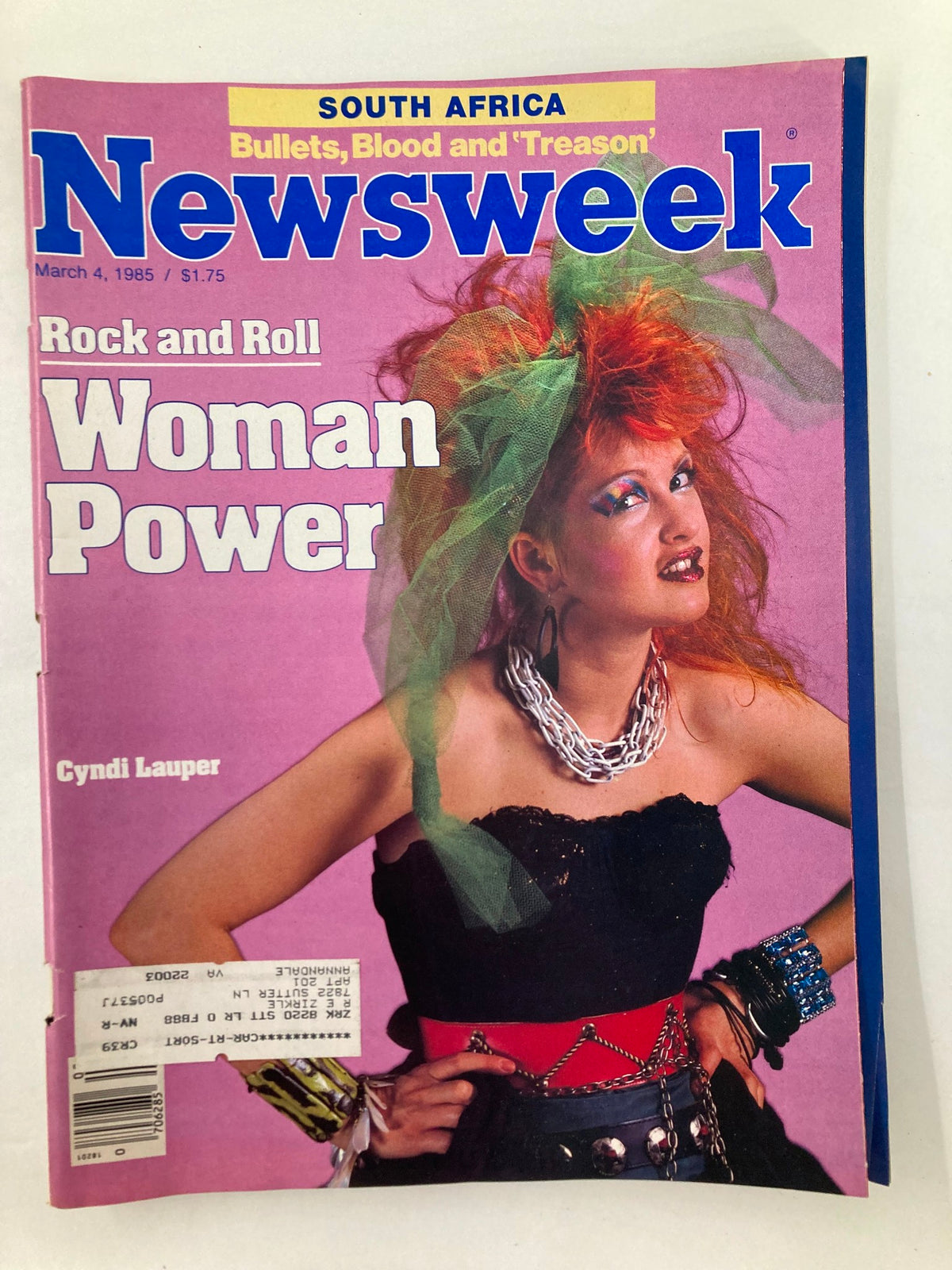
In the early 1980s, when pop culture was still finding its footing in the post-disco, post-punk wilderness, Cyndi Lauper arrived like a comet dressed in tulle and thrift-store treasures — and nothing was quite the same afterward. Her debut album She's So Unusual (1983) became the first solo debut in history to produce four Top Five singles, but the numbers alone never told the real story. The real story was told in the magazines. Before streaming algorithms and social media feeds flattened the world into a scroll, fans experienced her through glossy, full-bleed pages — the candy-colored hair, the layered lace, the jangling bangles stacked to the elbow. She was simultaneously a class clown and a social revolutionary, embedding messages about female autonomy, LGBTQ+ solidarity, and working-class joy into three-minute pop songs. Newsstand browsers in 1984 didn't just see a pop star on those covers; they saw an entirely new kind of woman — one who refused to be elegant on anyone else's terms.
Inside the Archive
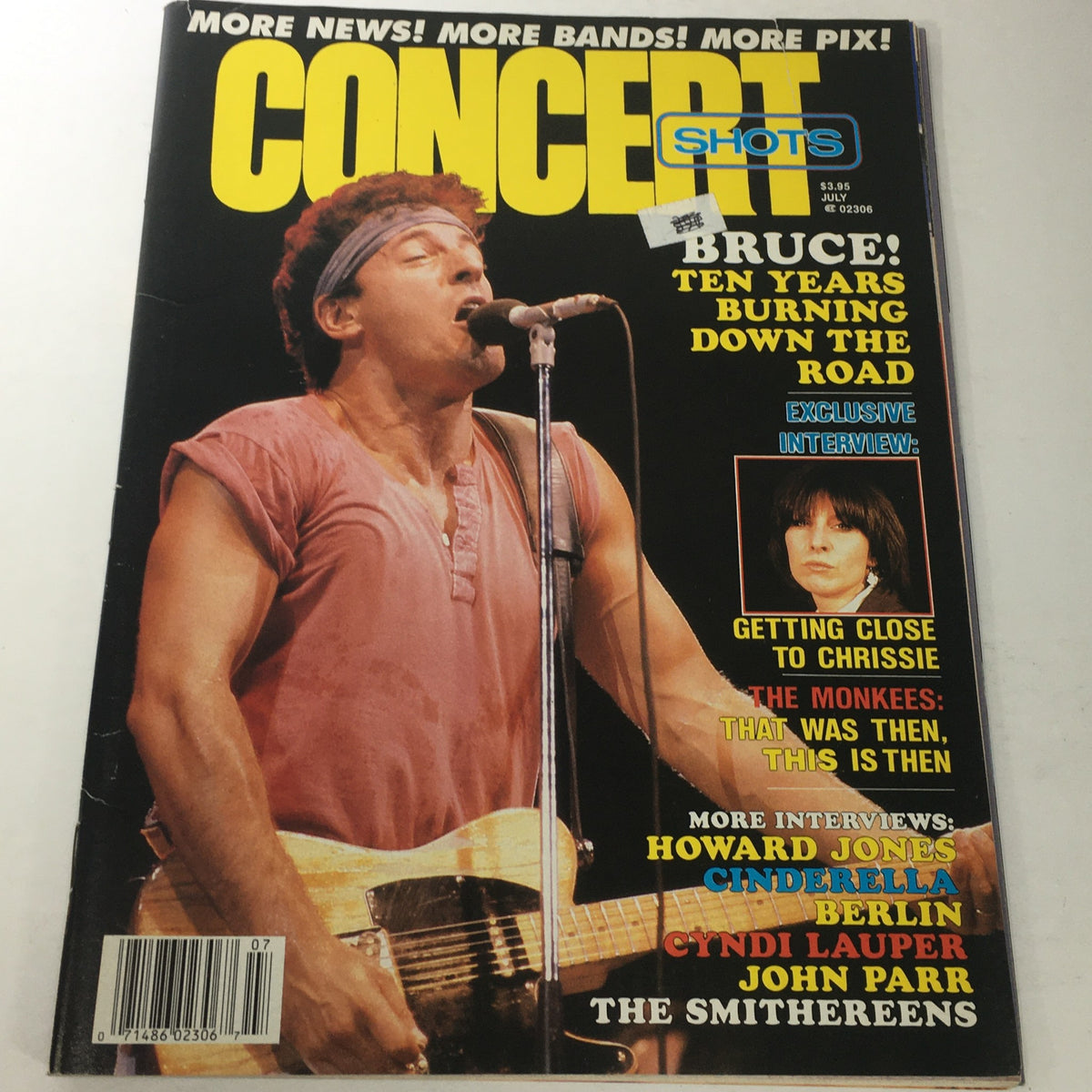
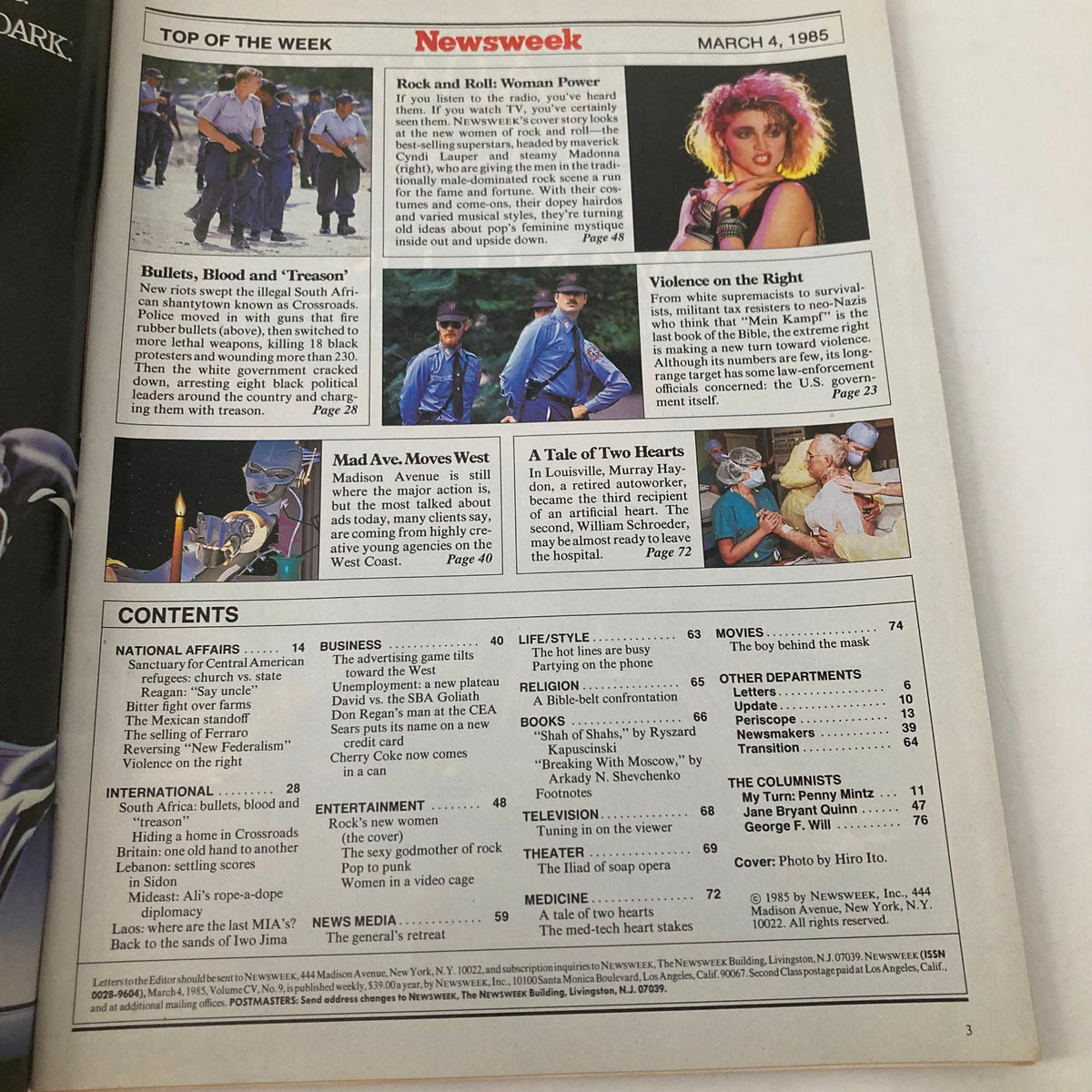
Vintage magazine coverage of the era's most gloriously unconventional pop icon was as vivid and maximalist as the subject herself. Photographers leaned into the chaos: teased hair backlit against neon gels, close-ups of smudged eye makeup worn as armor, full-length spreads that read more like costume exhibitions than standard celebrity portraiture. Rolling Stone chronicled her rise with the reverence typically reserved for rock gods, recognizing early that she was rewriting the rules of what a pop artist could be. People captured her crossover appeal — the working-class Queens girl made spectacularly, unapologetically good — while the fashion-forward editors at Spin treated her aesthetic as a serious cultural text, documenting the downtown New York art-pop scene she both inhabited and helped define. International titles, particularly from the UK and Japan — where her influence ran extraordinarily deep — produced some of the most striking visual coverage of the period, with Smash Hits offering the kind of breathless, intimate access that felt like a dispatch from another, more colorful planet.
Curator's Checklist: Highlights Often Include
- Breakthrough-era features (1983–1985) documenting the She's So Unusual phenomenon, including coverage of her record-breaking chart run and her incandescent, now-legendary debut at the MTV Video Music Awards
- MTV and music video culture profiles exploring her pioneering role in the visual medium, particularly the feminist undertones of Girls Just Want to Have Fun and the raw emotional power of Time After Time
- Fashion and style retrospectives cataloguing the thrift-store, neo-punk aesthetic she popularized — an influence that rippled forward through decades of pop and high fashion alike
- LGBTQ+ advocacy coverage from the late 1980s onward, when she became one of the first major pop artists to publicly and consistently champion queer rights during the height of the AIDS crisis
- Theatrical crossover features surrounding her Tony Award–winning work on Kinky Boots (2013), offering collectors a later-career chapter that cemented her status not merely as a pop curiosity, but as a genuine, enduring American artist
The Collector's Value
There is something irreplaceable about holding a thirty-year-old music magazine — the slight brittleness of the pages, the warm, faintly chemical scent of decades-old ink, the way a perfume advertisement from 1984 suddenly conjures an entire lost world just adjacent to the feature you came to read. Vintage print coverage of this particular icon carries an added weight: these were the primary documents of a cultural moment that felt, even at the time, like it would matter. The editorials are time capsules of a pre-internet pop landscape where a single magazine cover could make a career, and where the visual language of rebellion was still being invented in real time. For collectors of 1980s pop memorabilia, feminist cultural history, or LGBTQ+ heritage and advocacy, these publications offer not merely decoration, but genuine primary source material — evidence, pressed between covers, that one extraordinary woman truly changed the frequency of popular culture. Explore the current available inventory below and find the piece of that history that belongs in your collection.