📖 About this Collection
Dalai Lama: The Stillness That Moved the World
The Legend & The Legacy
In an age before viral moments and algorithmic feeds, the story of Tenzin Gyatso — the fourteenth Dalai Lama — reached the world through the measured, considered weight of print. Forced into exile from Tibet in 1959 following China's military crackdown, he carried an entire civilization's spiritual identity across the Himalayas and into the consciousness of the Western world, one magazine page at a time. For decades, readers in suburban living rooms and university libraries alike encountered his philosophy of compassion, nonviolence, and universal responsibility through long-form journalism and photographic essays — the only medium capable, in that era, of conveying both the gravity of his political displacement and the quiet radiance of his presence. His Nobel Peace Prize in 1989 transformed him from a revered religious figure into a global moral authority, and the press responded accordingly, placing him on covers and within feature spreads that would become documents of a civilization grappling with conscience.
Inside the Archive
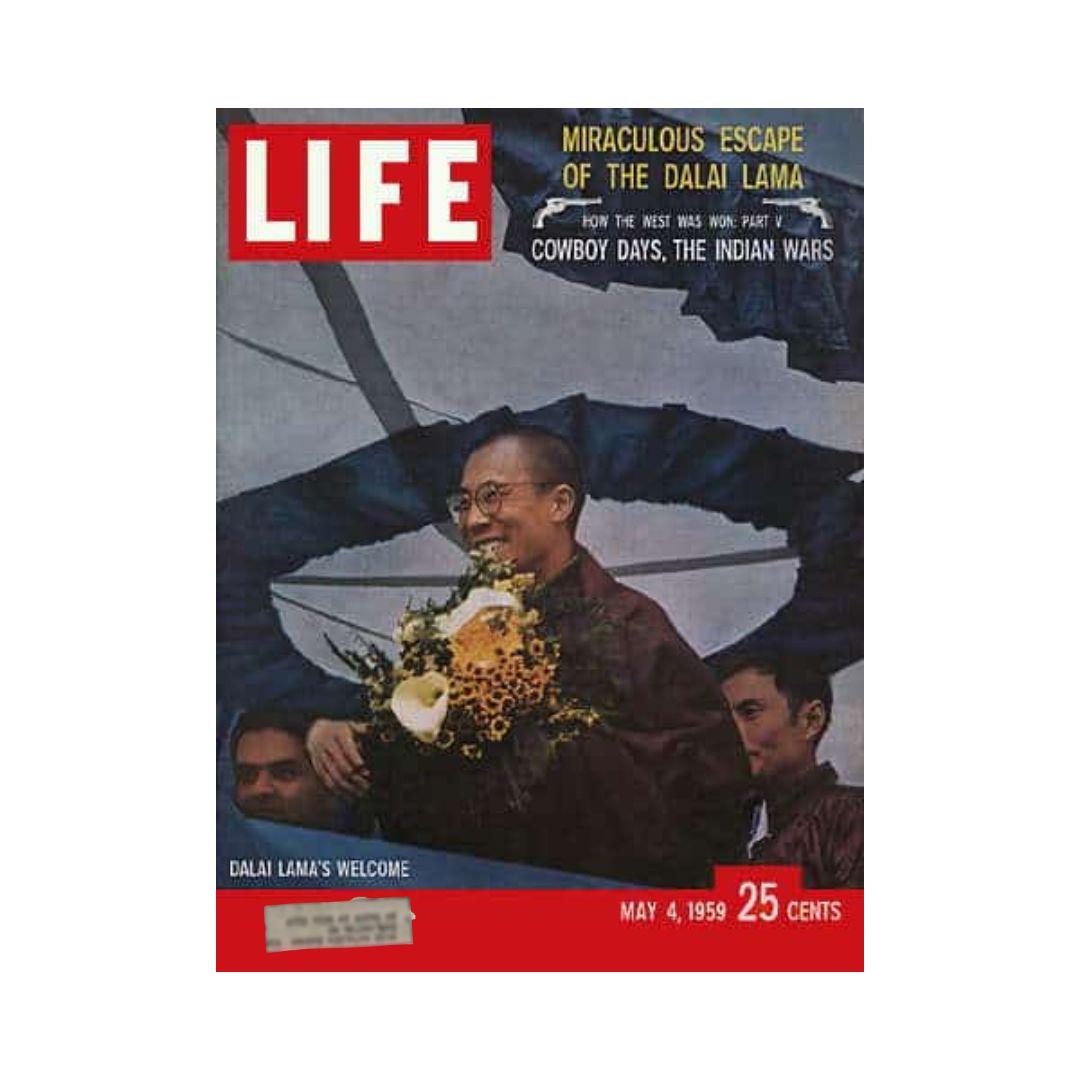
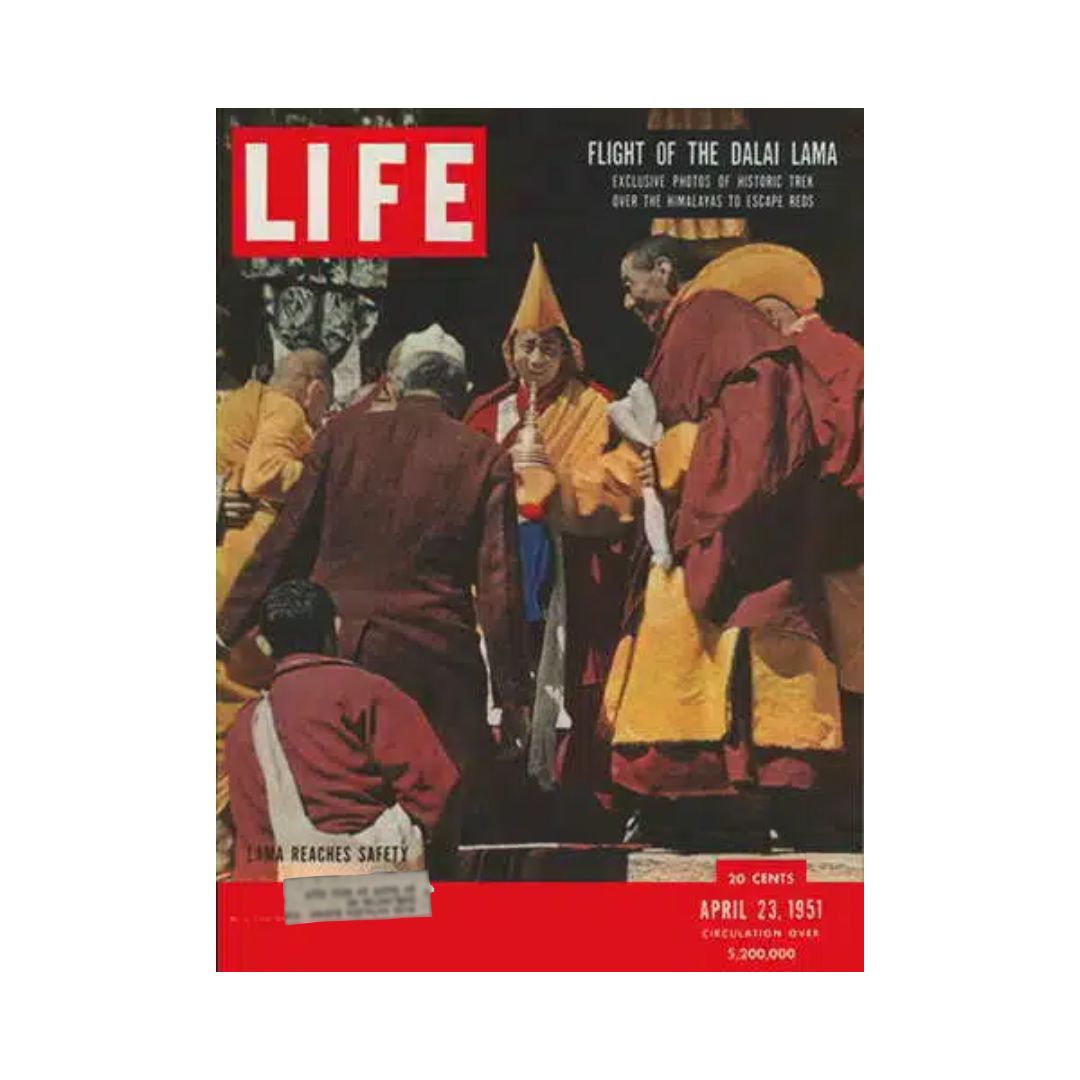
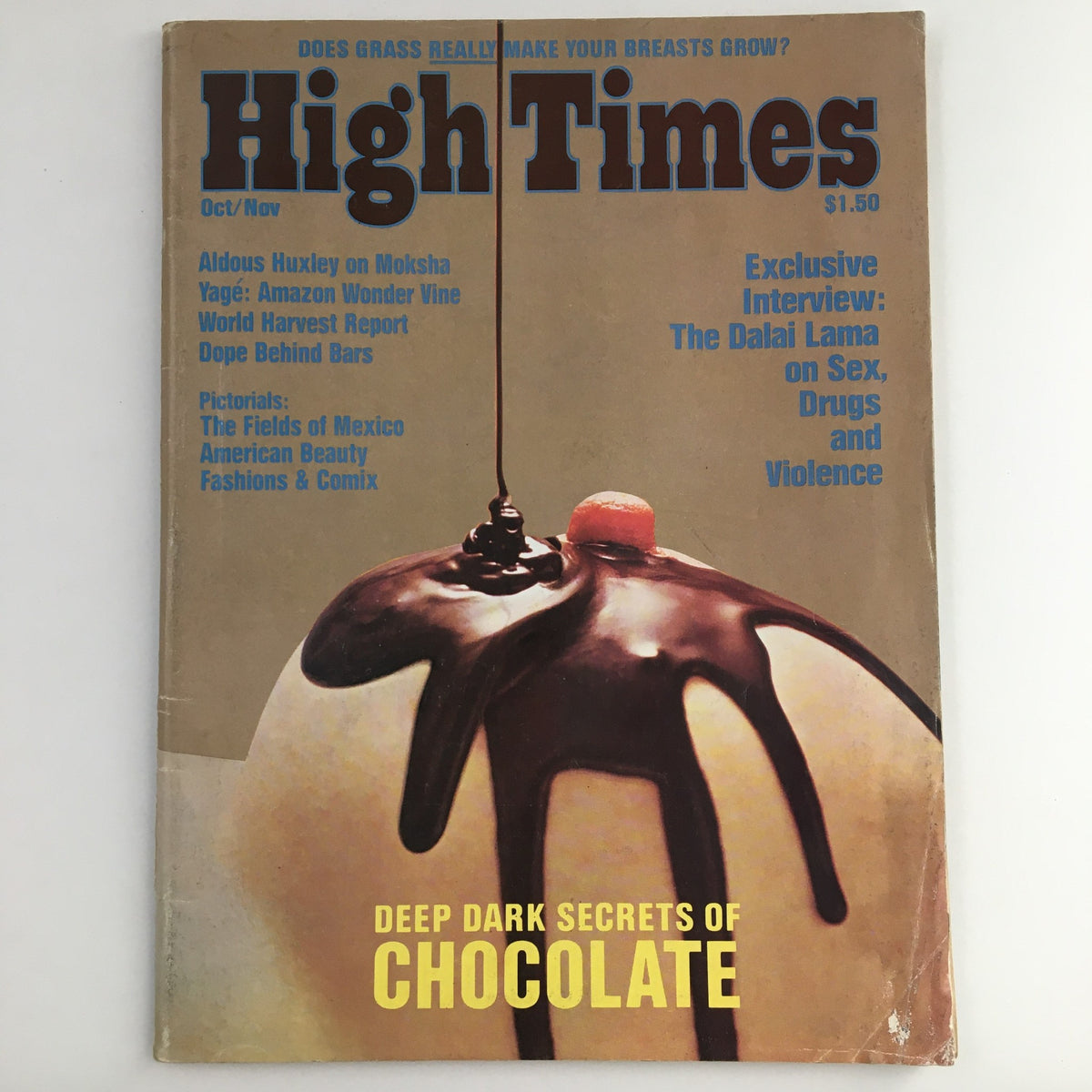
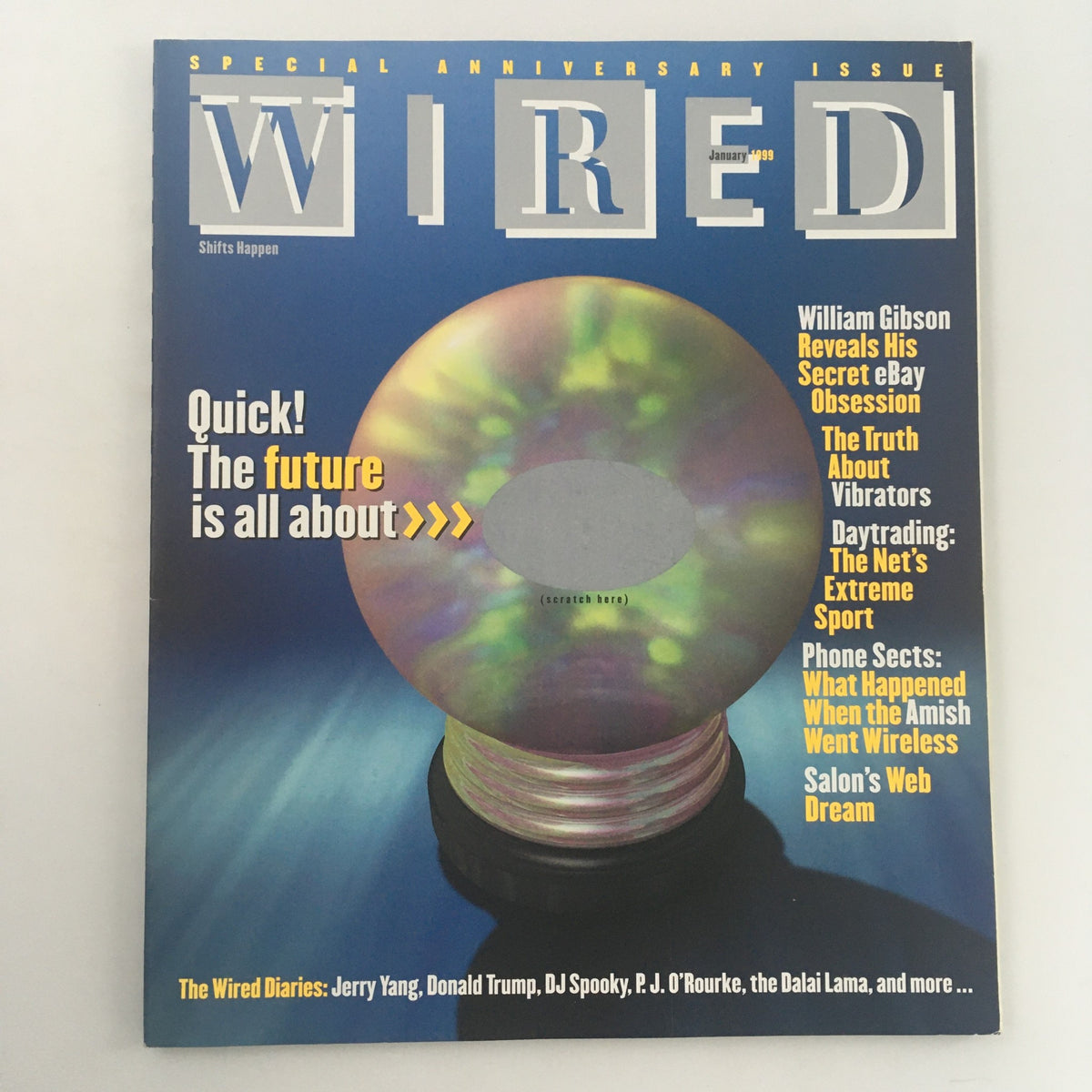
Vintage magazines approached the Dalai Lama with a reverence rarely afforded to political figures and a curiosity typically reserved for cultural phenomena. Photographers captured him in saffron robes against stark Himalayan backdrops, in earnest conversation with world leaders, and — memorably — in the unguarded warmth of his laughter, a quality that disarmed editors and readers alike. Life magazine brought his exile and the plight of Tibetan refugees into American homes with its signature blend of documentary photography and sweeping narrative, while Time chronicled his evolution from displaced monk to international statesman across multiple decades of cover features and in-depth profiles. The French publication Paris Match, with its tradition of photographing history's most compelling figures with cinematic intimacy, produced some of the most visually striking European coverage of his travels and audiences with heads of state. In the later decades of the twentieth century, as Eastern spirituality gained cultural traction in the West, publications ranging from National Geographic to specialist Buddhist and contemplative journals devoted substantial editorial space to his teachings, his advocacy for a free Tibet, and his singular place at the intersection of the sacred and the political.
Curator's Checklist: Highlights Often Include
- Exile & the Tibetan Crisis (1959–1960s): Early news magazine coverage documenting his flight from Lhasa, the establishment of the Tibetan government-in-exile in Dharamsala, and the international community's first extended introduction to his cause
- Cold War–Era Political Profiles: Features examining his diplomatic navigation between world superpowers, particularly the complex geopolitical tensions surrounding Tibet, China, and India throughout the 1960s–80s
- The Nobel Peace Prize (1989): Commemorative and news coverage from the award announcement and Oslo ceremony — among the most highly sought issues in this collecting category
- Interfaith & Philosophical Dialogues: Illustrated features from the 1970s–90s documenting his historic meetings with Pope John Paul II, Western scientists, and leading philosophers, reflecting the era's hunger for cross-cultural spiritual discourse
- Pop Culture & Mainstream Ascendance (1990s): Coverage from the period of peak Western fascination, including profiles tied to the films Kundun and Seven Years in Tibet, celebrity advocacy, and his growing presence in mainstream lifestyle and culture publications
The Collector's Value
To hold a vintage magazine featuring the Dalai Lama is to hold something that no digital archive can replicate — the specific weight of coated mid-century paper stock, the faint ghost of decades-old ink, the vivid improbability of a full-page advertisement for a 1962 Chevrolet sharing space with a photographic essay on a monk remaking the world from a hillside in northern India. These are primary sources: unmediated, unretouched by retrospect, reflecting precisely how editors and readers understood his significance in the moment of publication. The surrounding cultural context embedded in every issue — the fashion spreads, the political advertisements, the editorial letters — only deepens their historical texture. For collectors of world religious history, 20th-century political movements, or Himalayan and Tibetan cultural heritage, these publications offer an irreplaceable window into how print journalism bore witness to one of the most spiritually significant lives of the modern era. Explore the current available inventory below, and discover which pieces of that living history are waiting to find their next custodian.