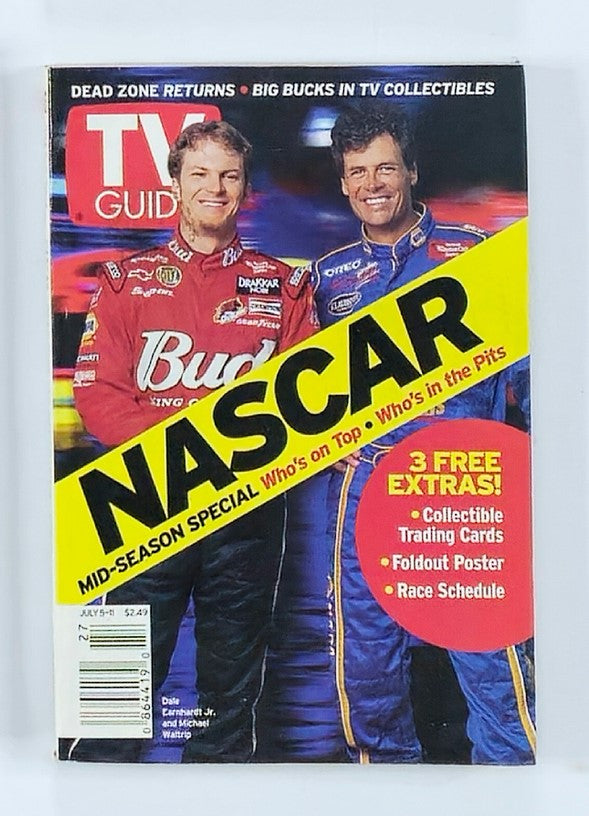
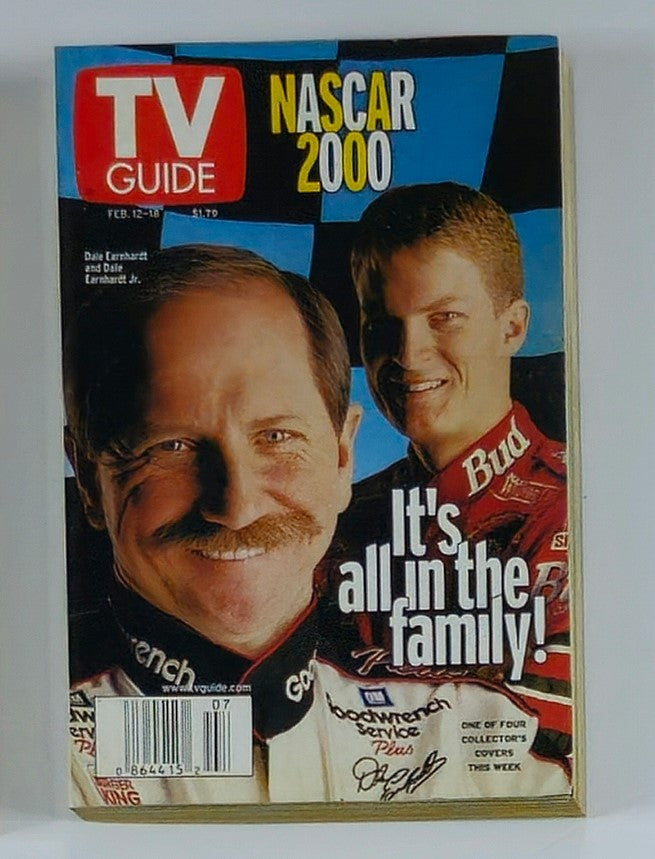
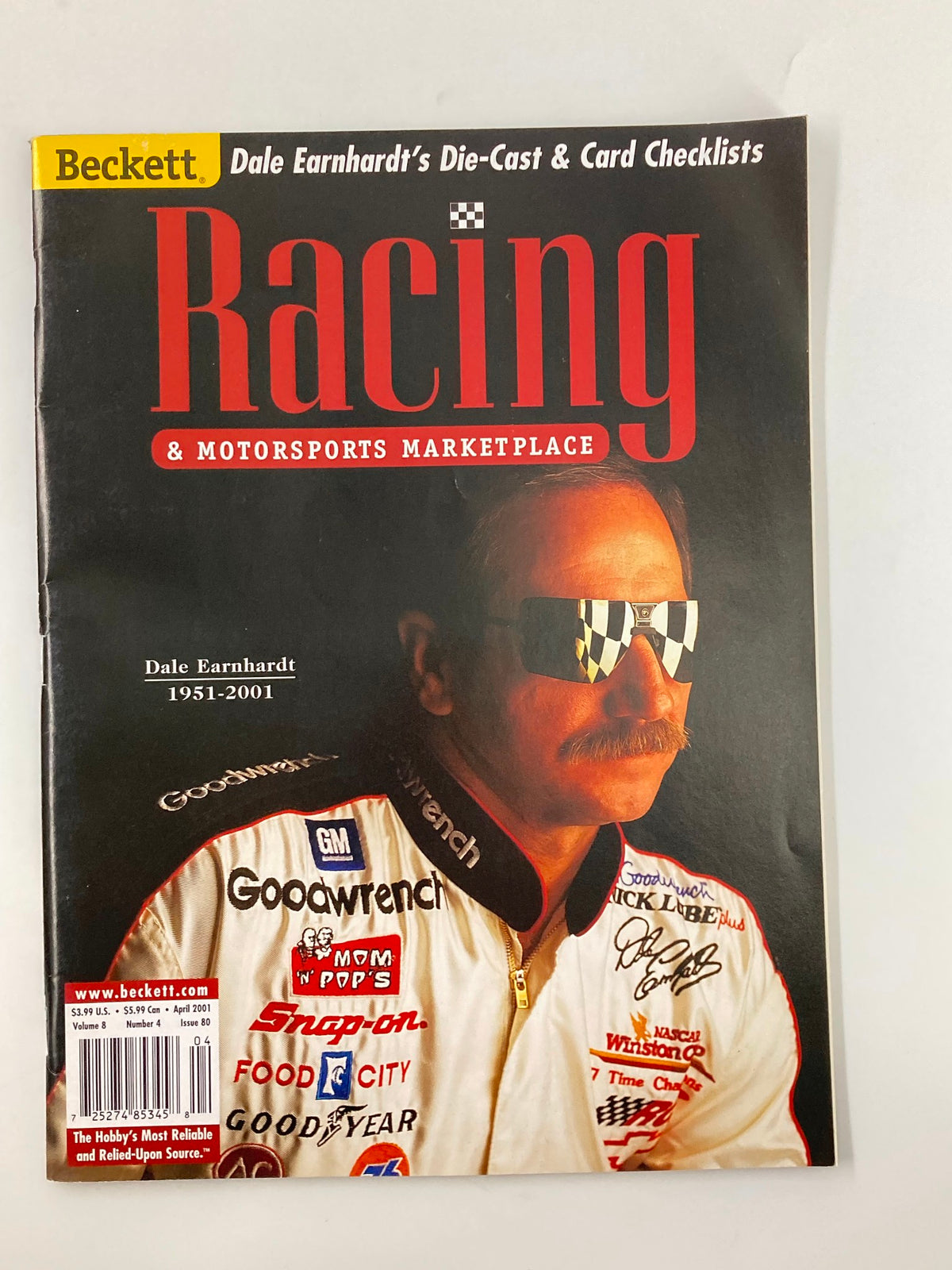
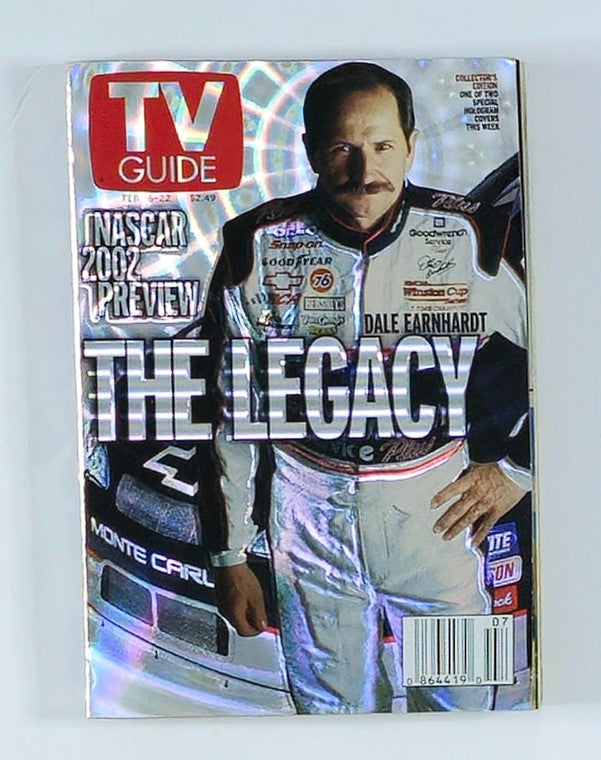
📖 About this Collection
Dale Earnhardt: The Shadow on the Wall at 200 Miles Per Hour
The Legend & The Legacy
Long before algorithms could track a lap time or social media could dissect a pit stop, the story of Dale Earnhardt lived and breathed on the printed page. The man they called The Intimidator was not merely a racing champion — he was a working-class folk hero, a son of the Carolina mills who clawed his way to seven Winston Cup championships and became the most mythologized figure in the history of American motorsport. In an era before the internet democratized sports coverage, devoted fans relied entirely on the thick, fuel-scented pages of motorsports publications and mainstream sporting press to follow his career. Each new issue was a revelation — a photograph of that unmistakable black No. 3 Chevrolet carving through Daytona, a sidebar on his ferocious rivalry with Jeff Gordon, or a cover portrait of that weathered, mustached face that seemed to embody the grit and thunder of the sport itself. Print media was not just how fans consumed his story; for millions across the American South and beyond, it was the only way they could hold onto it.
Inside the Archive
The vintage magazine coverage of Earnhardt is as raw and visceral as the man himself. Publications from the 1980s and 1990s captured him in a distinctly analog heroism — wide-angle pit lane photography drenched in tire smoke, close-up portraits that let readers study the cool focus behind those dark eyes, and editorial tones that swung between reverence and genuine apprehension at his aggressive driving style. Sports Illustrated brought him to the mainstream American audience repeatedly, framing him as a cultural phenomenon as much as an athletic one, particularly in the agonizing years when Daytona's win eluded him. The dedicated motorsports press, especially Stock Car Racing and Winston Cup Scene, offered the deep-dive technical and personal profiles that hardcore fans craved — car setups, team dynamics, the full emotional arc of each season. Meanwhile, general interest publications picked up his story in moments of triumph or controversy, cementing his crossover appeal as a figure who transcended the sport entirely.
Curator's Checklist: Highlights Often Include
- Championship season retrospectives — Coverage from his seven title-winning years (1980, 1986–87, 1990–91, 1993–94) often features season wrap-ups, points battle analysis, and full-color race photography that document the full sweep of his dynastic dominance
- Daytona 500 coverage — Collectors frequently seek out issues surrounding the Great American Race, particularly those documenting his 20-year quest to win it and the landmark 1998 victory that brought the entire NASCAR garage to its feet in celebration
- Richard Childress Racing team profiles — Editorial features on the No. 3 Chevrolet program, Earnhardt's partnership with RCR, and the engineering and sponsorship stories behind the iconic black and silver livery
- Rivalry features — Coverage of his fierce on-track battles with Jeff Gordon, Rusty Wallace, and Terry Labonte, often capturing the tension, controversy, and raw competition that defined NASCAR's golden television era
- Legacy and memorial issues — Following his tragic death at Daytona in February 2001, the racing and mainstream press produced some of the most emotionally charged tribute issues in sports magazine history, representing a defining moment in American print journalism
The Collector's Value
To hold one of these original issues is to hold something the digital age simply cannot replicate. The paper stock of a 1990s motorsports magazine has a particular weight to it — slightly coarse, with a warmth that glossy modern printing abandoned long ago — and the ink carries that faintly mineral, woody scent that transports you instantly back to a newsstand, a waiting room, a Saturday afternoon. The surrounding advertisements are a time capsule unto themselves: tobacco sponsorships, muscle car dealerships, motor oil brands that no longer exist, all framing the central story of a man who was, in those years, the undisputed king of American racing. These are primary source documents — unfiltered, unrestored, and irreplaceable records of how the sporting world saw him in real time, not through the softening lens of retrospect. For collectors of NASCAR memorabilia, American sporting history, or 20th-century print and advertising culture, these publications offer an intimate and tactile connection to a legend that no streaming archive or digital scan can ever fully honor. Browse the current available inventory below and discover which pieces of history are waiting to find a new home.