📖 About this Collection
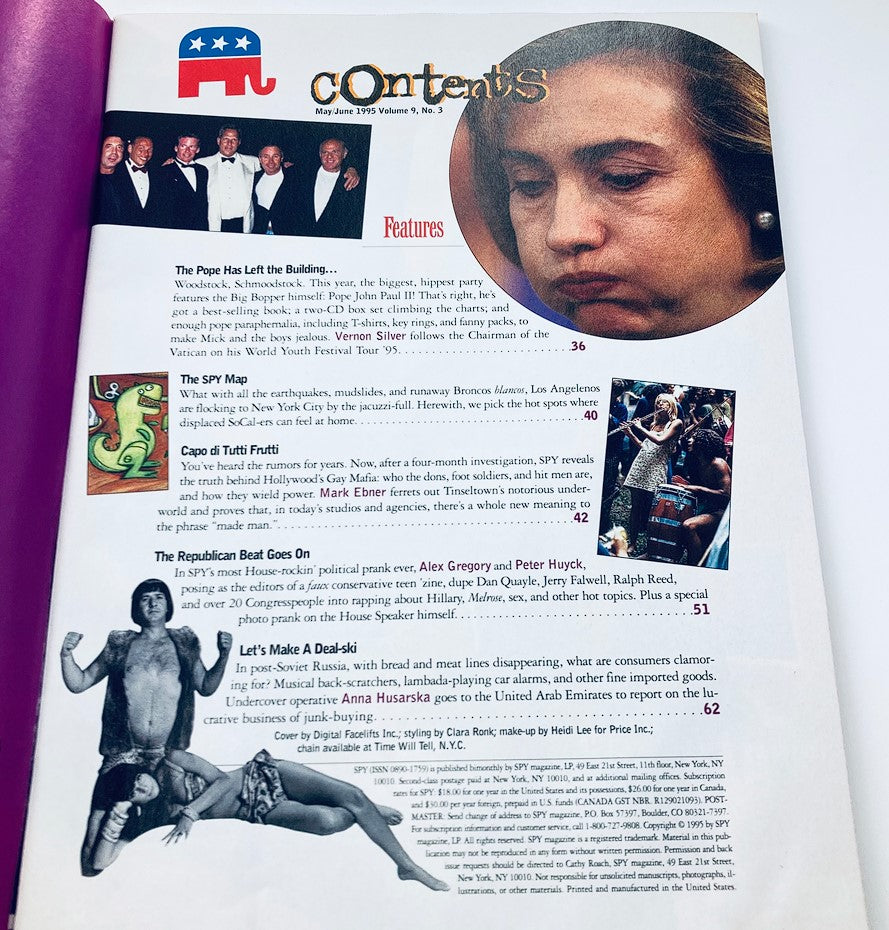
Dan Quayle: The Unlikely Vice President Who Defined an Era of Political Theater
The Legend & The Legacy
When Dan Quayle stepped into the national spotlight as George H.W. Bush's surprise running mate in 1988, the American press was handed a character study unlike any in recent political memory. Here was a young, handsome senator from Indiana — photogenic, patrician, and perpetually underestimated — who would go on to occupy the second-highest office in the land while becoming, simultaneously, one of the most lampooned figures in late 20th-century public life. Before Twitter storms and viral moments, it was the weekly newsmagazine, the Sunday supplement, and the glossy political journal that shaped how millions of Americans understood the man. His verbal gaffes became national mythology not through a trending hashtag, but through the deliberate, considered prose of print journalists and the sharp editorial cartoons tucked between full-page advertisements for American automobiles and breakfast cereals. The 1988 and 1992 election cycles generated a torrent of print coverage that captured a nation wrestling with questions of political competence, media fairness, and the theatre of modern democracy — all frozen now in newsprint and glossy stock.
Inside the Archive
The vintage magazines that chronicled the Quayle years offer a fascinating window into late Cold War American political culture. Time and Newsweek — the twin titans of American newsmagazine journalism — put him on their covers repeatedly, from the breathless speculation of his 1988 debut on the national stage through the tumultuous 1992 re-election campaign. Their photography favored the visual contrast he naturally provided: a boyish face alongside the gravitas of the Bush administration's elder statesmen, campaign trail imagery brimming with bunting and crowd energy. U.S. News & World Report took a more analytical editorial posture, probing his Senate record and policy positions with a seriousness that balanced the era's more sensationalist coverage. Meanwhile, international publications such as The Economist and Paris Match covered the Vice Presidency with a mixture of fascination and bemused detachment, offering European perspectives on the uniquely American spectacle he represented. Editorial cartoonists — whose work graced the pages of everything from general interest magazines to political weeklies — found in him an irresistible muse, and their illustrations remain among the most visually arresting artifacts of the period.
Curator's Checklist: Highlights Often Include
- 1988 Election Coverage: Issues documenting the shock of his vice-presidential nomination, the debate against Lloyd Bentsen, and the "You're no Jack Kennedy" moment that became one of the most quoted lines in American political debate history
- "Potatoe" & The Gaffe Chronicles: Features and follow-up editorials from 1992 dissecting his infamous spelling correction at a New Jersey elementary school — a media firestorm that print captured with particular editorial relish
- The Murphy Brown Controversy: Magazine features from mid-1992 covering his nationally debated speech on family values and his criticism of the fictional television character, a cultural flashpoint that generated weeks of cover stories and opinion columns
- Campaign Trail Portraiture: Glossy photojournalism spreads from both the 1988 and 1992 Republican campaigns, featuring the Vice President alongside President Bush at rallies, state dinners, and international summits
- Post-Administration Reflection Pieces: Thoughtful retrospective profiles from the mid-to-late 1990s reassessing his tenure, his Standing Firm memoir release, and speculation about a potential presidential bid in 2000
The Collector's Value
There is something irreplaceable about holding a thirty-five-year-old newsmagazine that covered these moments as they actually unfolded — not filtered through retrospect, but urgent, immediate, and alive with the assumptions and anxieties of their own moment. The slightly yellowed pages carry a faint, distinctive must of aged paper and period ink; the advertisements surrounding the political coverage — for long-discontinued cigarette brands, boxy American sedans, and Reagan-era financial products — place you viscerally inside the world that produced this history. These are primary sources in the truest sense: unrevised, undigitized, and tangible in a way no archive website can replicate. For collectors of American political memorabilia, late 20th-century media history, or Republican Party campaign ephemera, these publications offer an unmediated encounter with one of the more complex and culturally rich chapters of the modern presidency — a period when print still had the singular power to make or unmake a political reputation. Explore the current available inventory below and discover which pieces of this vivid chapter in American democracy are waiting to find a home in your collection.