📖 About this Collection
Dave Grohl: The Patron Saint of Rock & Roll Resilience
The Legend & The Legacy
Few figures in the modern rock canon have burned as brightly — or as authentically — as Dave Grohl. He arrived first as the thunderous heartbeat behind Nirvana, the Seattle trio that didn't merely change popular music in the early 1990s but detonated it entirely, scattering the wreckage of hair metal and pop artifice across the cultural landscape. When tragedy struck with the loss of Kurt Cobain in April 1994, the world watched — through newspaper columns, music weeklies, and glossy magazine retrospectives — to see what would become of the man behind the kit. What followed was one of rock's most remarkable second acts: the formation of Foo Fighters, a band built from grief and guitar noise that would go on to become one of the most beloved arena rock institutions of the next three decades. In an era before streaming algorithms and social media feeds, it was the printed page — the dog-eared music monthly, the oversized Rolling Stone spread, the imported British weekly — that carried his story into the hands of millions.
Inside the Archive
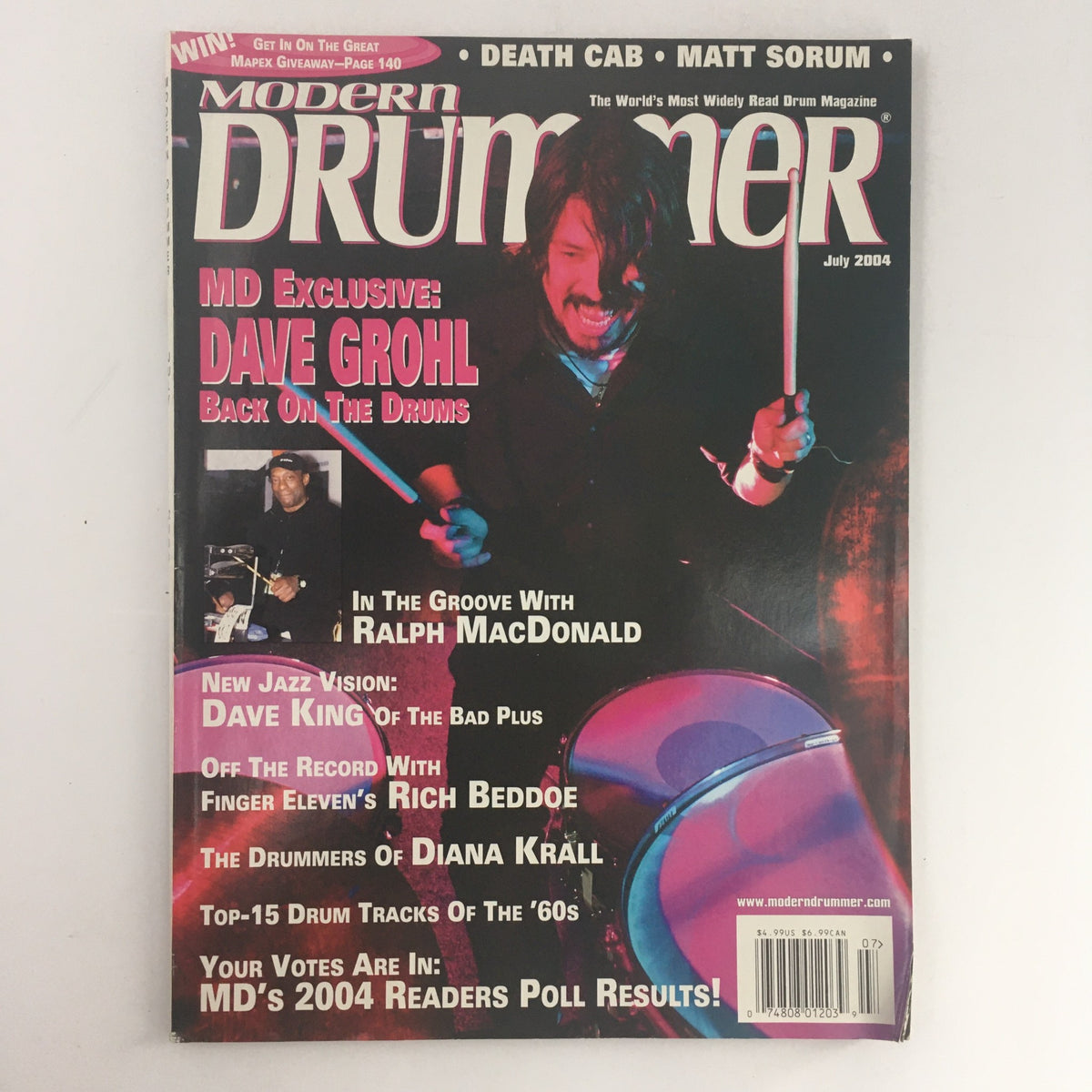
Vintage magazines captured Grohl with a rare and telling intimacy, reflecting both the raw urgency of grunge's first wave and the stadium-sized triumph of what came after. In the early Nirvana years, editorial photography leaned deliberately disheveled — flannel, blur, and beautiful chaos — shot in cramped backstage corridors or rain-soaked Pacific Northwest exteriors, the aesthetic inseparable from the music itself. As Foo Fighters ascended through the late 1990s and into the 2000s, the imagery grew bolder and more celebratory, matching the anthemic scale of records like The Colour and the Shape and There Is Nothing Left to Lose. Rolling Stone was perhaps his most natural home on the newsstands, featuring the band in sprawling cover packages that charted grunge's aftermath with genuine literary ambition. NME and Kerrang! in the United Kingdom tracked his every move with an almost devotional intensity, their British readership having adopted Nirvana and Foo Fighters as honorary home-grown heroes. Meanwhile, Spin offered some of the era's most critically probing coverage, positioning Grohl within the broader collapse and reinvention of American alternative rock with a sophistication that rewarded serious readers.
Curator's Checklist: Highlights Often Include
- Nirvana-era ensemble features from 1991–1994, in which Grohl appears as the kinetic, grinning counterweight to Cobain's brooding magnetism — some of the most historically significant rock photography of the 20th century's final decade
- Post-Cobain retrospectives and tribute issues from mid-1994, documenting the music world's collective grief and speculating on the futures of the surviving members, now invaluable as primary cultural documents
- Foo Fighters breakthrough coverage from 1995 through the early 2000s, chronicling the improbable rise of what began as a one-man home-recording project into a full-scale, Grammy-winning rock force
- Multi-page interview features in which Grohl speaks candidly about loss, legacy, and the almost defiant joy he brings to musicianship — profiles noted for their unusual emotional depth by the standards of mainstream rock journalism
- International editions and import weeklies from the UK and Europe, where the grunge movement was covered with particular scholarly enthusiasm and where Grohl's image graced covers that never reached American newsstands
The Collector's Value
To hold one of these original issues is to understand something that a playlist or a Wikipedia entry can never quite deliver. The paper stock of a mid-nineties Rolling Stone has a particular weight and warmth to it; the ink of a vintage Kerrang! carries a faint, glorious must that is inseparable from the era itself — the smell of record shops, rehearsal spaces, and late nights in college dorm rooms where this music genuinely mattered. The surrounding advertisements are their own time capsule: the CD club promotions, the guitar gear catalogs, the fashion spreads that document exactly how the world looked and wanted to look in those years. These are not reprints or commemorations — they are the original dispatches, printed and distributed in the very weeks and months that history was being made, before anyone knew quite how significant it would all become. For collectors of grunge and alternative rock memorabilia, Nirvana and Foo Fighters archival material, or 1990s and 2000s popular music history, these publications offer something no merchandise or reissue ever can: an unmediated window into the moment itself. Explore the current selection of original issues available below, and find the piece of that story that belongs in your collection.