📖 About this Collection
David Cassidy: The Boy Who Made a Generation Scream
The Legend & The Legacy
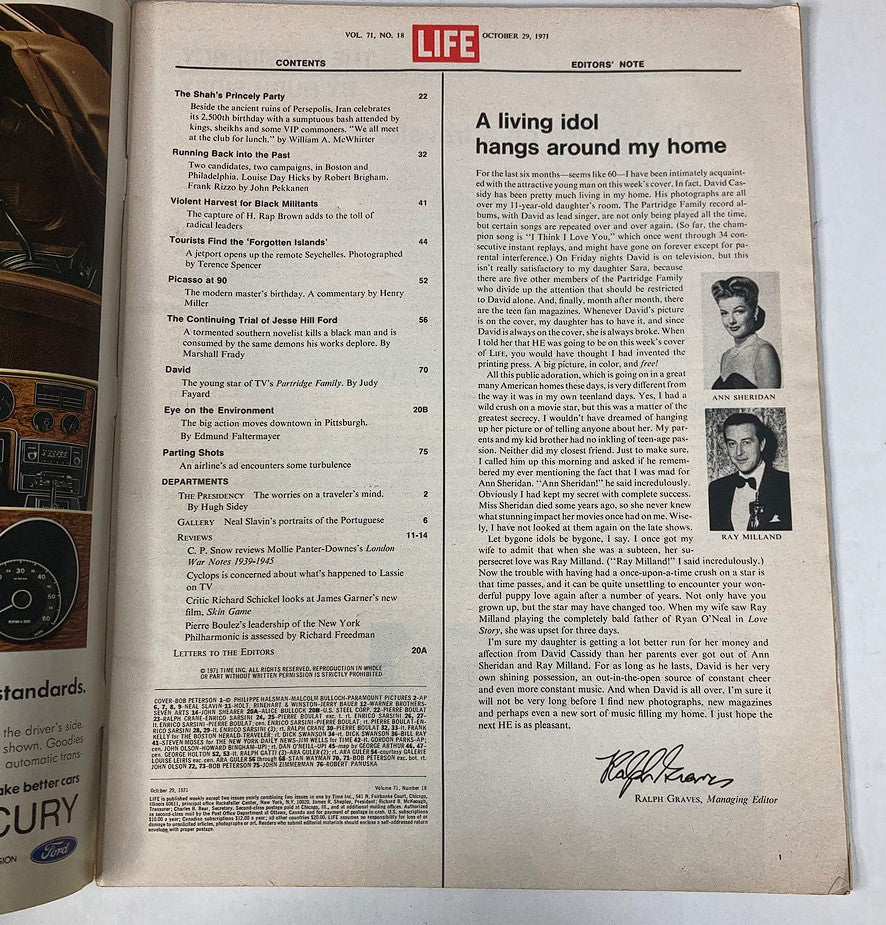
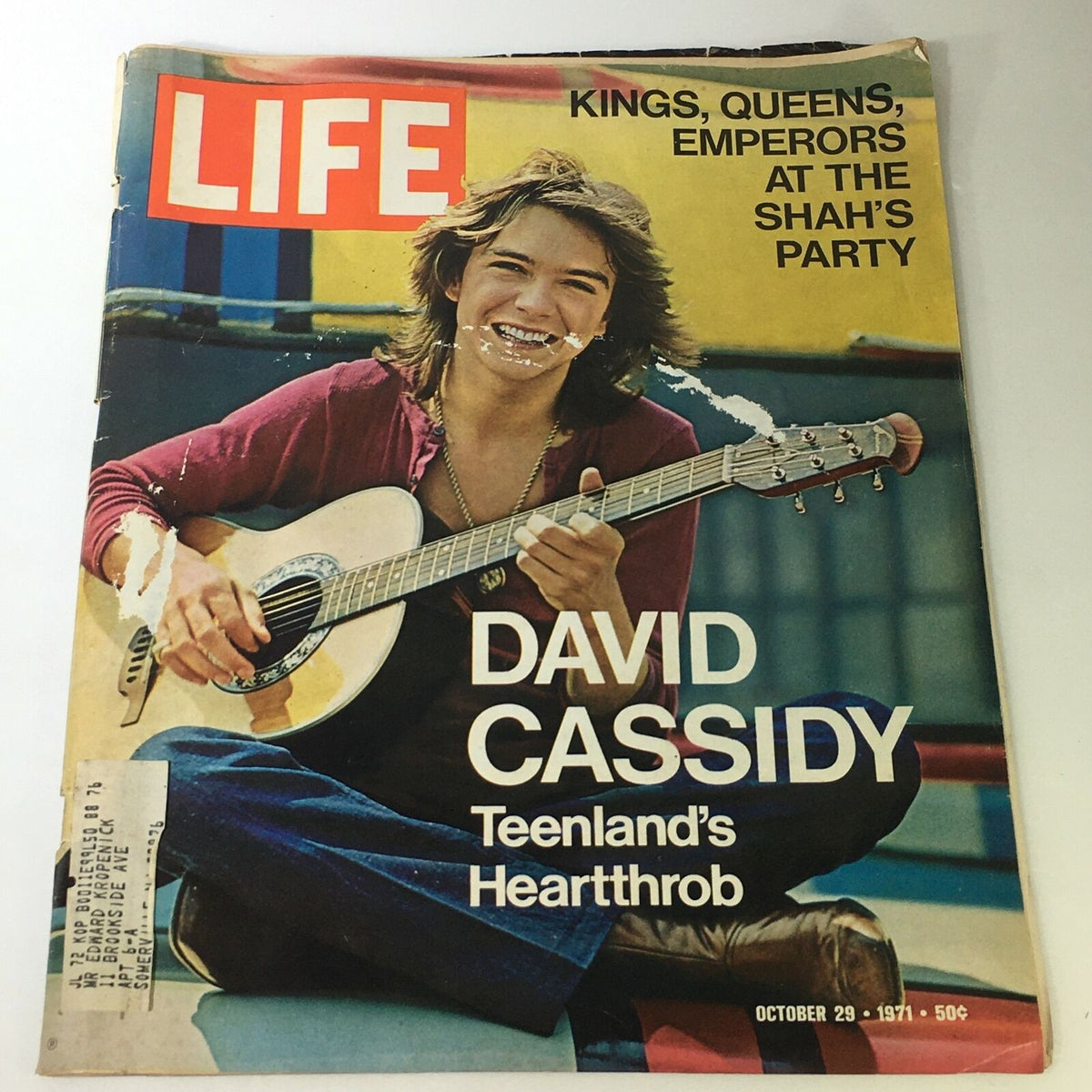
In the early 1970s, no face was more ubiquitous on the newsstand than that of David Cassidy. As Keith Partridge on The Partridge Family, he did not merely play a pop star — he became one, igniting a cultural phenomenon that swept across living rooms, schoolyards, and bedroom walls with an almost frightening velocity. At the height of his fame, he was selling out 20,000-seat arenas and reportedly receiving more fan mail than any celebrity alive, surpassing even The Beatles at their peak. In an era before streaming, before social media, before the internet collapsed the distance between idol and admirer, the glossy printed page was the only portal fans had into his world. A magazine was not a luxury — it was a lifeline. Those publications were passed hand-to-hand in schoolyards, their covers pressed carefully between mattresses, their pages worn soft at the edges by the reverent touch of a million devoted readers.
Inside the Archive
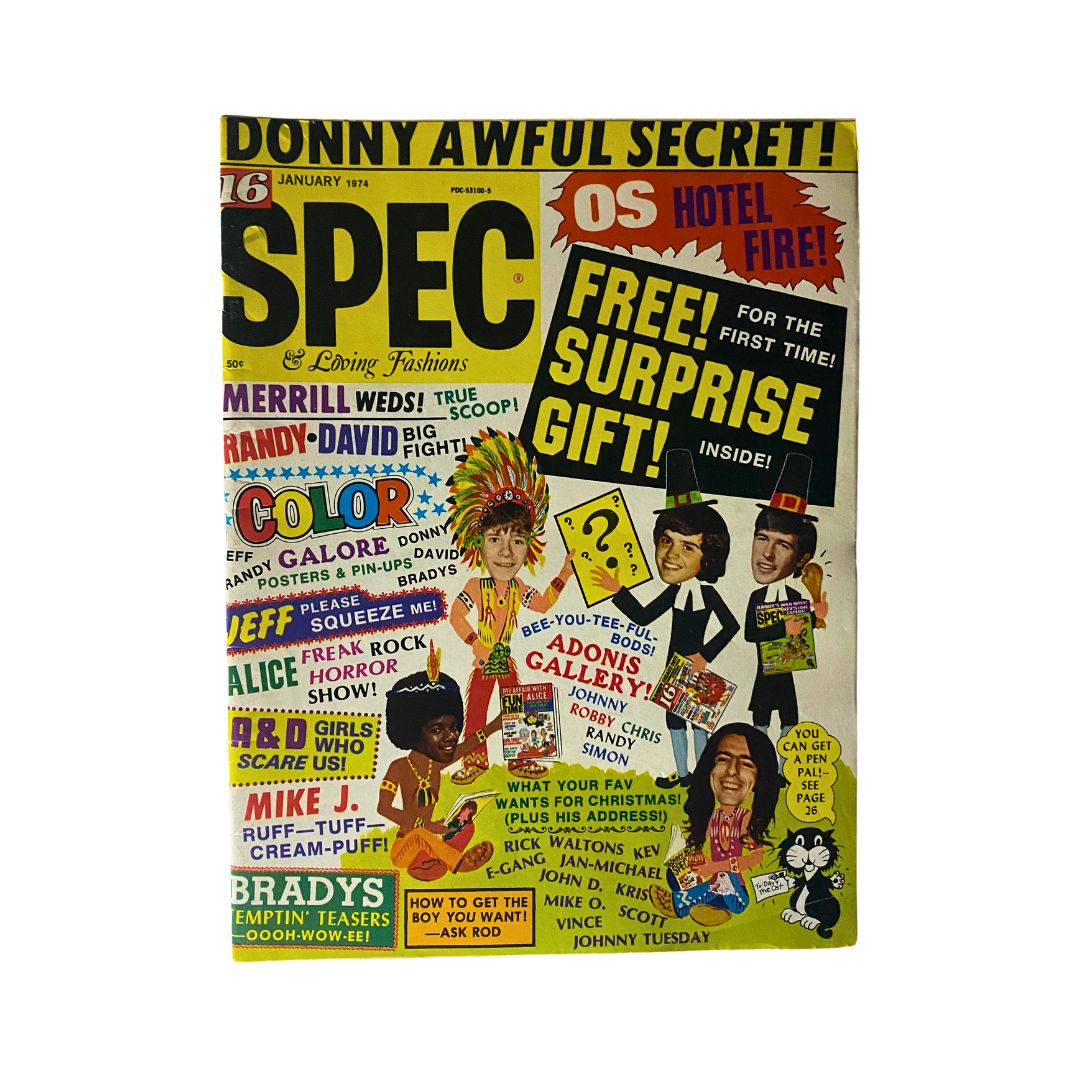
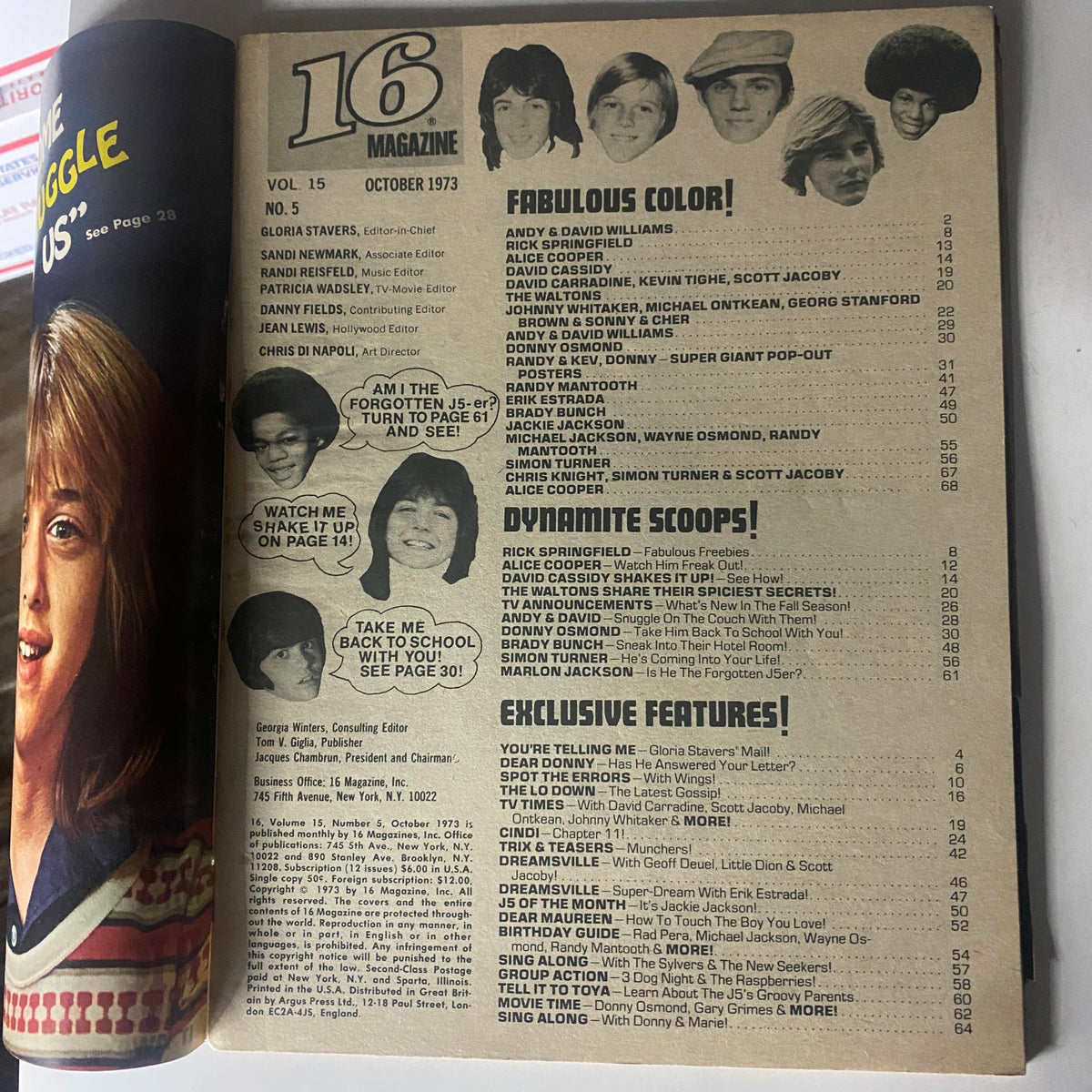
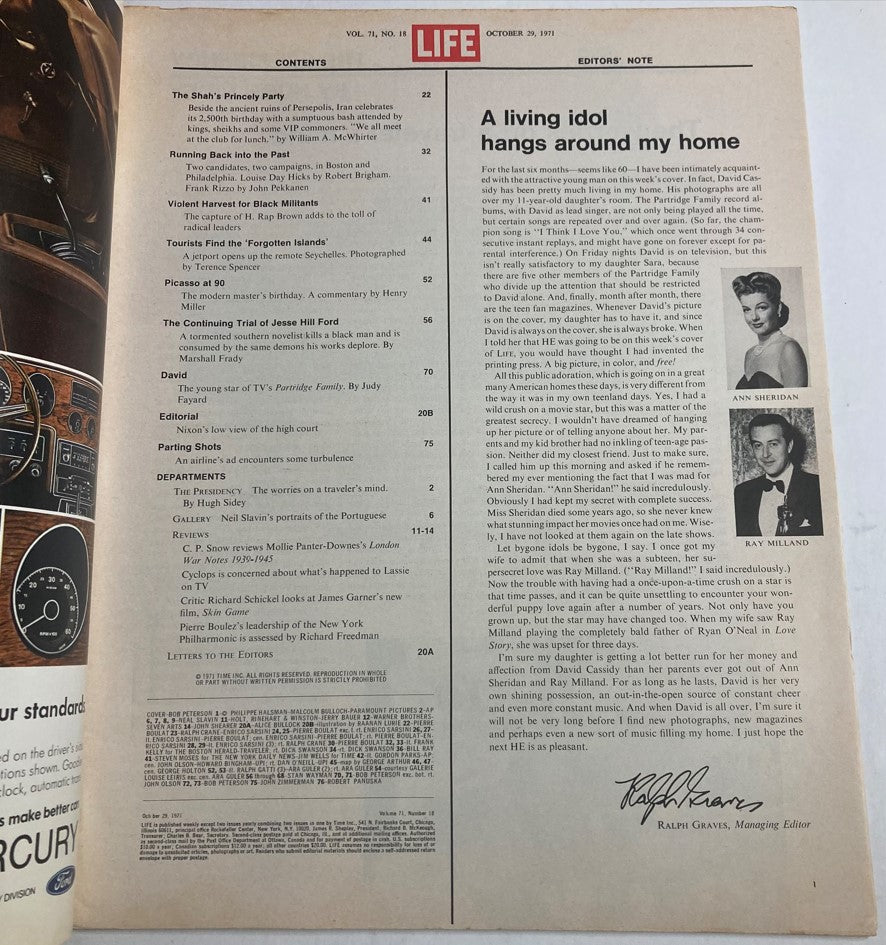
Vintage magazines of the early-to-mid 1970s treated the young heartthrob with a visual opulence entirely befitting his stature. Editorial photography of the era captured him in the golden, warm-toned aesthetic of the decade — soft focus, natural light, and an intimate informality that made readers feel as though they were glimpsing something private and true. The teen press, led by titans such as Tiger Beat and 16 Magazine, devoted entire issues — and sometimes multiple consecutive covers — to the idol, running exclusive interviews, centrefold posters, and breathless personal profiles that read like dispatches from a fever dream. More mainstream outlets, including People and TV Guide, tracked his trajectory with a more journalistic eye, documenting both his stratospheric rise and his deliberate, courageous decision to step away from it all at the peak of his powers. International publications, particularly from the UK and Australia where Cassidy-mania burned just as fiercely as in the States, offer a fascinating parallel perspective — coverage that was often more candid, more musically serious, and strikingly different in tone from their American counterparts.
Curator's Checklist: Highlights Often Include
- Iconic cover appearances from Tiger Beat, 16 Magazine, and Fave featuring the era's signature full-bleed portrait photography, often accompanied by pull-out centrefold posters still intact inside
- Behind-the-scenes features on The Partridge Family set from entertainment weeklies and TV guides, offering a rare window into the production that made him a household name across the English-speaking world
- Concert and tour coverage from 1971–1974 documenting sell-out world tours, including the tragic Astroworld incident of 1973 that became a pivotal moment in his decision to leave teen stardom behind
- Crossover editorial features in more mainstream publications as the music press — including Rolling Stone and Melody Maker — grappled seriously with his artistic identity and his desire to be taken as a genuine musician beyond the teen-idol machinery
- International editions from British, Australian, and European fan magazines that provide a globalised portrait of his fame, with markedly different photographic styles and editorial angles rarely seen in American archives
The Collector's Value
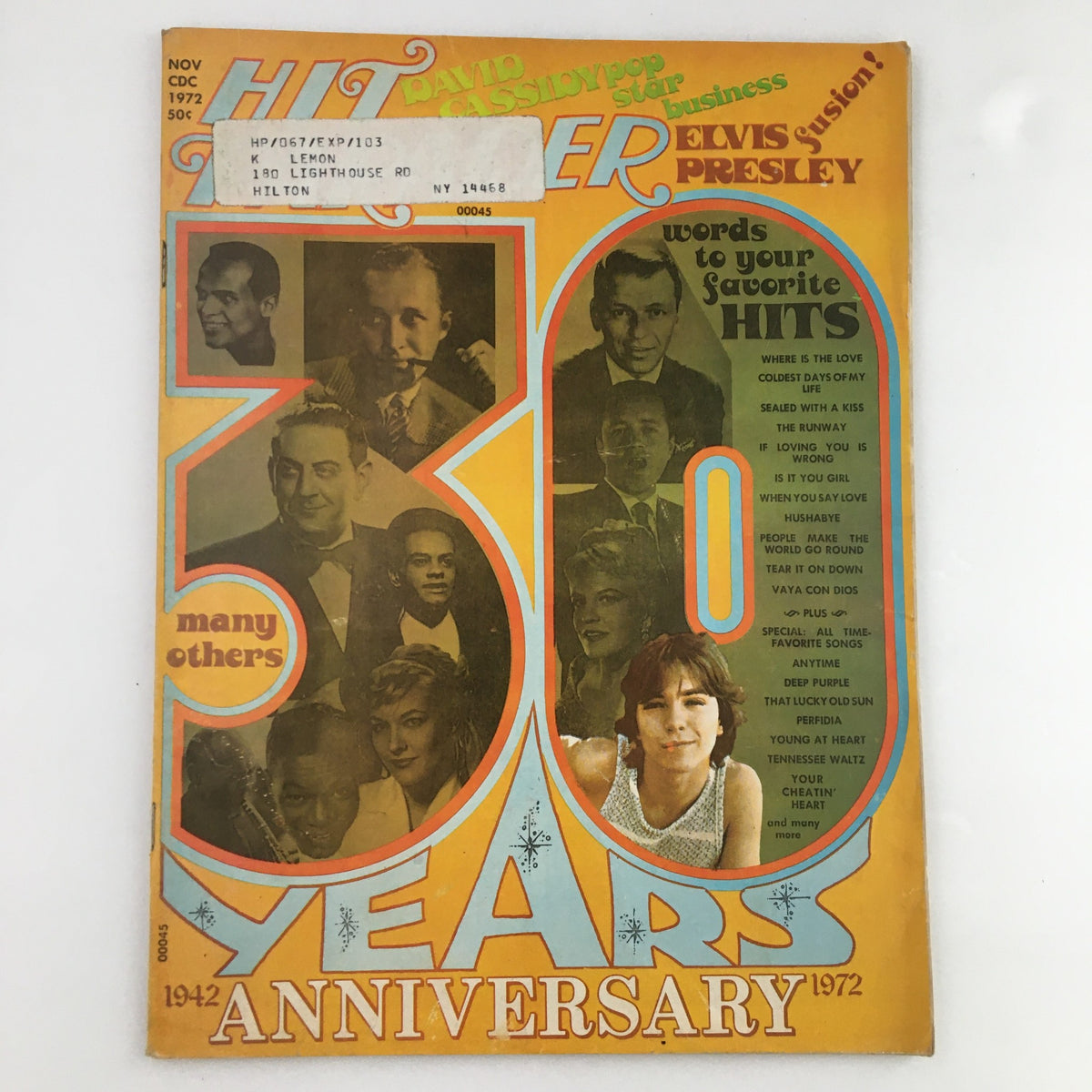
To hold one of these magazines today is to hold time itself. The paper stock of the early 1970s carries a particular weight and warmth — slightly heavier than the brittle newsprint of later decades — and the ink, whether on a glossy Tiger Beat cover or the matte interior pages of a British music weekly, carries that faint, intoxicating scent that no digital archive can ever replicate. These are primary source documents: unfiltered, unrestored, and alive with the context of their moment, right down to the advertisements for eight-track players and mood rings that bracket the editorial content. A worn subscription label in the corner, a price sticker in old currency, a handwritten name on the inside cover — each imperfection is a certificate of authenticity, proof that this object lived in the world and was loved. For collectors of vintage teen memorabilia, 1970s pop culture ephemera, or classic television history, these publications offer something no reproduction or retrospective can: the unmediated experience of the era as it was actually lived, page by breathless page. Explore the current available inventory below and discover which piece of that golden, vanished world is waiting for you.