📖 About this Collection
David Hasselhoff: The Eternal Lifeguard of the Collective Imagination
The Legend & The Legacy
Few figures in modern entertainment history have achieved the rare distinction of becoming a genuine global phenomenon twice over — and in two entirely separate cultural arenas. David Hasselhoff first captured the Western world's imagination behind the wheel of a talking car, as the leather-jacketed Michael Knight in Knight Rider, a series that made him the embodiment of 1980s American cool: slick, invincible, and thoroughly cinematic. Then, draped in red and running in slow motion along the Californian shoreline, he became Mitch Buchannon — the sun-bronzed guardian of Baywatch, a show that would become, by some measures, the most-watched television programme on the planet. But the story did not stop at Hollywood. In a twist that history has treated as both remarkable and entirely fitting, the Hoff became a beloved pop icon in Germany, his music soundtracking the final, euphoric hours of the Berlin Wall's collapse in 1989 — a moment of genuine historical gravity that cemented him, improbably and indelibly, in the annals of 20th-century culture. In an age before streaming and social media, magazines were the sole intimate lens through which a global audience followed this multifaceted career, issue by carefully collected issue.
Inside the Archive
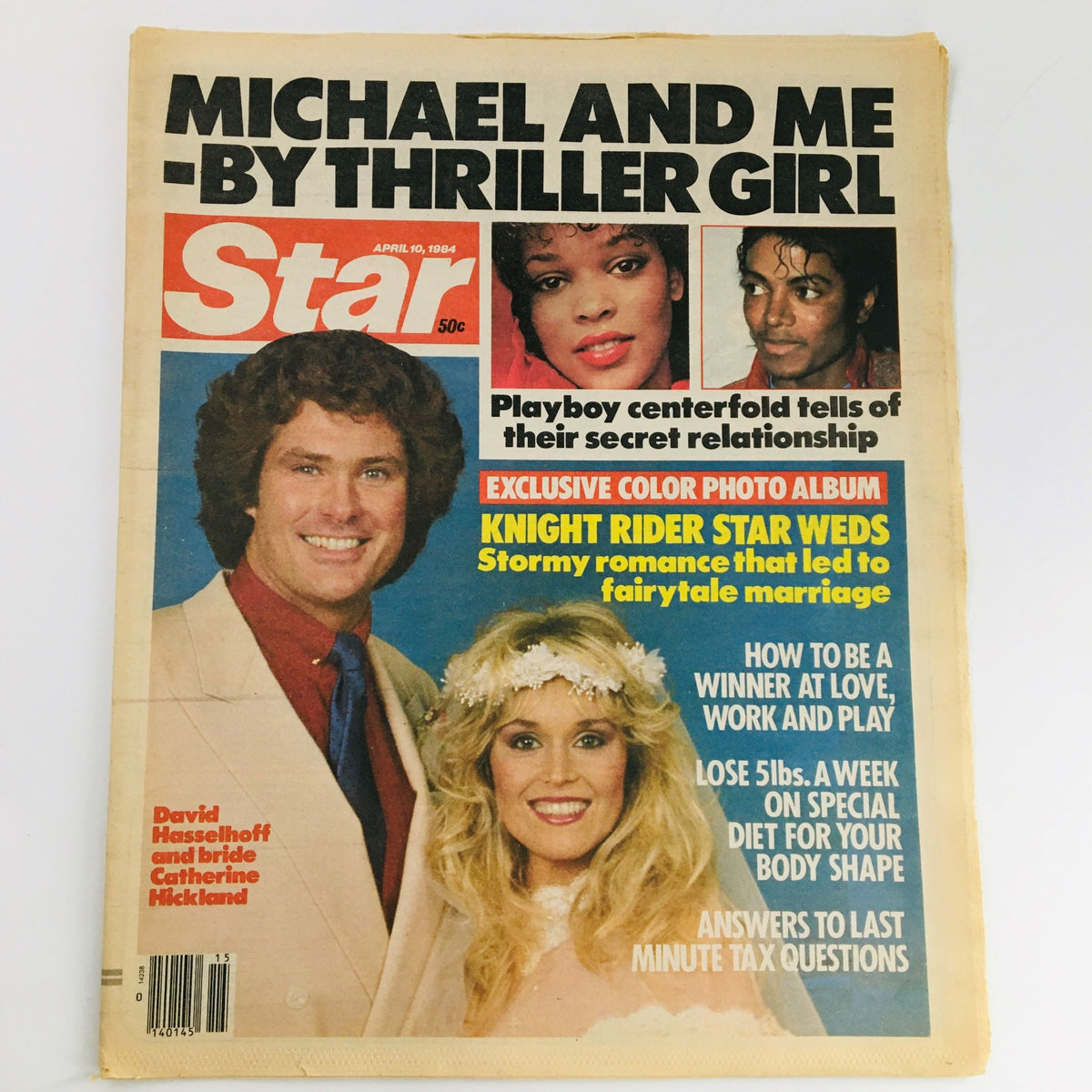
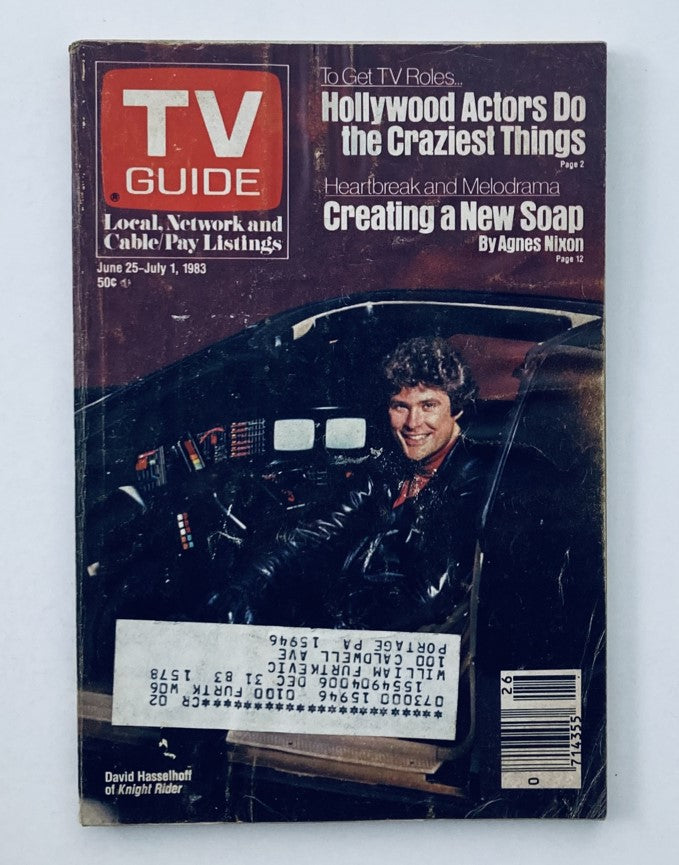
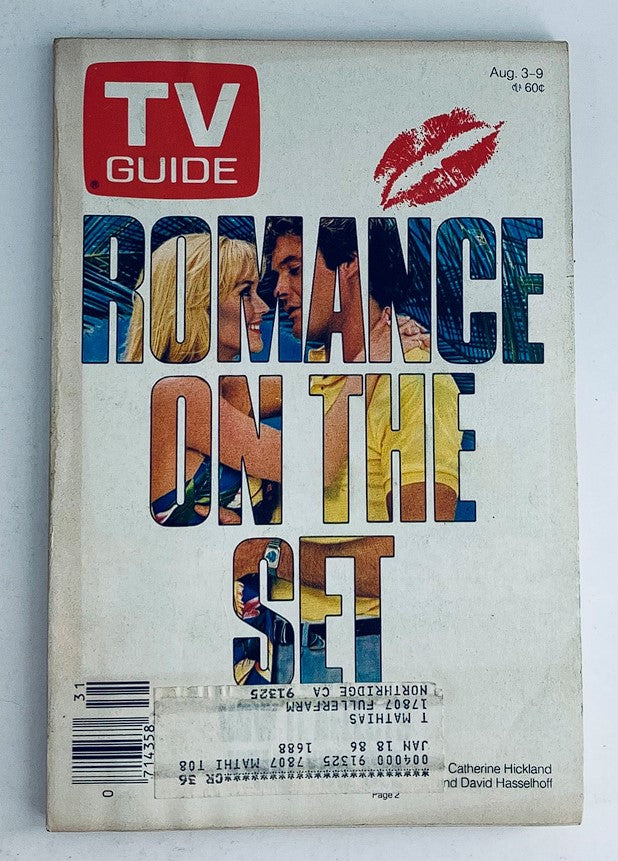
The vintage magazines that documented his ascent tell a story that pixels could never replicate with the same warmth or texture. American entertainment weeklies and television monthlies of the 1980s photographed the Knight Rider star with the high-contrast, saturated glamour that defined the decade — studio portraits bathed in dramatic lighting, on-set exclusives, and glossy double-page spreads that celebrated the era's love affair with action television. As Baywatch conquered international markets through the early-to-mid 1990s, the photographic style shifted toward sun-drenched outdoor shoots — turquoise water, golden-hour light, and the effortless physicality that made the show a visual language understood across every continent. Publications such as TV Guide, which chronicled his dominance of the American primetime landscape with cover features and reader polls, People magazine, which traced the full arc of his personal and professional life with its signature blend of warmth and candour, and the German illustrated giant Stern, which captured him at the height of his extraordinary Central European celebrity with a reverence befitting a cultural statesman, each offered their readership a different and irreplaceable facet of the same extraordinary story.
Curator's Checklist: Highlights Often Include
- Knight Rider-era television features from the early-to-mid 1980s, frequently spotlighting the groundbreaking man-machine dynamic of the show, behind-the-scenes production profiles, and the meteoric rise of its leading man to household-name status
- Baywatch cast and lifestyle spreads from the peak syndication years of the early-to-mid 1990s, often featuring location photography on the beaches of Los Angeles and Hawaii, alongside cast interviews that positioned the show as a cultural export of remarkable reach
- German and Central European publications from the late 1980s onward documenting his improbable but deeply sincere pop music career, including coverage of his New Year's Eve 1989 performance at the Brandenburg Gate — one of the most emotionally charged public concerts of the postwar era
- Celebrity profile and personal life features spanning tabloid monthlies and prestige entertainment magazines alike, covering his marriages, his candid personal struggles, and the remarkable self-awareness that later endeared him to a new generation as a pop-culture touchstone
- International television and entertainment weeklies from markets across Europe, Australia, and Latin America, reflecting the extraordinary geographic breadth of Baywatch's syndication and the genuinely global scale of his fame at its zenith
The Collector's Value
To hold one of these original issues is to hold something that no digital archive can honestly replicate — the slight give of aged, coated paper stock beneath your fingertips, the faint and unmistakable perfume of decades-old printing ink, the surrounding advertisements for products and fashions that place you instantly and completely inside a specific, irretrievable moment in time. These are primary sources: objects that were printed, distributed, purchased, and read by people who experienced this cultural phenomenon in real time, without the benefit of nostalgia or hindsight to tell them how significant it would all prove to be. The covers alone — bold, confident, lit with the particular visual grammar of their respective decades — function as artefacts of graphic design history as much as celebrity portraiture. For collectors of 1980s and 1990s television memorabilia, Cold War and reunification-era European cultural history, or beach and lifestyle pop culture ephemera, these publications offer something precious: an unmediated, tactile connection to a story that spanned continents, genres, and generations, told in the vivid, immediate language of the era that produced it. Browse the current available inventory below and discover which pieces of that story are waiting to come home with you.