📖 About this Collection
Debbie Harry: The Platinum Muse of a Generation in Revolt
The Legend & The Legacy
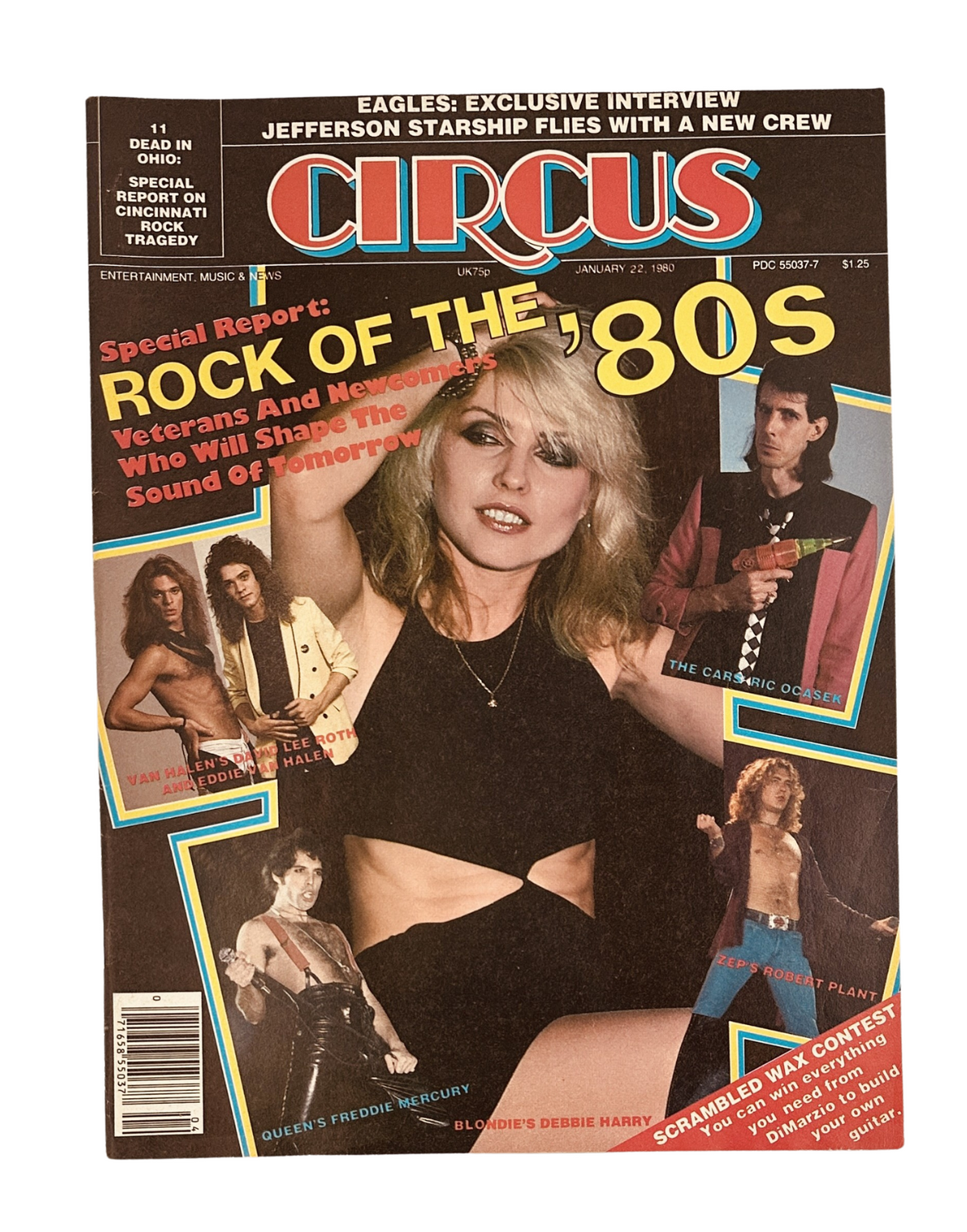
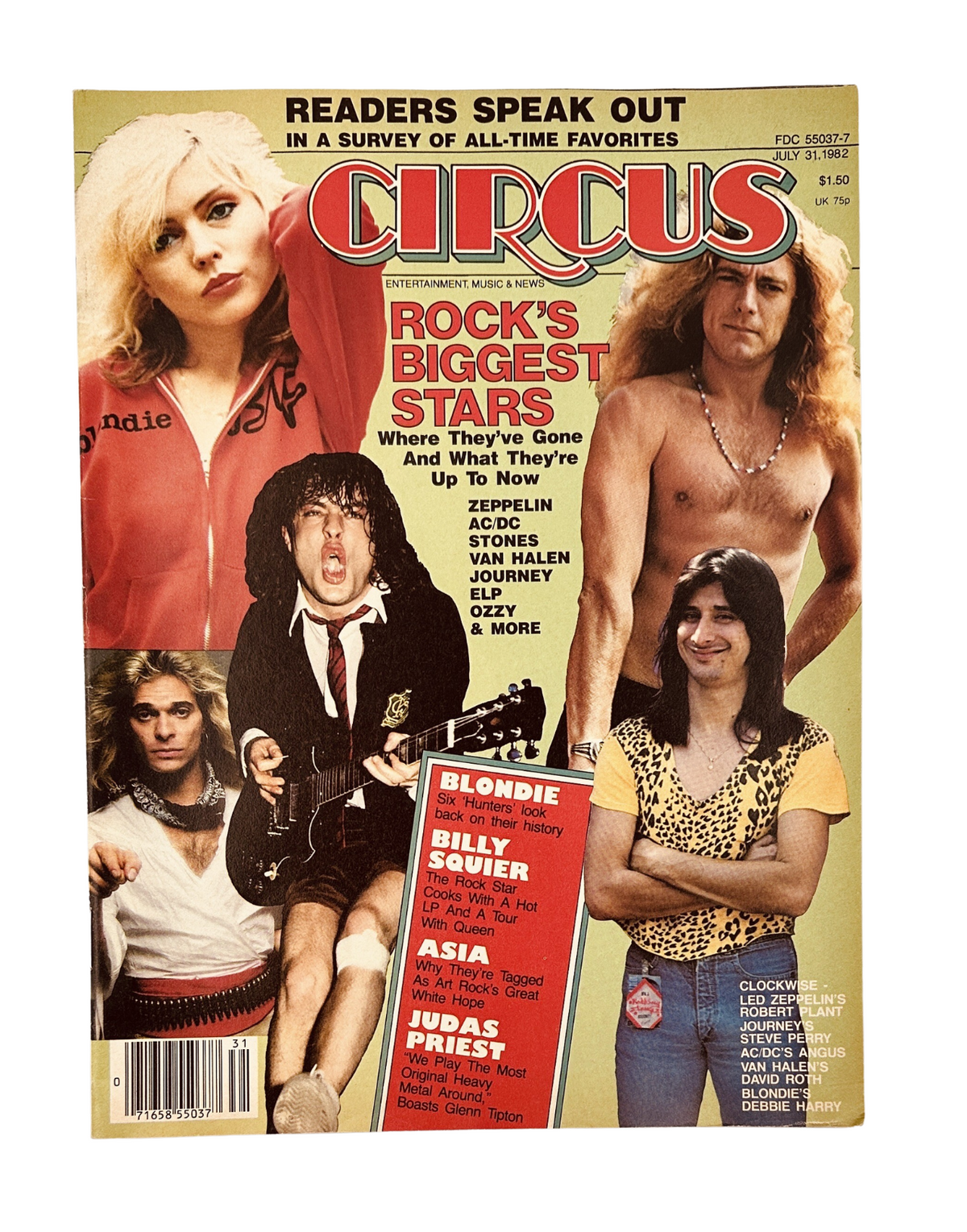
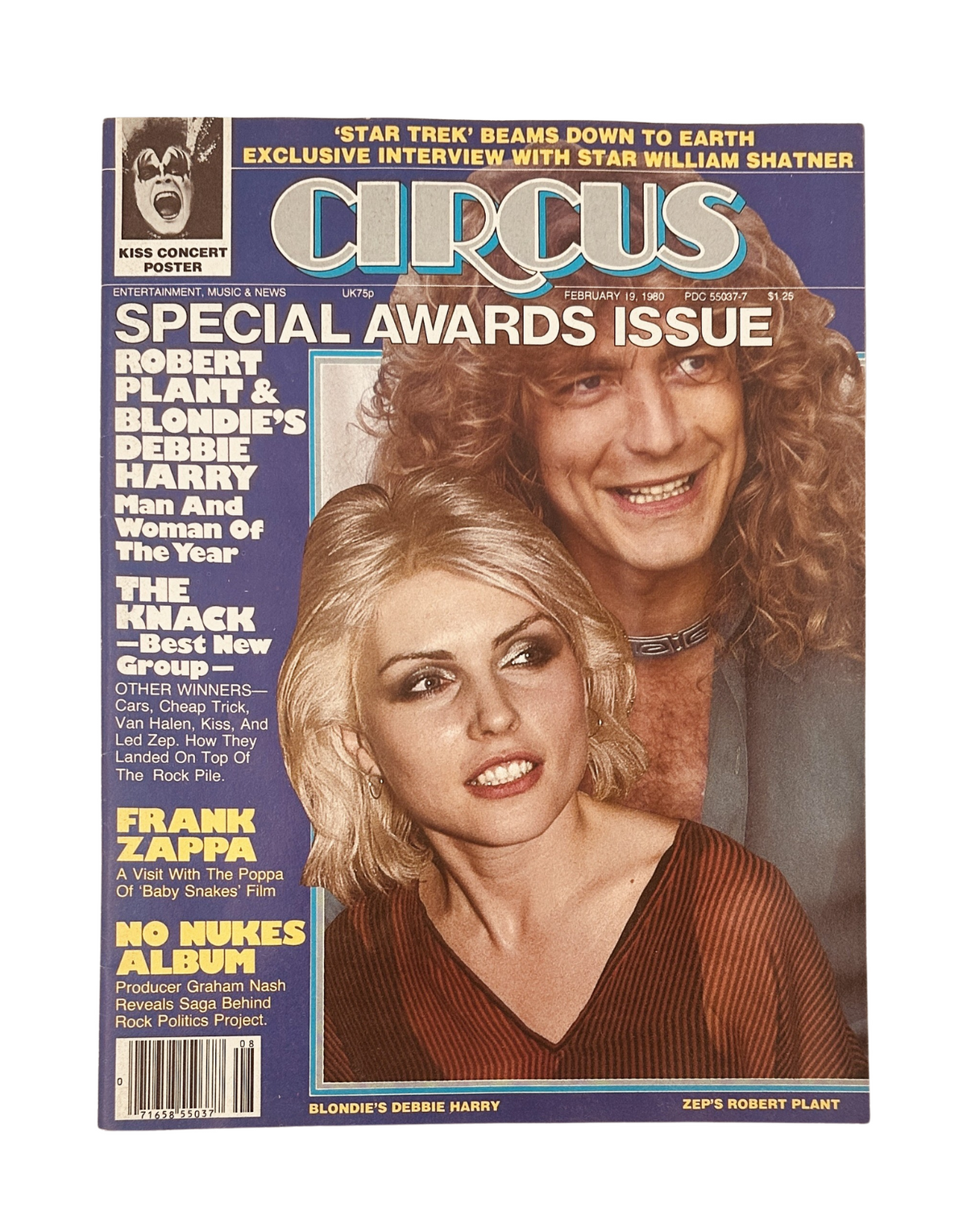
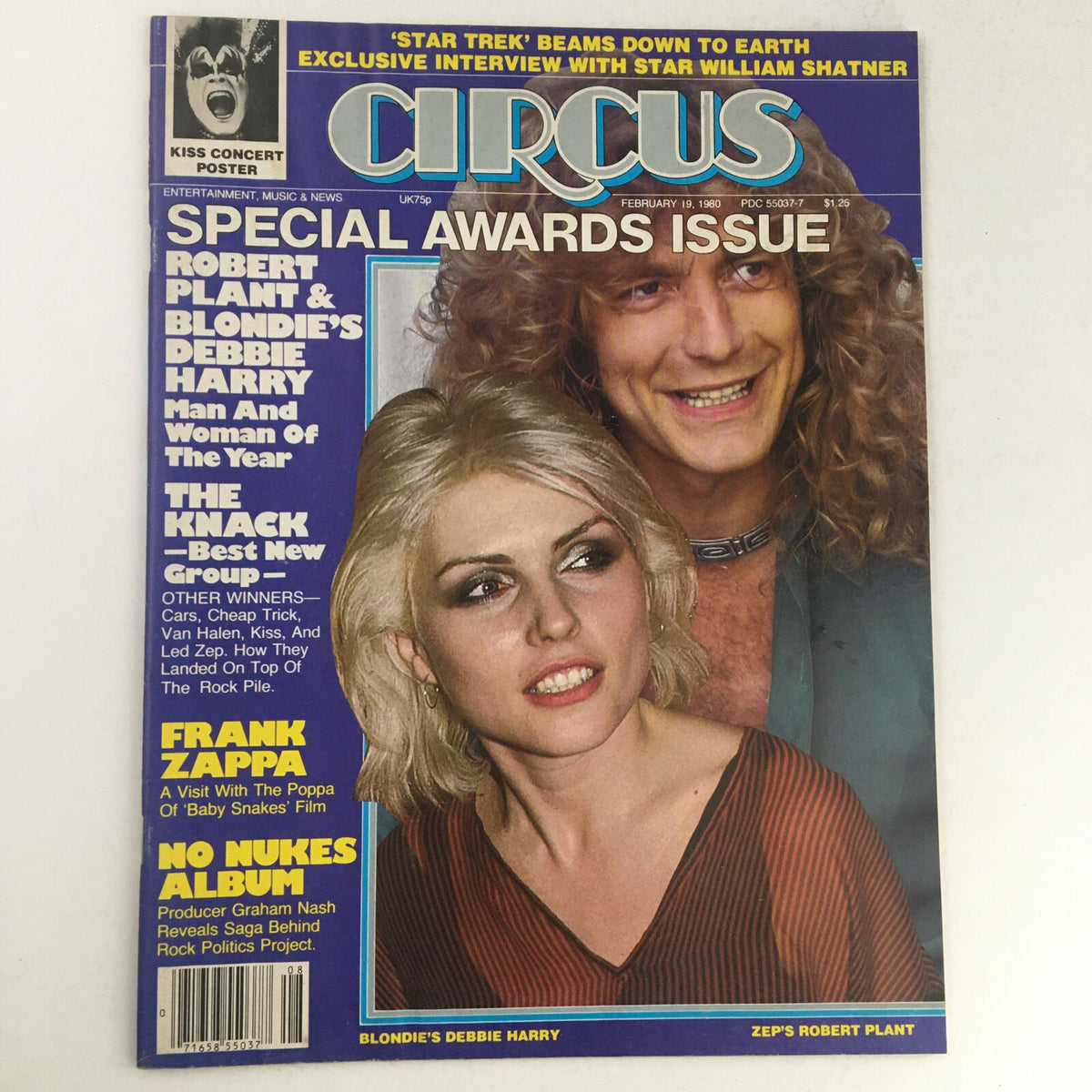
Before algorithms decided what was cool and streaming services flattened the cultural landscape into a single endless scroll, there was a moment — roughly spanning the late 1970s through the mid-1980s — when a single face could stop a newsstand cold. Debbie Harry was that face. The platinum-blonde frontwoman of Blondie did not merely occupy the intersection of punk, new wave, and pop; she invented that intersection, then invited the entire world to stand on it with her. At a time when music magazines were the sacred texts of youth culture — passed hand to hand, pinned to bedroom walls, dissected in school hallways — her image carried an almost mythological charge. She was simultaneously downtown and global, transgressive and glamorous, a CBGB fixture who somehow also belonged on the glossiest international covers. In an era when you discovered the world through ink on paper, she was one of the world's great discoveries.
Inside the Archive
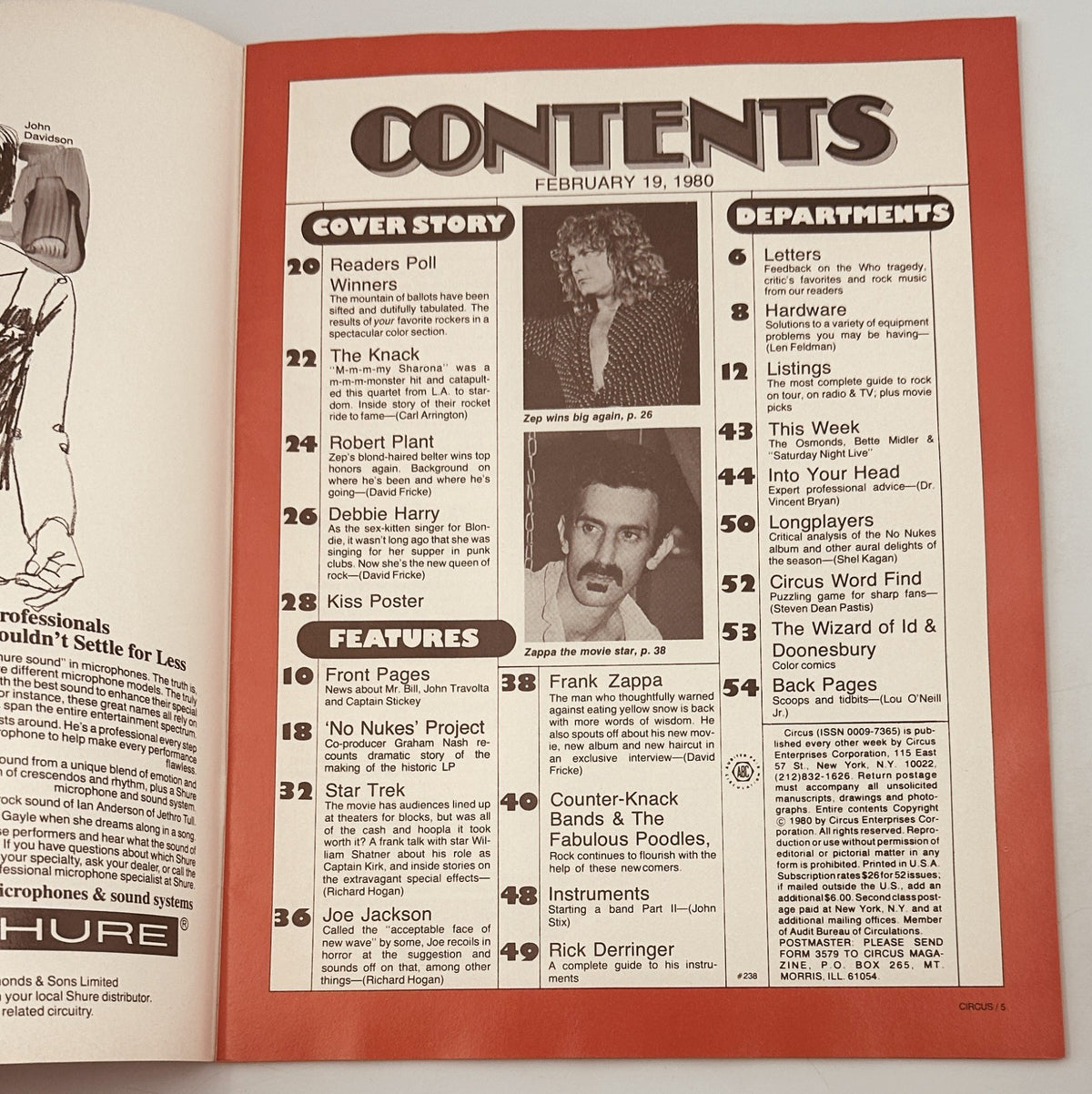
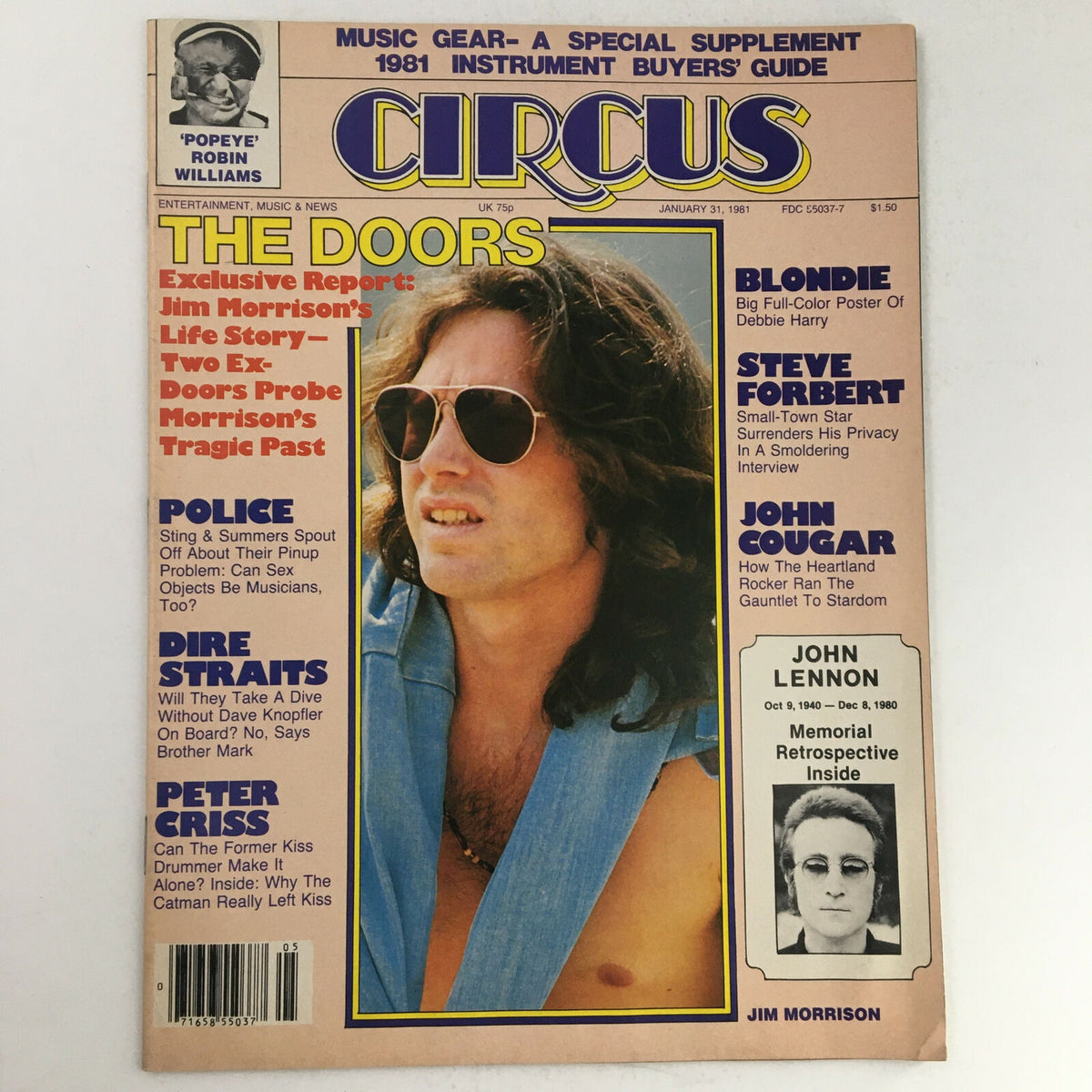
The magazine coverage of this era's most iconic blonde was as multifaceted as the woman herself. Music-focused publications like Rolling Stone and Creem captured her raw energy, running features that grappled seriously with Blondie's genre-defying sound and her commanding stage presence — often shot in stark, high-contrast black-and-white that suited the gritty romanticism of the downtown New York scene. Fashion and culture titles, including Interview (Andy Warhol's own magazine, where she was a natural habitué) and the British style bible The Face, approached her as a visual icon first, commissioning portraits that foregrounded her extraordinary photogenic quality — that rare ability to simultaneously project vulnerability and ice-cold power. Meanwhile, mainstream publications like People translated her story for a broader American audience, charting Blondie's improbable ascent from the Bowery to the top of the pop charts, complete with the glossy, saturated color photography that defined the newsstand aesthetic of the late Carter and early Reagan years.
Curator's Checklist: Highlights Often Include
- Blondie's breakthrough era coverage (1976–1979): Early features from the punk and new wave press documenting the band's rise through the CBGB scene, often featuring raw, intimate photography that captures the raw energy of pre-commercial new wave
- The Parallel Lines and "Heart of Glass" moment: Editorial coverage from 1978–1979 reflecting the cultural earthquake of Blondie's crossover into mainstream disco and pop, a transition that sparked fierce debate in the music press and generated extensive ink on both sides of the Atlantic
- International fashion and style features: European magazine spreads — particularly from UK and Italian publications — that treated her less as a pop star and more as a high-fashion subject, anticipating the music-meets-fashion convergence that would define the MTV decade
- The Autoamerican and early 1980s period: Coverage exploring her group's pioneering embrace of hip-hop and reggae influences, including features that now read as remarkable primary-source documents of a pre-mainstream rap world
- Solo career and cultural retrospectives: Later 1980s profiles charting her solo work and Blondie's hiatus, alongside the broader cultural reassessments that began even within her own lifetime
The Collector's Value
To hold one of these magazines is to hold a small, perfect time capsule. The paper stock tells you its age before you read a single word — the slight brittleness at the edges, the particular weight of a coated glossy cover versus the rougher, more absorbent feel of a newsprint-heavy music weekly. The ink has a depth and warmth that no screen can replicate. And surrounding every article, every portrait, every interview is the vivid archaeology of the age itself: advertisements for cigarettes and hi-fi equipment, fashion spreads that now read as period costume, classified sections that document the texture of daily life in ways no history book bothers to record. These are not reprints or commemorative editions — they are the original artifacts, carrying the faint ghost of every hand that held them before yours. For collectors of new wave and punk memorabilia, vintage fashion and style ephemera, or women's cultural history and feminist iconography, these publications offer something no biography or documentary can: the unmediated experience of encountering a legend as she was happening, through the eyes of writers and photographers who did not yet know how the story would end. Explore the issues currently available in the archive below.