📖 About this Collection
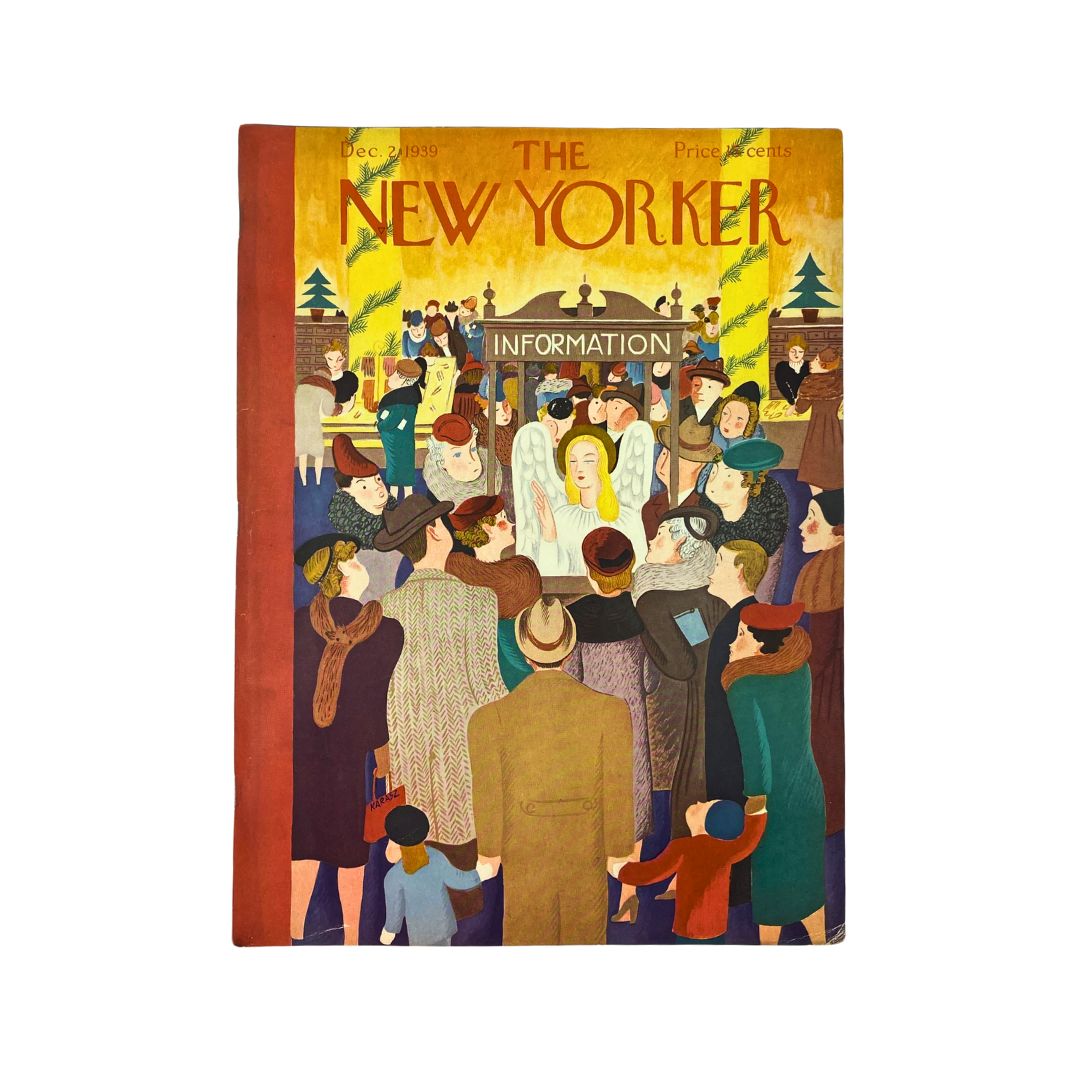
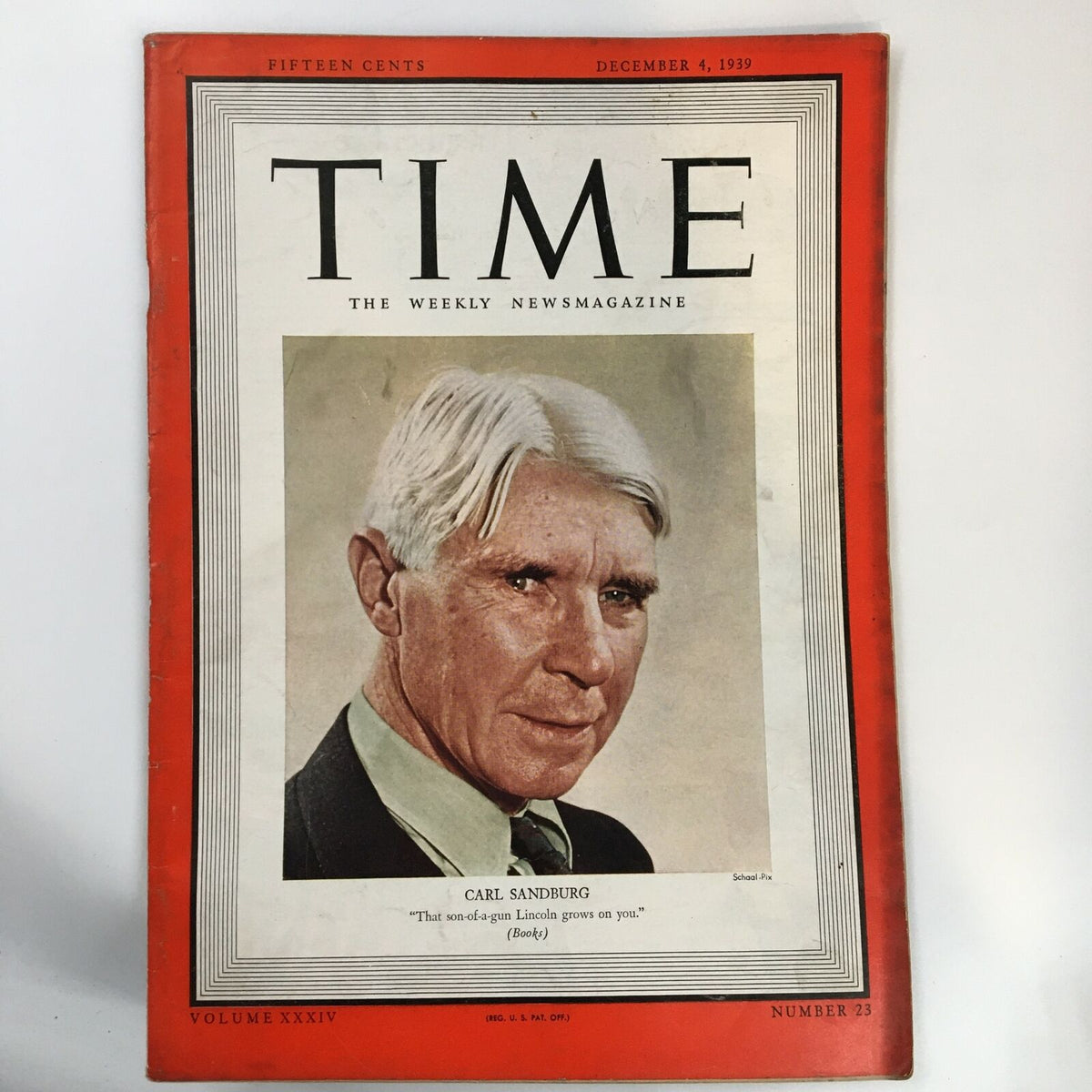
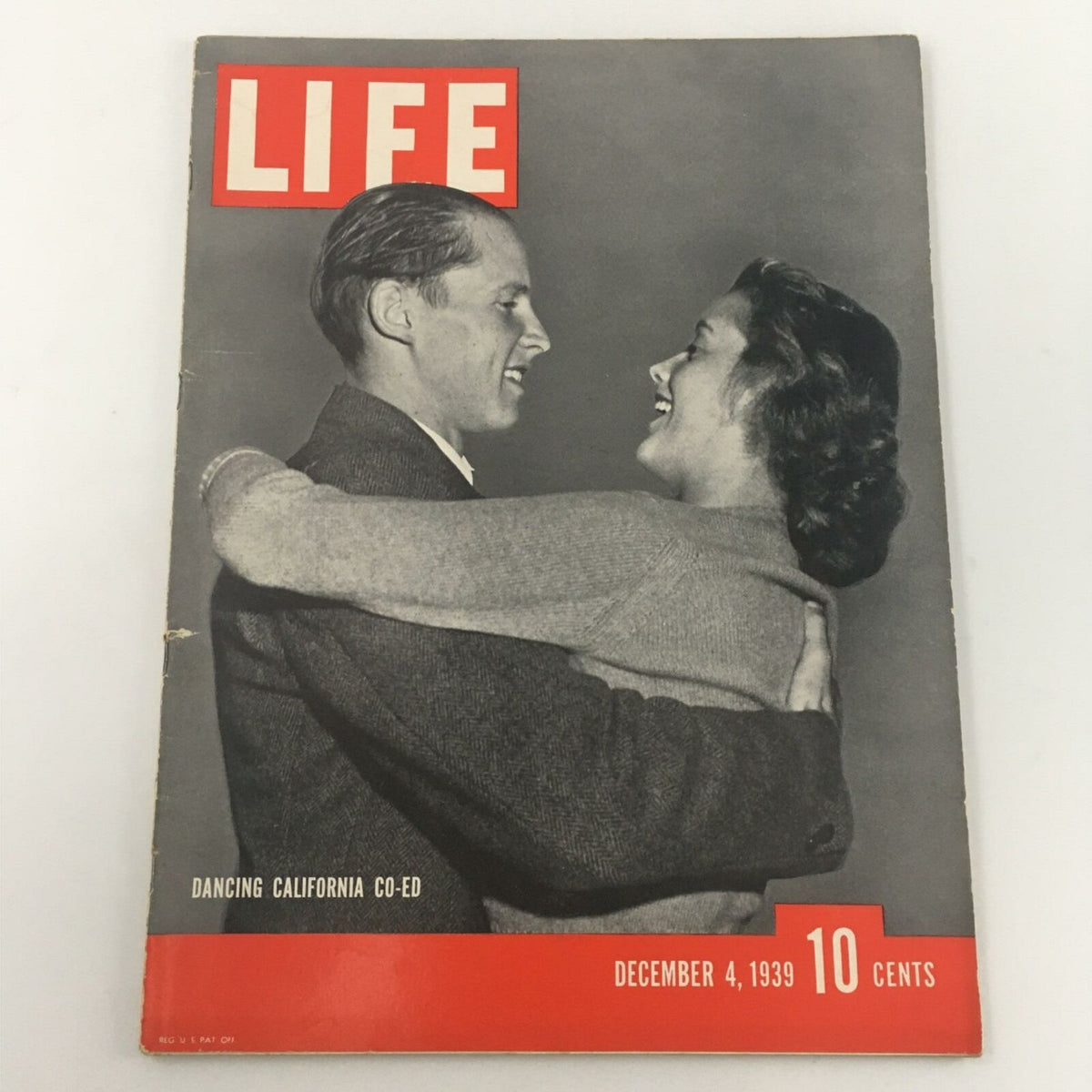
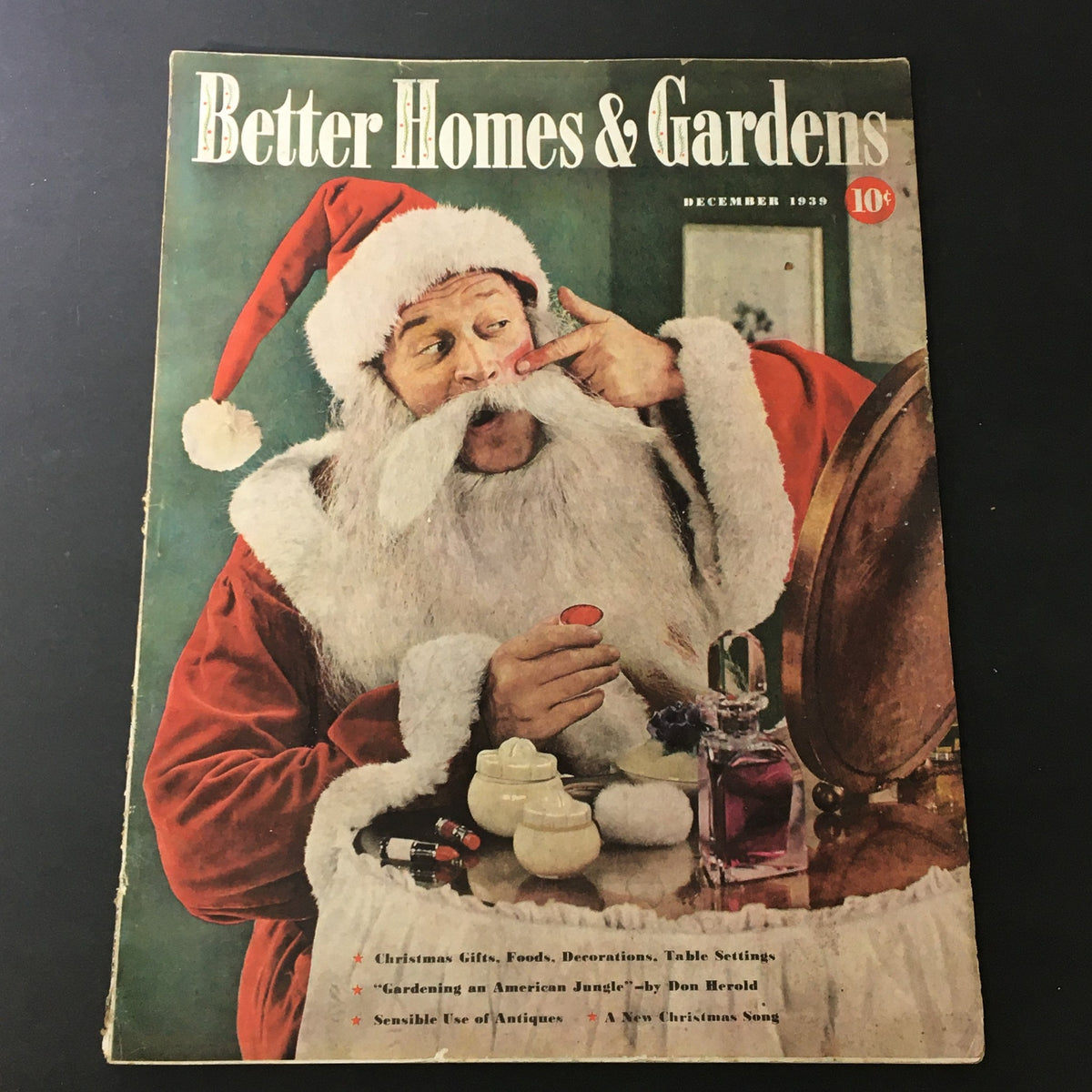
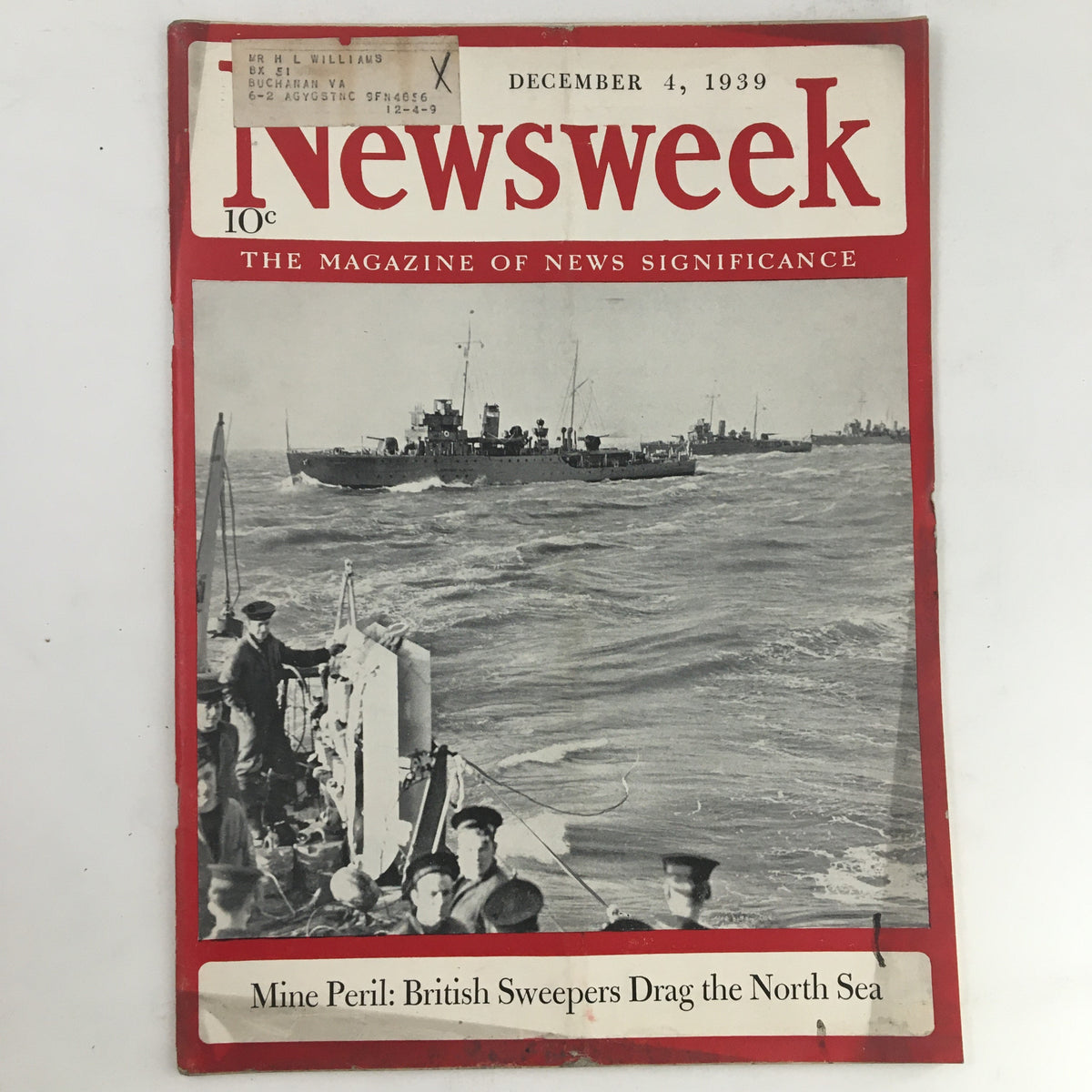
December 1939: The Last Christmas Before the World Changed
The Historical Context
The world teetered on the edge of something vast and irreversible in December 1939. Europe was already at war—Soviet bombers were raiding Helsinki, Finnish troops were mounting desperate counter-offensives, and the League of Nations took the unprecedented step of expelling the Soviet Union for its invasion of Finland. At sea, three British cruisers cornered the German pocket battleship Graf Spee in the Battle of the River Plate, only for its crew to scuttle the mighty warship off Uruguay days later—a dramatic opening act of naval warfare that gripped every newsroom on the planet. In occupied Europe, darker machinery was beginning to turn: Adolf Hitler appointed Adolf Eichmann to lead a new office responsible for Jewish evictions and forced emigration, a bureaucratic step whose horrifying implications would only fully emerge years later. Pope Pius XII appealed for peace from Rome on Christmas Eve, his voice carrying across a continent already learning the sound of bombs. This was the world your loved one entered—a December of breathtaking suspense, fragile hope, and the last glimmer of an old order.
The Culture of December 1939
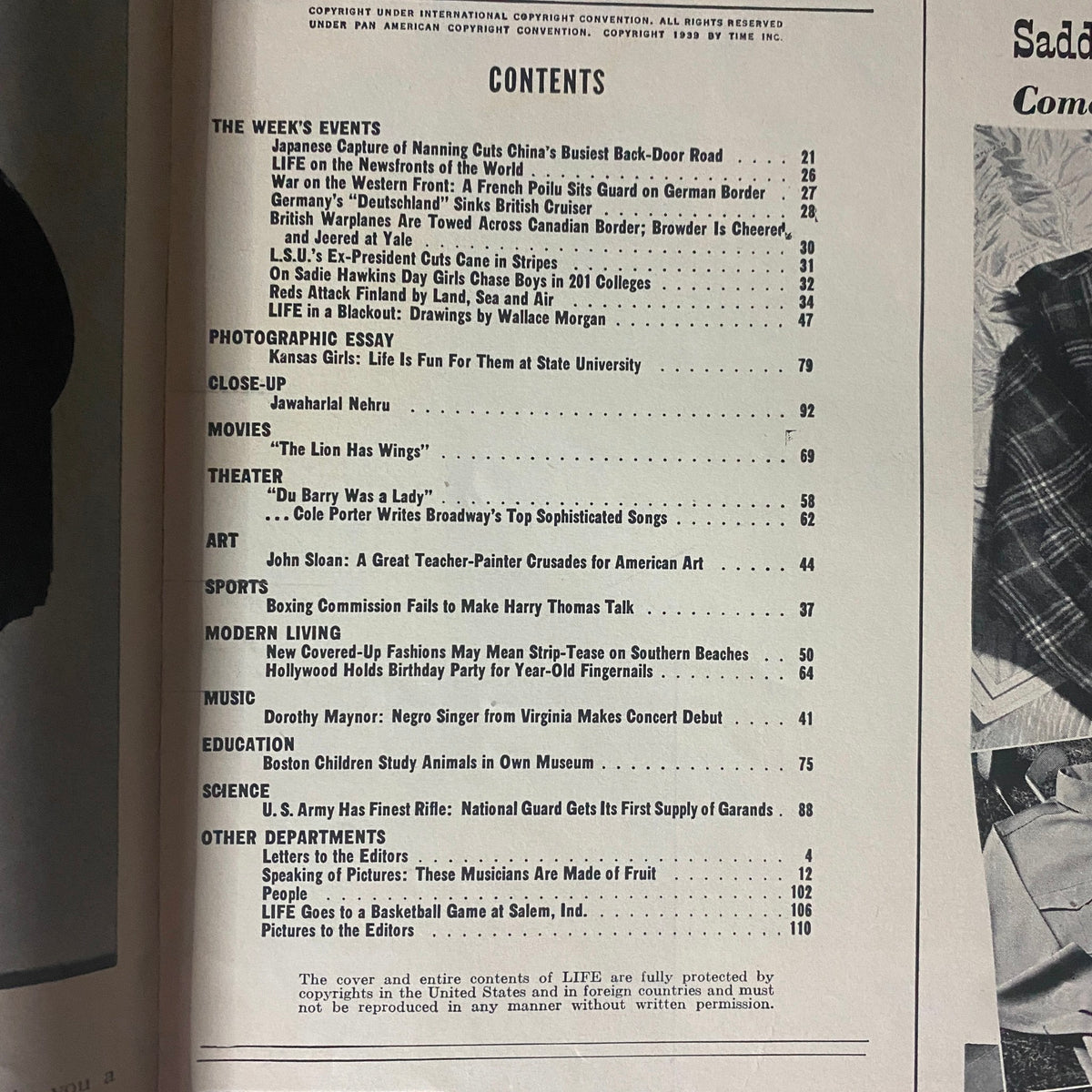
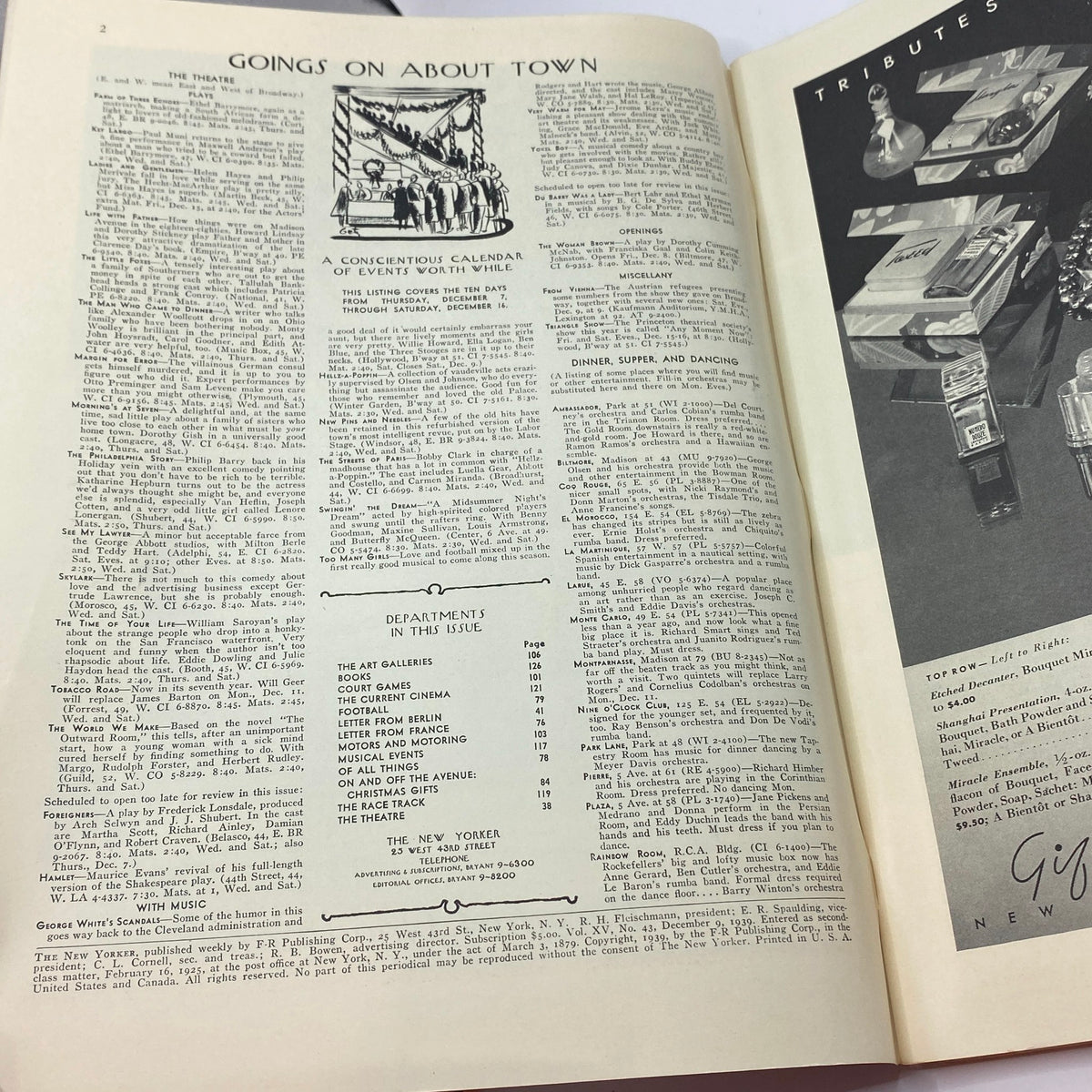
Even as war dispatches crowded the front pages, Americans wrapped themselves in the warmth of an extraordinary cultural moment. On December 15th, Gone with the Wind had its legendary Atlanta premiere—Clark Gable and Vivien Leigh blazing across screens in what would become the highest-grossing film of all time, a spectacle that consumed every conversation from Georgia to California. Original magazines from December 1939 crackled with GWTW coverage: the gowns, the stars, the hysteria. On Broadway, Cole Porter's Du Barry Was a Lady opened at the 46th Street Theatre on the 6th, injecting the New York stage with wit and sophistication that would sustain 408 performances. At month's end, Of Mice and Men reached cinemas—Burgess Meredith and Lon Chaney Jr. bringing Steinbeck's novel to devastating life. Meanwhile, sports made its own history: the Green Bay Packers crushed the New York Giants 27-0 for their fifth NFL Championship, and Iowa halfback Nile Kinnick claimed the Heisman Trophy. And on Christmas Day, Montgomery Ward gifted America something it didn't know it needed: Rudolph, the ninth reindeer, with his improbable red nose.
Curator's Checklist: What to Look for in December 1939 Magazines
-
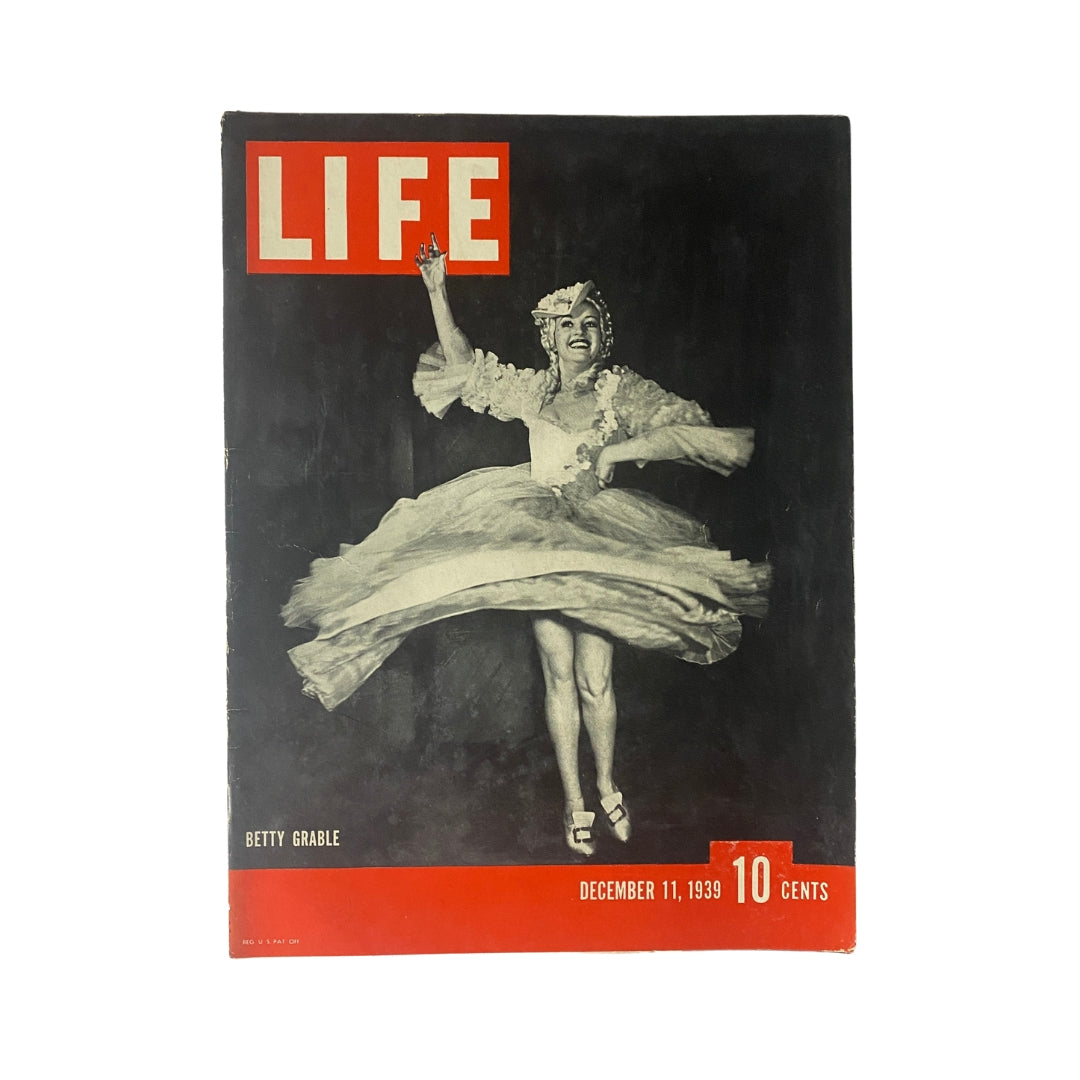
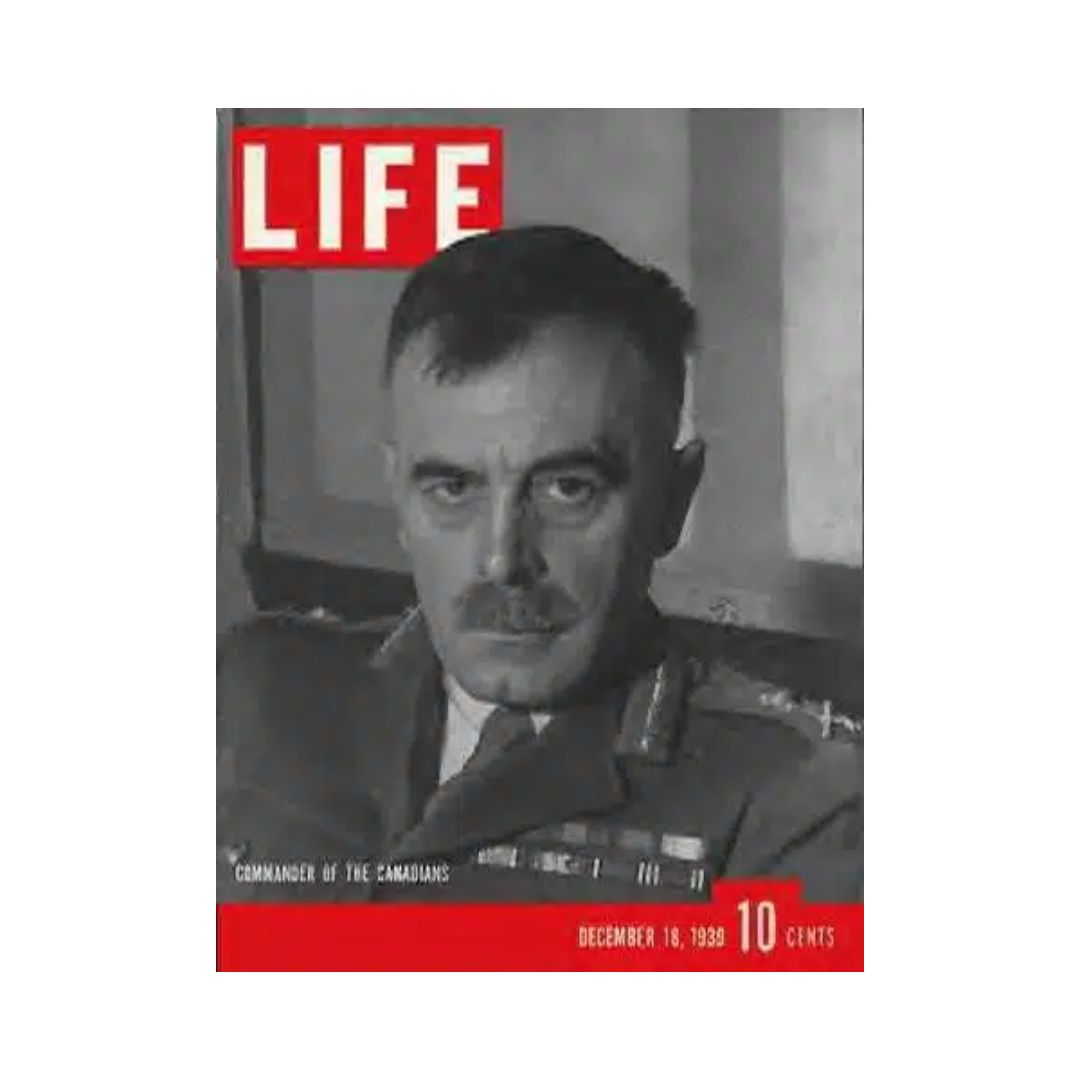
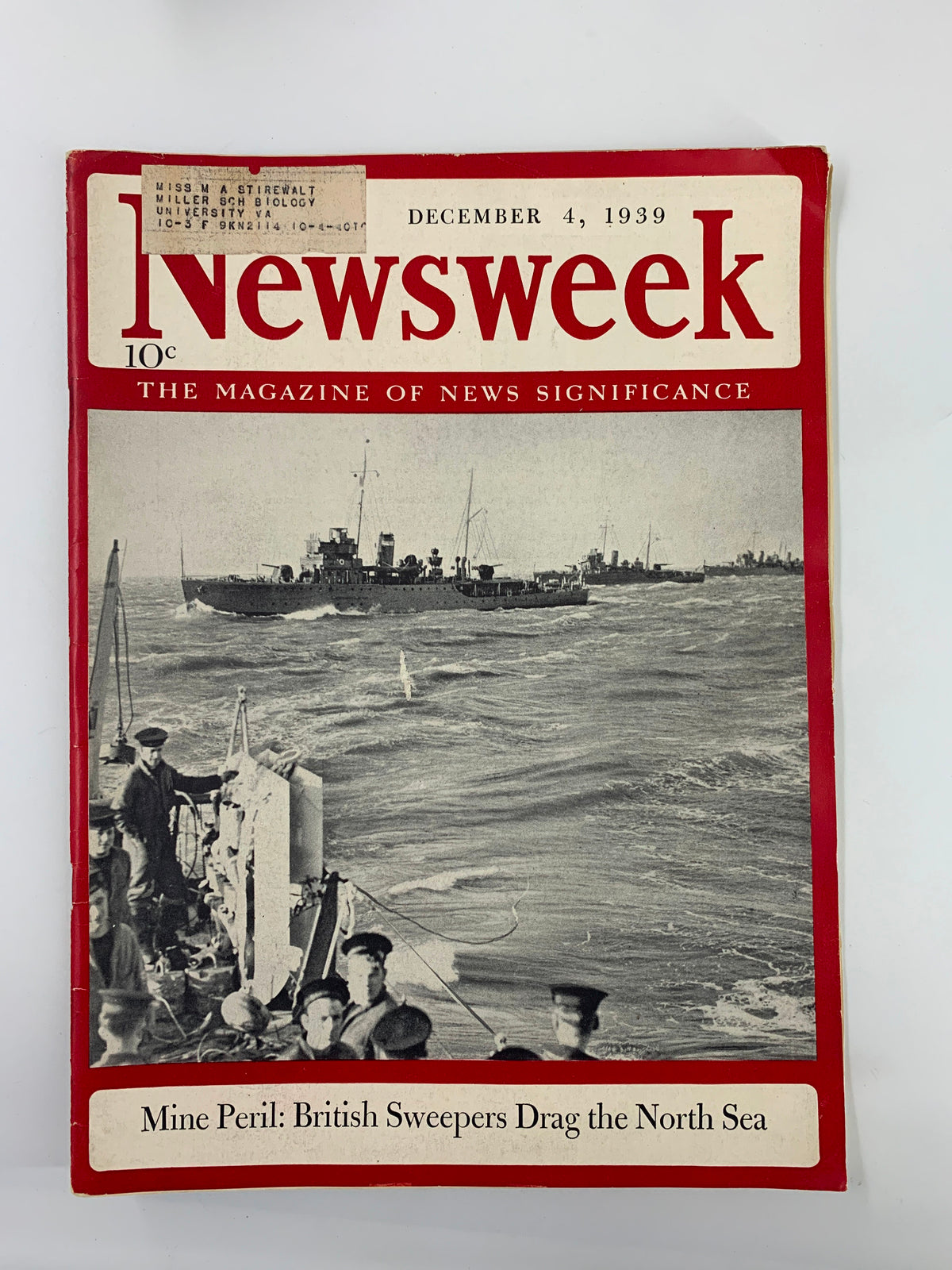
Gone with the Wind Premiere Coverage: Issues of Life, Look, and Newsweek from this month featuring the Atlanta premiere—illustrated with glamour photography of Vivien Leigh and Clark Gable, often alongside breathless society coverage of the premiere ball and opening-night crowds.
-
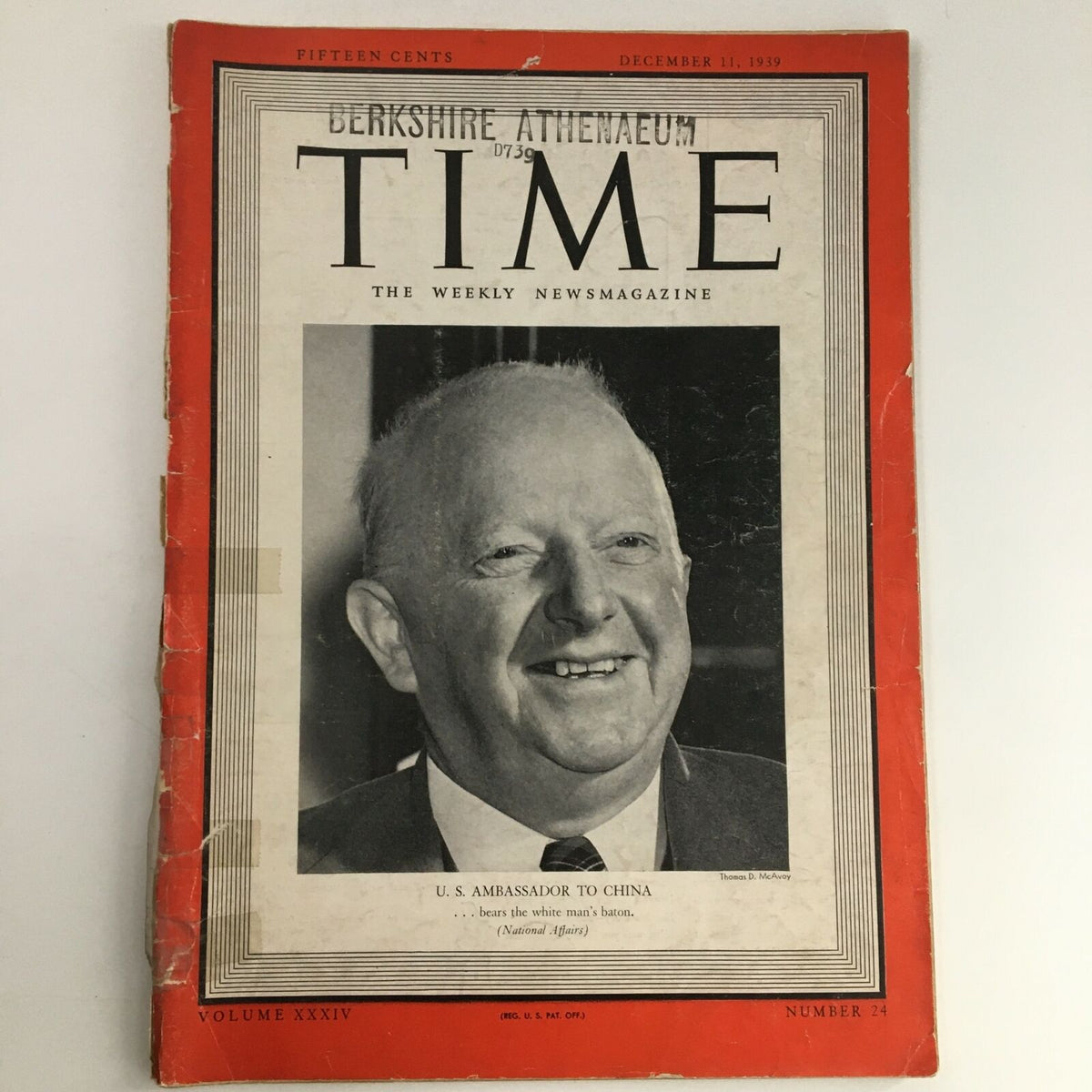
The Battle of the River Plate and the Graf Spee: Time and Life issues showcasing naval photography and maps of the South Atlantic standoff, chronicling the British pursuit and the dramatic scuttling of the German warship—some of the most gripping war journalism yet produced.
-
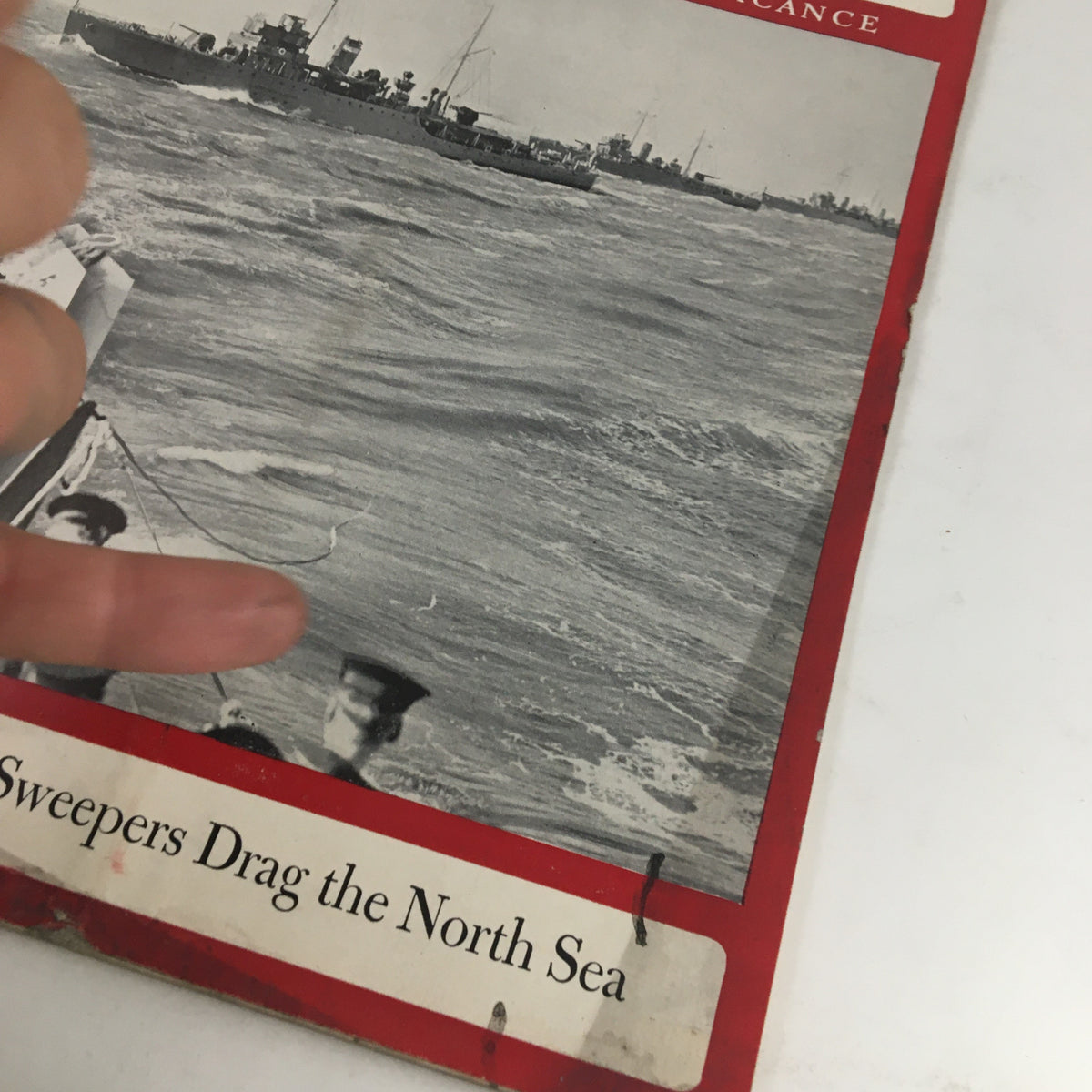
The Winter War in Finland: Rare magazines carrying urgent photojournalism from the Russo-Finnish front, with Life and Newsweek featuring stark images of Finnish soldiers in snowbound positions and Soviet air raids on Helsinki—authentic documents of a conflict the world was watching in real time.
-
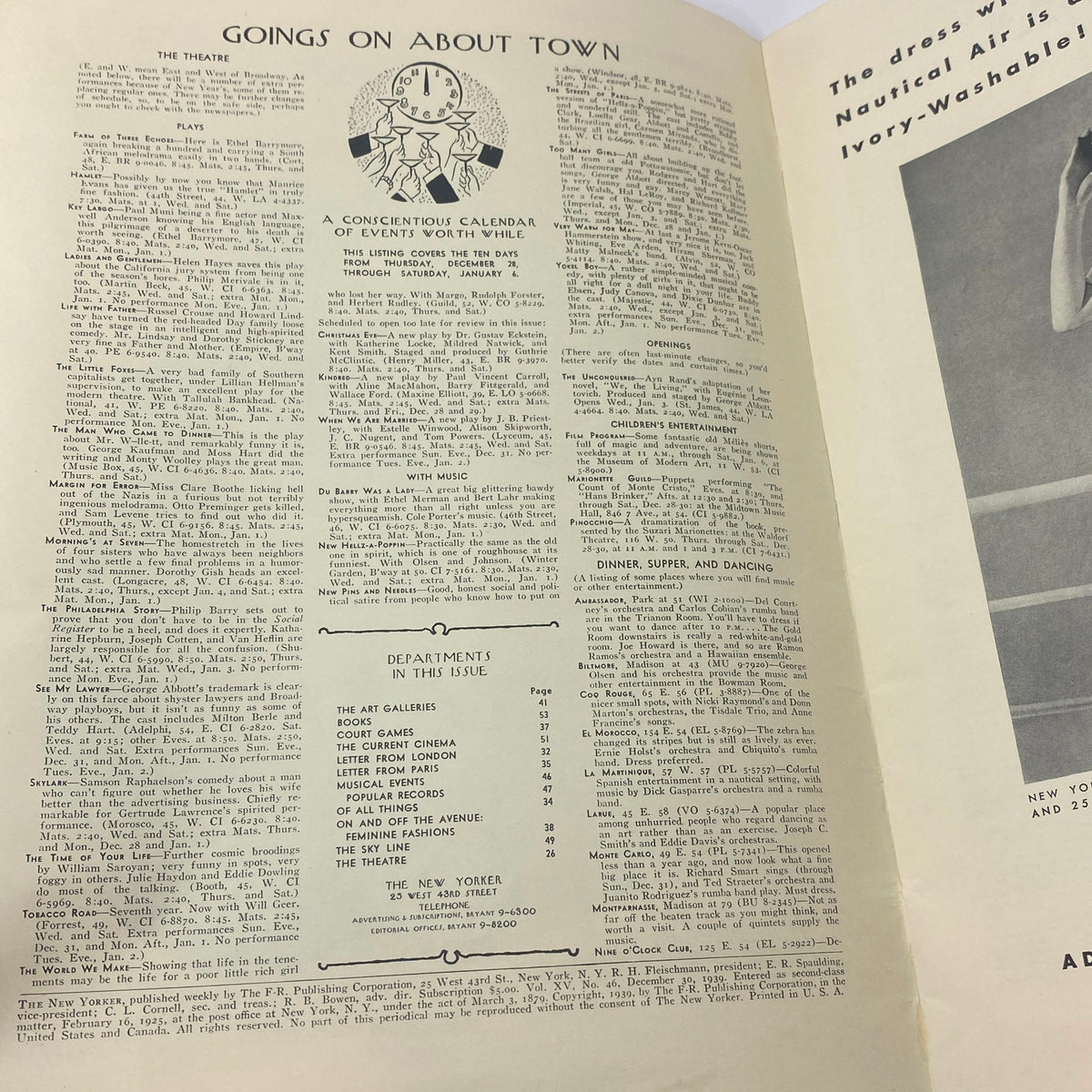
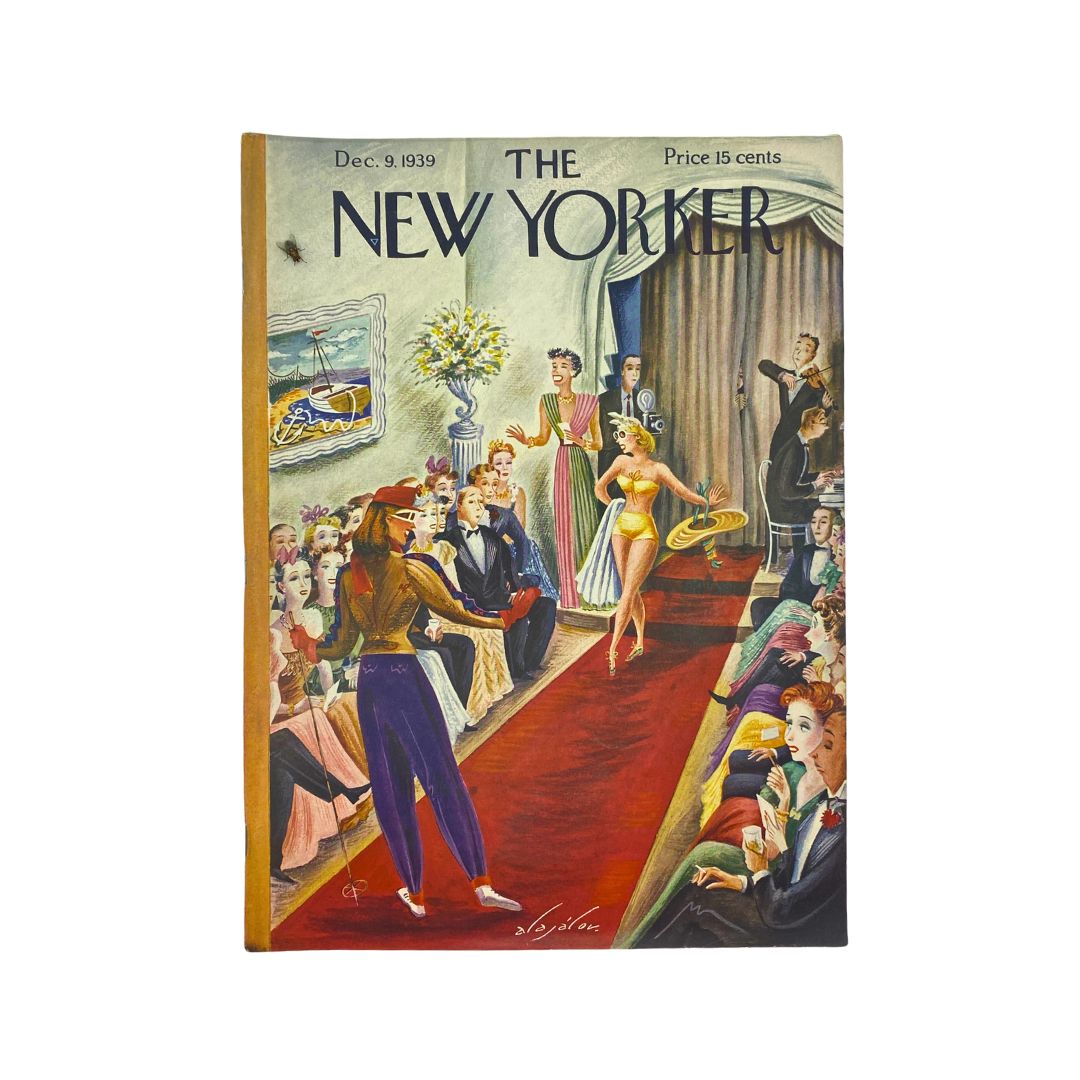
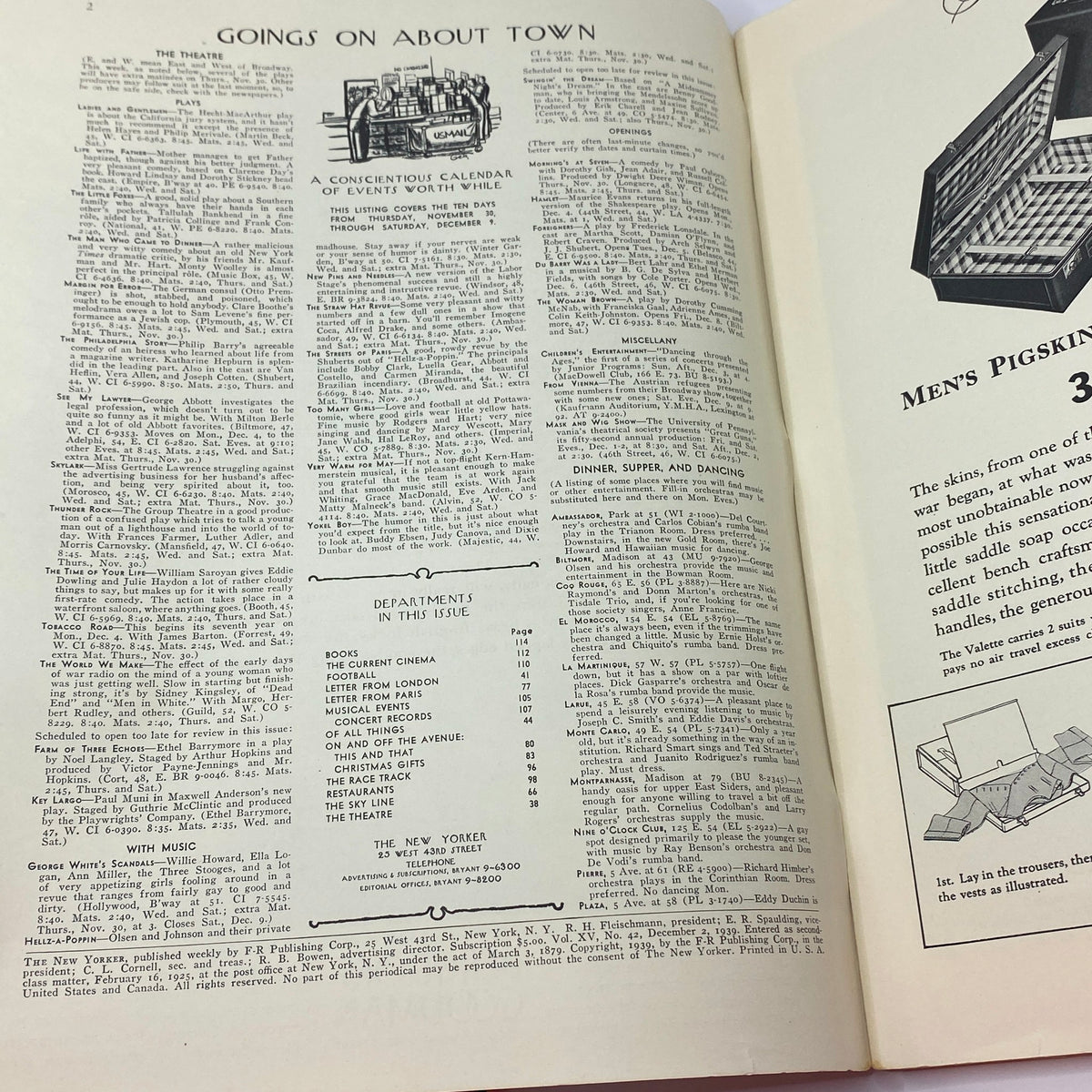
Broadway and Entertainment Advertising: Vintage magazines from this month carrying original theatre ads for Cole Porter's Du Barry Was a Lady and film releases including Of Mice and Men—genuine period advertisements that capture the commercial culture and graphic design of the era exactly as readers saw it.
-
NFL Championship and the Heisman Trophy: Sports Illustrated had not yet launched, but Life, the Saturday Evening Post, and newspaper supplements from December 1939 preserving coverage of the Packers' dominant championship win and Nile Kinnick's Heisman—preserved snapshots of American sport at a pivotal hinge between eras.
The Perfect Gift
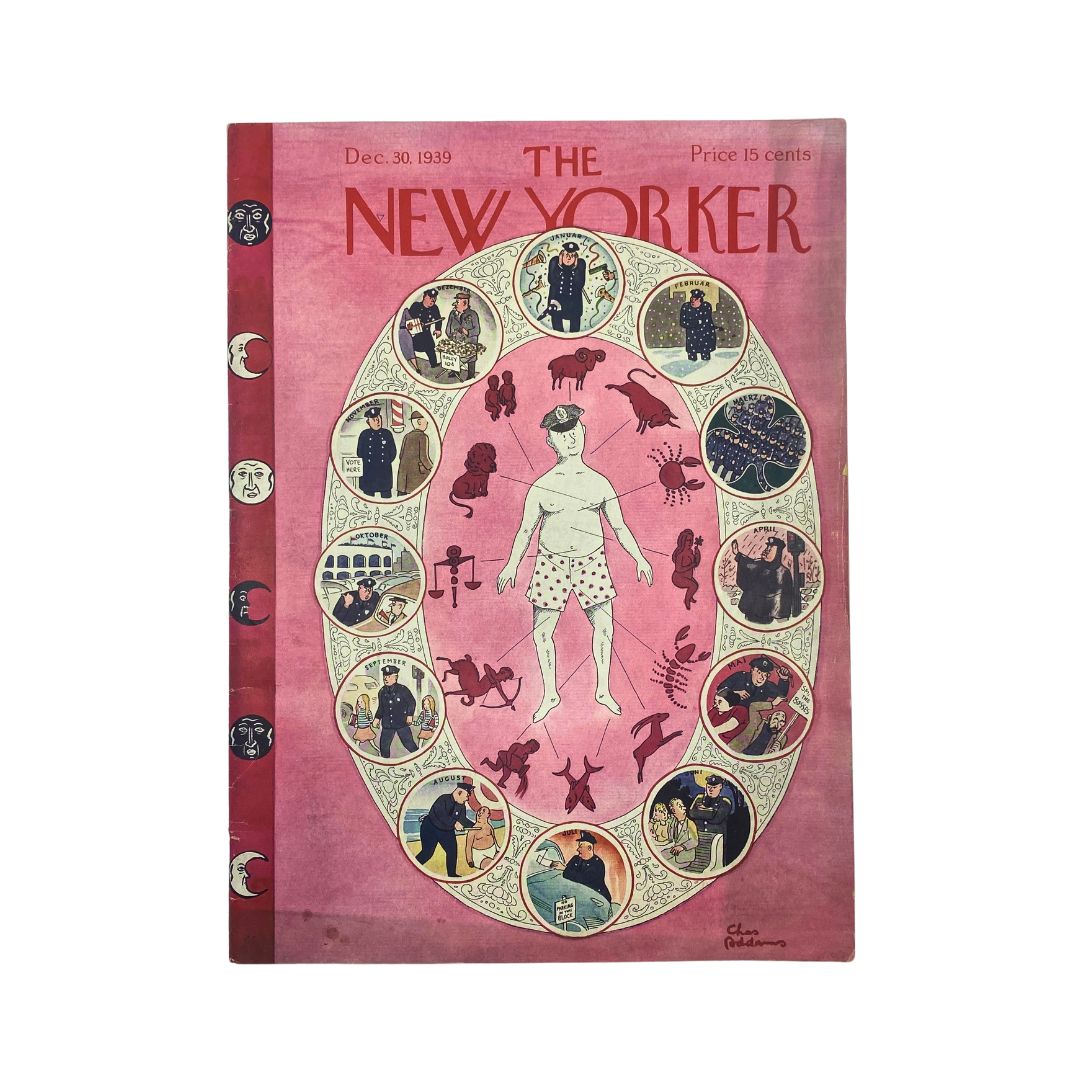
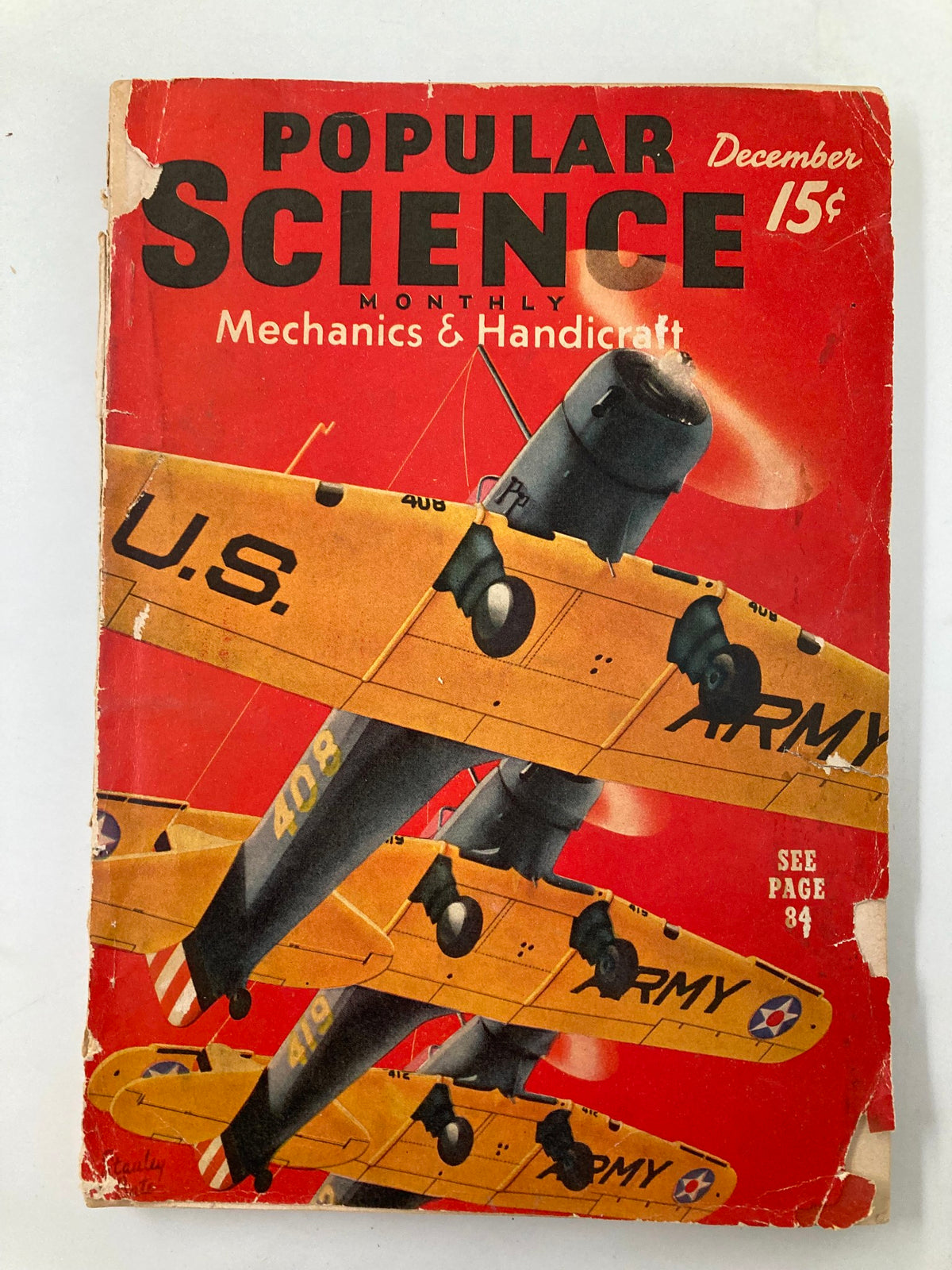
For someone born in December 1939, an original magazine from this extraordinary month isn't just a keepsake—it's an authentic time capsule of the last Christmas before the world went to war, preserved in genuine headlines, original advertisements, and the photography that captured history as it happened.