📖 About this Collection
December 1942: When the Atom Shook the World
The Historical Context
December 1942 crackled with a tension that Americans sensed but could not fully name. The war raged on every front—North Africa, Stalingrad, the Pacific—yet the most consequential event of the month, perhaps of the century, unfolded in near-total silence beneath the bleachers of a University of Chicago squash court. On December 2nd, physicist Enrico Fermi oversaw the world's first self-sustaining nuclear chain reaction inside Chicago Pile-1, the world's first nuclear reactor. A coded message went out: "The Italian navigator has just landed in the new world." Humanity had crossed a threshold it could never uncross.
The news from Europe was equally momentous. On the same day, the British government published the Beveridge Report, laying the blueprint for a modern welfare state. Meanwhile, across occupied Europe, the Polish government-in-exile issued Raczyński's Note to Allied governments—the first official denunciation of the Holocaust, drawing on harrowing eyewitness accounts from resistance fighters. This was the world your loved one entered: dangerous, transformative, and alive with history.
Life at the Newsstand: Culture in a Nation at War
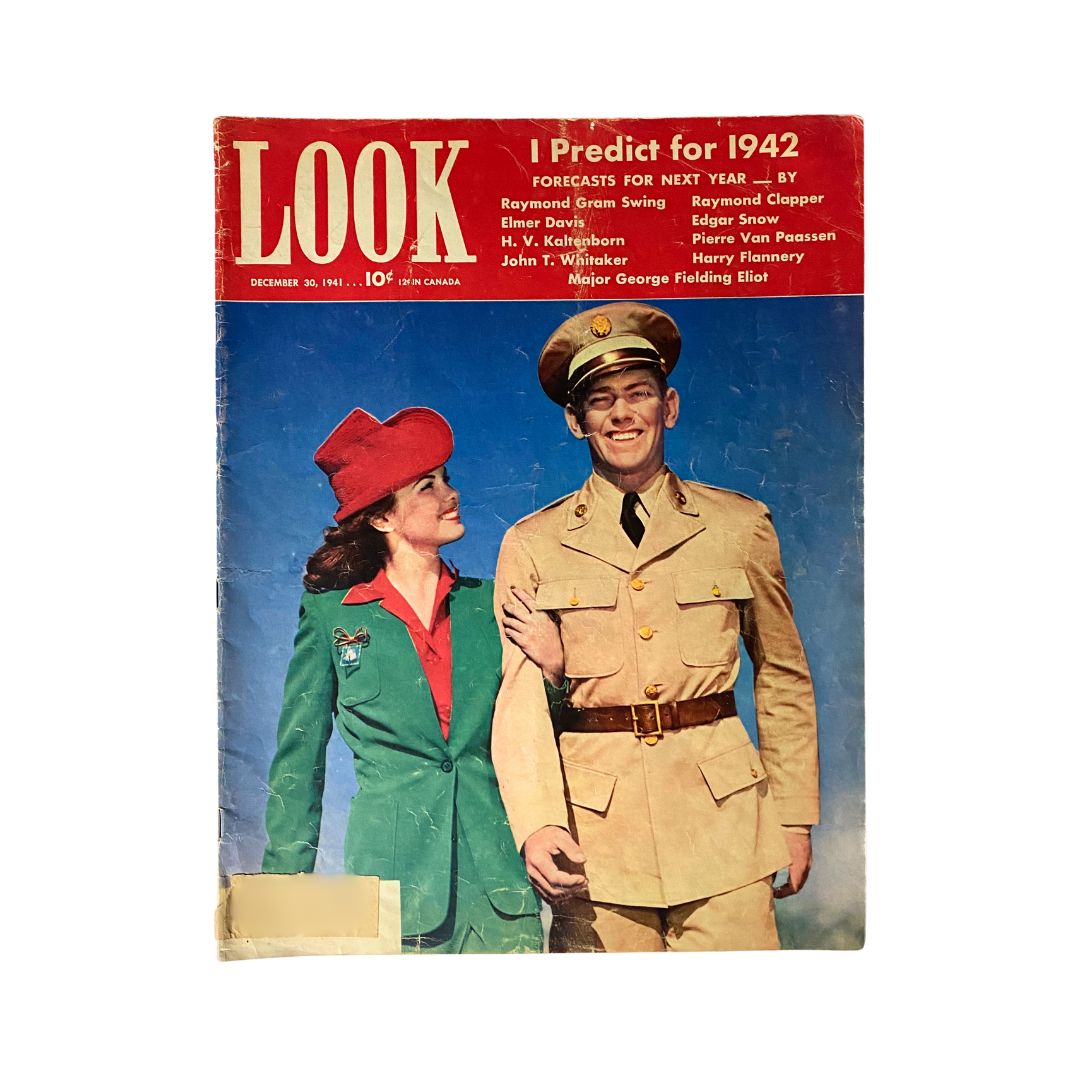
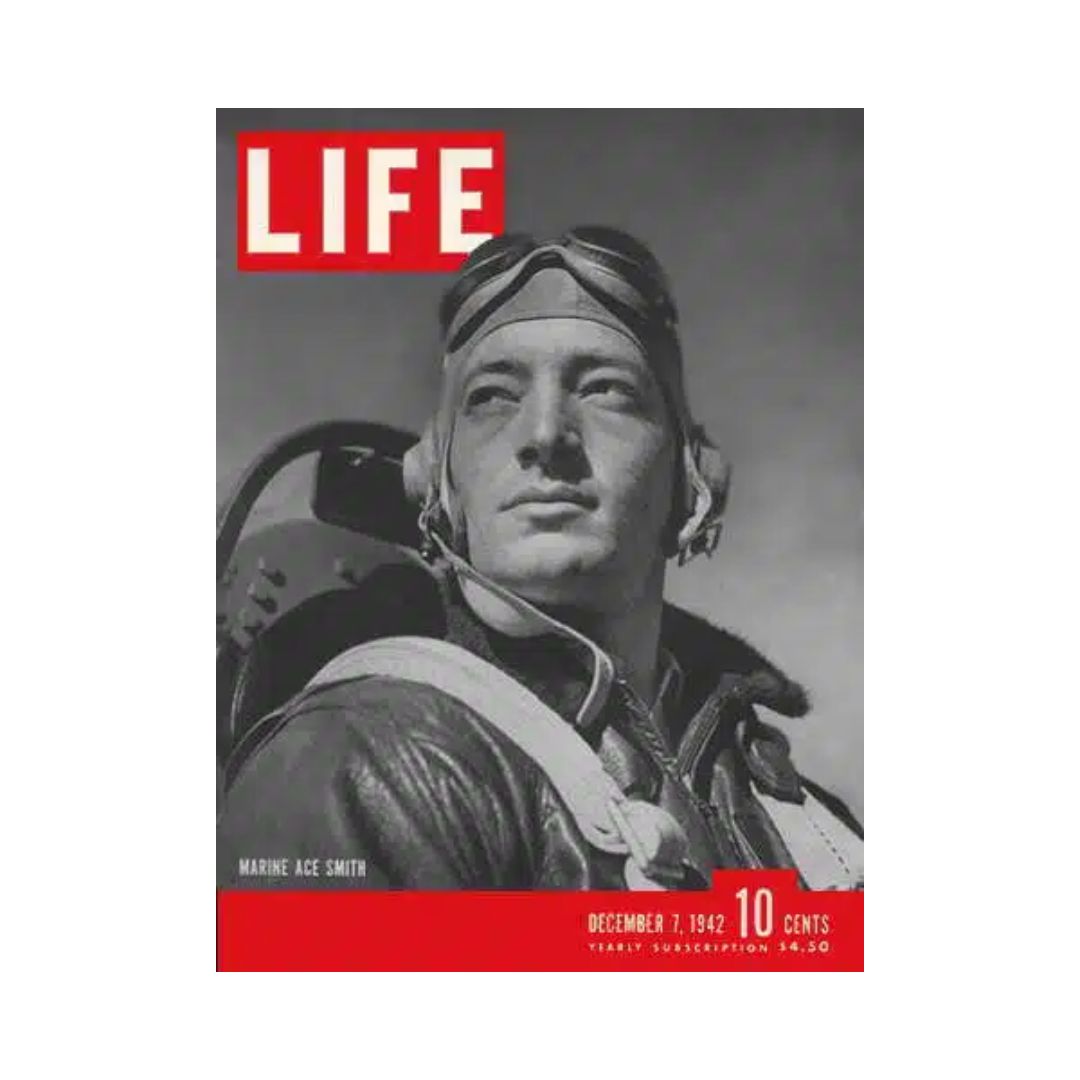
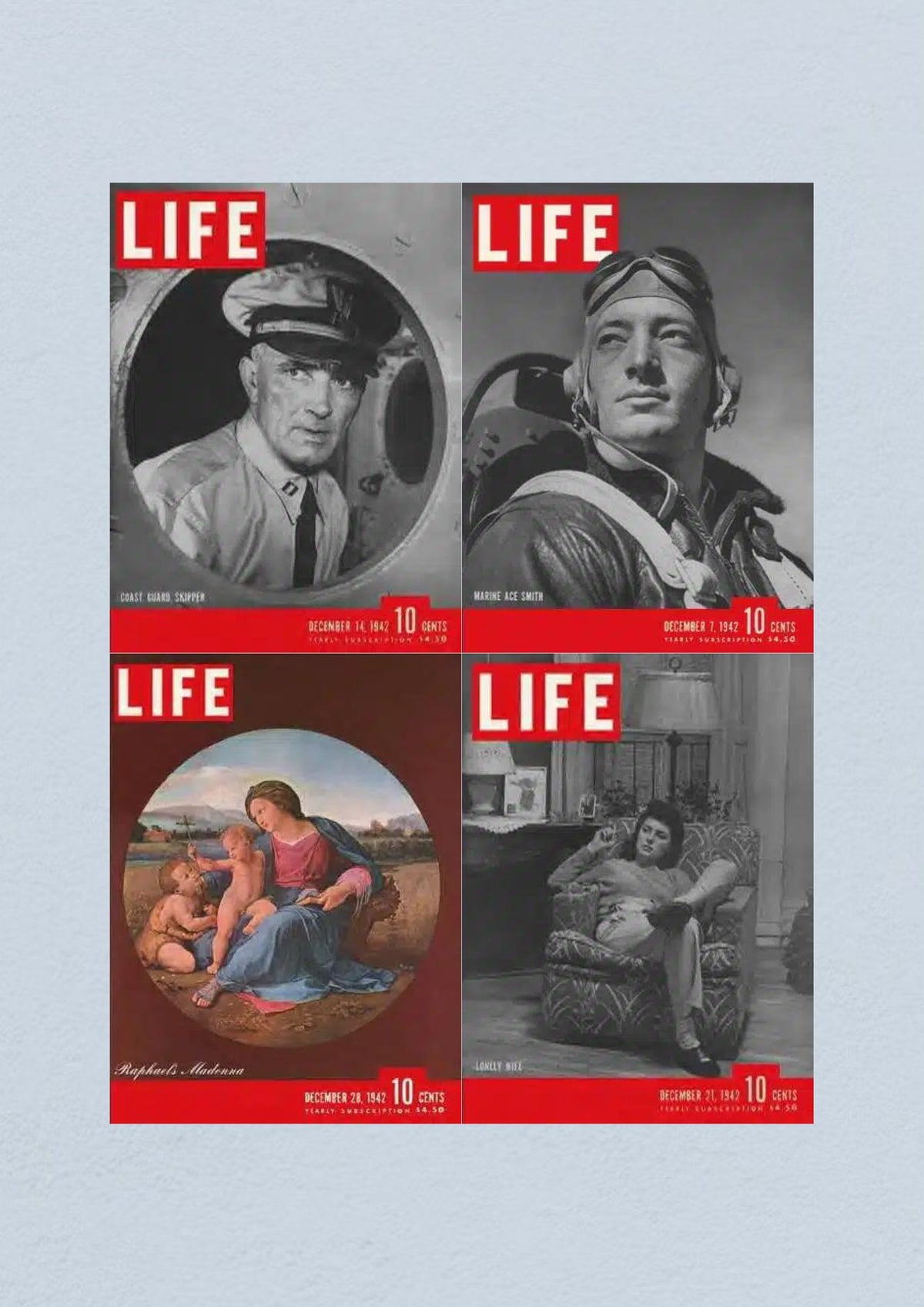
Hollywood kept spirits high even as the nation tightened its belt. Gasoline rationing had just begun on December 1st, reshaping everyday American life and filling the pages of Life and Look with wartime conservation guides alongside glamorous studio portraits. On December 30th, a skinny kid from Hoboken caused a sensation when Frank Sinatra appeared at New York's Paramount Theater to a screaming crowd—"Sinatramania" was born, and Time and Newsweek scrambled to capture the phenomenon.
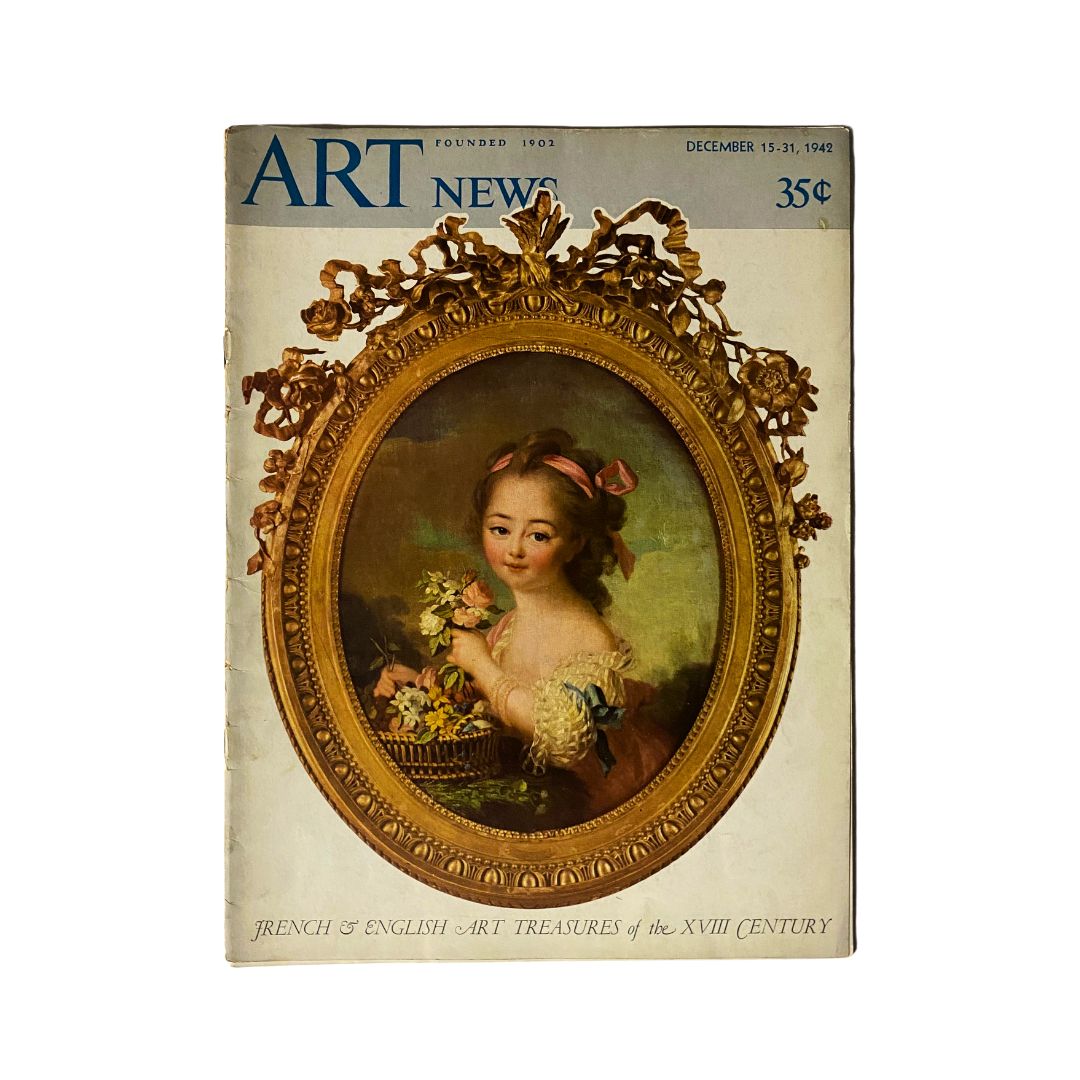
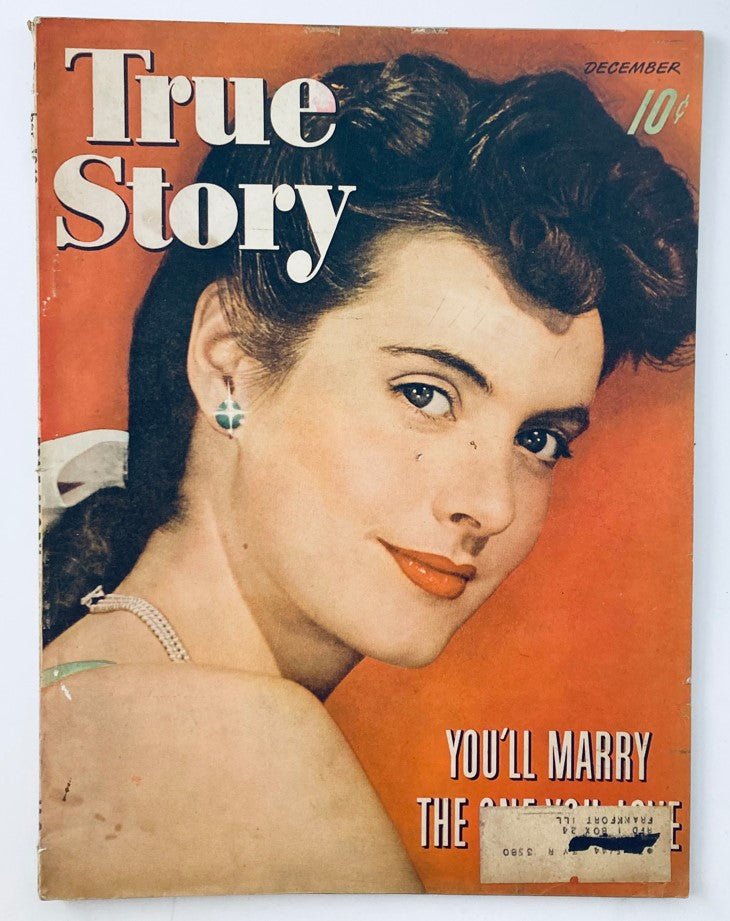
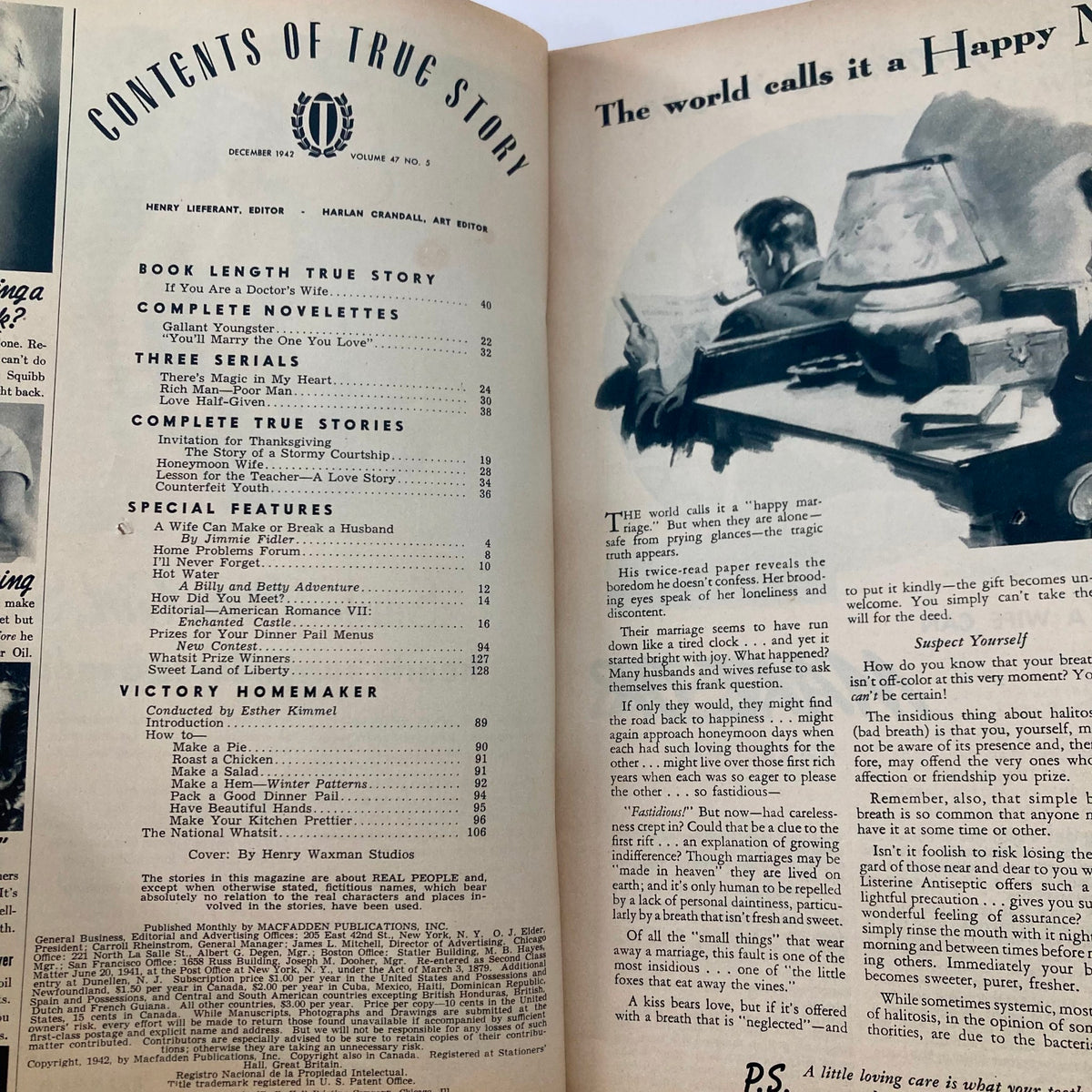
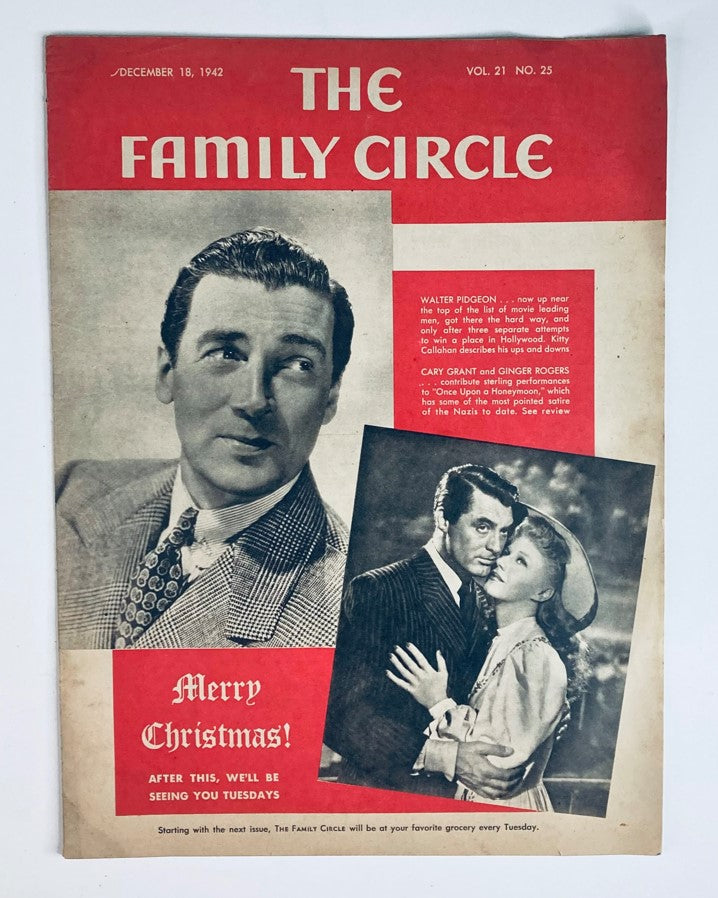
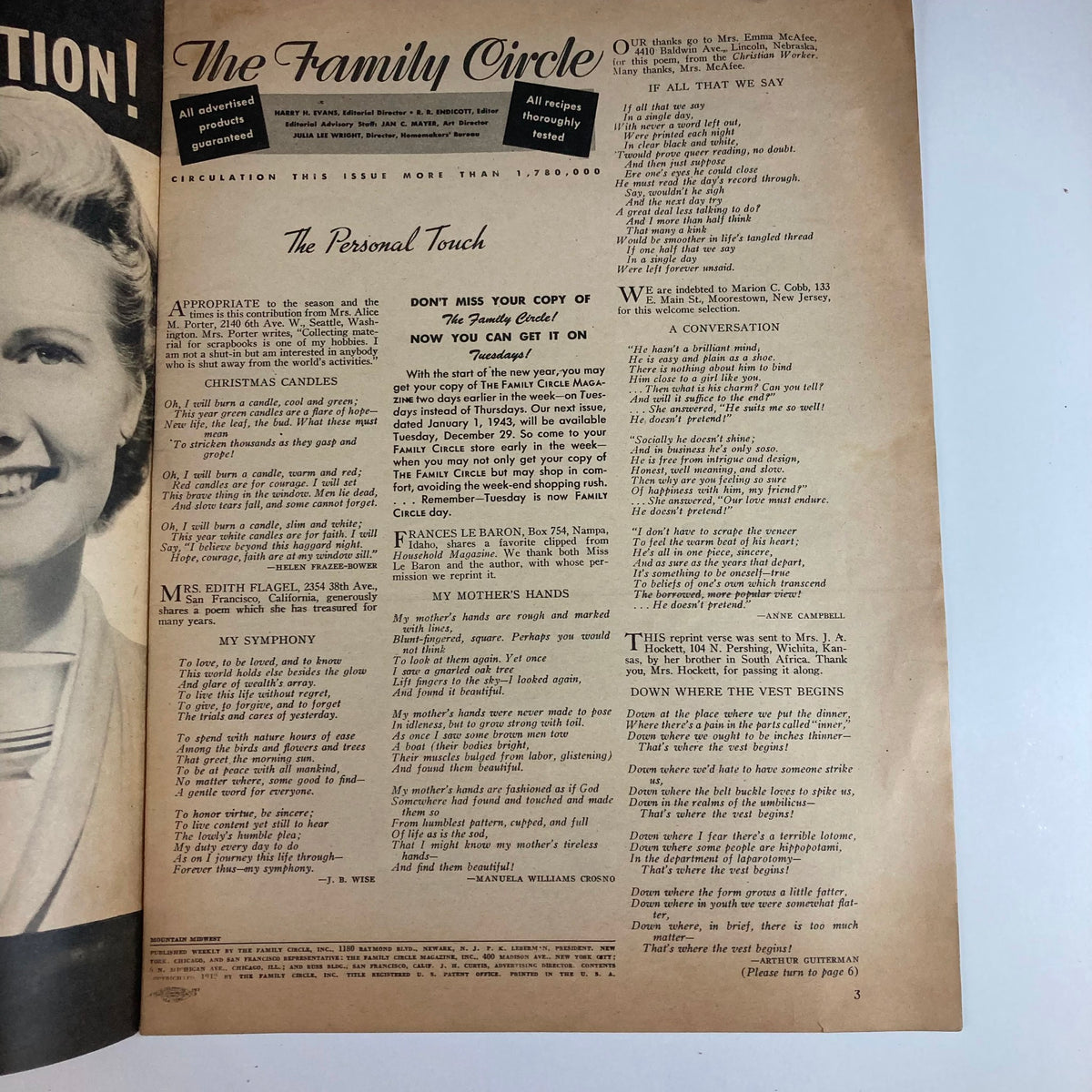
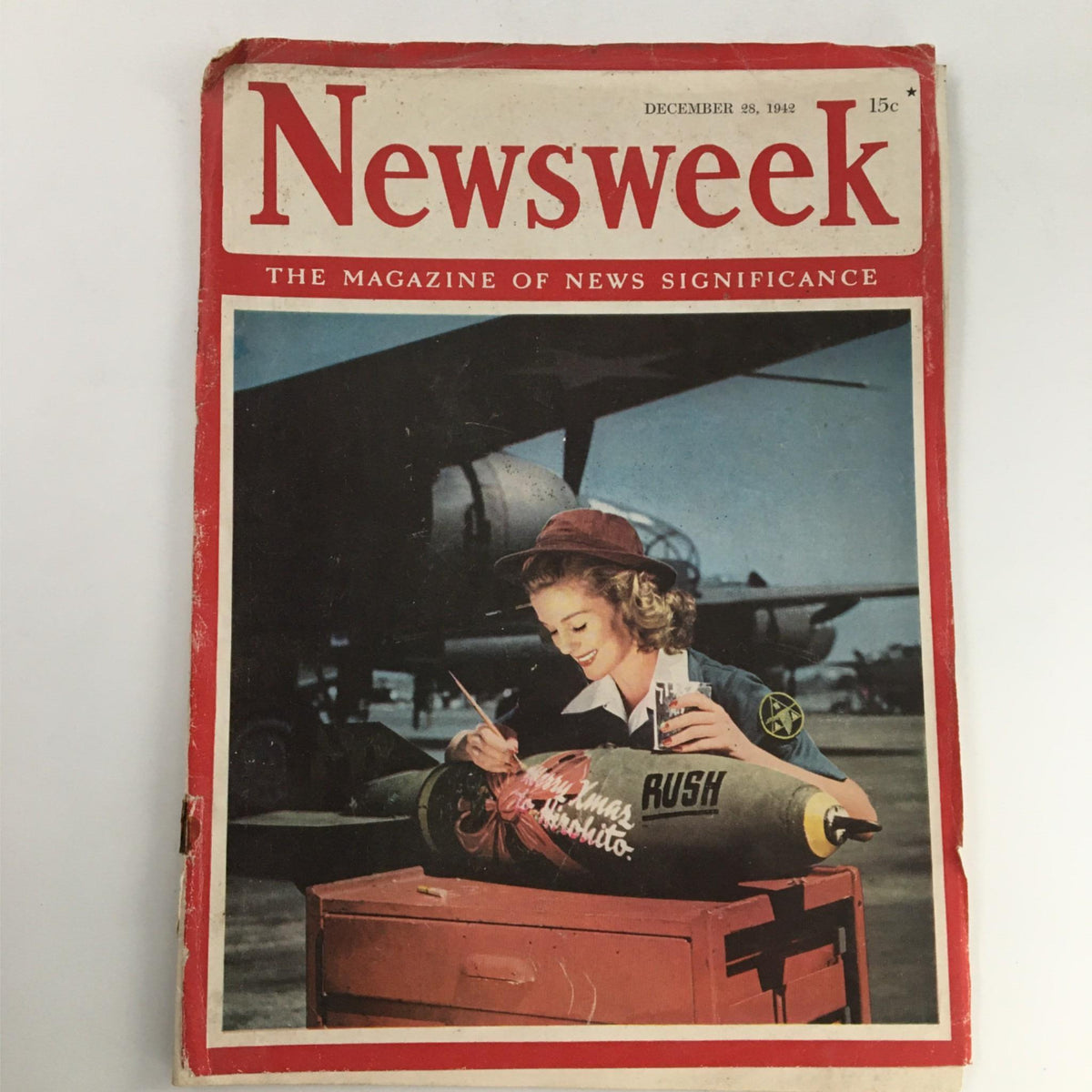
Sports provided another escape. The NFL Championship on December 13th saw the Washington Redskins upset the mighty Chicago Bears 14–6 at Griffith Stadium, while the Heisman Trophy went to Georgia halfback Frank Sinkwich. Original magazines from December 1942 capture all of it: the rationing notices alongside perfume advertisements, Sinatra's pompadoured grin next to headlines from Stalingrad. The Saturday Evening Post and Esquire carried the era's peculiar duality—sacrifice and glamour, fear and swing music—preserved on every page.
Curator's Checklist: What to Look For
-
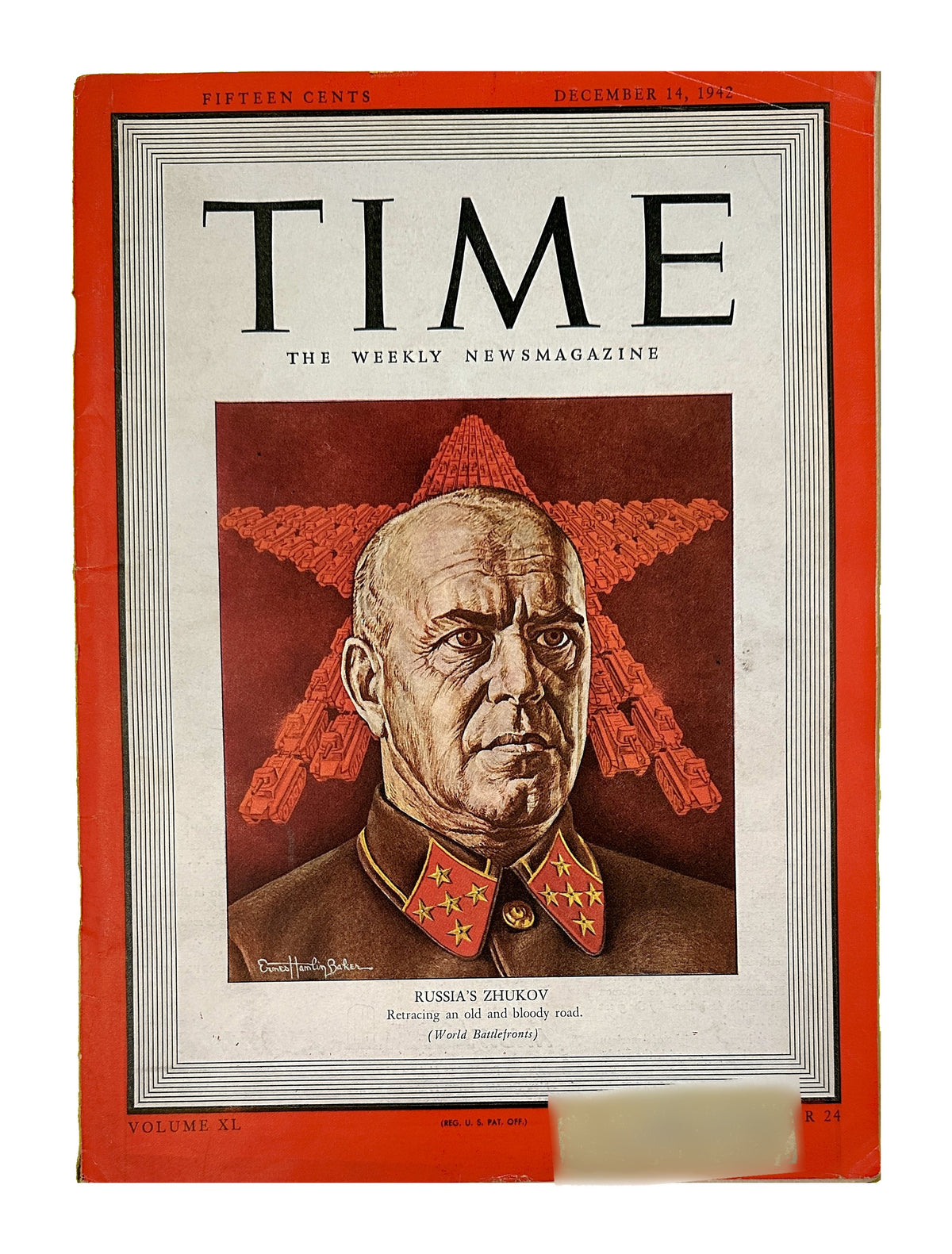
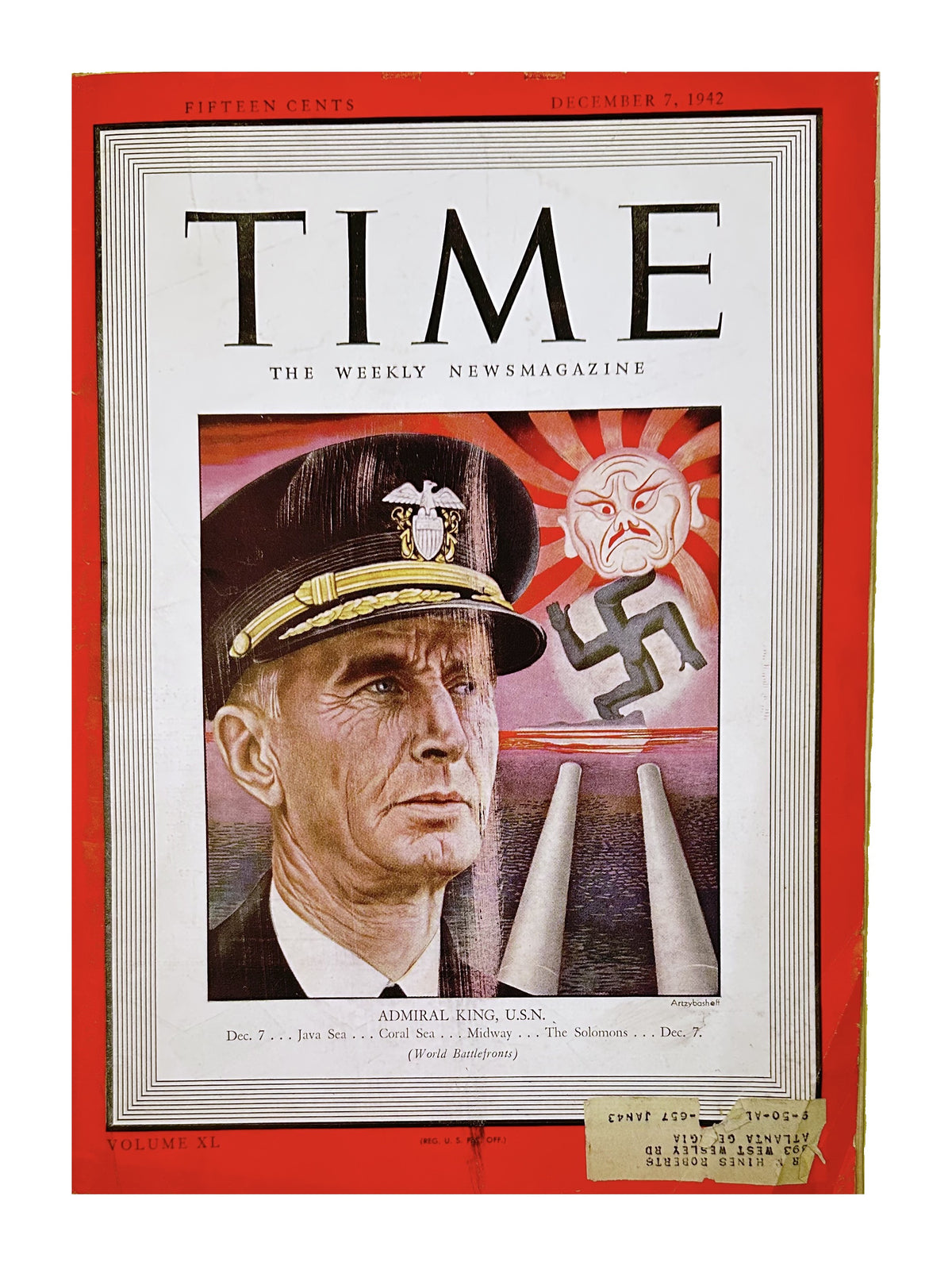
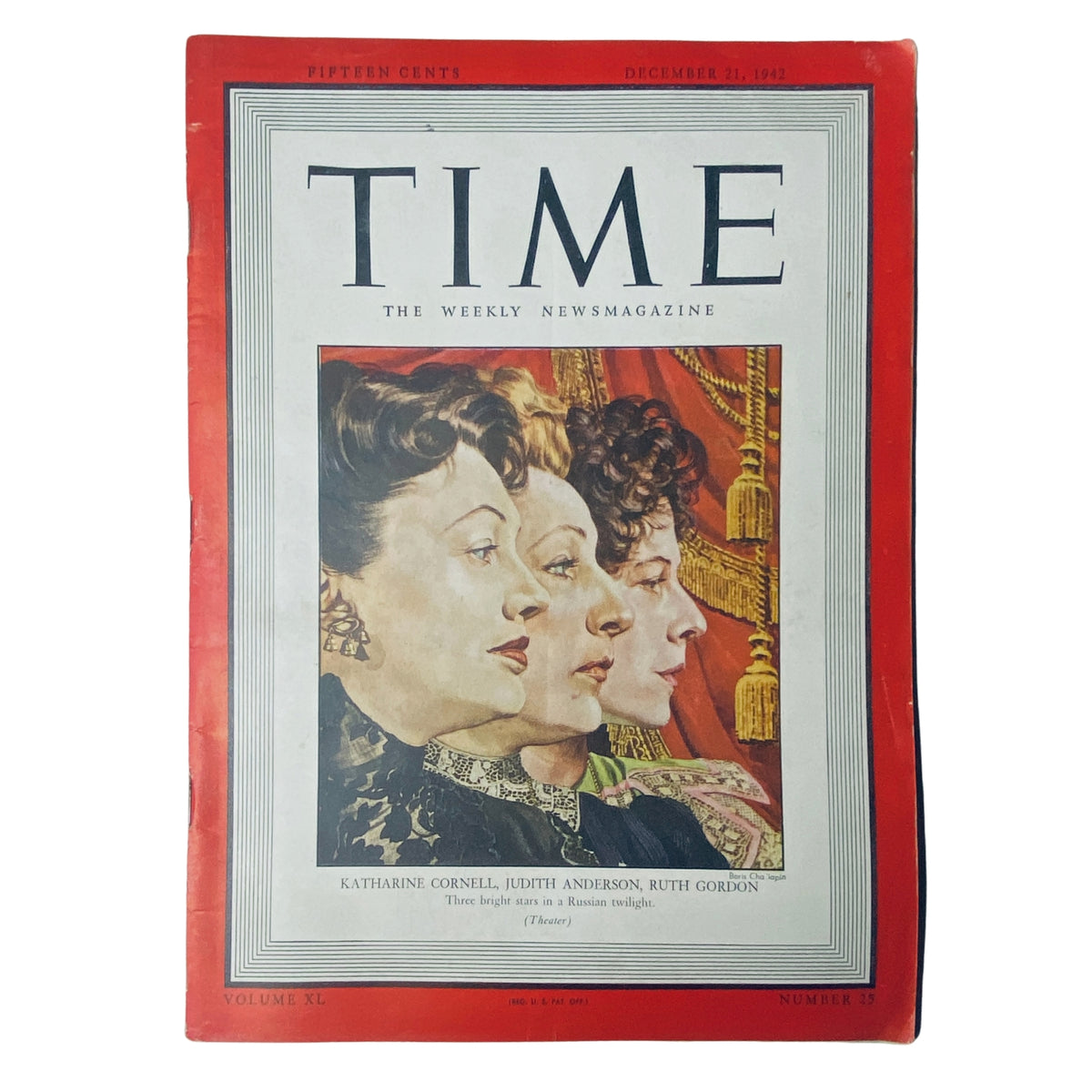
The Nuclear Threshold: Science and news magazines such as Time and Newsweek from this month chronicled the University of Chicago's secretive Manhattan Project work, featuring photographs of Enrico Fermi and dense coverage of America's scientific mobilization that today reads as the quiet announcement of the atomic age.
-
The Beveridge Report & the Welfare State: Look for British-edition rare magazines and American newsweeklies featuring analysis of William Beveridge's landmark social insurance plan, illustrated with charts, portraits, and editorial commentary debating what the post-war world might look like.
-
Sinatramania: Entertainment pages and vintage magazines from December 1942 are among the earliest documents of Sinatra-mania, showcasing his Paramount Theater debut alongside big-band advertisements and bobby-soxer fashion spreads that defined a generational moment.
-
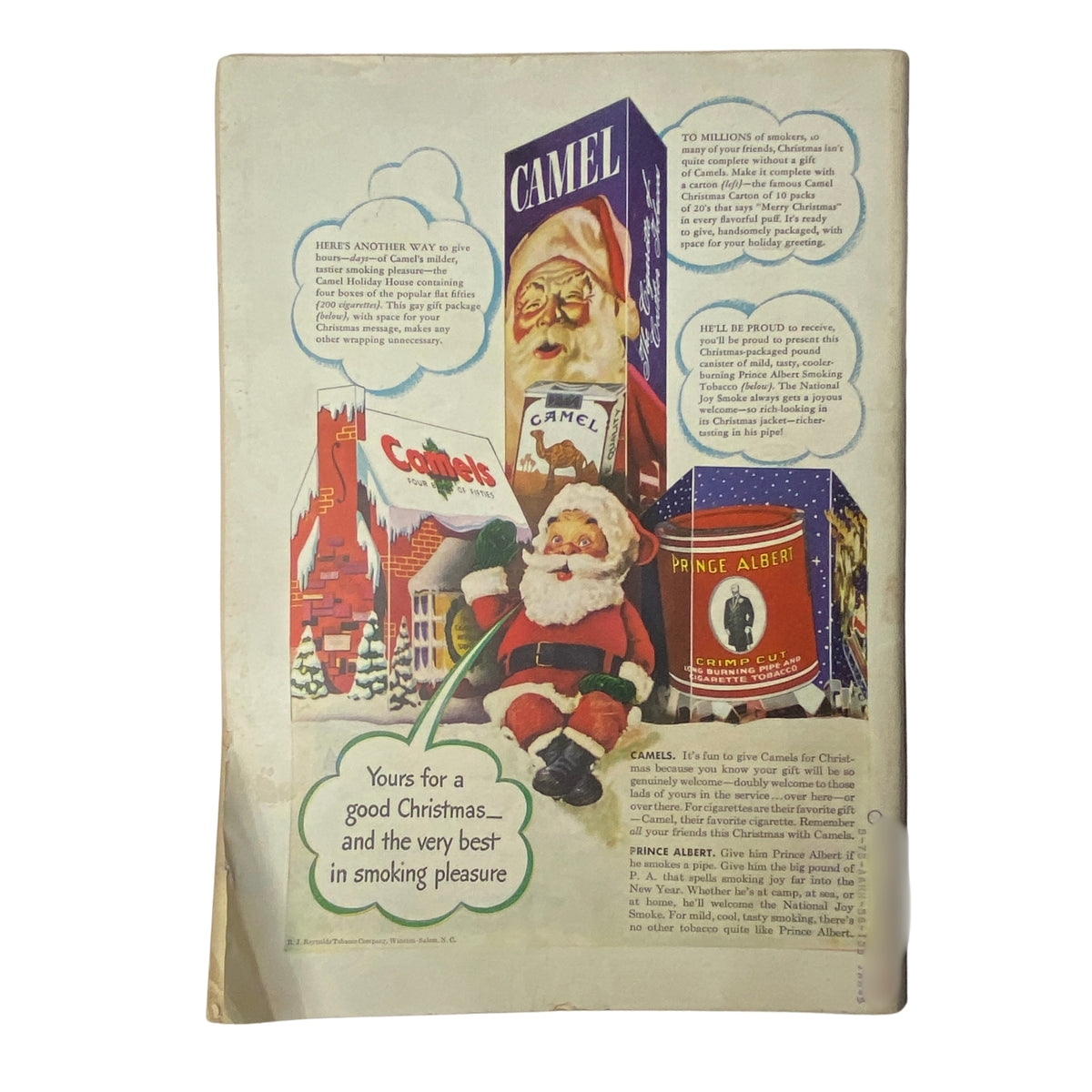
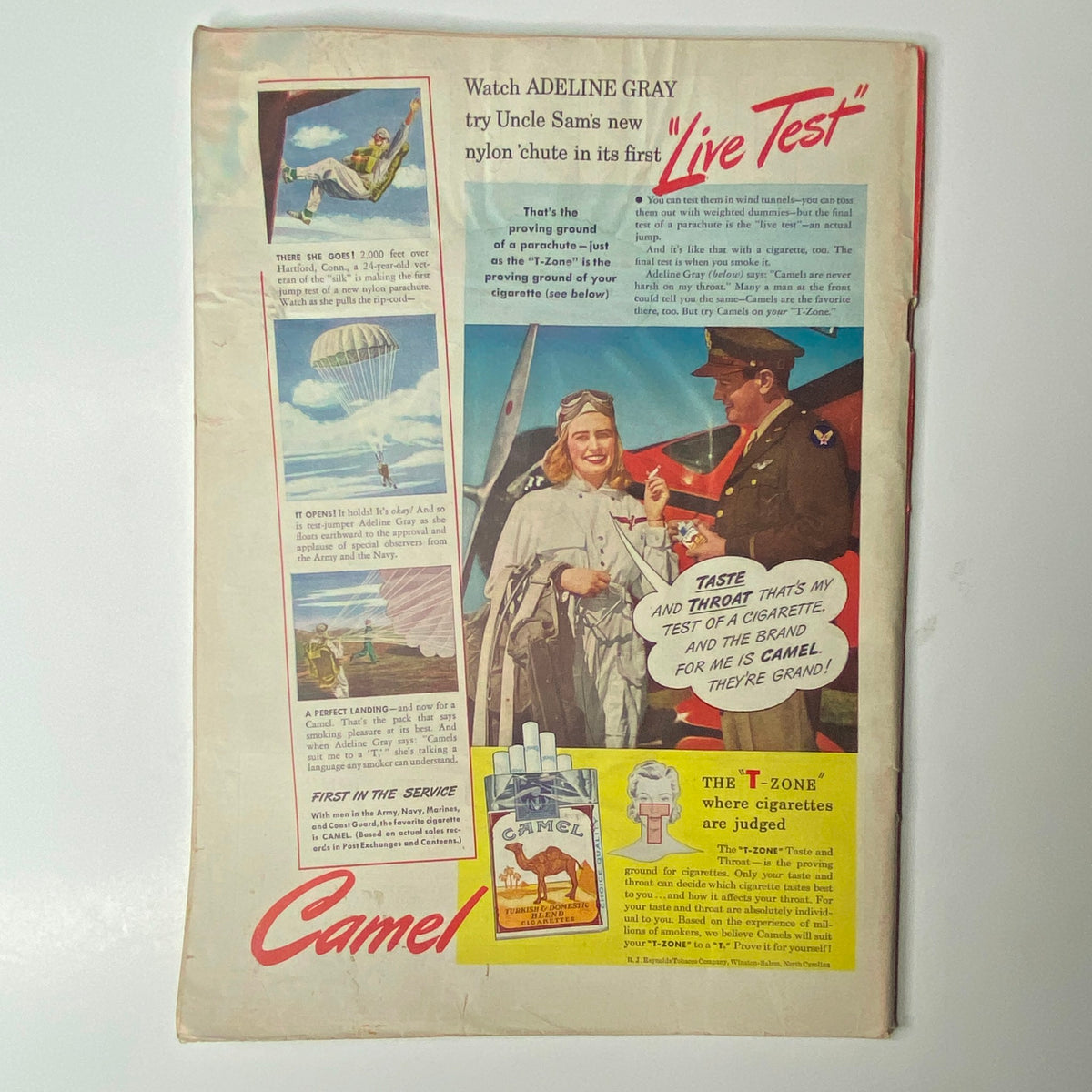
Wartime Rationing & the Home Front: Advertisements in Life, Look, and The Saturday Evening Post from this month reflect the first days of gasoline rationing—a fascinating window into consumer culture under constraint, with auto manufacturers pivoting their ads toward patriotism and war-bond drives.
-
NFL Championship & Heisman Glory: Sports-focused titles including early Sports Illustrated predecessors and general-interest weeklies ran full features on the Redskins' upset victory and Frank Sinkwich's Heisman win, illustrated with action photography and player profiles that feel remarkably modern.
The Perfect Gift
For someone born in December 1942, an original magazine from this extraordinary month isn't just a piece of paper—it's a genuine time capsule of the moment the atomic age was secretly born, preserved in authentic wartime headlines, period advertisements, and photography that no reprint could ever replicate.